Quick Facts
- 2026 Reservation Window: Opens January 19 at 8 am PT via the Parks Canada website.
- Estimated Total Cost: Approximately $410 CAD per person, covering permits, entry fees, and mandatory water taxis.
- Total Official Distance: The route is a 75-kilometer (47-mile) backcountry route that typically takes 6 to 8 days.
- Technical Difficulty: Rated as extreme due to over 100 ladders and deep mud; one in every 100 hikers who attempt the West Coast Trail each year requires a professional rescue evacuation.
- Mandatory Requirements: Attendance at a trailhead orientation and carrying a tide table and satellite messenger are strictly required.
- Best Time to Hike: The operational season runs from May 1 to September 30, with July and August offering the best weather.
Planning your first trek on the iconic West Coast Trail? This comprehensive West Coast Trail guide covers everything from securing high-demand permits to navigating the Graveyard of the Pacific. Because over 7,500 backpackers attempt the West Coast Trail each year, success starts with a meticulous reservation strategy and ends with high-quality gear designed for the rugged temperate rainforest of Pacific Rim National Park Reserve.
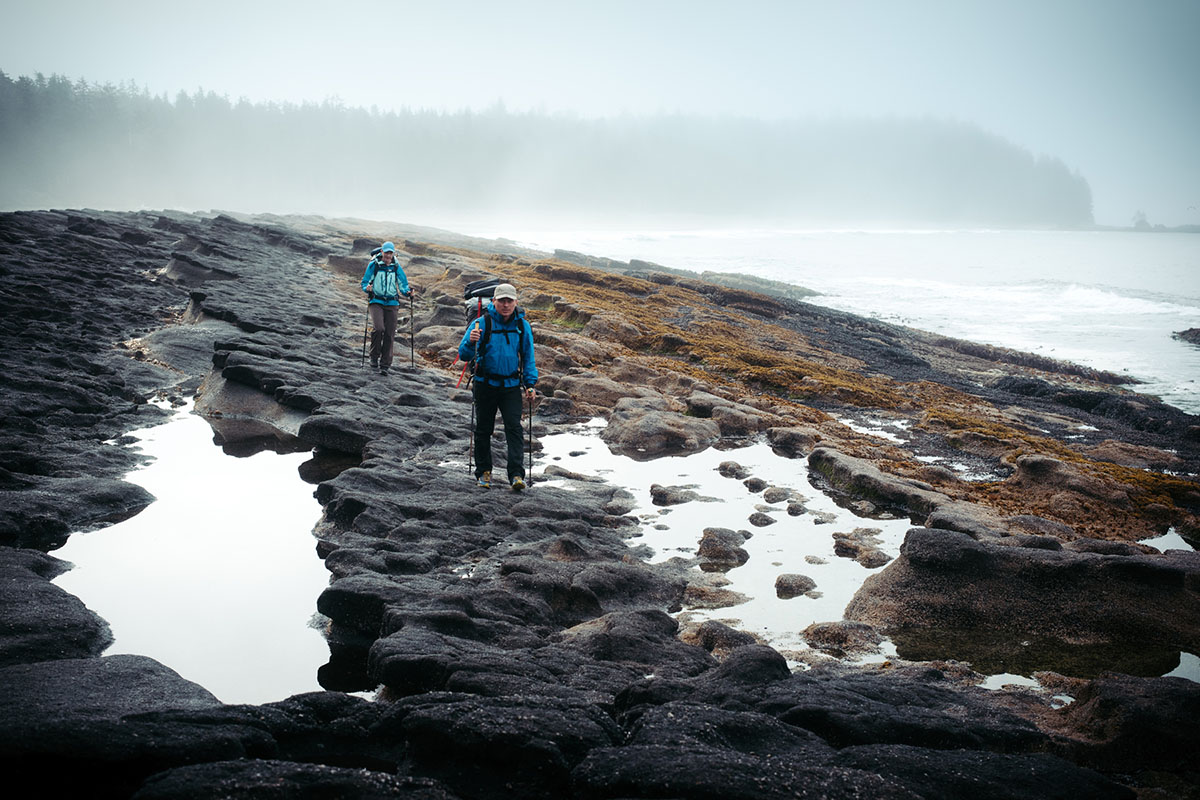
Securing Your 2026 West Coast Trail Permits
The first challenge of the trail is not a vertical ladder or a surge channel—it is the reservation system. For many, the West Coast Trail guide journey begins at a computer screen on January 19. At exactly 8 am PT, the Parks Canada reservation portal opens for the entire season. These spots disappear within minutes, particularly for the coveted slots in late July and August. If you are learning how to get West Coast Trail reservations for the first time, our best advice is to have your Parks Canada account created and tested weeks in advance.
The permit fee is part of a larger financial commitment. When you book, you will pay for the West Coast Trail hiker permit, the Pacific Rim National Park Reserve entry fee, and the two mandatory ferry crossings at Gordon River and Nitinat Narrows. Expect the total to land around $410 CAD. For those who miss the initial window, do not lose hope. Cancellations are common during the spring months as people realize the West Coast Trail difficulty may be beyond their current fitness level. Refreshing the booking page daily in April and May is a proven West Coast Trail planning for beginners strategy.
Beyond the digital permit, every hiker must participate in a mandatory orientation. These sessions occur at the Pachena Bay (Bamfield) and Gordon River (Port Renfrew) trailheads. Rangers will cover safety precautions for West Coast Trail bears and wildlife, explain the current state of the ladders, and issue the essential waterproof map and tide table. This orientation isn't just a formality; it is a vital safety briefing rooted in the trail's history as the Dominion Lifesaving Trail, originally built to help shipwreck survivors reach safety along the treacherous Graveyard of the Pacific.
Technical Reality: Understanding West Coast Trail Difficulty
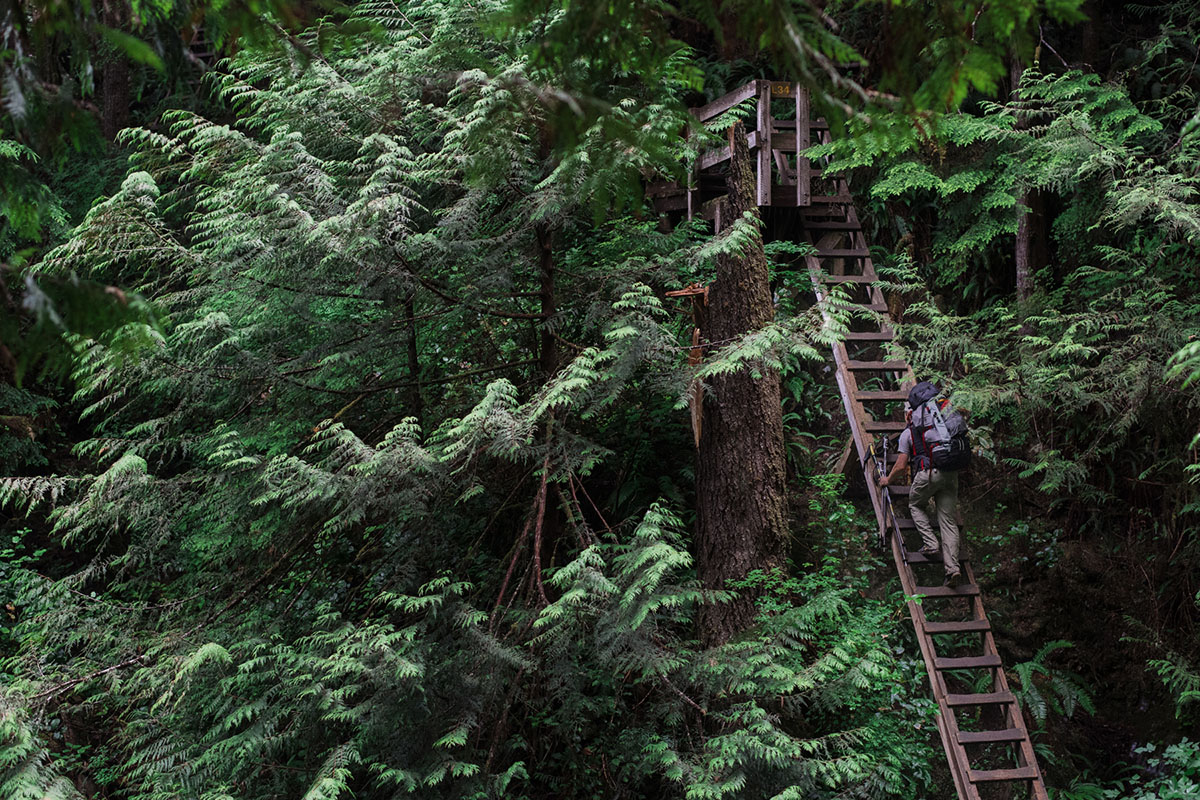
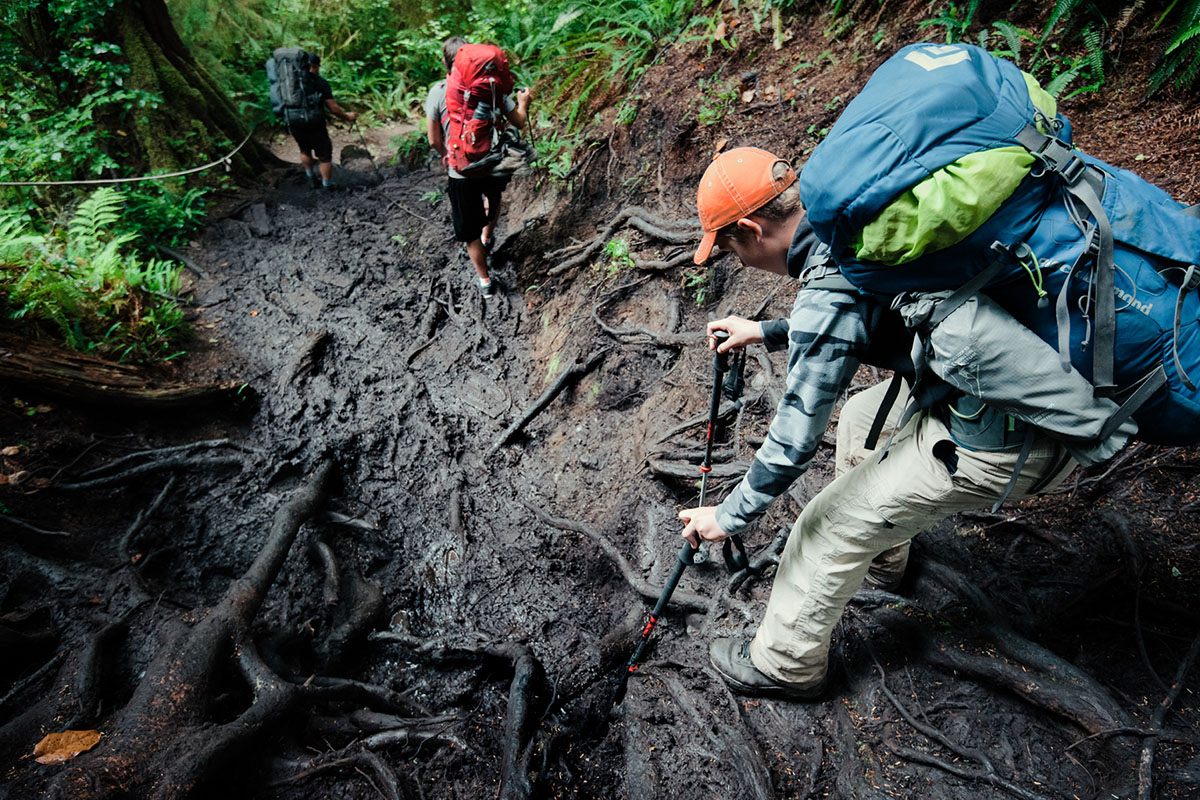
Do not let the 75-kilometer distance fool you. In the world of coastal trekking, a kilometer on the West Coast Trail is not equal to a kilometer on a paved path. Most hikers find that their average speed drops to 2 km/hr in the more technical sections. The West Coast Trail difficulty is defined by its environment: over 100 wooden ladders that can be six stories high, slippery Sitka spruce roots that act like polished ice when wet, and knee-deep mud that can swallow a trekking pole.
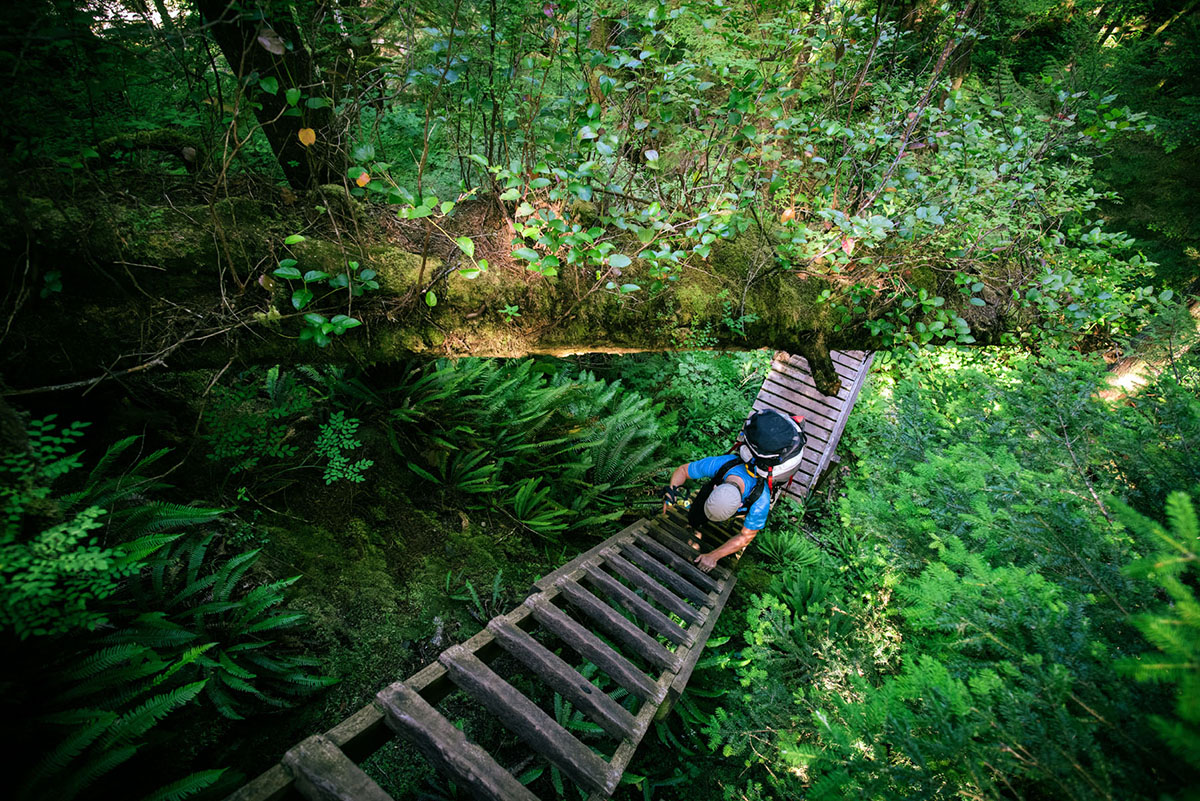
Physical preparation is non-negotiable. We Recommend focusing on West Coast Trail physical training tips that emphasize functional strength and balance. Your training should involve hiking on uneven terrain with a fully loaded pack—aiming for 15kg to 18kg—several months before your start date. Stair climbing is specifically useful because the ladders require significant upper and lower body coordination while bearing weight.
The trail is generally divided into two halves. The northern section from Bamfield to Nitinat Narrows is relatively flatter and follows more beach terrain, making it the preferred start for those who want to "warm up." Conversely, the southern section from Port Renfrew to Nitinat Narrows is significantly more rugged and forested. It features a relentless series of elevation changes as you move in and out of the trees to avoid impassable surge channels. If you choose to hike north-to-south, you will tackle the hardest terrain with your heaviest pack—a technical reality that contributes to the high rescue rate in the southern reaches.
The Ultimate West Coast Trail Packing List
When preparing your West Coast Trail packing list, remember that moisture is your primary enemy. This region receives an average of 330cm of rain annually. Everything in your pack must be stored in waterproof dry bags, and your clothing should be strictly 100% synthetic or merino wool. Cotton is a safety hazard here; once it gets wet, it stays wet, leading to chafing and hypothermia.
Proper footwear is the foundation of your gear kit. While some modern hikers attempt the trail in trail runners, the deep mud and uneven roots make a compelling case for high-top waterproof hiking boots. Pair these with heavy-duty hiking gaiters to prevent mud from entering your boots and to protect your calves from the "WCT kiss"—the scrapes and bruises earned from navigating fallen logs.
| Gear Category | Our Pick (Premium Performance) | Budget-Friendly Alternative |
|---|---|---|
| Footwear | Gore-Tex High-Top Leather Boots | Sturdy Waterproof Synthetic Boots |
| Shelter | Ultralight 3-Season Tent (under 1.5kg) | Standard 2-Person Backpacking Tent |
| Safety | Garmin inReach Mini 2 | Spot Gen4 Satellite Messenger |
| Rain Gear | 3-Layer Shell Jacket & Pants | Heavy-duty Polyurethane Rain Suite |
| Cooking | Integrated Canister Stove (Jetboil) | Lightweight Pocket Stove |
Navigation on this trail requires more than a GPS. Reading tide tables for West Coast Trail coastal hiking is a daily necessity. Many beach sections are only passable at tides below 2.0 or 2.5 meters. Attempting to cross a surge channel at high tide can be fatal. Likewise, carrying a satellite messenger is now considered mandatory safety equipment. There is zero cell service on the trail, and in an emergency, these devices are the only way to contact the Hiker Guardian program or Parks Canada search and rescue teams.
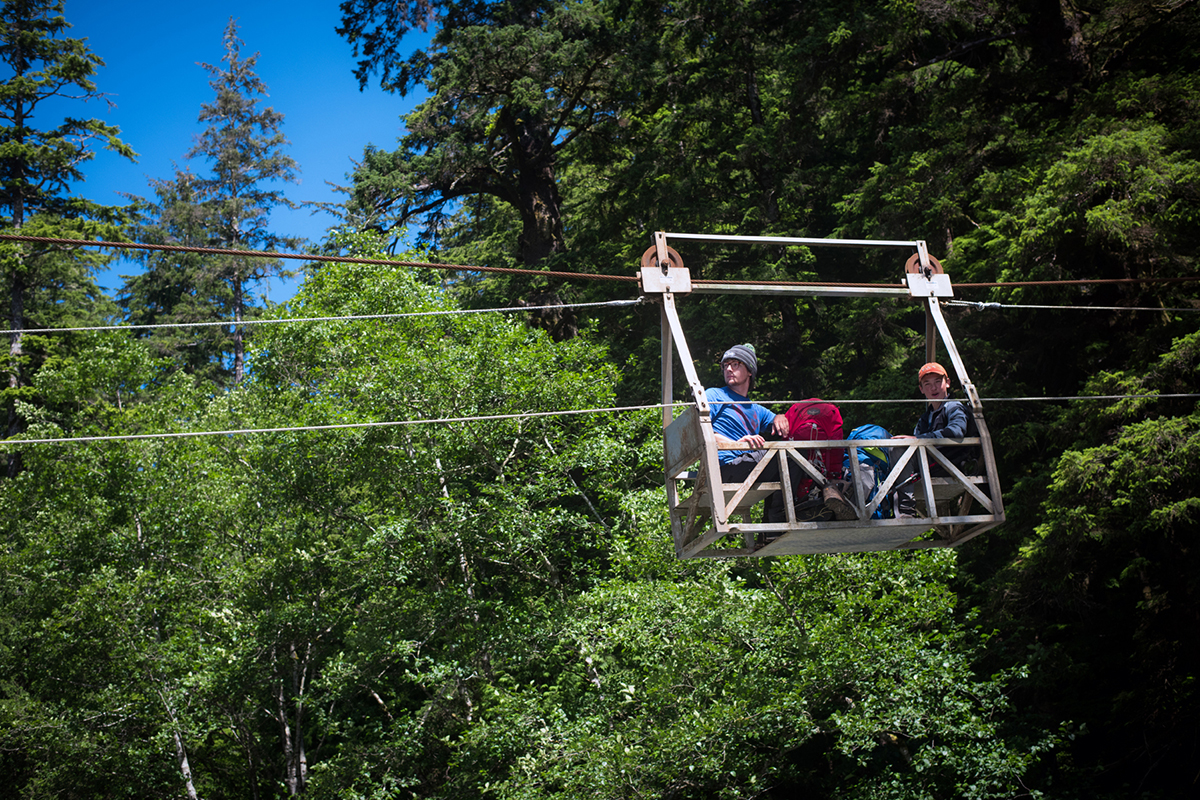
Culture and Logistics: Nitinat Narrows and Hiker Guardians
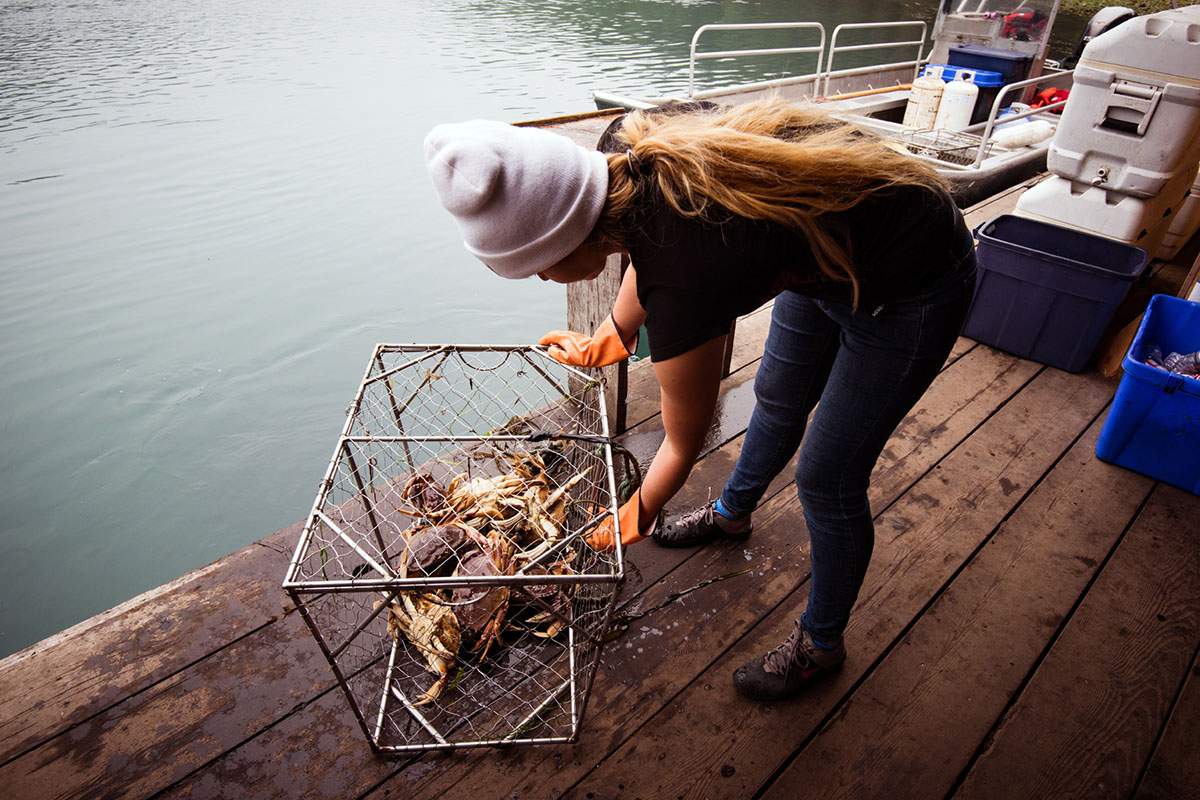
The West Coast Trail travels through the traditional territories of the Huu-ay-aht, Ditidaht, and Pacheedaht First Nations. Respecting these lands is a core part of the experience. One of the most unique aspects of the trail is the Nitinat Narrows, where the ferry crossing is operated by the Ditidaht First Nation. Here, you will find the legendary Nitinat Narrows Crab Shack.
The Crab Shack offers a rare moment of luxury in the backcountry. For about $40 to $60 CAD (cash only!), you can enjoy fresh-caught Dungeness crab or wild salmon, often served with a baked potato and a cold drink. It is a vital social hub where hikers from both directions swap stories about mud depth and wildlife sightings. Beyond the food, take a moment to learn about the Hiker Guardian program, where Indigenous guardians monitor the trail and assist with safety, ensuring the cultural and natural integrity of the Pacific Rim National Park Reserve is maintained.
Logistically, getting to the trail requires planning West Coast Trail transportation from Port Renfrew to Bamfield. Most hikers park their vehicle at one end and take the West Coast Express shuttle bus to the other. This shuttle ride is a bumpy, three-hour journey on logging roads that serves as a final reminder of how remote this coastline truly is. Whether you start at Pachena Bay or Gordon River, ensure your shuttle is booked at the same time as your West Coast Trail permits to avoid being stranded.
FAQ
How difficult is the West Coast Trail?
The trail is considered one of the most difficult backcountry routes in North America. Its difficulty stems not from elevation gain, but from technical obstacles like 100+ ladders, deep mud, slippery roots, and the mental tax of constant tide monitoring. It is recommended for experienced backpackers with high physical fitness.
How many days does it take to hike the West Coast Trail?
Most hikers complete the 75km route in 6 to 8 days. A 7-day itinerary allows for a balanced pace of roughly 10-12km per day, which is manageable given the technical terrain. Fast-packing the trail in 4 or 5 days is possible but leaves little time to enjoy the scenery or recover from the physical toll.
When is the best time of year to hike the West Coast Trail?
The prime window is from July through the end of August. During these months, the "mud season" of May and June has usually subsided, and the weather is more predictable. However, even in the peak of summer, hikers should be prepared for thick coastal fog and sudden rainstorms.
How do I get a permit for the West Coast Trail?
Permits must be reserved through the Parks Canada Reservation Service. The booking window typically opens in mid-January (Jan 19 for the 2026 season). You will need to select your start date, entry point (Pachena Bay, Gordon River, or Nitinat Narrows), and pay all associated fees at the time of booking.
What gear is essential for the West Coast Trail?
Beyond standard backpacking gear, the essentials include high-quality waterproof hiking boots, heavy-duty gaiters, a satellite communication device, a waterproof map, and a current tide table. Because of the 330cm annual rainfall, a reliable 3-layer rain jacket and dry bags for all interior gear are mandatory for survival and comfort.
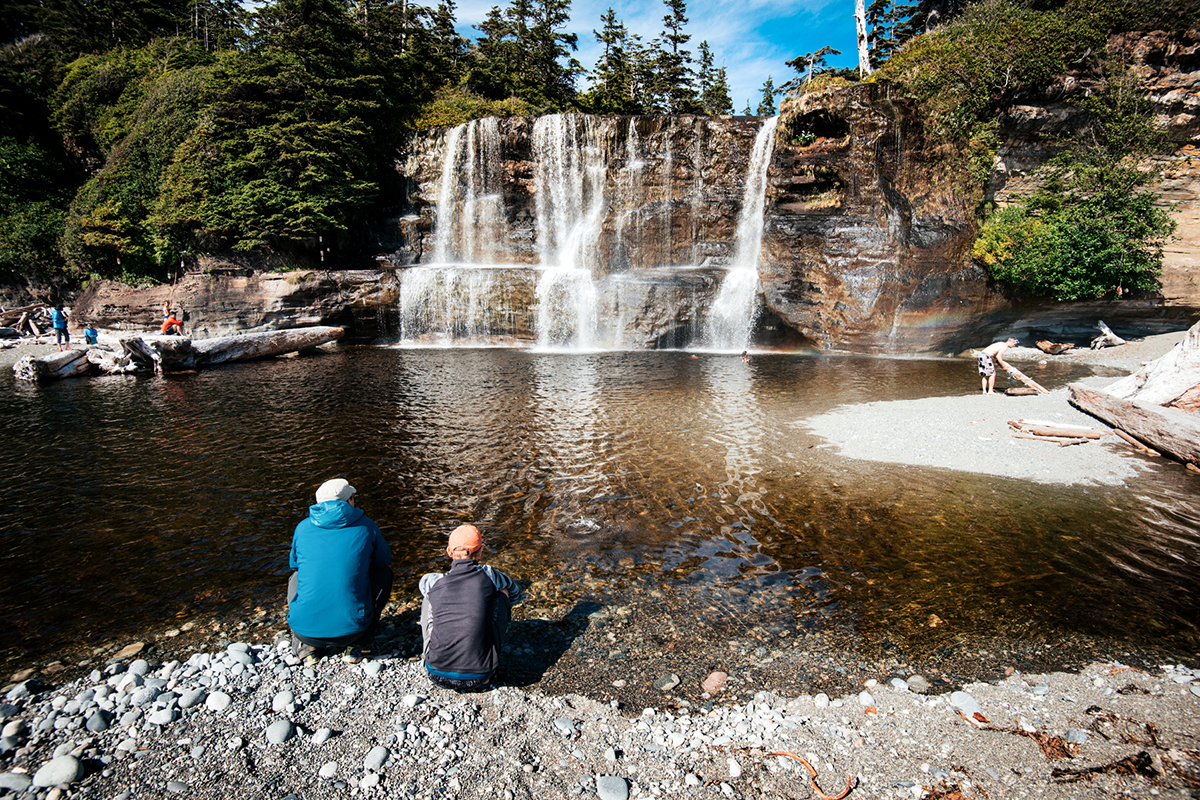
The West Coast Trail is more than a hike; it is a rite of passage. It demands respect for the ocean, the weather, and the Indigenous history of the Vancouver Island coast. By following this West Coast Trail guide and treating your preparation with the same intensity as the trail itself, you will find that the rewards—from the mist-shrouded Pachena Point Lighthouse to the thundering Tsusiat Falls—are well worth the effort. Book your permits early, train hard, and prepare for the adventure of a lifetime in the Pacific Northwest.