Quick Facts
- Cost Savings: Consistent preventive maintenance is significantly cheaper, as waiting for a total breakdown can cost 3 and 10 times more than the initial upkeep price.
- Lifespan Increase: Strategic care and professional stewardship can extend the functional life of high-end outdoor equipment by 20% to 30% on average.
- Storage Standard: Never store lithium-ion batteries at 0% or 100%; the golden rule for 2026 is maintaining a 50% charge during the off-season.
- Repair Velocity: Essential DIY outdoor gear repair tasks like zipper lubrication or fabric patching usually take less than 15 minutes but prevent terminal failure.
- Eco-Standard: Modern waterproofing utilizes PFAS-free and PFC-free treatments to align with 2026 environmental regulations and fabric safety.
- Financial Impact: Homeowners and gear owners who neglect maintenance face an average of $1,330 in repairs and related damages following emergency equipment failures.
Effective outdoor gear maintenance focuses on routine cleaning, climate-controlled storage, and proactive repairs. To prolong equipment lifespan, wash technical fabrics like sleeping bags and down jackets with specialized detergents to restore loft and warmth. Apply DWR treatments to maintain waterproofing and use adhesive patches or seam sealers for fabric repairs to ensure your gear remains reliable for years.
Hiker Math: Why Maintenance is Your Best Financial Move
Maintaining your gear isn't just about cleanliness; it's about protecting your investment. In 2026, outdoor gear maintenance is the key to 'Hiker Math' success, turning small efforts into years of extra service. Strategic aftercare can extend gear life by up to 30%, saving you thousands. From DIY outdoor gear repair to advanced technical washing, these 26 hacks will help you prolonging outdoor gear lifespan and ensure your kit performs when it matters most.
When we talk about Hiker Math, we are looking at the true cost-per-use of our equipment. A $600 ultralight tent that lasts three years costs $200 per year. By applying professional stewardship, that same tent can easily last six years, effectively halving your annual investment. On the flip side, the cost of neglect is staggering. Research indicates that repairing equipment after it has already failed can be 3 and 10 times more expensive than the cost of simple, regular upkeep.
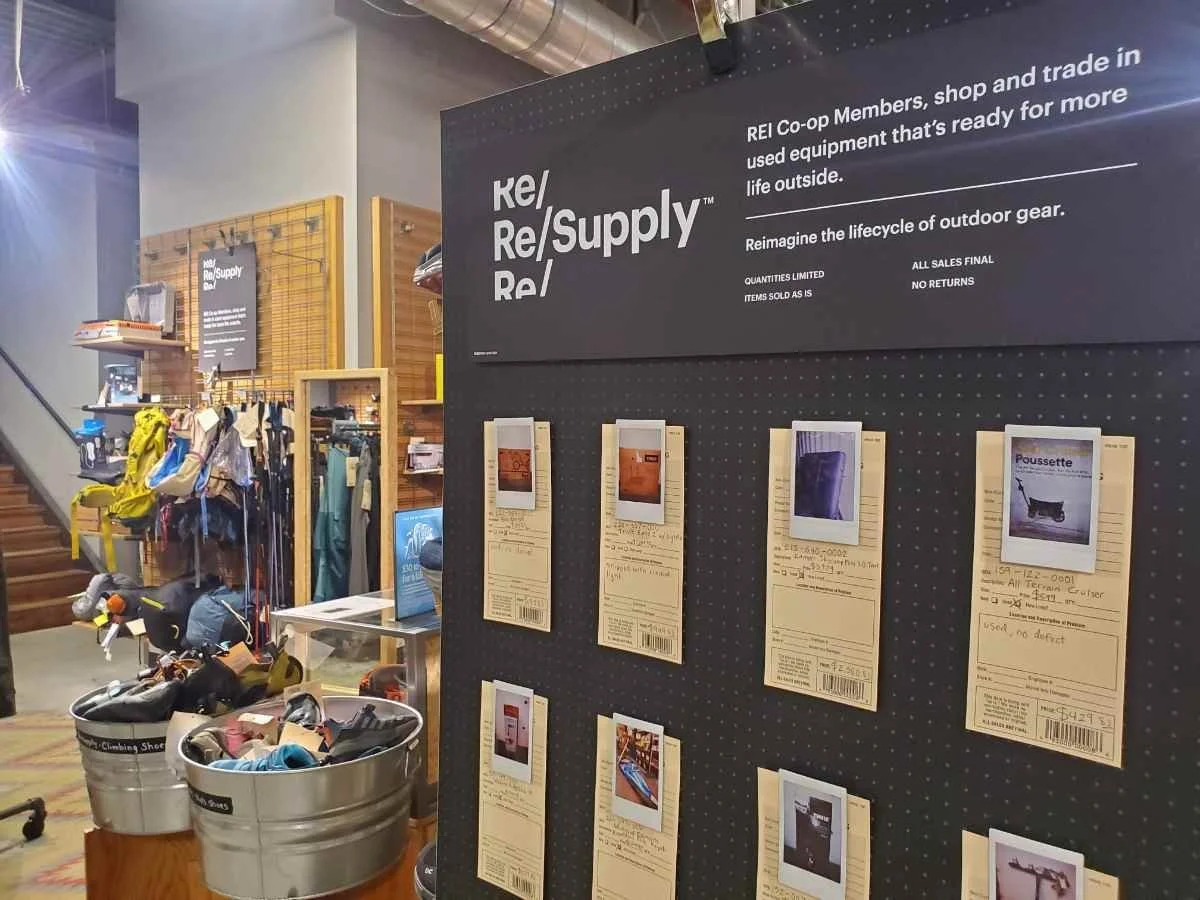
For many outdoor enthusiasts, gear is one of their most significant assets. Beyond the immediate performance benefits, maintaining your kit ensures high resale value retention. The circular economy is booming in 2026, and a well-maintained shell jacket or a meticulously cleaned sleeping bag can often be sold for 50-60% of its original price, funding your next adventure.
Hiker Math Box #1: The Rain Jacket
- Replacement Cost: $350
- Maintenance Cost (Wash + DWR): $15
- ROI: Saving $335 by preventing fabric delamination and membrane failure through yearly cleaning.
Technical Fabric Care: Restoring Loft and Waterproofing
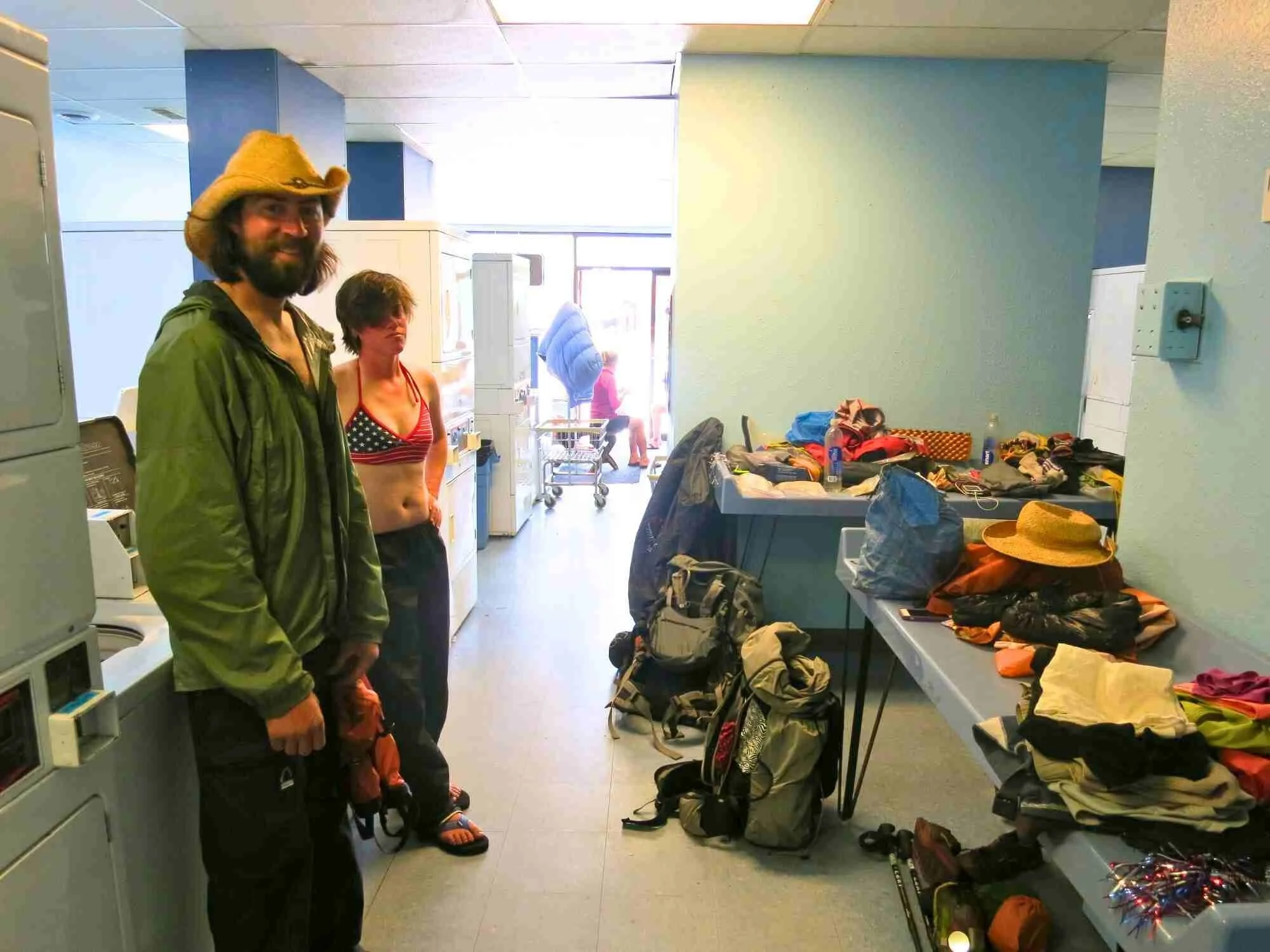
The biggest mistake most people make with their technical apparel is either washing it too much with the wrong soap or never washing it at all. Sweat, oils, and smoke clog the pores of waterproof membranes, leading to fabric delamination. Understanding how to clean camping gear properly starts with the right chemistry. You must avoid standard household detergents, which contain surfactants and brighteners that attract water and destroy Durable Water Repellent coatings.
When learning how to wash a sleeping bag at home, the process requires patience. Only use a front-loading washing machine to avoid the damaging mechanical stress of an agitator. Use a Technical laundry detergent specifically formulated for down or synthetic insulation. This protects the natural oils in the feathers, ensuring successful loft restoration. Once washed, the drying process is critical; use low heat and add three clean tennis balls or specialized dryer balls. This breaks up clumps of insulation, ensuring the bag regrows to its full thermal efficiency.
For waterproof shells, the 2026 standard is all about PFAS-free DWR. If water is no longer beading on your jacket, it’s time for a retreat. After a clean wash, apply a spray-on or wash-in PFC-free treatment. Heat-set the treatment in the dryer on medium heat for 20 minutes (if the care label allows) to reactivate the water-shunning molecules. This simple DIY down jacket repair guide step can make an old jacket perform like new.
| Feature | Household Detergent | Technical laundry detergent |
|---|---|---|
| Residue | High (attracts water) | Zero (maintains water repellency) |
| Enzymes | Harsh (breaks down silk/wool) | Gentle (protects natural fibers) |
| Breathability | Clogs membrane pores | Clears pores for maximum airflow |
| Insulation | Strips oils from down | Preserves loft and natural oils |
Footwear Longevity: Protecting Your Most Expensive Accessory
Your boots are arguably the most hard-working part of your kit. Neglecting them leads to cracked leather and crumbling midsoles. A cost-effective hiking boot maintenance routine begins the moment you return from the trail. Use a soft brush and lukewarm water to remove mud and grit. Mud is surprisingly acidic and can dry out leather or wear down synthetic fibers if left to sit.
Never dry your boots near a direct heat source like a radiator or campfire. Extreme heat causes the adhesives used in boot outsole regluing to fail and makes leather brittle. Instead, stuff them with newspaper and let them air dry in a well-ventilated space. For those with high-end nubuck or leather boots, applying PFC-free treatments every few months keeps the material supple and prevents water absorption, which adds weight and causes blisters.
Hiker Math Box #2: The Leather Boot
- Replacement Cost: $280
- Maintenance Cost (Cleaning + Conditioner): $12
- ROI: Extending life from 2 seasons to 5 seasons, saving $400 over time.
Technical Gear and Electronics Maintenance
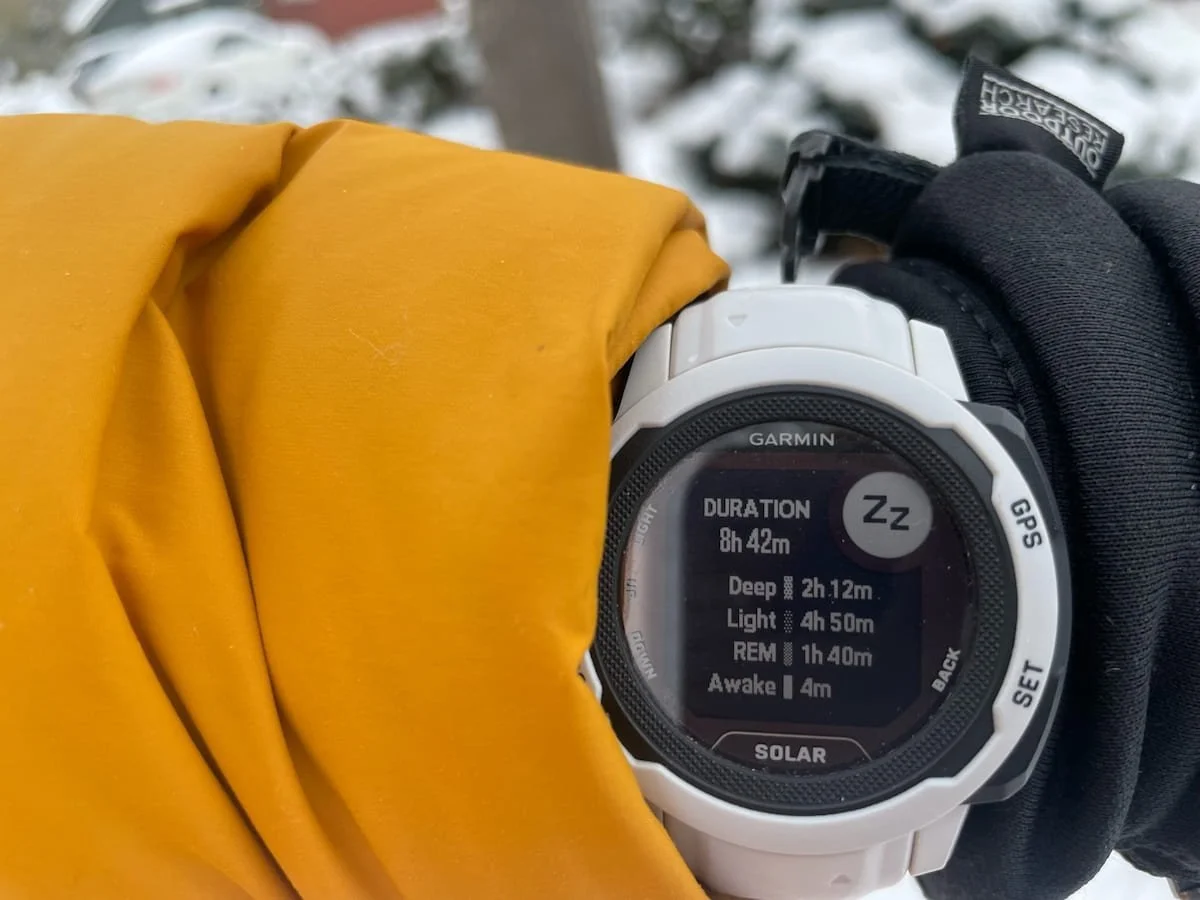
From GPS watches to satellite messengers, outdoor technology requires a specific set of rules. The primary point of failure for these items is the battery. Modern lithium-ion batteries suffer when left completely discharged for months. Effective outdoor gear maintenance for electronics involves battery cycle management. Aim to store your devices with a 50% charge and check them every three months.
Another vital tip involves maintenance tips for outdoor electronics regarding port integrity. Dust and salt crust can corrode charging ports. Use compressed air or a soft toothpick to gently remove debris after every coastal or dusty trek. Furthermore, always check for firmware updates before a season starts. Manufacturers often release updates that optimize battery life and GPS accuracy, which are essential for safety.
Quick Fixes: DIY Repairs in 15 Minutes or Less
Do not retire a tent just because of a small tear or a sticky zipper. Most DIY outdoor gear repair tasks are incredibly simple. For fabric tears, Tenacious Tape is the gold standard. Unlike duct tape, it doesn't leave a gooey residue and is designed to withstand the elements. Simply clean the area with alcohol, cut a circular patch (rounded edges don't peel), and press it firmly over the hole.
Zippers are another common failure point. Over time, sand and salt find their way into the teeth, grinding down the slider. Use outdoor gear zipper repair hacks like Zipper lubrication using a dedicated wax or silicone spray. This reduces friction and prevents the slider from "jumping" the tracks. If you notice a leak in your tent during a storm, proactive seam sealing with a liquid sealer can save your trip. It’s a 15-minute job that provides peace of mind for years.
The Off-Season: Storing Gear to Prevent Damage
How you store your gear is just as important as how you clean it. Moisture is the ultimate enemy. Storing outdoor gear to prevent damage requires a cool, dry, and dark environment. Never store your gear while damp, as this is the primary cause of mold and mildew prevention failure. Even 24 hours in a stuffed dry bag while damp can cause irreversible PU coating degradation, leading to that "sticky" feeling on the inside of older tents and packs.
For sleeping bags and insulated jackets, avoid long-term compression. Most high-quality bags come with a large mesh storage sack. This allows the insulation to remain uncompressed, ensuring it doesn't lose its ability to trap heat over time. For tents, avoid folding them the exact same way every time; "stuffing" them actually prevents permanent creases that can eventually lead to seam tape failure.

FAQ
How do you clean and maintain outdoor gear?
Cleaning starts with removing loose dirt immediately after use and then using specialized soaps for technical fabrics. Maintenance involves regular inspections of seams, zippers, and waterproofing, followed by storing items in a climate-controlled, dry environment to prevent degradation.
How often should I waterproof my rain jacket?
You should reapply a DWR treatment whenever you notice water "wetting out" the face fabric instead of beading off. For most frequent hikers, this happens once or twice a year, depending on how often the jacket is washed and used.
Can you wash a down sleeping bag in a washing machine?
Yes, but only in a front-loading machine without an agitator. Use a dedicated down wash and dry it on low heat with tennis balls to restore the loft. Avoid dry cleaning, as the chemicals strip the natural oils from the down feathers.
What is the best way to store camping gear long-term?
Store gear in a cool, dry place out of direct sunlight. Sleeping bags should be stored loose in large mesh bags, and electronics should be kept at a 50% battery charge. Ensure everything is 100% dry before packing it away in bins.
How do I prevent mold and mildew on my tent?
The only way to prevent mold is to ensure the tent is completely dry before storage. If you have to pack up in the rain, set the tent up again at home within 24 hours to let it air dry fully in a shaded, breezy area.
How do you clean hiking boots without damaging them?
Use a soft-bristled brush and plain water to remove dried mud. For deep cleans, use a footwear-specific soap. Always air dry them naturally away from heat sources to protect the glues and leather integrity.
Conclusion
In an era where high-quality equipment is a significant financial commitment, professional stewardship of your kit is the smartest move you can make. By implementing these 26 hacks, from simple zipper lubrication to advanced technical laundry techniques, you are not just cleaning; you are ensuring your gear performs when conditions are at their worst.
Research shows that strategic maintenance can extend the lifespan of your gear by 20% to 30%, ensuring that your favorite boots, tents, and jackets stay in the field and out of the landfill. Treat your equipment as an investment, and it will provide safety and comfort for many years to come.