Quick Facts
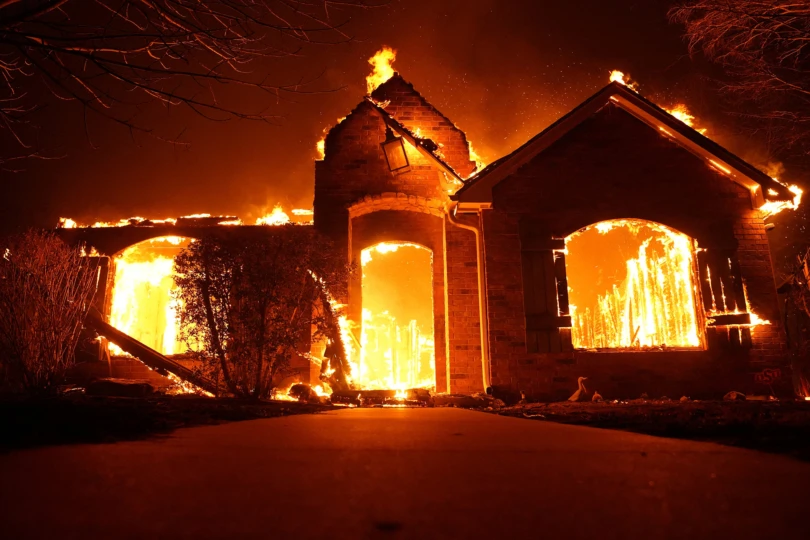
- Primary Threat: Embers are responsible for more than 90% of home ignitions during wildfires, requiring a defensive shift toward ember mitigation.
- The Tech: Low-frequency infrasound technology uses waves typically below 20 Hz to displace oxygen and disrupt the fire triangle.
- Installation: Hardware is integrated into rain gutters and high-risk vents to create a protective barrier around the structure.
- Range: Current systems provide a cone of protection that remains effective up to 25 feet from the sound source.
- Energy Efficiency: Advanced units operate on a modest 500-watt power draw and include off-grid battery backups for use during utility outages.
Wildfire defense is entering a new era. While traditional methods rely on brushes and water, acoustic fire suppression offers a revolutionary, waterless alternative. By using low-frequency sound waves, homeowners can now deploy a sonic fire defense for homes that neutralizes embers before they ignite. This NASA-inspired technology represents a paradigm shift in the wildfire-urban interface, focusing on structural hardening without collateral damage.
Acoustic fire suppression is a waterless technology that uses low-frequency sound waves or infrasound to extinguish flames. By vibrating the air faster than a fire can consume oxygen, the system effectively suffocates the flame within milliseconds. This method prevents combustion and structural ignition without the collateral damage typically caused by water, foam, or chemical suppressants.

Science of Sound: How Acoustic Suppression Disrupts the Fire Triangle
To understand how sound can put out a fire, we have to look at the fundamental physics of combustion. Traditionally, we are taught the fire triangle: a fire needs heat, fuel, and oxygen to survive. If you remove any one of those three, the fire dies. Standard water-based systems focus on removing heat, while chemical foams focus on smothering the fuel. Acoustic fire suppression takes a different route by leveraging thermoacoustic engineering to manipulate the air surrounding the flame.
This technology utilizes low-frequency infrasound, specifically waves typically below 20 Hz, to create high-velocity air movements. When these sound waves hit a flame, they cause the air molecules to oscillate rapidly. This low-frequency oscillation essentially separates the thin layer of burning gases from the fuel source. By increasing the velocity of the air faster than the fire can draw in new oxygen, the sound waves create a state of oxygen displacement. In simpler terms, the sound waves blow the fire out, much like blowing out a candle, but on a much more powerful and consistent scale.
This approach is highly effective for protecting a residential structure from wind-blown embers. Because the sound waves are directional and can be tuned, they create a pressurized environment that makes it difficult for a fire to maintain its chemical reaction. Unlike water, which can evaporate in the intense heat of a wildfire or be diverted by high winds, sound waves maintain their integrity and can be projected to form a consistent cone of protection. This proactive defense is specifically designed to address the fact that embers are responsible for more than 90% of home ignitions during wildfire events.

Smart Home Integration: The Sonic Fire Defense Hardware
Modern wildfire ember protection systems are no longer bulky industrial experiments. Today’s waterless wildfire protection systems for residences are designed to blend into the architecture of a mountain home or a suburban residence. The primary hardware consists of smart home sensors and high-performance acoustic emitters. These emitters are often integrated directly into the rain gutters or the eaves of a home, areas where flammable debris and embers are most likely to collect.
The intelligence behind a sonic fire defense for homes lies in its detection capabilities. Advanced acoustic home defense systems can detect wildfire threats from up to 1,500 yards away, giving the system ample time to prime itself before the fire front or ember storm arrives. Because wildfires often result in Public Safety Power Shutoffs (PSPS), these systems are designed for off-grid resilience. They typically operate on a low 500-watt power draw, making them compatible with solar arrays and autonomous battery backups.
When looking at sonic fire defense installation for high-risk areas, the process focuses on structure hardening. By positioning emitters in the home's most vulnerable points—such as roof valleys, vents, and under decks—homeowners can establish a comprehensive perimeter. This setup allows the system to operate autonomously, using smart home sensors to monitor temperature spikes and the acoustic signatures of approaching fire, ensuring the home is protected even if the residents have already evacuated to safety.
Sonic vs. Traditional: Why Waterless Protection is the Future
For decades, the gold standard for home defense was the rooftop sprinkler. However, water-based systems come with significant drawbacks. They require massive amounts of water, which may not be available if the municipal pressure fails or if the home relies on an electric well pump. Furthermore, the water damage and mold growth resulting from a triggered sprinkler system can sometimes be as costly as the fire damage itself.
When comparing sonic fire suppression vs traditional sprinklers, the advantages of a waterless approach become clear. Acoustic fire suppression provides a clean, residue-free solution that protects the structure without destroying the interior or exterior finishes. It is particularly effective in the wildfire-urban interface where water scarcity is a constant concern.
| Feature | Acoustic Fire Suppression | Traditional Sprinklers |
|---|---|---|
| Primary Suppressant | Low-frequency sound waves | Water or chemical foam |
| Collateral Damage | Zero residue or water damage | High risk of mold and rot |
| Ember Defense | Active neutralizing barrier | Reactive wetting of surfaces |
| Power Needs | Low-draw (500W) with battery | High-pressure pumps required |
| Wind Performance | Robust infrasound projection | Water often blown off-target |
| Refill Needs | Infinite (Electronic) | Limited by tank/well capacity |
For those evaluating the cost of sonic fire tech for homeowners, it is important to consider the long-term value. While the initial installation of protecting homes from wildfire embers using sound waves may be higher than a basic brush clearing service, the lack of maintenance and the elimination of water-damage risks provide a compelling return on investment. It is a proactive system that addresses the physics of the fire triangle disruption before the flames ever touch the siding of the house.
Regulatory Compliance and the Insurance Crisis
The wildfire insurance crisis in states like California has left many homeowners searching for ways to lower their premiums or simply remain insurable. Insurance carriers are increasingly looking for evidence of structure hardening and compliance with IBHS compliance standards. Acoustic fire suppression is gaining traction as it aligns perfectly with California’s Zone Zero Perimeter Defense requirements, which mandate a five-foot non-combustible zone around the base of a home.
Because this technology focuses on ember mitigation, it addresses the specific vulnerability that insurance companies fear most. Pilot programs in high-risk areas such as Santa Barbara and Lake Tahoe are currently testing how these sonic barriers can be integrated into broader community wildfire protection plans. As the technology matures and more data becomes available, it is likely that installing a certified sonic fire defense for homes will become a significant factor in securing favorable insurance rates in the wildfire-urban interface.
FAQ
What is acoustic fire suppression?
Acoustic fire suppression is a high-tech method of extinguishing fires using sound waves rather than water or chemicals. It specifically targets the air around a flame, using low-frequency oscillations to displace oxygen and break the chemical reaction of the fire.
How does acoustic fire suppression work?
The system works by emitting infrasound technology waves that create high-pressure air movements. These waves vibrate the air molecules so rapidly that they separate the flame from its fuel source. By disrupting the fire triangle at a molecular level, the system suffocates the fire within milliseconds.
Can sound waves actually extinguish a fire?
Yes, sound waves can extinguish a fire by creating a vacuum-like effect through oxygen displacement. While a standard speaker isn't powerful enough to do this, specialized acoustic emitters designed for fire suppression can project waves with enough force to neutralize flames and embers effectively.
What are the advantages of acoustic fire suppression systems?
The primary advantages are that it is a waterless wildfire protection method, meaning there is no water damage, no residue, and no need for plumbing. Additionally, it is highly energy-efficient and can run on battery power during a wildfire-related power outage.
Is acoustic fire suppression safe for electronics and data?
Yes, because acoustic fire suppression does not use water, foam, or chemicals, it is perfectly safe for electronics, smart home sensors, and sensitive data equipment. It provides a clean suppression environment that protects the home's contents as well as its structure.