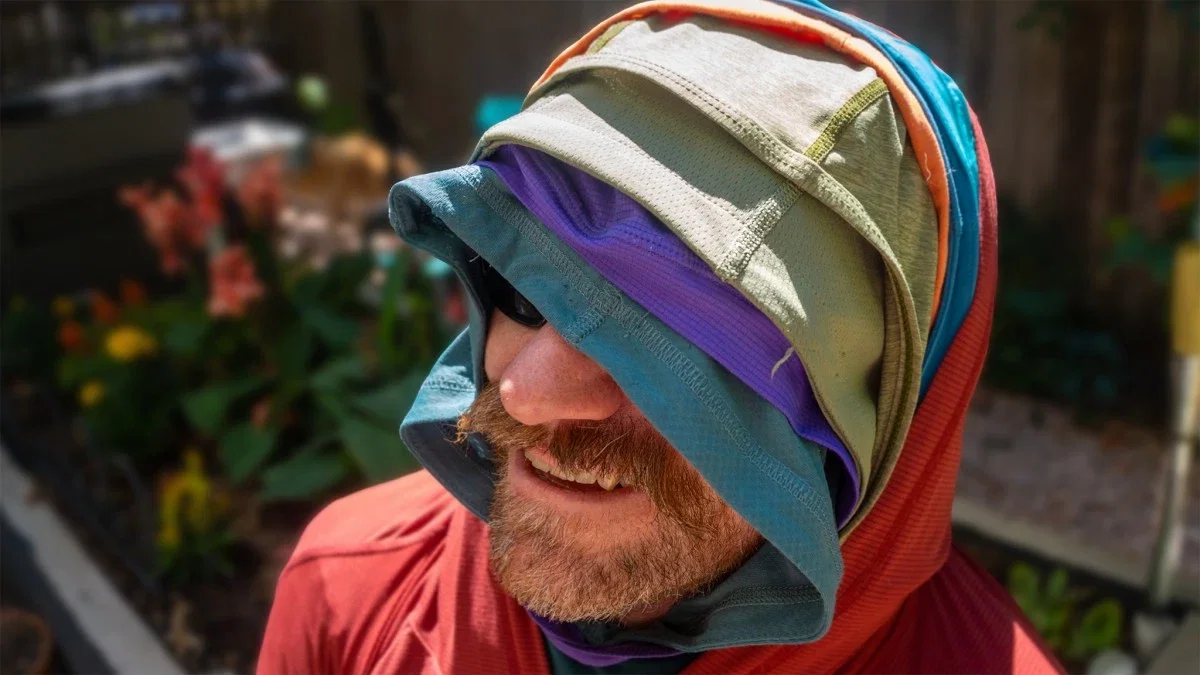
Our Top Picks
- Best Overall: Mountain Hardwear Crater Lake Hoody – Unmatched stretch and breathability for high-output mountain missions.
- Best for Fishing: Patagonia River Rambler – A rugged, tightly woven button-down built to withstand snags and water-reflected glare.
- Best Lightweight: Janji Sunchaser – Featherlight construction with trail-specific features for runners who move fast.
- Best Budget: Baleaf UPF 50 Hoody – Essential UV protection and high durability at a price point that makes sun safety accessible.
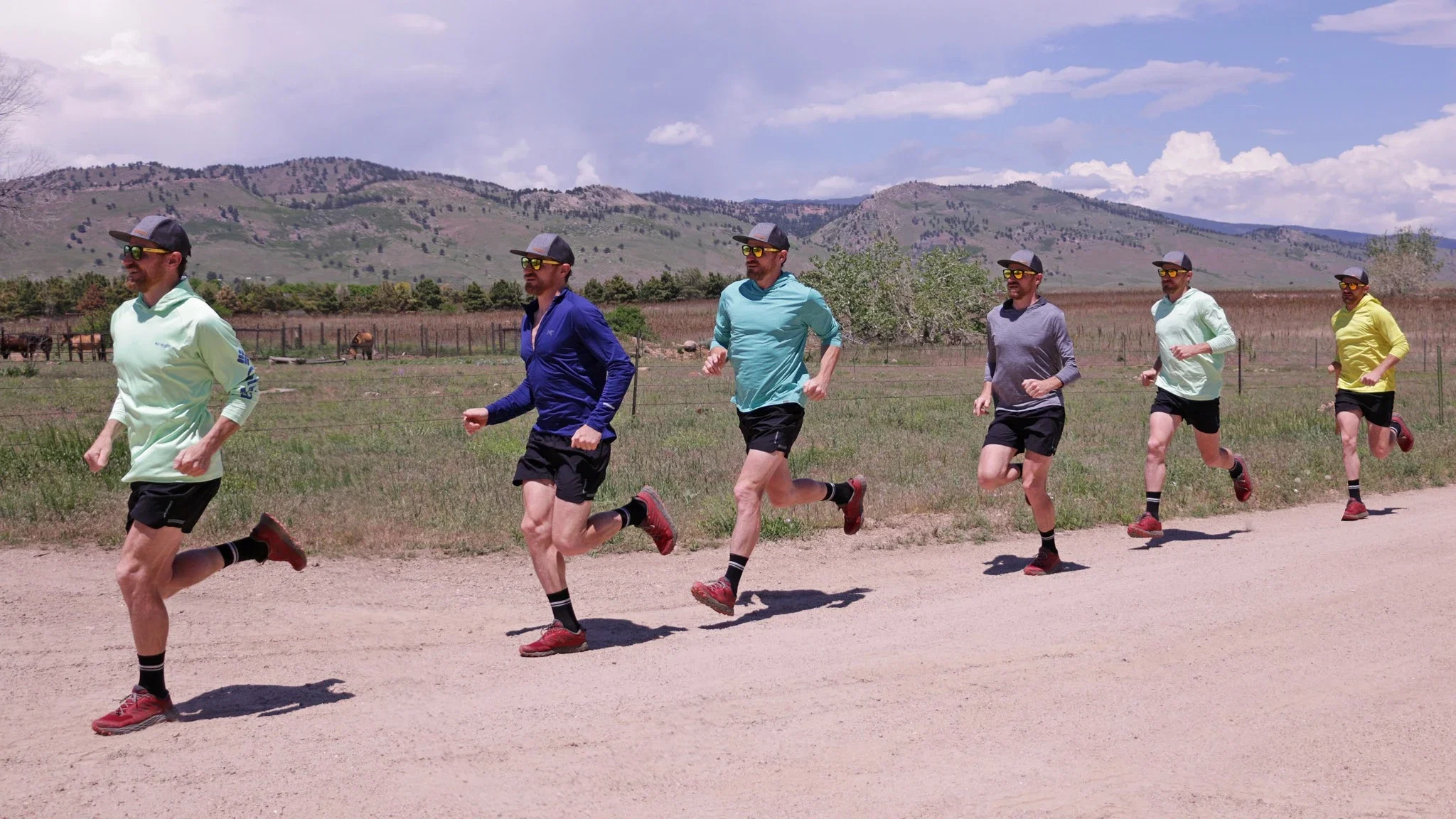
The best sun protection shirts balance UPF ratings with breathability and durability. For high-output activities like trail running, lightweight hoodies such as the Janji Sunchaser offer stretch and stay-put hoods. For fishing or high-intensity sun exposure, tightly woven button-ups like the Patagonia River Rambler provide a more durable physical barrier against UV rays. Budget-conscious users may prefer the Baleaf UPF 50 Hoody for its essential coverage and durability.
2026 Gear Comparison: Tested & Reviewed
| Product | Weight (oz) | UPF Rating | Best For |
|---|---|---|---|
| Mountain Hardwear Crater Lake | 4.2 oz | 50+ | Alpine Climbing / Hiking |
| Patagonia River Rambler | 8.1 oz | 50+ | Fishing / Sailing |
| Janji Sunchaser | 3.8 oz | 50 | Trail Running |
| Baleaf UPF 50 Hoody | 6.5 oz | 50+ | Daily Wear / Budget |
| The North Face Sunriser | 4.5 oz | 40 | Summer Marathons |
| Black Diamond Alpenglow | 6.7 oz | 50+ | Desert Lowlands |
| Columbia Terminal Tackle | 7.2 oz | 50 | Saltwater Environments |
| Outdoor Research Echo | 3.2 oz | 15-20 | Humid Speed Hiking |
| Free Fly Bamboo Shorehoody | 7.8 oz | 50+ | Sensitive Skin / Travel |
| Arc'teryx Cormac Hoody | 5.1 oz | 50+ | Technical Mountaineering |
| REI Co-op Sahara Shade | 6.3 oz | 50 | Backpacking Basics |
The Science of UPF 50+: What Changed in 2026?
For decades, we relied on a "more is better" approach to sunscreen. However, entering 2026, the guidance from the Skin Cancer Foundation has shifted toward a "Fabric First" strategy. In their latest 2026 updates, the safety threshold for the Seal of Recommendation has tightened, now essentially requiring a UPF 50 rating for garments to be considered truly protective in extreme environments.
But what do these numbers actually mean? Understanding UPF ratings for sun protective clothing is simpler than it looks. A Ultraviolet Protection Factor (UPF) measures the amount of ultraviolet radiation that can penetrate a fabric. According to data from Baleaf, a garment with a UPF 50 rating blocks 98 percent of ultraviolet radiation, allowing only 1/50th of the sun's rays to reach the wearer's skin.
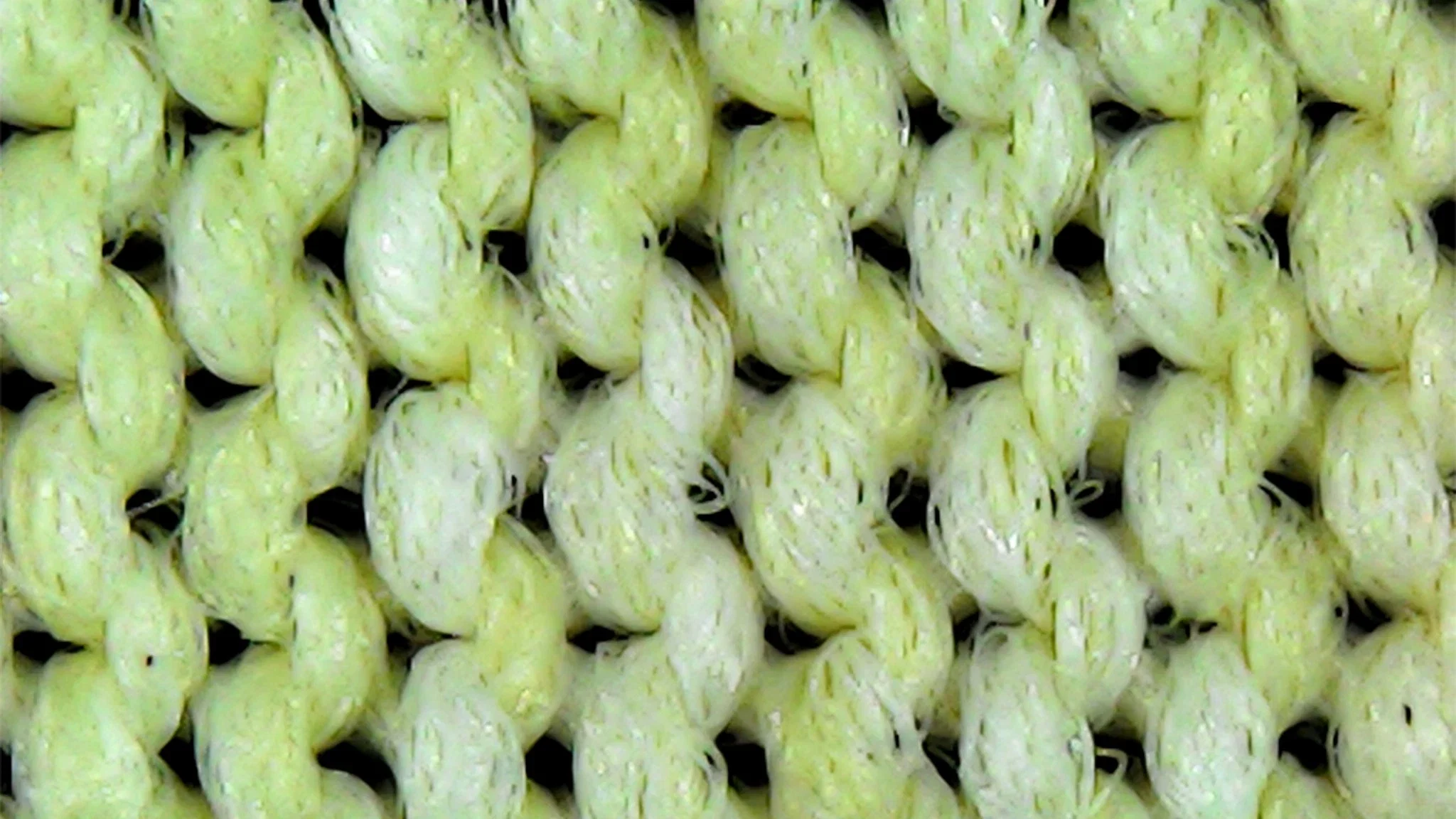
Compare this to a standard white cotton t-shirt, which typically provides a low Ultraviolet Protection Factor of 5 to 7. This allows approximately 20 percent of UV radiation to penetrate the garment—a figure that is often surprising to hikers who find themselves with a "hidden" sunburn after a day in the mountains. Furthermore, density matters. The modern gold standard for measuring this is GSM (Grams per Square Meter). A higher GSM typically indicates a denser weave, which translates to better Ultraviolet Radiation blockage, though it often comes at the cost of air permeability.
Material Mastery: Synthetic Fibers vs. Natural Blends
When selecting the best sun protection shirts, the material choice dictates whether you stay cool or end up in a sweat-soaked mess. Most performance sportswear relies on synthetic fibers like polyester and nylon. These materials are naturally better at blocking UV rays because the fibers can be extruded in shapes that minimize gaps. They also offer excellent moisture-wicking properties and quick-drying capabilities.
However, 2026 has seen a rise in natural blends, specifically those involving bamboo and merino wool. These fabrics offer a superior antimicrobial finish and a softer "hand feel" against the skin, making them popular for melanoma prevention among those with sensitive skin. The trade-off is the breathability-protection paradox: to get a high UPF rating in natural fibers, the fabric often needs to be thicker or treated with chemicals, which may limit evaporative cooling in humid climates.
For those planning a long-distance trek, lightweight quick dry sun shirts for backpacking are essential. You need a shirt that can handle the grit of the trail while drying fast enough to avoid the "wet-chill" effect when the sun goes down behind a ridge.
Deep Dive: The 11 Best Sun Protection Shirts of 2026
Mountain Hardwear Crater Lake Hoody
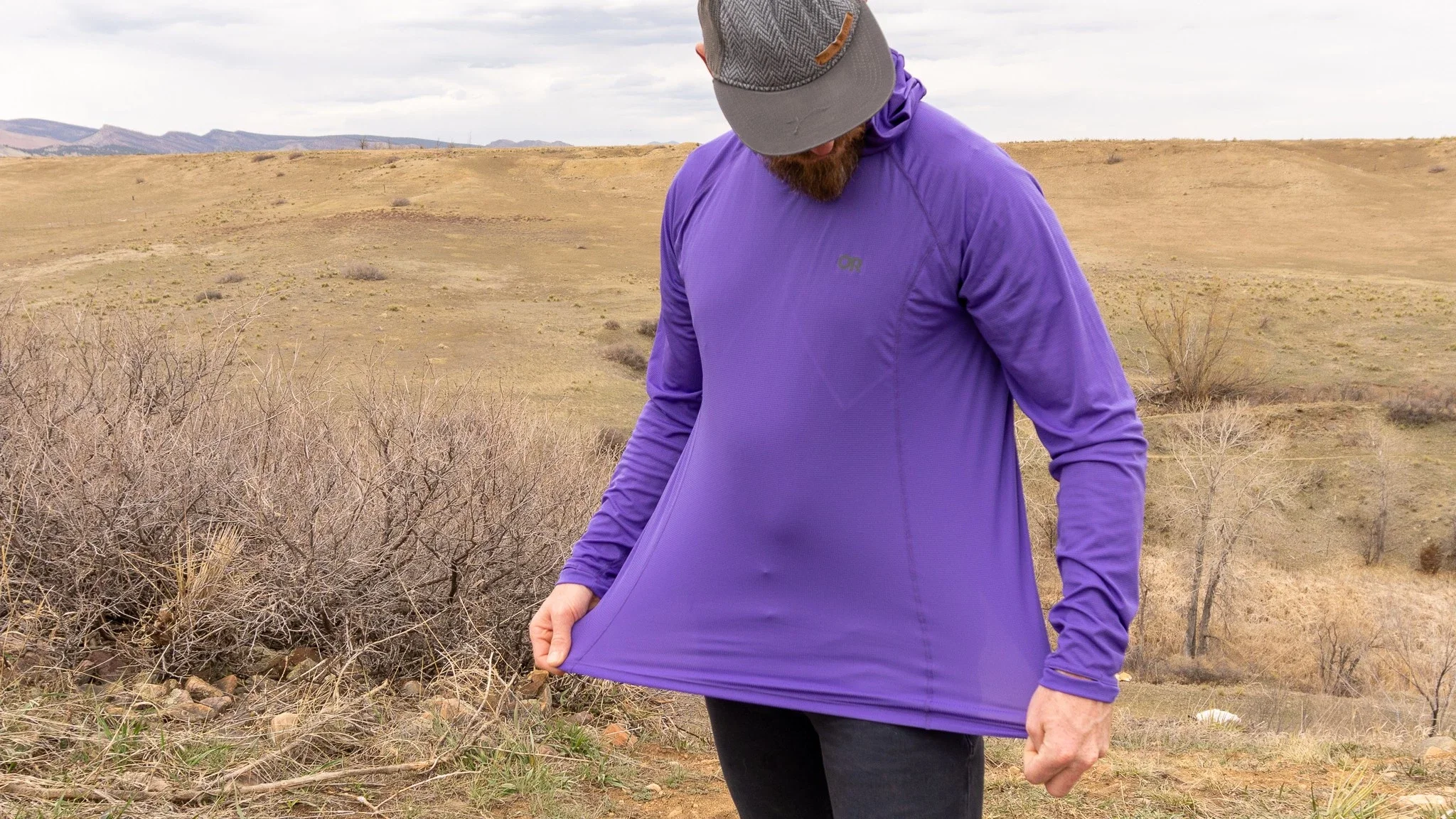
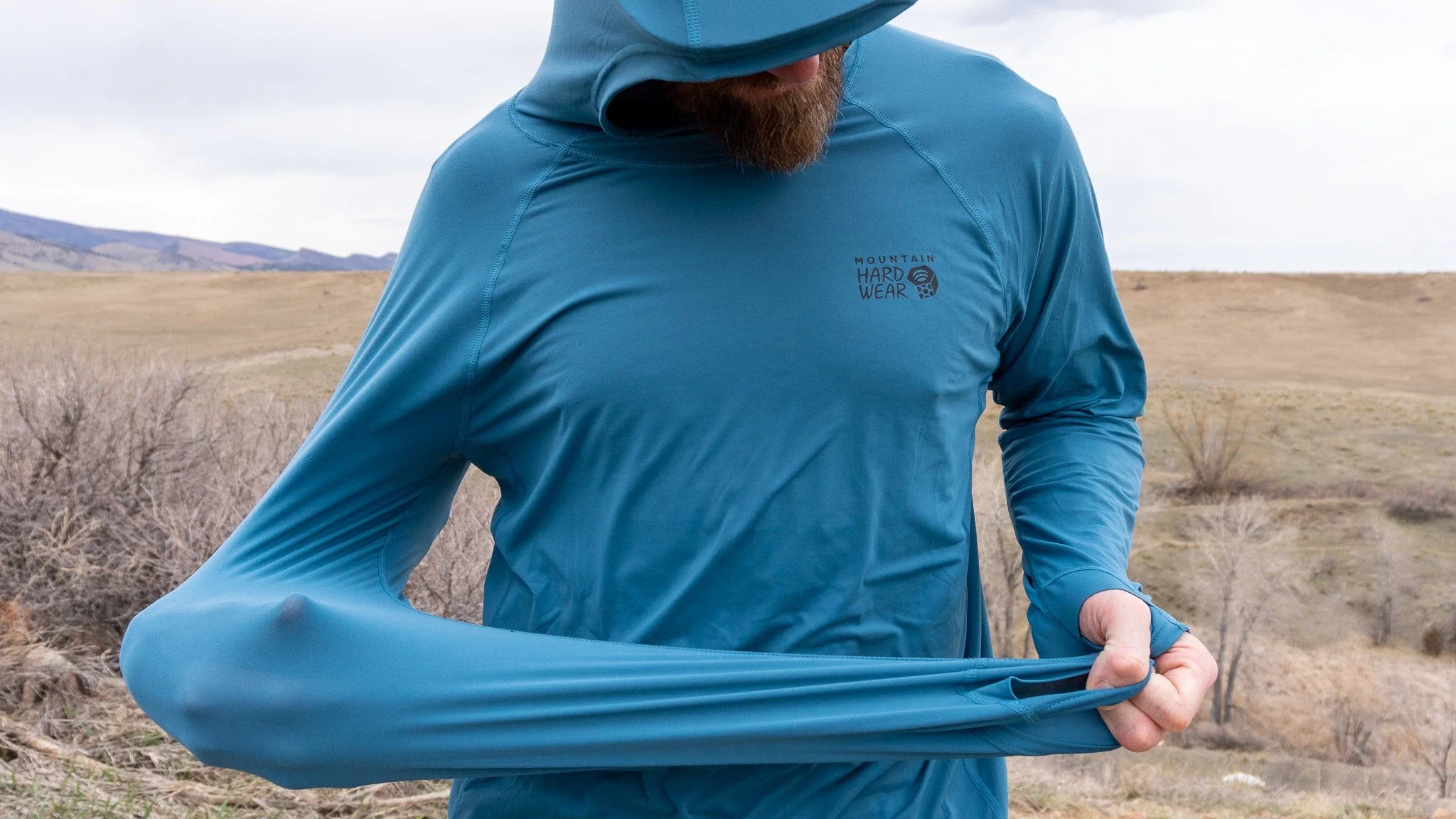
This remains the benchmark for lightweight breathable sun shirts. Using a high-performance polyester-elastane blend, it offers incredible mechanical stretch. The scuba hood fits perfectly under a climbing helmet, and the dropped hem provides extra coverage when wearing a pack.
- Weight: 4.2 oz
- UPF: 50+
- GSM: 120
Patagonia River Rambler
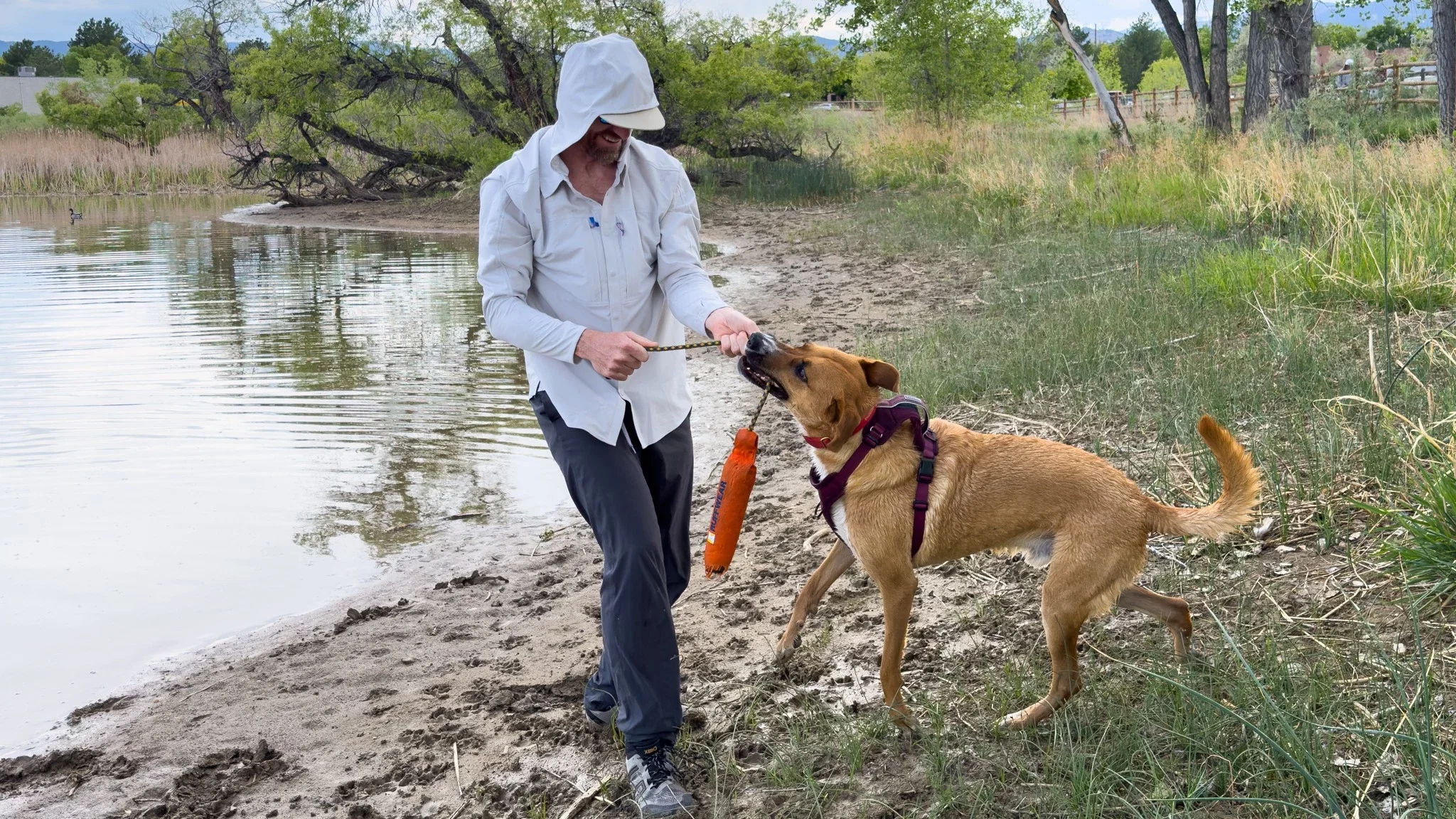
If you are looking for durable sun shirts for fishing, this is it. Unlike knit hoodies, this is a tightly woven button-down. It provides a physical barrier that is nearly impossible for UV rays to penetrate, even when the UV index is at its peak. It features classic chest pockets and a flip-up collar for extra neck protection.
- Weight: 8.1 oz
- UPF: 50+
- GSM: 165
Janji Sunchaser
Specifically designed for those who spend hours on the trail. It features a unique articulated hood and thumb loops that keep the sleeves in place while you run. It is arguably the most breathable sun protection shirts for hot weather available this year.
- Weight: 3.8 oz
- UPF: 50
- GSM: 105
Baleaf UPF 50 Hoody
The best budget choice that doesn't compromise on safety. It uses a slightly heavier fabric compared to premium models, which actually aids in its durability for rugged activities like bushwhacking. It lacks some of the finer ergonomic details but hits every safety metric perfectly.
- Weight: 6.5 oz
- UPF: 50+
- GSM: 150
The North Face Sunriser
A favorite for marathon runners, this shirt focuses on moving moisture away from the skin faster than any other on this list. While it has a slightly lower UPF 40 rating, its cooling efficiency makes it ideal for high-intensity efforts.
Black Diamond Alpenglow
Engineered for the desert, the Alpenglow uses BD.cool mineral-based in-fiber cooling technology. It reflects more infrared radiation, meaning the fabric itself stays cooler to the touch even under direct desert sun.
Columbia Terminal Tackle
A staple for best UPF fishing shirts with high durability. Its Omni-Wick technology is world-class, and the relaxed fit allows for significant airflow, which is critical when sitting on a boat in stagnant air.
Outdoor Research Echo
The Echo is the specialist for humidity. While it offers a lower UPF rating (ranging from 15 to 20 depending on the color), it is so light it feels like wearing nothing. It’s the go-to for speed hikers who prioritize airflow over total blockage.
Free Fly Bamboo Shorehoody
Utilizing a bamboo-polyester blend, this is the softest shirt on our list. It is naturally odor-resistant and feels incredibly cool against the skin. It’s perfect for travel where you might wear the same shirt for two days straight.
Arc'teryx Cormac Hoody
Designed for technical mountaineering, the Cormac offers a refined fit and excellent moisture management. The hood is designed to stay on during high winds, making it a reliable choice for high-altitude summits.
REI Co-op Sahara Shade
This is the "utility player" of the group. It is a solid choice for general backpacking and travel. It offers a soft, cotton-like feel while retaining all the technical benefits of a synthetic knit.
Choosing Your Style: Hooded vs. Collared
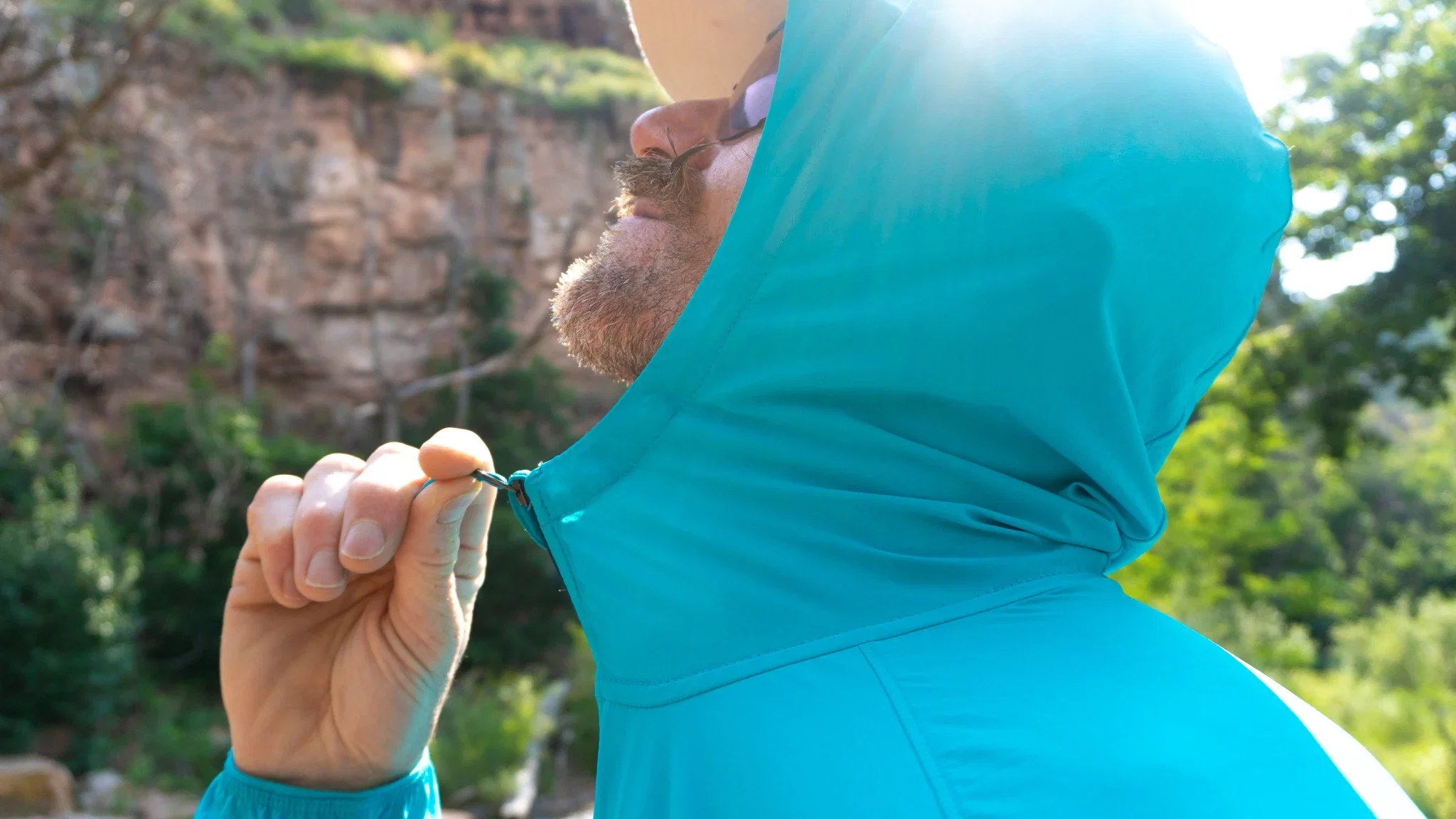
The difference between hooded sun shirts and collared button downs often comes down to the environment. UPF 50+ sun protection hoodies provide critical coverage for the back of the neck and ears, areas often missed by hats and sunscreen. They are the preferred choice for technical mountain sports. Conversely, collared button-downs provide better ventilation through the front opening and offer a more casual, "civilian" look for travel, though they must be paired with a wide-brimmed hat to protect the ears and neck.
Maintenance: How Long Does UPF Protection Last?
A common question among outdoor enthusiasts is: how long does UPF protection last in sun shirts? The answer depends on how the protection is achieved. Most of the shirts on our list use mechanical protection—the weave and density of the fibers themselves block the sun. This type of protection lasts for the entire life of the garment. However, some cheaper shirts use chemical UV absorbers that can wash out over 30 to 50 cycles.
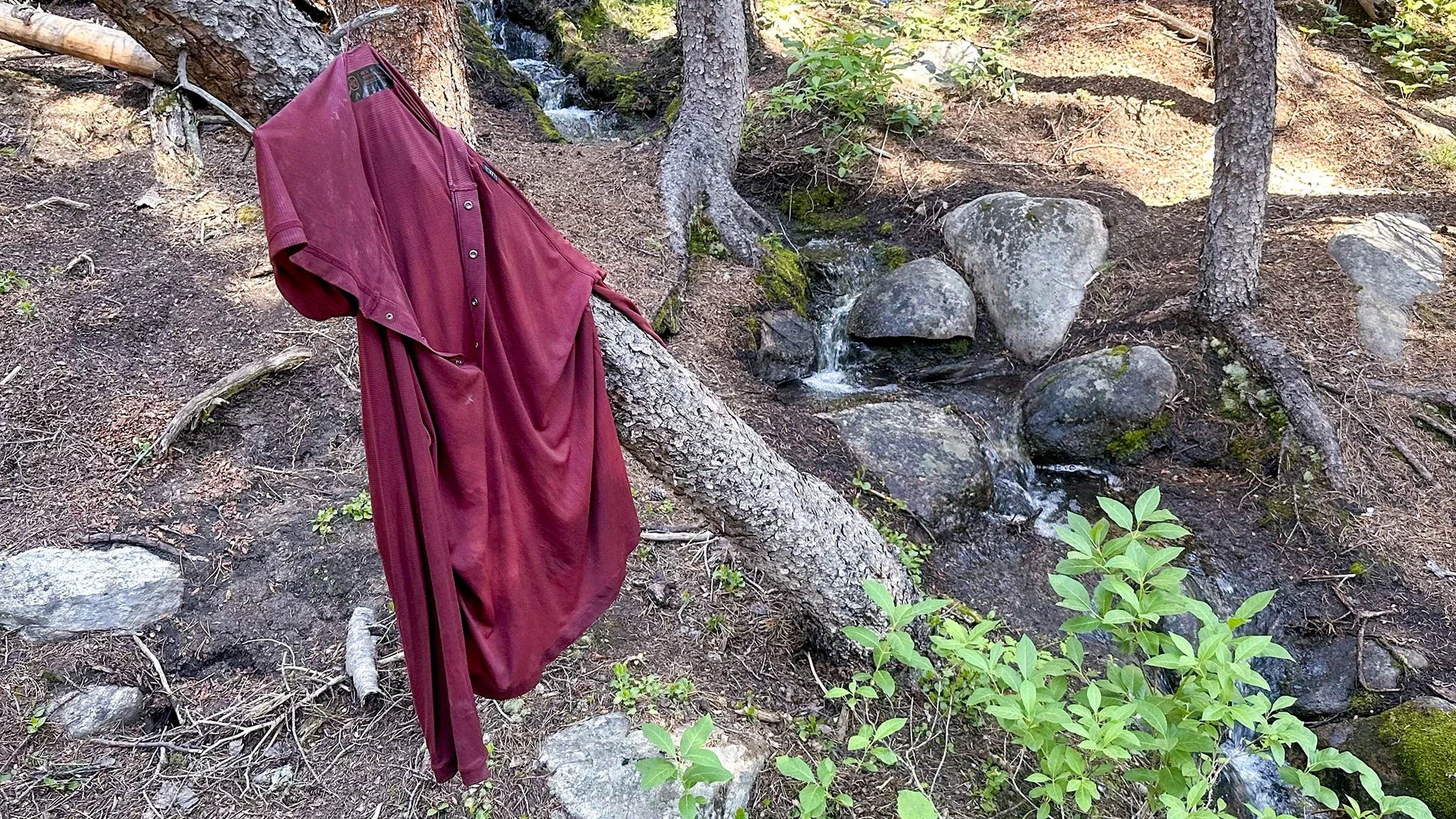
Pro-Tip: Washing and Care To maintain the technical apparel integrity, always wash your sun shirts in cold water on a gentle cycle. Avoid fabric softeners at all costs; they clog the fabric's pores, which ruins the moisture-wicking and evaporative cooling properties. If you've been in saltwater, rinse the shirt in fresh water immediately to prevent salt crystals from abrading the fibers.
It is also important to note that the effectiveness of a typical cotton shirt can decrease by up to 50 percent when the fabric becomes wet. Synthetic sun shirts are designed to maintain their rating even when damp, though any stretching of the fabric (like across the shoulders) can slightly lower the protection by opening up the weave.
FAQ
What is the difference between SPF and UPF?
SPF (Sun Protection Factor) is a rating used for sunscreens and cosmetic products applied directly to the skin, measuring how long it takes for UV-exposed skin to redden. UPF (Ultraviolet Protection Factor) is specifically for fabrics, measuring the amount of UV radiation that passes through the material to reach your skin.
Do sun protection shirts really work?
Yes, they are often more effective than sunscreen because they provide consistent, physical blockage that doesn't wear off or require reapplication. A shirt rated UPF 50 blocks 98% of UV rays, whereas many people fail to apply enough sunscreen to reach the advertised SPF rating.
How long does the UV protection last in sun shirts?
In high-quality garments where protection is derived from the fabric weave (mechanical protection), the UPF rating lasts as long as the fabric remains intact. If the garment is treated with a chemical finish, the protection may gradually degrade after dozens of washes.
What is the highest UPF rating available for clothing?
The highest standard rating is UPF 50+, which indicates that the fabric allows less than 2% of UV radiation to pass through. While some fabrics might technically block more, 50+ is the maximum label permitted by most international testing standards.
Does washing a sun shirt reduce its effectiveness?
For most technical sun shirts, washing does not reduce effectiveness if done correctly. In fact, keeping the fabric clean of oils and dirt can sometimes help maintain the integrity of the weave. However, using fabric softeners can damage the moisture-wicking properties, and extreme wear or thinning of the fabric will eventually lower the UPF value.
Conclusion & CTA
Choosing the right gear in 2026 is no longer just about comfort—it is a critical part of your health strategy. Whether you are navigating a high UV index on a tropical flat or pushing through the thin air of an alpine ridge, the best sun protection shirts provide a layer of safety that sunscreen simply cannot match. Always look for the 2026 Seal of Recommendation and prioritize a balance of fabric density and breathability to ensure you stay protected without overheating.