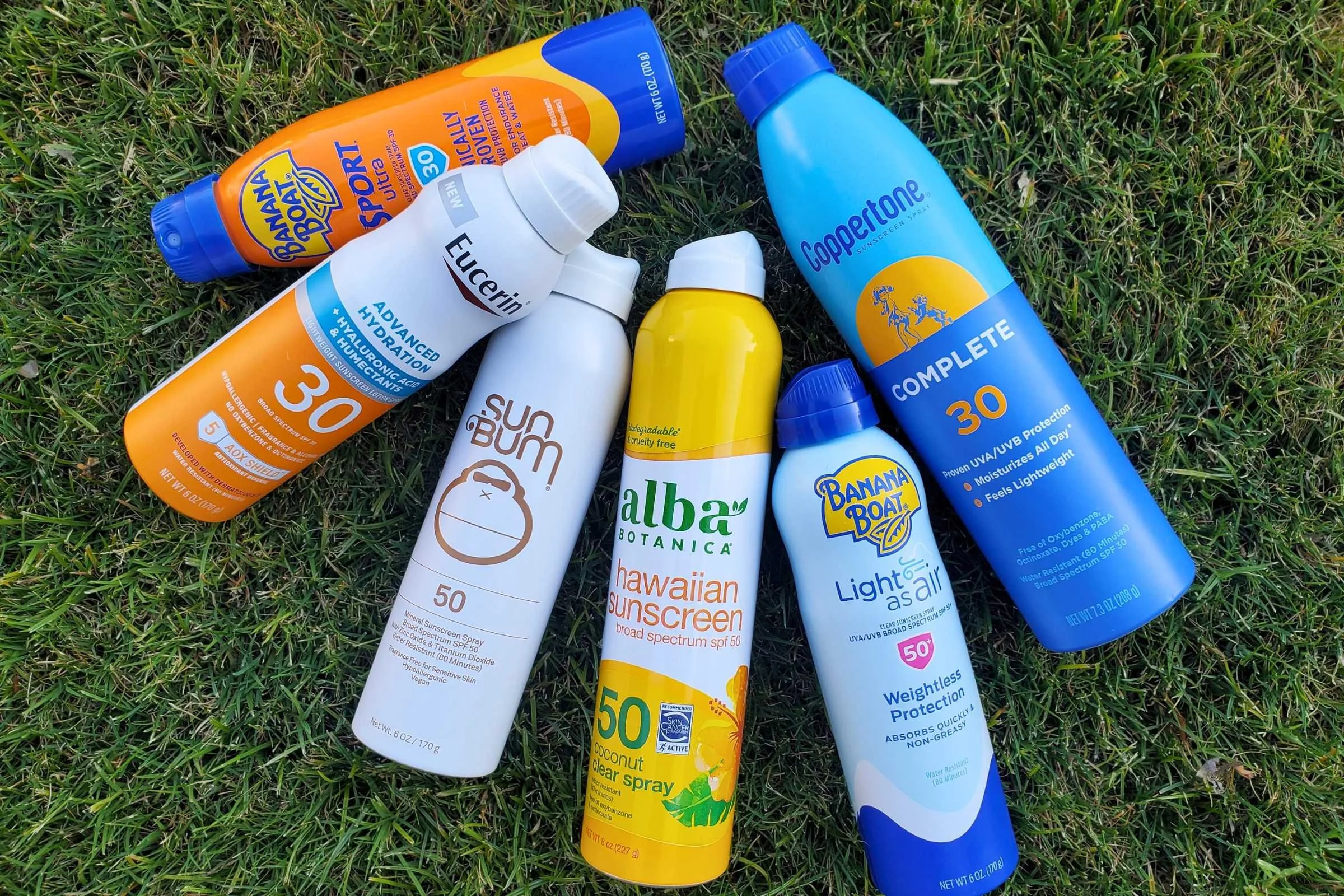
Quick Facts
- Safety Standard: Only 20% of sunscreens meet EWG standards in 2026.
- The Dosage: It takes 1 ounce (one full shot glass) for full-body coverage.
- The 35g Rule: Continuous spraying may take up to 98 seconds to achieve full protection.
- New Filter: Bemotrizinol (BEMT) is now FDA-approved as a safer filter.
- Application Rule: Spray until the skin glistens and rub it in by hand every time.
Spray sunscreen safety depends entirely on application; when sprayed until the skin glistens and manually rubbed in, it provides broad-spectrum protection, but failure to rub in or spraying in wind significantly reduces efficacy. While these products offer convenience, understanding the nuances of inhalation toxicity and proper coverage is essential for maintaining health in the modern sun care landscape.
The Efficacy Debate: Is Spray Sunscreen as Effective as Lotion?
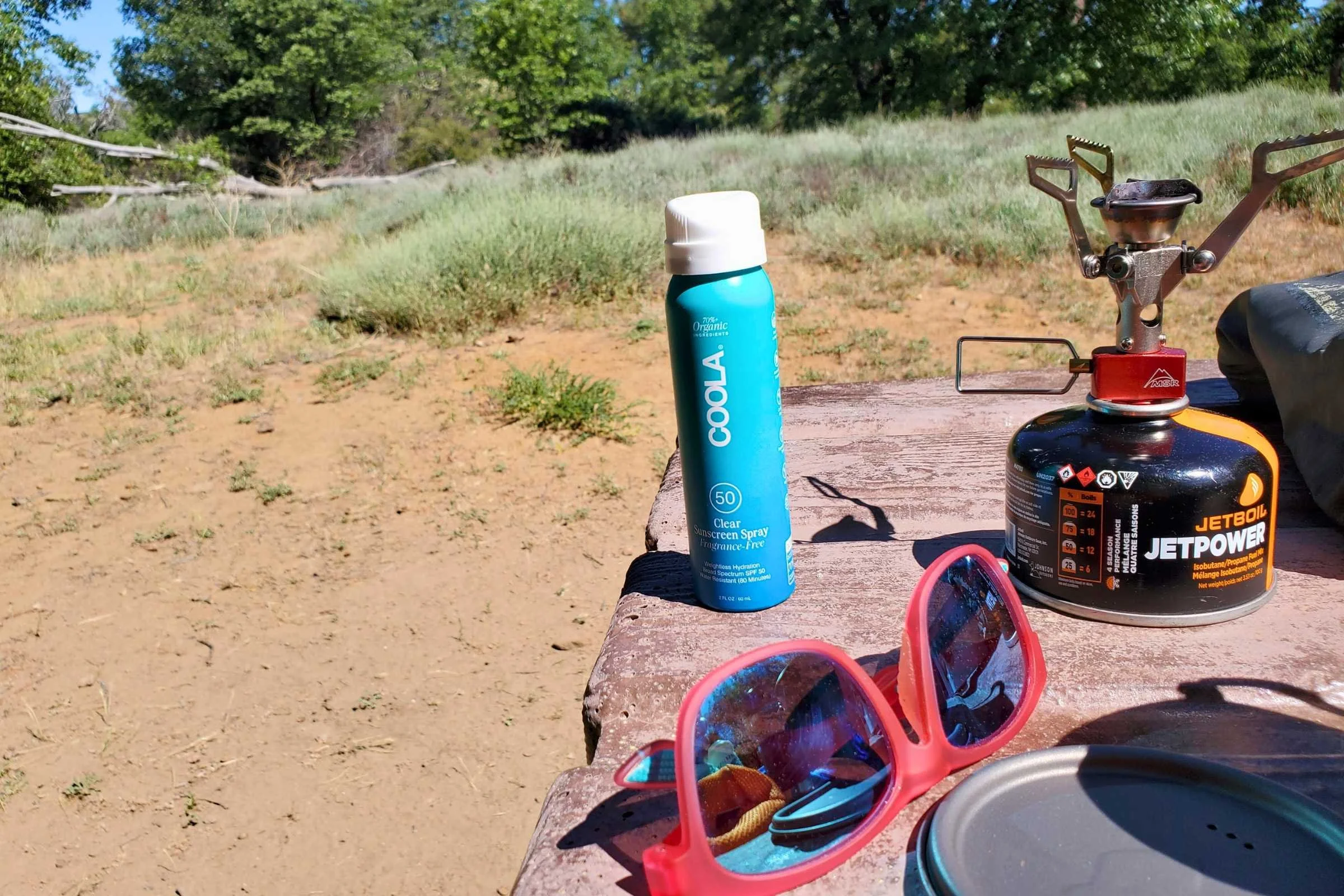
The debate over whether a mist can truly protect as well as a thick cream has persisted for years. From a chemical perspective, the active ingredients that provide broad-spectrum protection are often identical in both formats. Whether you are using a spray or a lotion, the SPF 30+ rating on the bottle is a lab-verified promise of protection. However, the real-world performance tells a different story. The primary issue isn't the formula; it is the human factor.
In dermatological testing environments, researchers have found that people generally apply only one-quarter to one-half of the amount of sunscreen necessary to achieve the SPF listed on the label. This problem is compounded with sprays because it is difficult to see exactly how much product has landed on the skin. When users lighty mist their arms and walk away, they are likely receiving an SPF of 5 or 10 rather than the 30 or 50 they paid for. This leads to the central question: is spray sunscreen as effective as lotion? It can be, but only if you use a high volume of the product and treat the application with the same rigor you would a traditional lotion.
The thin consistency of many sprays makes them prone to uneven coverage. Without manual spreading, the mist settles in "islands" on the skin, leaving microscopic gaps where UV radiation can penetrate. Modern skin absorption studies suggest that achieving a uniform barrier is the only way to prevent DNA damage and premature aging. For a spray to match the efficacy of a lotion, it must create a continuous film that covers every millimeter of exposed skin.
Understanding Health Risks: Inhalation, Chemicals, and Flammability
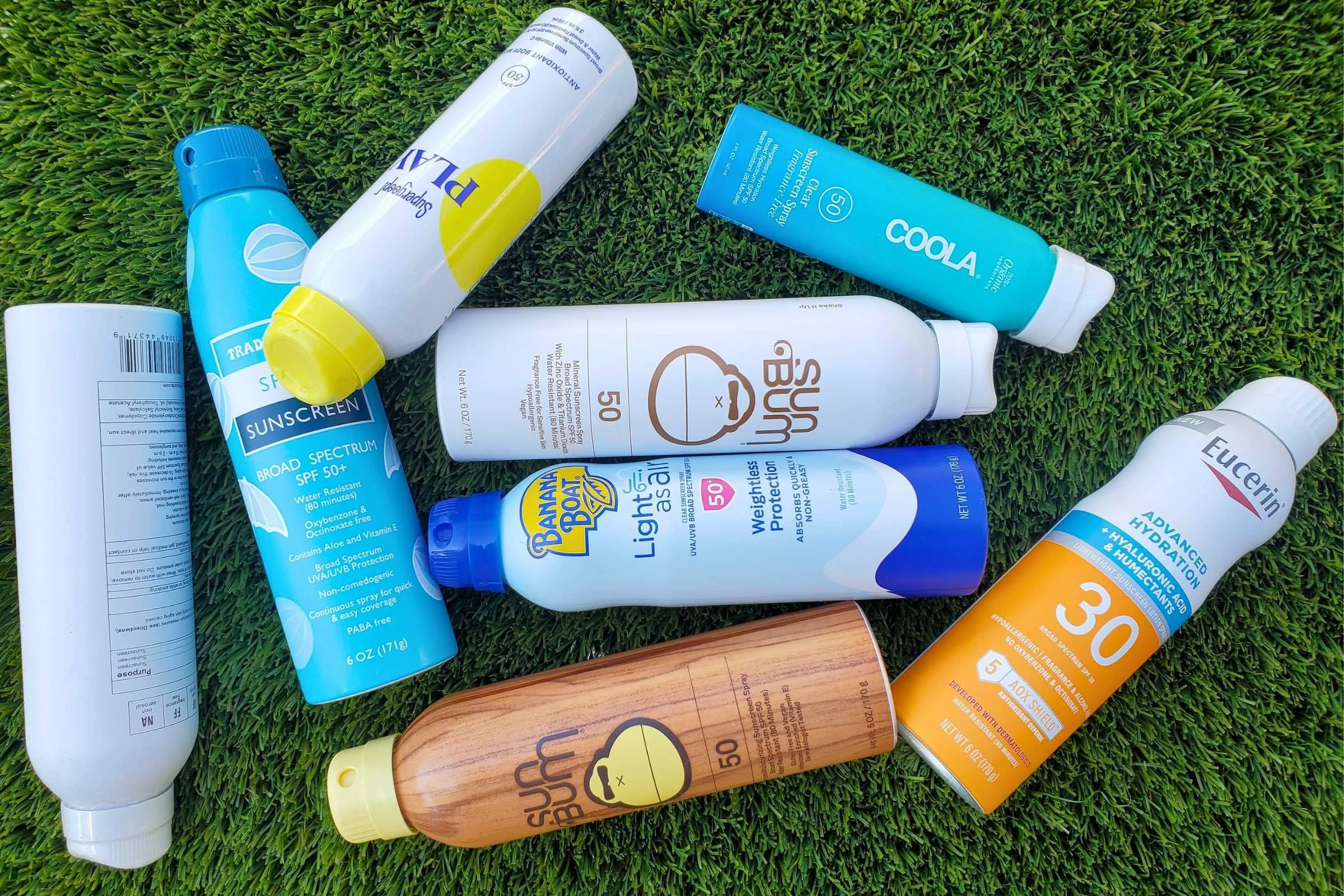
The convenience of aerosol products comes with specific aerosol sunscreen health risks that do not exist with lotions. One of the most significant concerns is inhalation toxicity. When you depress the nozzle, a fine mist of chemicals and propellants enters the air. If inhaled, these tiny particles can travel deep into the lungs, potentially causing irritation or triggering respiratory distress, especially in individuals with asthma or sensitive airways.
The propellants used to expel the liquid—frequently propane and butane—carry their own set of cautions. These are highly flammable ingredients in aerosol sunscreens. There have been documented cases of individuals sustaining significant burns by applying spray sunscreen near open grills or fire pits, where the alcohol and propellants ignited on the skin before they had a chance to evaporate.
Safety Alert: Flammability Risk Aerosol sunscreens are highly flammable. Never apply them near an open flame, such as a barbecue, campfire, or even a lit cigarette. Wait until the product is completely dry on your skin (usually a few minutes) before approaching any heat source.
Beyond the delivery system, we must consider what the skin absorbs. Many traditional sprays rely on chemical filters like oxybenzone, which has been the subject of several skin absorption studies due to its presence in the bloodstream after just one use. Furthermore, environmental groups have flagged coral reef toxicity as a major downside to these chemical filters. In response to these concerns, the 2026 market has seen a shift toward more fragrance-free formulas and the introduction of safer filters like Bemotrizinol (BEMT).
Statistics provided by the Queensland University of Technology highlight a startling reality regarding volume: research has found that aerosol sunscreen containers often contain only 40% to 60% actual sunscreen product, with the remaining volume consisting of liquid propellants. This means you are paying for a lot of air and potential irritants rather than actual protection.
The Professional Protocol: Proper Spray Sunscreen Application
To keep your family safe while enjoying the sun, you must follow a specific professional protocol. Relying on a quick "spray and go" method is the fastest way to a painful sunburn. Proper spray sunscreen application requires time and intentionality.
The biggest mistake people make is trying to combat the wind. If there is even a light breeze, much of the product will be carried away before it ever touches your skin. This not only wastes money but also increases the inhaling spray sunscreen health risks for those standing downwind.
The 7-Step Application Protocol
- Shake the Can: Aerosol formulas often separate. Shaking ensures the active ingredients and propellants are well-mixed for a consistent SPF 30+ rating across the entire application.
- Hold Close: Keep the nozzle about 4 to 6 inches away from your skin. Spraying from a distance increases the amount of product lost to the air.
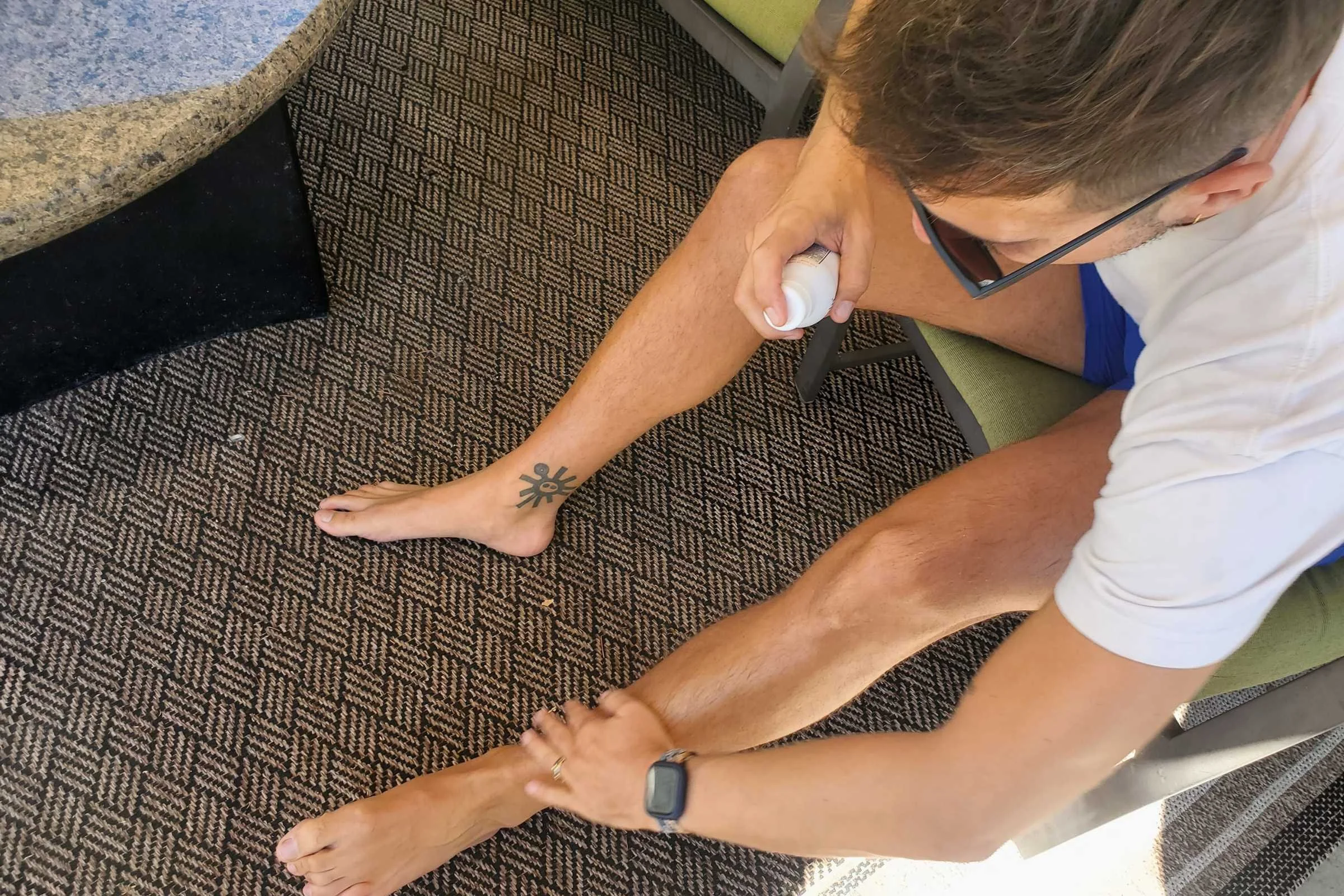
- The Glisten Goal: Spray each area continuously until the skin looks wet or glistens. If the skin just looks slightly damp, you haven't applied enough.
- The Rub-In Rule: This is the most critical step. You must use your hands to rub the product into the skin. This ensures even coverage and fills in any gaps left by the spray pattern.
- Face Application: Never spray directly onto your face. To achieve how to apply spray sunscreen to face safely, spray the product into your palms first, then rub it onto your forehead, cheeks, and nose, avoiding the eyes and mouth.
- Mind the Clock: According to a study by the Queensland University of Technology, it can take between 63 and 98 seconds of continuous spraying to dispense the recommended 35 grams of sunscreen required for full-body coverage.
- Reapply Every Two Hours: A survey conducted by the American Academy of Dermatology revealed that while 80% of Americans are aware they should reapply sunscreen every two hours, only 33% actually do so.
Expert Tip: Safe Spray Sunscreen Use for Kids Children are more likely to wiggle and inhale the mist. Always apply the sunscreen to your own hands first and then rub it onto the child to ensure safe spray sunscreen use for kids. This prevents them from breathing in the propane and butane propellants.
Choosing the Right Formula: Best Sunscreen Sprays 2026
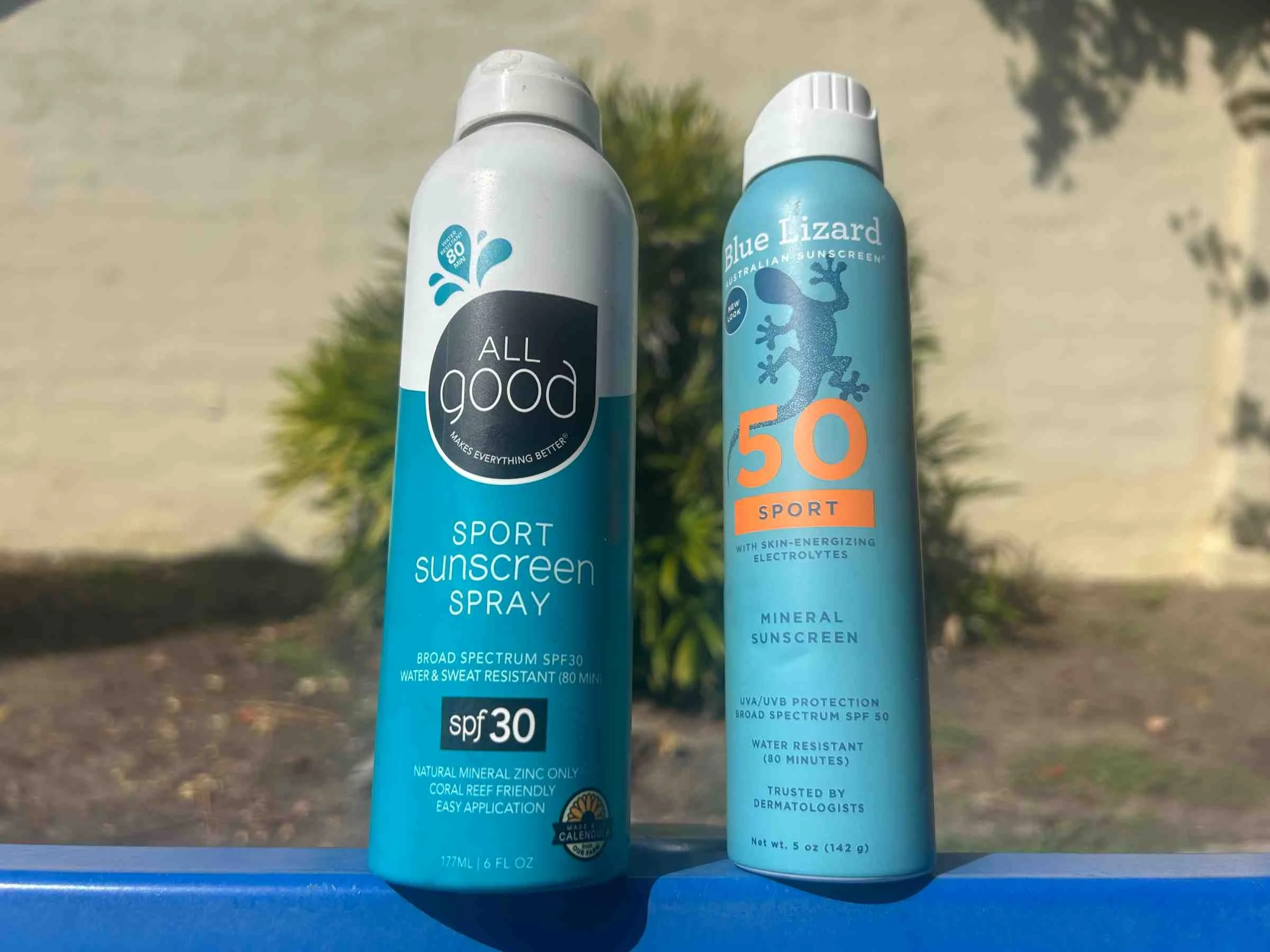
The industry has moved toward cleaner, more effective options. When looking for the best sunscreen sprays 2026, the focus is on mineral-based formulas. These products use zinc oxide particles and titanium dioxide to reflect UV rays rather than absorbing them into the skin.
One major advancement is the rise of non-aerosol alternatives. These pump-action sprays do not use pressurized gases, which eliminates the risk of flammability and significantly reduces inhalation toxicity. They also tend to have a higher concentration of active ingredients, meaning you get more protection per ounce.
Chemical vs. Mineral Sprays: A Comparison
| Feature | Chemical Sprays | Mineral Sprays |
|---|---|---|
| Active Ingredients | Oxybenzone, Avobenzone, Homosalate | Zinc Oxide, Titanium Dioxide |
| How it Works | Absorbs UV and converts to heat | Reflects UV like a mirror |
| Application | Must wait 15-20 mins before sun | Works immediately upon application |
| Environmental Impact | Linked to coral reef toxicity | Generally considered reef-safe |
| Finish | Usually clear/translucent finish | May leave a slight white cast |
| Sensitivities | Can irritate sensitive skin | Better for eczema and kids |
If you are a conscientious consumer, look for top rated mineral spray sunscreens 2026 that bear the Environmental Working Group (EWG) seal of approval. These formulas prioritize both human health and the environment, avoiding ingredients that contribute to coral reef toxicity. Also, look for a translucent finish if you are concerned about the "white mask" effect often associated with zinc oxide particles. Brands have made significant strides in micronizing these minerals so they blend into various skin tones more easily.
FAQ
Is spray sunscreen as effective as lotion?
Spray sunscreen is as effective as lotion only if it is applied correctly. The chemical protection levels are equivalent, but the hands-on application of lotion naturally leads to better coverage. To match that efficacy with a spray, you must use a significant amount of product and manually rub it into the skin to close any gaps.
Is it safe to use spray sunscreen on your face?
Yes, but you should never spray it directly onto your face. This helps you avoid the risks of inhalation and getting the product in your eyes. The safest method is to spray a generous amount into your hands and then apply it to your face as you would a moisturizer.
What are the risks of inhaling spray sunscreen?
Inhaling the mist can cause lung irritation and respiratory issues. The fine particles, combined with chemical propellants like propane and butane, can be particularly harmful to children and people with asthma. Using non-aerosol alternatives or applying the product to hands first can mitigate these risks.
Is spray sunscreen safe for babies and children?
Health experts generally recommend avoiding aerosol sprays on babies and young children due to their smaller lung capacity and higher sensitivity to inhaled chemicals. If you must use a spray, ensure it is a mineral-based formula, and apply it to your hands before rubbing it onto the child's skin to ensure safe spray sunscreen use for kids.
Do you need to rub in spray sunscreen?
Yes, rubbing in the product is mandatory. While the spray provides the product, it does not provide an even layer. Manually rubbing it in ensures that the entire skin surface is covered and helps the product bond with the skin, which is essential for achieving the advertised SPF rating.
The truth about spray sunscreen safety is that the responsibility lies with the user. By choosing the right formula, respecting the "rub-in" rule, and staying mindful of the environment, you can enjoy the convenience of a spray without sacrificing your health. Next time you head to the beach, remember: spray until it glistens, rub it in, and reapply often.