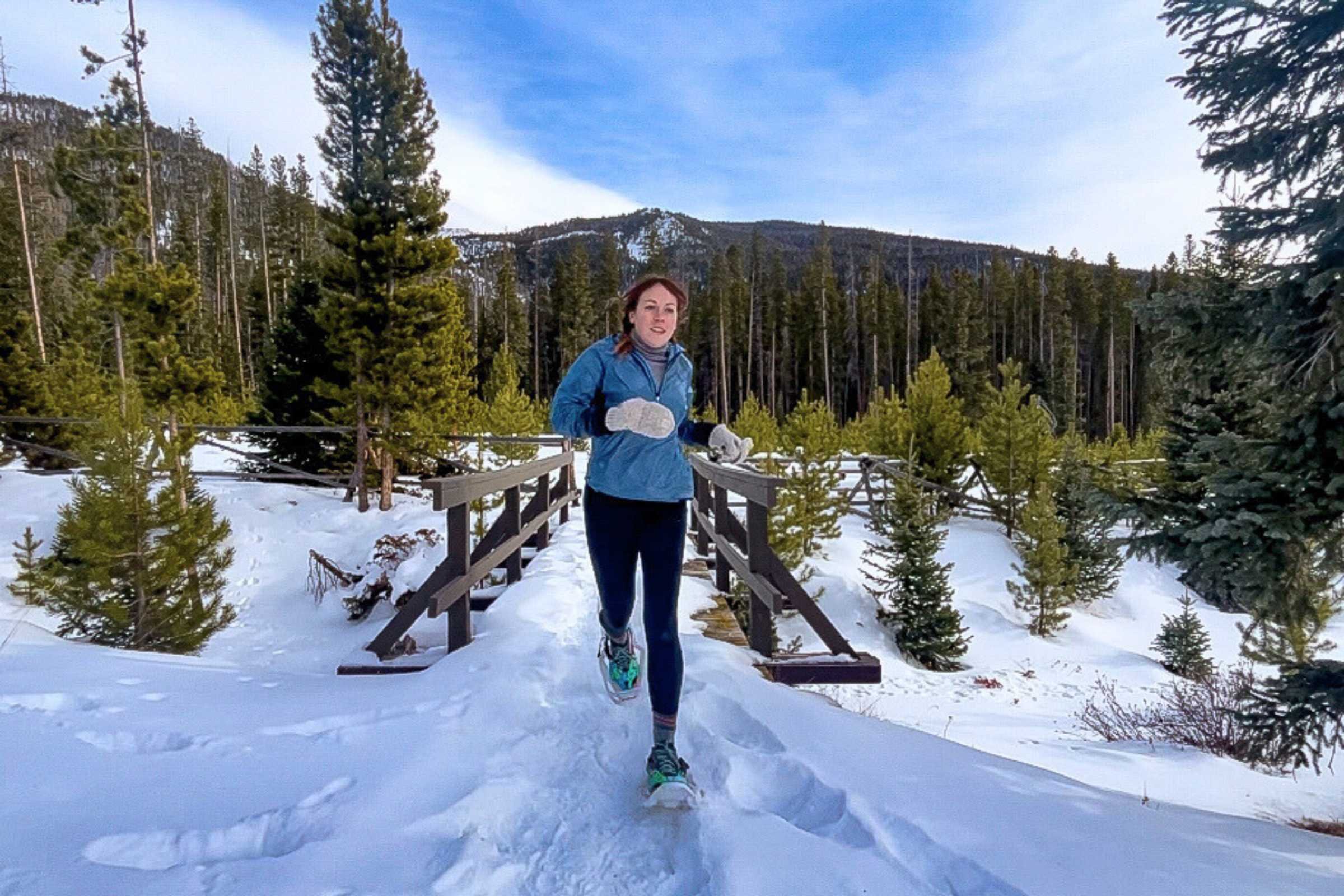
Quick Facts
- Caloric Burn: Snowshoeing burns approximately 45 percent more calories than walking or running at the same pace.
- Racing Specs: To comply with United States Snowshoe Association rules, racing snowshoes must have a minimum surface area of 120 square inches.
- Weight Efficiency: High-performance racing snowshoes are significantly lighter than hiking models, often weighing as little as 1.4 lbs per pair.
- Distance Focus: Most organized beginner events focus on 5k or 10k distances, perfect for those new to winter endurance sports.
- Global Growth: The snowshoeing market was valued at 0.7 billion USD in 2025 and reflects a growing interest in winter fitness.
- Essential Gear: Success requires specialized snowshoe running gear, moisture-wicking layers, and trail running shoes rather than heavy boots.
Snowshoe racing is a high-intensity winter endurance sport where athletes use lightweight, narrow-frame snowshoes designed specifically for running on groomed paths. To succeed in this discipline, beginners must adapt their traditional running mechanics to a wider gliding gait and build significant aerobic capacity to overcome the natural resistance of the snow.
Why Step Into Snowshoe Racing?
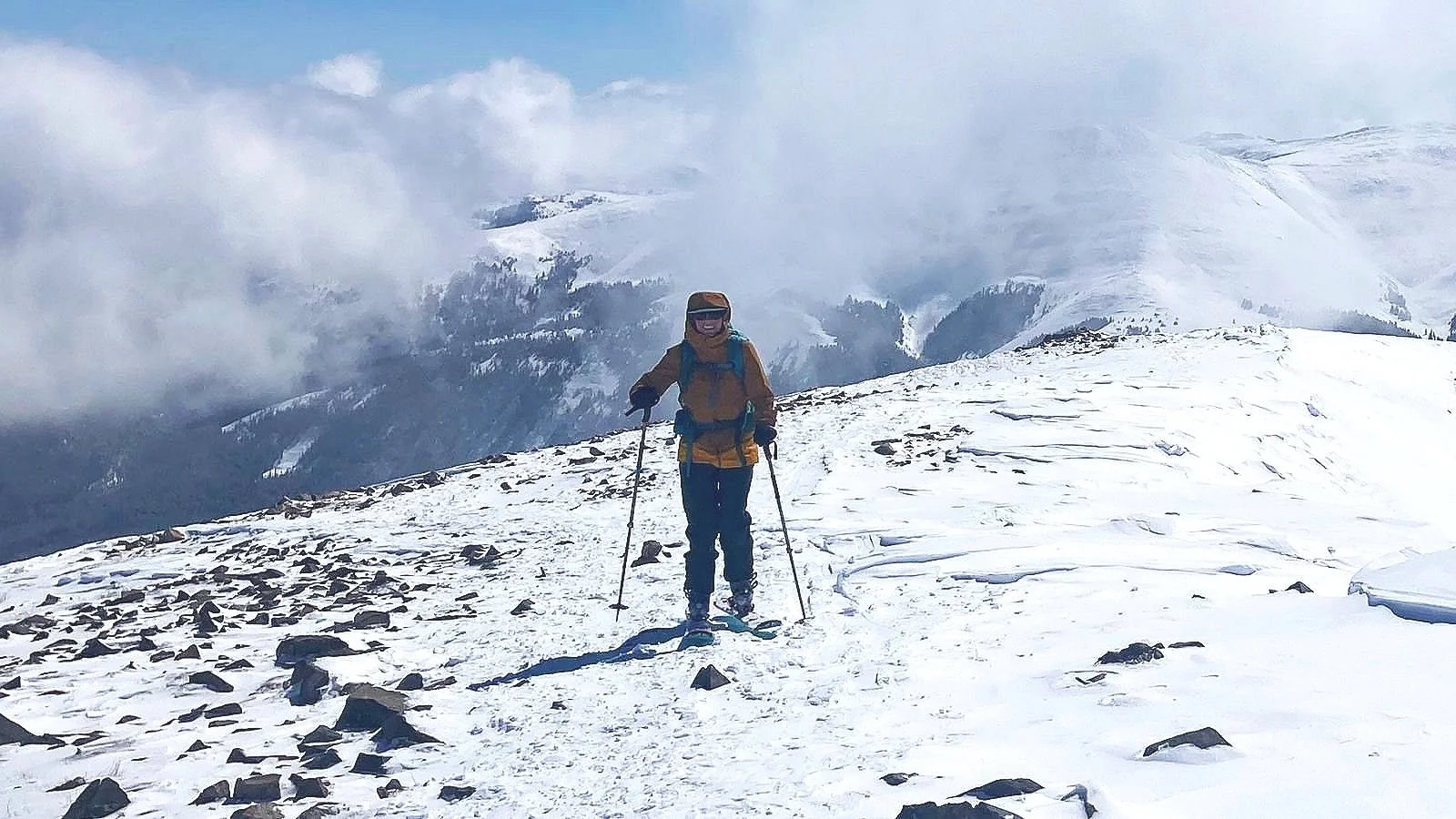
When the first heavy snowfall covers your favorite technical trails, you do not have to retreat to a treadmill. Snowshoe racing offers a unique way to maintain peak cardiovascular fitness while enjoying the serenity of a winter landscape. It is widely considered one of the most effective full-body workouts available during the colder months. Research indicates that vigorous effort in the snow can burn up to 1,000 calories per hour, making it a powerhouse for metabolic health.
The sport is more than just a workout; it is a community. From regional qualifiers in upstate New York to championship events in the Colorado Rockies, the atmosphere at a race is typically orunded in camaraderie. Unlike the often-solitary nature of winter road running, snowshoe racing brings together a diverse group of athletes, from elite marathoners to weekend hikers looking for a new challenge. As the global snowshoeing market continues to expand from 0.7 billion USD toward a projected 1.2 billion USD by 2032, more events and better technology are becoming available to the everyday athlete.
Choosing Your Gear: The Essential Checklist
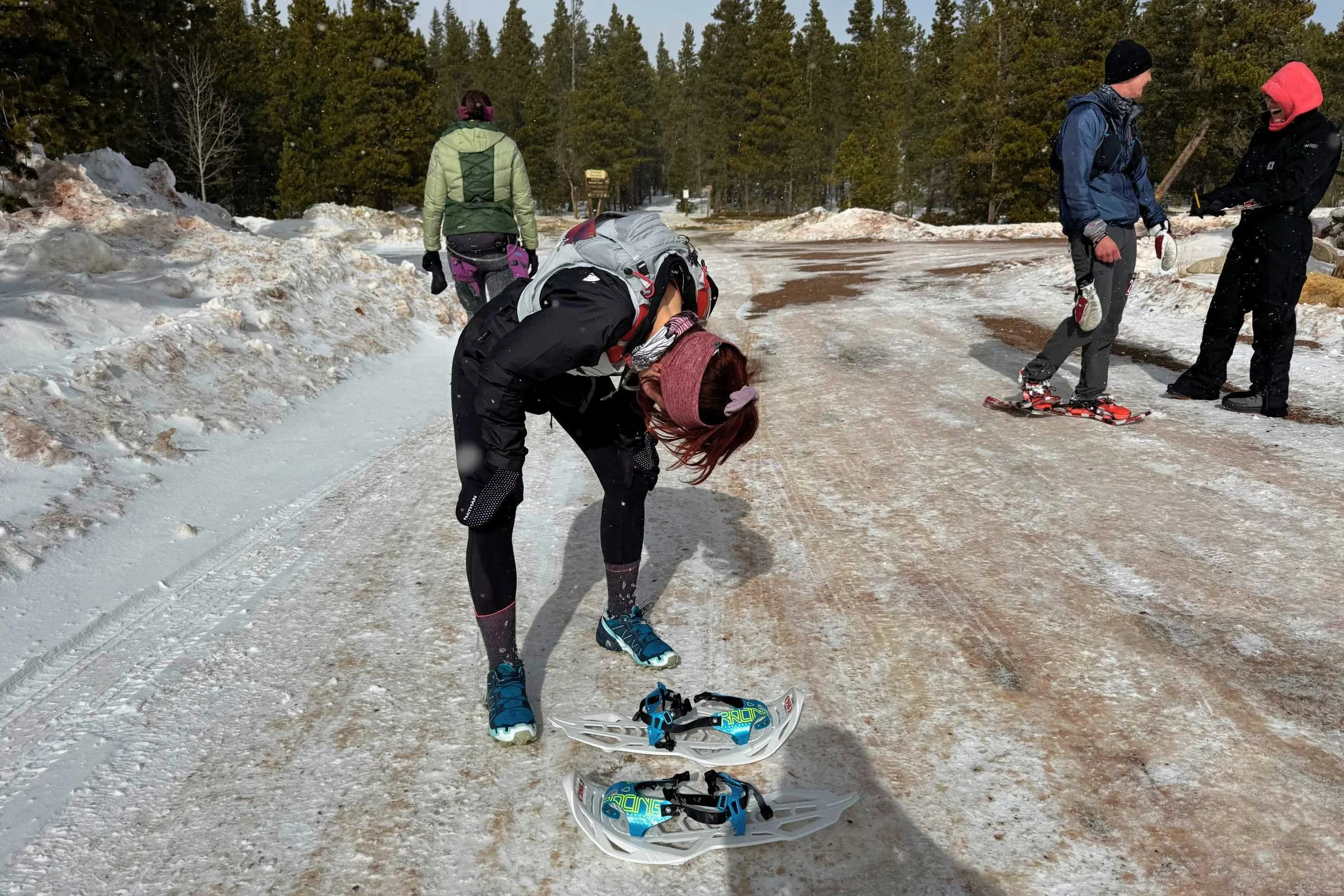
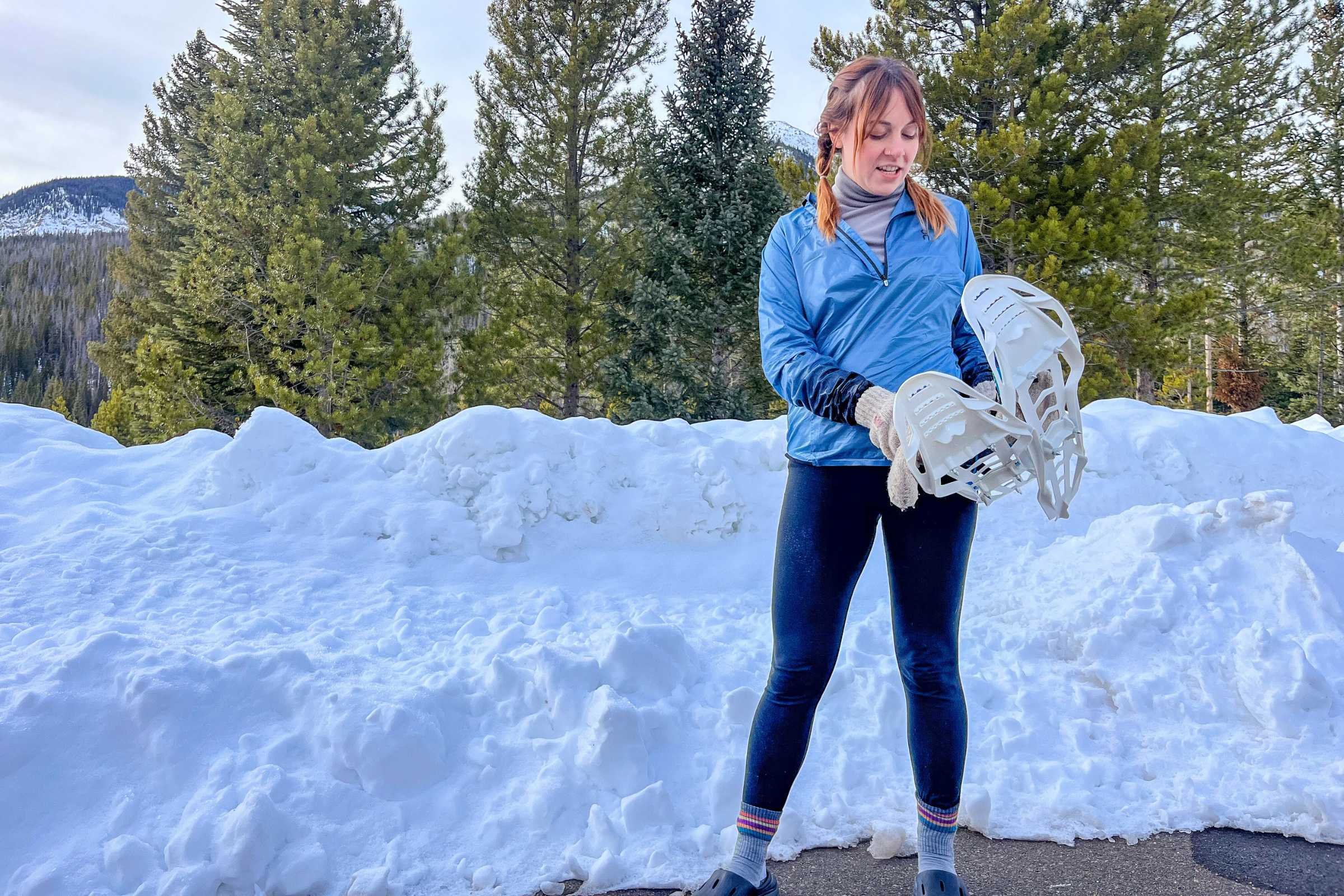
One of the most common mistakes beginners make is trying to run in traditional hiking snowshoes. While hiking models are designed for maximum flotation in deep powder and carrying heavy packs, they are too wide and heavy for the fast turnover required in a competitive setting. If you want to move quickly, you need to invest in some of the best running snowshoes for racing currently on the market.
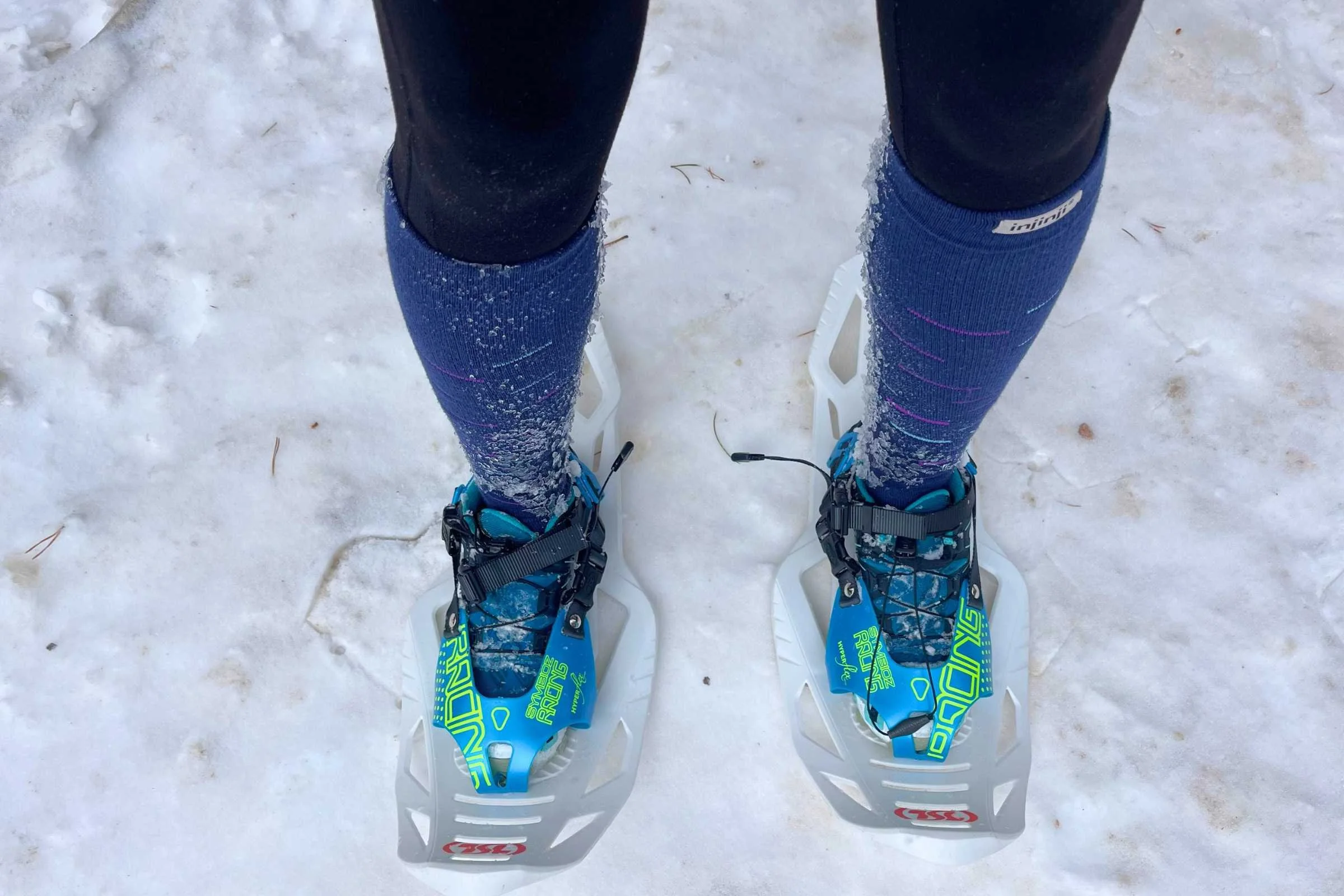
Racing-specific snowshoes feature a much narrower frame, usually around 7 to 8 inches wide, which allows for a more natural running stride without clicking the frames together. High-quality models like the TSL Symbioz Hyperflex or the Atlas Race are designed to flex with the foot, providing better energy return. It is also vital to ensure your equipment meets the United States Snowshoe Association and World Snowshoe Federation standards, which mandate dimensions of no less than 7 inches wide by 20 inches long.
| Feature | Hiking Snowshoes | Racing Snowshoes |
|---|---|---|
| Weight | 3.5 - 5.0 lbs per pair | 1.4 - 2.5 lbs per pair |
| Frame Width | 8 - 10+ inches | 7 - 8 inches |
| Binding System | Heavy straps for boots | Lightweight, compatible with runners |
| Traction | Large, aggressive crampons | Minimalist, high-speed cleats |
| Best For | Deep powder and steep climbs | Groomed paths and packed trails |
Your Essential Gear Checklist
- Racing Snowshoes: Look for frames made of aircraft-grade aluminum or carbon fiber for the best weight displacement.
- Trail Running Shoes: Forget heavy winter boots. Standard trail runners offer the flexibility and drainage necessary for high-intensity movement.
- Binding Systems: Opt for BOA or quick-cinch systems that prevent lateral movement of the foot.
- Moisture-Wicking Socks: Merino wool is the gold standard for keeping feet warm even when wet.
- Technical Apparel: Use a three-layer system: a base layer for moisture, a mid-layer for warmth, and a shell for wind protection.
- Trekking Poles (Optional): If the course has steep inclines, poles with snow baskets can provide crucial balance.
Mastering the Biomechanics: Running vs. Snowshoeing
Transitioning from trail running to snowshoeing is not as simple as just strapping on the gear and heading out. The added width of the frames requires a subtle but important change in your running form. Beginners often suffer from "frame-clash," where the inside of one snowshoe catches the other, leading to a stumble or a face-plant.
To avoid this, you must adopt a slightly wider stance, often referred to as a gliding gait. Instead of lifting your knees high as you would in deep mud, try to keep your feet closer to the surface of the snow, allowing the snowshoe to clear the ground just enough to move forward. This minimizes energy waste and keeps your center of gravity stable.
Your hip flexors will feel the burn much earlier than they do on dry pavement. Because you are essentially lifting a weight with every step and dealing with unpredictable resistance, how to train for snowshoe running fatigue becomes a primary concern. Focusing on core stability and hip strength during the off-season will pay major dividends when you are five kilometers into a race with heavy legs.
Pro-Tip: Find the Hinge Ensure the ball of your foot is perfectly aligned with the hinge rod of the snowshoe binding. This allows for a clean break at the heel, enabling a more natural turnover and preventing the tail of the snowshoe from dragging or flicking snow up your back.
Managing your expectations regarding snowshoe racing vs trail running pace is also crucial. On average, even the most efficient runners will be 20% to 40% slower on snow than they are on a standard trail. Do not let the watch discourage you; the effort level is what matters, not the absolute speed.
Training and Preparation for Winter Success
Effective snowshoe race preparation for beginners involves more than just running in the snow. Since consistent snowpack isn't always available, you need a hybrid training plan. High aerobic capacity is the foundation of success. Incorporate interval training and hill repeats into your routine to simulate the high heart rate demands of a race.
When training specifically on snow, focus on time-on-feet rather than specific mileage. An hour on a groomed trail in snowshoes can be as taxing as 90 minutes of road running. Use these sessions to test your fueling and hydration for cold weather racing. Many athletes forget to drink because they don't feel thirsty in the cold, but dehydration can lead to a rapid drop in core temperature and early fatigue. Aim for small, frequent sips of an electrolyte-rich beverage stored in an insulated flask or a hydration vest worn under your outer shell to prevent the tube from freezing.
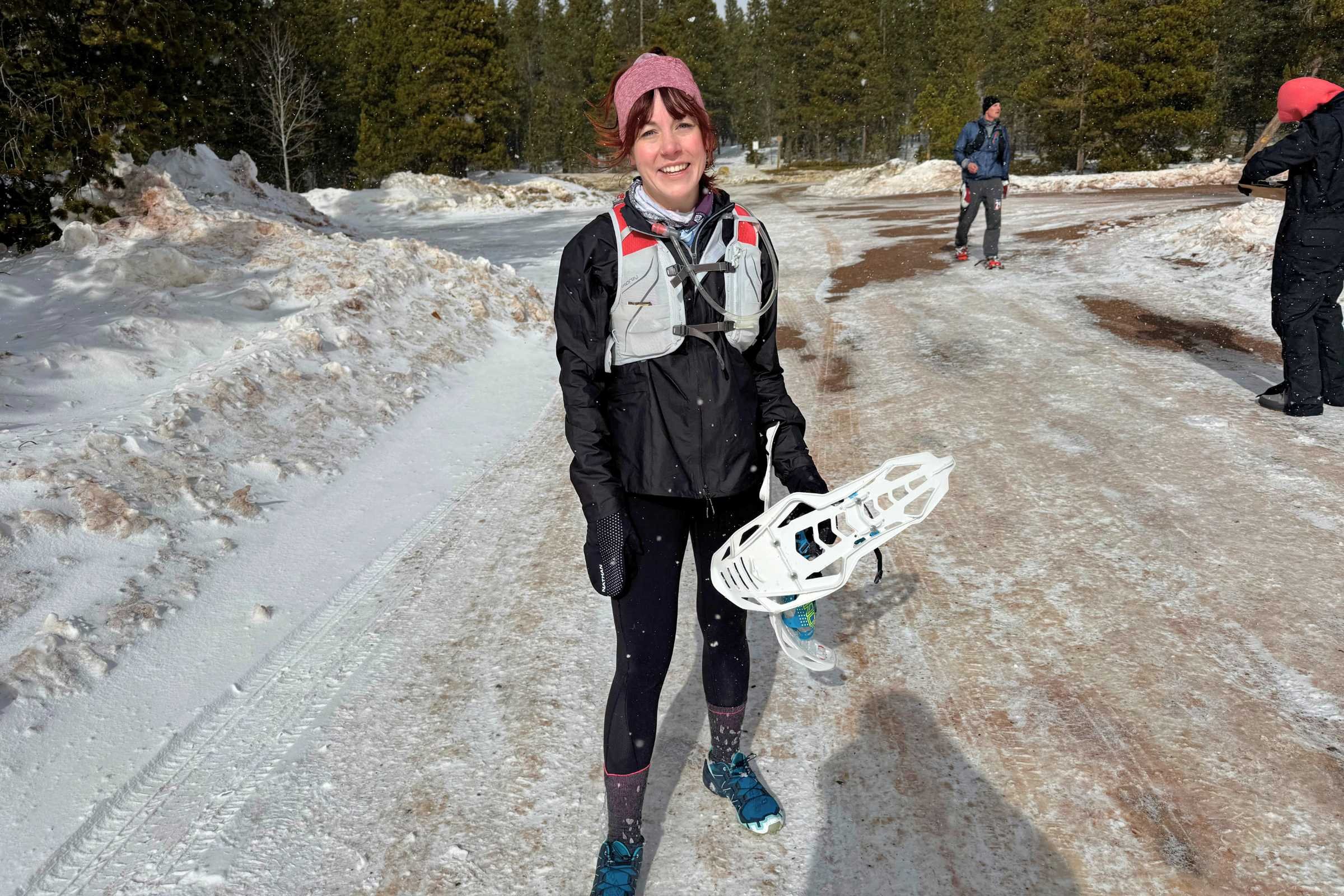
Thermal regulation is another critical aspect of preparation. If you overdress, you will sweat profusely, which can lead to hypothermia once you slow down or finish. The goal is to start your race feeling slightly chilly; within ten minutes of high-intensity effort, your body temperature will rise significantly. Technical moisture-wicking textiles are your best defense against the "sweat and freeze" cycle.
Logistics: Finding and Finishing Your First Race
Ready to pin on a bib? Knowing how to find local snowshoe racing events is the final step in your journey. The United States Snowshoe Association (USSSA) is the primary governing body and maintains a comprehensive calendar of sanctioned events. These races often serve as qualifiers for the National Championships, providing a clear path for those who want to get serious about the sport.
Regional hubs for the sport include the Northeast (New York and Vermont), the Upper Midwest (Minnesota and Wisconsin), and the Mountain West (Colorado and Utah). The American Trail Running Association also lists many winter events that include snowshoe categories.
The Post-Race Car Kit
The moments immediately following the finish line are when you are most vulnerable to the cold. We recommend keeping a pre-packed kit in your car to ensure a safe and comfortable recovery:
- A complete change of dry clothes, including a heavy down jacket.
- A thermos of warm fluids (broth, tea, or cider).
- Salty snacks to replenish electrolytes lost through exertion.
- A warm woolen hat and dry gloves.
- Spare blankets or a space heater.
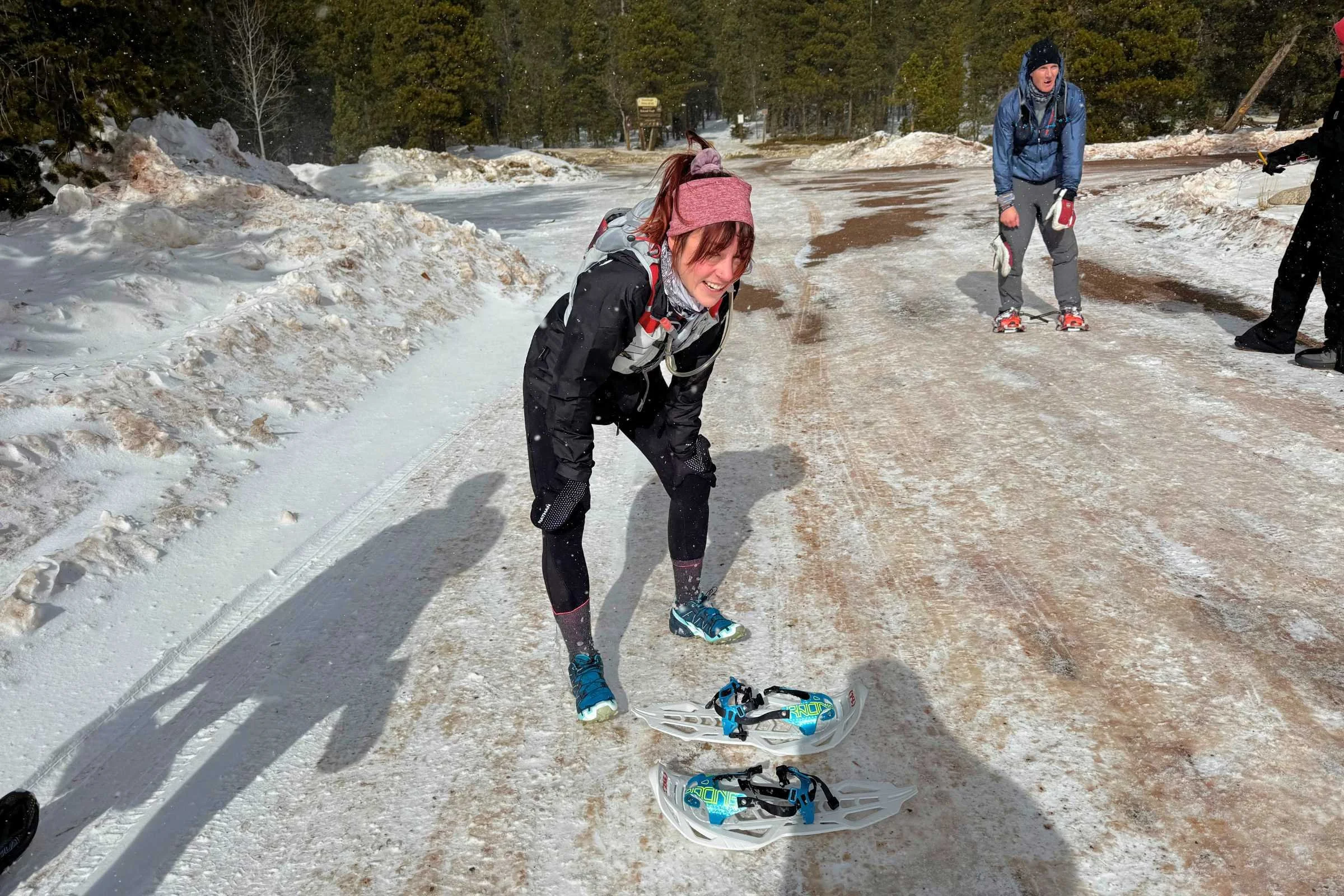
Understanding the rules is also part of the logistics. Most events will check your equipment before the start to ensure your snowshoes meet the 120-square-inch requirement. Being prepared with the right gear and knowledge of the course will let you focus on what really matters: the thrill of the race and the crunch of the snow beneath your feet.
FAQ
What is snowshoe racing?
It is a competitive winter sport that involves running on snow using specialized, lightweight snowshoes. Races are typically held on groomed paths or packed snow and range from 5k sprints to marathon-length endurance events.
Is snowshoe racing harder than regular running?
Yes, it is generally more physically demanding. Due to the added weight of the equipment and the lack of a solid, rebounding surface, you can expect to burn significantly more calories and experience a higher heart rate than you would on dry pavement at the same speed.
How do I choose the right racing snowshoes?
Look for shoes that meet competitive size regulations (at least 7x20 inches) and weigh less than 2.5 lbs per pair. Focus on models with flexible frames and secure binding systems that accommodate trail running shoes rather than bulky boots.
How do I train for a snowshoe race?
Build a strong aerobic base through traditional running, but add specific snow-based workouts to build hip flexor strength. Focus on time-on-feet sessions and high-intensity intervals to prepare for the resistance and metabolic demands of the sport.
What should I wear for a snowshoe race?
Dress in layers of technical, moisture-wicking fabrics. Avoid cotton at all costs. A typical outfit includes trail running shoes, wool socks, thermal tights, a breathable base layer, and a windbreaker or light shell, along with gloves and a headband.