Quick Facts
- Best Capacity: 75L for multi-day kits.
- Standard Material: HDPE for temperatures below 32°F.
- Heavy-duty Hardware: 1,000lb+ shelf capacity.
- Weatherproofing: IP67 for total dust and water protection.
- Market Growth: The global outdoor gear market was valued at approximately USD 57.61 billion in 2024 and is expected to expand significantly through 2032.
- Ownership Density: Approximately 62% of outdoor-engaged households in North America own five or more major pieces of gear.
To master outdoor gear storage, implement a modular gear storage system that separates items by activity into durable, moisture-managed bins, utilizing vertical space for oversized equipment. By prioritizing visibility and utilizing durable, climate-resistant bins, you can ensure your equipment is protected and ready for rapid deployment at a moment's notice.
The Workflow Strategy: A-Team vs. B-Team Logic
The secret to professional-grade outdoor gear storage is moving away from passive bins—those deep, dark containers where gear goes to be forgotten—and toward active management. This involves a workflow that distinguishes between your A-Team and B-Team equipment. Your A-Team consists of mission-essential items that you use frequently, such as your primary hiking boots, daypack, and headlamps. These should be accessible within seconds. Your B-Team includes seasonal gear, like heavy down parkas or mountaineering axes, which can be stored in less accessible, higher-density areas.
Effective inventory management is the backbone of this strategy. For shared items like GPS units, satellite communicators, or comprehensive first-aid kits, a centralized "ready station" ensures that everyone in the household knows exactly where the critical tech is located. This prevents the frantic, last-minute search that often delays trailhead preparation. By organizing outdoor gear by activity into dedicated modules, you eliminate the need to hunt through multiple boxes for a single stove fuel canister.
The goal is rapid deployment. If a friend calls for a spontaneous Saturday morning climb, your modular kits should allow you to grab and go without a second thought. This requires a shift in mindset: stop thinking about where things fit and start thinking about how things are used.
Material Selection: HDPE vs. Polypropylene
When selecting bins for a garage or storage shed, the chemical composition of the plastic matters more than most consumers realize. Many standard home-store bins are made from Polypropylene (PP). While PP is lightweight and affordable, it undergoes a glass transition at low temperatures, making it brittle and prone to cracking when the thermometer drops below 32°F. This is a critical failure point for storing bulky outdoor equipment in unconditioned spaces.
For serious impact resistance in cold climates, High-Density Polyethylene (HDPE) is the professional's choice. HDPE remains flexible and durable even in sub-zero conditions, protecting your investment from structural failure. When you are stacking heavy bins four or five high, you need the structural integrity that HDPE provides.
Additionally, look for items with specific IP ratings for moisture management. An IP65 or IP67 rating indicates that the container is dust-tight and protected against water ingress. This is vital for technical apparel care, as moisture is the primary enemy of down insulation and waterproof membranes. For high-end technical tools such as optics, camera gear, or specialized electronics, protective cases for high-end technical outdoor gear like the Pelican Protector offer a secure atmospheric seal that cheap plastic totes cannot match.
| Feature | Polypropylene (PP) | High-Density Polyethylene (HDPE) |
|---|---|---|
| Cold Resistance | Brittle below 32°F | Impact resistant to -40°F |
| Impact Strength | Moderate | High |
| Weight | Lighter | Heavier/Density focused |
| UV Resistance | Low (Requires additives) | High inherent resistance |
| Ideal Use Case | Indoor closets/Temperature-controlled | Garages, truck beds, overlanding |
When dealing with wet environments, implementing strategies for storing wet outdoor gear to prevent damage is paramount. Always ensure fabrics are bone-dry before sealing them into airtight containers to prevent mold and fabric degradation.
Choosing the Right Modular Gear Storage System
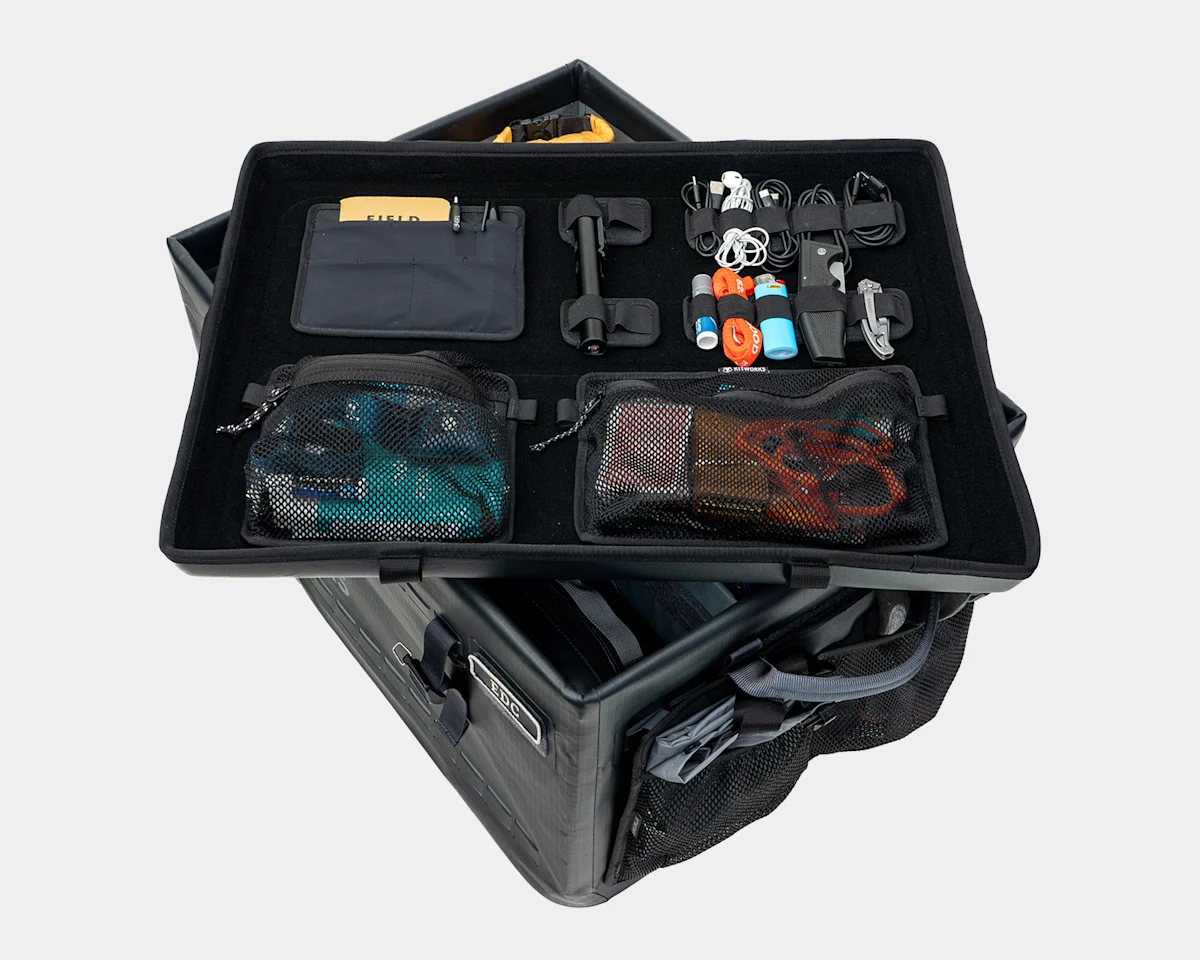
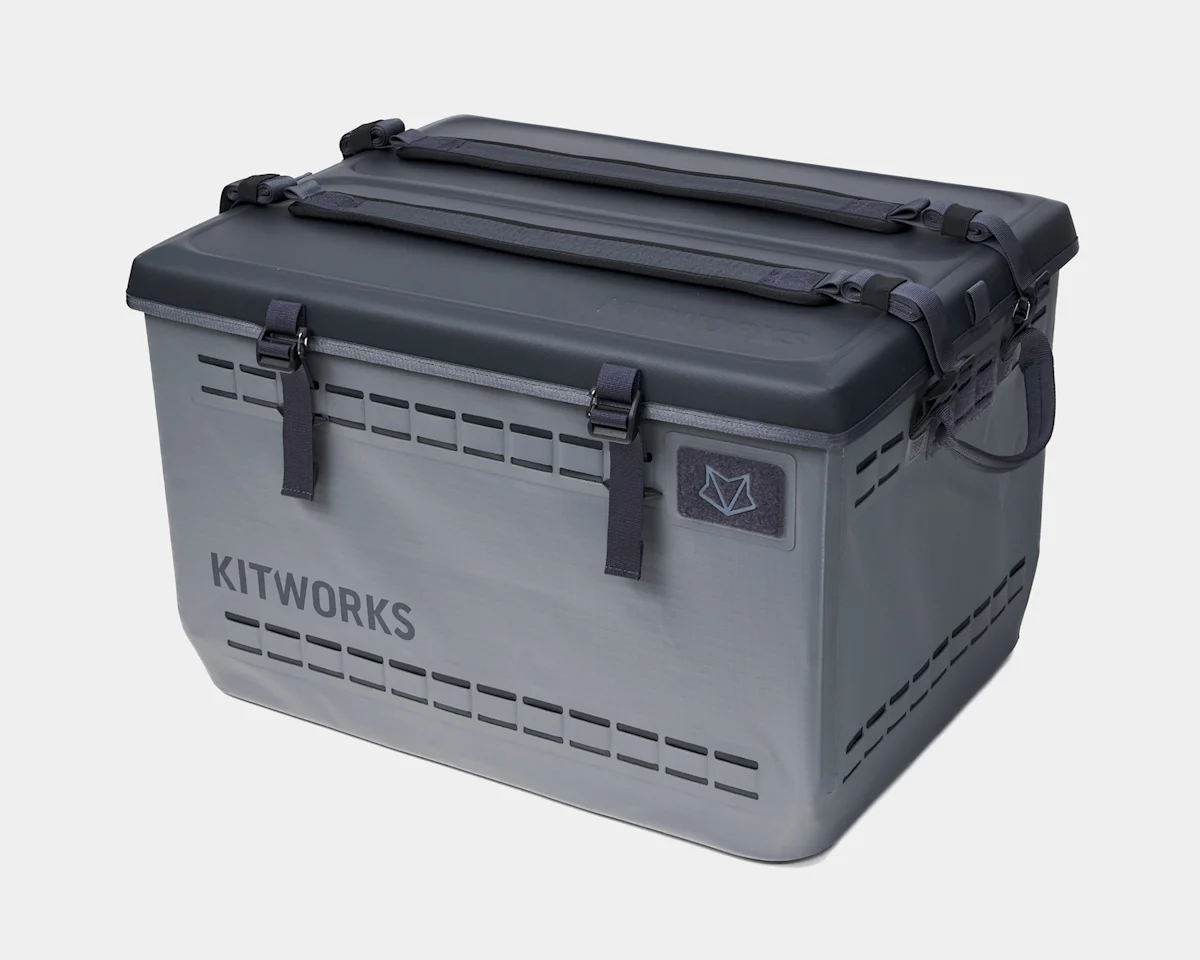
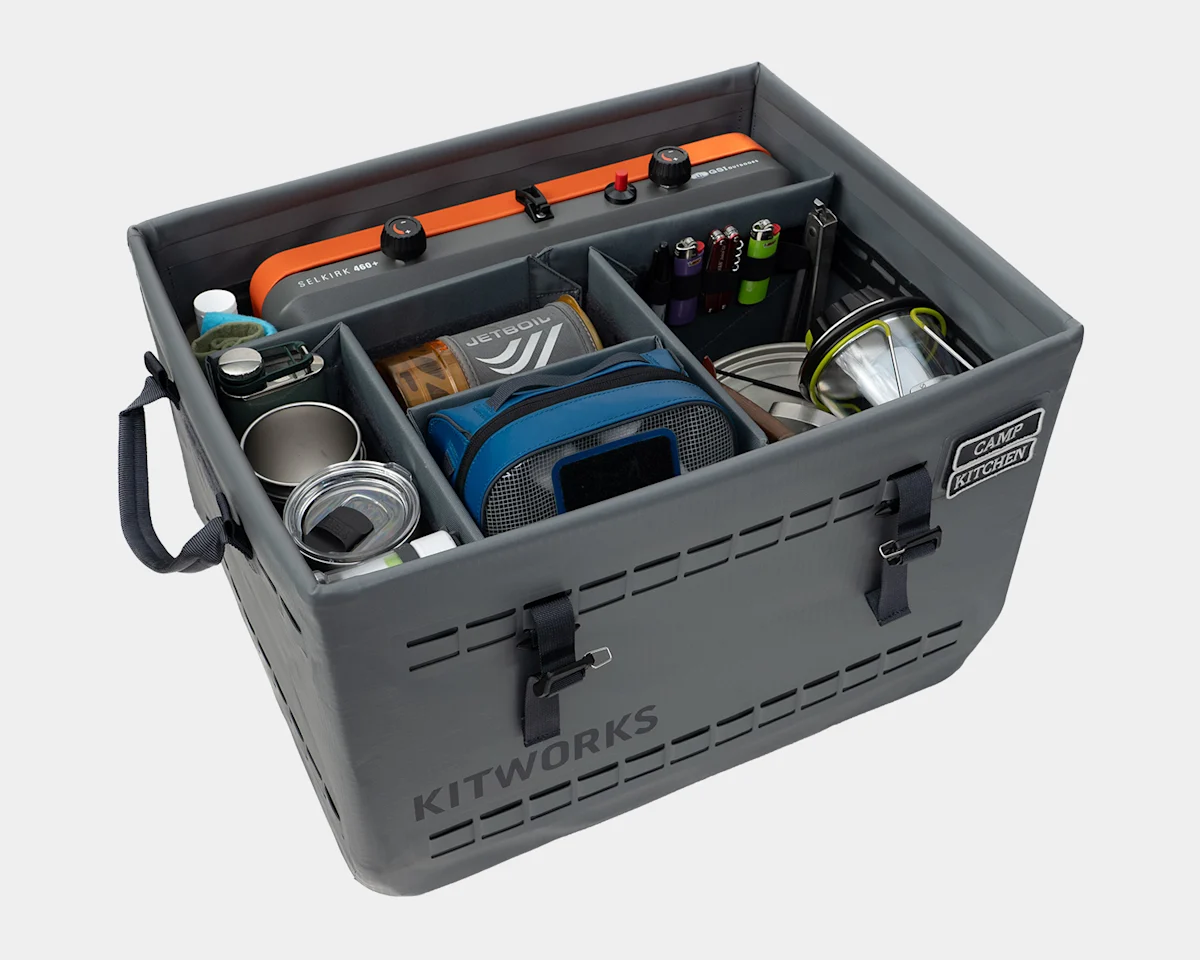
The modular gear storage system you choose should be dictated by your primary mode of travel. If your adventures are mostly vehicle-based, hard-sided stackable bins like the Yeti LoadOut GoBox or the Kitworks Gear Box provide maximum protection against shifting cargo. These systems often utilize internal dividers to keep small accessories from migrating to the bottom of the bin.
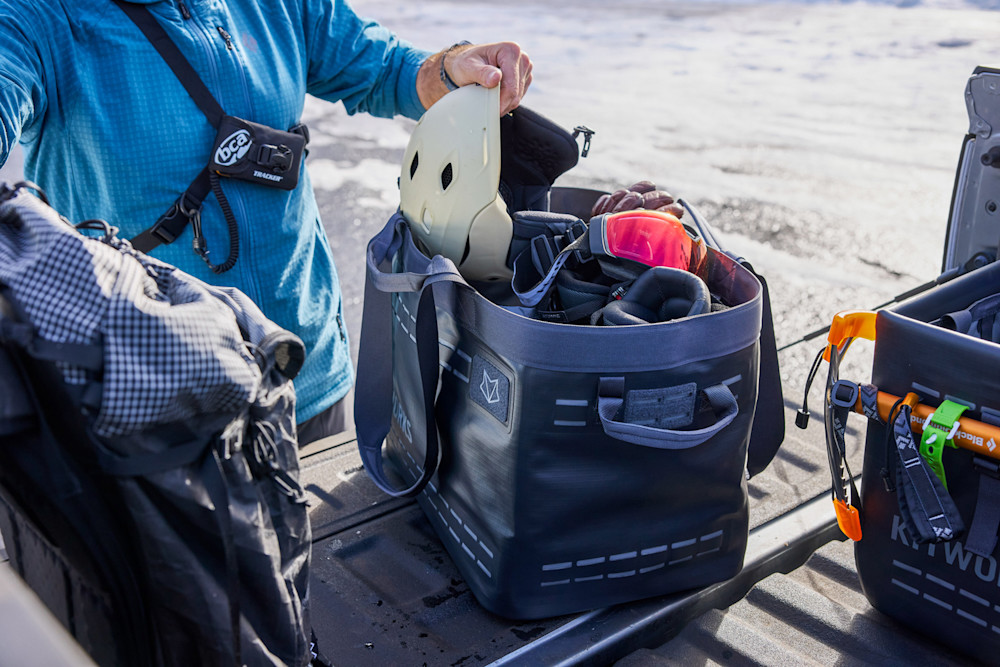
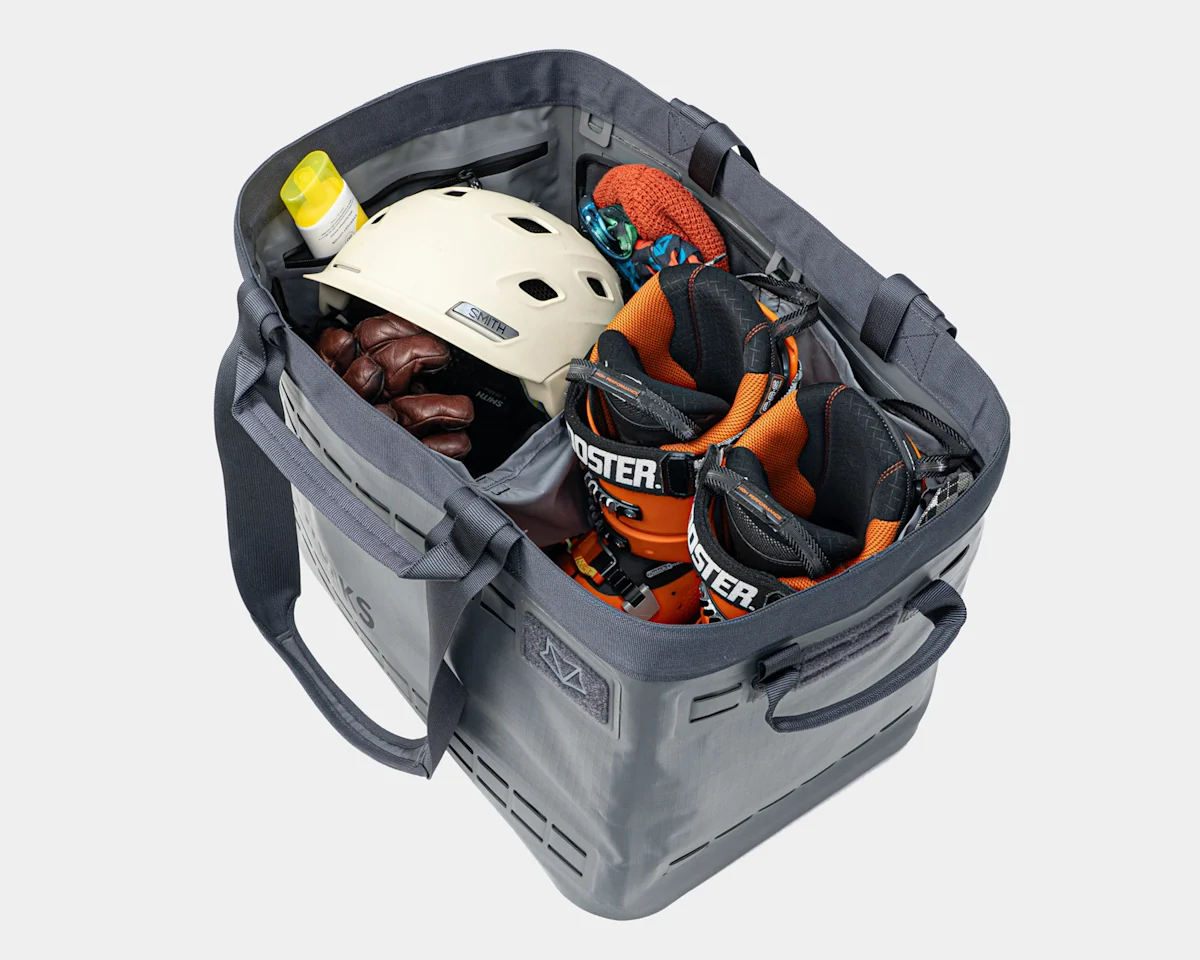
One of the most effective design philosophies in this space is the "Doctor's Bag" principle. This emphasizes visibility and wide openings, allowing you to see every piece of equipment without dumping the contents. Products like the Rux Duffel Box bridge the gap between a rigid bin and a flexible bag, offering the structure needed for stacking with the portability of a tote.
For overlanding and adventure travel logistics, modular gear storage systems for outdoor enthusiasts should prioritize quick-access features. MOLLE webbing on the exterior of a storage box allows for the attachment of fire extinguishers or tool rolls, while padded liners protect stoves and lanterns from vibration on washboard roads.
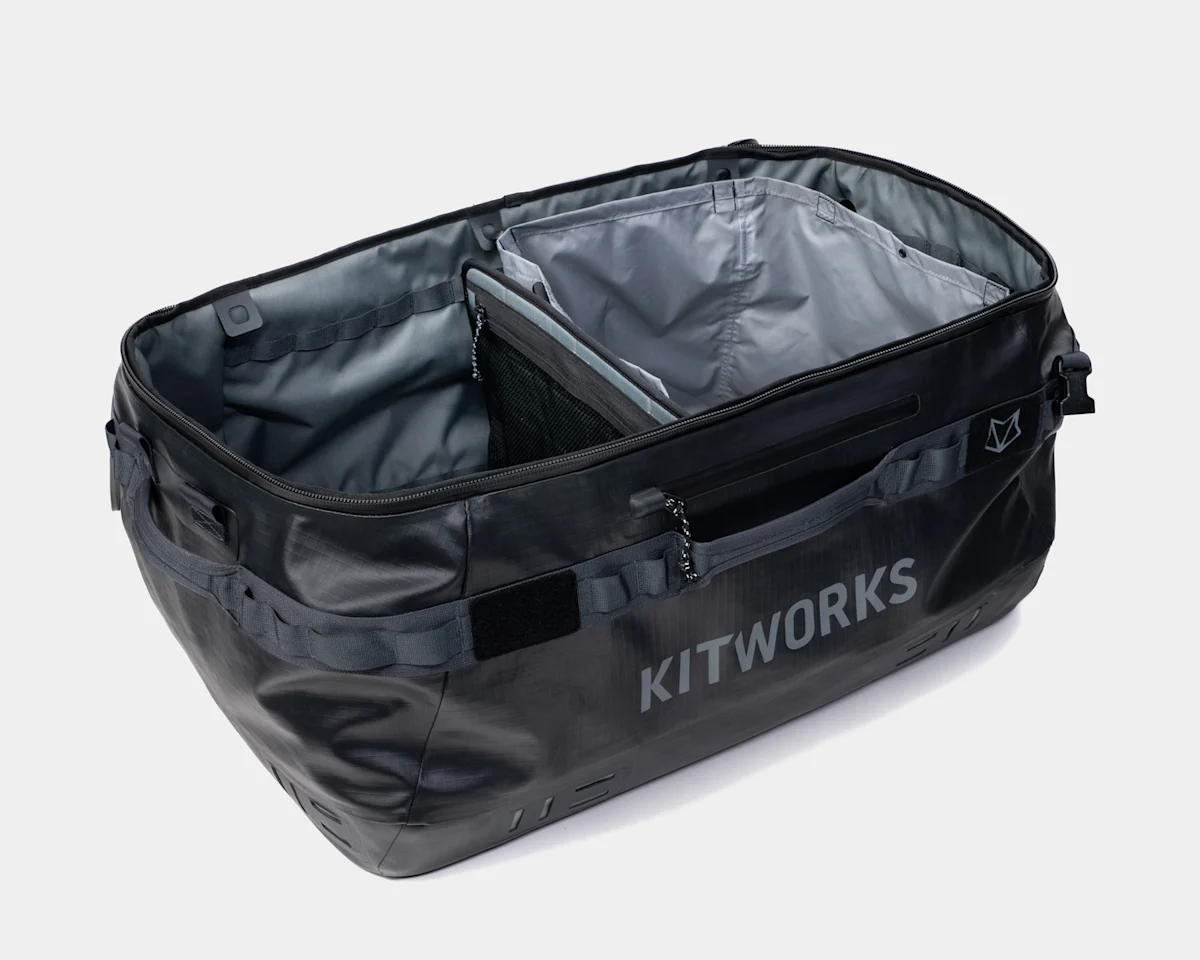
If your storage needs to transition between a small apartment and a vehicle, consider hybrid solutions. Soft-sided gear boxes or heavy-duty duffels made from 840D or 1680D TPU-laminated nylon offer excellent durability while being able to compress when empty. These are ideal for those seeking how to organize outdoor gear by activity while maintaining flexibility in tight quarters.
Storing Bulky Outdoor Equipment and Heavy Gear
Bulky items like camping stoves, foldable chairs, and basecamp heaters present a unique challenge. They rarely fit into standard small bins and often end up in a disorganized pile. The solution is vertical space utilization. By using heavy-duty steel shelving units with a 1,000lb+ capacity per shelf, you can move these oversized items off the floor and into a structured grid.
For those in urban environments, small space storage solutions for outdoor gear often involve wall-rail systems. These systems allow you to hang bikes, skis, and even kayaks vertically, freeing up precious floor space. When considering garage organization ideas for heavy outdoor equipment, always prioritize weight-rated hooks and anchors to ensure safety and equipment maintenance.
For truck bed transport, weatherproof and lockable trunks are a necessity. These prevent both environmental damage and opportunist theft while providing a stable platform for other gear to be lashed on top. The key is to keep the heaviest items low and centered to maintain vehicle stability during off-road travel.
FAQ
What is the best way to store outdoor gear?
The most effective way is to use a modular gear storage system organized by activity. This means keeping all your climbing gear in one bin, camp kitchen in another, and water filtration in a third. Use durable, HDPE containers for garage storage and ensure all items are clean and dry before being packed away.
How do you organize camping gear in a small apartment?
In small apartments, focus on vertical space utilization and dual-purpose storage. Use high-quality, stackable bins that can live at the bottom of a closet or under a bed. Consider using soft-sided modular bags that can be compressed when not in use, and utilize wall mounts for larger items like bikes or backpacks to keep them off the floor.
How do you prevent mold and mildew on stored gear?
Moisture management is critical. Never store gear that is damp or dirty. Before packing, air out tents, sleeping bags, and technical clothing in a well-ventilated area for at least 24 hours. For long-term storage in humid environments, use desiccants (silica gel packs) inside weather-sealed bins to absorb any residual moisture.
How do you store heavy equipment like kayaks and bikes?
Heavy equipment should be stored using dedicated wall or ceiling racks designed to handle the specific weight of the item. Kayaks should ideally be stored on their sides or hull-up on cushioned cradles to prevent warping. Bikes benefit from vertical wall hooks or floor stands that keep the tires from flat-spotting during long periods of inactivity.
Should outdoor gear be stored in airtight containers?
Airtight containers are excellent for protecting gear from external moisture, dust, and pests. However, they can also trap moisture inside if the gear isn't perfectly dry. Use airtight options for electronics, base layers, and down items, but ensure the storage environment itself is temperature-controlled whenever possible to prevent condensation.
Mastering outdoor gear storage is an investment in your future adventures. By applying a systematic approach to inventory management and choosing high-quality materials, you extend the life of your equipment and significantly reduce the friction of getting out the door. Whether you are prepping for a weekend overlanding trip or a multi-week expedition, a well-organized storage system ensures you are always ready for the transition from the garage to the trailhead.