Quick Facts
- Top Material: Merino wool is the gold standard for its natural thermoregulation and odor resistance, whereas synthetic fabrics offer superior durability and faster drying times.
- Optimal Weight: For most activities, a midweight fabric ranging from 200 to 250 GSM provide the best balance of warmth and breathability.
- Fit Rule: To maximize moisture wicking capabilities, technical apparel must have direct skin-to-skin contact; a loose fit results in heat loss.
- Safety Rule: Never use cotton as a base layer; it retains moisture and can lead to a dangerous drop in body temperature in cold conditions.
- Skiing Tip: Opt for women's 3/4 length long underwear for skiing to avoid fabric bunching and pressure points inside your ski boots.
- Market Trend: Thermal tops are currently the leading product segment, accounting for an estimated 52% of the global market share in 2025.
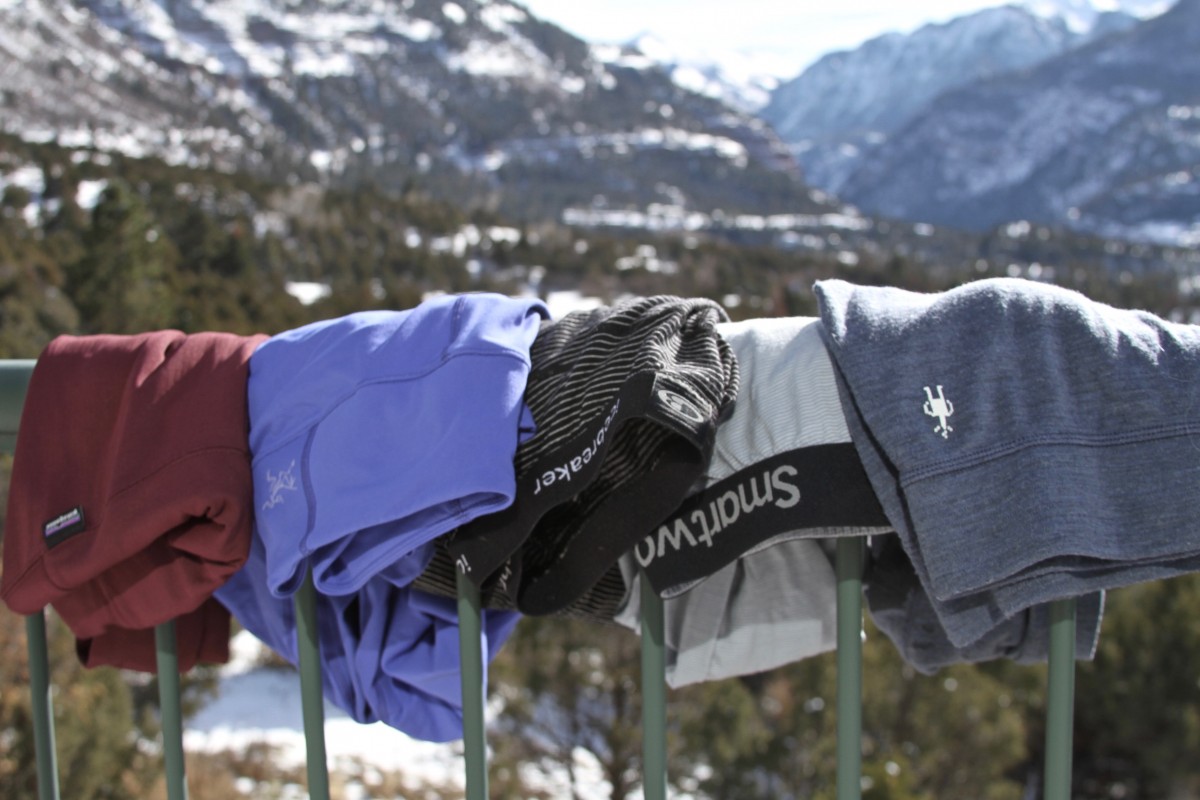
When selecting women's long underwear, focus on fabric, weight, and fit. Merino wool is highly recommended for its superior thermoregulation and odor resistance, while synthetic fabrics like polyester offer better durability and faster drying times at a lower price point. Ensure the garment fits close to the skin to maximize moisture-wicking capabilities, and look for features like flatlock seams to prevent chafing during high-intensity activities.
Material Science: Merino Wool vs. Synthetic
Choosing the right material is the most critical decision in your layering system. The global thermal underwear market, which was valued at approximately $8.15 billion in 2024, is largely split between natural fibers and high-tech synthetics. Each material serves a specific purpose depending on how much you sweat and how cold the environment is.
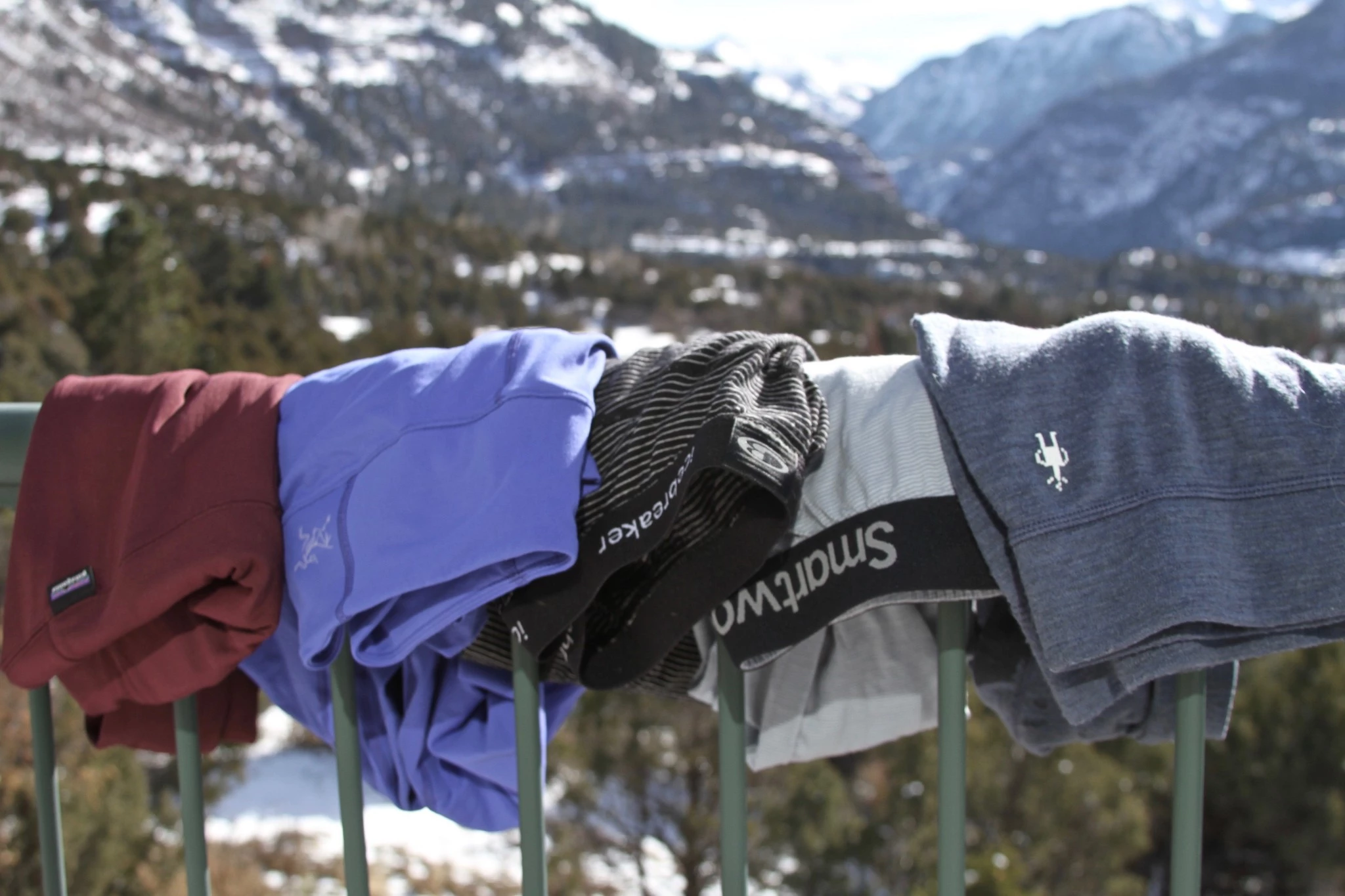
Merino wool remains the favorite for many outdoor enthusiasts. Unlike traditional wool, merino fibers have a very low micron count—usually between 17.5 and 19.5 microns—which makes them incredibly soft and provides the best non-itchy long underwear for sensitive skin. The magic of a merino wool base layer women prefer lies in its ability to absorb up to 30% of its weight in moisture without feeling damp. Furthermore, it possesses natural antimicrobial properties that prevent bacteria from building up, meaning you can wear it for several days on a hiking trip without noticing a scent.
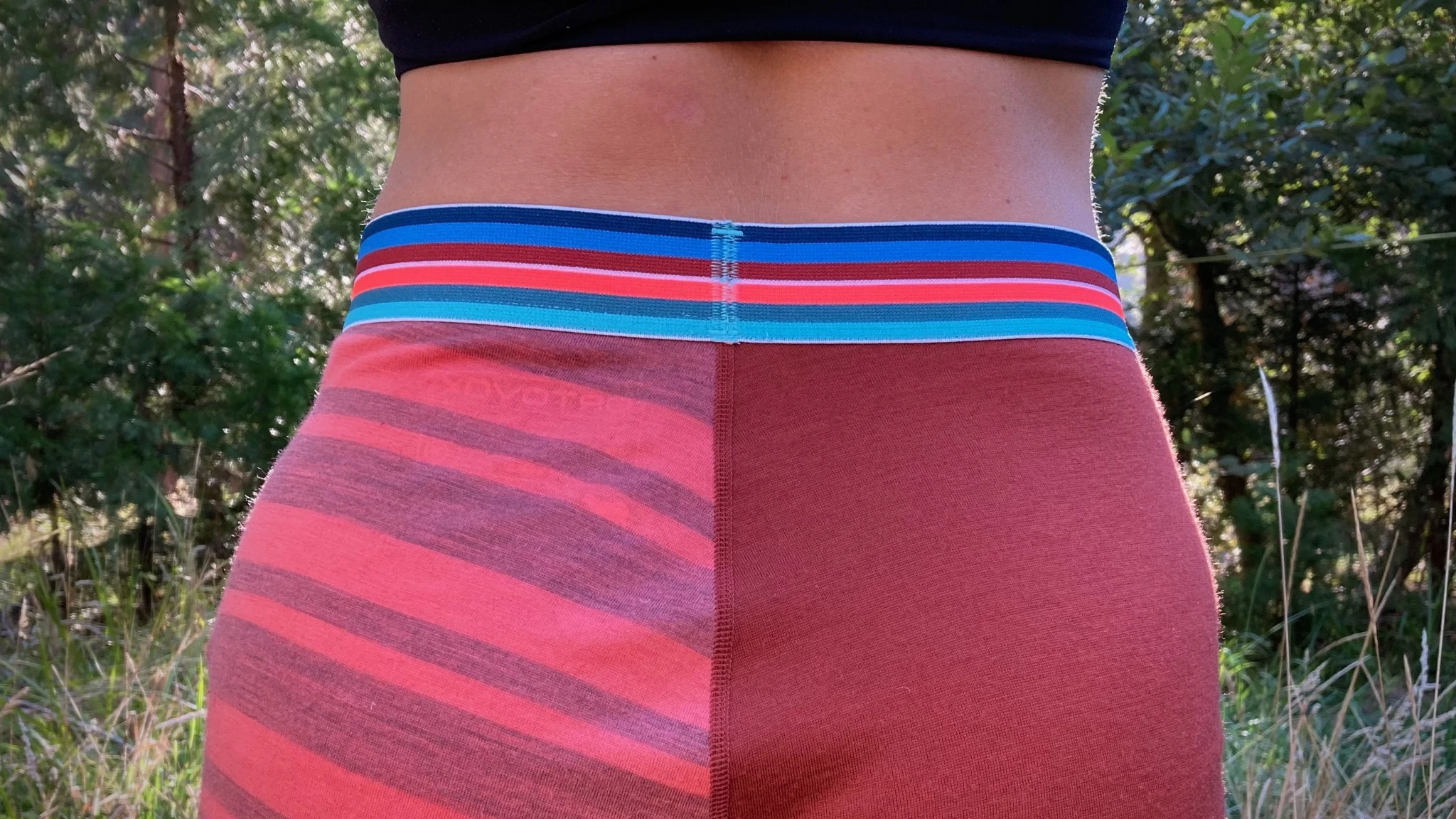
On the other hand, synthetics are the workhorses of the technical apparel world. Usually made from polyester blended with spandex for stretch, these fabrics excel at moisture wicking thermal underwear performance. While they don’t provide the same natural heat retention as wool when wet, they dry significantly faster. If you are debating merino wool vs synthetic women's base layer options, consider your activity level. Synthetics are often more durable and more affordable, making them a great choice for high-output sports where you are likely to encounter frequent abrasion.
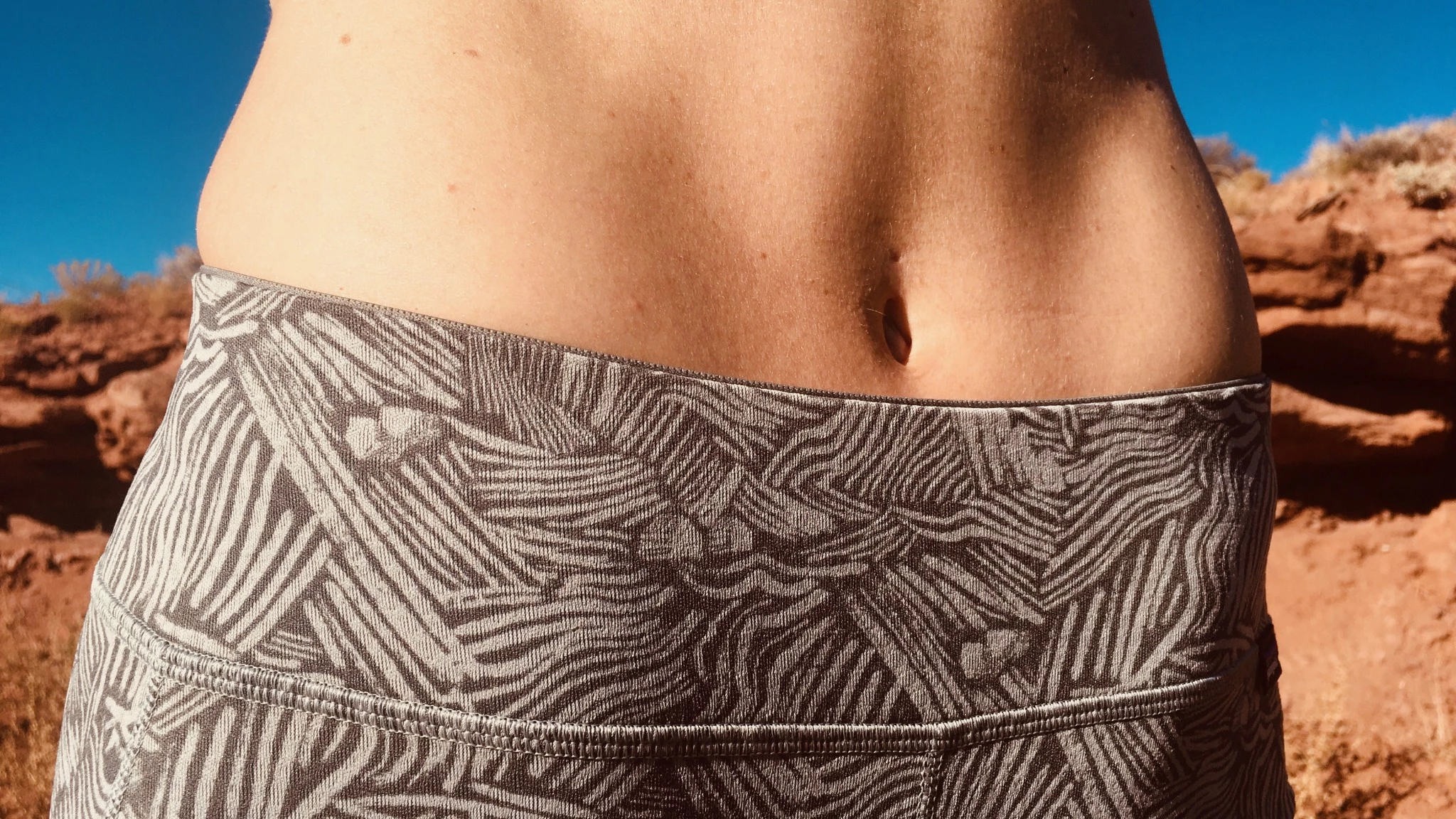
Silk is a third, albeit less common, option for best long underwear fabrics. It is extremely lightweight and fits perfectly under professional clothing, but it lacks the heavy-duty moisture management needed for intense mountain sports.
Understanding Fabric Weights: The GSM Guide
Once you have chosen your material, you need to decide on the weight. Fabric weight is measured in Grams per Square Meter (GSM). This metric tells you how much the fabric weighs and, by extension, how much warmth it provides.
For those wondering how to choose thermal underwear weight, it helps to categorize them into three main brackets:
| Weight Category | GSM Range | Best For |
|---|---|---|
| Lightweight | 150 - 175 | High-aerobic activities, spring hiking, or mild winter days. |
| Midweight | 200 - 250 | The most versatile choice for skiing, stop-and-go activities, and variable temperatures. |
| Heavyweight | 300+ | Stationary activities, extreme cold, or sub-zero temperatures. |
Lightweight layers focus almost entirely on breathability and moving sweat away from your skin. They are essential when you are working hard and don't want to overheat. Midweight options are the "sweet spot" for most users. They provide enough insulation to keep you warm on a chairlift but enough breathability to prevent soaking through during a downhill run.
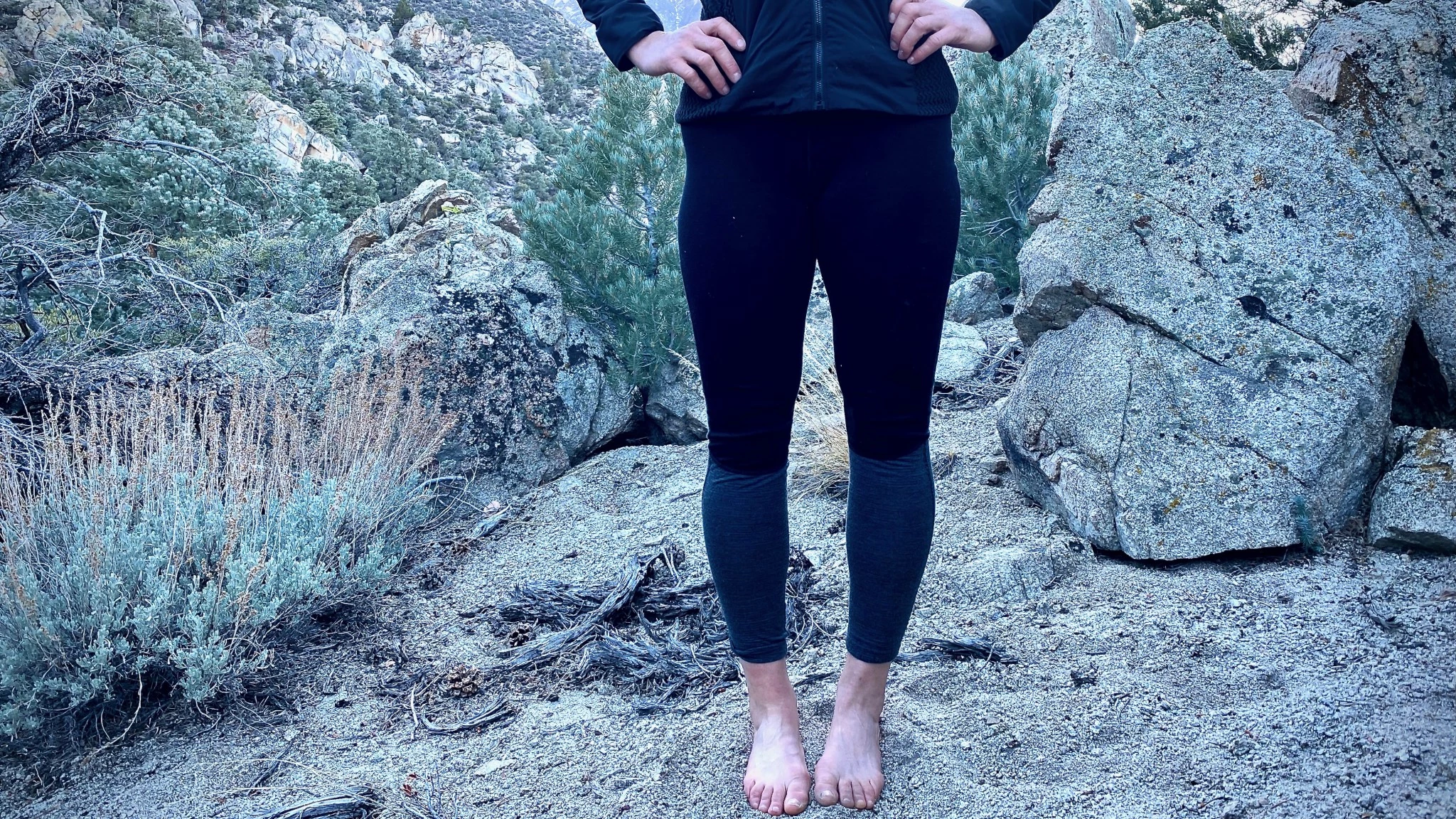
When you are looking at how to layer long underwear for extreme cold, heavyweight layers become necessary. These are often called "expedition weight." They feature a brushed fleece interior to trap more air for heat retention. However, because they are so thick, they can be bulky and may restrict movement if your outer layers are too tight.
Fit and Ergonomics for the Female Body
The performance of women's long underwear is directly tied to how it fits your body. If there are gaps between the fabric and your skin, the moisture wicking thermal underwear cannot do its job, and cold air will circulate in those pockets. A proper fit should be snug, similar to a second skin, but not so tight that it restricts your circulation or range of motion.
High-rise waistbands are a favorite feature in women's designs because they stay secure under backpacks and prevent the dreaded "gap chill" at the small of the back. When trying on leggings, I always recommend the "squat test" to check for transparency and to ensure the waistband doesn't roll down.
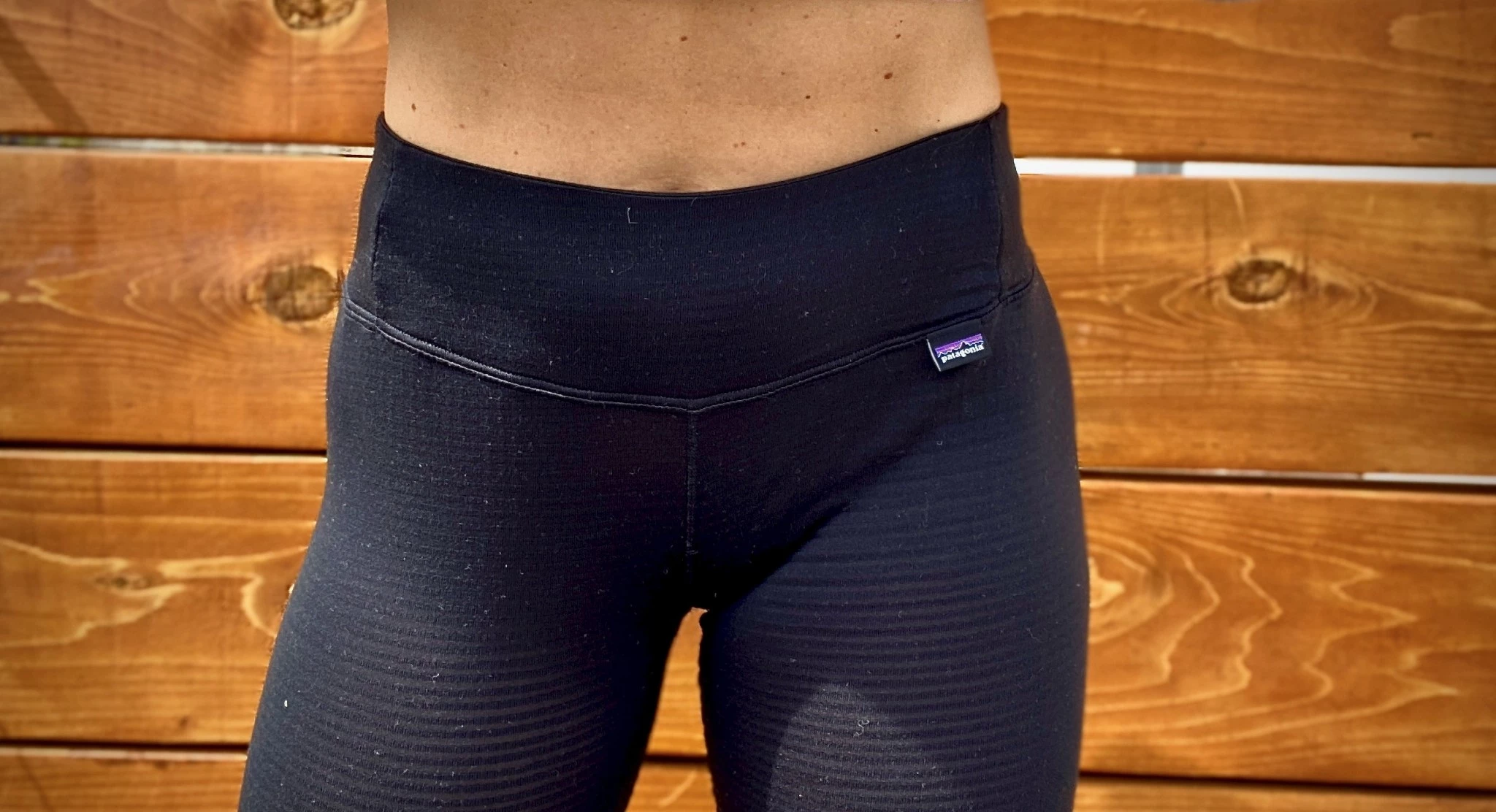
For those engaging in specific sports, the best women's long underwear for hiking and skiing will include ergonomic details. Look for flatlock seams, which are sewn flat against the fabric to eliminate the ridges that cause chafing. A gusseted crotch—an extra diamond-shaped piece of fabric—improves mobility for climbing or deep powder turns.
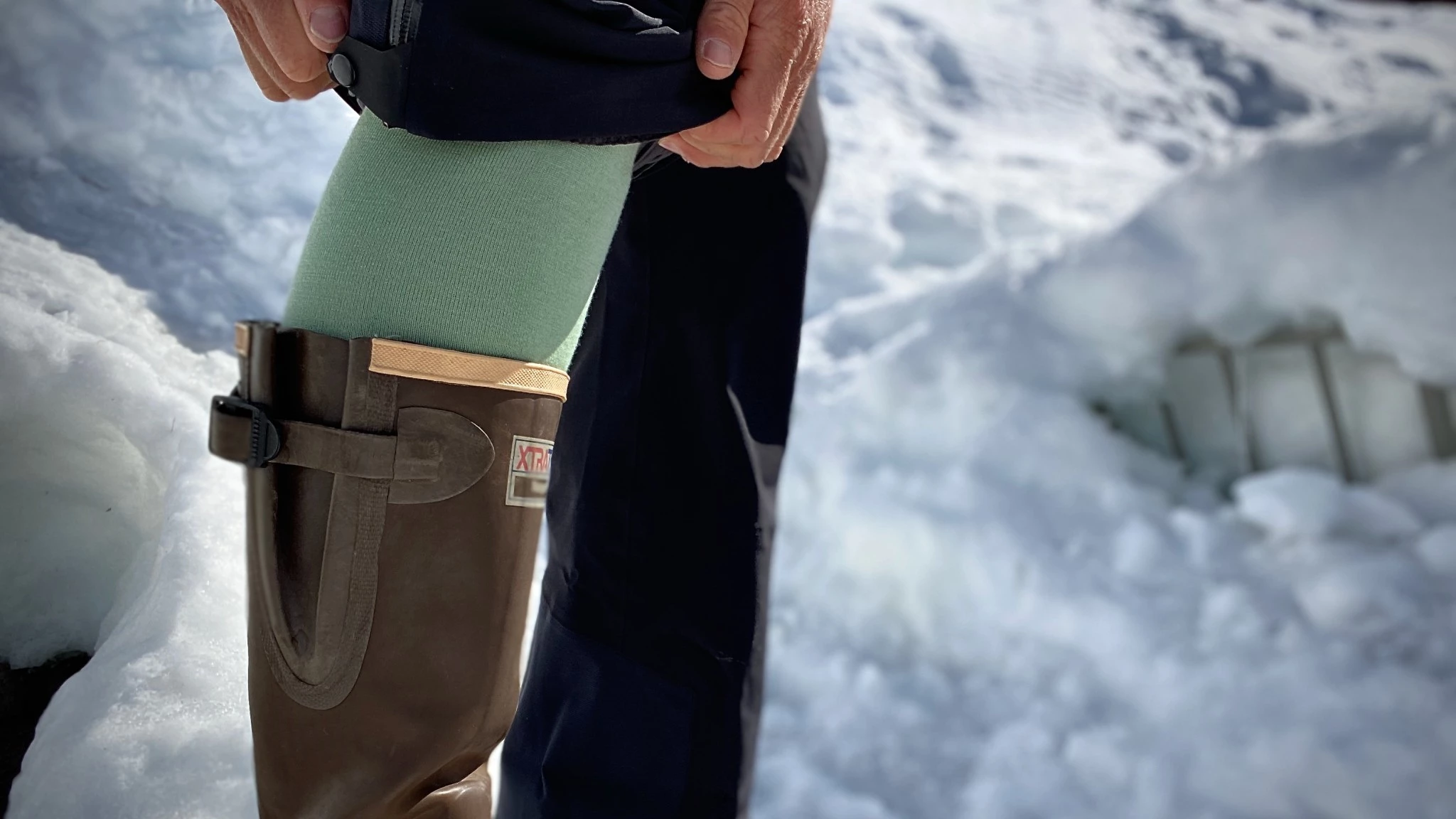
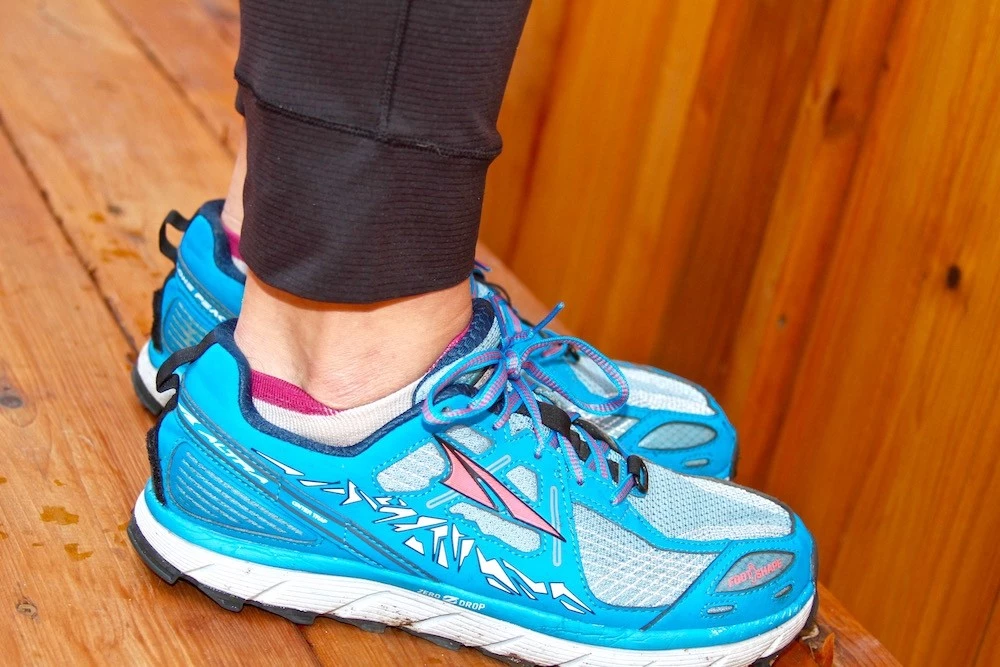
If you are a skier, consider women's 3/4 length long underwear for skiing. These "capri" style bottoms end just above the boot line. This prevents overlapping layers of socks and thermals inside the tight environment of a ski boot, which can often lead to painful pressure points or restricted blood flow. Furthermore, many top brands have expanded their ranges to include plus size women's long underwear options, ensuring that every body type has access to high-performance moisture wicking thermal leggings for high intensity activities.
Technical Care: Maximizing Longevity
High-quality base layers are an investment, and North America currently holds the largest regional market share at roughly 29% for these garments. To get the most out of your purchase, you must follow specific care instructions.
- Avoid Fabric Softeners: These work by coating fibers in a waxy film, which completely destroys the moisture wicking and breathability of your clothing.
- Wash Cold: High heat can shrink merino wool and damage the elastic fibers in synthetic blends.
- Air Dry When Possible: While most synthetics can handle a low-tumble dry, air-drying extends the life of the fabric and maintains the shape of the garment.
- Retire When Ready: If you notice your layers are sagging, have visible holes, or have become "see-through" in high-wear areas, they will no longer provide the necessary thermoregulation and should be replaced.
FAQ
What is the best material for women's long underwear?
The best material depends on your needs; merino wool is superior for odor control and natural temperature regulation, while synthetic polyester blends are better for high-intensity durability and fast drying times.
How tight should women's long underwear fit?
They should provide consistent skin-to-skin contact without being restrictive. A snug fit is essential because it allows the fabric to pull moisture away from your skin immediately.
What type of long underwear is warmest for extreme cold?
Heavyweight or expedition-weight layers, typically 300 GSM or higher, are the warmest. These often feature high heat retention through a lofted or fleece interior that traps warm air.
Can you wear long underwear under jeans?
Yes, but you should choose a lightweight or silk-weight layer. Because jeans are typically made of cotton and do not breathe well, a thicker midweight thermal might make you feel uncomfortably sweaty indoors.
Is merino wool or synthetic better for thermal base layers?
Merino wool is better for multi-day trips and fluctuating temperatures due to its antimicrobial properties. Synthetics are better for intense, sweaty exercise where the fastest possible drying time is required.
What are the different weights of long underwear?
They are generally categorized by GSM: Lightweight (150-175 GSM) for high activity, Midweight (200-250 GSM) for general outdoor use, and Heavyweight (300+ GSM) for stationary warmth in sub-zero temperatures.
Whether you are prepping for a week in the backcountry or just want to stay cozy during a winter commute, the right base layer makes all the difference. Start with high-quality materials, match the weight to your activity, and ensure a perfect fit to master your layering system this season.