Quick Facts
- Versatility: Hammocks excel on uneven, sloped, or rocky ground where tents cannot be pitched.
- Sleep Quality: A diagonal lay in a hammock provides an ergonomic, pressure-free surface ideal for side sleepers.
- Market Growth: The global camping hammock market is surging, valued at $283 million in 2025 and expected to hit $365 million by 2034.
- Weight Profile: A full hammock system weighs between 1.5 and 2 pounds, comparable to ultralight solo tents.
- Thermal Needs: Hammocks require an underquilt for temperatures below 65-70°F due to convective heat loss.
- Popularity: Tents remain the favorite for 31.4% of North American campers who value communal space and gear storage.
Hammock camping provides a comfortable alternative to sleeping on hard, uneven, or sloped ground by utilizing tree suspension. While hammocks offer excellent air circulation in hot weather and a unique view of the outdoors, they require specific anchors like sturdy trees. Tents remain superior for gear storage, camping in treeless alpine environments, and providing a communal space for couples or groups.
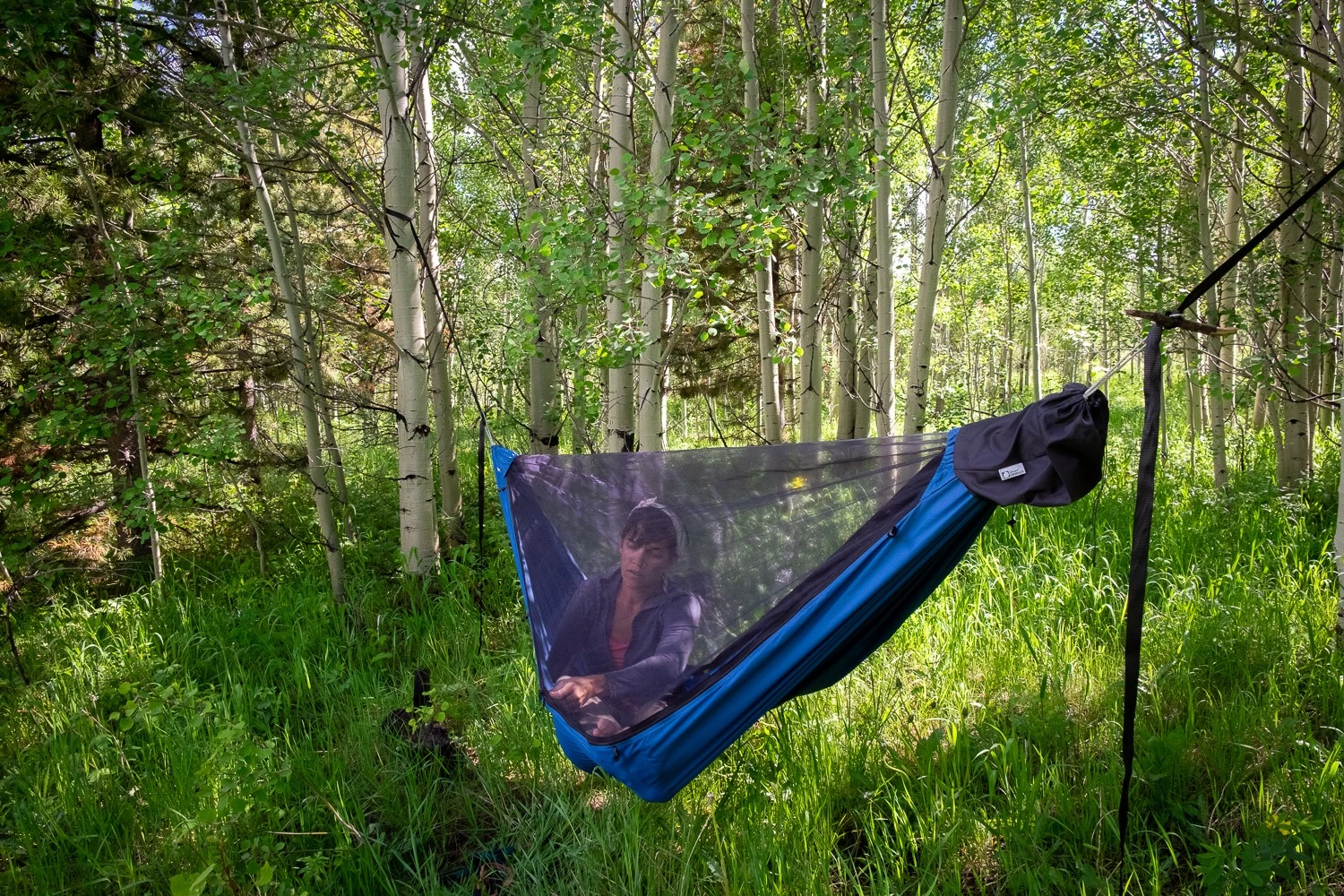
When comparing weight for backpacking, a basic hammock is lighter than most tents, but a full 3-season setup including a rainfly, bug net, and underquilt often weighs the same as an ultralight tent (around three pounds). Hammocks offer more versatile campsite selection in dense forests, whereas tents are more reliable in extreme winds or high-elevation areas where hanging options are scarce.
Comfort and Ergonomics: The Geometry of Sleep
The most common debate in the hammock vs tent camping world revolves around the quality of sleep. For decades, the ground-dwelling tradition forced campers to contend with roots, rocks, and the inevitable "stuffy box" feel of a small tent. Hammocks represent a paradigm shift in ergonomics. By suspending the body, you eliminate the pressure points typically associated with even the most expensive sleeping pads.
However, many beginners struggle with comfort because they try to sleep in a straight line, resulting in a "banana" shape that hurts the lower back. The secret to hammock camping vs tent for comfort is the diagonal lay. By positioning your body at a 10 to 15-degree angle relative to the center line, you flatten the ripstop nylon surface. This technique is a game-changer when asking is a hammock or tent better for side sleepers, as it provides a level support system that mimics a real mattress. To achieve this, an 11-foot standard hammock length is often recommended to ensure enough fabric exists to create that flat plane.
Furthermore, air circulation in a hammock is naturally superior. In humid or sweltering environments, being suspended allows air to move 360 degrees around you, preventing the clammy, condensed feeling often found inside a tent. While tents provide a sense of psychological security and a "room" to change in, the physical relief of floating above the forest floor is hard to beat for those with chronic back pain.

Setup and Terrain: From Poles to Tree Straps
Campsite selection is the logistical heart of any trip. If you are camping on sloped terrain hammock vs tent comparisons quickly lean toward the trees. A tent requires a flat, cleared footprint, which can be elusive in dense, old-growth forests or mountainous regions. A hammock only requires two sturdy anchors—typically trees—roughly 12 to 15 feet apart. This allows you to set up over mud, rocks, or a 45-degree incline, significantly expanding your potential sleeping spots.
The hammock vs tent setup time and difficulty varies by experience. A tent requires assembly of poles, stakes, and the rainfly, which can be cumbersome in the dark. Hammock setup relies on tree straps and carabiners. To achieve the perfect hang, campers use the 30-degree hang rule: the suspension should meet the tree at roughly a 30-degree angle to balance the tension between the sleeper's weight and the force on the trees.
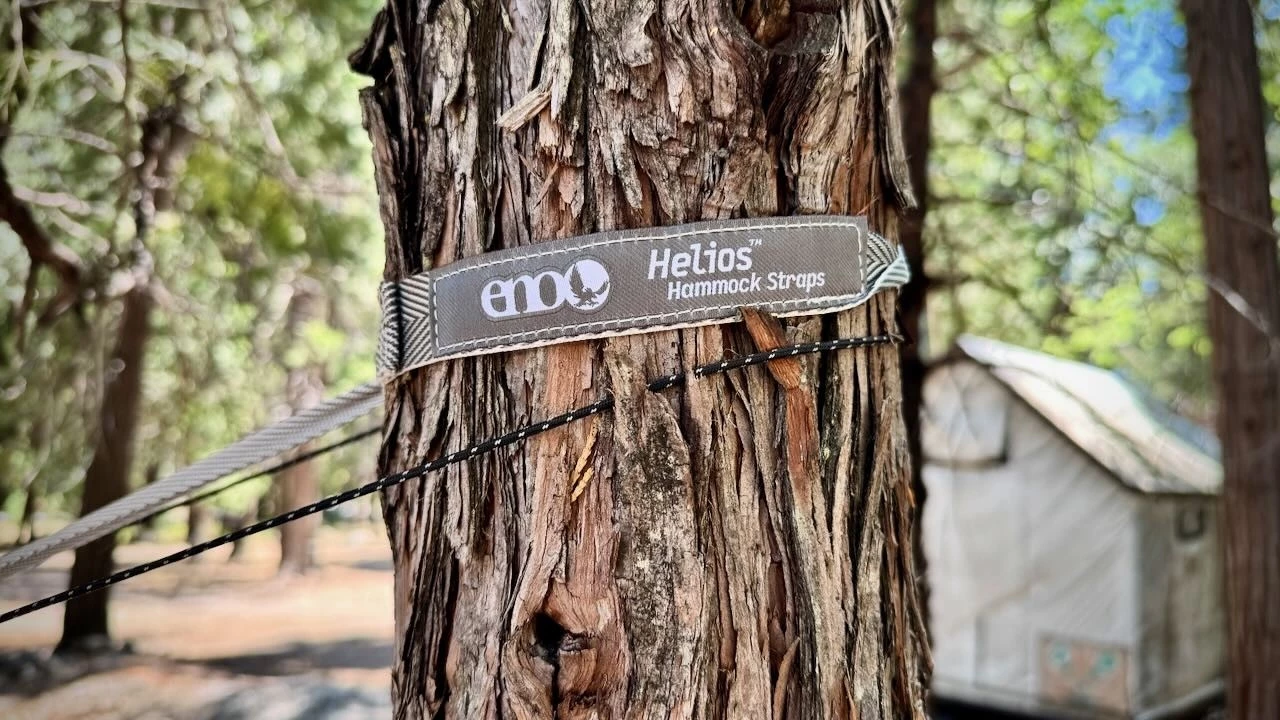
Environmental ethics also play a role here. Using wide tree straps that are at least one inch thick ensures you are following Leave No Trace principles by protecting the tree’s delicate cambium layer. Ideally, you should select trees with at least an 8-inch diameter. But what happens when the landscape changes? In treeless alpine environments or deserts, the tent is the undisputed king. Without vertical anchors, a hammock becomes an awkward, heavy bivy bag on the ground, making the tent the more reliable "go-anywhere" shelter for high-altitude explorers.
Weight and Bulk: Thinking in Shelter Systems
When evaluating hammock vs tent weight for backpacking, you must stop looking at individual items and start looking at the shelter system. A novice might think a hammock is lighter because the "bed" is just a piece of fabric. However, to survive a night in the wilderness, your hammock vs tent for backpacking decision must account for the full modular ecosystem.
A standard hammock setup usually includes the hammock body, a suspension system, a bug net, and a rainfly. In contrast, a tent system includes the tent body, poles, stakes, and a footprint. As noted earlier, ultralight single-person tents can weigh as little as 1 to 1.5 pounds, while a comprehensive hammock system often sits between 1.5 and 2 pounds.
System Weight Comparison Table
| Component | Hammock System (Ultralight) | Tent System (Ultralight) |
|---|---|---|
| Main Shelter | 8 - 12 oz (Ripstop Nylon) | 16 - 24 oz (Tent Body/Fly) |
| Suspension/Poles | 4 - 8 oz (Tree Straps) | 8 - 14 oz (Aluminum/Carbon) |
| Protection | 6 - 10 oz (Bug Net) | Included in weight above |
| Coverage | 8 - 12 oz (Rainfly) | Included in weight above |
| Total Base Weight | ~1.5 - 2.5 lbs | ~1.5 - 3.0 lbs |
The advantage of the hammock is modularity. If you are backpacking in a bug-free, dry environment, you can leave the net and rainfly behind, drastically reducing your backpacking base weight. Tents are less modular; you generally have to carry the whole structure regardless of the weather.
Weather Protection and Thermal Dynamics
The physics of temperature management is where the hammock vs tent pros and cons become most apparent. In a tent, you deal primarily with conductive heat loss—the ground sucking the warmth out of your body. This is mitigated by a sleeping pad with a high R-value. In a hammock, the primary enemy is convective heat loss. As wind passes beneath your hanging body, it carries away warmth, a phenomenon often called "Cold Butt Syndrome."
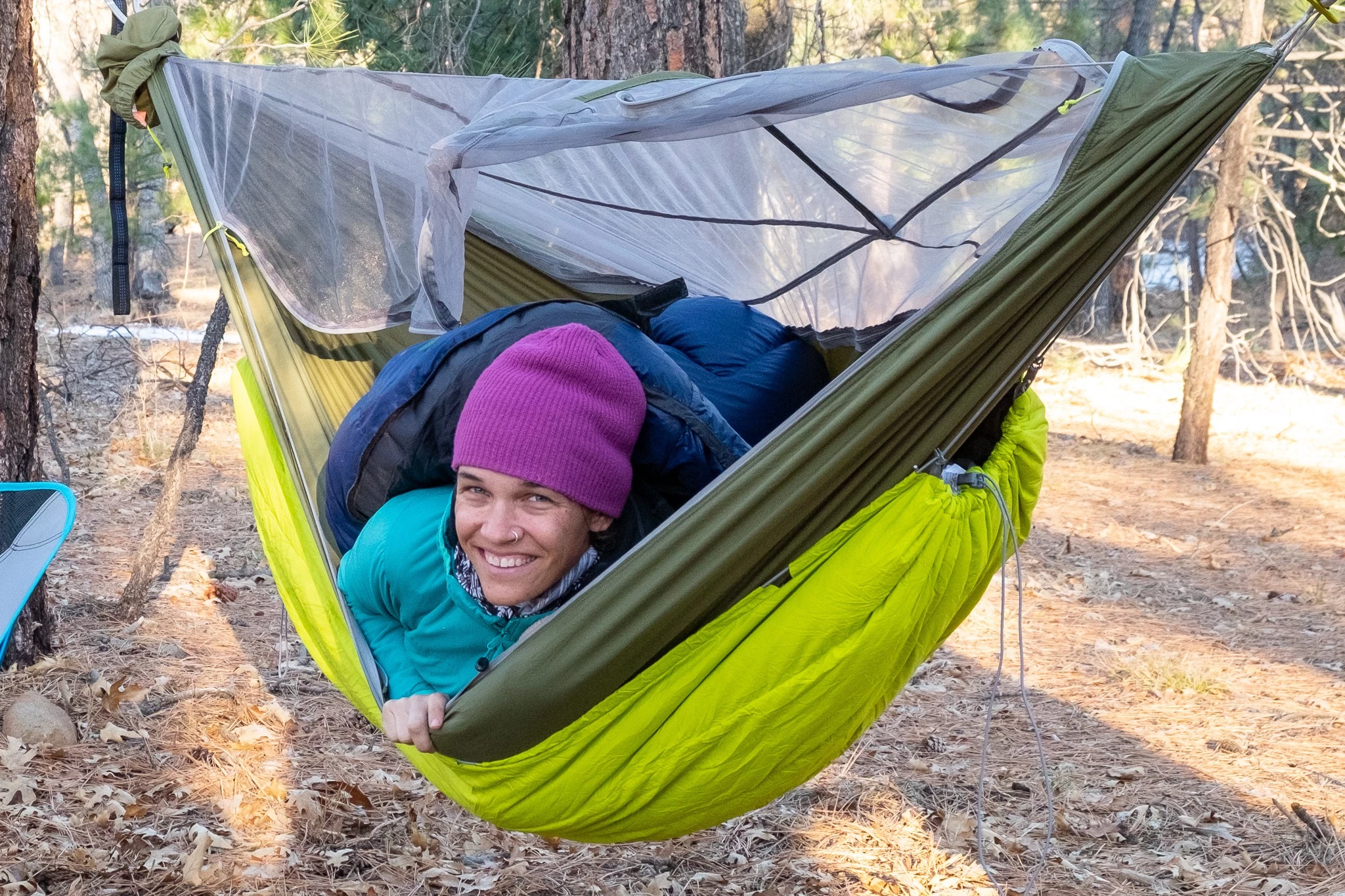
Staying warm in a hammock vs tent in cold weather requires specific gear. Once temperatures drop below the 65-70°F threshold, an underquilt is mandatory. Unlike a sleeping bag, which loses its insulating loft when you compress it with your body weight, an underquilt hangs loosely beneath the hammock, trapping a dead air space that stays warm. While this adds weight, it provides 3-season protection that can rival many alpine tents.
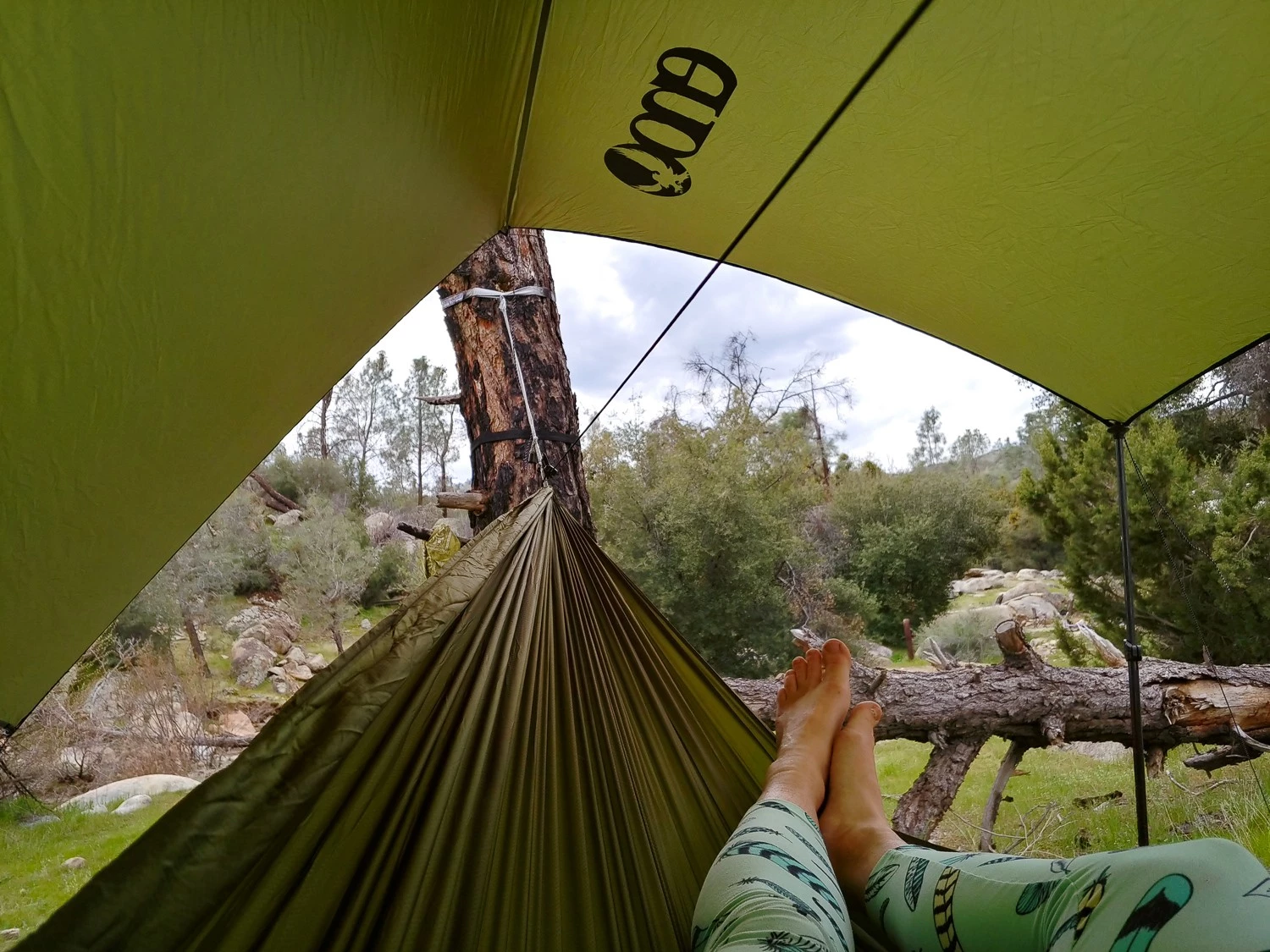
In terms of precipitation, a tent offers a sealed environment that protects against splashing mud and sideways rain. However, a properly pitched rectangular rainfly with extra "beaks" or doors can create a massive dry porch area for a hammock. This allows for better condensation management, as the open-air nature of the hammock prevents the moisture from your breath from coating the inside of your shelter.
The Final Verdict: How to Choose
Choosing between a hammock vs tent camping setup ultimately depends on your destination and your companions. If you are a solo trekker heading into the deep forests of the Pacific Northwest or the Appalachian Trail, the hammock offers unparalleled comfort and terrain flexibility. You will never have to worry about finding flat ground again.
Conversely, if you are camping as a couple or a group, or if your travels take you above the tree line into the Sierras or across the desert, the tent is your best bet. It provides a communal space to hide from the wind, ample gear storage for packs and boots, and a reliable structure that doesn't depend on the local flora.
For those curious about how to switch from tent to hammock camping, I recommend a hybrid approach for your first trip. Bring your hammock for afternoon naps and keep your tent as a backup. Once you master the 30-degree hang and the diagonal lay, you may find it very difficult to go back to sleeping on the ground.
FAQ
Is hammock camping better than tent camping?
It depends on the environment and personal preference. Hammock camping is often better for solo travelers in forested areas who struggle with back pain on the ground. Tents are generally better for gear storage, camping in groups, or trips to treeless environments like high-altitude peaks or deserts.
Is it warmer to sleep in a tent or a hammock?
Tents are naturally warmer because they block the wind and trap a small amount of body heat. In a hammock, you are exposed to moving air on all sides. However, with a high-quality underquilt, a hammock can be just as warm as a tent, even in sub-freezing temperatures.
Do you need a sleeping pad for hammock camping?
You can use a sleeping pad, but it is often difficult to keep in place as it tends to slide around. For temperatures below 65°F, an underquilt is a much more effective and comfortable way to provide insulation than a standard sleeping pad.
Is hammock camping bad for your back?
Actually, many campers find it better for their back. Because there are no pressure points from the ground, a hammock can alleviate the stiffness associated with sleeping on a thin pad. The key is using a diagonal lay to ensure your spine remains in a neutral, flat position.
What do you do if there are no trees for a hammock?
If you realize there are no trees, you must "go to ground." This involves using your hammock as a bivy bag and using your trekking poles to prop up your rainfly. However, this is significantly less comfortable than hanging, which is why checking your destination's terrain beforehand is crucial.