Quick Facts
- Cooking Fail: Normal internal temperatures of 160-165°F do not kill prions.
- The 40% Rule: Hunting gear must soak in a 40% bleach solution for at least 5 minutes for effective decontamination.
- Invisible Threat: Infected deer can appear perfectly healthy for up to 16 months while still spreading the disease.
- Core Safety: Deboning meat and removing lymph nodes is a mandatory safety practice in many regions.
- Testing Requirement: Brain and lymphoid tissue analysis usually takes between 1 and 3 weeks for results.
Standard internal cooking temperatures for venison, which typically range from 160°F to 165°F, are insufficient to denature or inactivate the highly stable and heat-resistant infectious prions that cause Chronic Wasting Disease. Unlike bacteria or viruses, these misfolded proteins are extremely resistant to heat, ultraviolet radiation, and standard disinfectants. Because household cooking temperatures cannot destroy the infectious agent, wildlife experts and health officials advise against consuming meat from any animal that tests positive for the disease.
The Science of Resistance: Logic Behind the Prion
To understand why cooking won't kill CWD in deer, we have to look at what a prion actually is. Most pathogens we deal with, like Salmonella or influenza, are living organisms or viruses that rely on DNA or RNA to replicate. High heat destroys these genetic Blueprints, effectively "killing" the threat. Prions are different. They are misfolded proteins that contain no genetic material. When a healthy protein comes into contact with a prion, it is forced into the same misfolded shape, leading to a chain reaction of neurological degeneration in the brain.
This unique structure makes prions incredibly durable heat-resistant pathogens. They are not simply "alive" in a way that heat can easily terminate. Scientific data shows that incineration at temperatures of approximately 1,832°F (1,000°C) is required to reliably neutralize the infectious agent. Even specialized medical-grade autoclaving at 273°F (134°C) for at least 18 minutes under high pressure is necessary for proper prion sterilization. Your backyard grill or indoor oven simply cannot reach the temperatures required to break these proteins down.
Furthermore, these proteins exhibit terrifying environmental persistence. They can bind to soil and remain infectious for years, resisting the effects of freezing, thawing, and sunlight. This means that a carcass left in the woods or even the water supply near an infected population can remain a source of transmission for other cervids long after the original host has died.
Identifying the Threat: Deer Prion Disease Symptoms
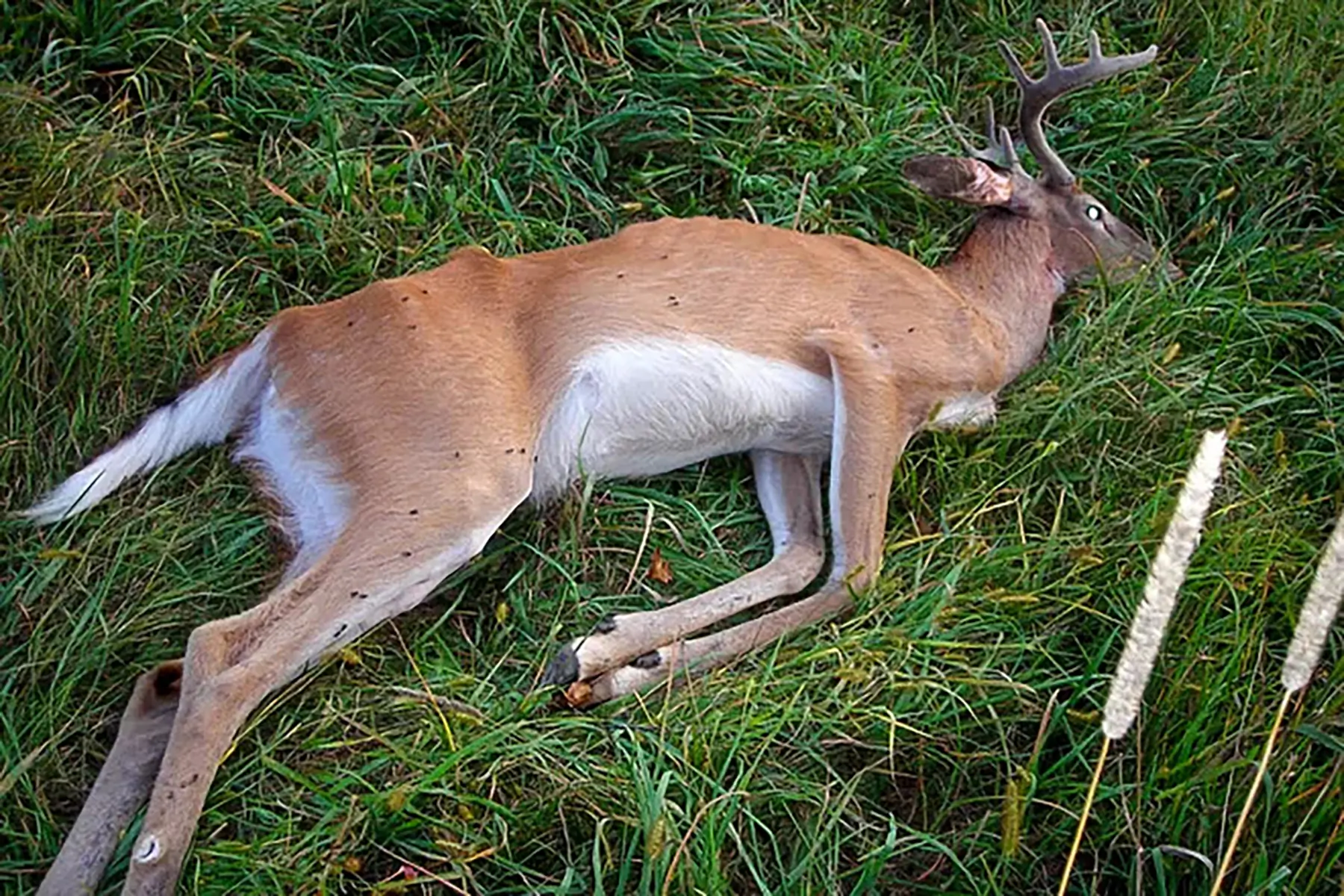
One of the most dangerous aspects of Chronic Wasting Disease is the long incubation period. An infected animal can carry the disease for 12 to 34 months without showing a single outward sign of illness. During this time, they are moving through the landscape, shedding prions through saliva, urine, and feces. For a hunter, this means that a deer in excellent body condition with a sleek coat could still be a carrier.
As the disease progresses into its final stages, the deer prion disease symptoms become more apparent:
- Drastic, rapid weight loss (emaciation).
- Stumbling, poor coordination, or head tremors.
- Listlessness and a "blank" facial expression.
- Excessive salivation and grinding of teeth.
- A notable lack of fear of humans or predators.
- Drooping ears and a lowered head.
Because the clinical signs only appear near the very end of the lifespan, many animals are harvested while they still look healthy. This is why postmortem analysis at a certified lab is the only way to be sure about the safety of your harvest.

Safe Field Dressing Tips for CWD Areas
If you are hunting in a known positive management zone, your field dressing technique must change. The goal is to minimize your contact with high-risk tissues where prions concentrate most heavily. These include the brain, spinal cord, eyes, spleen, and lymphoid tissue.
Following strict venison safety guidelines is the best way to prevent accidental exposure and cross-contamination. Start by wearing heavy-duty rubber or nitrile gloves. Use a dedicated set of knives for field dressing that are not used for other household tasks.
The Deboning Rule
Many states now require deboning venison to avoid CWD prions before transporting the meat out of the harvest zone. This involves:
- Removing the meat from the carcass without cutting into the spinal column.
- Avoiding the use of saws, which can aerosolize bone marrow or spinal fluid.
- Carefully identifying and discarding any visible lymph nodes (small, bean-shaped structures found in the fat).
- Leaving the head and spine at the kill site or disposing of them in state-approved CWD waste containers.
By following these safe field dressing tips for CWD areas, you significantly reduce the risk of bringing infectious material back to your home or processing area.
Mandatory CWD Testing States and Regulations (2026 Update)
As we move into 2026, the geographic footprint of Chronic Wasting Disease continues to expand. High-prevalence states like Colorado, Wisconsin, and Wyoming have refined their mandatory CWD testing states and regulations to protect both wildlife populations and consumers. In many management zones, it is now illegal to transport a whole deer carcass across county or state lines.
Hunters should be aware of these standard requirements:
- Mandatory Submissions: In specific red zones, you must submit the head or lymph nodes of your harvest to a state agency within a specified timeframe (usually 24-48 hours).
- Transport Restrictions: Generally, only deboned meat, hides without heads, and cleaned skull plates (no brain matter) are allowed to be moved.
- Turnaround Times: Expect a 1 to 3-week wait for results. It is highly recommended to keep your meat tagged and separate in the freezer until you receive a "not detected" result.
Always check with your state's wildlife agency before your hunt to get the latest CWD meat testing instructions and drop-off locations.
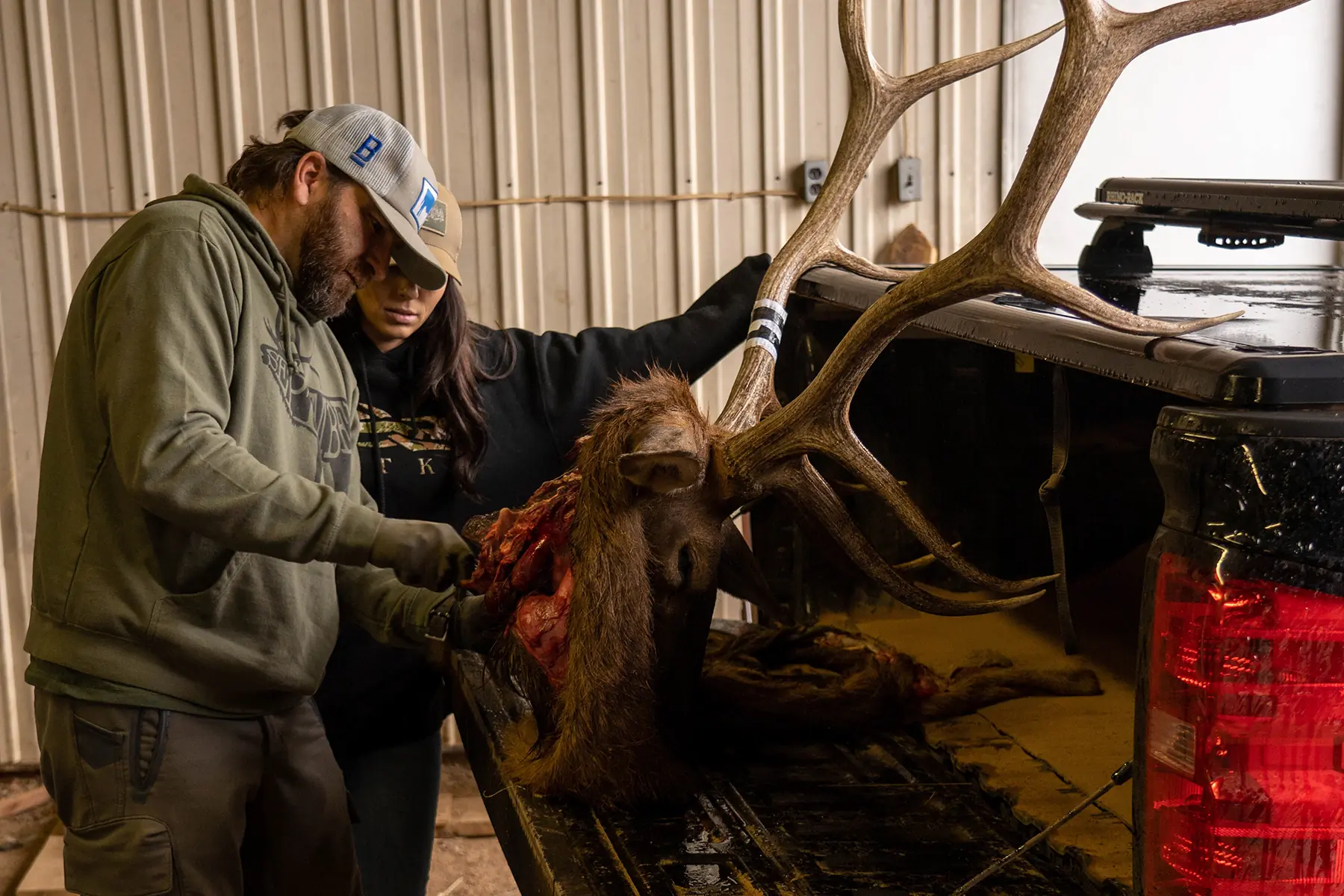
Sanitizing Hunting Gear After Potential Exposure
Standard dish soap or mild detergents are completely ineffective against prions. If you have processed a deer in a CWD-positive area, you must undertake a specific protocol for sanitizing hunting gear after CWD exposure. Prions are known to "stick" to stainless steel surfaces, making your knives and processing tables potential vectors for contamination.
The gold standard for disinfection is a 40% bleach solution (sodium hypochlorite).
- Preparation: Mix 4 parts household bleach with 6 parts water.
- Soak: Submerge all non-porous tools—knives, saws, and tongs—in the solution.
- Timing: Let the gear soak for a minimum of 5 minutes.
- Rinse: Thoroughly rinse with clean water and dry.
For porous surfaces like wooden cutting boards or clothing that has been heavily soiled with brain or spinal fluid, most experts recommend disposal rather than attempting decontamination.
Human Symptoms of CWD Exposure and Health Risks
To date, there has been no documented case of Chronic Wasting Disease infecting a human. However, the zoonotic potential remains a major concern for scientists. A 2017 study involving macaques—primates that are genetically closer to humans than laboratory mice—showed that they could contract the disease after consuming meat from infected deer. Furthermore, a 2022 medical report investigated a cluster of deaths where hunters consumed venison from CWD-positive populations, though a direct causal link was not definitively proven.
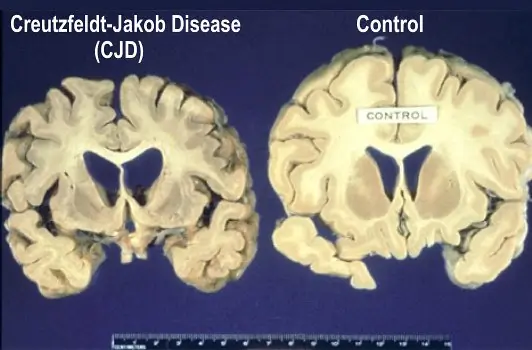
The Centers for Disease Control (CDC) and the World Health Organization (WHO) maintain a precautionary stance. They advise that humans should not consume any meat from an animal known to be infected. Because human symptoms of CWD exposure would likely mirror other prion diseases like Creutzfeldt-Jakob Disease—including rapid dementia, personality changes, and loss of muscle coordination—the risk of cross-species transmission is taken very seriously by the medical community.
FAQ
Can humans contract chronic wasting disease from eating venison?
While there is currently no direct evidence of Chronic Wasting Disease infecting humans, health organizations like the CDC strongly advise against eating meat from infected animals. Laboratory studies have shown that the disease can be transmitted to non-human primates, suggesting a risk of cross-species transmission that should be managed with caution.
How do I get my harvested deer tested for CWD?
Testing procedures vary by state, but most involve bringing the deer head or specific lymph nodes to a state-sanctioned drop-off station. Wildlife officials will then perform a postmortem analysis on the brain or lymphoid tissue. You can usually check your results online using your tag number after a few weeks.
What are the early signs of chronic wasting disease in deer?
In the early stages, there are often no visible signs. Because of the long incubation period, a deer can look completely healthy for over a year. Early physiological changes are only detectable through microscopic examination of brain tissue or lymph nodes after the animal has died.
Is there a cure or treatment for chronic wasting disease?
Currently, there is no cure, vaccine, or effective treatment for Chronic Wasting Disease. Once an animal is infected, the disease is 100% fatal. Management efforts focus entirely on containment, reducing deer density in infected areas, and preventing the transport of infectious materials to new regions.
In which states is chronic wasting disease currently found?
Chronic Wasting Disease has been identified in over 30 U.S. states and several Canadian provinces. It is most prevalent in the Rocky Mountain region (Colorado, Wyoming) and parts of the Midwest (Wisconsin, Illinois). However, new detections occur annually, so it is essential to check updated maps from the USGS or your local wildlife agency.