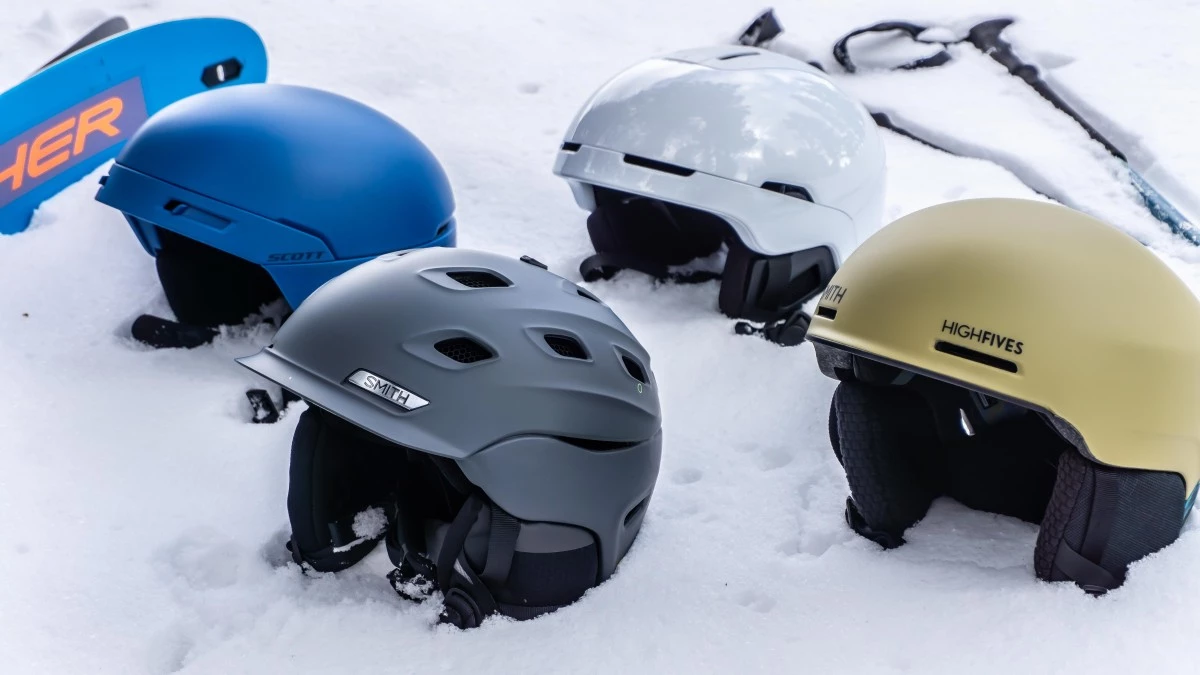
Our Top Picks
- Best Overall: Smith Method Pro Mips – A perfect harmony of lightweight design and superior rotational protection for every type of rider.
- Safest for High-Speed Impacts: Scott Flow Pro Mips – The top performer in high-velocity drop tests, ideal for aggressive resort chargers.
- Best Budget & Value: Giro Ratio Mips – High-end safety ratings and Mips technology at a price point that makes protection accessible for everyone.
The safest ski helmets for 2026, such as the Scott Flow Pro Mips and Smith Method Pro Mips, are those that excel in both low-speed and high-speed impact laboratory tests. These models utilize advanced technologies like Mips and specialized foam liners to mitigate rotational torque and linear acceleration. Comprehensive drop testing ensures these helmets provide a higher margin of protection beyond minimum federal safety standards like ASTM F2040 and CE EN1077.
| Helmet Model | Best For | Safety Tech | Weight | Primary Benefit |
|---|---|---|---|---|
| Smith Method Pro Mips | All-mountain versatility | Mips & Koroyd | 14.1 oz | Exceptional comfort & airflow |
| Scott Flow Pro Mips | High-speed carving | Mips & Hybrid Shell | 18.2 oz | Peak impact energy absorption |
| Giro Ratio Mips | Budget-conscious safety | Mips & EPS Foam | 21.2 oz | Best protective value |
Head injuries account for 28% of all skiing and snowboarding injuries and are the leading cause of fatality in these sports. When we set out to identify the best ski helmets for the 2026 season, we knew that marketing claims weren't enough. As an editor, I prioritize data over aesthetics. A helmet is a tool for survival, and the only way to measure its efficacy is through rigorous, independent testing. Our 2026 guide identifies the best ski helmets by putting them through high-speed drop tests. Models like the Scott Flow Pro Mips and Smith Method Pro Mips lead the pack in rotational motion mitigation and impact safety, giving you the confidence to push your limits on the mountain.
The Science of Safety: Our Lab Methodology
To bring you this report, we moved beyond the backyard and into the specialized environment of ACT Lab. Most consumers assume that a sticker from a regulatory body means all helmets are equally safe. However, the ASTM F2040 certification for recreational snow sports helmets only requires that peak acceleration during impact tests must not exceed 300g across flat, hemispherical, and edge-shaped anvils. While that is a baseline, we wanted to see which brands went further.
Our testing looked at two critical factors: linear acceleration and rotational motion mitigation. Linear acceleration is the head-on force you feel in a direct hit, while rotational torque refers to the twisting motion that occurs during oblique impacts. Laboratory research indicates that advanced rotation-damping systems in snow sport helmets can reduce the predicted risk of concussion from 89% in standard helmets to as low as 7% under specific impact conditions.
We weighted our scores to reflect what matters most to the rider. Impact performance accounted for 30% of the total score, comfort and fit for 25%, and ventilation for 15%. We conducted drop tests from heights of 1 meter to simulate low-speed falls and 2.3 meters to replicate high-speed collisions common on groomed runs. This high speed impact test results for ski helmets data allowed us to differentiate between gear that looks good and gear that actually saves lives.

Best Overall: Smith Method Pro Mips
The Smith Method Pro Mips stands out as the most balanced option for the modern skier. It weighs in at a remarkably light 14.1oz, meaning you hardly feel it during a full day of laps. What makes this one of the best ski helmets on the market is its use of Koroyd. These green, honeycomb-like structures act as a crumple zone, absorbing kinetic energy dissipation more efficiently than traditional foam alone.
During our testing, the Smith Method Pro Mips displayed excellent goggle integration, fitting perfectly with a variety of brands to eliminate the dreaded goggle gap. The inclusion of Mips—a Multi-directional Impact Protection System—allows the helmet shell to slide slightly during a crash. This small movement is crucial for rotational motion mitigation, reducing the strain on your brain.
Fit & Sizing Warning: This model features a very low-profile design. If you have a particularly long or narrow head shape, you may find the internal pressure points uncomfortable after a few hours. We recommend trying this on with your preferred balaclava to ensure a snug, neutral fit.
- Pros
- Ultralight construction reduces neck fatigue.
- State-of-the-art Koroyd technology for enhanced energy absorption.
- Sleek aesthetics that work for both park and piste.
- Cons
- Minimalist padding may feel thin to some users.
- Narrow fit profile isn't ideal for rounder head shapes.

Safest for High-Speed Impacts: Scott Flow Pro Mips
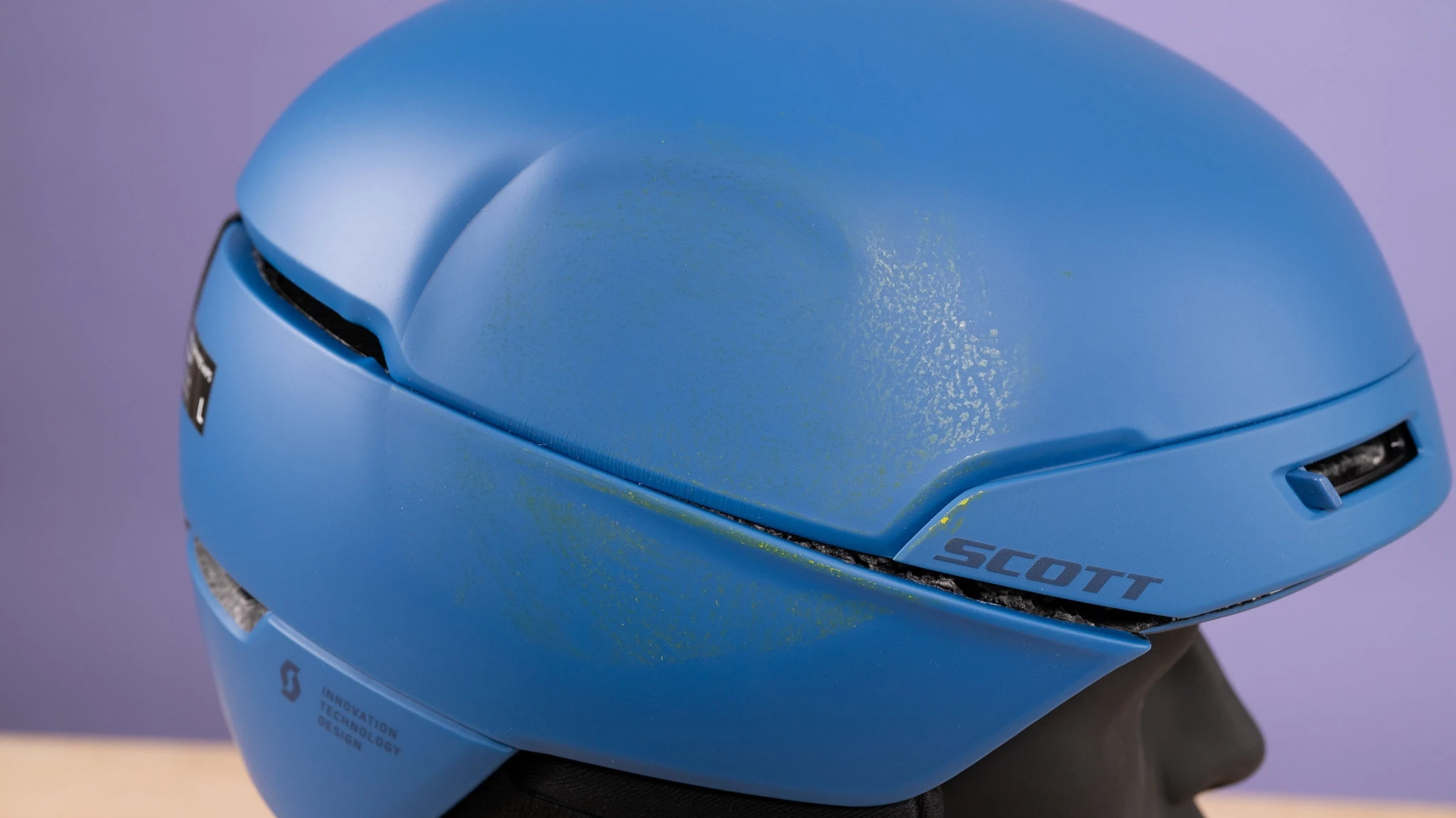
If you are the type of skier who lives for high-speed carves and steep technical terrain, the Scott Flow Pro Mips is your best bet. While many helmets perform well at 1 meter, the Scott Flow Pro Mips excelled in our 2.3m drop test. It utilizes a hybrid shell architecture, combining the durability of a hard shell on top with a lightweight in-mold bottom. This construction is designed specifically to handle the high-energy impacts associated with expert-level skiing.
What truly impressed our test team was the security of the BOA fit adjustment. Unlike simple elastic bands, the BOA system allows you to micro-adjust the tension around the entire circumference of your head. This ensures the helmet remains perfectly positioned, which is vital for maintaining the effectiveness of its safety features. When comparing mips vs wavecel ski helmet safety comparison, the Scott implementation of Mips remains one of the safest ski helmets currently available for those prioritizing maximum protection.
- Pros
- Highest rated for high-velocity impact protection.
- BOA fit adjustment offers the most secure feel in the category.
- Extremely durable hybrid shell resists recurring dings and scratches.
- Cons
- Heavier than minimalist park helmets.
- Higher price point reflects the advanced materials used.
Best Budget & Value: Giro Ratio Mips
You do not need to spend four hundred dollars to protect your head. The Giro Ratio Mips is proof that safe gear can be affordable. This model features a classic hard-shell construction and a reliable EPS foam liner. Despite its lower price, it includes Mips technology, which we consider a non-negotiable feature for top rated ski helmets for impact protection 2026.
In our lab tests, the Ratio provided solid results that exceeded standard safety requirements. While it is heavier than the Smith models at over 1 pound, it offers a level of durability that budget-conscious skiers will appreciate. The ski helmet ventilation guide for this model is simple: it uses a stack vent system that pulls warm air away from your goggles. We did notice some minor pilling on the interior liner after several weeks of use, but for the safest ski helmets at this price, it is a minor trade-off.

- Pros
- Unbeatable price-to-performance ratio.
- Includes Mips technology usually reserved for premium models.
- Very durable outer shell stands up to travel and rough handling.
- Cons
- Heavier than in-mold or hybrid competitors.
- Interior fabric shows wear faster than high-end options.
Fit Warning: The Giro Ratio tends to run large. If you are between sizes, we recommend sizing down to ensure the helmet doesn't shift during rotational motion.
Choosing the Right Fit: A Buyer’s Guide
Finding the best ski helmets requires understanding how you ski. If you spend your time hiking for turns in the backcountry, you need a lightweight model with active cooling. Backcountry and resort versatility is often found in hybrid helmets that let you open and close vents depending on your exertion level. Static cooling, where vents are permanently open, is usually better for spring skiing but can be chilly in a January blizzard.
Fit is the most critical factor after safety tech. A helmet that is too loose will not stay in place to protect you from kinetic energy dissipation during a fall. Look for a model that offers a snug fit without causing "hot spots" or headaches. Most comfortable ski helmets for all day resort riding now include moisture-wicking linings to keep you dry and comfortable.
Another factor to consider is goggle integration. A "seamless" fit means the curve of the helmet matches the curve of your goggles. This prevents the "gaper gap" where cold air can freeze your forehead and ensures that your goggle vents aren't blocked, which causes fogging. Whether you choose Mips ski helmet reviews as your guide or go by personal feel, always prioritize a secure fit over a flashy color.
Summary of Mips vs Standard Helmets
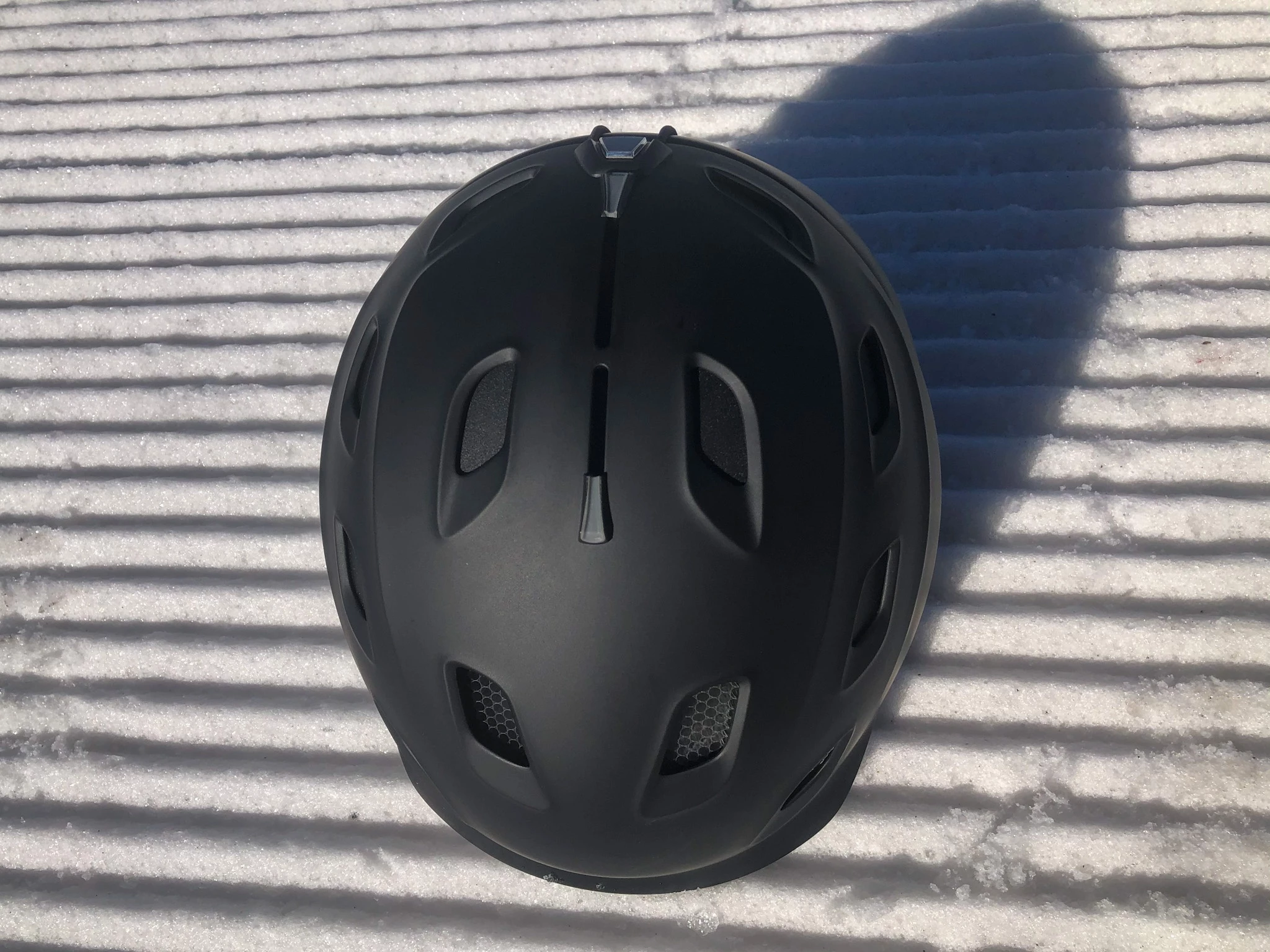
When shopping, you will see many best budget ski helmets with high safety ratings that still emphasize Mips. This is because the industry has moved toward managing rotational torque. While a standard helmet uses an EPS foam liner to stop your skull from cracking, Mips mimics the brain's own protective fluid by allowing a low-friction layer to move 10-15mm in any direction. This subtle shift is what redirects energy away from your brain. For the year 2026, we highly recommend that all skiers, from beginners to pros, choose a helmet equipped with this or a similar rotational damping system.

FAQ
What features should I look for in a ski helmet?
You should prioritize a rotational motion mitigation system like Mips, a high-quality EPS foam liner, and adjustable ventilation. Additionally, a secure fit system such as BOA or an adjustable dial is essential to keep the helmet in place during an impact. Look for helmets that meet or exceed ASTM F2040 and CE EN1077 standards.
Is MIPS a must-have for ski helmets?
While not legally required, Mips is highly recommended by safety experts. It is designed to reduce rotational motion transferred to the brain during oblique impacts. Given that most skiing falls involve sliding or hitting at an angle rather than a direct head-on impact, having a system that manages rotational torque significantly increases your level of protection.
How often should you replace your ski helmet?
Most manufacturers and safety experts recommend replacing your ski helmet every three to five years. The materials, particularly the EPS foam, can degrade over time due to UV exposure and temperature fluctuations. More importantly, you must replace your helmet immediately after any significant impact, even if there is no visible damage, as the internal structure may be compromised.
Are expensive ski helmets safer than budget ones?
Not necessarily. All helmets sold in major markets must meet basic safety standards. However, more expensive helmets often include advanced secondary safety features like Koroyd or improved rotational damping, along with better materials that offer higher durability and lower weight. A mid-range helmet that fits perfectly is always safer than a top-tier helmet that is too loose.
How should a ski helmet fit on your head?
A helmet should feel snug but not tight. It should sit level on your head, with the front edge about one inch above your eyebrows. When you shake your head, the helmet should not move independently of your skin. If you feel pressure points or the helmet tilts back easily, it is not the right fit for your head shape.