Our Top Picks
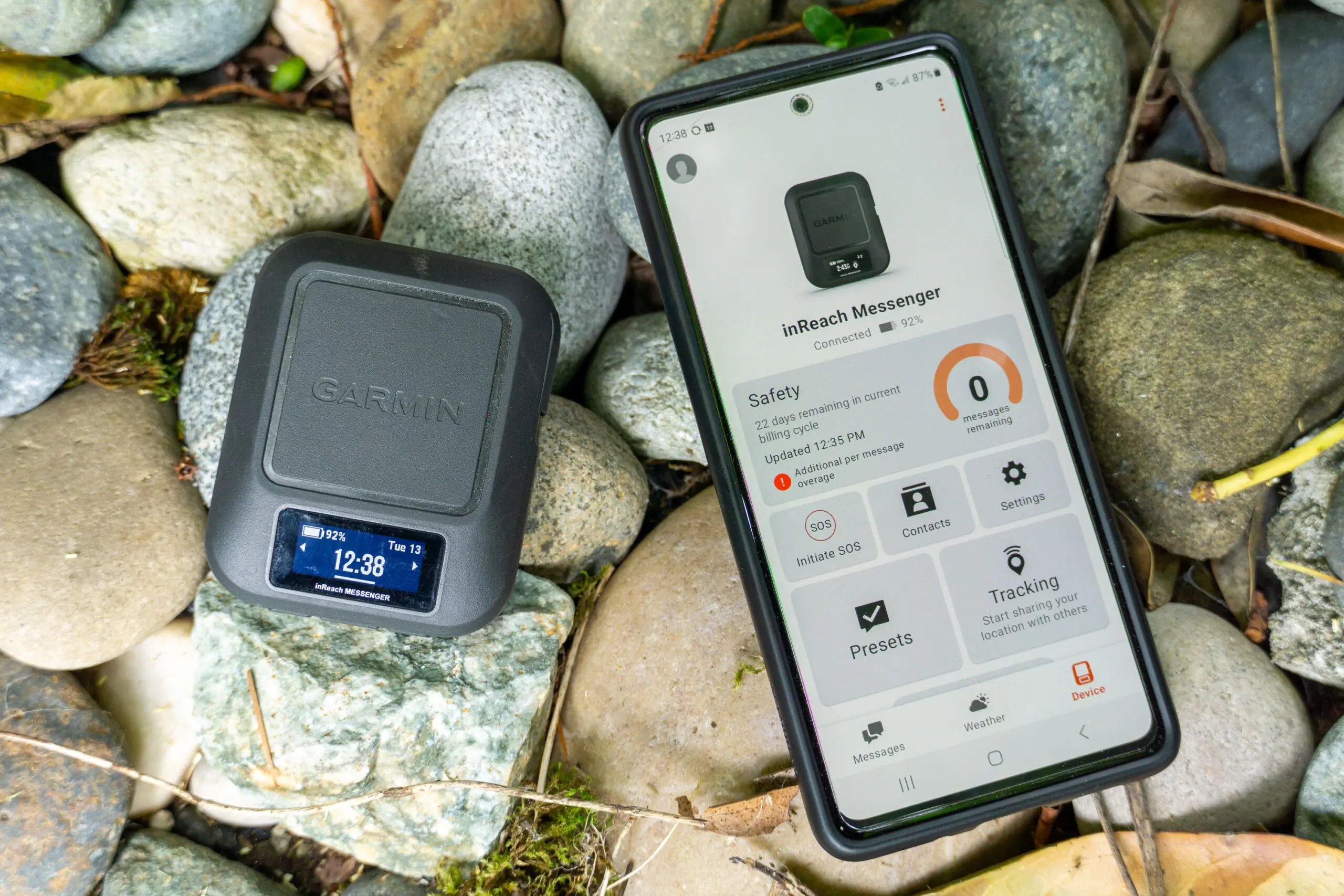
- Best Overall: Garmin inReach Messenger Plus – Featuring photo and voice messaging with industry-leading battery life and Iridium network stability.
- Best Value: ZOLEO Satellite Communicator – The most seamless transition between cellular, Wi-Fi, and satellite for hikers on a budget.
- Best Ultralight: Garmin inReach Mini 3 Plus – A powerhouse of features in a tiny footprint, perfect for thru-hikers counting every gram.
Choosing the best satellite messenger in 2026 is no longer just about text; it is about reliable SOS media and global coverage. The Garmin inReach Messenger Plus is the best satellite messenger overall for its superior battery life and Iridium network reliability. For those needing an emergency satellite communicator for backcountry adventures without a high price tag, the ZOLEO offers a high-value alternative with dedicated mobile numbers.
| Device | Best For | Key Strength | Battery Life (Tracking) |
|---|---|---|---|
| Garmin inReach Messenger Plus | General Backcountry | Photo/Voice Messaging | 600 Hours |
| ZOLEO Satellite Communicator | Casual Hikers | Seamless App Integration | 200 Hours |
| Garmin inReach Mini 3 Plus | Ultralight Thru-hiking | Standalone Navigation | 165 Hours |
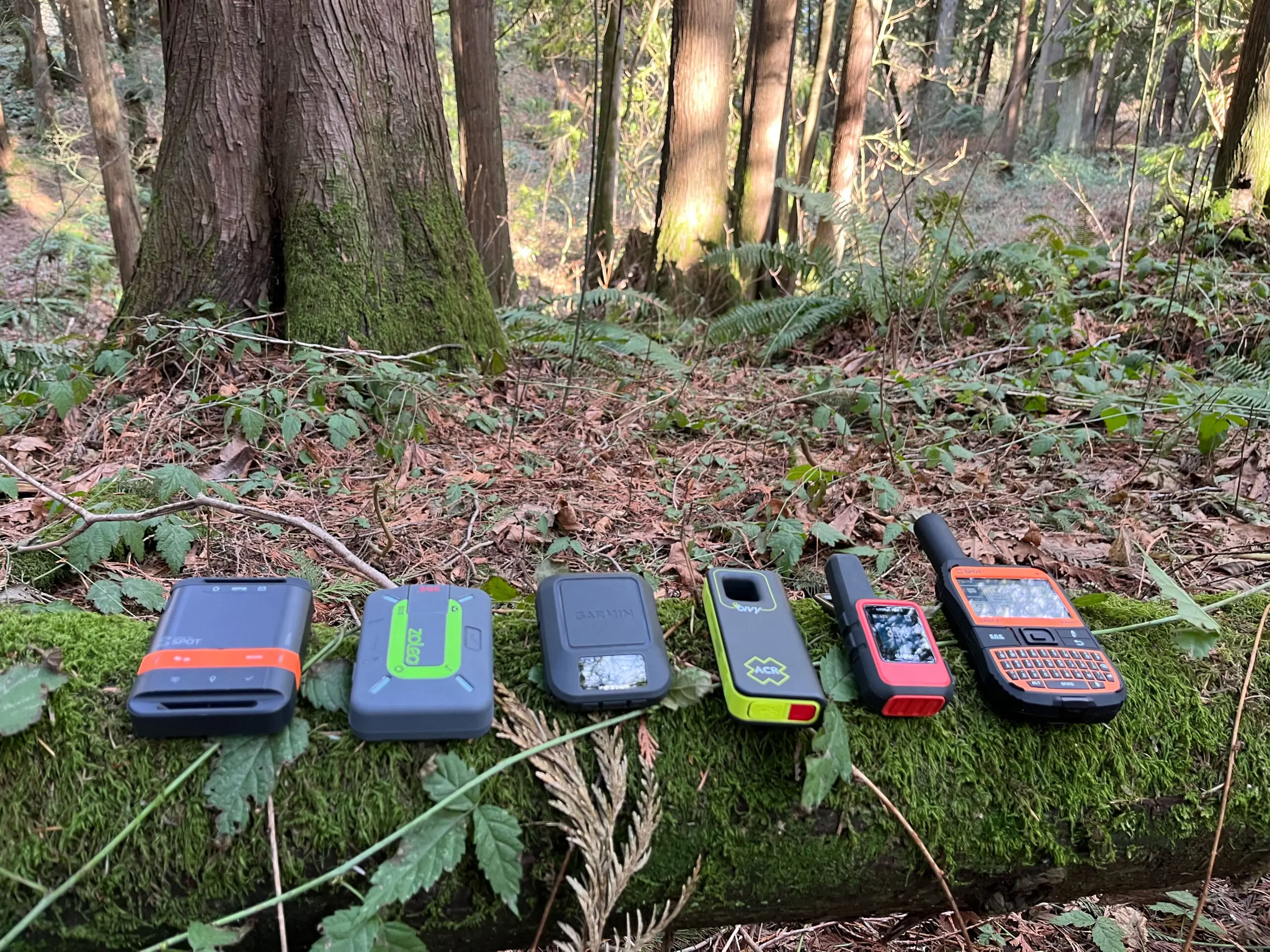
Smartphone Satellite Messaging vs Dedicated Device: Why Hardware Still Wins
As we move through 2026, the global satellite-to-phone service market is expected to reach USD 7.6 billion in 2026, with direct-to-cell technology significantly improving communication. However, a significant gap remains between a consumer smartphone and a purpose-built emergency satellite communicator for backcountry use.
When conducting a t-mobile t-satellite vs apple iphone satellite messaging review, we find that while these integrated services are excellent for roadside assistance or mild emergencies, they falter in the deep woods. Smartphone antennas are small and largely directional, requiring you to point the phone at a clear patch of sky. In contrast, dedicated messengers use larger, high-gain antennas that can maintain a signal even under a thick forest canopy.
Battery life is another dealbreaker. In local testing, using satellite features on a flagship smartphone drains the battery within hours, especially in cold environments. For the best satellite messenger for extreme cold weather battery life, hardware like the inReach series is designed with insulated battery compartments and circuits that don't quit when the mercury drops below freezing. Dedicated devices also feature physical SOS buttons that can be operated with gloves, a critical safety feature that touchscreens simply cannot replicate.
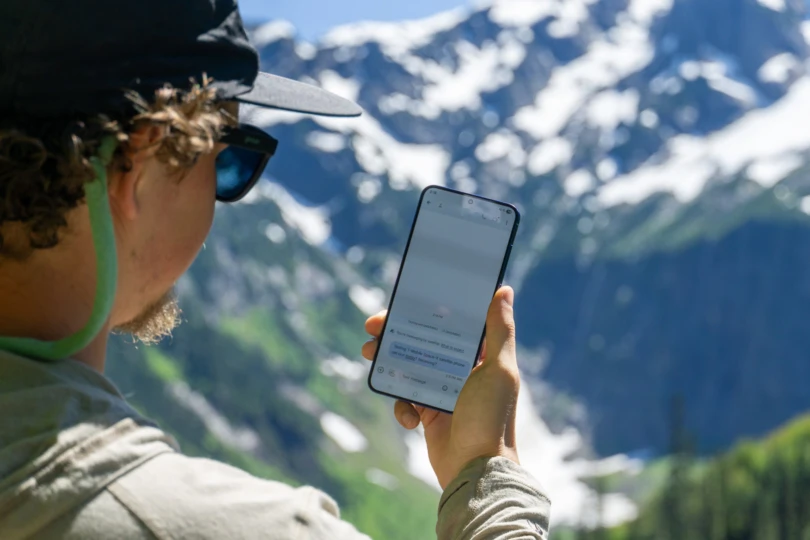
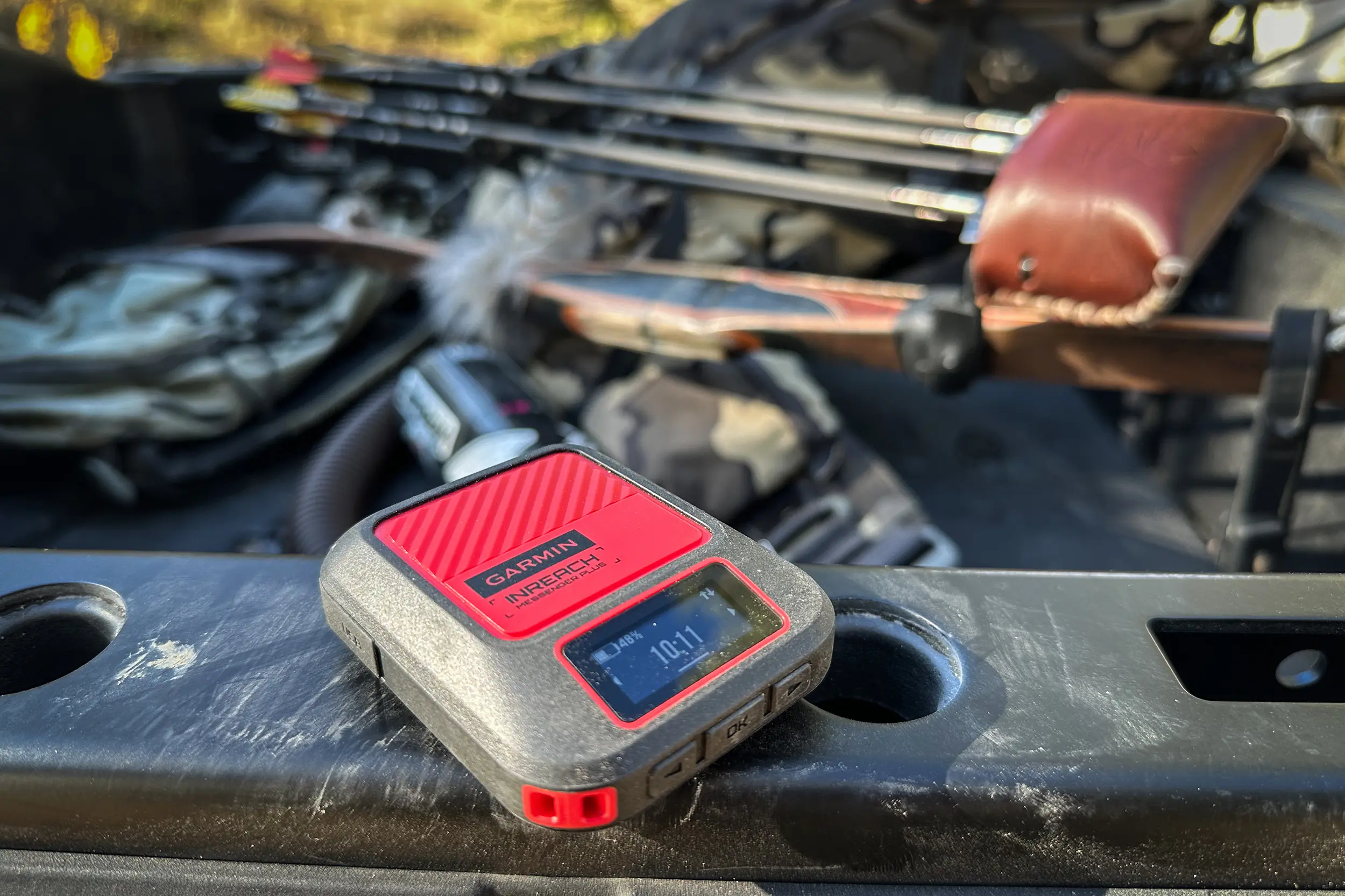
1. Garmin inReach Messenger Plus: The Unbeatable Standard
The Garmin inReach Messenger Plus has redefined the category by introducing media-rich communication. By utilizing Iridium Messaging Transport (IMT), users can now send short voice notes and photos, which provides Search and Rescue (SAR) teams with vital visual context during a crisis. This capability is part of why the emergency alerts segment is projected to hold the largest share of the personal safety app market at 32.2% in 2026.
This device isn’t just about the bells and whistles; it’s a tank. With an IPX7 rating and a battery that lasts up to 600 hours in 10-minute tracking mode, it is the most dependable piece of gear in my kit. The two-way SMS communication is snappy, and the on-device screen is bright enough to read in direct alpine sun. If you want satellite messengers with two-way voice and text messaging features that work when the world goes dark, this is the gold standard.
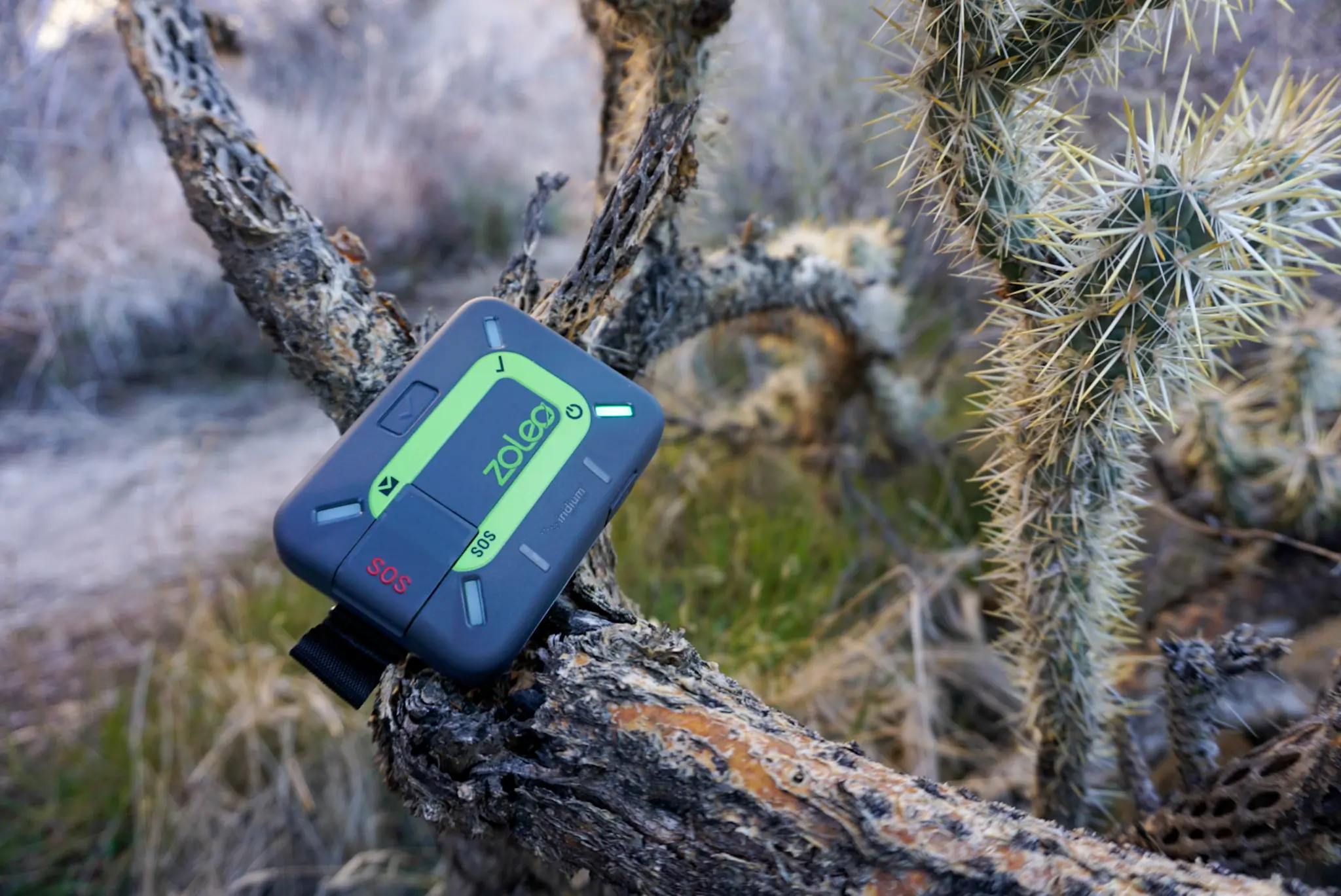
2. ZOLEO Satellite Communicator: The Best Value for Hikers
For those who want a simple, "it just works" experience, the ZOLEO remains a favorite. What sets it apart is the dedicated SMS number and email address it assigns to you. This means your contacts can message you first—you don't have to initiate the conversation for them to reply. It is frequently cited as the top choice when looking for affordable satellite messengers with low subscription fees because of its flexible plan structures.
The device itself is a rugged brick with clear LED indicators. It relies heavily on a smartphone app for the best experience, but it has a massive SOS button and a "Check-in" button on the hardware. It's an ideal emergency satellite communicator for solo backcountry hiking where you want your family to see your real-time location tracking without fiddling with complex menus.
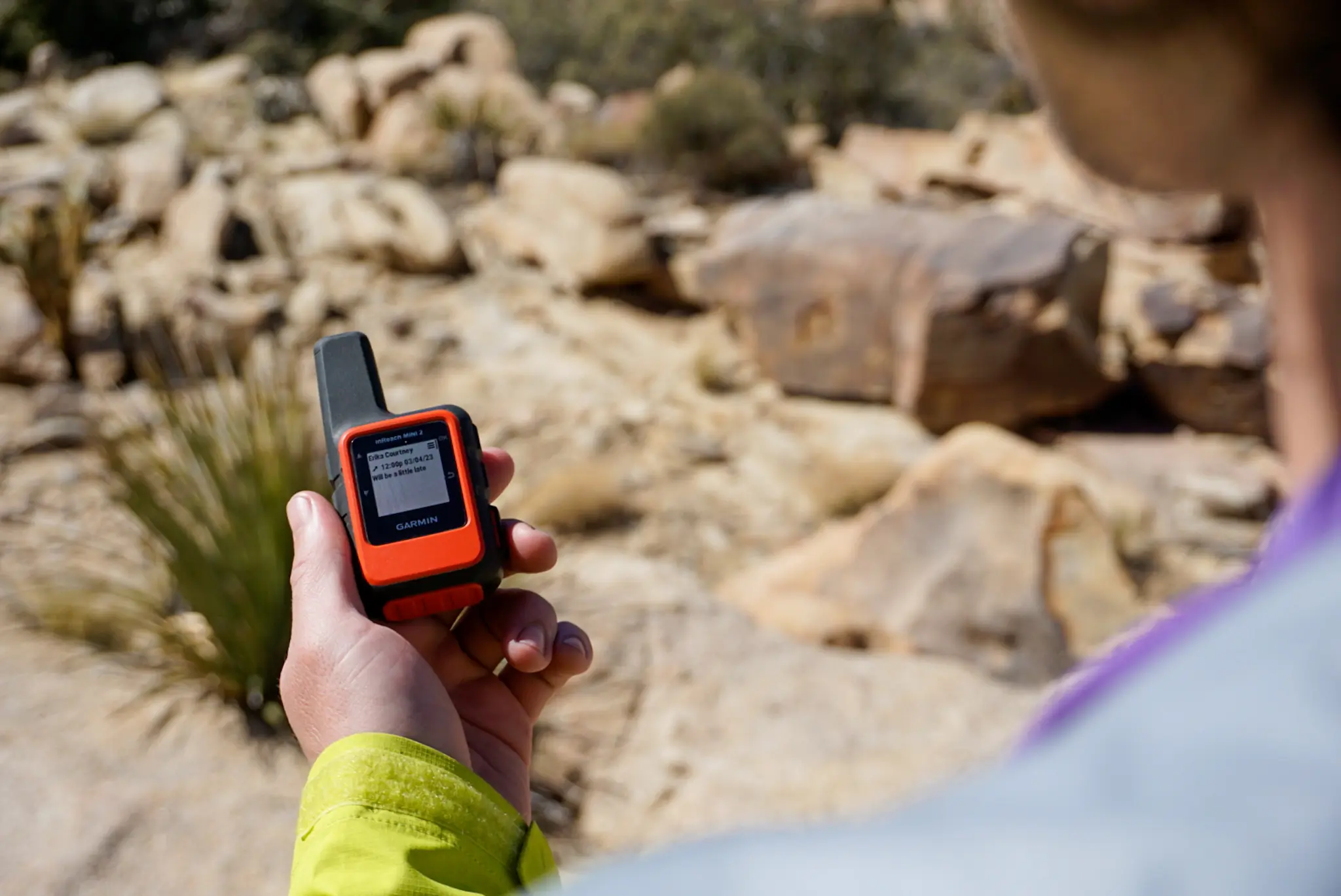
3. Garmin inReach Mini 3 Plus: The Ultralight Pro Choice
Thru-hikers on the PCT or AT often struggle with the integrated gps vs standalone satellite messenger for backpacking debate. The inReach Mini 3 Plus ends that debate. Weighing only 3.5 ounces, it offers full GNSS satellite positioning and basic on-screen navigation. While it doesn't have the voice capabilities of its "Plus" sibling, its reliability in remote wilderness expeditions is unmatched for its size.
The 2026 update includes a USB-C charging port and improved screen resolution for better map viewing. It’s the ultimate insurance policy for someone who needs to stay light but refuses to compromise on safety.
Understanding 2026 Satellite Messenger Subscription Plans
You cannot simply buy the hardware and expect it to work; satellite messenger subscription plans are a mandatory part of the ecosystem. These plans pay for the satellite airtime and the 24/7 staffing of SOS coordination centers like Garmin Response.
In 2026, the global personal safety app market is estimated to be valued at USD 2.03 billion, and this growth has led to more competitive pricing. Most providers now offer a "Suspension" mode, allowing you to pay a small annual fee (usually around $35) to keep the device active while only paying for monthly data during the months you actually hike.
| Provider | Monthly Fee (Starts at) | Activation Fee | Best Feature |
|---|---|---|---|
| Garmin | $14.99 | $39.99 | Flexible "Freedom" tiers |
| ZOLEO | $20.00 | $40.00 | Dedicated SMS Number |
| SPOT | $11.95 | $29.95 | Affordable basic tracking |
When calculating the cost of ownership, look for affordable satellite messengers with low subscription fees that allow for unlimited preset check-in messages. These are the automated "I'm okay" texts that don't count against your monthly message limit, saving you significant money over a long season.
Field Testing for 2026: Low Earth Orbit Performance
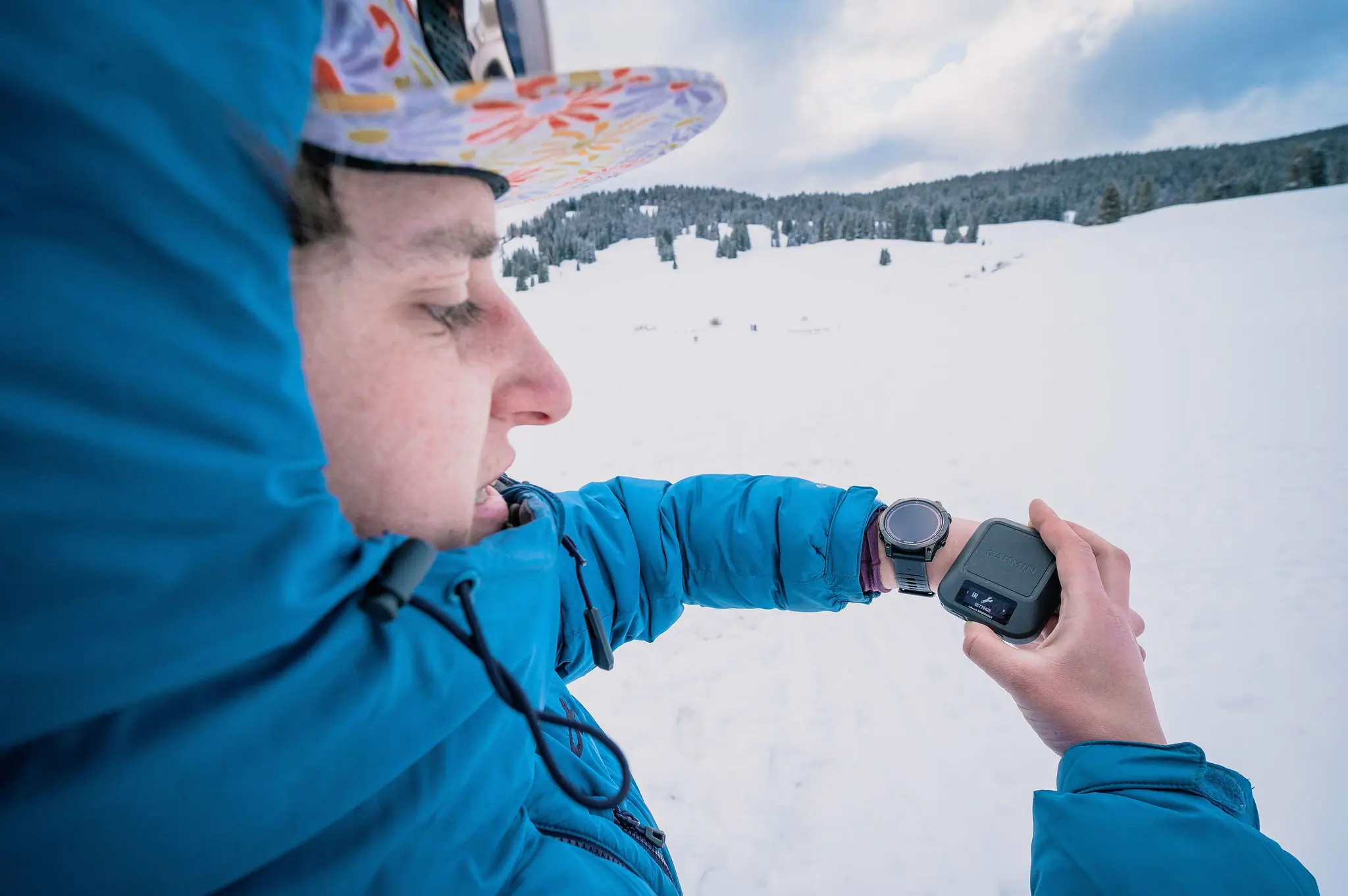
During our testing in the high peaks of the Cascades and the deep canyons of Utah, the shift to Low Earth Orbit (LEO) satellite constellations has become evident. Older devices used to require several minutes to send a message; however, with modern off-grid connectivity, most texts now clear in under 30 seconds. This efficiency is a result of the Iridium network's 66 cross-linked satellites, which provide coverage from pole to pole.
For users engaged in high-risk activities, the ability to have two-way communication with rescue teams is life-saving. You can describe the nature of an injury or the exact weather conditions at your LZ (Landing Zone), which allows SAR teams to deploy the correct resources.
FAQ
What is the best satellite messenger for off-grid use?
The Garmin inReach Messenger Plus is widely considered the best satellite messenger for off-grid use in 2026. This is due to its combination of long battery life, rugged IPX7 waterproofing, and advanced messaging features like voice and photo, which operate on the highly reliable Iridium satellite network.
Do all satellite messengers require a subscription?
Yes, all reliable satellite messengers require a subscription plan to function. These plans cover the cost of maintaining the satellite network and funding the 24/7 monitoring centers that coordinate Search and Rescue responses when the SOS button is pressed.
What is the difference between a satellite messenger and a PLB?
A Personal Locator Beacon (PLB) is a one-way device that sends a powerful distress signal to government satellites; it has no monthly fees but offers no way to text family or receive weather updates. A satellite messenger allows for two-way communication and regular check-ins but requires a monthly subscription.
How much does a satellite messenger cost per month?
Monthly costs generally range from $12 to $50 depending on the level of service. Basic plans usually cover SOS and a few custom messages, while premium plans include unlimited messaging, advanced weather reports, and high-frequency tracking intervals.
Can you receive messages on a satellite messenger?
Yes, modern units are designed for two-way communication. You can receive texts, emails, and weather forecasts directly on the device or through a paired smartphone app, ensuring you remain connected even when miles away from the nearest cell tower.
Whether you choose a feature-heavy Garmin or a budget-friendly ZOLEO, having a dedicated link to the sky is the most important investment you can make for your safety. Stay safe out there.