Quick Facts
- Survival Statistics: Successful inflation of an avalanche airbag reduces the adjusted mortality rate from 22 percent to 11 percent.
- The Physics: These systems work via inverse segregation, better known as the Brazil nut effect, which uses volume to keep a person on the surface of moving snow.
- Volume Requirement: A minimum of 150 liters of additional volume is the industry standard needed to effectively facilitate surface migration.
- Burial Risk: Using a functional avalanche airbag reduces the risk of critical burial—where the head is fully submerged—from 47 percent down to 20 percent.
- Deployment Technology: Users must choose between canister systems (compressed gas) or electronic systems (high-speed fans powered by batteries or supercapacitors).
- Primary Failure Cause: Roughly 20% of airbags fail to deploy in real-world accidents, with 60% of those failures attributed to human error or the user failing to pull the trigger.
Avalanche airbags operate on the principle of inverse segregation, often called the Brazil Nut Effect. In a moving granular mixture like an avalanche, larger objects naturally migrate to the surface while smaller particles settle at the bottom. By inflating an avalanche airbag, you increase your total volume, making you a larger particle in the flow and significantly reducing the likelihood of being buried deep beneath the snow.
Understanding Inverse Segregation: The Brazil Nut Effect
For years, a common misconception persisted that avalanche airbags worked like life jackets in water—a concept known as buoyancy. However, snow in motion does not behave like a liquid; it behaves as a granular flow. To understand how an avalanche airbag keeps you alive, you have to look at the same physics that causes the largest nuts in a jar of mixed snacks to end up at the top after a bumpy ride. This is granular convection, or more colloquially, the Brazil nut effect.
When a mass of snow begins to slide, it creates a turbulent, moving granular mass where particles of various sizes are constantly shifting. In this environment, smaller particles (snow crystals and small debris) fall into the gaps created by the motion, effectively filtering down to the bottom. This forces larger objects toward the surface. By pulling your trigger and inflating a 150-liter balloon, you are not floating; you are simply becoming a larger particle. This increase in volume ensures that as the avalanche moves, the inverse segregation physics naturally pushes you toward the top of the debris pile.
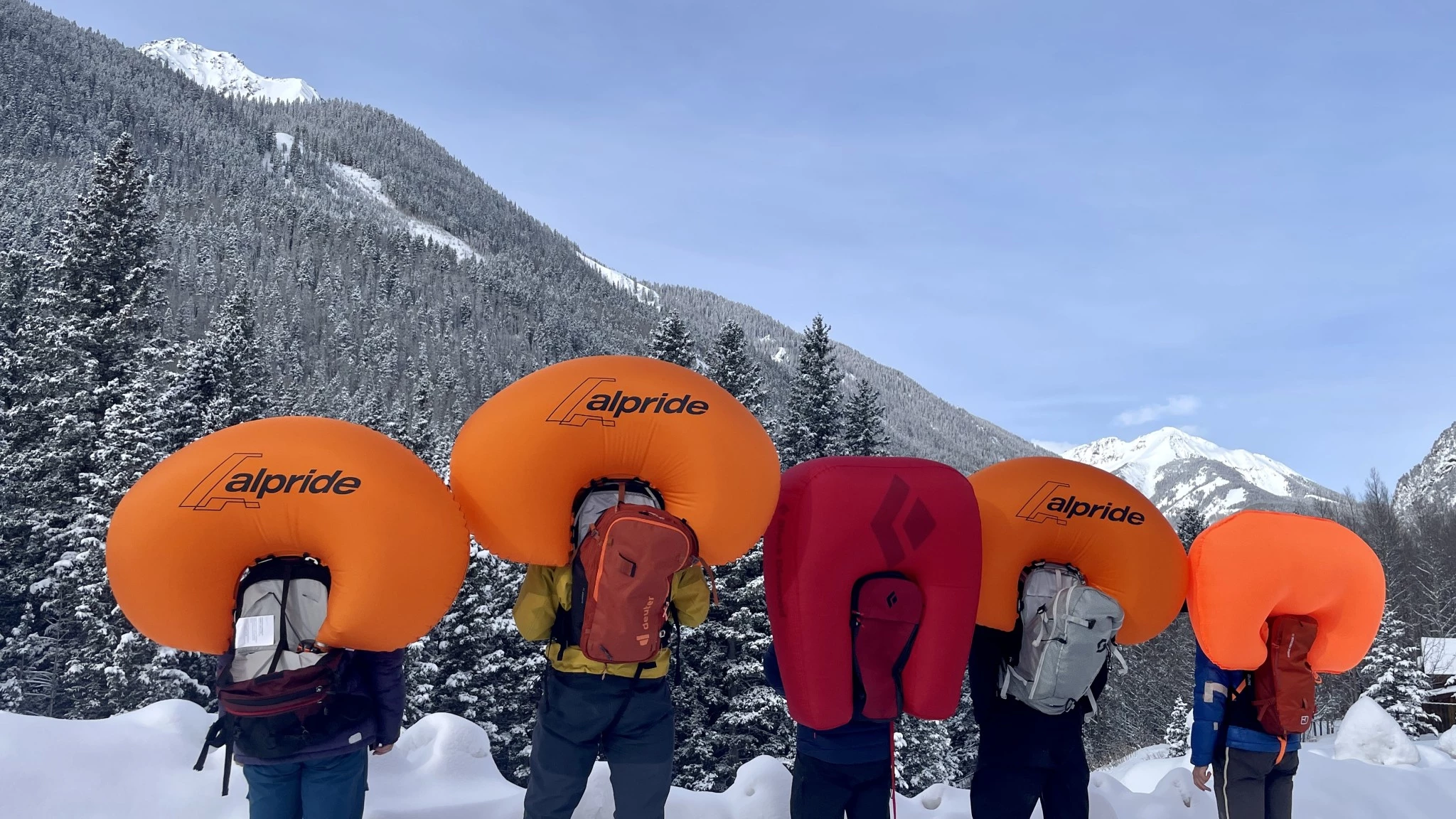
This surface migration is the difference between a minor ordeal and a fatal accident. Even if you are not fully on top of the snow when the slide stops, the added volume of the airbag helps with air pocket creation. Because the airbag is much larger than your head, it displaces a significant amount of snow. If the airbag eventually deflates or if you are only partially submerged, that displacement leaves a void, providing life-saving oxygen and reducing the pressure of the snowpack against your chest, which is critical for maintaining the ability to breathe while awaiting rescue.
Safety Stat: While no piece of gear guarantees survival, data shows that a functional avalanche airbag reduces the adjusted risk of critical burial—defined as the head being completely submerged with airways blocked—from 47 percent to 20 percent.
Electronic vs. Canister: Choosing Your Deployment System
Once you understand the physics, the next step is choosing the mechanism that triggers the inflation. Traditionally, the market was dominated by canister systems, but the rise of supercapacitor technology and high-speed fan systems has changed the landscape for backcountry enthusiasts.
Canister systems use a compressed gas cartridge, usually filled with air or nitrogen, to rapidly fill the bag. These systems are prized for their simplicity and lower initial purchase price. However, they come with logistical hurdles. Once a canister is fired, it must be refilled at a specialized shop or exchanged. Furthermore, flying with compressed gas canisters is notoriously difficult due to strict TSA and IATA regulations, often requiring you to empty the canister before your flight and find a refill station at your destination.
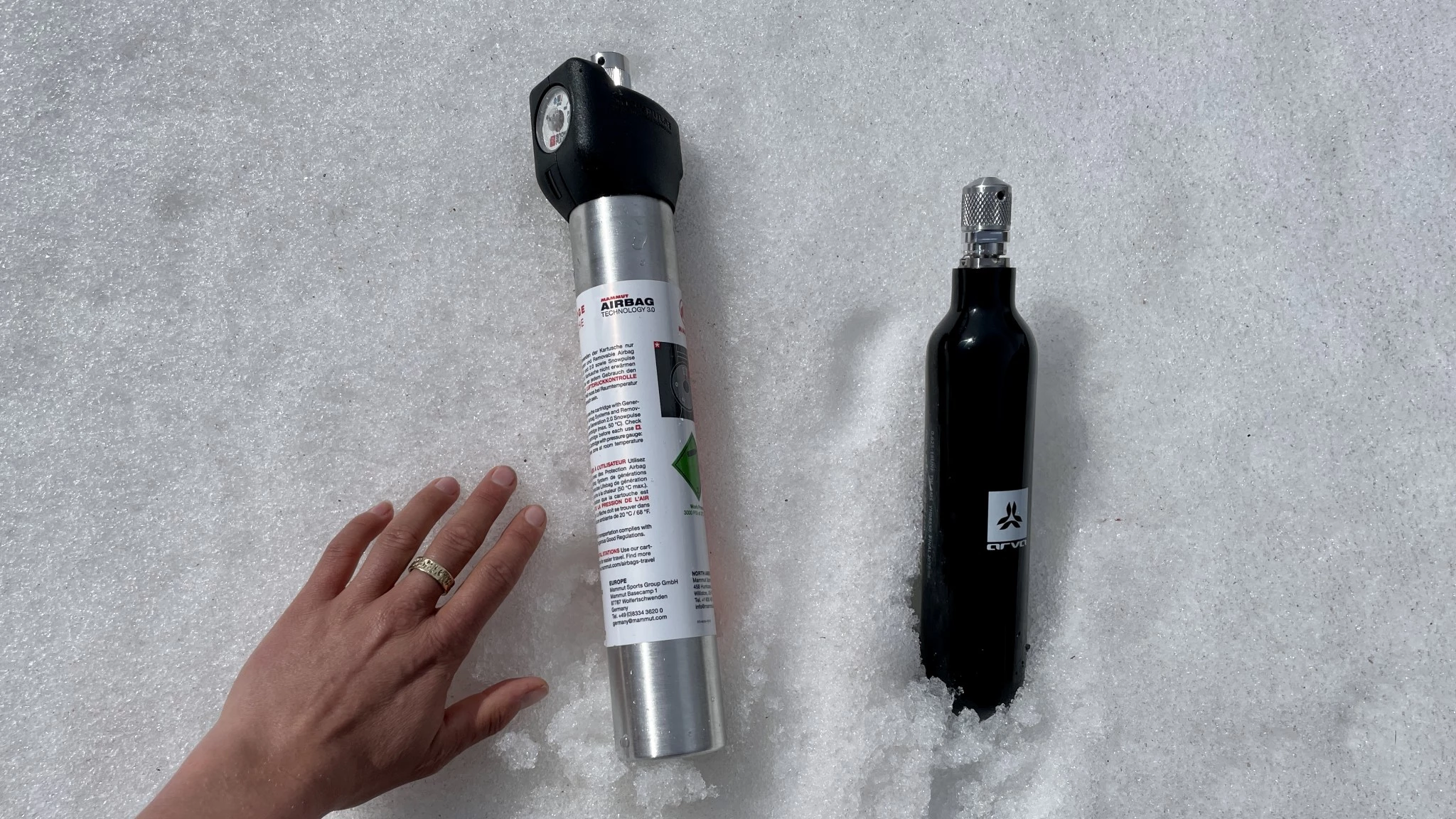
Electronic systems, such as the alpride e2, litric, or jetforce systems, represent the modern frontier of backcountry rescue equipment. Instead of gas, they use a high-speed fan system to pull air from the atmosphere into the bag. These are powered either by a lithium-ion battery pack or, more recently, by supercapacitors. The primary advantage here is the ability to practice. You can deploy an electronic avalanche airbag in your living room, repack it, and it's ready to go again without spending a dime on refills.
| Feature | Canister Systems | Electronic Systems (e.g., Alpride E2) |
|---|---|---|
| Weight | Generally lighter (especially carbon) | Slightly heavier but closing the gap |
| Travel | Difficult (TSA/IATA restrictions) | Easy (Battery/Supercapacitor friendly) |
| Refill | Requires professional refill/exchange | USB-C or AA battery recharge |
| Multiple Deployments | One per canister | Multiple on a single charge |
| Price | Lower entry cost | Higher initial investment |
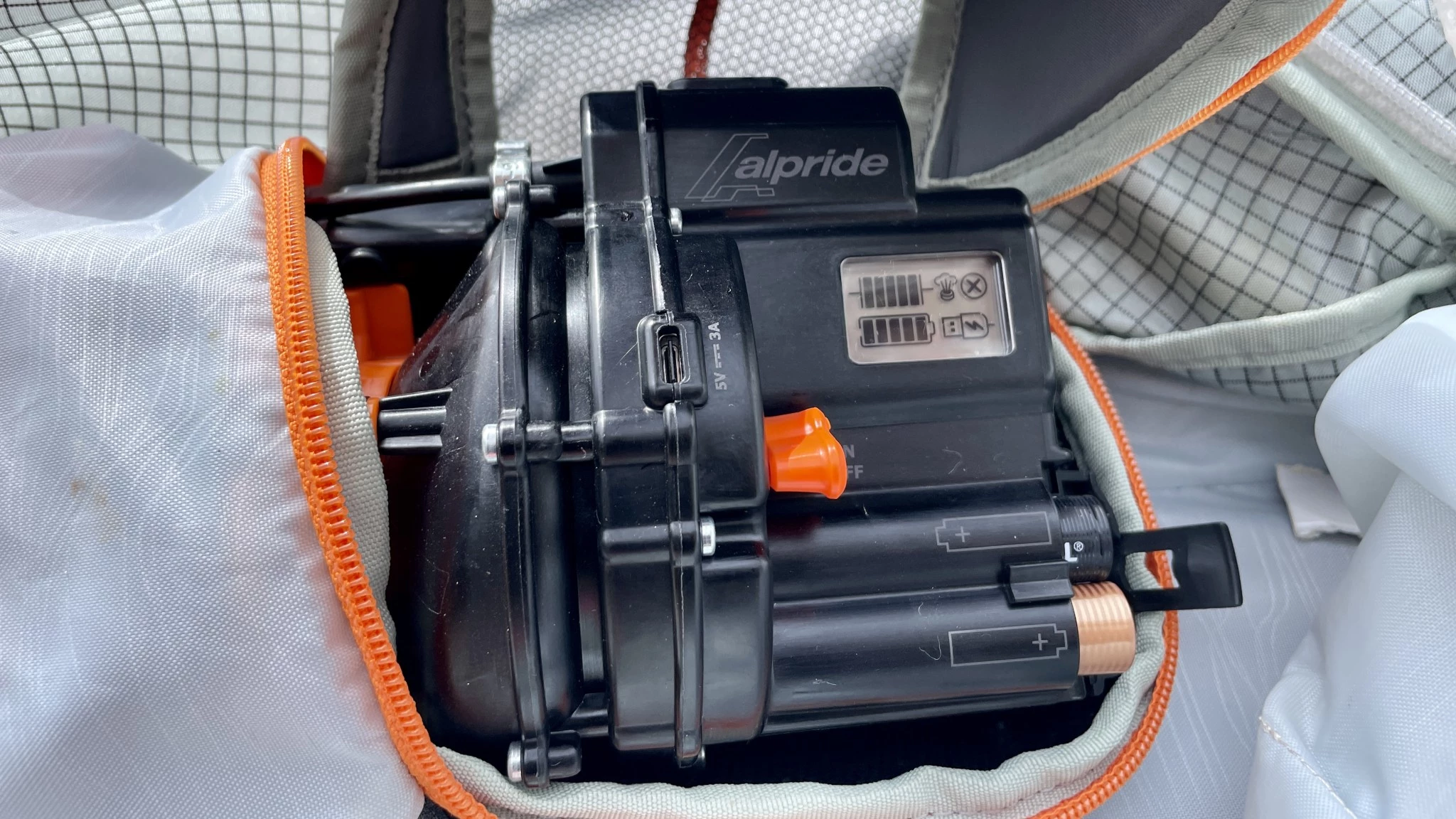
Comparing alpride e2 vs litric vs jetforce systems often comes down to weight and environmental performance. Supercapacitor technology in the Alpride E2 is particularly impressive because it is not affected by cold temperatures the way traditional batteries are, and it can be charged in minutes via a USB-C port or even AA batteries in the field.
Capacity and Fit: Choosing the Right Avalanche Backpack
Beyond the mechanical system, you must consider the pack itself. Choosing an avalanche backpack is a balance between carrying capacity and the weight you’re willing to haul up the mountain. If the pack is too small, you'll leave behind essential safety gear like your probe and shovel; if it's too large, it becomes a literal drag on your performance.
The industry categorizes these packs by liter volume based on the objective:
- 15L to 25L: These are designed for sidecountry, heli-skiing, or cat-skiing. They are low-profile and meant to carry only the bare essentials: shovel, probe, a spare goggle, and maybe a light mid-layer.
- 25L to 35L: This is the "Goldilocks" zone for most day-touring backcountry skiers. It offers enough room for extra layers, skins, food, water, and emergency kits.
- 40L+: These are reserved for multi-day hut-to-hut trips or technical mountaineering objectives where you need to carry ropes, harnesses, and overnight gear.
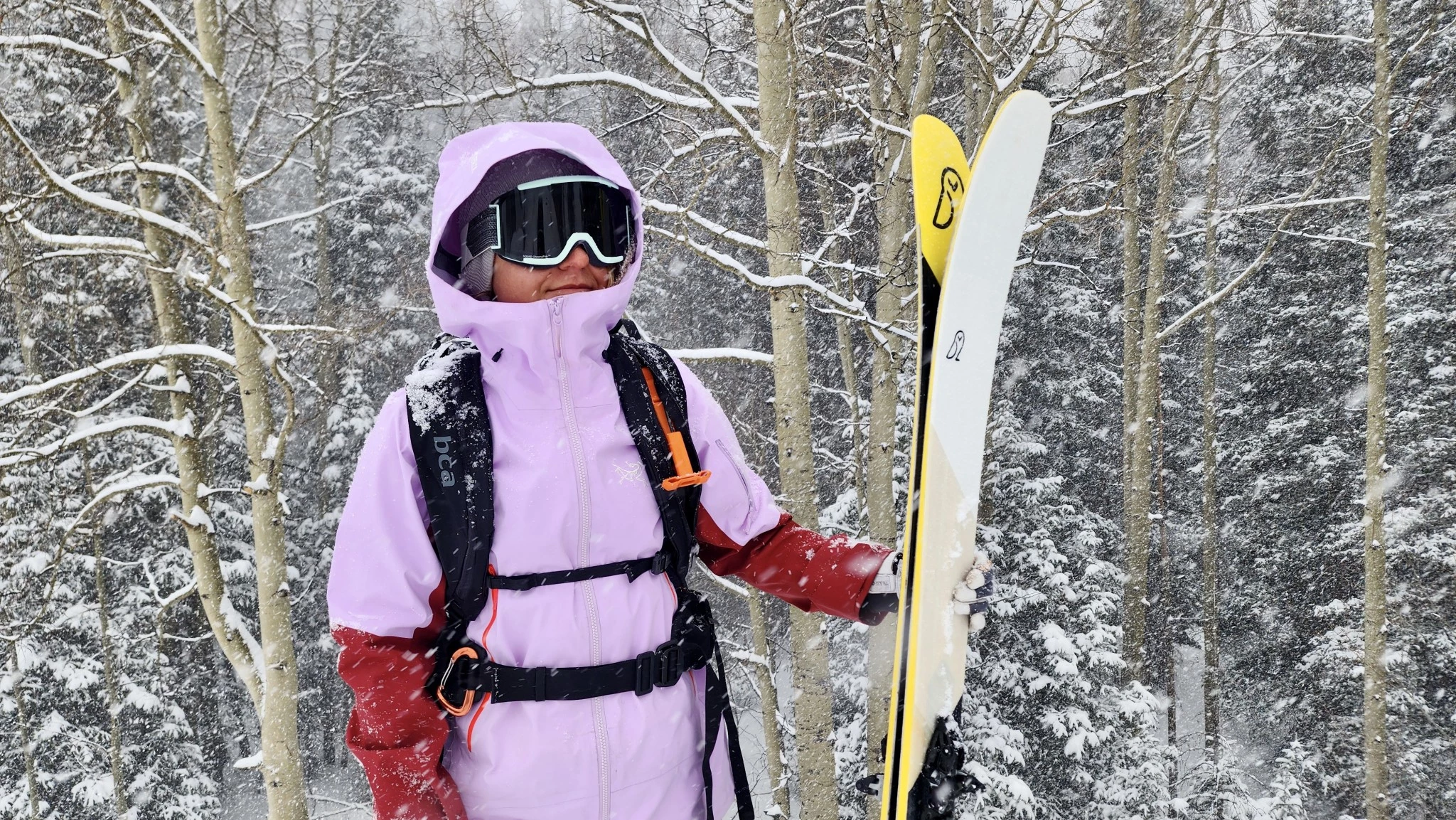
When choosing the right volume for an avalanche backpack, fit is just as important as capacity. Most importantly, you must check for the presence and proper use of avalanche airbag leg straps for safety. During a slide, the forces are violent and chaotic. Without the leg strap securely fastened around your upper thigh, the moving snow can literally pull the backpack off over your head, rendering the airbag useless. If the bag stays attached but shifts too far up your back, it can also interfere with your ability to stay upright.
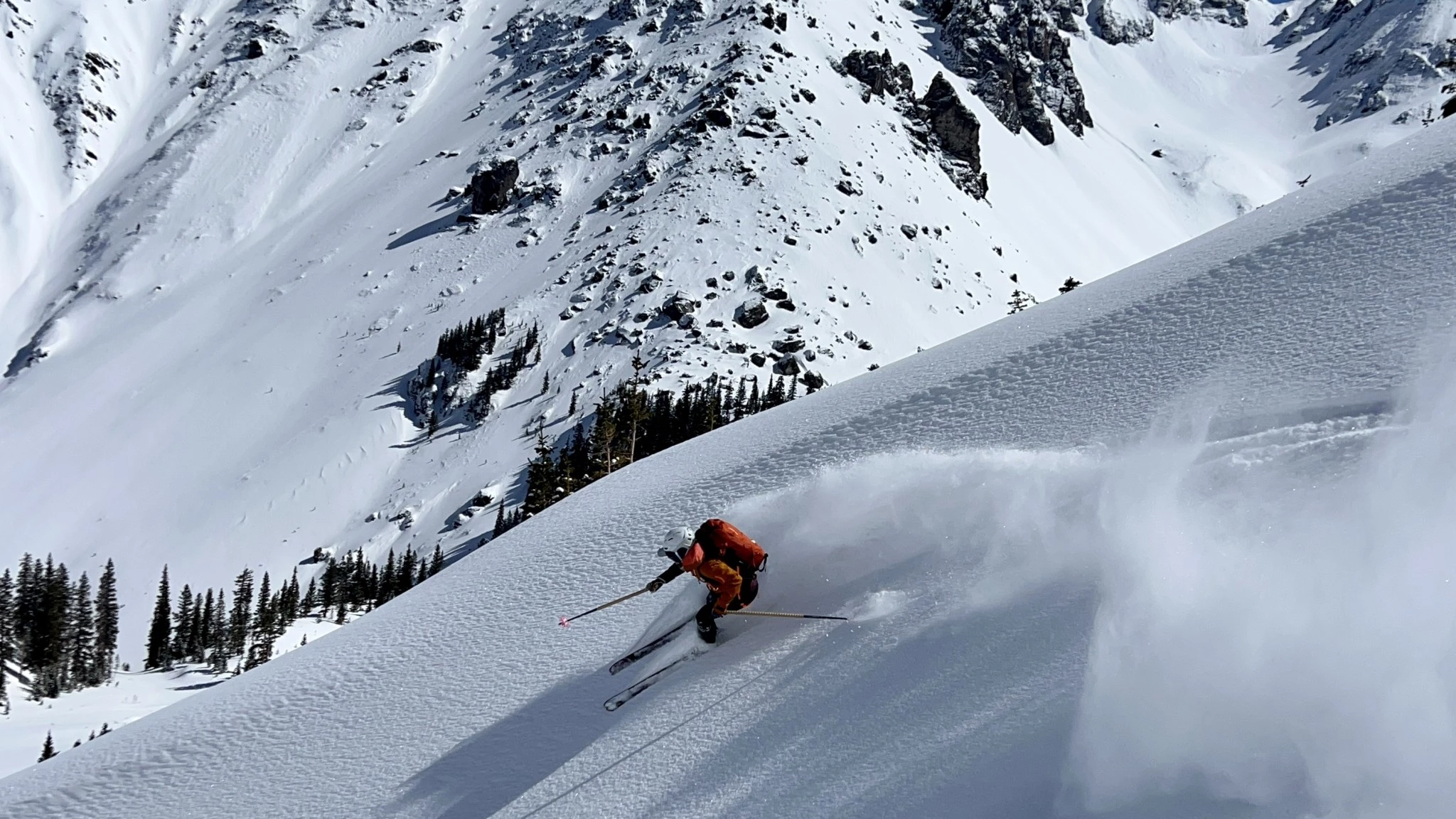
The Human Element: Training and Maintenance
Equipment is only effective if it works when called upon. Statistics show that roughly 20% of airbags fail to deploy during an accident. While some failures involve mechanical issues, a staggering 60% of failures are due to human error—primarily the victim failing to pull the trigger mechanism in the heat of the moment.
Developing muscle memory is the only way to combat the panic of an avalanche. If you use an electronic system, deploy it at least once a month during the season. If you use a canister system, consider a practice deployment at the start of every season before getting a gas cartridge refill. When you are on the skin track, visualize an avalanche occurring and reach for your deployment handle. It sounds morbid, but that split-second reaction time is the difference between being on the surface or being buried.
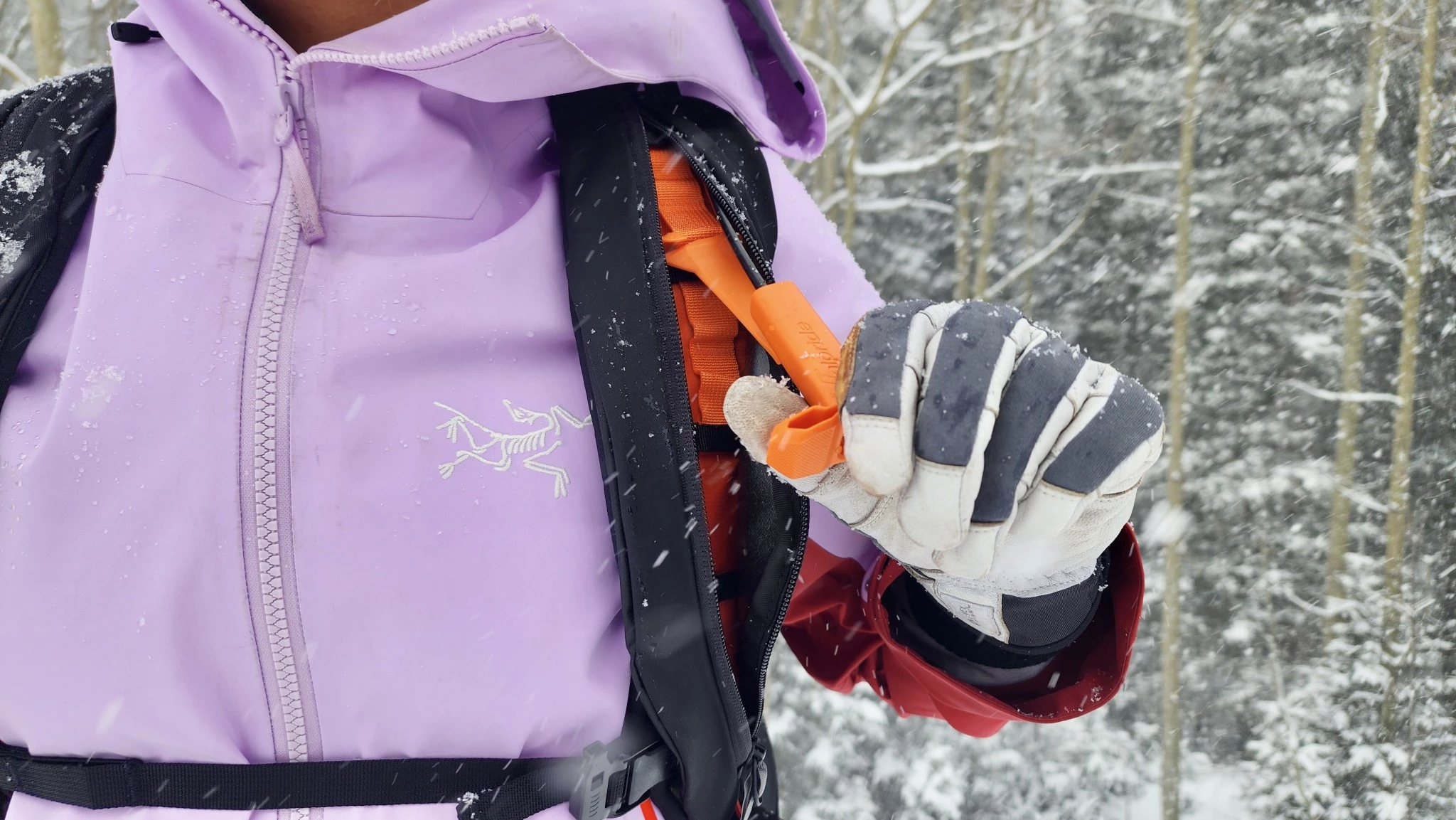
Maintenance is the other half of the equation. For canister users, checking the gas cartridge refill levels is vital. Most canisters have a pressure gauge that should read between 2700-3000 PSI depending on the temperature. For electronic users, ensure your lithium-ion battery pack is fully charged before every outing and check for firmware updates from the manufacturer.
Pro-Tip: Always inspect your airbag for tears and ensure the trigger cable is properly connected. A common mistake is forgetting to "arm" the trigger after a lunch break or during a transition from uphill to downhill. Make it part of your partner check alongside your beacon.
FAQ
How does an avalanche airbag work?
It utilizes the principle of inverse segregation, often called the Brazil nut effect. When snow moves in a granular flow, larger objects migrate to the top while smaller particles settle at the bottom. The airbag increases your total volume by about 150 liters, making you a "large particle" that naturally rises to the surface.
Are avalanche airbags worth the investment?
The data suggests they are. A major study indicates that successfully inflating an airbag reduces the mortality rate in serious avalanches by 50%, moving the needle from 22% to 11%. While expensive, they are widely considered the most significant advancement in backcountry safety gear since the digital beacon.
Can you take an avalanche airbag on a plane?
Yes, but the rules differ by technology. Electronic systems with supercapacitors or small lithium batteries are generally treated like laptops and allowed in carry-on. Canister systems are more difficult; you usually must empty the gas cartridge, leave the head assembly open for inspection, and find a refill station at your destination.
What is the difference between canister and electric avalanche airbags?
Canister systems use compressed gas (CO2 or Nitrogen) and are generally lighter and cheaper but require professional refills and are hard to travel with. Electric systems use a high-speed fan powered by batteries or supercapacitors, allow for unlimited practice deployments, and are much easier to take on airplanes.
How do you choose the right size for an avalanche backpack?
Size depends on your objective. Use a 15-25L pack for heli-skiing or lift-access sidecountry. For a standard day of touring, 25-35L is the industry standard to fit safety gear and layers. Multi-day expeditions require 40L or more to accommodate overnight equipment.
How often should you test your avalanche airbag?
You should test your system at least once at the beginning of every season. If you have an electronic system, practicing deployments once a month is recommended to maintain muscle memory. Always check your canister pressure or battery levels before every individual tour.