Quick Facts
- The Problem: Scientific studies indicate that approximately 80 percent of North Americans and one-third of the global population live under skies so affected by light pollution that the Milky Way is no longer visible.
- The Growth: According to a 2025 travel trends report, 62 percent of global travelers expressed interest in visiting darker-sky destinations to experience unpolluted views of the stars.
- Top Cluster: Utah features the highest concentration of dark sky spots in the world, anchored by its famous Mighty 5 national parks.
- Largest Sanctuary: The Oregon Outback Dark Sky Sanctuary spans 2.5 million acres, offering some of the most pristine celestial viewing in the lower 48 states.
- Certification: Look for International Dark-Sky Association (IDA) seals, as DarkSky International has certified more than 200 International Dark Sky Places across 22 countries.
Astrotourism is a form of travel focused on visiting destinations with minimal light pollution to observe celestial events, constellations, and the Milky Way. This astrotourism guide provides everything you need to know about visiting certified sanctuaries where natural darkness is protected, offering travelers a way to experience the night sky while supporting environmental conservation and nocturnal ecosystems.
What is Astrotourism? Beyond the City Lights
For most of human history, the night sky was a shared heritage, a tapestry of myths and navigation tools available to everyone. Today, that connection has faded for many. Astrotourism is the growing travel movement aimed at reclaiming that view. It is more than just looking through a telescope; it is a conscious choice to travel to remote locations where the veil of artificial light is lifted. This beginner guide to visiting a dark sky sanctuary explains how these trips bridge the gap between leisure and environmental stewardship.
The movement is driven by a stark reality: light pollution is increasing globally at a rate of about 10 percent every year. This wash of artificial glow does not just hide the stars; it disrupts circadian rhythms in humans and interferes with the migratory and reproductive patterns of wildlife. By participating in astrotourism, travelers help fund the preservation of these rare dark spaces. Organizations like DarkSky International lead the charge through light pollution abatement programs, creating a hierarchy of certified locations ranging from parks and reserves to vast sanctuaries.
Visiting these areas allows you to witness rare celestial phenomena that are simply invisible from a suburban backyard. From the faint glow of the Andromeda Galaxy to the structured dust clouds of the Milky Way, the experience is often described as a profound shift in perspective. It is a chance to reset your internal clock and remember what it feels like to be a small but connected part of a vast universe.
Best Stargazing Locations & Dark Sky Parks in the USA
The United States is home to some of the most diverse and accessible dark sky parks USA has to offer. While many people think they need to travel to the middle of the ocean or the Sahara Desert, incredible views are often just a long road trip away. The high deserts of the West and the rugged coasts of the East provide a variety of landscapes that serve as perfect backdrops for the cosmos.
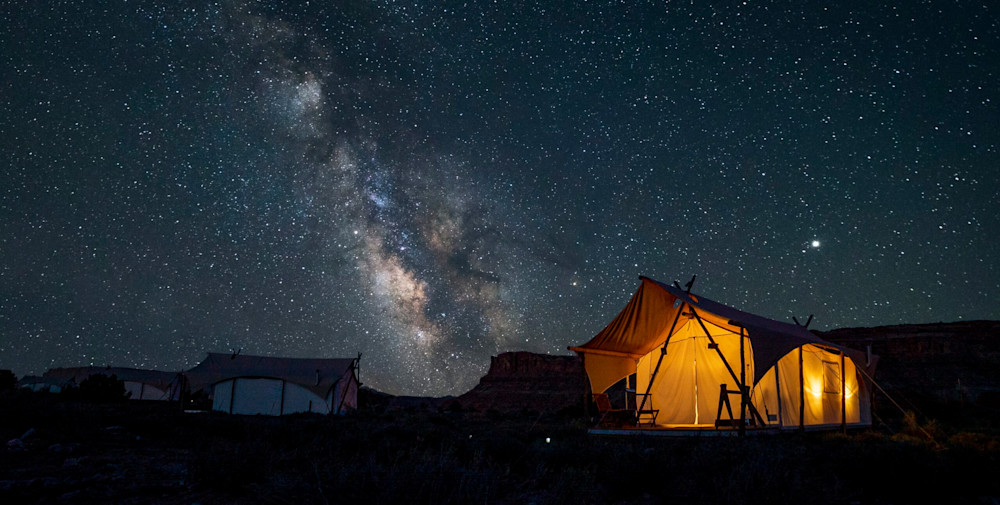
Utah is widely considered the crown jewel of the American night sky. The state’s Mighty 5—Arches, Canyonlands, Bryce Canyon, Zion, and Capitol Reef—are all certified dark sky locations. Moab serves as an ideal home base for exploring these parks. During the day, you can hike through red rock fins and natural arches, and at night, the desert floor becomes a theater for the galaxy. Many of these parks offer astro-glamping options, where luxury tents provide high-end comfort right on the edge of the wilderness.
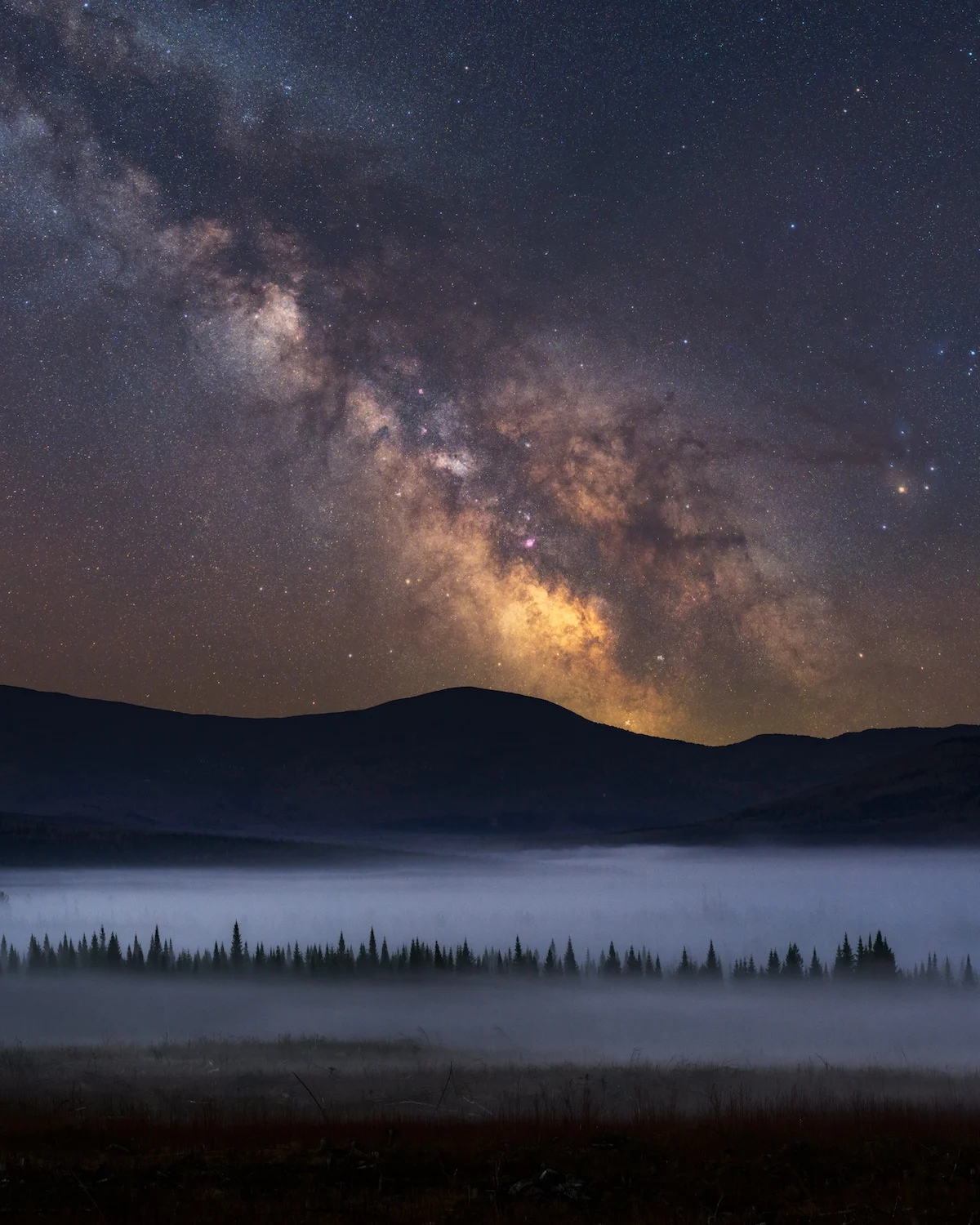
Further north, the Oregon Outback Dark Sky Sanctuary represents a massive effort in conservation. This region is so remote and dark that it frequently ranks at the very top of the Bortle scale, a numerical system used to measure the darkness of the night sky. In a Class 1 or 2 area like the Oregon Outback, the Milky Way is so bright it can actually cast a shadow on the ground.
| Region | Hub City | Day Activity | Night Event |
|---|---|---|---|
| Utah High Desert | Moab | Hiking Arches National Park | Milky Way over red rock fins |
| Oregon Outback | Lakeview | Soaking in Hart Mountain Hot Springs | Pristine Class 1 Bortle viewing |
| Northern Woods | Ely, MN | Canoeing the Boundary Waters | Potential Aurora borealis sightings |
| Maine Wilderness | Millinocket | Hiking near Mount Katahdin | Deep-space nebula photography |
| Deep South Coast | Beaufort, NC | Kayaking Cape Lookout | Shoreline constellation spotting |
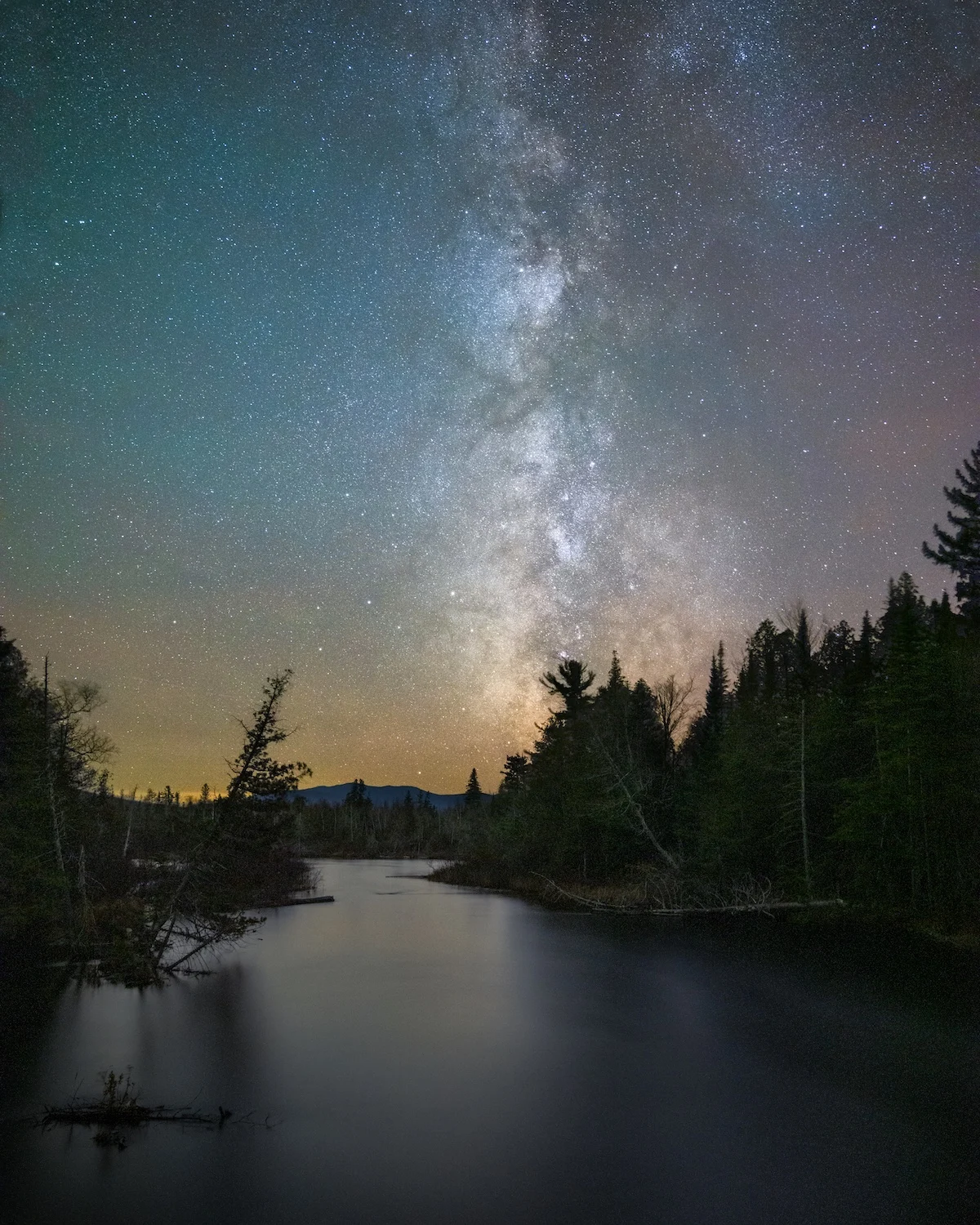
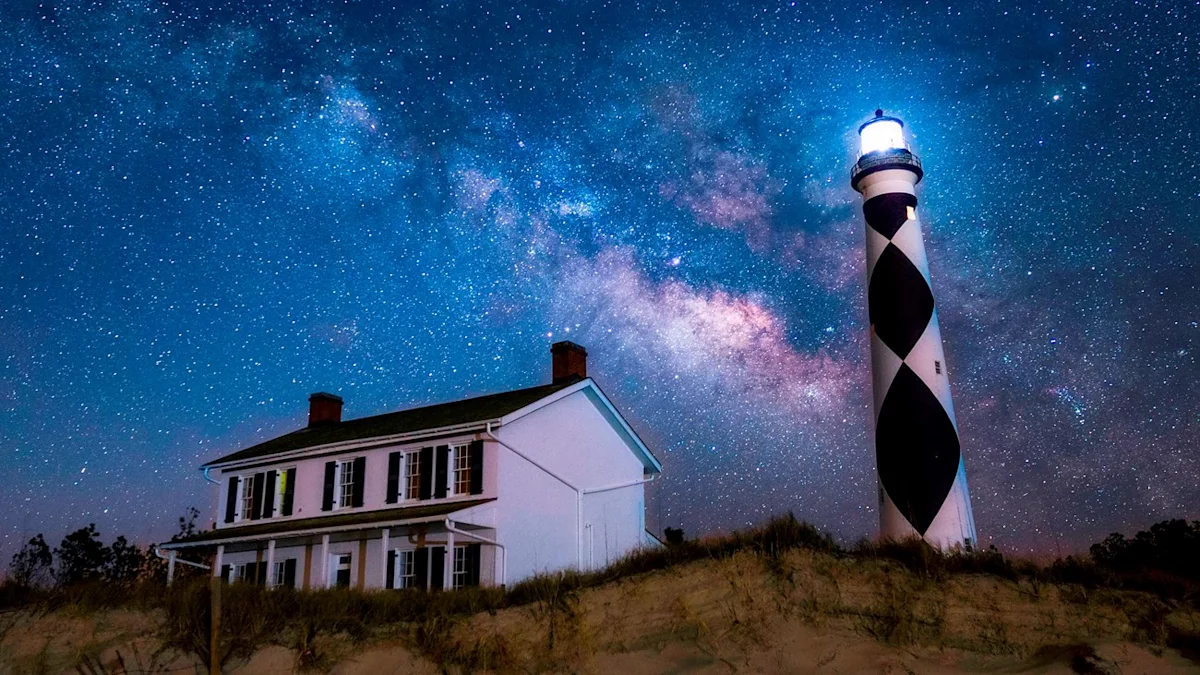
For those looking for a mix of history and science, Flagstaff, Arizona, is a must-visit. It was the world’s first International Dark Sky Community and is home to the Lowell Observatory, where Pluto was discovered. If you head toward the East Coast, the Boundary Waters Canoe Area in Minnesota offers a unique water-based experience where you can watch the stars reflect off perfectly still glacial lakes. On the Atlantic side, Cape Lookout National Seashore in North Carolina provides a rare opportunity to see the stars from the beach, far removed from the glow of the coastal megalopolis. These best stargazing locations are essential stops for any serious celestial traveler.
How to Plan a Stargazing Trip: A Practical Toolkit
Success in planning a stargazing trip relies heavily on timing and preparation. Unlike a typical vacation where you might focus on the sun and warmth, the celestial traveler works around the movements of the moon. The single most important rule for beginners is to check the lunar cycle. A full moon is beautiful, but it is effectively natural light pollution; it will wash out the faint light of distant stars and the Milky Way. For the best views, you want to time your visit during the New Moon phase or the days immediately surrounding it.
Elevation is another factor to consider. Heading to higher altitudes often puts you above the thickest parts of the atmosphere and local humidity, which can blur the view of stars. This is why many of the best dark sky parks in the western us are located on high plateaus or near mountain ranges. However, always check the seasonal weather patterns. A high-altitude park in the summer might be clear, while a winter visit could be obscured by snow clouds or heavy fog.
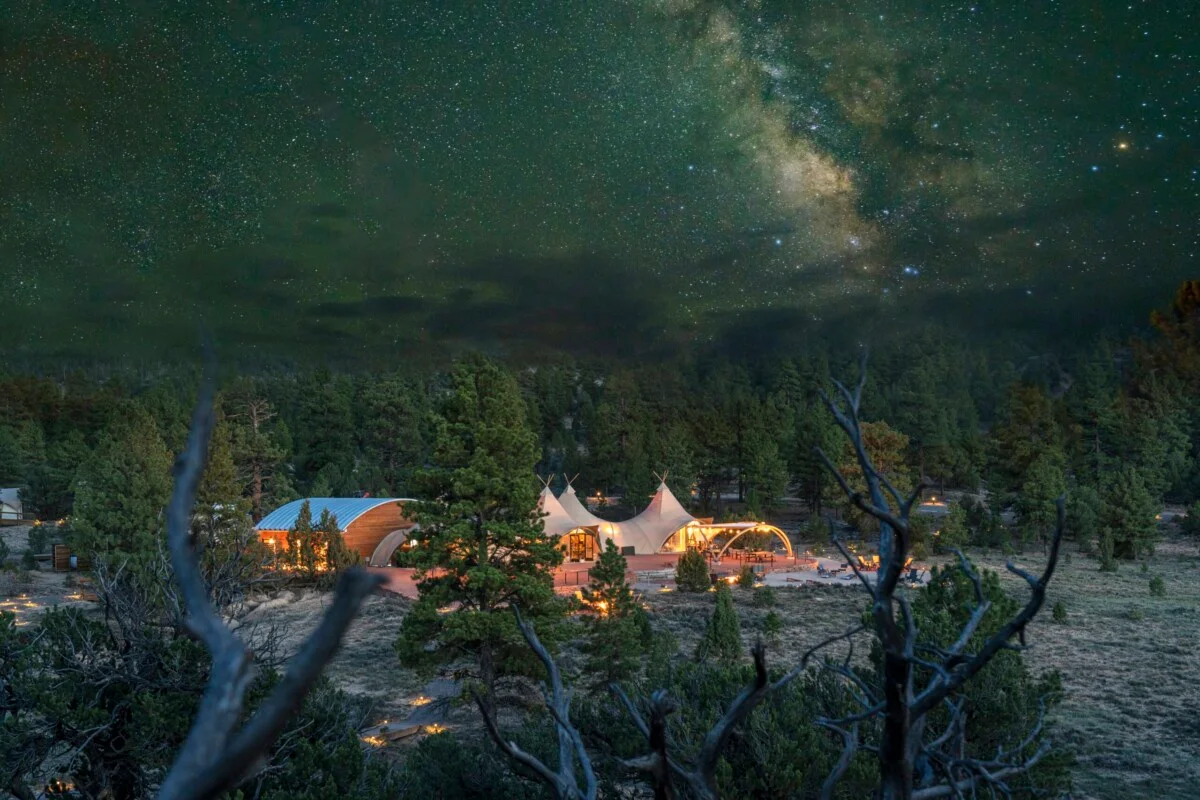
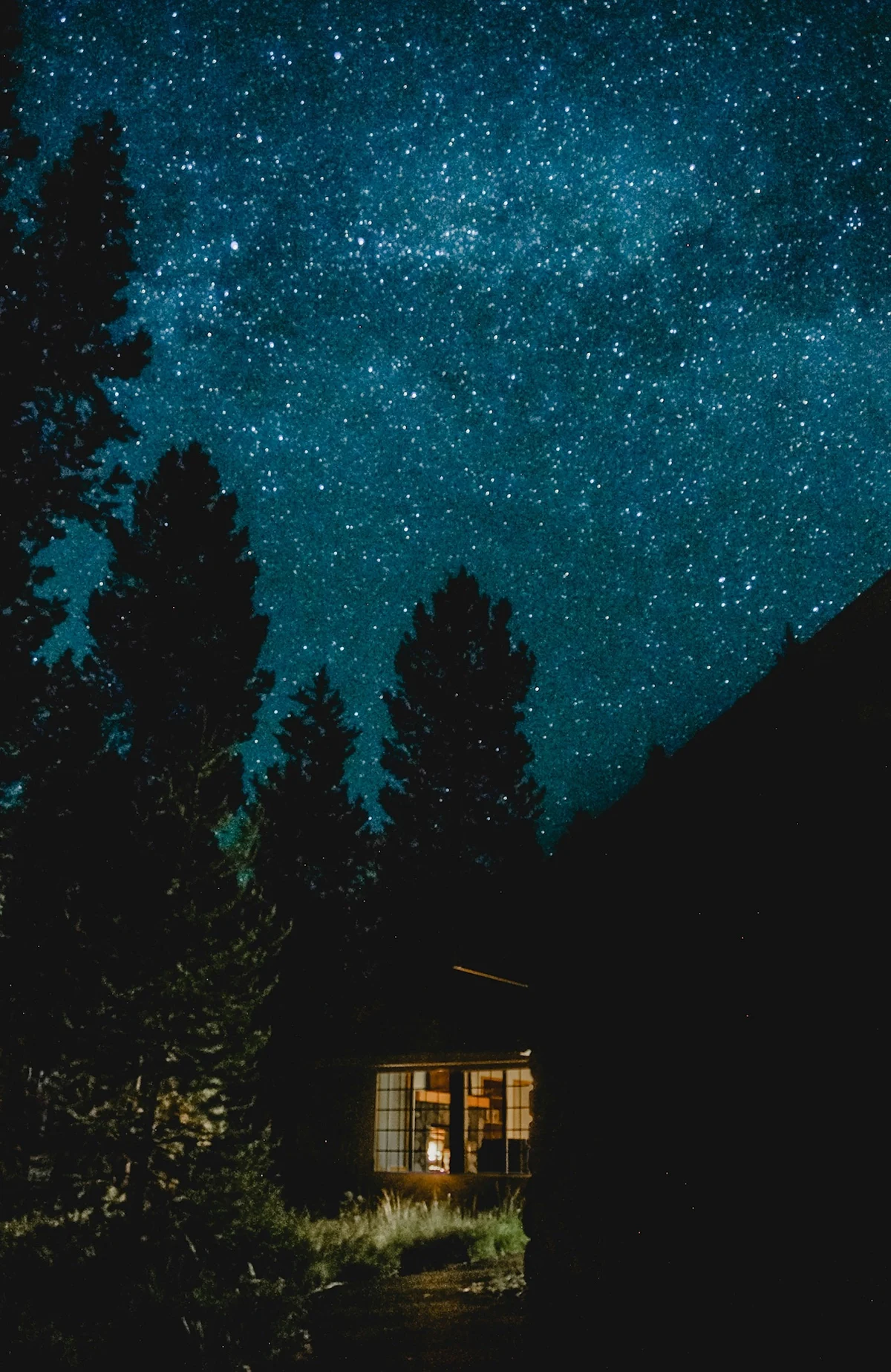
When considering lodging, you have to decide between utility and experience. Traditional camping in primitive sites offers the most direct connection to the sky, but many travelers now prefer the comfort of astro-glamping. These specialized resorts often feature domes with transparent ceilings or cabins with oversized windows designed specifically for viewing the heavens from your bed. If you are planning a stargazing road trip, look for sites that are situated away from the main camp loops to avoid the car headlights and lanterns of other travelers. These astrotourism tips for first time stargazers will ensure you don't end up staring at a bright moon or a cloud bank.
Gear and Etiquette: The Stargazer’s Checklist
You do not need an expensive telescope to enjoy the wonders of the night sky. In fact, many experienced astronomers recommend starting with binoculars or just the naked eye to learn the shapes of the constellations. However, having the right accessories can make or break your comfort and the quality of your viewing. Here is an essential packing list for stargazing trips:
- Red-light flashlights: This is the most critical item. Standard white light ruins your night vision, and it can take your eyes 20 to 30 minutes to fully adjust back to the dark. Red lights allow you to see your path without resetting your pupils.
- Warm layers: Even in the desert, temperatures drop significantly once the sun goes down. Standing still for long periods makes you feel the cold even more.
- Star charts or apps: Use a physical star chart or a night-sky app with a "night mode" (red screen) to identify what you are seeing.
- Comfortable seating: A reclining lawn chair or a blanket allows you to look up without straining your neck.
Beyond gear, practicing proper stargazing etiquette in dark sky sanctuaries is vital for the community. When you arrive at a viewing site, turn off your car headlights as soon as it is safe to do so. Avoid using flash photography or bright phone screens. People travel hundreds of miles for the darkness, and a single blast of white light can interrupt their experience. Many parks host organized events for meteor showers or planetary alignments; during these times, silence and light discipline are even more important.
FAQ
What is astrotourism and how does it work?
Astrotourism is travel designed specifically to visit areas with low light pollution. It works by bringing people to certified dark sky locations where they can see the Milky Way and other celestial objects clearly. These trips often combine educational programs from park rangers or astronomers with preservation efforts that protect the darkness.
What equipment is needed for a stargazing trip?
You don't need much to start. Essential items include red-light flashlights to preserve night vision, warm clothing for night temperatures, and a reclining chair. While a telescope is helpful, many people prefer a good pair of binoculars or even just their naked eyes to take in the vastness of the galaxy.
How do I find a certified Dark Sky Reserve?
The best way to find a certified location is through the International Dark-Sky Association (IDA) website. They maintain a global map of certified parks, reserves, and sanctuaries. You can also look for "International Dark Sky" seals on national and state park websites when planning your route.
What is the best time of year for astrotourism?
The best time of year depends on what you want to see, but generally, summer and autumn are popular for viewing the core of the Milky Way. Winter offers longer nights and often crisper, clearer air, though it requires more thermal gear. Always plan your trip around the New Moon for the darkest possible conditions.
Do I need a telescope for astrotourism vacations?
No, a telescope is not required. Many of the most beautiful views, such as the full arc of the Milky Way or major meteor showers, are actually better seen with the naked eye because they take up so much of the sky. Many dark sky parks also offer "star parties" where they provide telescopes for public use.
Start Your Journey Under the Stars
The universe is waiting, and there has never been a better time to pack your bags and head toward the shadows. Whether you are aiming to witness the peak of the Perseids meteor shower or simply want to see the Milky Way for the first time, astrotourism provides a pathway to a more meaningful travel experience. By choosing to visit the places highlighted in this astrotourism guide, you aren't just taking a vacation—you are supporting the protection of the night for generations to come.
Start small: find a dark corner of a state park near you, or go big and book a week in the heart of the Oregon Outback. Bring a red-light flashlight, a sense of wonder, and a willingness to be quiet in the presence of something vast. The stars have been there for billions of years; it’s time you went out to meet them.