Quick Facts
- Elevation: 6,025 meters (19,768 feet)
- Technical Grade: D+ to TD (Difficult to Very Difficult)
- Steepness: Sustained 45-degree to 85-degree pitches
- Primary Hazard: Objective risks including avalanche activity and serac fall
- Prerequisite: Acclimatization peaks like Peak Pisco or Yanapaccha
- Location: Parón Valley, Ancash Region, Peru
- Best Window: Mid-June to early August
Mt. Artesonraju is considered one of Peru's most dangerous climbs due to its extreme objective hazards, including frequent avalanche activity, falling ice blocks, and unstable seracs. The mountain's iconic pyramid shape creates steep, high-altitude slopes where snow and ice conditions change rapidly, resulting in Artesonraju climbing risks that have led to a history of fatal accidents even among highly experienced mountaineering teams.
Mt. Artesonraju is the iconic peak behind the Paramount Pictures logo, but its beauty hides extreme Artesonraju climbing risks that claim even expert lives. In the Cordillera Blanca, technical difficulty and objective hazards make it a formidable challenge for any alpine climber. When people look at the perfect symmetry of this mountain from the shores of Lake Parón, they see a masterpiece of nature. When professional climbers look at its faces, they see a complex puzzle of fluted ice and unstable overhangs that demand total focus and more than a little bit of luck.
The Technical Reality: Gradients and Grades
Understanding Artesonraju technical difficulty requires looking past the 6,000-meter elevation mark. While many peaks in the Ancash Region are technically straightforward glacier walks, Artesonraju is a true alpine ice climb. Most routes are rated between D (Difficile) and TD (Très Difficile) on the International French Adjectival System. This is not a mountain for the casual trekker; it is a serious objective that requires proficiency in AI4-5 ice grade climbing.
The sheer sustained nature of the mountain is what wears climbers down. Unlike peaks with a single "crux" move, Artesonraju technical climbing difficulty and pitch grades reflect a relentless verticality. Most parties spend 12 to 14 hours on the move, much of it spent on ice slopes ranging from 55 to 65 degrees. The final push to the summit is even more intimidating, involving pitches that can reach steepness levels of up to 85 degrees. Navigating this terrain at nearly 20,000 feet requires significant cardiovascular endurance and the ability to place reliable ice screws while front-pointing on your crampons for hours on end.
Furthermore, the mountaineering experience level required for Artesonraju involves mastery of multi-pitch ice transitions. Because the mountain is essentially a pyramid of ice, there are few places to find a flat "rest" spot. Climbers must be comfortable hanging from anchors while managing ropes and gear. The exposure is immense; on the North Ridge, you often have thousands of feet of air on either side of a narrow, corniced summit ridge. This mental pressure, combined with the thinning air, increases the likelihood of technical errors during the long ascent.
Unpredictable Killers: Avalanches and Seracs
Technical skill is often not enough to ensure safety on this peak. The objective hazards and avalanche risks on Artesonraju are among the highest in the Cordillera Blanca. Because of the mountain’s orientation and the unique tropical-alpine climate of Peru, snow layers often fail to bond correctly to the underlying ice. This creates a "sliding board" effect where entire sections of the face can shed without warning.
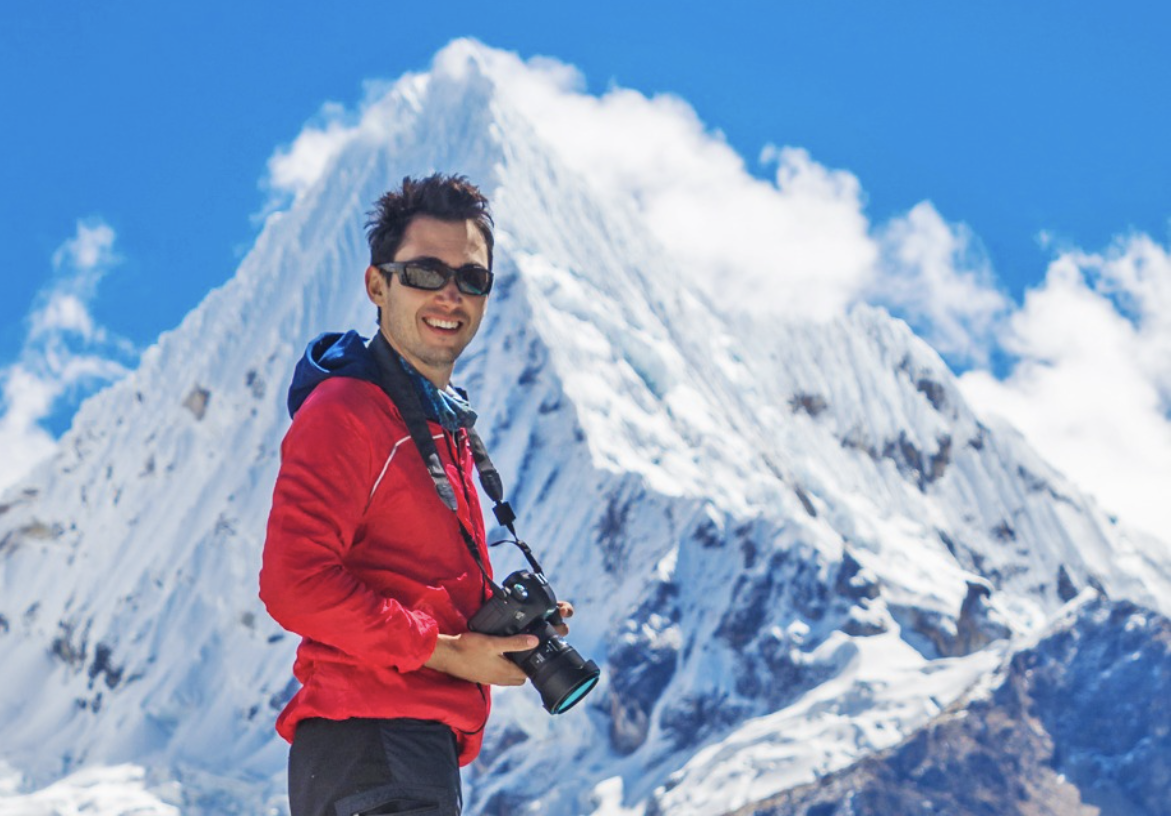
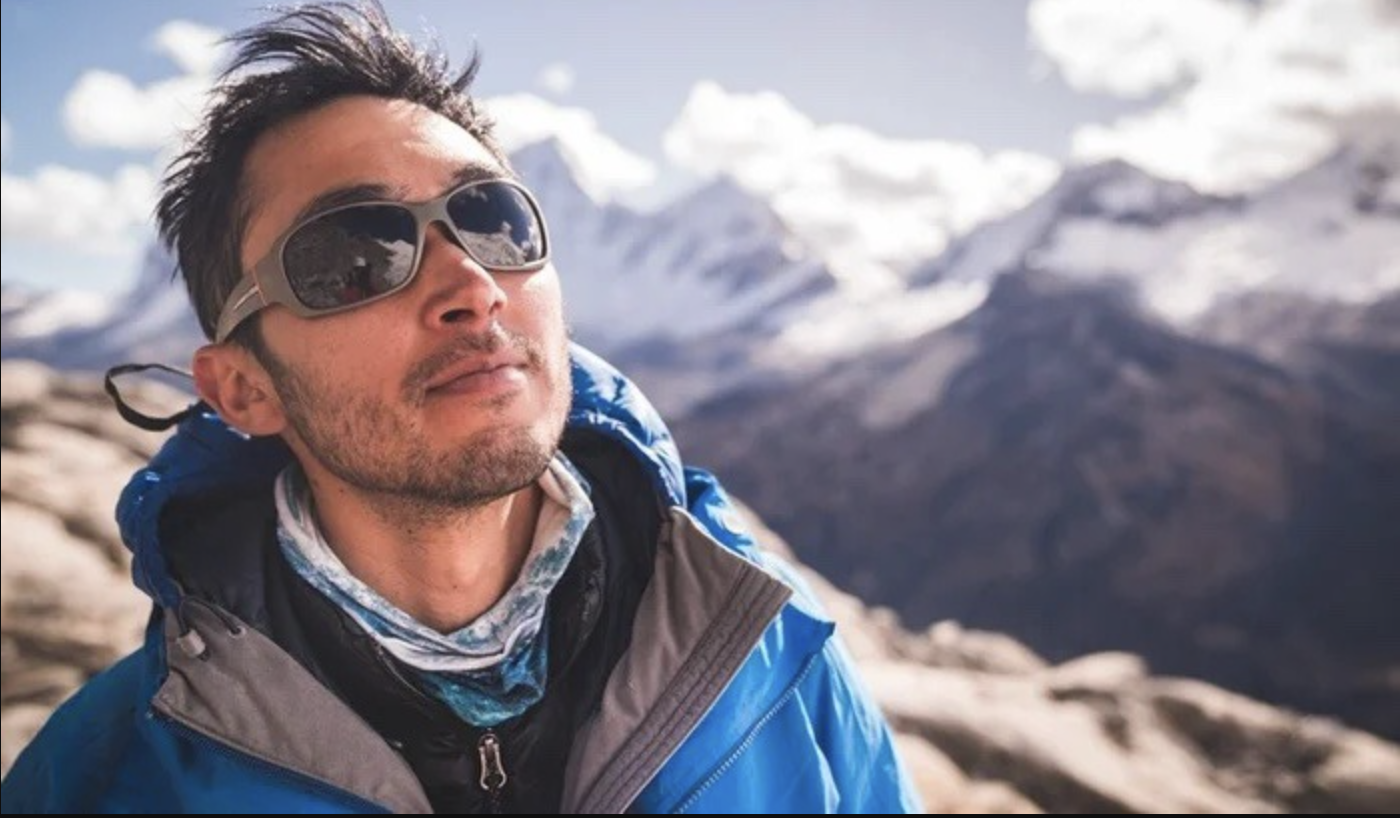
In June 2025, the climbing world was reminded of these dangers when a major accident involving falling ice and avalanches resulted in the deaths of three experienced climbers, including a National Geographic photographer. This tragedy prompted a 10-day search and rescue operation and underscored that no amount of professional experience can fully mitigate the risk of a collapsing serac or a random ice fall. These events are often triggered by solar radiation as the sun hits the face, meaning even an early morning start may not be enough to avoid the window of instability.
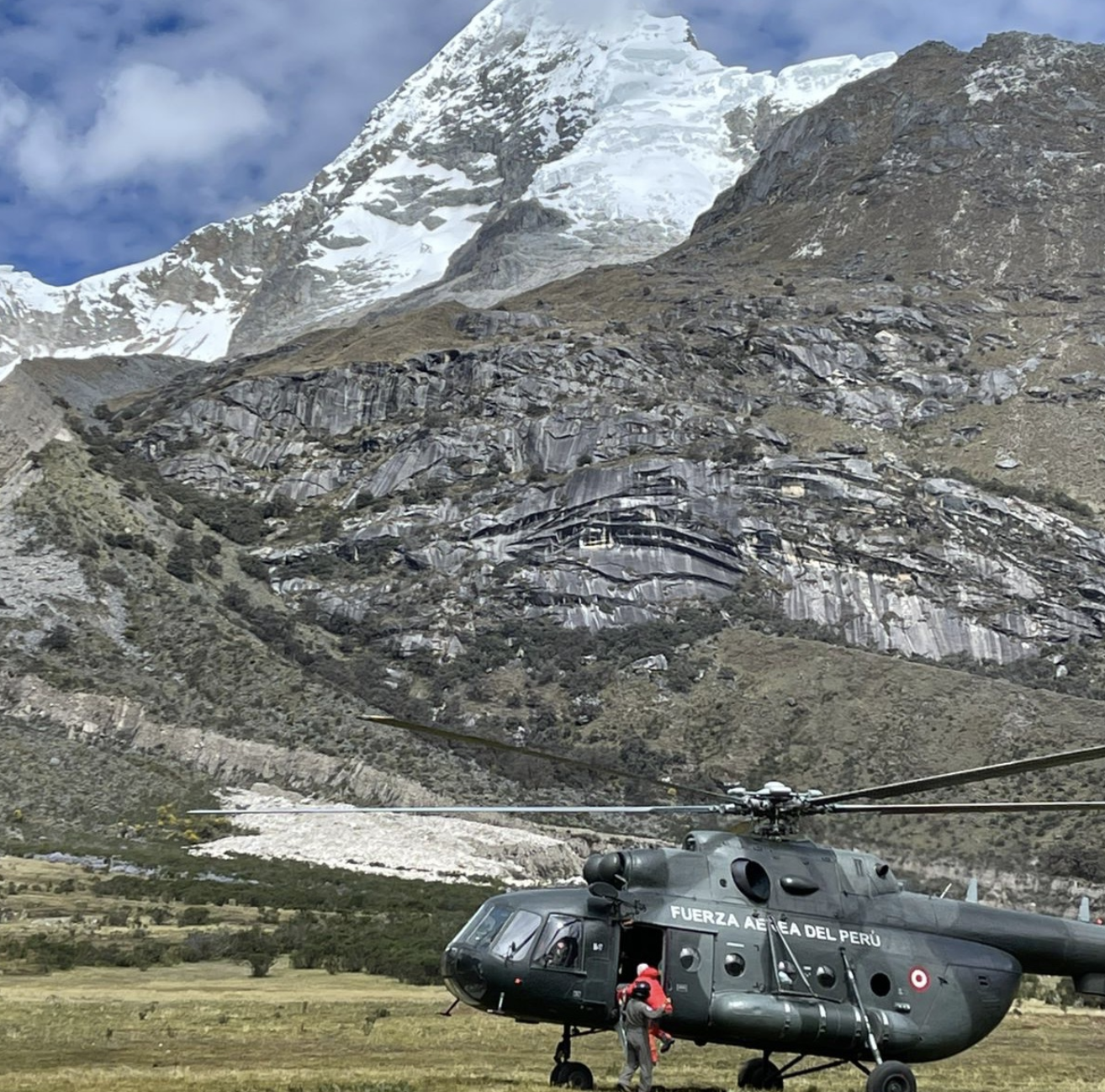
The Artesonraju avalanche hazards are further complicated by the mountain's shape. The flutings—beautiful vertical grooves in the snow—can channel falling debris directly into the path of ascending climbers. Glacial recession in the Ancash Region has also made the bergschrunds at the base of the main faces more difficult and dangerous to cross. What was once a simple step-over may now be a wide, crumbling chasm that requires complex bypasses or fragile snow bridges.
Route Roulette: Southeast Face vs. Northeast Ridge
Choosing a line on this mountain is a game of strategic observation. The Artesonraju Southeast Face vs Northeast Ridge safety debate usually centers on the current season's snowpack. Historically, the Southeast Face was the standard route, offering a direct 800-meter climb of pure ice and snow. However, in recent years, this face has become notorious for its objective risks. Records show a high frequency of accidents on the Southeast Ridge route, often occurring during the descent when tired climbers rely on snow anchors that may fail during abseiling.
The North Ridge (sometimes referred to as the Northeast Ridge) is often considered the more aesthetic but technically complex alternative. It offers slightly better protection from avalanches in some sections, but it trades that safety for increased exposure and technical difficulty on the rock-to-ice transitions. Key considerations for each route include:
- Southeast Face: Faster access from Huaraz, direct climbing, but highly susceptible to afternoon warming and slab avalanches.
- North Ridge: More remote approach from the Santa Cruz trek side, involves more complex navigation of summit ridge cornices, but can offer firmer ice in the right conditions.
- Anchor Reliability: On both routes, the failure of Abalakov threads (V-threads) or "deadman" snow anchors is a major concern.
The optimal weather window for climbing Artesonraju Peru is quite narrow. Most successful summits happen between late June and mid-July. If you arrive too early in the season, the snow is too deep and powdery, creating massive avalanche risks. If you arrive too late, the ice becomes "brittle" and dinner-plating, and the bergschrunds may become impassable due to summer melt.
Surviving the Peak: Preparation and Logistics
Given the Mt Artesonraju climbing accident history and safety lessons of the past decade, preparation must be meticulous. It starts with Cordillera Blanca mountaineering safety protocols in Huaraz, the hub for all Peruvian expeditions. You should never attempt this peak without verifying the current conditions through the House of Guides (Casa de Guías) and ensuring your team uses UIAGM certification level guides. Local knowledge of how the ice has shifted in the Parón Valley over the last month is more valuable than any guidebook.
Acclimatization is the second pillar of survival. A standard 17-day schedule is recommended. Most teams spend several days in Huaraz (3,100m), followed by an ascent of Peak Pisco (5,752m). Pisco serves as the perfect training ground because it allows you to test your gear and movement on glacial terrain without the extreme technical pressure of Artesonraju. If a climber struggles on the final slopes of Pisco, they are likely not ready for the AI4-5 ice grade demands of the Paramount peak.
Finally, logistics must include a robust descent plan. Statistics show that the majority of mountaineering accidents occur on the way down. Fatigue leads to sloppy rope management, and the failure of snow anchors while climbers are abseiling remains a leading cause of death on the Southeast Face. High-quality fixed rope techniques and a disciplined "double-check" system for every anchor are mandatory. Bring extra cordage to leave behind for anchors, as the safety of your life is worth much more than a few meters of webbing.
FAQ
How difficult is it to climb Artesonraju?
Artesonraju is a very difficult technical climb, rated D+ to TD. It involves nearly 1,000 meters of sustained climbing on slopes that average 60 degrees, with some sections reaching near-vertical 85-degree pitches. It requires high-level alpine ice skills and significant physical endurance to manage the 12-to-14-hour summit day.
What are the main risks when climbing Artesonraju?
The primary risks are objective hazards that climbers cannot always control. These include spontaneous avalanches, falling ice blocks, and collapsing seracs. The mountain is also known for unstable snow conditions and the potential failure of snow anchors during the descent.
Are avalanches common on Artesonraju?
Yes, avalanches are very common due to the steep angles of the faces and the way snow bonds to the tropical ice. Warm sun throughout the day can quickly destabilize the slopes, making the mountain particularly dangerous in the afternoon or after a fresh snowfall.
Is Artesonraju dangerous for beginners?
Yes, Artesonraju is extremely dangerous for beginners and should not be attempted by anyone without significant previous high-altitude technical ice climbing experience. It is not an entry-level 6,000-meter peak. Aspiring climbers should first master peaks like Pisco or Ishinca before considering Artesonraju.
What technical ice climbing skills are required for Artesonraju?
Climbers must be proficient in AI4-5 ice grade climbing, which includes the ability to use two ice tools on steep slopes, efficient front-pointing, placing ice screws on vertical terrain, and building secure Abalakov (V-thread) anchors in varying ice qualities.