Quick Facts
- Critical Window: Life-threatening arterial bleeding can become fatal in as little as 3-5 minutes, emphasizing the need for immediate trauma gear.
- Expiration Alert: Research indicates that over 60% of household first aid kits contain at least one medical product that has passed its expiration date.
- 2026 Update: Modern safety preparedness now integrates digital diagnostic tools, such as pulse oximeters and rapid diagnostic tests, to provide real-time health data during crises.
- Material Shift: Industry standards have moved entirely toward nitrile gloves to prevent latex allergies and ensure better puncture resistance.
- The Two-Hour Rule: If your location is more than two hours from a professional medical facility, a basic kit is insufficient; a trauma-specific modular kit is mandatory.
- Preparedness Gap: Data shows that approximately 17% of people lack access to a first aid kit in any setting, including their home, workplace, or personal vehicle.
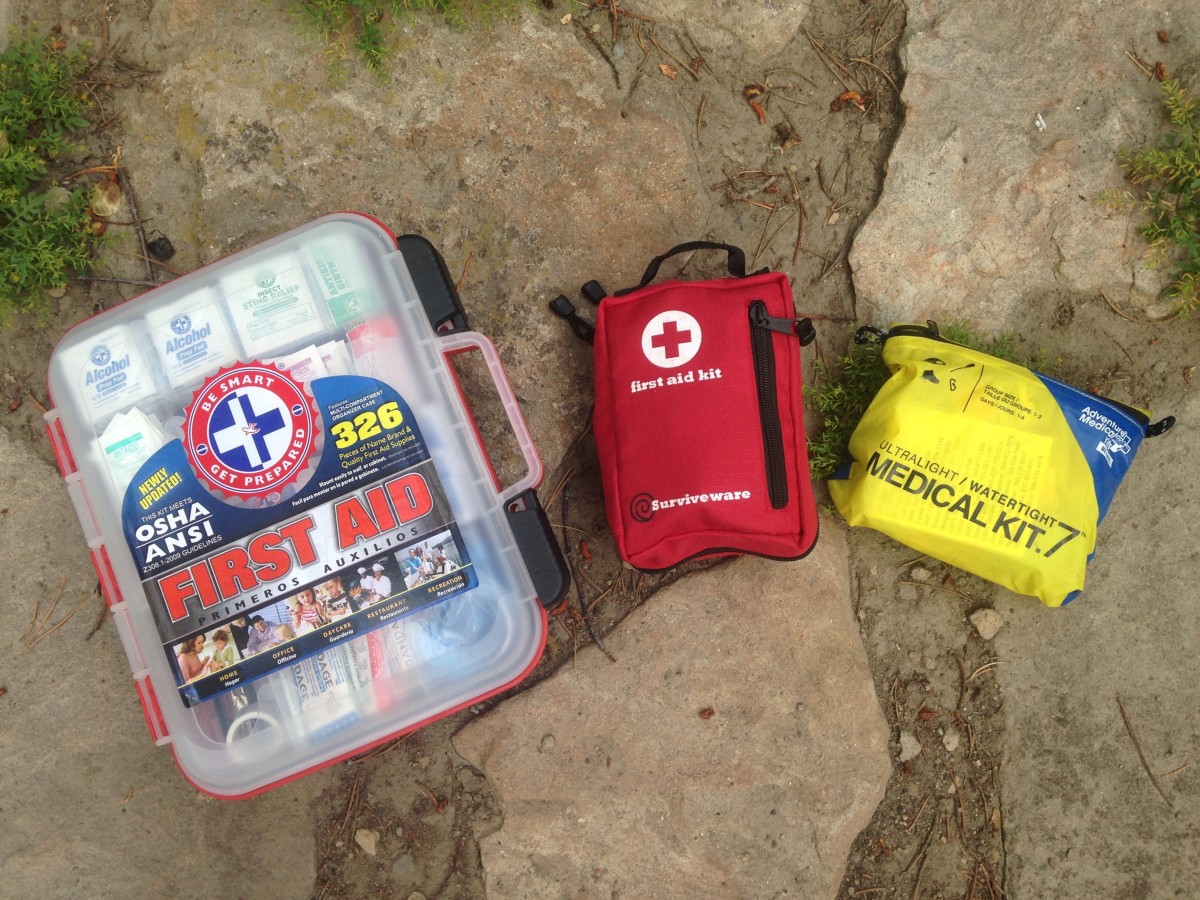
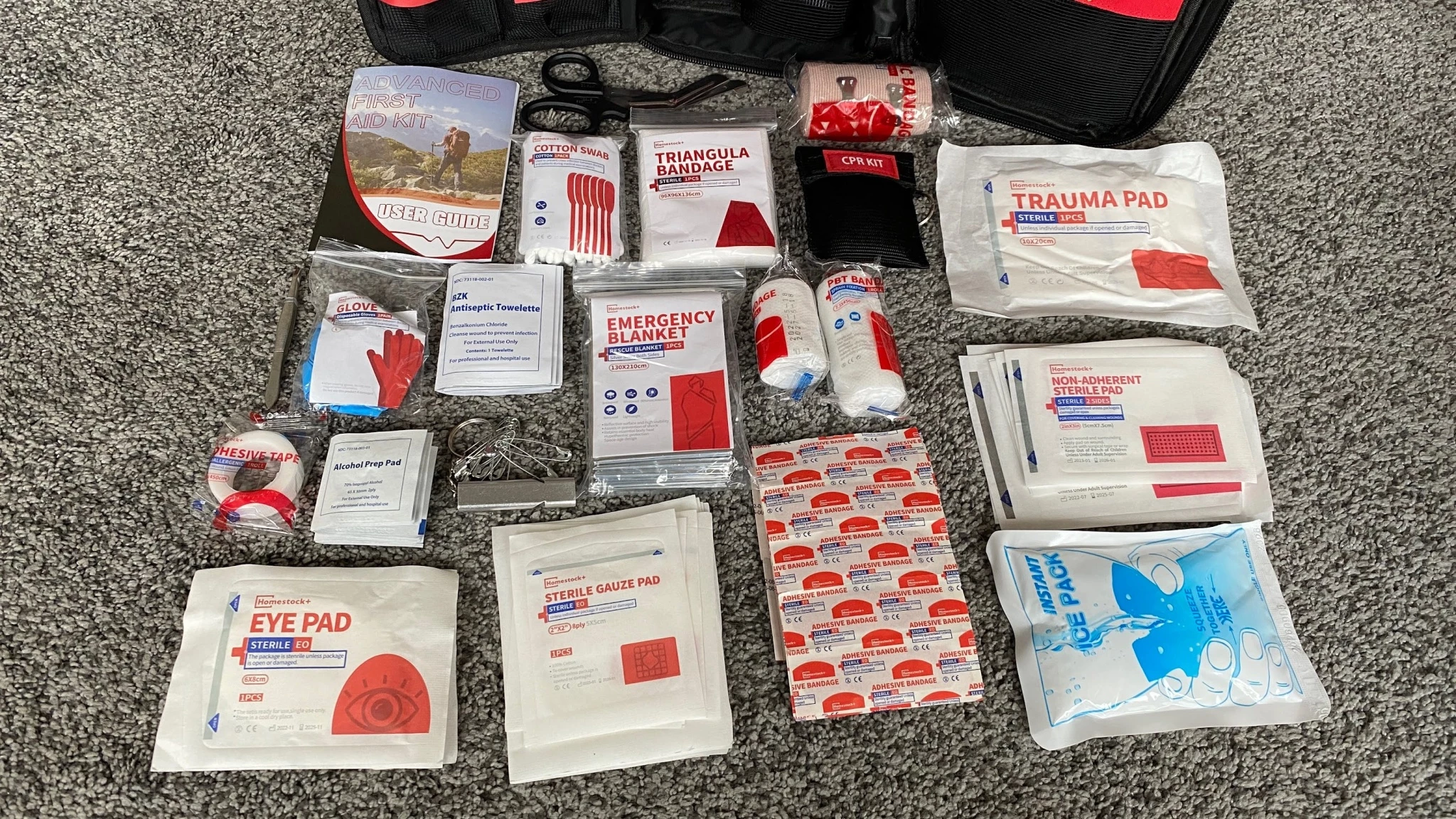
An essential first aid kit checklist includes adhesive bandages, sterile gauze, medical tape, nitrile gloves, and antiseptic wipes. For 2026, modern kits should also incorporate digital thermometers, rapid diagnostic tests, and wound closure strips. Specialized tools like trauma shears, fine-point tweezers, and a CPR breathing barrier are critical for addressing various injuries ranging from minor scrapes to emergency resuscitation. Maintaining these supplies requires regular audits to replace expired items and leverage modern first aid kit technology and digital tools 2026 for inventory management.
The Universal Core: Essential Supplies for Every Kit
Every effective medical response begins with a foundation of universal supplies designed to handle 80% of common injuries. Whether you are dealing with a kitchen burn or a playground scrape, these items are non-negotiable. The American Red Cross suggests that a standard family kit should contain at least 25 assorted bandages, but for a 2026 first aid kit checklist, we look for high-performance materials that stay adhered even in humid conditions.
Effective wound management is the priority here. You need various sizes of sterile gauze pads and roller bandages to control bleeding and protect injuries from infection. Unlike the kits of the past, modern responders avoid latex due to widespread sensitivities. Instead, ensuring your kit has several pairs of high-quality nitrile gloves is essential for protecting both the patient and the provider from bloodborne pathogens.
Beyond the bandages, your core supplies should include:
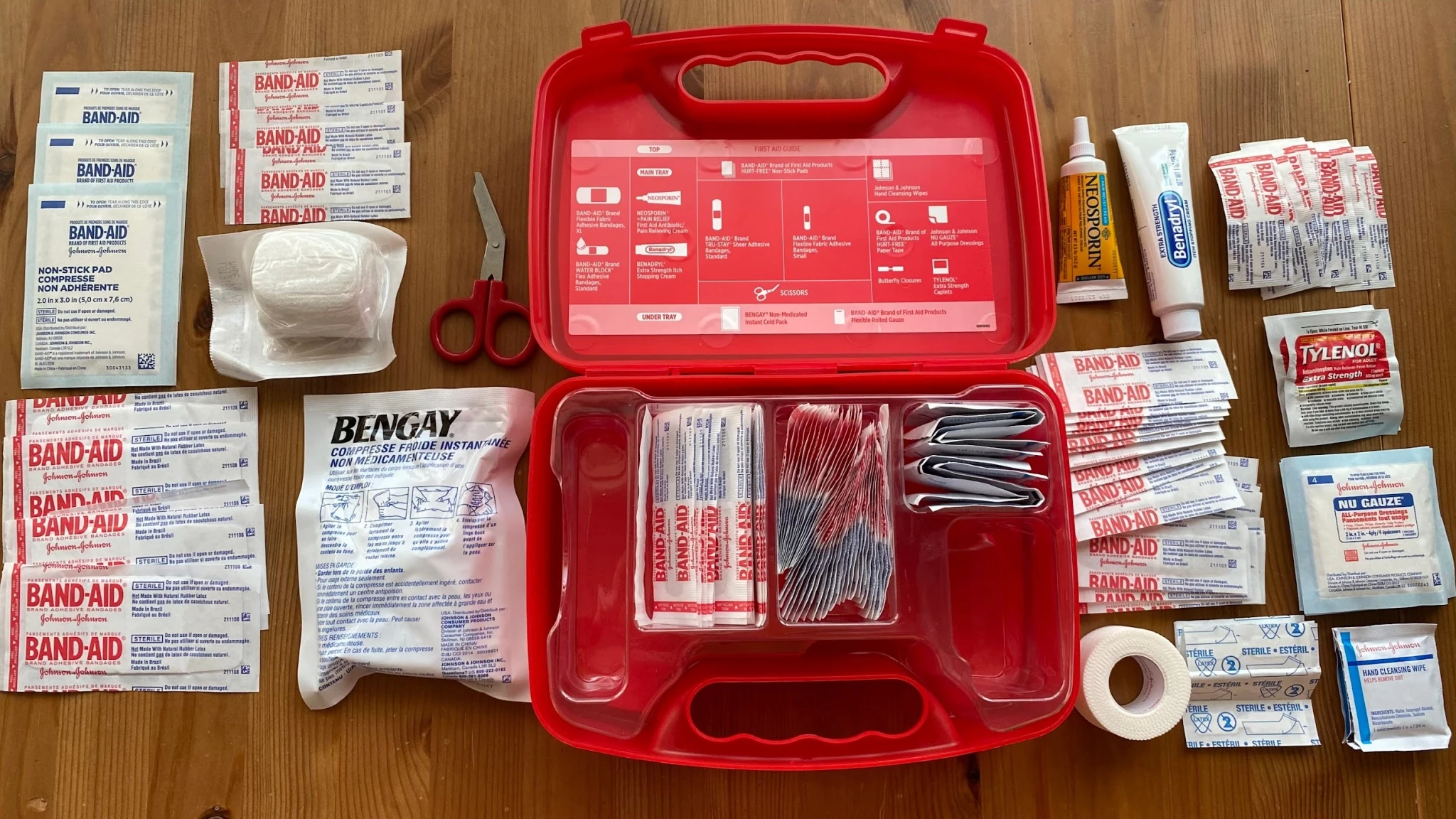
- Antiseptic wipes and antibiotic ointment packets to prevent infection.
- Hydrocortisone cream for skin irritations and stings.
- Aspirin and non-aspirin pain relievers (ibuprofen or acetaminophen).
- Oral rehydration salts for heat-related illnesses.
- A space-saving CPR breathing barrier with a one-way valve.
Advanced Trauma Layer: The MARCH Framework & Modern Tech 2026
When a situation escalates from a minor injury to a life-threatening emergency, a standard box of bandages is no longer enough. This is where we transition into the MARCH framework, a tactical medicine protocol used by professionals to address the most common causes of preventable death on the trail or in the field.
MARCH stands for Massive Hemorrhage, Airway, Respiration, Circulation, and Hypothermia. To address these areas, your advanced layer must include hemostatic gauze, which is treated with agents that help blood clot up to five times faster than standard gauze. You should also carry professional-grade trauma shears, which are capable of cutting through thick denim or leather to expose a wound quickly.
In addition to traditional gear, modern first aid kit technology and digital tools 2026 have revolutionized how we respond to trauma. We now see the inclusion of compact pulse oximeters and rapid diagnostic tests for everything from strep throat to metabolic imbalances. These tools provide actionable data that can be communicated to emergency services via phone or satellite, improving the chances of a successful rescue.
Safety Pro Tip: In a trauma situation, the "Platinum Ten Minutes" is the period during which emergency medical services should ideally arrive or treatment should be initiated. Having a sam splint and hemostatic dressings ready can make the difference during this critical window.
| Feature | Basic Kit | Advanced Trauma Kit (MARCH) |
|---|---|---|
| Primary Goal | Minor wounds & comfort | Life-saving intervention |
| Bleeding Control | Adhesive bandages | Hemostatic gauze & pressure wraps |
| Immobilization | Medical tape | SAM splints & triangular bandages |
| Diagnostics | Manual thermometer | Digital pulse ox & rapid tests |
| Airway Support | None | CPR face shields & nasopharyngeal kits |
Scenario 1: Home Safety & Family Preparedness
The home is where most minor accidents occur, making a home first aid kit safety checklist 2026 a vital document for every household. Unlike portable kits, a home kit can be more comprehensive and bulkier. It should be stored in a cool, dry place that is easily accessible to adults but safely away from young children. Avoid the bathroom medicine cabinet, as the humidity from showers can degrade the sterility of bandages and the potency of medications.
For those who enjoy hosting, it is important to consider emergency first aid supplies for large group camping or backyard gatherings. This includes larger quantities of antihistamines for anaphylaxis treatment and extra antiseptic supplies. You should also prominently display the number for Poison Control (1-800-222-1222) inside the kit lid.
Maintaining a home kit also means being aware of the risks of neglect. Survey data shows that over 60% of modern household kits contain expired medications. As part of your home first aid kit safety checklist 2026, set a recurring calendar alert to audit your inventory every three to six months.
Scenario 2: On the Road—Vehicle First Aid Kit Requirements
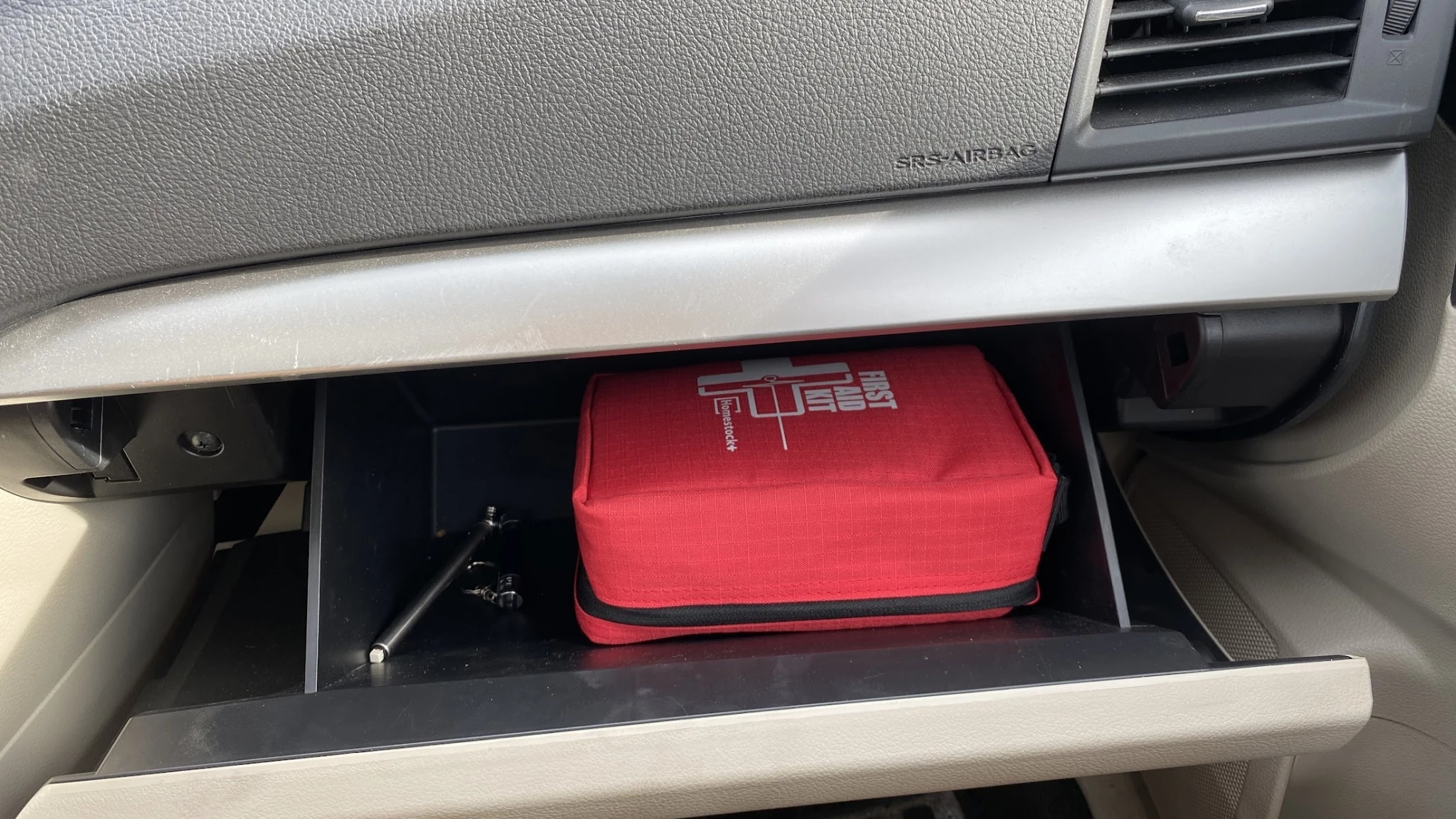
Safety on the road presents a unique set of challenges. A vehicle kit isn't just about medicine; it’s about visibility and survival in a roadside emergency. Essential supplies for vehicle emergency first aid kits must include high-visibility vests, LED glow sticks, and a reflective emergency triangle to ensure you aren't hit by passing traffic while tending to a passenger.
Temperature is the silent killer of car-based supplies. During summer, interior car temperatures can exceed 140°F, which causes the adhesives in bandages to melt and chemical ointments to separate. Because 46% of car first aid kits have not been inspected for over a year, vehicle first aid kit requirements should emphasize a quarterly inspection of all temperature-sensitive items.
A well-prepared vehicle kit should feature:
- A seatbelt cutter and window breaker tool.
- Mylar thermal blankets for shock or cold-weather breakdowns.
- Instant cold packs for sprains and swellings.
- Heavy-duty nitrile gloves for handling mechanical parts or debris.
- Small bottles of sterile saline for eye irrigation or wound washing.
Scenario 3: Into the Wild—Backcountry Hiking Foundations
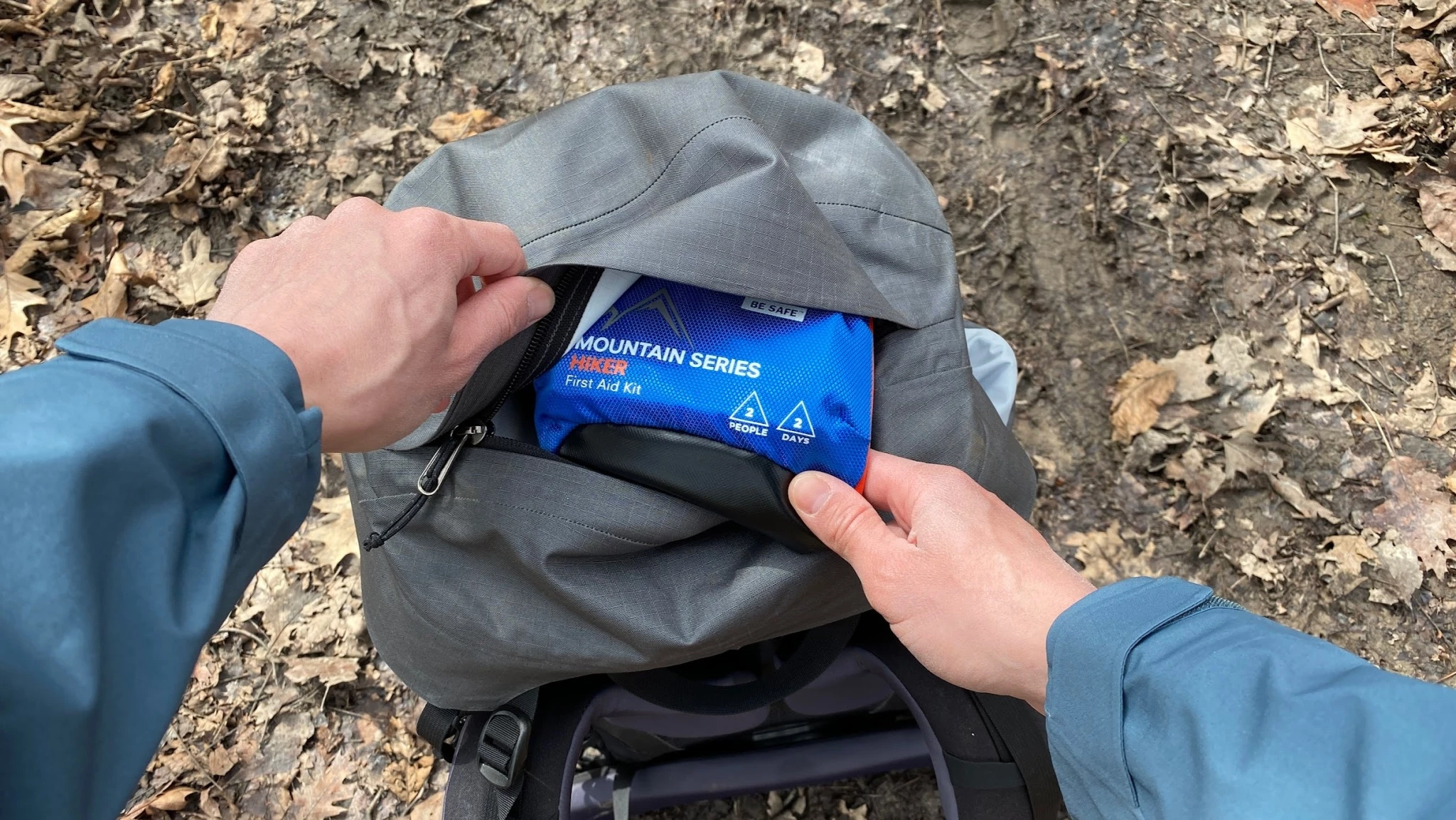
For outdoor enthusiasts, the challenge is balancing weight with utility. Backcountry hiking first aid kit essentials for beginners center on two major themes: blister prevention and wilderness medicine. When you are miles from the nearest trailhead, a simple hot spot on your heel can end a trip if not treated with moleskin or specialized blister pads immediately.
In the backcountry, every item should ideally serve two purposes. A triangular bandage can be a sling, a head wrap, or a way to secure a sam splint. As you move into more remote terrain, your backcountry first aid kit essentials must expand to include satellite communicators or personal locator beacons. These devices are the ultimate "first aid" for situations that exceed your training, ensuring that help is on the way even without cell service.
Don't forget the environmental factor. Outdoor kits should be housed in waterproof, roll-top dry bags or crush-proof hard cases. Moisture is the enemy of sterile dressings, and a soaked kit is a useless kit.
Maintenance Roadmap: Expiration Monitoring & Replenishment
Possessing a kit is only half the battle; ensuring it works when you need it is the other half. The most common failure point in emergency response is discovering that a vital ointment has dried out or that the pain relievers expired three years ago. Implementing a first aid kit maintenance and expiration date guide into your seasonal routine is the best way to prevent this.
Modern logistics have made inventory tracking much easier. Many high-end kits now come with QR codes on the lid that link to a digital inventory list. Scanning the code allows you to see expiration dates at a glance or watch instructional videos on how to use specific tools like a tourniquet.
To keep your kit in peak condition:
- The Quarterly Audit: Every three months, open the kit, check all seals, and swap out any medication due to expire within the next 90 days.
- Record Usage: Every time you take a bandage out for a minor cut, mark it down. Kits often slowly deplete until they are empty when a real emergency strikes.
- Check Batteries: If your kit includes a digital thermometer or a flashlight, check the batteries twice a year, ideally when the clocks change.
Training & Certification: Beyond the Gear
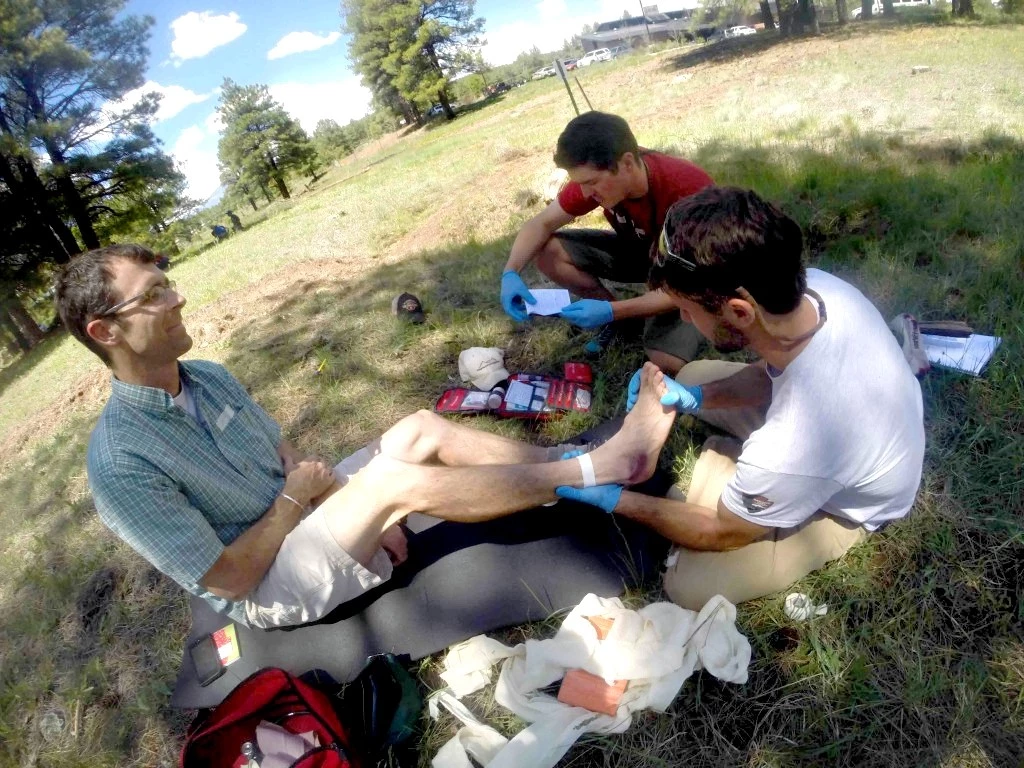
Advanced equipment like trauma shears and hemostatic agents are only as effective as the person using them. Proper emergency preparedness means investing in yourself as much as your gear. A kit is a collection of tools, but your brain is the primary responder.
We highly recommend pursuing professional certification through organizations like the American Red Cross or NOLS. A Wilderness First Aid (WFA) or CPR/AED certification provides the hands-on practice needed to keep a cool head during a crisis. Learning how to properly apply a sam splint or manage a severe allergic reaction can significantly improve patient outcomes before professional help arrives.
Modern 2026 standards also emphasize the psychological aspect of first aid. Training now often includes "Psychological First Aid" to help manage shock and panic, which are often just as dangerous as the physical injuries themselves.
FAQ
What are the essential items for a basic first aid kit?
A basic kit should focus on wound management and personal protection. The essentials include assorted adhesive bandages, sterile gauze pads, medical tape, antiseptic wipes, antibiotic ointment, and at least two pairs of nitrile gloves. You should also include basic medications for pain and allergies, along with a CPR breathing barrier for emergency resuscitation.
How often should a first aid kit be replenished?
You should conduct an inventory tracking audit at least every three to six months. Additionally, the kit should be replenished immediately after any use, regardless of how minor the injury was. Regular checks ensure that you never run out of critical supplies like bandages or antiseptic during a major emergency.
Do items in a first aid kit expire?
Yes, many items in a first aid kit have expiration dates. Medications like aspirin and antibiotic ointments lose their potency over time, and the adhesives on bandages and medical tape can degrade, making them fail to stick. Sterile items like gauze also have shelf lives after which the packaging may no longer be a reliable barrier against bacteria.
Is it better to buy a pre-made first aid kit or build your own?
Pre-made kits are excellent for beginners because they provide a cost-effective, organized foundation that meets standard safety requirements. However, building your own or "modularizing" a pre-made kit allows you to customize supplies for specific needs, such as adding specialized medications, trauma gear, or high-tech diagnostic tools for 2026.
Where is the best place to store a first aid kit?
A first aid kit should be stored in a cool, dry, and easily accessible location. At home, avoid humid areas like the bathroom; a kitchen pantry or a hallway closet is usually better. In a vehicle, store the kit in the passenger cabin (such as under a seat or in a seat-back pocket) rather than the trunk to ensure it is within reach during an accident.