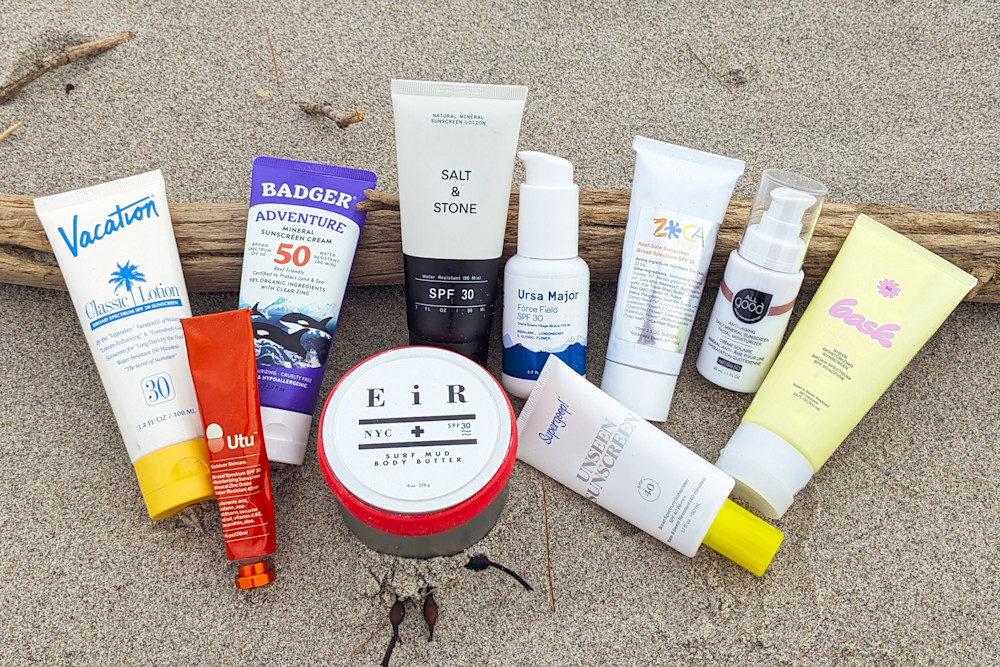
Our Top Picks
- Ursa Major Force Field SPF 30: The best choice for a lightweight, daily facial formula that disappears into the skin.
- Badger Mineral Sunscreen SPF 40: A high-value, high-performance option with a minimal, four-ingredient list for maximum safety.
- Utu Moisturizing Sunscreen: Premium clinical-grade protection that uses biodegradable packaging and nutrient-rich extracts.
- Salt & Stone SPF 50 Stick: The ultimate water resistant mineral sunscreens for surfers and athletes who need serious staying power.
Clean sunscreens prioritize non-toxic ingredients like non-nano zinc oxide to protect both human health and marine ecosystems from UV damage. These best clean sunscreens avoid endocrine disruptors and harmful chemicals like oxybenzone and octinoxate that contribute to coral bleaching and long-term health risks.
The 'Toxic Trinity': Is Your Old Sunscreen Harmful?
When we head into the ocean or even just the backyard, we rarely think about the trail of chemicals we leave behind. Scientific evidence now shows that what protects us might be poisoning our environment. An estimated 6,000 to 14,000 metric tons of sunscreen are released into coral reef ecosystems annually. The primary culprits are oxybenzone and octinoxate, which are directly linked to coral bleaching and high mortality rates in marine life.
The danger isn’t just underwater. There is also a significant health conversation regarding endocrine disruptors in traditional formulas. Chemical filters work by absorbing into the top layers of your skin and converting UV rays into heat. During this process, they often enter the bloodstream. According to the Environmental Working Group's 2024 Guide to Sunscreens, only about 25 percent of nearly 1,700 tested SPF products meet their rigorous safety and efficacy benchmarks.
This is where the mineral vs chemical sunscreen comparison becomes critical. While chemical filters are popular for being sheer, non toxic sunscreen brands use physical barriers. Beyond the environment, human safety is a major factor. Of the 16 active sunscreen ingredients reviewed by the FDA, only the mineral filters zinc oxide and titanium dioxide are currently classified as generally recognized as safe and effective.
Methodology: How We Chose the Safest Mineral Sunscreens
Selecting the top rated reef safe mineral sunscreens 2026 required us to look past the marketing buzzwords like "natural" or "eco-friendly." Instead, we utilized the 4-Ingredient Rule, looking for formulas that prioritize simplicity and purity. Our benchmarks focused on high concentrations of active mineral blockers and a total absence of synthetic fragrances, parabens, or harsh preservatives.
We prioritized brands with B Corp certification and those that utilize non-nano zinc oxide to ensure particles are not small enough to be ingested by coral or absorbed through human pores. The following table highlights why this transition is necessary for anyone prioritizing health and sustainability.
| Feature | Physical (Mineral) Sunscreens | Chemical Sunscreens |
|---|---|---|
| Mechanism | Reflects UV rays like a mirror | Absorbs UV rays like a sponge |
| Safety Rating | FDA-recognized gravity G.R.A.S.E. | Many contain endocrine disruptors |
| Environmental Impact | Reef-safe and non-toxic | High risk of coral bleaching |
| Latency | Works immediately upon application | Usually requires 20 minutes to "set" |
| Skin Sensitivity | Ideal for sensitive or reactive skin | Can cause irritation or allergic reactions |
10 Best Clean Sunscreens for Every Outdoor Scenario
Finding a non toxic sunscreen for sensitive skin that doesn't feel like thick paste can be a challenge. We’ve tested the top performers for 2026 to ensure you can stay protected without compromising your skin's health or the ocean's vitality.
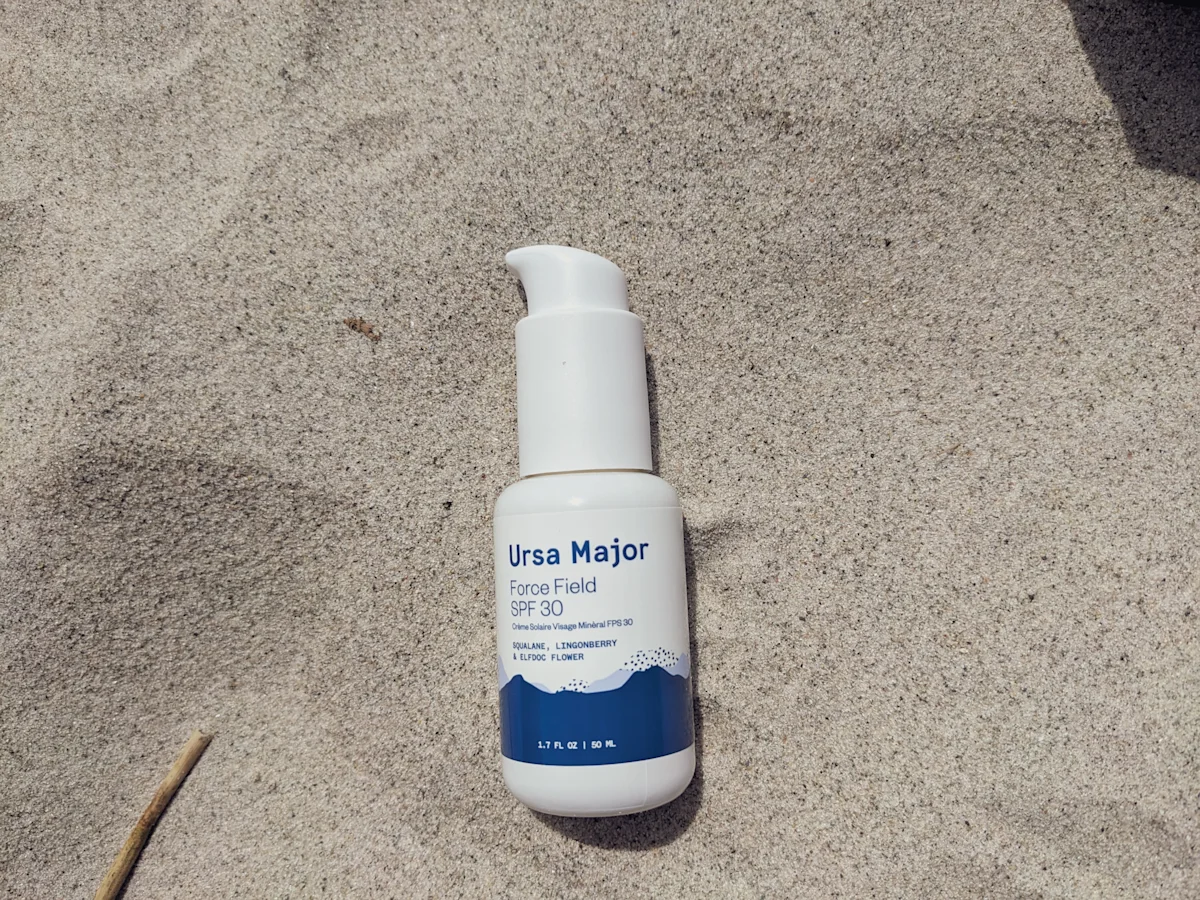
1. Ursa Major Force Field SPF 30 (Best for Everyday Face)
For many, the biggest hurdle to switching to mineral SPF is the texture. Ursa Major has solved this with their Force Field formula. It is one of the most lightweight invisible clean sunscreens that rub in easily without a trace. It provides broad-spectrum protection while doubling as a light moisturizer, making it perfect for daily city life or a light trail run.
- Quick Specs: Zinc Oxide 14.9%, Water Resistance (No), Price-Per-Ounce $12.50, SPF 30.
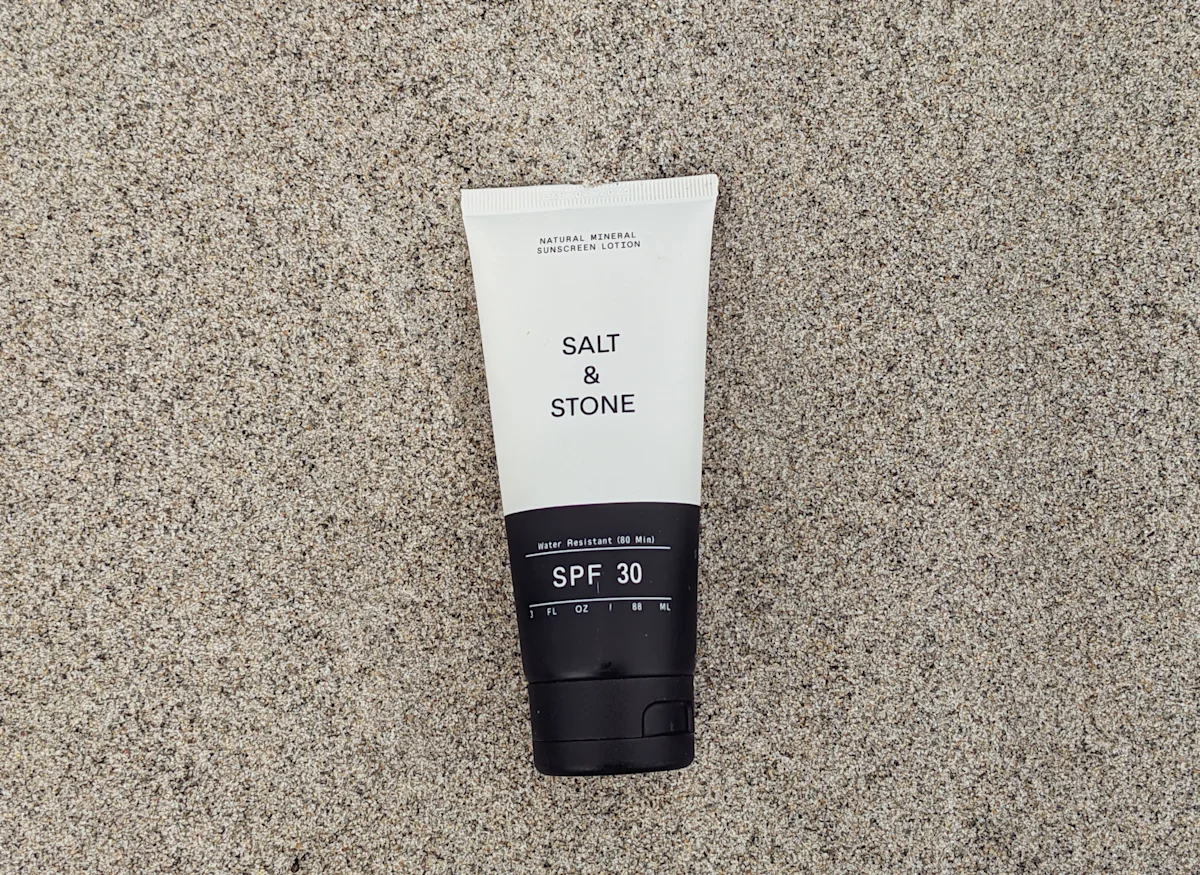
2. Salt & Stone SPF 50 Sunscreen Stick (Best for Athletes)
When you are surfing or running a marathon, you need a formula that won't run into your eyes. This stick is among the best water resistant mineral sunscreens for surfers and athletes because it stays put even in heavy conditions. It utilizes a physical barrier that holds up against sweat and saltwater for the full 80 minutes.
- Quick Specs: Zinc Oxide 22.5%, Water Resistance (80 min), Price-Per-Ounce $11.00, SPF 50.
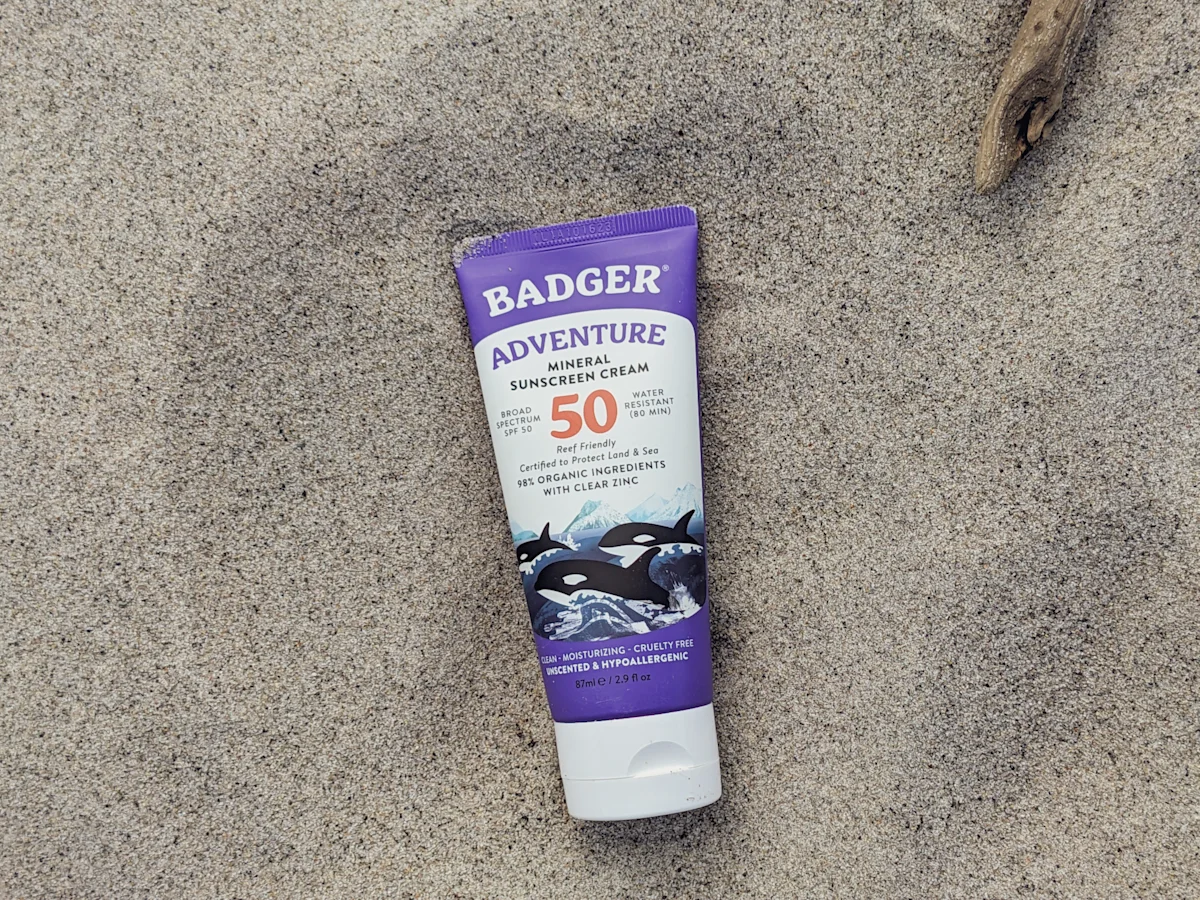
3. Badger Mineral Sunscreen SPF 40 (Best for Budget/Body)
If you are looking for affordable non toxic sunscreen brands for body and face that the whole family can use, Badger is the gold standard. They use only four ingredients: non-nano zinc oxide, sunflower oil, beeswax, and Vitamin E. While it is a bit thicker and requires more rubbing, its price-per-ounce value is unbeatable for beach days.
- Quick Specs: Zinc Oxide 22.5%, Water Resistance (80 min), Price-Per-Ounce $5.60, SPF 40.
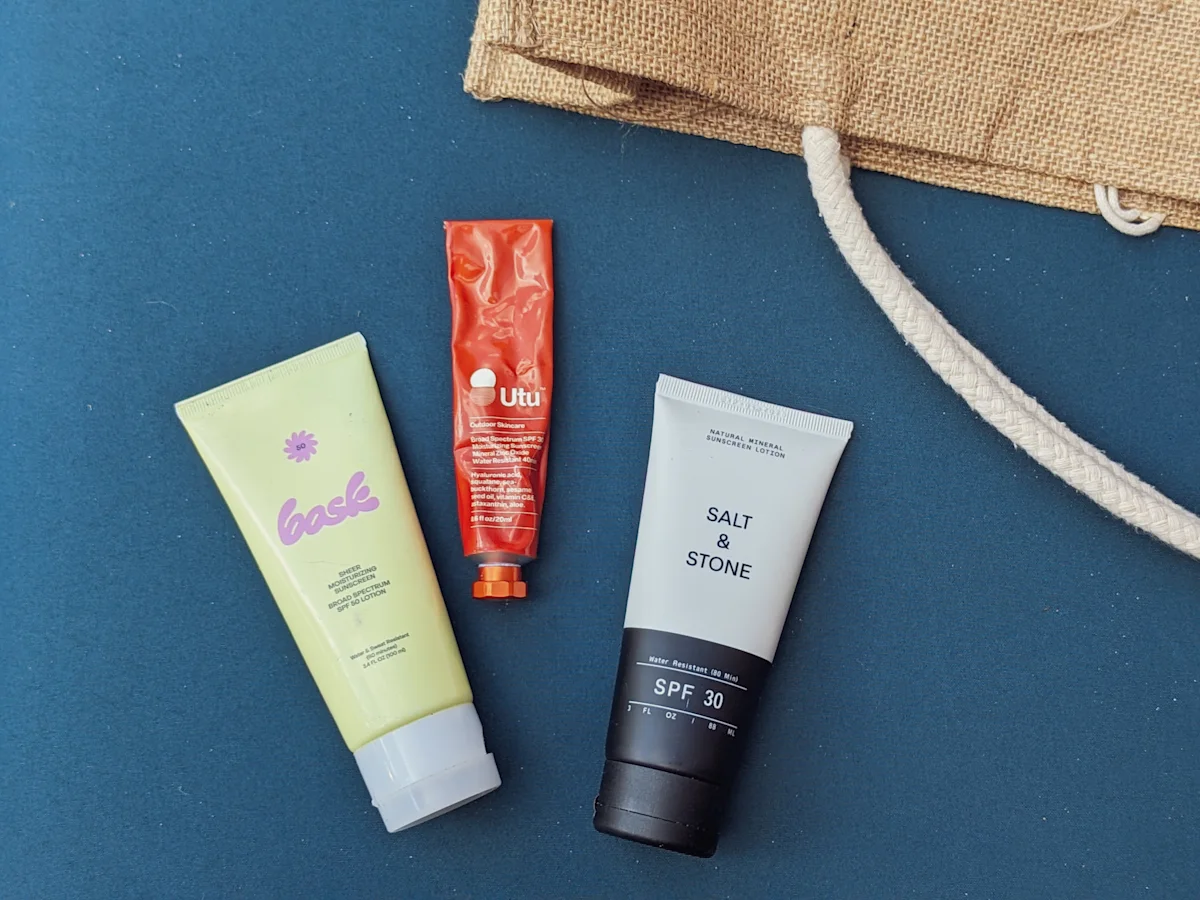
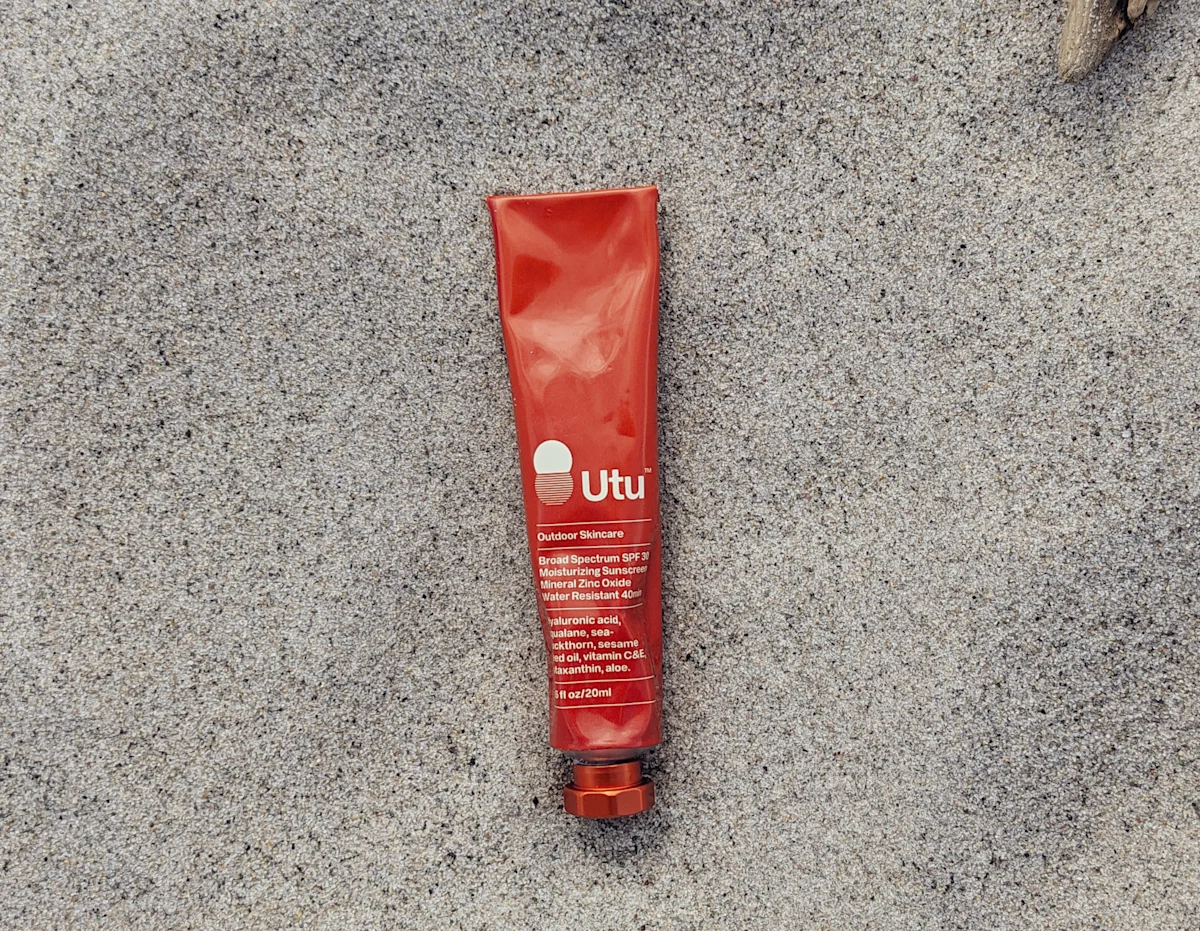
4. Utu Moisturizing Sunscreen SPF 30
Utu is quickly becoming a favorite for those who want luxury skin care and environmental stewardship in one package. Their biodegradable formula is housed in a recyclable aluminum tube to eliminate plastic waste. It is packed with antioxidants that help combat photoaging while providing a physical barrier against UVA and UVB rays.
- Quick Specs: Zinc Oxide 20%, Water Resistance (40 min), Price-Per-Ounce $14.50, SPF 30.
5. Unsun Mineral Tinted SPF 30 (Best for Dark Skin Tones)
One of the most persistent issues with mineral SPF is the "white cast" left on deeper complexions. Unsun creates tinted mineral sunscreens for dark skin tones no white cast, ensuring that mineral protection is inclusive. It blends seamlessly into the skin, providing a glowing finish that looks more like a skin tint than a sunblock.
- Quick Specs: Zinc Oxide & Titanium Dioxide, Water Resistance (80 min), Price-Per-Ounce $16.00, SPF 30.
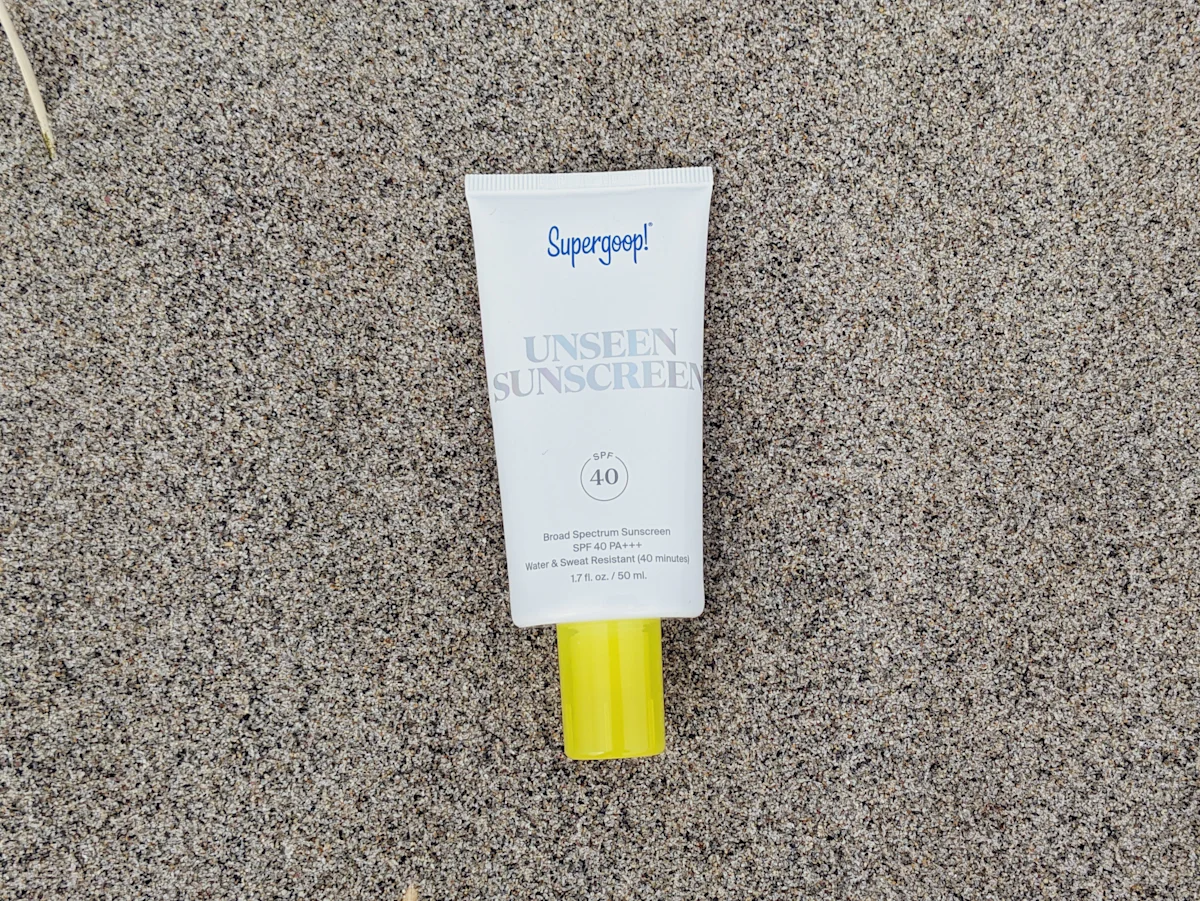
6. Supergoop Mineral Sheerscreen SPF 30
Supergoop has been a leader in bringing better SPF to the masses. Their sheerscreen is non-comedogenic and specifically designed for those prone to breakouts. It is one of the more accessible non toxic sunscreen brands available in major retailers, acting as a great entry point for those transitioning away from chemical filters.
- Quick Specs: Zinc Oxide 17.5%, Water Resistance (No), Price-Per-Ounce $11.30, SPF 30.
7. Zoca Lotion SPF 35 (Best for Beach Enthusiasts)
For those who spend every weekend on the sand, Zoca Lotion offers a botanical-heavy formula that smells like a dream without using synthetic fragrances. It is highly effective against coral bleaching and uses plant-based ingredients to soothe skin exposed to the wind and salt.
- Quick Specs: Zinc Oxide 20%, Water Resistance (80 min), Price-Per-Ounce $8.50, SPF 35.
8. Kinfield Daily SPF 35
Kinfield is built for the "modern explorer." Their formula is designed to be lightweight enough for everyday wear but durable enough for a weekend camping trip. It’s a great versatile option that bridges the gap between a beauty product and a high-performance outdoor essential.
- Quick Specs: Zinc Oxide 20%, Water Resistance (80 min), Price-Per-Ounce $10.00, SPF 35.
9. Raw Elements Face + Body SPF 30
Raw Elements is a brand founded by an ocean lifeguard, so safety and performance are at its core. It is consistently ranked among the top rated reef safe mineral sunscreens 2026 for its high non-nano zinc oxide content and extremely clean ingredient profile that includes only organic fair-trade ingredients.
- Quick Specs: Zinc Oxide 23%, Water Resistance (80 min), Price-Per-Ounce $6.80, SPF 30.
10. Babo Botanicals Sheer Mineral SPF 50
This is an excellent choice for families with young children or those with extremely reactive skin. It is fragrance-free, hypoallergenic, and enriched with organic calendula. It offers a very high level of protection for a clean brand, making it a reliable pick for intense high-altitude mountain environments.
- Quick Specs: Zinc Oxide 24%, Water Resistance (80 min), Price-Per-Ounce $7.50, SPF 50.
The Real Protection Gap: The 1-Ounce Rule
While choosing the right bottle is half the battle, the way we apply it determines our actual level of safety. Most dermatologists agree that the average person only applies about 25% to 50% of the recommended amount of sunscreen. To achieve the SPF rating on the label, you generally need about one ounce (roughly the size of a shot glass) to cover your entire body.
When using mineral formulas, this can feel like a lot of product. Because mineral sunscreens act as a physical barrier, they dont need to sink into the skin to work, but they do need to be spread evenly to avoid gaps in protection. If you find your mineral SPF is too thick, try applying it in thin layers or dabbing it on rather than rubbing it vigorously. This helps reduce the white cast and ensures the non-nano zinc oxide provides an even shield against UVA and UVB rays.
The cost of being "safe" can add up, with high-quality mineral brands often costing more than their chemical counterparts. However, when you factor in the reduction in potential endocrine disruptors and the prevention of photoaging and skin cancer, the investment becomes clear. Switching to best clean sunscreens is not just a trend for 2026; it is an essential step in modern preventative healthcare.
FAQ
What defines a sunscreen as being clean?
A clean sunscreen is generally defined by the absence of toxic chemicals that are harmful to human health or the environment. This means the formula avoids endocrine disruptors such as oxybenzone and octinoxate, as well as parabens, phthalates, and synthetic fragrances. Most clean brands rely exclusively on mineral filters like non-nano zinc oxide or titanium dioxide to provide broad-spectrum protection.
What ingredients should I avoid in traditional sunscreens?
The "toxic trinity" usually refers to oxybenzone, octinoxate, and avobenzone. You should also watch out for homosalate, octisalate, and octocrylene. These chemicals have been found to absorb into the bloodstream and may interfere with hormone function. Additionally, look for synthetic preservatives like phenoxyethanol or methylisothiazolinone, which can cause skin irritation for those with sensitive skin.
Do all clean sunscreens leave a white cast?
While many mineral sunscreens used to leave a white, chalky residue, modern formulations have improved significantly. Many brands now use micronized minerals or tinted versions to blend more easily into diverse skin tones. Formulas using non-nano minerals are generally easier to rub in, though they still require more effort than chemical versions to ensure an invisible finish.
Is mineral sunscreen the same thing as clean sunscreen?
While almost all clean sunscreens are mineral, not all mineral sunscreens are clean. Some mineral formulas may still contain harsh preservatives, silicones, or synthetic fragrances that wouldn't meet the "clean" standard of organizations like the EWG. To ensure a product is truly clean, you need to look at the entire ingredient list, not just the active mineral filters.
How do I know if a sunscreen is reef-safe?
To be truly reef-safe, a sunscreen must exclude oxybenzone and octinoxate, which are the main chemicals linked to coral bleaching. However, "reef-safe" is not a regulated term by the FDA. The best way to be sure is to check for the Protect Land + Sea seal or Ensure the product uses only non-nano zinc oxide or titanium dioxide, as these large particles will not be ingested by coral.
Protect Your Skin and the Ocean
Transitioning to non toxic sunscreen brands is a powerful individual choice that has a collective impact. By choosing best clean sunscreens, you are opting out of a chemical cycle that harms our bodies and our oceans. Whether you are a professional athlete needing high water resistance or someone looking for a daily facial shield, the technology in 2026 has finally bridged the gap between safety and aesthetics. Take a moment to check your current bottle against the EWG ratings, and make the switch to a mineral-based future for your next outdoor adventure.