Quick Facts
- Verdict: Choose traditional designs for maximum patio-like comfort and stability; select packable models for space-saving convenience and hiking.
- Weight Range: Ultralight packable models start at 1.1 lbs, while heavy duty folding camping chairs can exceed 17 lbs.
- Setup Time: Traditional chairs offer a 2-second fold-out, whereas packable chairs require 2-3 minutes for pole and fabric assembly.
- Ground Clearance: Packable chairs often sit low (5-10 inches), while traditional models provide high seat camping chairs for easy exit (16-19 inches).
- Weight Capacity: Standard chairs hold 250-300 lbs, with reinforced heavy-duty models supporting up to 600 lbs.
- Best Use Case: Traditional for car camping and tailgating; packable for festivals, beach days, and small-vehicle travel.
Choosing between traditional and packable camping chairs often comes down to the fundamental camping chair portability vs comfort tradeoff. Traditional camping chairs prioritize comfort and ease of use, featuring higher seats and simple fold-out frames that offer better stability and are easier to exit for users with limited mobility. Conversely, packable camping chairs are designed for maximum portability, using lightweight materials like aluminum and ripstop nylon to reduce bulk, making them the superior choice when storage space in a vehicle is limited or when carrying gear over long distances.
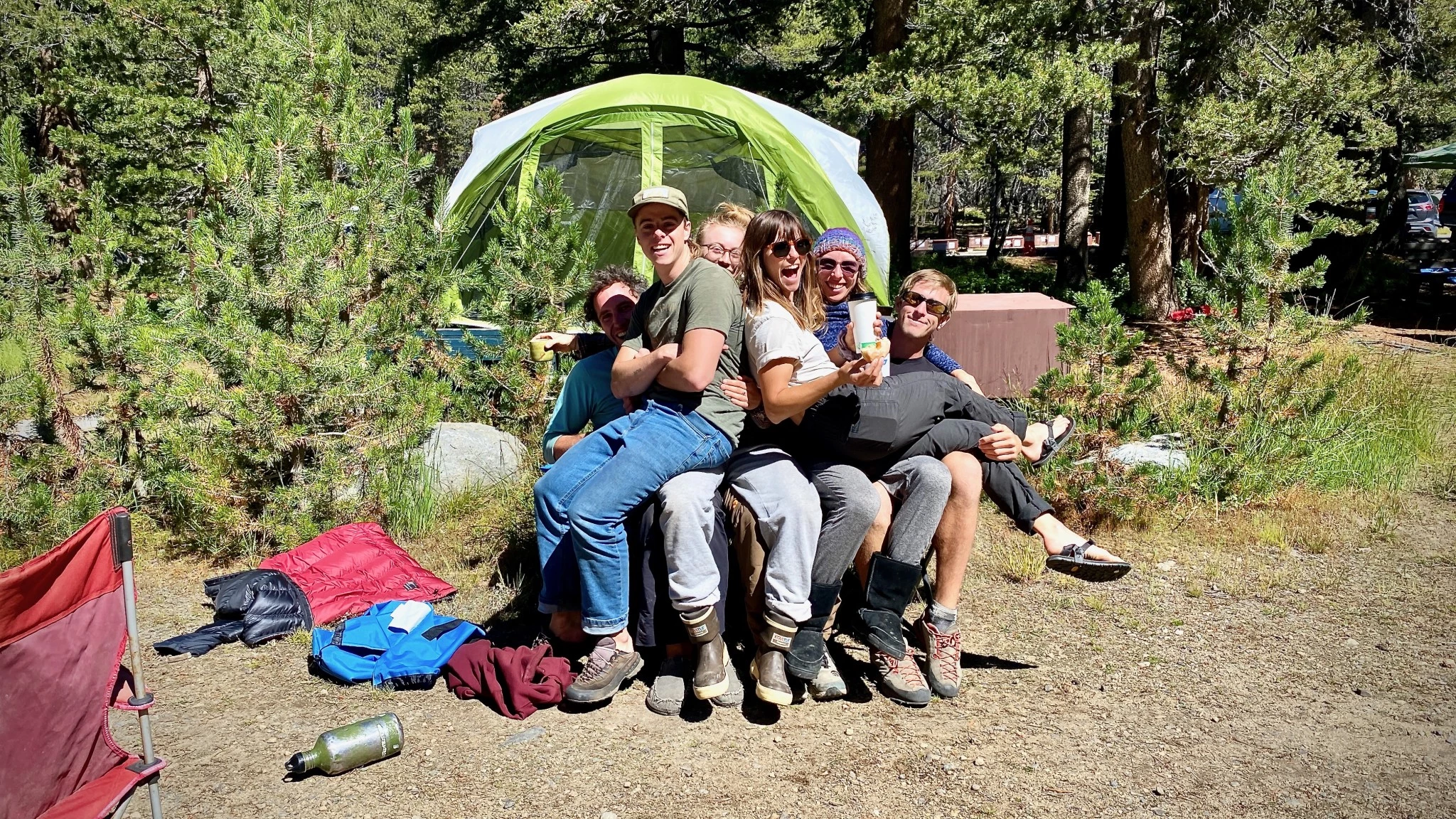
Foundational Design: Portability vs. Comfort
When we look at the evolution of outdoor gear, the shift in how we sit identifies a broader trend in the adventure market. According to recent industry data, the global folding camping chair market was valued at $2.8 billion in 2025 and is projected to reach $4.6 billion by 2034. This growth, moving at a compound annual growth rate of 5.7%, is largely fueled by the diversification of chair designs—specifically the rise of the ultra-portable segment.
The design philosophy behind traditional vs packable camping chairs represents two different engineering solutions. Traditional chairs generally utilize a scissor-fold or "quad-fold" mechanism. The frame is a single, interconnected unit made of powder-coated steel or heavy-duty aluminum. When you pull the corners apart, the fabric tension maintains the shape. These are essentially living room chairs adapted for the mud.
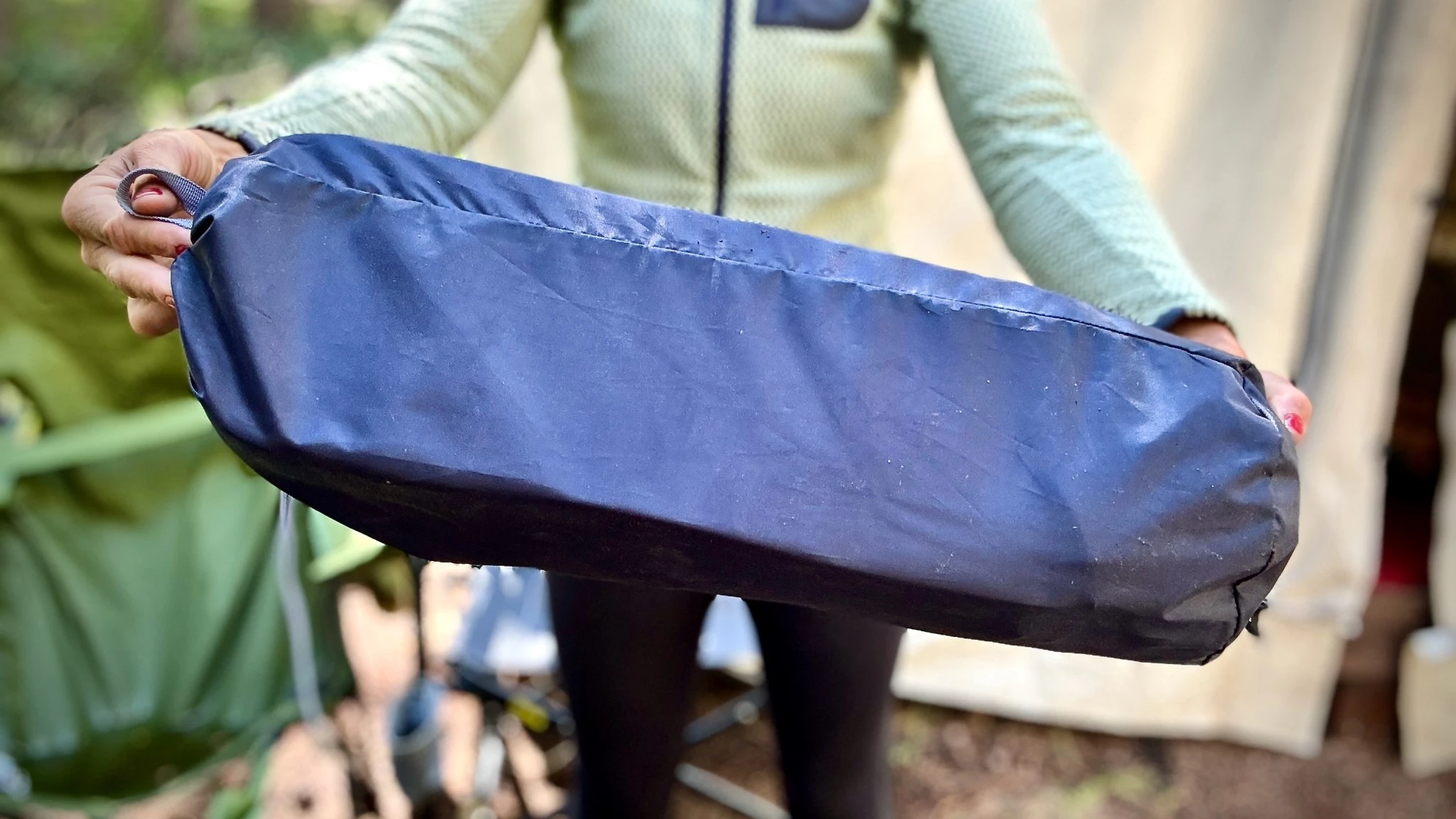
Packable chairs, on the other hand, borrow technology from the tent industry. They use shock-corded poles that "snap" into a central hub. The seat is typically a separate piece of ripstop nylon or high-denier fabric with reinforced pockets that slip over the frame ends. This modular approach allows the chair to break down into a package no larger than a thick baguette, radically altering your storage dimensions and allowing for space saving packable camping chairs for small cars where every cubic inch matters.
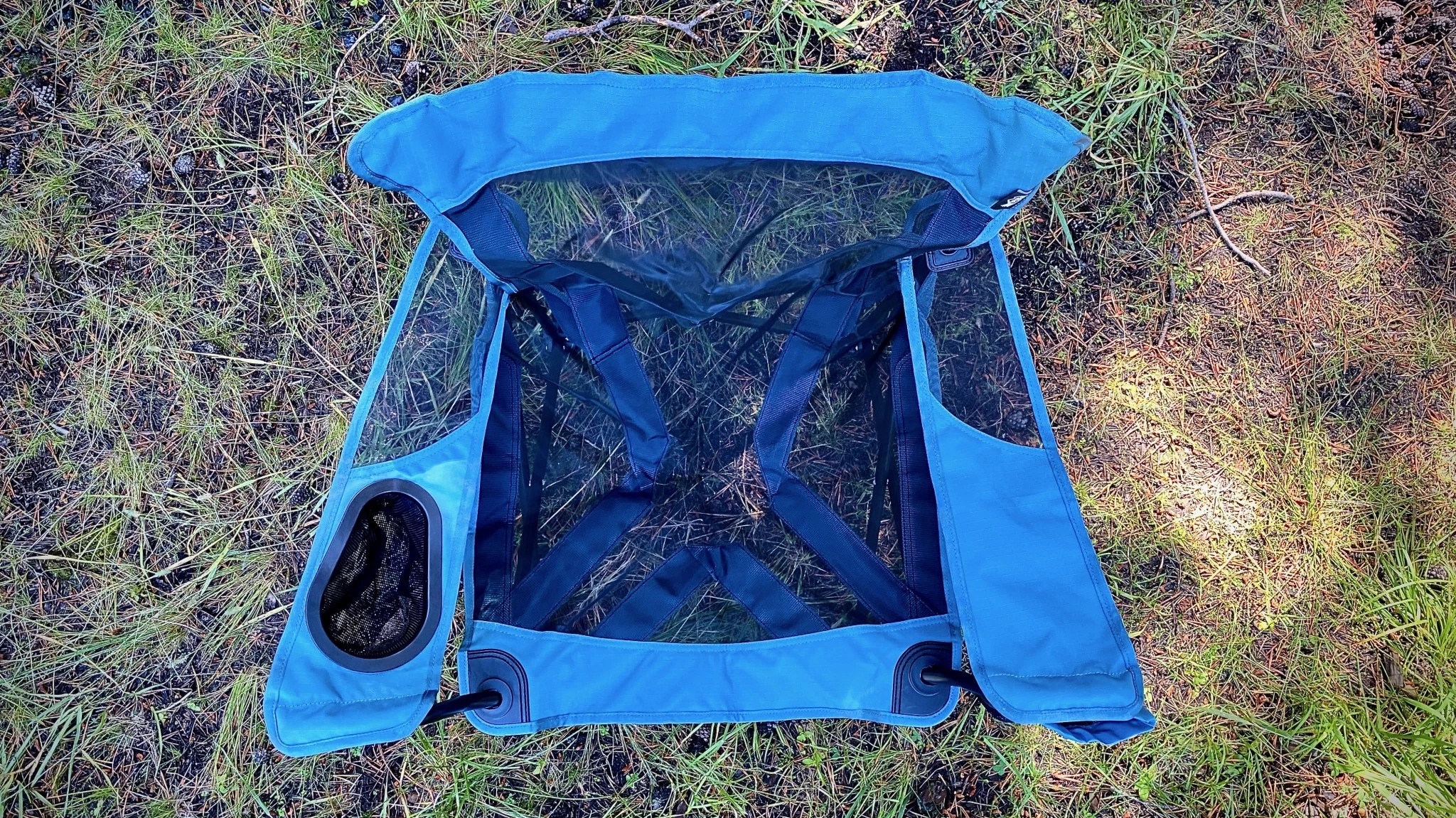
The camping chair portability vs comfort comparison is most evident in the lumbar support and ergonomics. Traditional models often include padded armrests, integrated headrests, and a vertical backrest that supports a natural sitting posture. Packable models frequently adopt a "bucket" style seat. While cradling the body comfortably, this design can sometimes lack the rigid lumbar support required for long evenings around the campfire, especially for those prone to back fatigue.
Traditional Camping Chairs: The Gold Standard for Comfort
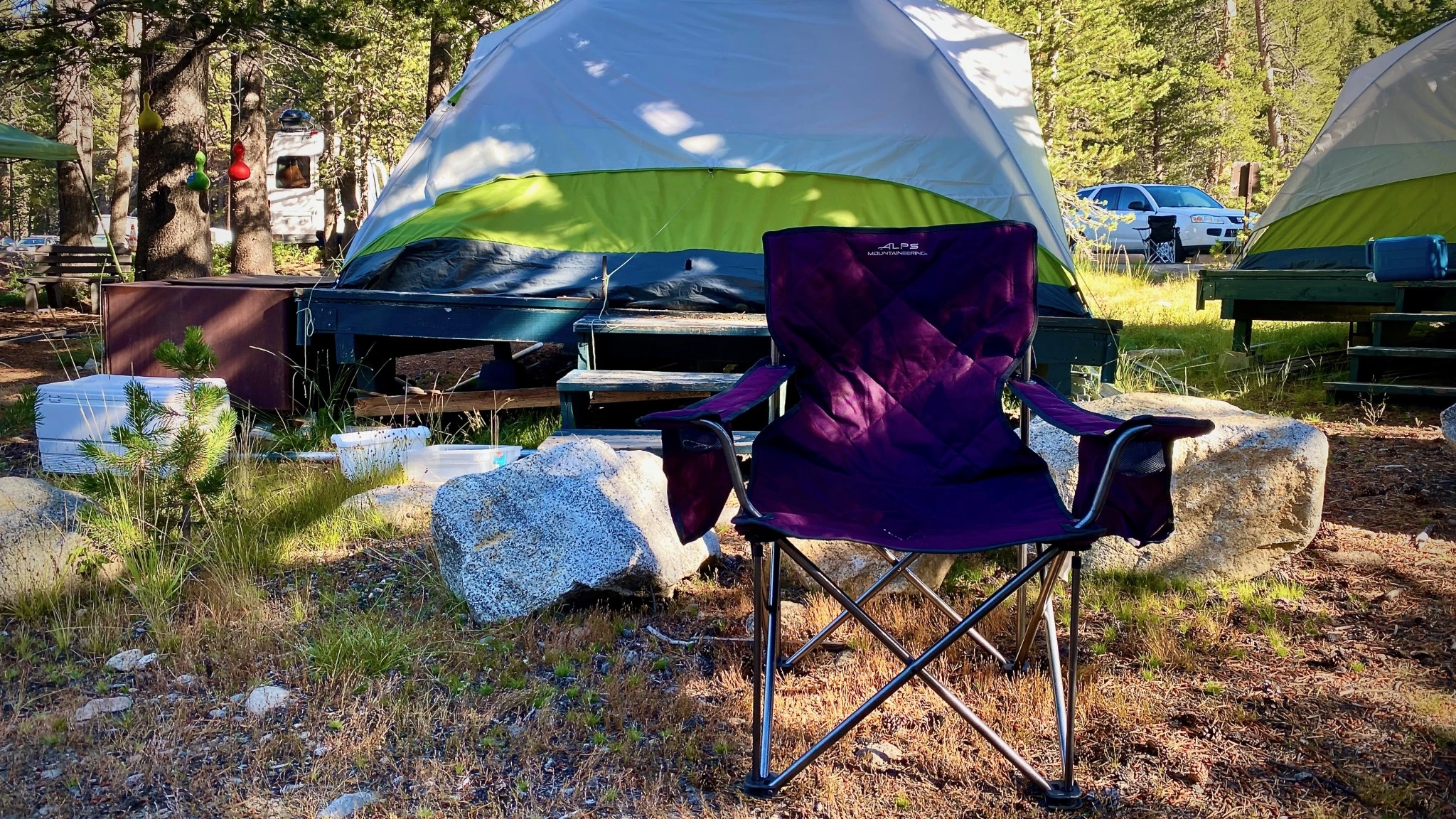
For many, the camping experience is synonymous with relaxation, and nothing facilitates that better than the heavy duty folding camping chairs that have dominated the market for decades. These chairs are built for durability and ease. Because they use a fixed frame, manufacturers can incorporate features that packable models simply cannot support.
One of the most significant advantages is the ground clearance. Traditional models usually offer a seat height of 17 to 19 inches, which mimics a standard dining chair. These high seat camping chairs for easy exit are essential for seniors, individuals with knee issues, or anyone who finds it difficult to squat low to the ground. The presence of solid, wide-set feet provides superior stability on uneven grass or gravel, preventing the "sinking" feeling often associated with narrower legs.
In terms of features, traditional chairs are the ultimate "basecamp" stations. You will frequently find:
- Integrated soft-cooler bags built into the armrests.
- Side tables that flip up for snacks or tablets.
- Heavy-duty weight capacity limits, with many models supporting between 250 and 300 pounds.
- Specialized reinforced frames designed to hold between 400 and 600 pounds for oversized users.
The fabric used is typically a heavy denier fabric, often 600D polyester or higher, which provides a stiffer, more supportive surface that doesn’t sag over time. While they are significantly heavier—often exceeding ten pounds—they are ideal for car camping, backyard gatherings, or any scenario where the car is parked within fifty feet of the fire pit. Choosing between traditional and packable camping chairs in this context is easy: if you don’t have to carry it far, go for the comfort of the traditional fold-out.

(Note: Manual correction of image link based on provided data for Traditional Chairs Section)
Packable Camping Chairs: Innovation in Your Trunk
If the traditional chair is a sofa, the packable chair is a high-tech hammock on legs. These lightweight collapsible camping chairs have revolutionized how we think about outdoor seating. By utilizing 7000-series aluminum—the same material used in high-end tent poles—manufacturers have created seats that can weigh as little as 1.1 pounds.
The appeal of the packable design lies in its extreme versatility. When we discuss the best compact camping chairs for beach outings or music festivals, the packable chair wins by a landslide. Their compact folded size means you can fit four or five of them in the footwell of a small car, leaving the trunk free for coolers and sleeping bags. This makes them the definitive space saving packable camping chairs for small cars.
However, there are trade-offs to consider:
- Assembly Time: Unlike the "unfold and sit" nature of traditional models, these require you to connect the shock-corded poles and pull the fabric over the frame. While it only takes about 60 to 90 seconds once you’re practiced, it is an extra step in the rain or dark.
- Seat Height: Most packable chairs sit much lower to the ground. This "beach chair" height is great for sand but can be difficult for people with limited mobility to stand up from.
- Tippiness: Because the base is often narrower to save weight, packable chairs can be less stable on soft or uneven ground.
Despite these factors, the engineering is impressive. High-quality models use ripstop nylon with breathable mesh panels, ensuring you stay cool during summer outings. While they are lighter, don't mistake them for fragile. Many portable packable chairs designed for high mobility generally weigh between 2 and 4 pounds but can still safely hold a 250-pound adult thanks to the high tensile strength of the aluminum hubs.
Performance Testing: Stability, Terrain, and Durability
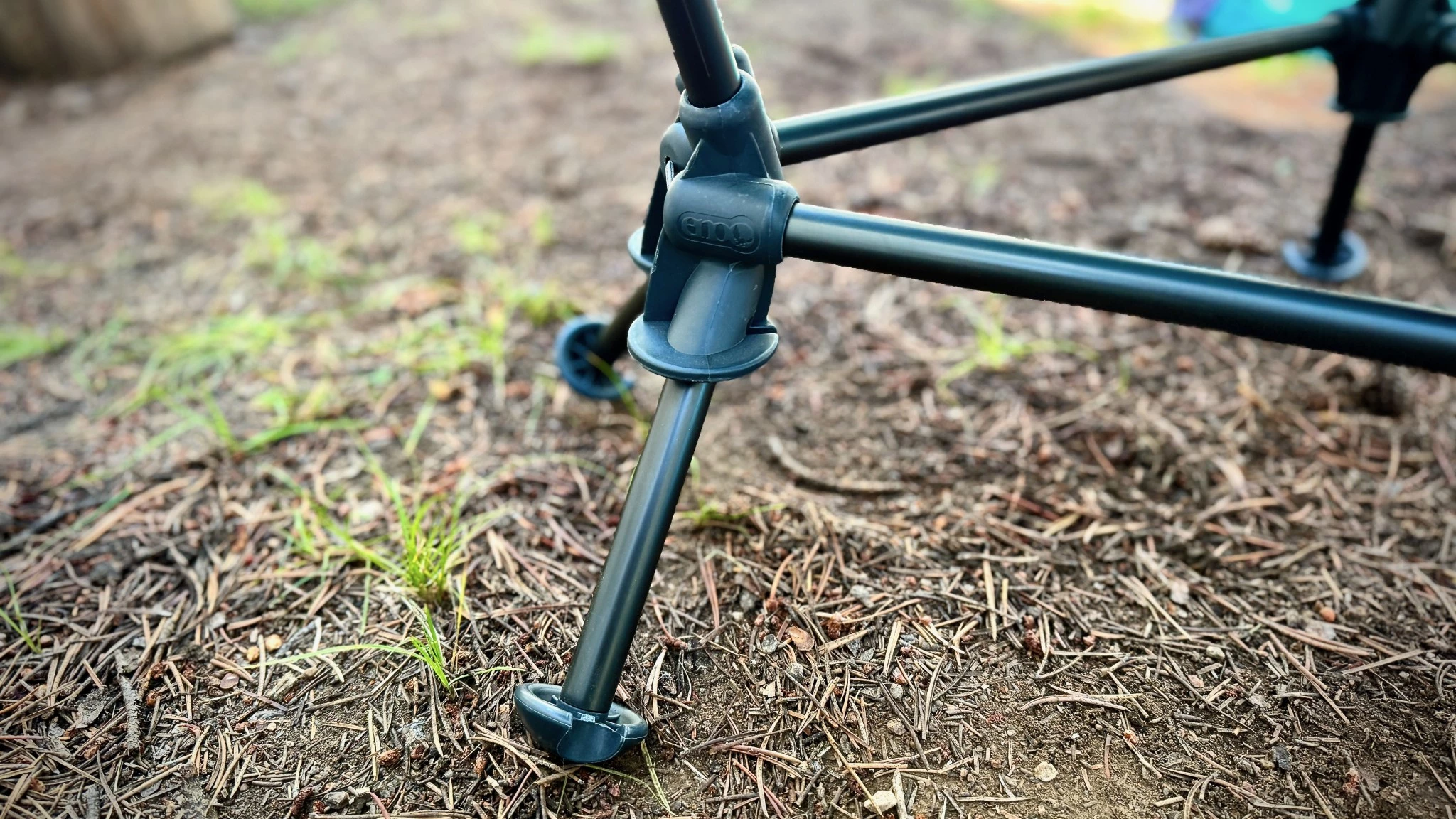
In our "durability forensics" testing, we looked beyond the marketing specs to see how these chairs actually hold up over a season of use. We found that the primary point of failure for lightweight collapsible camping chairs is often the plastic hub where the shock-corded poles meet. High-end brands use nylon-reinforced hubs, which resist cracking under extreme temperatures or heavy loads better than cheaper alternatives.
The fabric also tells a story. We’ve noticed that lower denier fabric in cheap packable chairs tends to stretch or "sag" after just a few weekend trips, which ruins the ergonomics and can cause the frame to poke into your thighs. A quality chair should use at least a 400D material with reinforced stitching at the pole pockets.
When comparing a quick setup traditional vs collapsible camping chairs, stability on different terrains is a major differentiator. Traditional chairs with their large, pivoting feet excel on soft mud or wood decks. Packable chairs often have small, "nub" feet that can sink into soft soil. However, the market has responded with "ground sheets" or ball-shaped feet accessories that solve this problem.
In terms of environmental resistance, traditional chairs with powder-coated steel frames are prone to rust if left in the rain or used near saltwater. Aluminum-framed packable chairs are inherently more corrosion-resistant, making them a better long-term investment for coastal campers and beachgoers.
FAQ
Are packable camping chairs as comfortable as traditional ones?
Comfort is subjective, but packable chairs typically offer a more reclined, "cradle" feel compared to the upright, supportive nature of traditional chairs. While packable models are excellent for lounging, they often lack the lumbar support and armrest padding found in standard folding designs. If you have back pain, a traditional chair with a firmer backrest is usually the better choice.
What are the advantages of using a traditional camping chair?
The main advantages include instant setup, higher weight capacity, and superior ergonomics. They sit higher off the ground, making them easier to get into and out of, and they often come with built-in amenities like cup holders, side tables, and coolers. They are also generally more stable on uneven or soft ground due to their wider leg footprint.
How much weight can a packable camping chair hold?
Most high-quality packable camping chairs have a weight capacity between 250 and 300 pounds. However, because they are lighter and have a higher center of gravity, users near the weight limit should be careful when leaning or shifting their weight to avoid tipping the chair.
Are lightweight camping chairs worth it?
Yes, if your activities involve walking any significant distance from your vehicle. For festivals, hiking, or trips to a crowded beach, the ability to store a chair in a backpack or carry it with a shoulder strap far outweighs the minor inconvenience of assembly. They are also ideal for those living in apartments with limited storage space.
How do I choose between a compact or standard camping chair?
Evaluate your primary use case. If you are car camping with a large SUV and prioritize long hours of comfort by the fire, choose a standard traditional chair. If you have a small car, attend frequent outdoor events where you must carry your gear, or need to save space in your garage, a compact packable chair is the superior investment.
Choosing Your Seat: Final Verdict
As we look toward 2026, the distinction between traditional vs packable camping chairs is becoming more nuanced. We are seeing specialty chairs that attempt to bridge the gap—rocking packable chairs and heavy duty folding camping chairs that fold down smaller than ever before.
For the "Basecamper" who views the campsite as a temporary home, the traditional chair remains the undisputed king. You cannot beat the stability and the high seat camping chairs for easy exit when you’re relaxing after a long day of hiking. The extra few pounds of weight are a small price to pay for a chair that feels like a piece of furniture.
For the "Mobile Explorer," the festival goer, and the small-car owner, the packable chair is a game-changer. The innovation in shock-corded poles and ripstop nylon has made it possible to have a comfortable seat literally anywhere. When space saving packable camping chairs for small cars are the priority, the packable model is the only logical choice.
Ultimately, your choice should reflect your most frequent adventure style. Many seasoned campers now own both: a pair of plush traditional chairs for local weekend trips and a set of ultralight packables for beach days and long-distance travels. Whatever you choose, ensure the weight capacity and ergonomics match your physical needs to guarantee a comfortable season under the stars.