Quick Facts
- The Tech: FullRange technology utilizes continuous filament synthetic fibers that are highly stable.
- The Metric: High air permeability in outerwear is measured in CFM, typically ranging between 20 and 40 for active pieces.
- Best For: High-output movement in cold weather such as backcountry ski touring or alpine climbing.
- Key Benefit: Provides effective moisture management using active insulation midlayers without losing core warmth.
- Sustainability: Incorporation of NetPlus recycled fishing nets to reduce environmental impact.
- Market Context: The active insulation category saw its significant market introduction in 2014 with the Patagonia Nano-Air.
Active insulation is a category of technical outerwear designed to regulate body temperature during high-exertion activities in cold weather. Unlike traditional insulation that traps all heat and moisture, active insulation utilizes air-permeable fabrics and migration-resistant synthetic fibers. This combination allows moisture vapor to escape and air to circulate, effectively preventing the overheating and sweat accumulation common during intense physical movement.
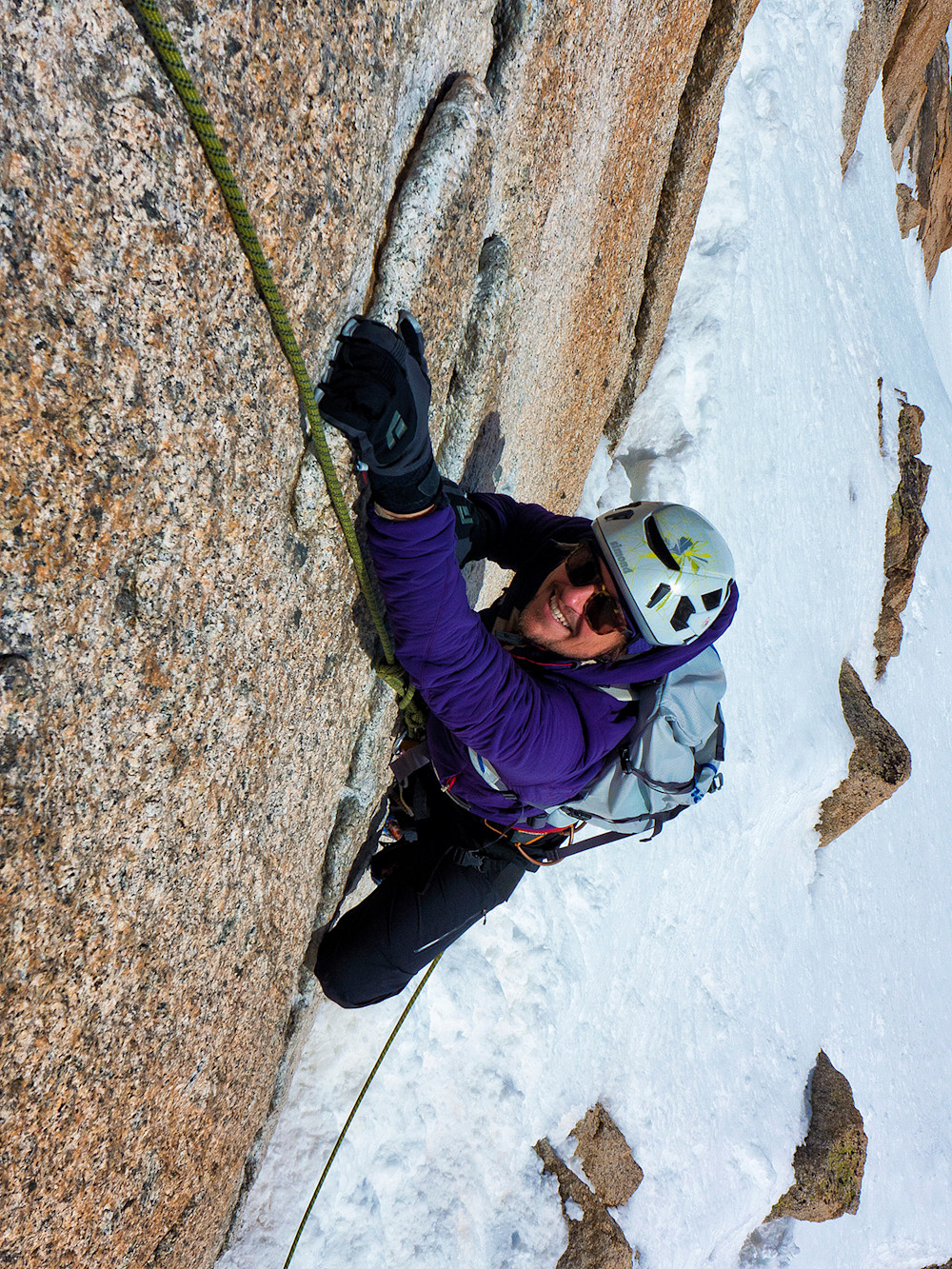
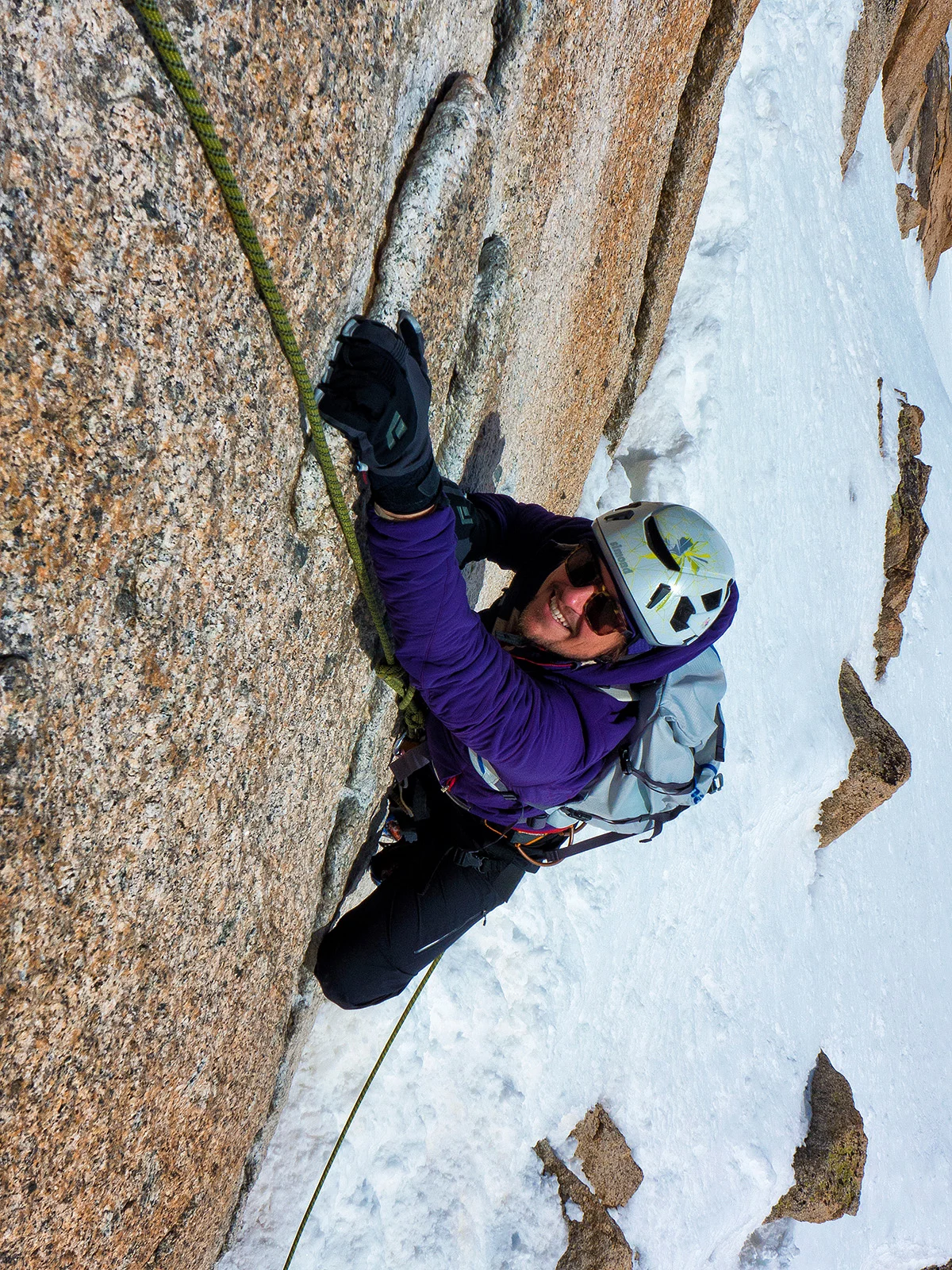
For decades, the outdoor industry followed a rigid three-layer logic: a wicking base layer, a puffball of static warmth, and a waterproof shell. This technical layering system worked perfectly as long as you were standing still. The moment you started skinning up a steep ridge or swinging ice tools, you hit the "sweat-out" wall. Traditional breathable midlayer jackets usually relied on down or staple synthetic fibers that required high-density, "down-proof" liners to keep the stuffing from leaking out. These dense fabrics acted like plastic bags, trapping heat until you were forced to strip down, only to freeze when the wind hit your damp base layer.
Everything changed when Patagonia introduced the Nano-Air. By rethinking synthetic insulation performance, they shifted the focus from absolute heat retention to dynamic thermal regulation. Today, understanding the best active insulation jackets for high output winter sports requires a deep dive into how these garments balance the microclimate control of a fleece with the protection of a jacket.
Why It Works: The Stability Factor & The "Grilled Cheese" Analogy
To understand how migration resistant synthetic insulation improves breathability, we have to look at the fiber structure. Most synthetic insulation uses "staple fibers"—short, chopped pieces of polyester that look like cotton candy. Because these fibers are loose, they constantly try to poke through the weave of the jacket. Consequently, manufacturers must use tightly woven fabrics with almost zero air permeability in outerwear to keep the insulation inside.
Patagonia’s FullRange technology solves this by using continuous filament fiber. Imagine a single, miles-long strand of yarn coiled repeatedly within the jacket. Because the insulation is one interconnected structure, it is physically incapable of "migrating" through the fabric.
Think of it like a grilled cheese sandwich. In a traditional jacket, the insulation is like loose shredded cheese; if your bread has big holes in it, the cheese falls out. Therefore, you need dense, solid bread. With active insulation, the continuous filament fiber acts like a single, melted slice of cheese that stays put. This stability allows designers to use "bread" (face fabrics and liners) that are porous and loosely woven.
This architectural shift enables 4-way mechanical stretch and massive air permeability. When you move, the fabric expands and contracts like a set of bellows, physically pumping moist air out of the jacket. This is the secret to how migration resistant synthetic insulation improves breathability while maintaining a soft, supple hand-feel that rivals your favorite hooded sweatshirt.
Cracking the Code: CFM, CLO, and the Breathability Sweet Spot
When evaluating the technical performance of these garments, we look at two primary metrics: CLO (thermal efficiency) and CFM (Cubic feet per minute).
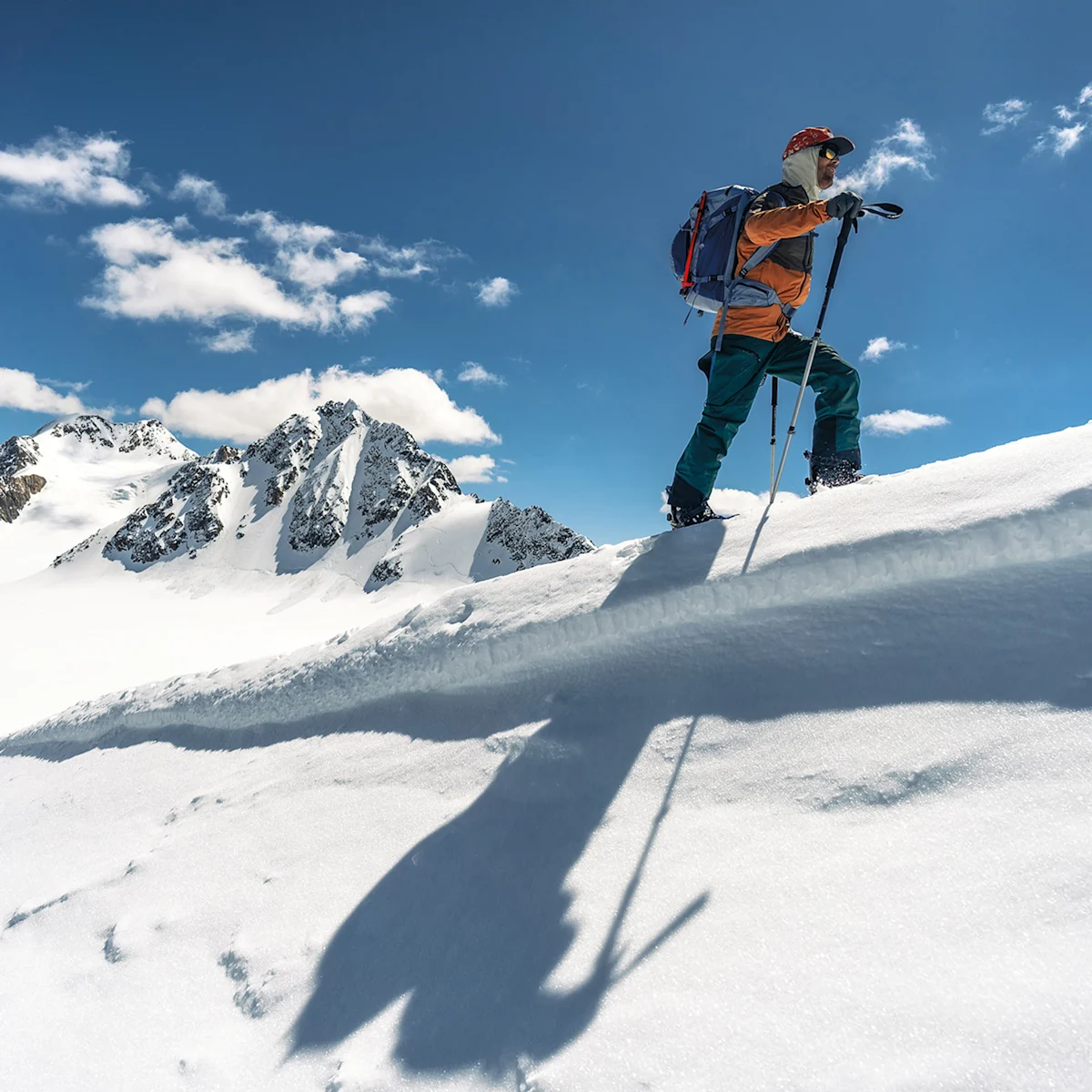
Cubic feet per minute measures the amount of air that can pass through a square foot of fabric in one minute. A standard hardshell might have a CFM of 0.1 (nearly windproof), while a traditional windshirt might sit around 3 to 5. True active insulation usually lands in the 20 to 40 CFM range. This is the sweet spot. If the number is too low, you overheat. If it is too high—say, 60 or above—the wind cuts through the jacket so easily that you lose your warmth-to-weight ratio as soon as the breeze picks up.
The balance of moisture vapor transmission and thermal regulation is what separates the elite gear from the average. We often use the "Candle Test" as a quick DIY measure: if you can blow out a candle through the sleeve of your jacket, it has enough air permeability to handle a high-metabolic climb.
Field Notes: During our testing in the Chugach Range, we found that a jacket with 40 CFM was the maximum limit for alpine climbing. Anything more required a wind shell over the top, which somewhat defeated the purpose of a "set-it-and-forget-it" layer.
The Patagonia Arsenal: Nano-Air vs. R1 vs. Micro Puff
Choosing between these pieces depends on your metabolic rate and the ambient temperature. There is a significant difference between active insulation and static down jackets, and even within Patagonia's own lineup, the use cases vary wildly.
| Model | Insulation Type | CFM (Approx.) | Weight | Best Use |
|---|---|---|---|---|
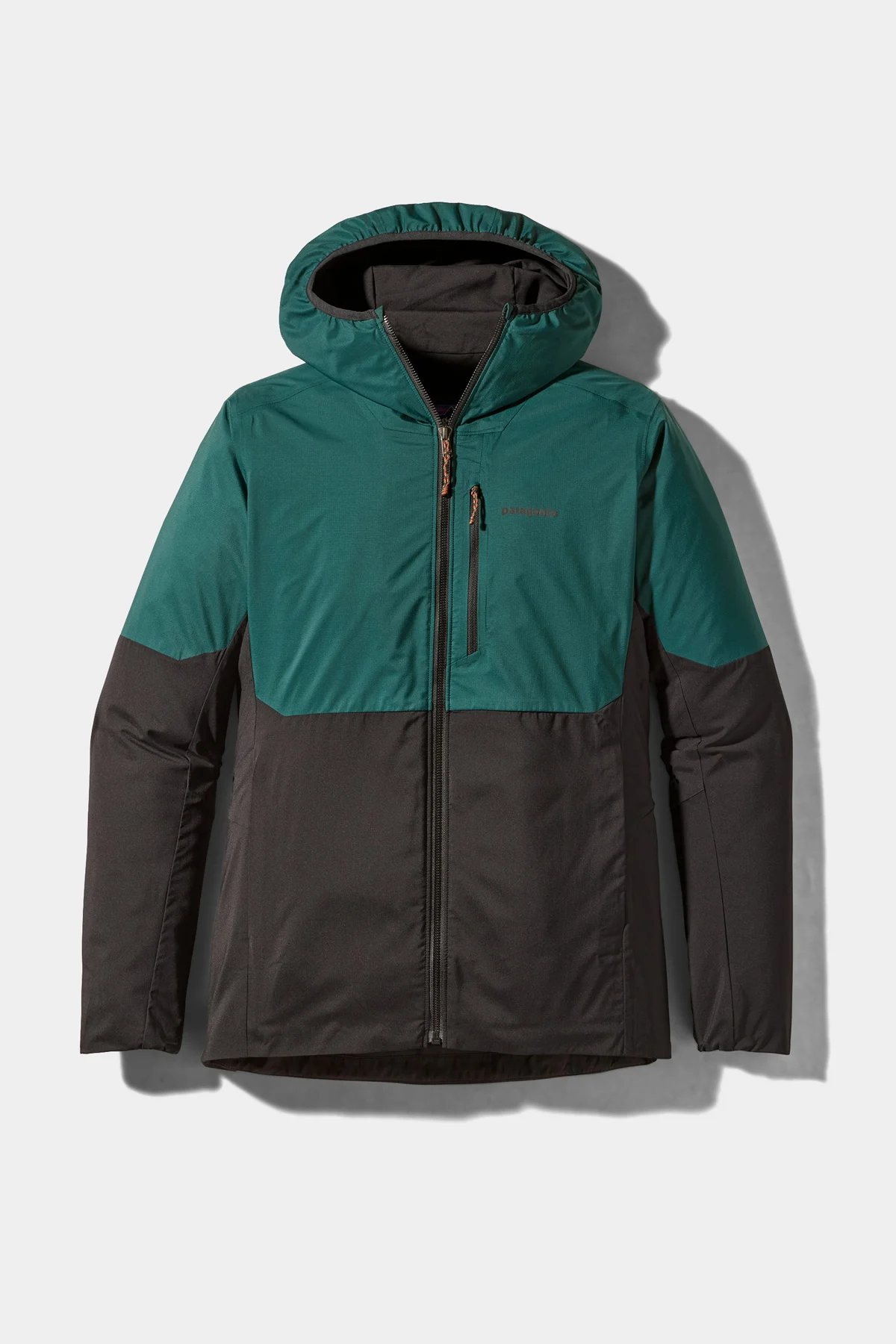
| Nano-Air Hoody | 60g FullRange | 40 | 14.1 oz | Stop-and-go alpine missions |
| Nano-Air Light Hybrid | 40g FullRange / R1 Air | 50+ | 10.5 oz | High-output ski touring |
| R1 Air Full-Zip | Zig-zag recycled fleece | 40 | 13.0 oz | Technical midlayer / Sweat management |
| Micro Puff | PlumaFill (Synthetic Down) | <3 | 10.5 oz | Static warmth / Belay jacket |
The Patagonia Nano-Air Light Hybrid is particularly interesting for those pushing the limits of physical exertion. It features 40g of lightweight synthetic fill at the front of the garment where you need wind protection, while the back and underarms use a waffle-structured fleece for maximum heat dumping.
Meanwhile, the Patagonia R1 Air Full-Zip Hoody has become a cult favorite for its versatility. In fact, it earned a 9.1/10 rating from GearJunkie, who named it the best skiing midlayer of 2026. While it leans more toward a fleece than a traditional jacket, its moisture vapor transmission is unrivaled for aerobic trail running or steep skin tracks.
Field Performance: Choosing Your Layer by Output
To get the most out of your gear, you must match the air permeability cfm in technical outerwear to your activity level. Active pieces are designed to be worn from the trailhead to the summit.
When you are backcountry ski touring, your body produces a massive amount of heat on the ascent. A traditional down jacket would be soaked in sweat within twenty minutes. By choosing breathable midlayers for high exertion winter activities, you allow that sweat to move from your base layer, through the insulation, and out into the environment.
One of the most impressive traits of FullRange technology is how it handles the "stop" phase of mountain sports. When you reach the top of a climb and wait for your partner, the loft of the insulation continues to provide warmth. Because the fabric isn't "wet" from trapped sweat, you don't experience the evaporative cooling chill that usually follows high-output movement.
For those engaging in deep winter activities, a technical layering system might involve an R1 Air as a heavy base layer, a Nano-Air as the primary active insulation, and a Micro Puff or down parka kept in the pack for long transitions or emergencies. This modularity ensures you stay within the "Goldilocks" zone of temperature—not too hot during the push, and not too cold during the transition.
FAQ
What is active insulation and how does it work?
Active insulation is a combination of high-CFM (breathable) fabrics and stable synthetic fibers that do not migrate. It works by allowing air to circulate through the garment, which carries away excess body heat and sweat vapor during physical activity while still providing a layer of warmth when you slow down.
What is the difference between active and passive insulation?
Passive insulation, like traditional down or standard Primaloft, is designed to trap as much air as possible to keep you warm while standing still. It usually requires windproof, non-breathable shells. Active insulation is designed to move air, prioritizing breathability and temperature regulation over maximum heat retention.
Is active insulation better than down for high-intensity activities?
Yes. Down is an amazing insulator for static warmth, but it loses its loft when it gets wet from sweat and offers very little breathability. Active insulation is specifically engineered for high-intensity movement because it manages moisture effectively and continues to insulate even if it becomes damp.
How breathable is active insulation?
The breathability is measured in CFM. Most high-performance active jackets have a CFM between 20 and 50. For comparison, a standard hardshell is often less than 1 CFM. This high level of air permeability is what allows the wearer to stay comfortable during aerobic exertion.
What is the best temperature range for wearing active insulation?
Active insulation is most effective in temperatures ranging from -10°C to 10°C (14°F to 50°F), depending on your activity level. In very cold conditions, it serves as a brilliant midlayer under a shell, while in moderate cold, it works perfectly as a standalone outer layer for high-output sports.