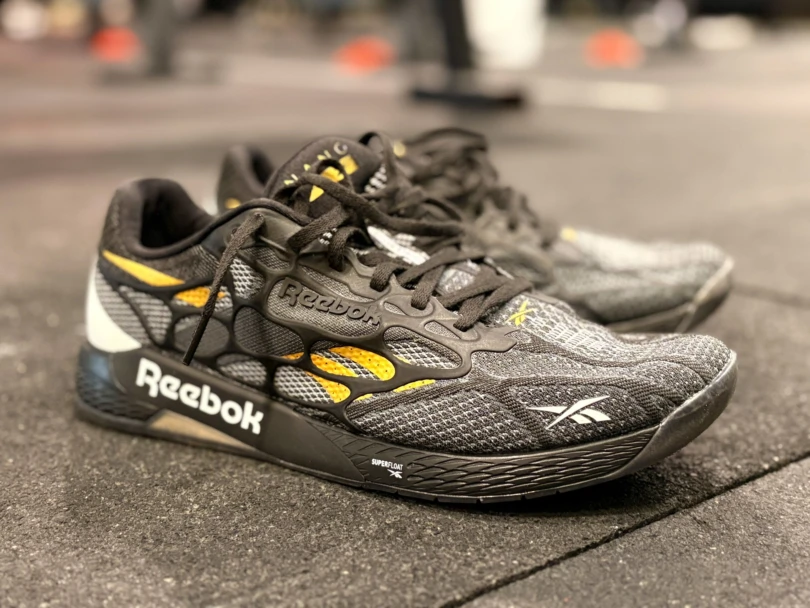
Our Top Picks
Best for: Competitive CrossFitters and Hyrox athletes looking for every possible performance edge. Key Tech: Integrated Graphlite carbon-fiber plate, SuperFloat Foam, and a stable 3mm heel-to-toe drop. Verdict: A highly specialized "super trainer" that justifies its premium price for those chasing marginal gains in speed and explosive power.
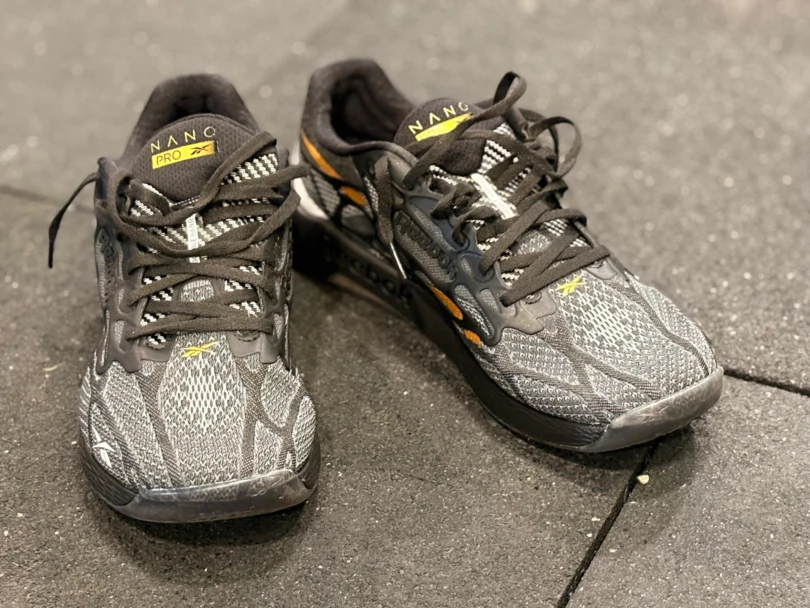
The Reebok Nano Pro distinguishes itself from the Nano X5 through its integrated Graphlite carbon-fiber plate and a lower 3mm heel-to-toe drop. It represents a significant technological leap in functional fitness footwear, offering a 15% reduction in total weight compared to standard models. While the $225 price tag is steep, the energy return and stability features make it a top-tier choice for elite athletes where every second counts. This Reebok Nano Pro Review examines whether this carbon-fiber investment truly translates to better performance on the gym floor.
The Technical Leap: Nano Pro vs. Nano X5
When you first unbox the Nano Pro, the structural differences from the standard X5 are immediate. While the Nano series has long been the workhorse of the functional fitness world, the Pro model is Reebok’s entry into the "super trainer" category. The most significant change is the integrated Graphlite carbon-fiber plate embedded within the midsole. This plate provides a level of responsiveness and torsional rigidity that standard foam-only midsoles simply cannot match.
In terms of geometry, Reebok has shifted the setup. While the standard Nano X5 utilizes a 7mm drop that caters to a wider range of athletes, the Nano Pro drops down to a 3mm heel-to-toe drop. This puts your foot in a more neutral, flat position, which is traditionally favored by high-level athletes for better ground feel and stability during heavy lifts.
| Feature | Reebok Nano Pro | Reebok Nano X5 |
|---|---|---|
| Midsole Tech | Graphlite Carbon-Fiber Plate | Standard Floatride Energy |
| Heel-to-Toe Drop | 3mm | 7mm |
| Weight | ~10 oz (Approx. 285g) | ~12 oz (Approx. 340g) |
| Launch Price | $225 USD | $140-$150 USD |
| Best For | Competitive Performance | Everyday Training |
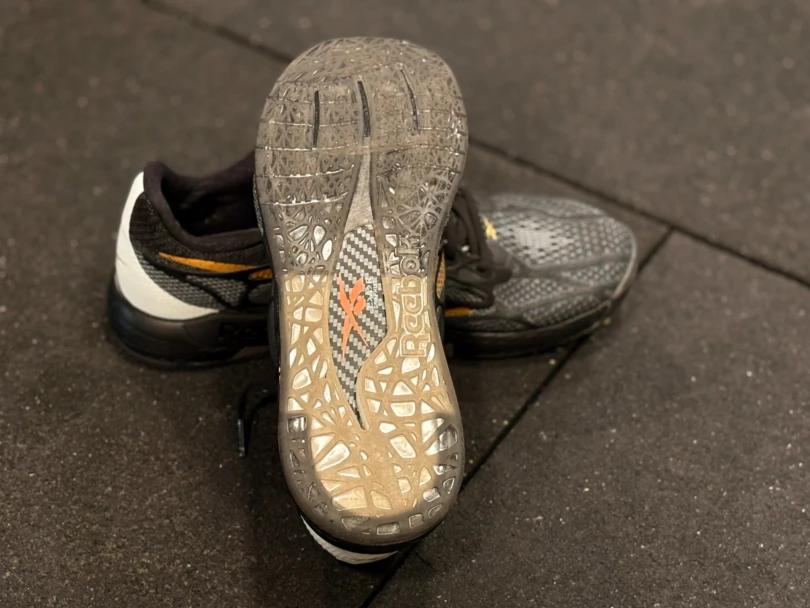
The weight reduction is perhaps the most impressive feat of engineering here. The Nano Pro is 50 grams lighter than the Nano X5, which represents a roughly 15% reduction in total weight. When you are performing high-volume movements like burpees or box jump overs, that weight difference becomes palpable over a 20-minute workout.
Lifting Performance: Stability and Ground Feel
For many, the transition to carbon fiber plate training shoes raises concerns about stability. In running shoes, carbon plates often create a "bouncy" or unstable sensation. However, the Graphlite technology in the Nano Pro is tuned for lateral stability and heavy loading. During Olympic movements like Snatches and Clean & Jerks, the plate works in tandem with the SuperFloat Foam to provide a base that feels both firm and propulsive.
The 3mm drop is the star of the show during heavy squats. It allows for a more connected feel to the platform, ensuring your weight stays distributed across the midfoot and heel. We found that the torsional rigidity—measured at approximately 14.8 Nm—prevents the shoe from twisting under heavy loads, which is a common issue with lighter, foam-heavy trainers.
The stability of Reebok Nano Pro for heavy Olympic lifting is comparable to some dedicated lifters, though it lacks the high heel elevation. If you are an athlete who prefers a more natural foot position rather than the aggressive pitch of a 20mm lifter, the Pro offers a perfect middle ground. The benefits of carbon fiber plate in functional fitness shoes become most apparent when you transition quickly from a heavy lift to an explosive movement, as the plate helps "snap" the foot back into position.
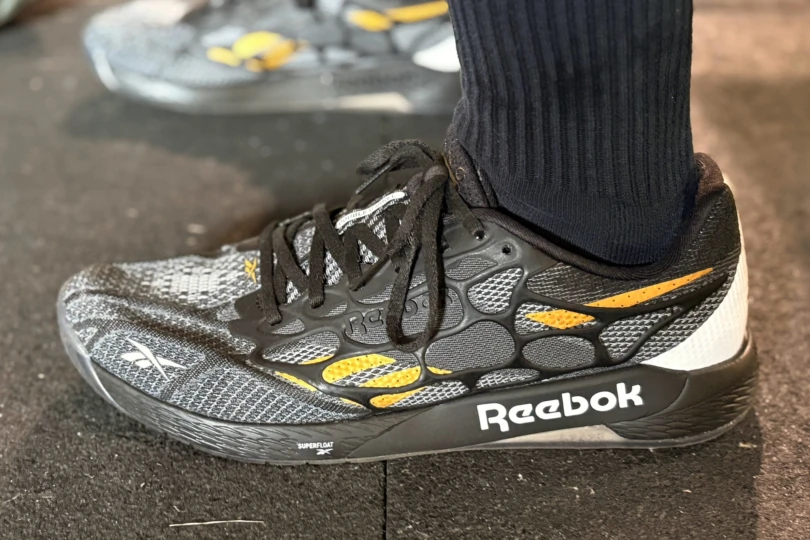
Explosive Power: Plyometrics and Hyrox Demands
This is where the $225 investment starts to make sense for elite competitors. The energy return dynamics of the Graphlite plate provide a noticeable "pop" during plyometric movements. In our testing, movements like box jumps and double-unders felt significantly less fatiguing on the calves. The propulsion and rebound effect offered by the carbon plate allows for faster cycle times, which is critical in a competitive environment.
For those focusing on Reebok Nano Pro performance for Hyrox training, the shoe excels in the power-based stations. Whether you are pushing a sled or performing wall balls, the rebound from the midsole helps maintain a consistent rhythm. The SuperFloat Foam provides enough impact protection to save your joints during high-volume landings without feeling "mushy" like a traditional running shoe.
However, it is important to manage expectations regarding the "feel" of the shoe. Because of the carbon plate, there is a certain stiffness to the forefoot. While this is great for explosive power, it requires a short break-in period for the foot to get used to the lack of natural flex. For high-intensity interval training, this stiffness translates to better power transfer, but it’s a departure from the more flexible feel of the standard Nano X5.
Running and Rope Climbs: The Utility of the TPU Exoskeleton
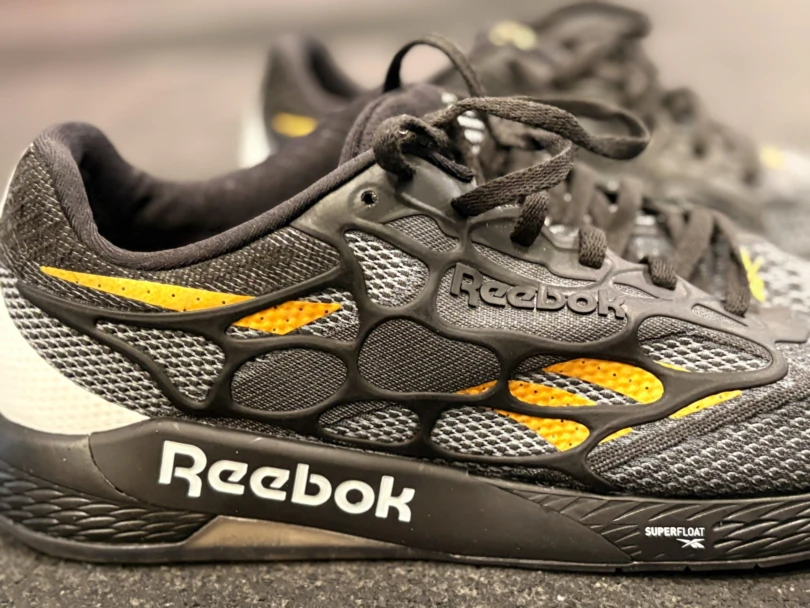
No CrossFit-focused review would be complete without addressing rope climbs and running. The Nano Pro features a more aggressive protective TPU cage than its predecessors. This exoskeleton flexweave upper is designed to bite into the rope, providing exceptional grip while protecting the internal foam from the friction heat of a fast descent.
During our rope climb testing, the Reebok Nano Pro TPU exoskeleton for rope climb protection performed flawlessly. The gum rubber traction extends up the medial and lateral sides, creating a secure "lock" on the rope. Unlike some lightweight trainers that shred after a few climbs, the Pro model feels built to survive the season.
When it comes to running, the shoe is a specialist. For sprints and short bursts (under 400 meters), the carbon plate provides a nice forward lean and energy return. However, for runs exceeding 800 meters, you will notice the flat 3mm drop and the stiffness of the plate. It maintains the "stiff, flat feel" typical of a cross-trainer. If your Hyrox race involves significant running volume and you prefer a cushioned, rolling transition, you might find the plate a bit unforgiving on the pavement.
FAQ
Are Reebok Nano Pro shoes suitable for weightlifting?
Yes, the Nano Pro is highly suitable for weightlifting within a functional fitness context. The 3mm drop provides a very stable, low-to-the-ground platform, and the carbon-fiber plate ensures the midsole does not compress under heavy loads like traditional foam trainers might. While not a replacement for a dedicated weightlifting shoe with a high heel, it is one of the most stable cross-trainers currently available.
How does the Reebok Nano Pro fit compared to other training shoes?
The Nano Pro offers a slightly more "locked-in" and athletic fit compared to the standard Nano X5. While the classic Nano "wide toe box" is still present to allow for toe splay, the midfoot is a bit more snug due to the TPU exoskeleton. This is intentional to prevent foot slide during lateral movements and explosive jumps.
Do Reebok Nano Pro shoes run true to size?
Generally, yes, the Nano Pro runs true to size. If you have worn previous versions of the Nano, you should find the sizing consistent. However, because the upper material is slightly more rigid to support the performance demands of elite athletes, those with exceptionally high-volume feet may find them a bit tight initially. Most athletes will find their standard athletic shoe size fits perfectly.
What is the difference between Reebok Nano and Nike Metcon?
The primary difference lies in the philosophy of the drop and the flexibility. Historically, the Nano (including the Pro) has a wider toe box and a more "natural" feel, whereas the Nike Metcon tends to have a narrower fit and a very rigid heel. The Nano Pro specifically introduces carbon-fiber technology which Nike has yet to fully integrate into the standard Metcon line, giving the Reebok Nano Pro an edge in energy return for plyometrics.
What are the pros and cons of the Reebok Nano Pro?
Pros:
- Extreme weight reduction (15% lighter than X5).
- Remarkable energy return for box jumps and burpees.
- High-end stability for heavy Olympic lifting.
- Superior rope climb protection with the TPU cage.
Cons:
- Premium price point of $225.
- Stiff forefoot may feel unforgiving on longer runs.
- 3mm drop may be a difficult transition for those used to 7mm-10mm trainers.
Conclusion: Is the $225 Investment Worth It?
The Reebok Nano Pro is not a shoe for everyone, and that is by design. It was officially available in the United States starting October 7, 2025, targeting a very specific demographic: the competitive athlete. If you are a casual gym-goer who hits three classes a week and isn't worried about your leaderboard standing, the standard Nano X5 offers 90% of the performance for nearly $100 less.
However, for the competitive functional fitness shoes for competitors market, the Nano Pro is a game-changer. The combination of its lightweight construction and the energy-returning Graphlite plate provides a tangible advantage in high-intensity workouts. If you find yourself losing seconds on box jumps or feeling sluggish during the final round of a metcon, the Reebok Nano Pro worth $225 for CrossFit becomes a much easier pill to swallow. It is a specialized tool built for speed, power, and precision—and in the world of elite fitness, those marginal gains are worth every penny.