Quick Facts
- Best for Odor Control: Merino wool (naturally antimicrobial)
- Best for High-Intensity: Synthetic (faster evaporative cooling)
- Warmest When Wet: Merino wool (retains heat at 30% moisture absorption)
- Best Durability: Synthetic or Nuyarn blends
- Skin Sensitivity: Micron count <18.5 recommended
- Maintenance: Synthetic is machine-dryable; Merino requires air-drying
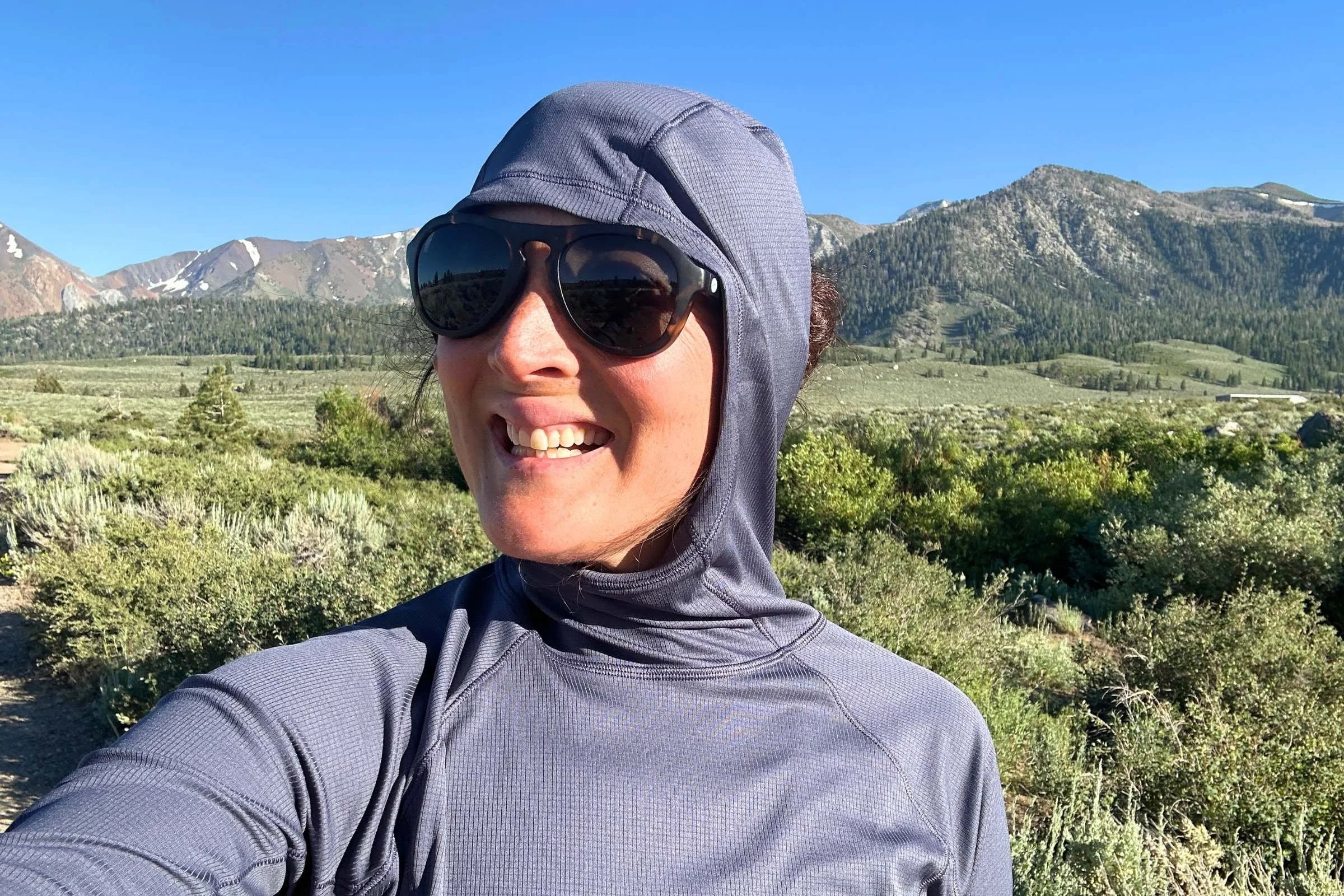
For multi-day trips and variable climates, a merino vs synthetic base layer comparison favors wool for thermoregulation and odor resistance. However, for high-output exertion where drying time is critical, 100% polyester or synthetic blends offer superior moisture management.

The Science of Fiber: Merino vs. Synthetic Polyester
When we look at the physics of base layers, the magic happens at the microscopic level. Merino wool is a complex protein fiber grown by sheep in the Southern Alps of New Zealand. Unlike traditional wool, which is coarse and itchy, merino fibers are incredibly fine. We measure this fineness in microns. For most women, choosing base layers for women with sensitive skin requires looking for a micron count below 18.5. At this level, the fiber is so thin that it bends when it touches the skin rather than pricking it, resulting in a silk-like feel.
The primary difference in a merino vs synthetic base layer debate lies in how they handle water. Merino wool is porous; it can absorb up to 30% of its own weight in moisture within the inner core of the fiber. Crucially, the outer layer remains hydrophobic (water-repellent), which is why wool feels dry to the touch even when you are sweating. In contrast, polyester fibers are essentially plastic. They are non-porous and can only absorb about 7% of their weight. Instead of pulling moisture into the fiber, a merino wool vs polyester base layer comparison shows that synthetics move liquid across the surface of the fabric using capillary action.
As the market for performance gear expands, the industry continues to innovate. Interestingly, the women's segment of the global thermal underwear and base layer market is projected to be the fastest-growing category with a 6.5% compound annual growth rate between 2026 and 2034. This growth is driven by a demand for more technical fabrics that bridge the gap between science and comfort.

Moisture Wicking Performance and Odor Control
One of the most critical factors for any outdoor athlete is moisture management. When you are moving uphill, your body produces sweat to cool down. In a high-output exertion scenario, a synthetic polyester layer is often the winner because it facilitates faster evaporative cooling. Because the plastic fibers do not hold onto the water, the liquid spreads out and evaporates into the air almost immediately. This prevents the heavy, soggy feeling that can sometimes occur with 100% wool layers during intense exercise.
However, the "chilling effect" is the downside of synthetics. Once you stop moving—say, at a windy summit—the moisture trapped on the surface of a polyester shirt can cool down rapidly, stripping away your body heat. This is where merino wool shines. Because it manages moisture within its core, it maintains its thermoregulation properties even when damp. It keeps a buffer of warm air next to your skin, preventing that post-exertion shiver.
For most of our testers, the deal-breaker is often the smell. If you are looking at a merino vs synthetic base layer for multi-day odor control, wool is the undisputed champion. Merino fibers contain lanolin and have a complex chemical structure that naturally traps odor-causing bacteria and prevents them from multiplying. You can wear a merino top for five days of backpacking and it will likely still smell fresh. Synthetic fabrics, however, are notorious for "stink-retention." Even with antimicrobial properties added as chemical treatments, polyester tends to develop a permanent scent over time that is difficult to wash out. The moisture wicking performance of merino wool vs polyester is a tradeoff between raw speed and long-term comfort.

Decoding Fabric Weights: From Lightweight to Heavyweight
When you browse for a new base layer, you will notice a number associated with the product, such as 150, 200, or 260. This refers to the grams per square meter (GSM), which indicates the thickness and warmth of the fabric. Choosing base layer fabric weights correctly is the difference between being comfortable and being dangerously cold or uncomfortably hot.
| Weight Class | GSM Range | Ideal Temperature/Activity |
|---|---|---|
| Lightweight | 120 - 150 | 50°F+ Higher intensity, summer hiking, or mild spring days. |
| Midweight | 200 - 230 | 20°F - 50°F. The "all-rounder" for resort skiing and autumn camping. |
| Heavyweight | 250 - 300 | Below 20°F. Expedition use, stationary hunting, or sub-zero winter sports. |
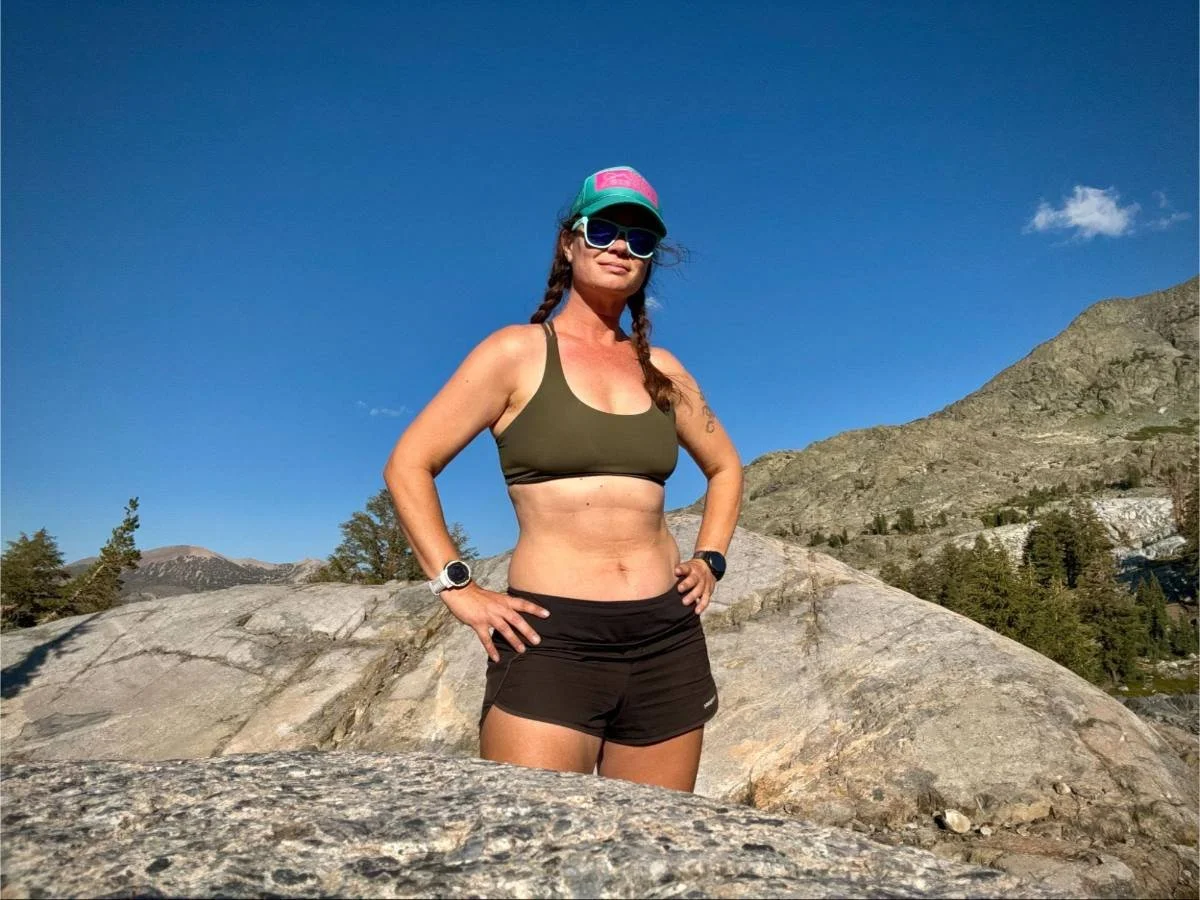
For most women, a midweight layer is the best investment. When deciding between midweight and heavyweight women's base layers, consider your "running temperature." If you are someone who always feels cold, a 250 GSM layer provides incredible insulation. However, for active sports like backcountry skiing, a heavyweight layer often causes overheating and excessive sweating, which leads back to the moisture problem. Lightweight options are best reserved for sun protection in summer or as a very thin moisture-wicking liner under other clothes.
Choosing the Right Layer for Your Activity
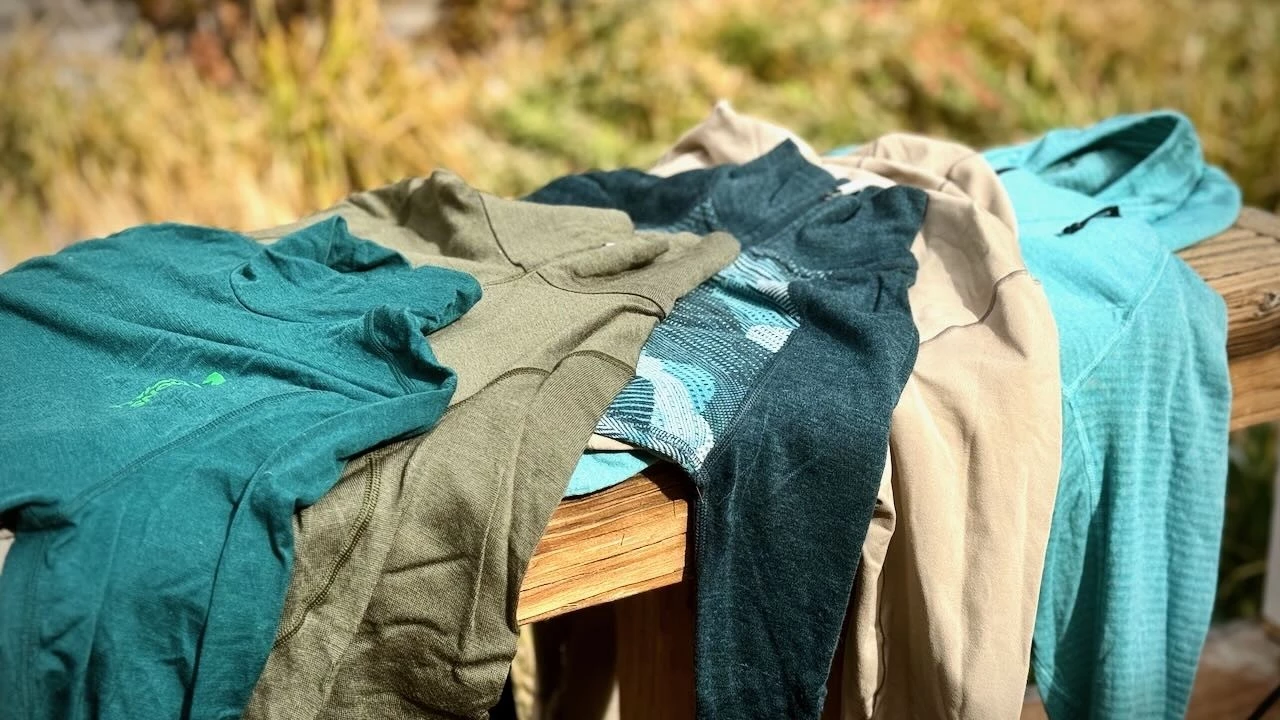
Matching your gear to your environment is essential for safety and comfort in alpine environments. If your weekend consists of high-intensity hiking with significant elevation gain, you need a fabric that can keep up with your sweat rate. For the best womens base layer for high intensity hiking, look towards high-performance synthetics or lightweight merino-synthetic blends.
The merino wool synthetic blend vs pure wool durability debate is particularly relevant here. Pure wool is somewhat fragile; it can snag on backpacks or wear thin in high-friction areas like the armpits. By wrapping merino fibers around a nylon or polyester core (often called corespun yarn), manufacturers create a garment that has the soft feel and odor resistance of wool but the structural integrity and abrasion resistance of a synthetic.
We also recommend looking for specific design features:
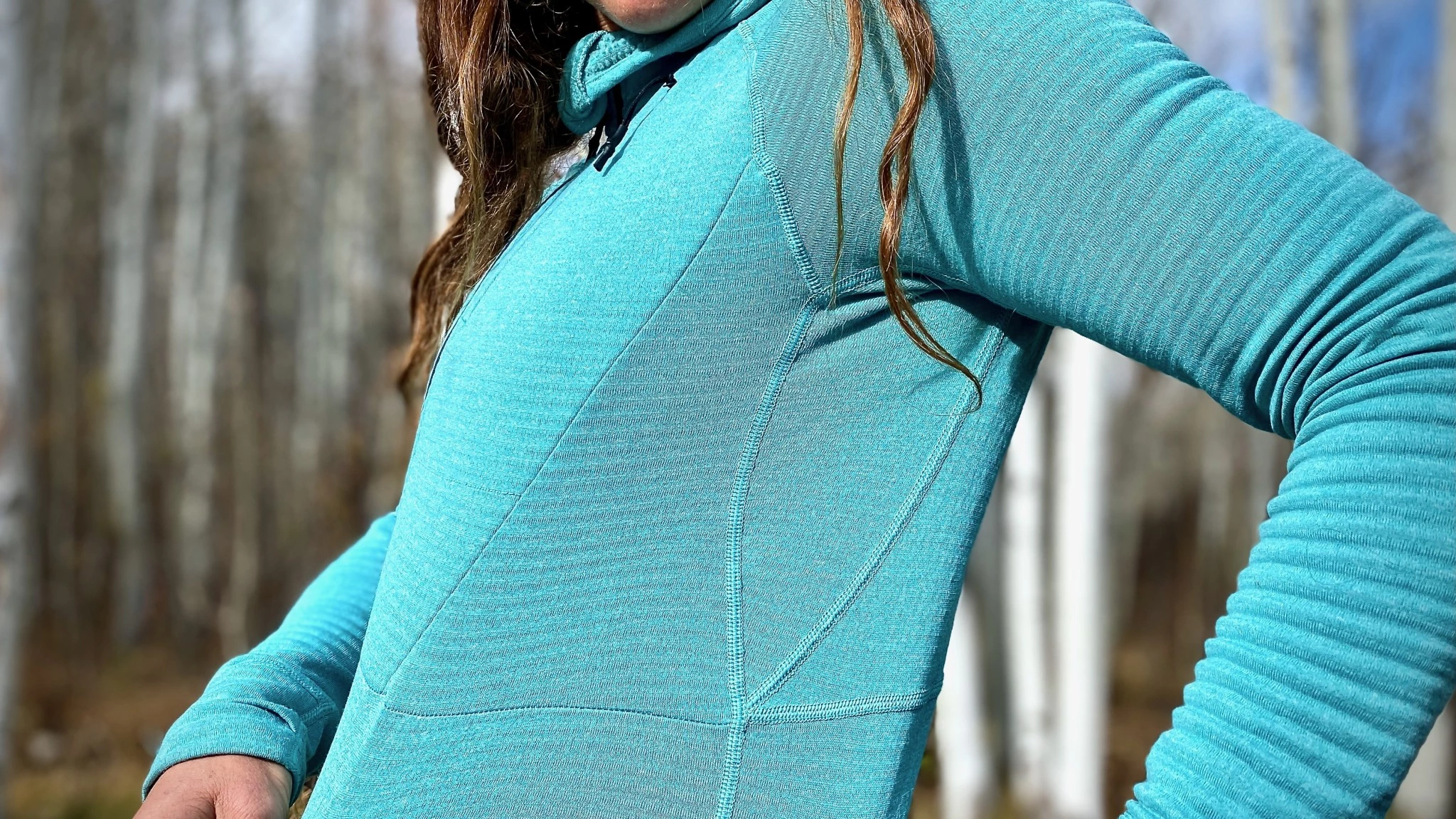
- Flatlock seams: These are sewn flat against the fabric to prevent chafing during repetitive movement.
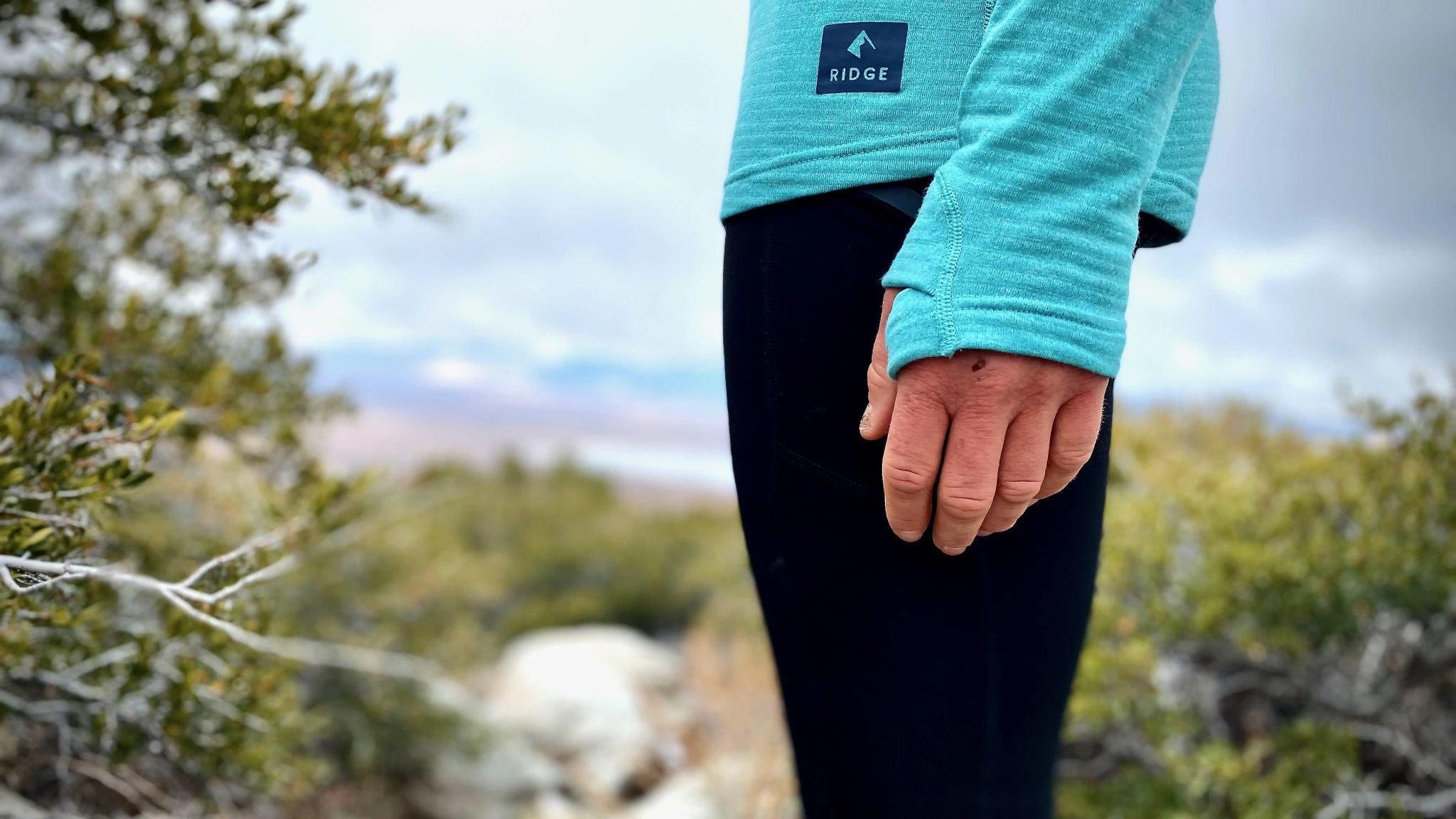
- Thumb loops: These keep your sleeves in place when layering and provide extra warmth for the backs of your hands.
- Drop-tail hem: A longer back ensures the shirt stays tucked into your leggings when you bend over.
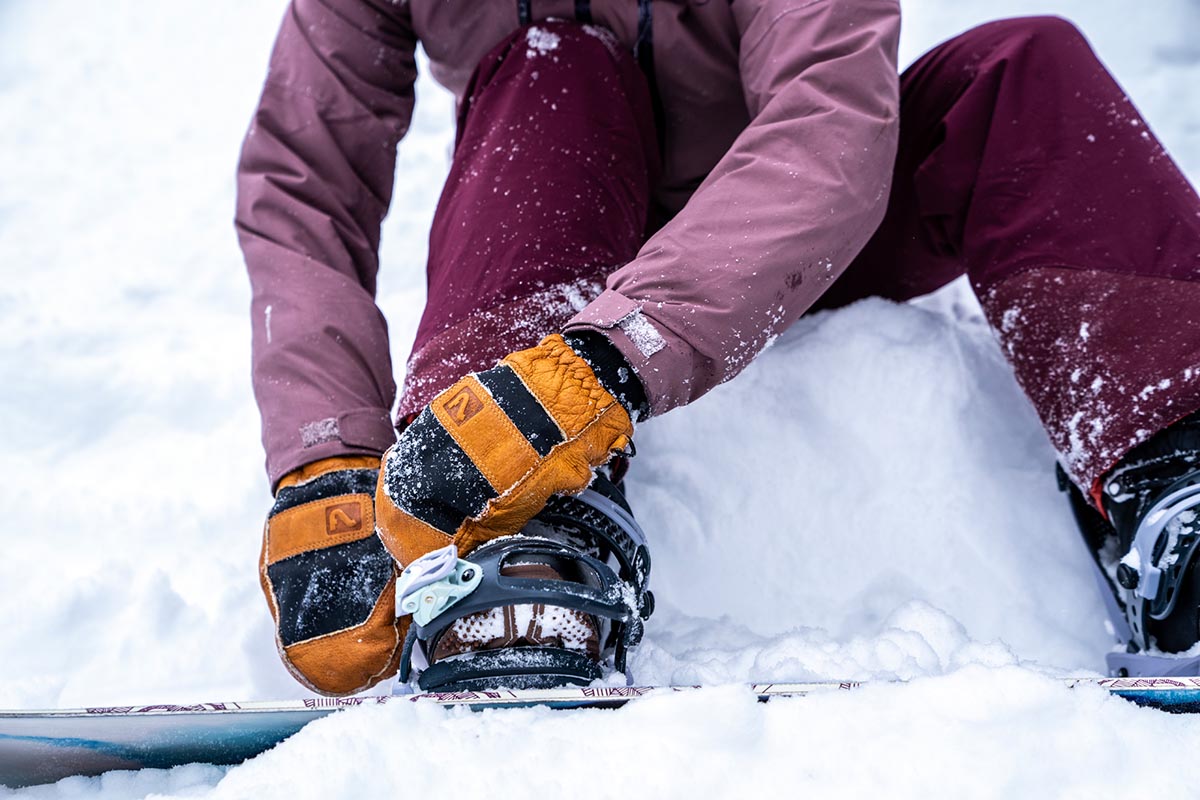
For resort skiing, where you spend half your time sitting on a cold chairlift and the other half skiing down, a pure 200 GSM merino top is often preferred. Its ability to provide consistent thermoregulation during those stop-and-go cycles is unmatched.
Maintenance and Longevity: Protecting Your Investment
A high-quality base layer is an investment in your outdoor comfort, and how you care for it determines its lifespan. When comparing the longevity of a merino vs synthetic base layer, synthetics are generally tougher. You can throw a polyester shirt in a standard wash cycle and tumble dry it on medium heat without much worry.
Merino wool requires a gentler touch. The natural fibers can shrink or become brittle if exposed to high heat. We recommend washing wool layers in cold water on a delicate cycle and always hanging them to air dry. To avoid the dreaded "holes" that can appear in lightweight wool, keep them away from Velcro or sharp zippers in the wash. Despite being more delicate, a well-cared-for merino wool synthetic blend vs pure wool durability study suggests that blends significantly outperform pure wool in terms of surviving the washing machine over several seasons.
Pay attention to pilling—those small balls of fiber that form on the surface. While pilling doesn't usually affect performance, it can be a sign of abrasion. High-quality garments with a tight knit and low micron count are less prone to this.
FAQ
Is merino wool warmer than synthetic?
Ounce for ounce, merino wool tends to be warmer than synthetic because of the natural crimp in the fiber which creates thousands of tiny air pockets that trap body heat. Additionally, merino has a unique ability to keep you warm even if the fabric becomes damp, whereas many synthetics lose their insulating properties once they are saturated with sweat.
Does merino wool dry faster than synthetic?
No, synthetic polyester typically dries much faster than merino wool. Because synthetic fibers are non-porous and hydrophobic, they do not hold water within the fiber itself. Merino wool absorbs moisture into its core, which takes longer to release into the atmosphere. If you are in a situation where you need your gear to dry during a short lunch break, a synthetic layer is superior.
Which base layer material is best for odor control?
Merino wool is vastly superior for odor control. It possesses natural antimicrobial properties that prevent the buildup of bacteria. Synthetic fabrics are made of plastic-based fibers that provide a perfect surface for bacteria to grow, often leading to a permanent "gym clothes" smell after repeated use, even with specialized laundry detergents.
Is merino wool or synthetic better for high-intensity exercise?
For high-intensity activities like trail running or uphill cycling where you are sweating heavily and want maximum breathability, synthetic is often the better choice. It offers more efficient evaporative cooling and moves moisture away from the skin faster than wool can. However, if the intensity is intermittent, such as hiking in cold wind, a merino blend might be better to prevent the chilling effect when you stop.
How do I choose between merino and synthetic base layers?
The choice depends on your priorities. If you are going on a multi-day trip where you cannot wash your clothes and need something that stays warm when damp, choose merino wool. If you are on a budget, prioritize durability, or engage in high-sweat activities where fast drying is the most important factor, choose a high-quality synthetic polyester. For the best of both worlds, many women opt for a merino-synthetic blend.