Quick Facts
- Top Choice for Weight: High-performance Goose Down with 800-1000 fill power offers the peak of thermal efficiency.
- Best for Wet Weather: Synthetic materials like PrimaLoft Gold maintain performance even when saturated.
- The Hybrid Advantage: Many modern designs utilize down composite mapping to place specific insulation where it is needed most.
- Insulation Density: Synthetic weights range from 40g/m2 for high-output active insulation to 200g/m2 for extreme static warmth.
- Critical Maintenance: Frequent cleaning with technical washes is required to maintain the Durable Water Repellent (DWR) finish and loft.
- Performance Metric: High-fill-power down provides up to three times the warmth-to-weight ratio of premium synthetic alternatives.
When choosing between men's insulated jackets, the decision rests on your specific environment and activity level. Natural down provides superior packability and warmth-to-weight ratio for cold, dry conditions, while synthetic insulation is the reliable choice for wet weather because it retains loft and warmth when damp and dries much faster.
The Core Debate: Down vs Synthetic Insulation Guide
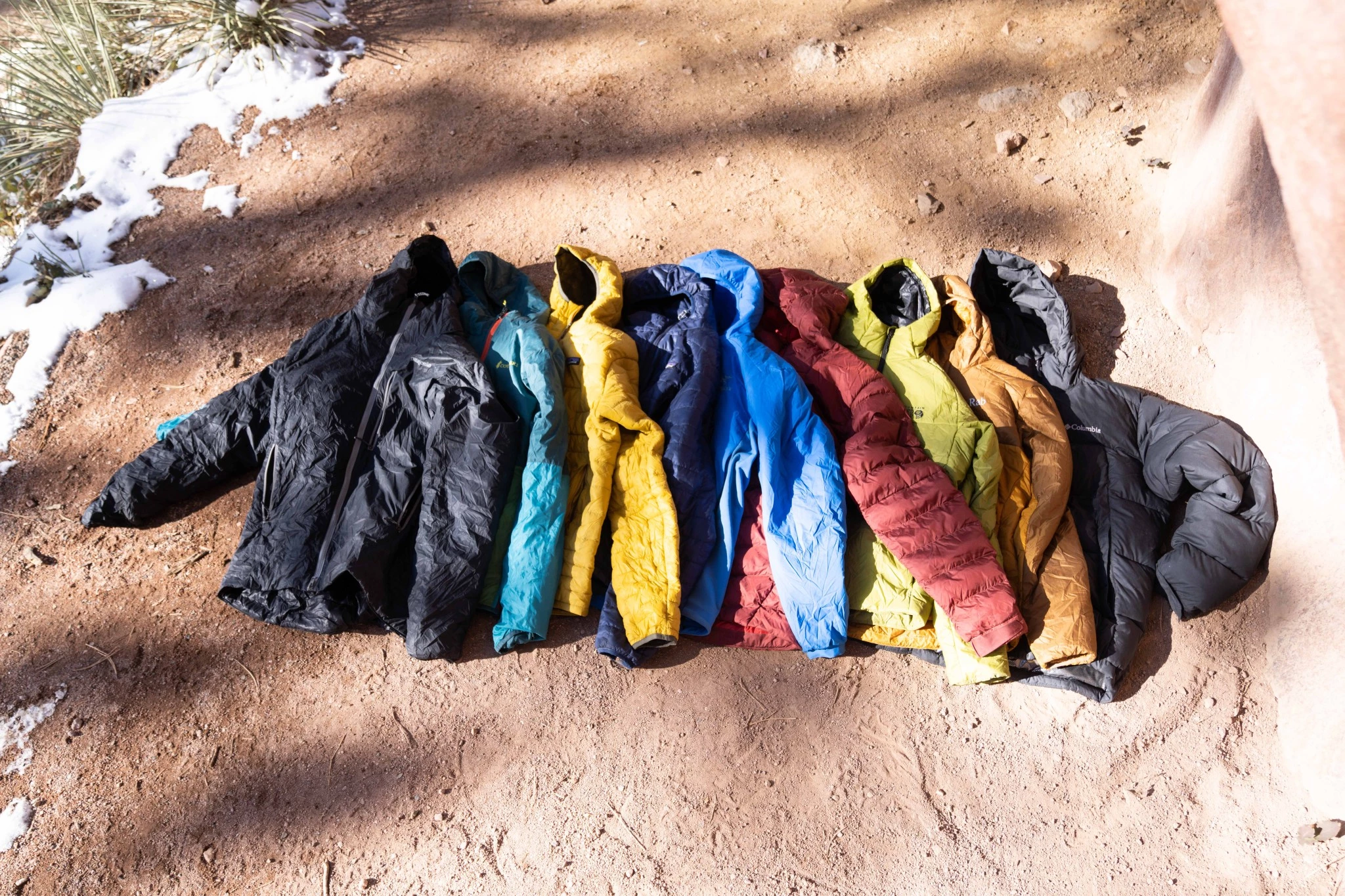
In the world of outdoor gear, the debate over how to choose between down and synthetic insulation is often settled by the forecast. Natural down is essentially the gold standard for thermal efficiency in men's insulated jackets. It works by trapping heat in thousands of tiny air pockets created by the plumules of ducks or geese. However, down has a significant Achilles' heel: moisture. According to technical data, natural down can lose approximately 70% of its insulating loft when fully saturated, leaving the wearer cold and the garment heavy.
To combat this, many manufacturers now apply a Hydrophobic Treatment to the down. This molecular-level coating allows the feathers to resist water longer and dry faster, though it still does not quite match the inherent water resistance of synthetic fibers. Synthetic insulation, usually made from polyester filaments, is engineered to mimic the structure of down. While it is generally heavier and less packable, it is far more resilient in the face of precipitation. Synthetic insulation typically retains between 50% and 60% of its thermal resistance even when wet, making it the best men's insulated jackets for wet weather scenarios.
| Feature | Natural Down | Synthetic Insulation |
|---|---|---|
| Warmth-to-Weight | Exceptional (800+ fill power) | Good (but requires more bulk) |
| Packability | Highly compressible | Moderate to low |
| Wet Performance | Poor (clumps when saturated) | Excellent (retains loft) |
| Price | Premium / Expensive | Affordable to Mid-range |
| Durability | Long-lasting with care | Fibers can break down over years |
Selecting the right material requires an understanding of fill power. Fill power represents the volume in cubic inches that one ounce of down occupies. Research indicates that high-fill-power down rated at 800 or above provides up to three times the warmth-to-weight ratio of even the highest quality synthetic alternatives. For technical users, 800 or higher is the standard for high-performance gear, whereas 400–550 is considered basic or entry-level insulation.
Understanding Weight: Guide to Men's Synthetic Insulated Jacket Weights g/m2
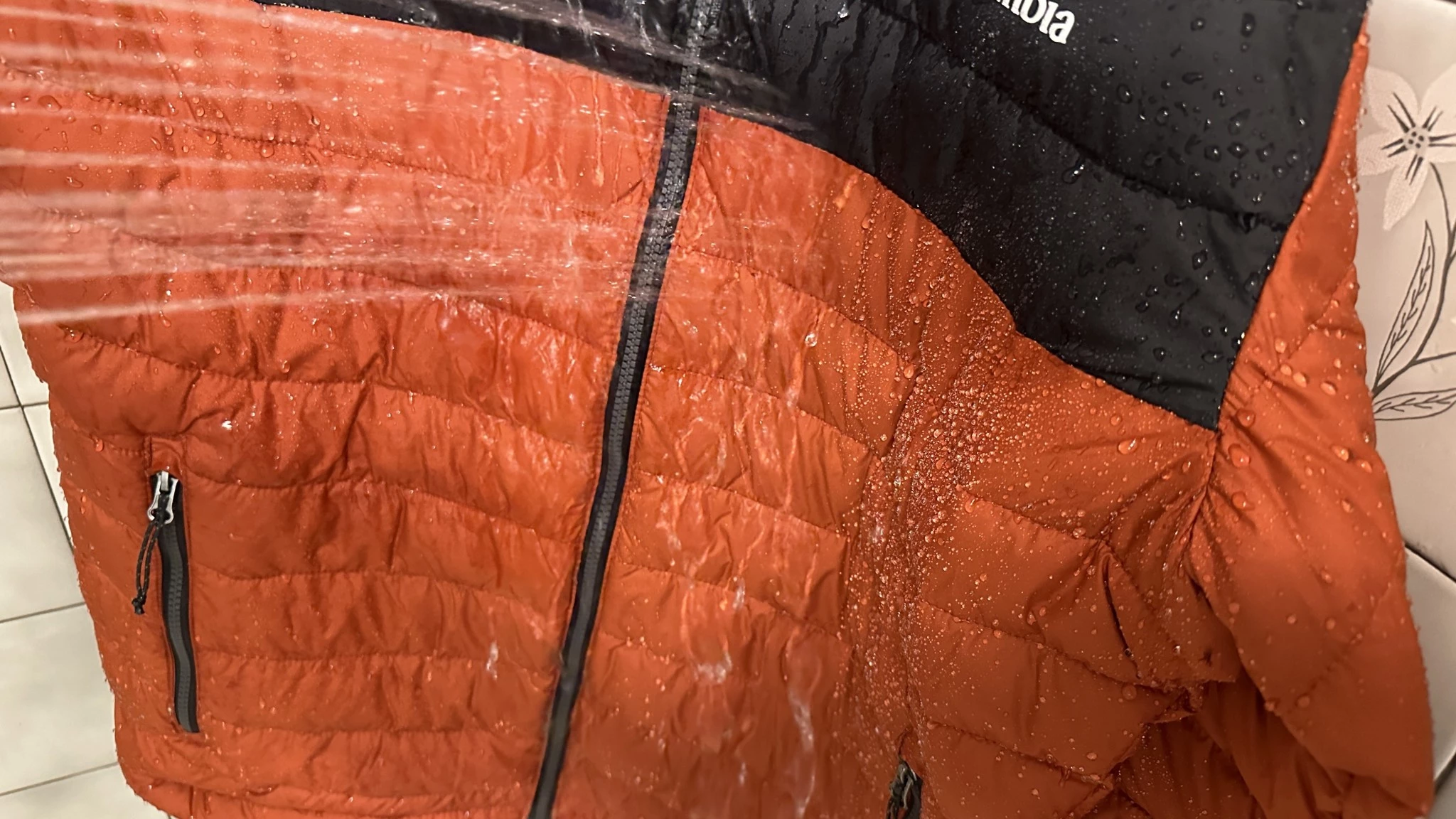
One of the most common mistakes when shopping for men's insulated jackets is ignoring the technical density of the fill. Synthetic insulation is measured in grams per square meter (g/m2), a metric often referred to as GSM. This number tells you exactly how much insulation is packed into the jacket, which directly correlates to how the garment should be used.
High-output activities like ski touring or fast-packing require breathable insulated mid layers that prevent overheating. In these cases, a lower GSM is preferable. Conversely, if you are standing at a cold belay station or walking through a frozen city, you need the static warmth provided by a higher GSM.
The Synthetic Weight Matrix
- 40 g/m2 to 60 g/m2: Designed for high-output activities. These are lightweight, highly breathable insulated mid layers that allow moisture to escape while providing just enough warmth during movement.
- 80 g/m2 to 100 g/m2: The "sweet spot" for versatility. These jackets serve as standalone outer layers in cool weather or beefy mid-layers in true winter conditions.
- 120 g/m2 to 200 g/m2: Heavy-weight territory. These garments are built for sub-freezing temperatures and low physical activity. They offer maximum wind resistance and thermal retention but often lack the breathability needed for intense movement.
Technical Definition: Active Insulation Unlike traditional "puffy" jackets that trap all heat, active insulation is designed with a more open-weave construction. This allows for increased airflow, meaning you can keep the jacket on while working hard without drowning in sweat.

Activity Profiling: Best Uses for Different Insulation Types
The environment is the final arbiter when choosing men's insulated jackets. A jacket that excels in the dry, high-altitude air of the Rockies might fail spectacularly in the damp, freezing fog of the Scottish Highlands.
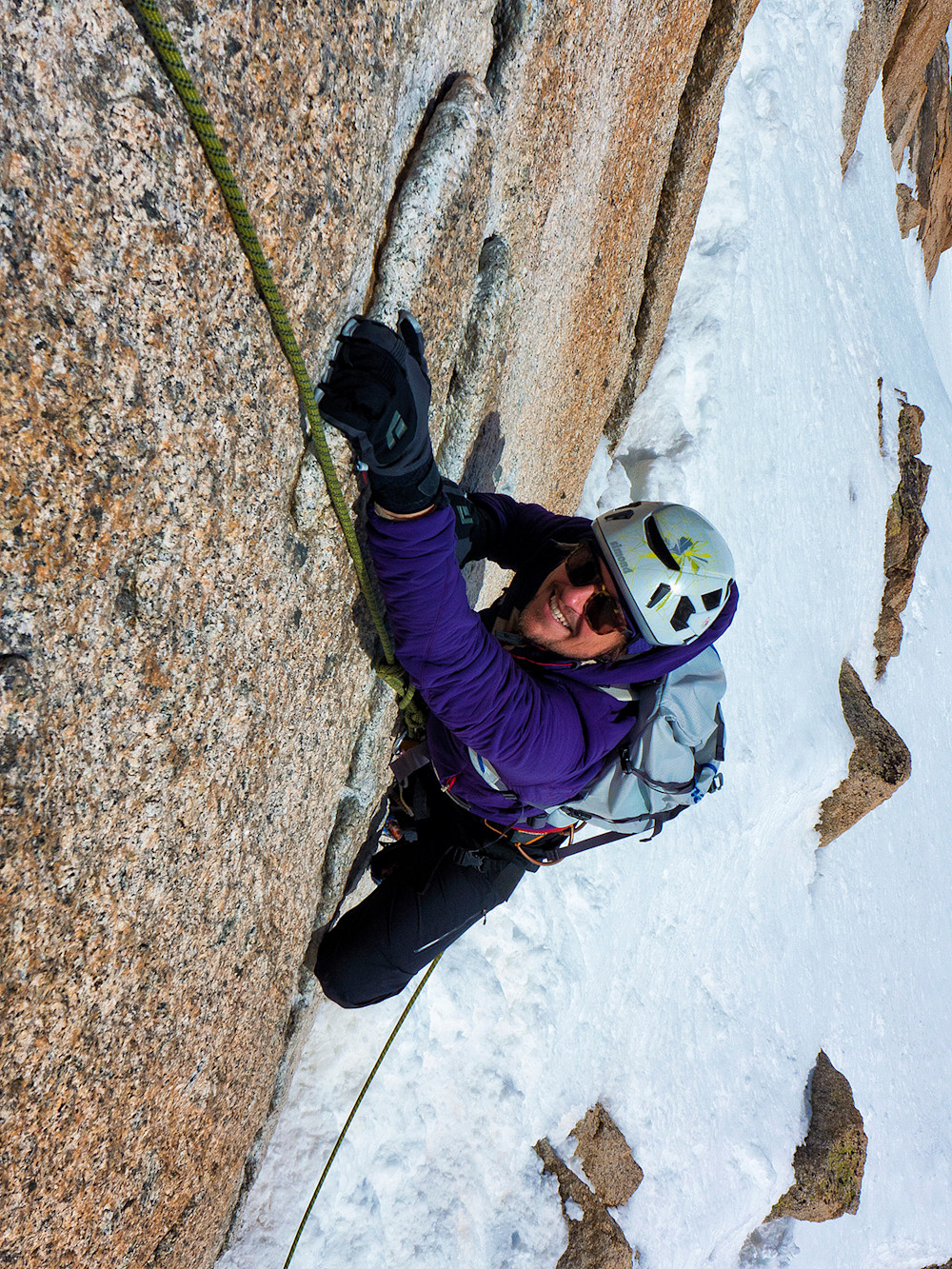
Alpine Climbing and Mountaineering
For technical climbs, movement and weight are everything. Most professionals opt for hybrid designs that use down composite mapping. This design philosophy places synthetic insulation in high-moisture zones like the cuffs, underarms, and shoulders, where sweat and spindrift are most likely to accumulate. The core is then filled with high-fill-power Goose Down to maintain maximum thermal efficiency where it matters most.
Backpacking and Thru-Hiking
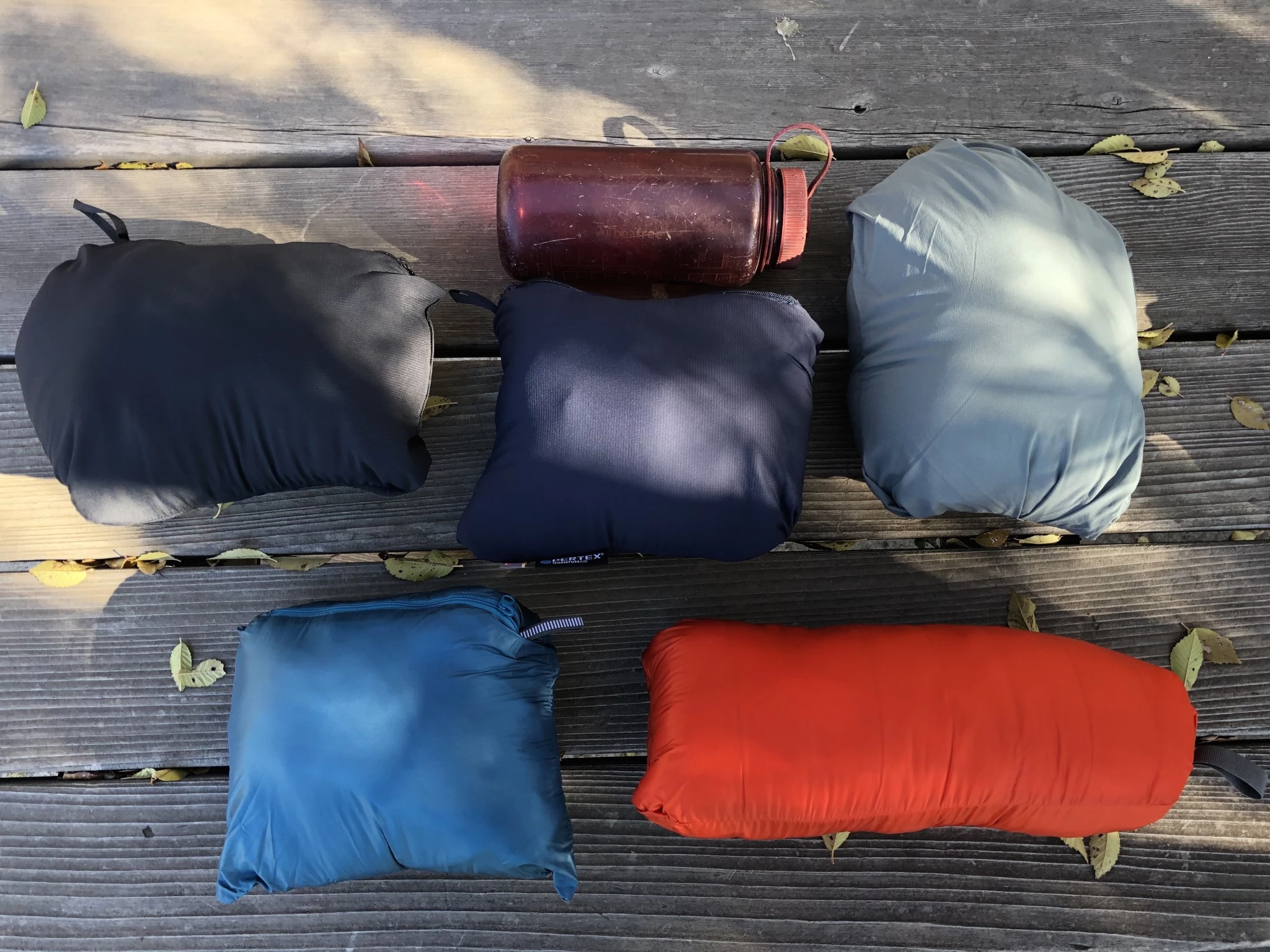
For the long-distance hiker, lightweight packable insulated jackets for backpacking are essential. Space in a backpack is at a premium, and every ounce counts. A premium 850-fill-power down hoodie provides the best warmth for its weight and can be compressed to the size of a grapefruit. However, if the trek involves consistent rain, a synthetic piece becomes a safety item, ensuring you can stay warm even if your gear gets damp.
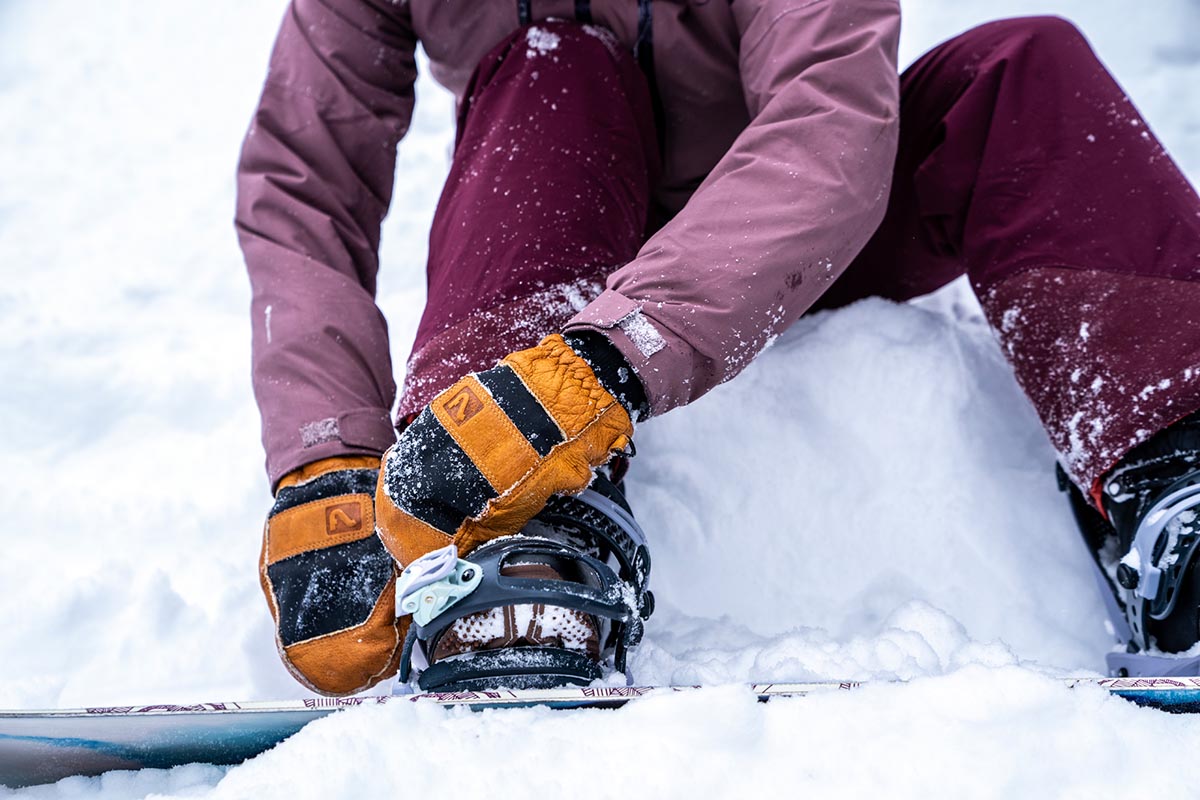
Skiing and Snowboarding
On the slopes, you face a mix of high-intensity movement and cold, static periods on the chairlift. Breathable insulated mid layers for high output activities are often paired with a waterproof, Windproof Shell. If you prefer an all-in-one insulated ski jacket, look for synthetic fill because it handles the internal moisture from sweat much better than natural down throughout a full day of riding.
Longevity Tips: Insulated Jacket Care and Maintenance
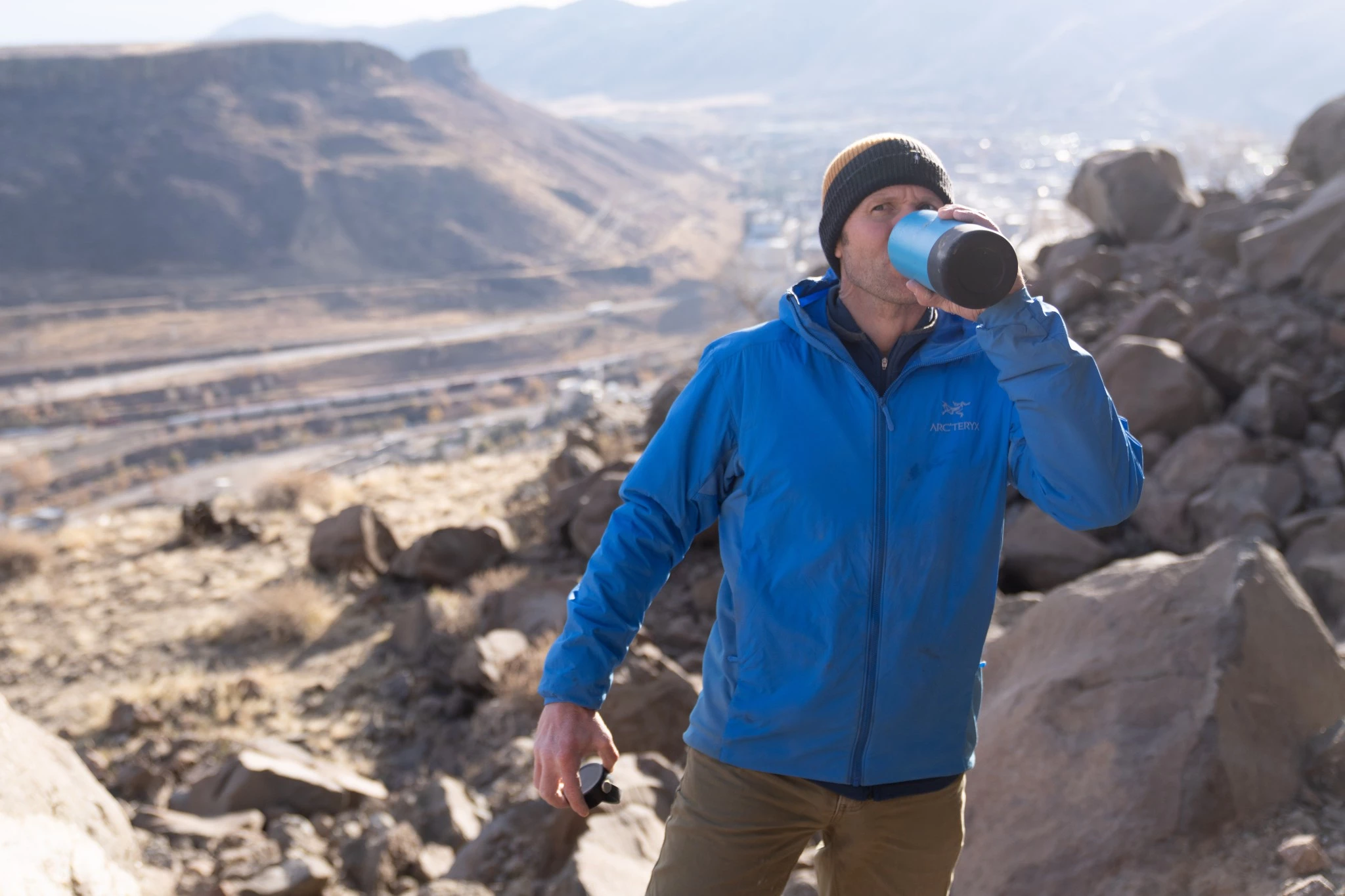
Quality men's insulated jackets are an investment, and proper insulated jacket care and maintenance can extend the life of your garment by a decade. The biggest enemy of any insulated jacket is oil and dirt, which cause down to clump and synthetic fibers to lose their spring.
To learn how to wash and care for synthetic insulated jackets or down pieces, you must avoid standard household detergents. These harsh soaps strip the natural oils from Goose Down and can degrade the chemical bonds of the Durable Water Repellent (DWR) finish on the outer shell. Instead, use a specialized technical wash.
- Wash: Use a front-loading machine on a gentle cycle. Top-loading machines with agitators can tear the delicate internal baffles.
- Rinse: Ensure a thorough rinse to remove all soap residues.
- Dry: This is the most critical step. Tumble dry on low to medium heat. For down jackets, add a few clean tennis balls or dryer balls to the machine. These will physically break up clumping down as it dries, restoring the loft.
- Re-activate DWR: The heat from the dryer is actually beneficial as it helps to re-set the DWR coating, ensuring water continue to bead off the surface.
FAQ
What is the warmest type of men's insulated jacket?
The warmest jackets are typically those featuring high-fill-power natural down, such as 800 to 1000 fill power, combined with a box-wall construction. Box-wall baffles allow the down to fully loft without the cold spots often found in cheaper stitch-through designs. For extreme static cold, look for jackets with a high total weight of down fill, often referred to as parkas.
Is down or synthetic insulation better for extreme cold?
In bone-dry, sub-zero temperatures, natural down is the clear winner due to its superior warmth-to-weight ratio and ability to trap heat more effectively than synthetics. However, if the extreme cold is accompanied by high humidity, sleet, or snow that might melt on the jacket, a high-loft synthetic or a treated hydrophobic down is a safer choice to ensure you don't lose your thermal protection.
How should a men's insulated jacket fit?
An insulated jacket should be snug enough to prevent large pockets of cold air from circulating but loose enough to allow for layering underneath. For a technical mid-layer, a trim fit is best. For an outer "belay" parka, the fit should be larger so it can be easily thrown over all your other layers during breaks or in camp. Ensure the sleeves are long enough to cover your wrists when reaching upward.
How do you properly wash an insulated jacket?
You should wash your jacket with a technical-specific cleaner in a front-loading machine. Avoid fabric softeners and bleach. The most important part of the process is the drying stage; use low heat and dryer balls to restore the loft. Never air-dry a down jacket, as the feathers will clump and likely develop a musty odor or mold before they can dry completely.
Does a higher fill power mean a jacket is warmer?
Not necessarily. Fill power measures the quality and loftiness of the down, not the total amount of heat the jacket provides. A jacket with 200 grams of 600-fill-power down may be warmer than a jacket with only 50 grams of 900-fill-power down. Fill power tells you how efficient the insulation is for its weight, while the "fill weight" tells you the total volume of insulation present.
Selection Checklist and Final Verdict
Before you make your final purchase, run through this five-point checklist to ensure you are getting the right tool for the job.
- Environment Check: Will you be in dry cold (Down) or wet cold (Synthetic)?
- Weight vs. Warmth: Are you carrying this in a pack (Down) or wearing it all day (Synthetic)?
- Feature Set: Does it have an insulated hood, hem cinches, and fleece-lined pockets?
- Baffle Construction: Is it stitch-through for breathability or box-wall for maximum warmth?
- Shell Material: Is the face fabric a lightweight 10-denier nylon for weight savings, or a durable 40-denier ripstop for bushwhacking?
Selecting from the diverse range of men's insulated jackets on the market today requires a balance of science and intended use. By understanding the nuances of GSM weights and the thermal efficiency of fill power, you can step into the backcountry with confidence, knowing your gear will keep you protected regardless of what the atmosphere throws your way.