Quick Facts
- Best for: High-output aerobic activities like climbing, cycling, and hiking where breathability is a priority.
- Key Benefit: Superior breathability and four-way stretch technology for unrestricted mobility.
- Weather Protection: Highly wind resistant and water resistant for light rain (not fully waterproof).
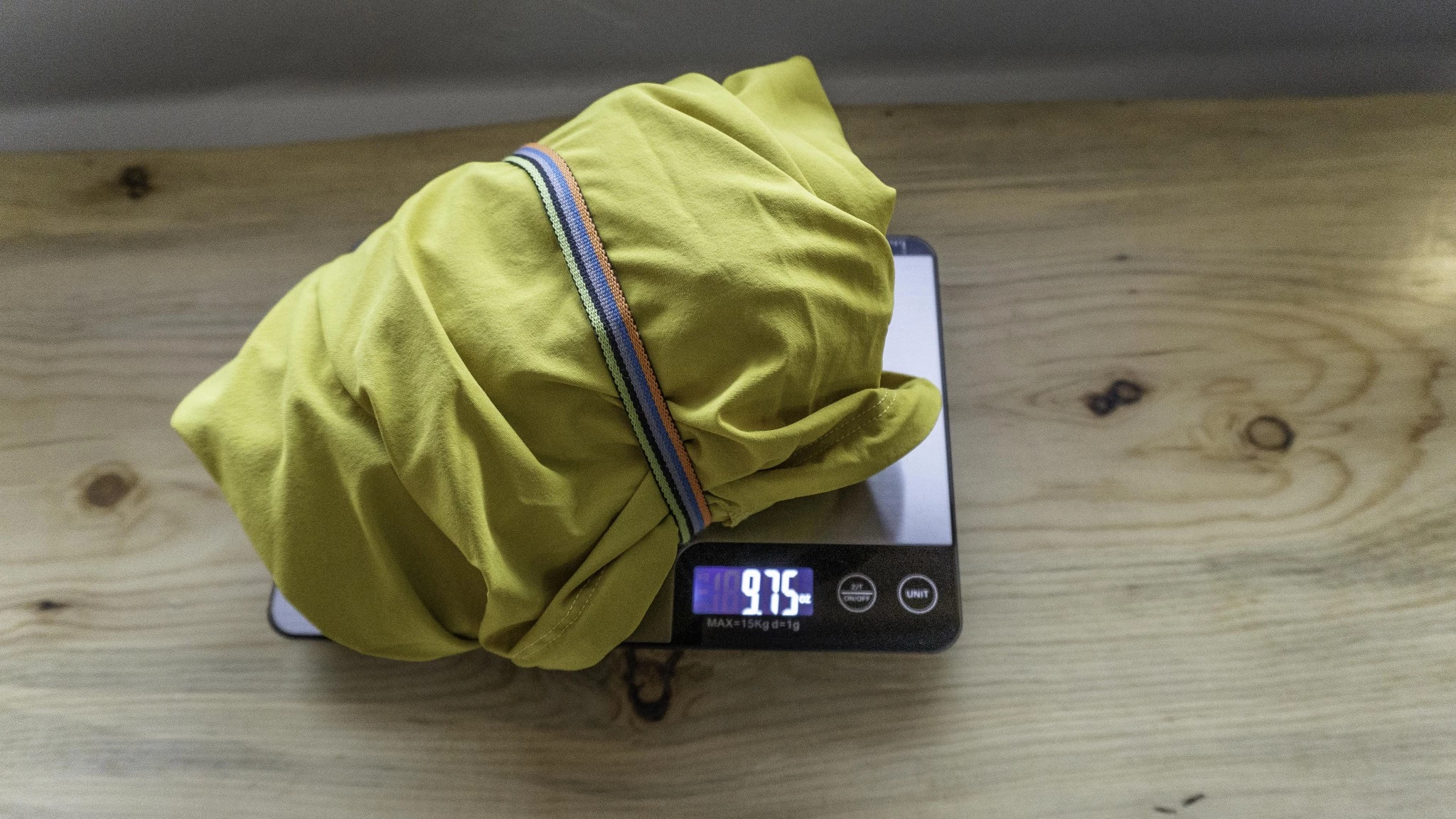
- Weight Range: Approximately 200g for ultralight versions to 500g+ for heavy-duty winter variants.
- Layering Versatility: Functions as a breathable mid-layer in winter or a stand-alone outer layer in spring and autumn.
- Market Growth: The global softshell jacket market was valued at approximately $2.6 billion in 2024 and is projected to reach $4.3 billion by 2032.
A men's softshell jacket offers a strategic balance of weather protection, breathability, and mobility, making it more versatile than a traditional rain shell for high-output activities. These jackets are typically constructed from stretchable nylon or polyester fabrics designed to wick moisture away from the body while providing resistance against wind and light precipitation. They function best as an outer layer in dry or misty conditions and as a breathable mid-layer in colder environments.
Understanding the Softshell: The 'Action Suit' Concept
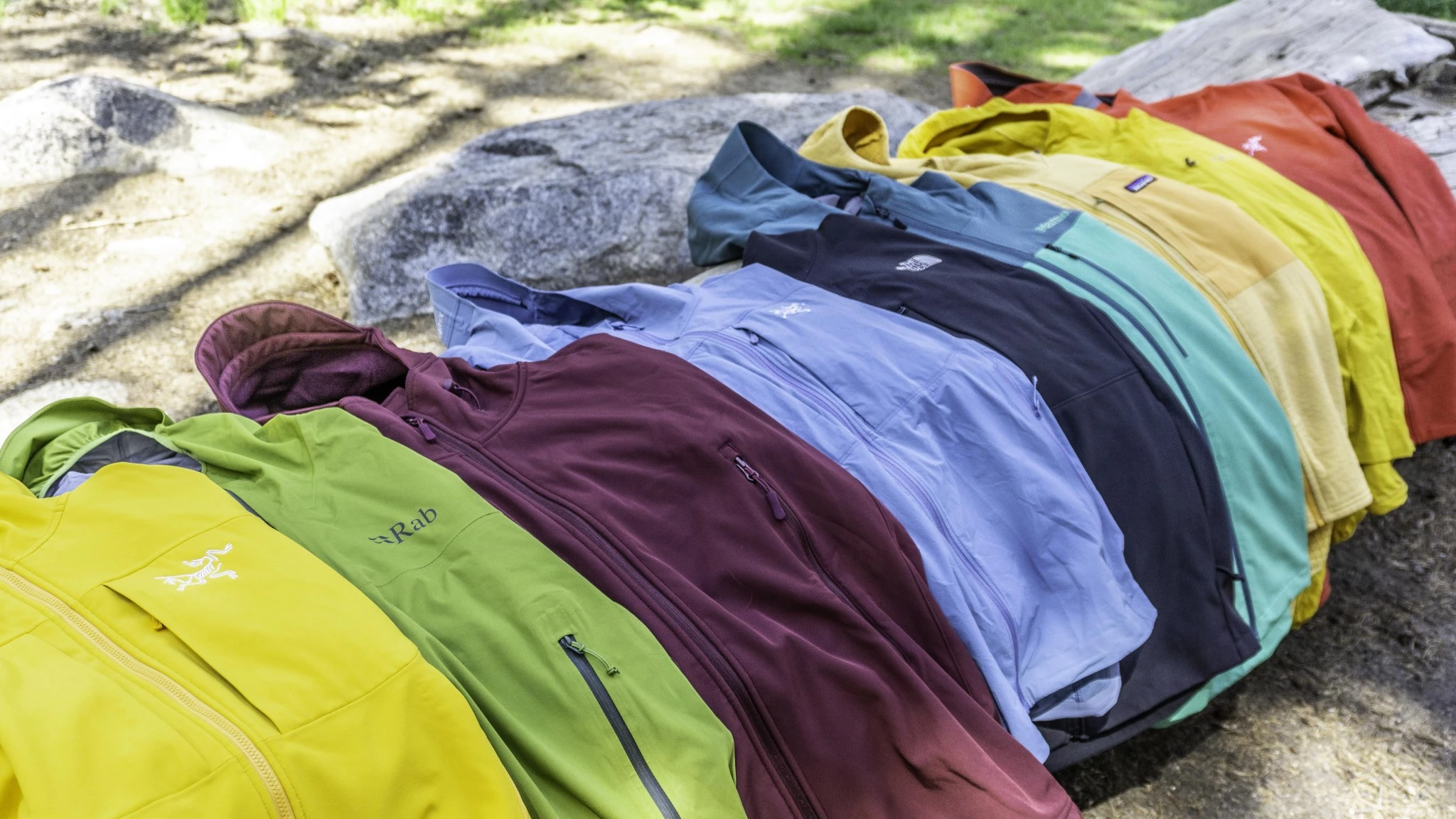
The traditional outdoor layering system often relied on a simple base, mid, and outer hardshell configuration. However, for active mountain sports, this setup often fails because the outer shell cannot clear internal moisture fast enough. This is where the men's softshell jacket excels, effectively acting as an action suit. By bridging the gap between a thermal fleece and a waterproof hardshell, the softshell prioritizes thermal regulation and active movement.
The primary philosophy behind breathable softshell jackets for men is the management of the microclimate inside the garment. Unlike a hardshell that blocks everything out but traps sweat in, a softshell uses double-weave construction or a highly vapor-permeable membrane to let sweat escape before it can condense. This characteristic is essential for maintaining comfort during high-output aerobic activity, where stopping to adjust layers every ten minutes is impractical.
When choosing between a softshell vs fleece for mid-layer warmth, consider that a softshell provides a much higher level of wind protection and abrasion resistance. While a fleece is more breathable in absolute terms, it offers zero protection against a biting wind. The softshell integrates that protection into a single, durable layer, making it the preferred choice for alpinism and mountain sports where you need a garment that can withstand scrapes against rock while keeping you comfortable on the move.
Comparison Matrix: Softshell vs. Hardshell vs. Fleece
Understanding where your gear sits on the protection-to-breathability spectrum is critical for performance. For active outdoor performance, softshell jackets with a Moisture Vapor Transmission Rate of 10,000g/m²/24h are categorized as very breathable, while premium technical versions can reach ratings as high as 40,000g/m²/24h.
| Feature | Softshell Jacket | Hardshell Jacket | Fleece Jacket |
|---|---|---|---|
| Waterproofness | Water Resistant (DWR) | Fully Waterproof | None (Absorbent) |
| Breathability | High (MVTR 10k-40k) | Moderate to Low | Very High |
| Wind Resistance | Very High | Absolute | Very Low |
| Stretch/Mobility | 4-way stretch tech | Limited | High |
| Ideal Context | Moving in mixed weather | Heavy rain or snow | Dry, cold layering |
The softshell jacket vs hardshell comparison usually comes down to the trade-offs between protection and permeability. According to technical standards for moisture management, a Resistance to Evaporating Heat Transfer value between 0 and 6 indicates excellent breathability in softshell fabrics, a level hardshells rarely reach. This makes the softshell the superior tool for movement-intensive tasks where shedding heat is as important as retaining it.
Technical Features: What to Look For
When evaluating high-quality technical outerwear materials, pay close attention to the construction of the fabric. Most softshells fall into two categories: membrane-based and non-membrane (double-weave). Non-membrane jackets offer the highest breathability but lower water resistance, while membrane jackets (like those featuring Gore-Tex Infinium) offer near-total windproofing at the cost of some vapor permeability.
Fabric and Mobility
The hallmark of a great men's softshell jacket is four-way stretch technology. This allows the garment to move with you during dynamic movements, such as reaching for a hold while climbing or leaning over handlebars. Look for an articulated fit and mobility in the sleeves, which ensures the hem of the jacket doesn't lift when you raise your arms.
Weather Resistance
While these jackets are not waterproof, they utilize a Durable Water Repellent (DWR) finish to shed light rain and snow. This treatment causes water to bead up and roll off the abrasion-resistant fabric. You should also look for moisture-wicking properties in the inner face of the fabric—brushed linings can help move sweat away from the skin while adding a touch of warmth.
Hardware and Hoods
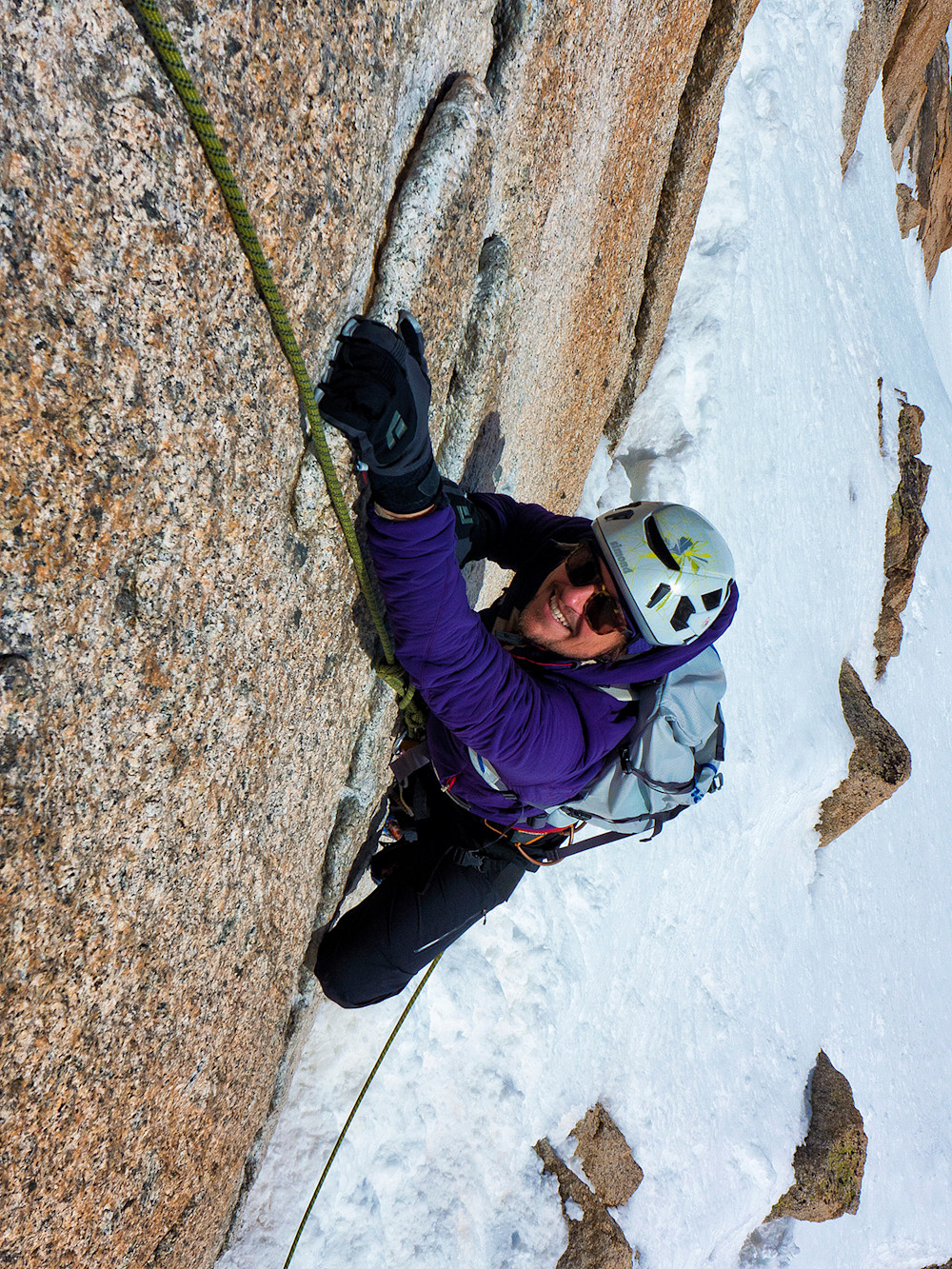
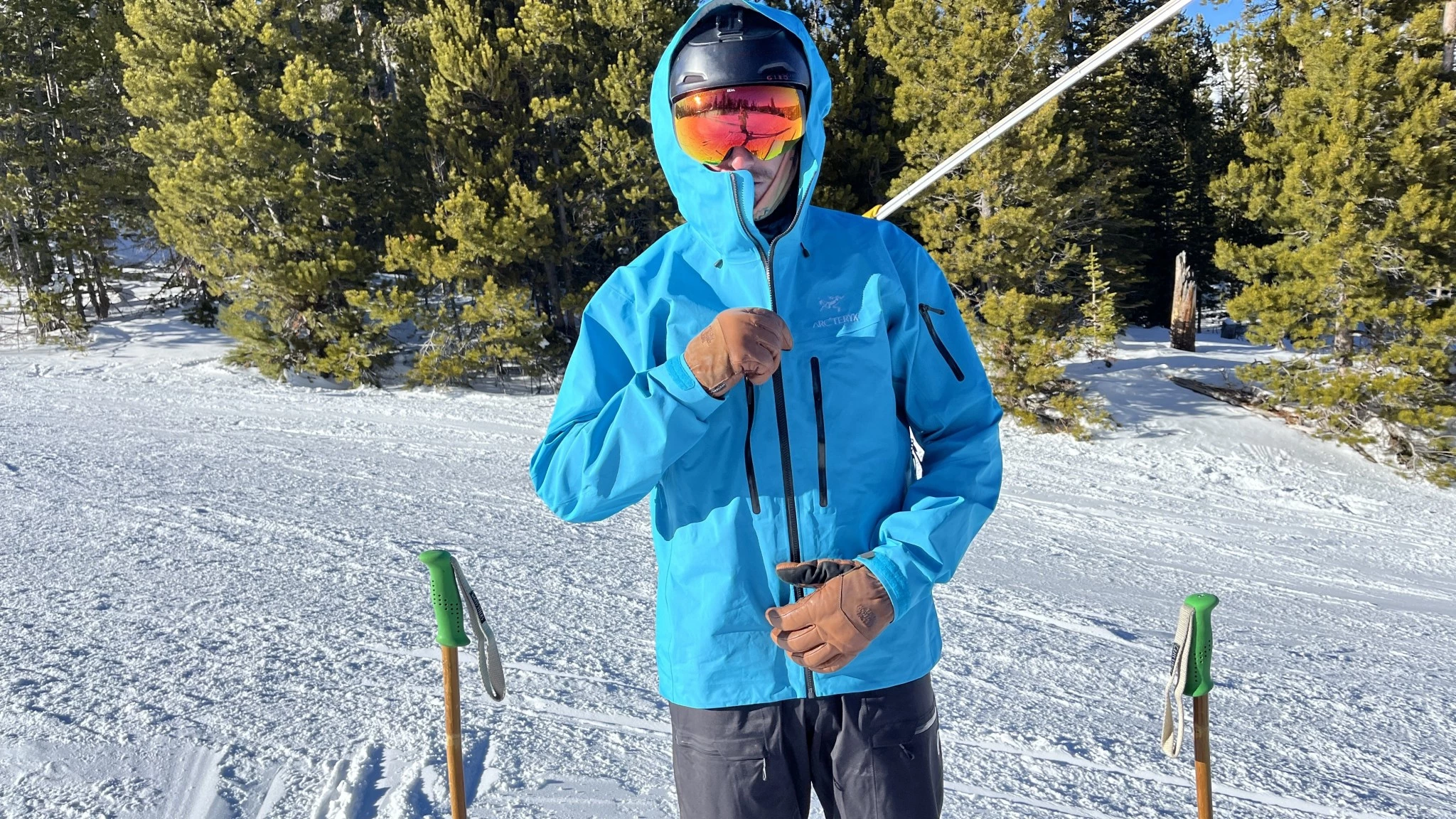
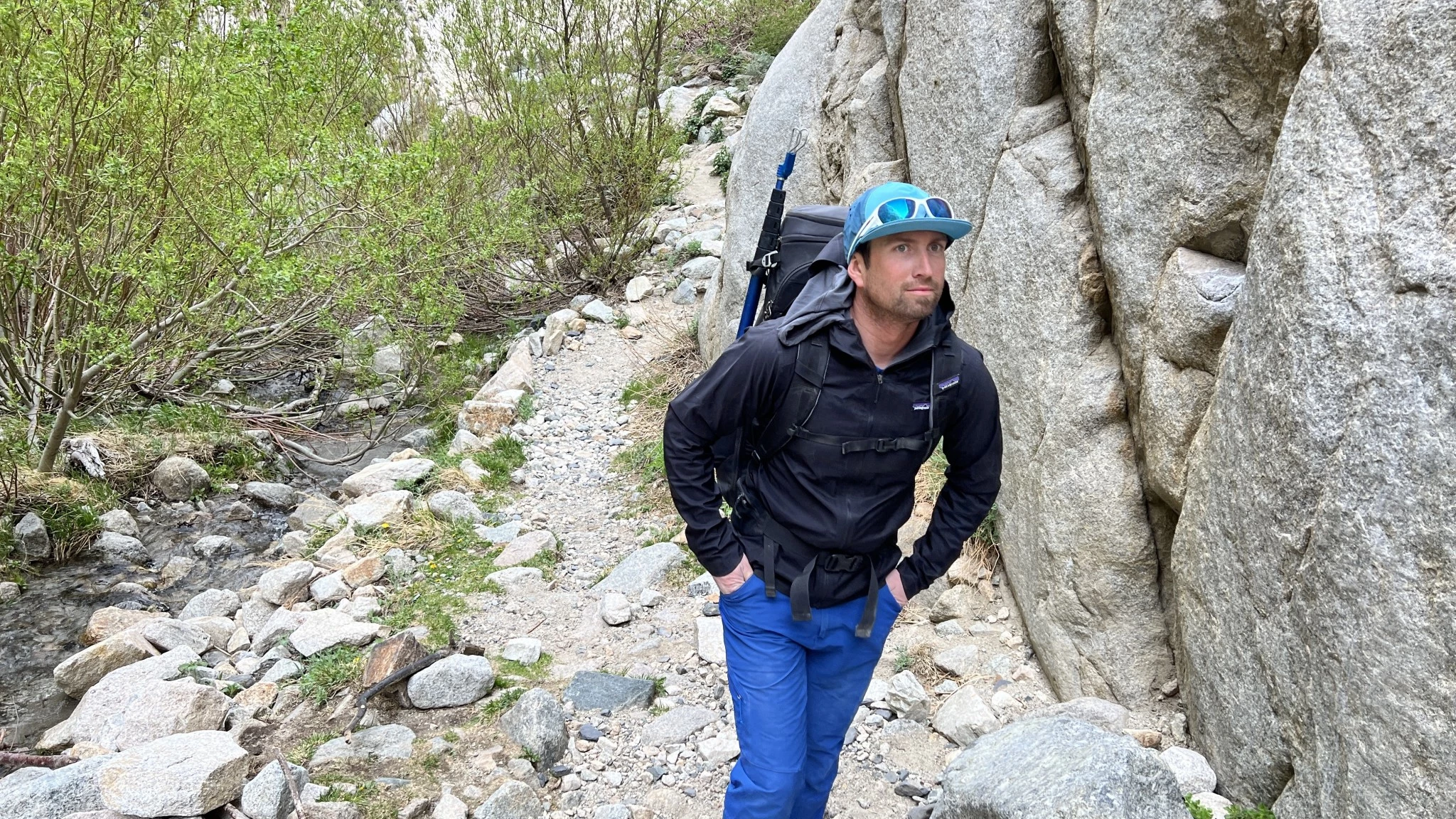
For those engaged in mountain sports, helmet compatible softshell jackets for climbing are non-negotiable. These hoods feature extra volume and multiple adjustment points to fit over a climbing or skiing helmet without restricting your peripheral vision. Additionally, consider the pocket placement; pockets positioned higher up on the torso allow for easy access while wearing a climbing harness or a backpack hip belt.
Choosing by Activity: MTB, Climbing, and Backpacking
Universal gear is a myth; the best men's softshell jacket for you depends entirely on your aerobic output and the environment you inhabit.
Alpinism and Climbing
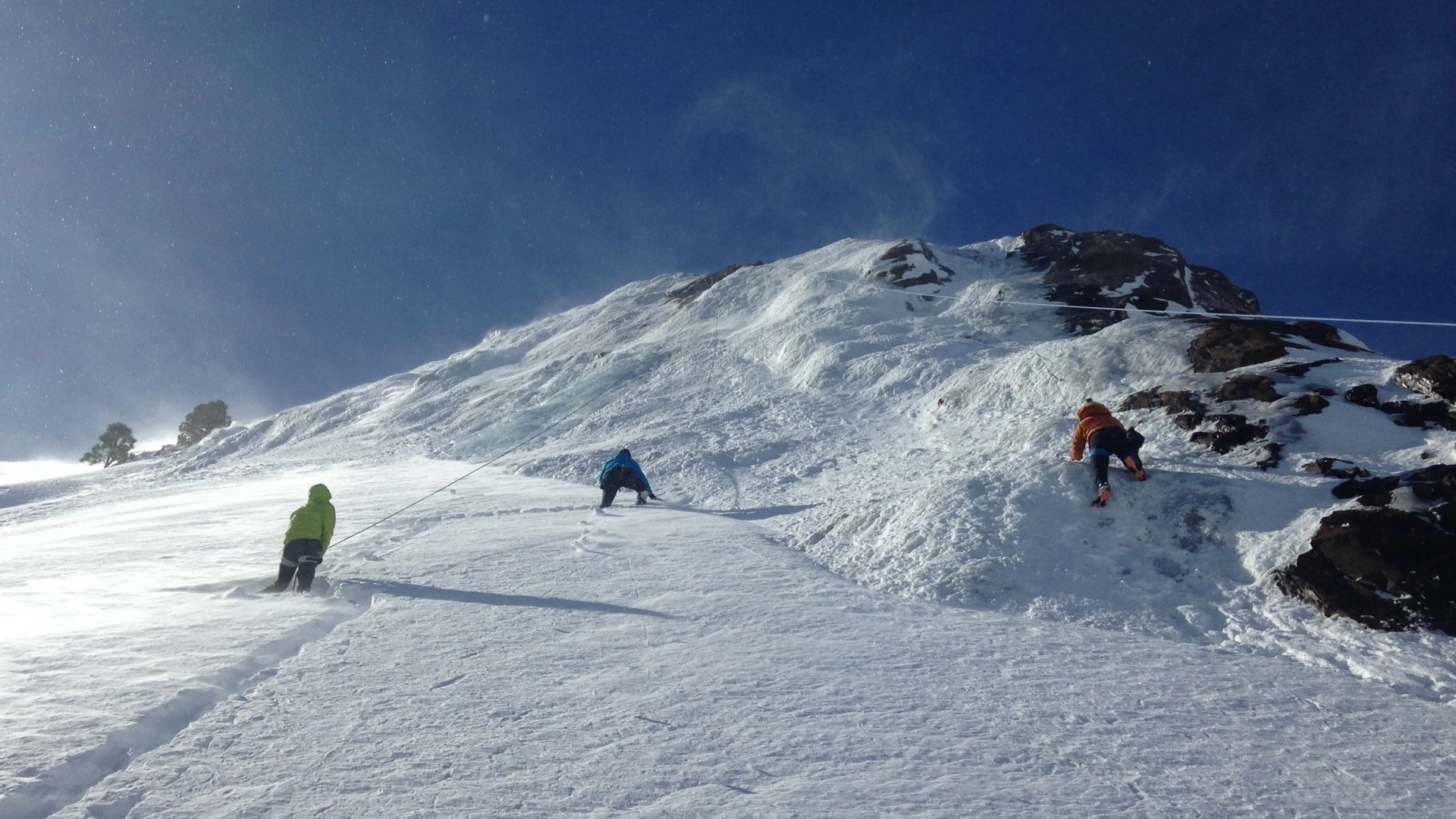
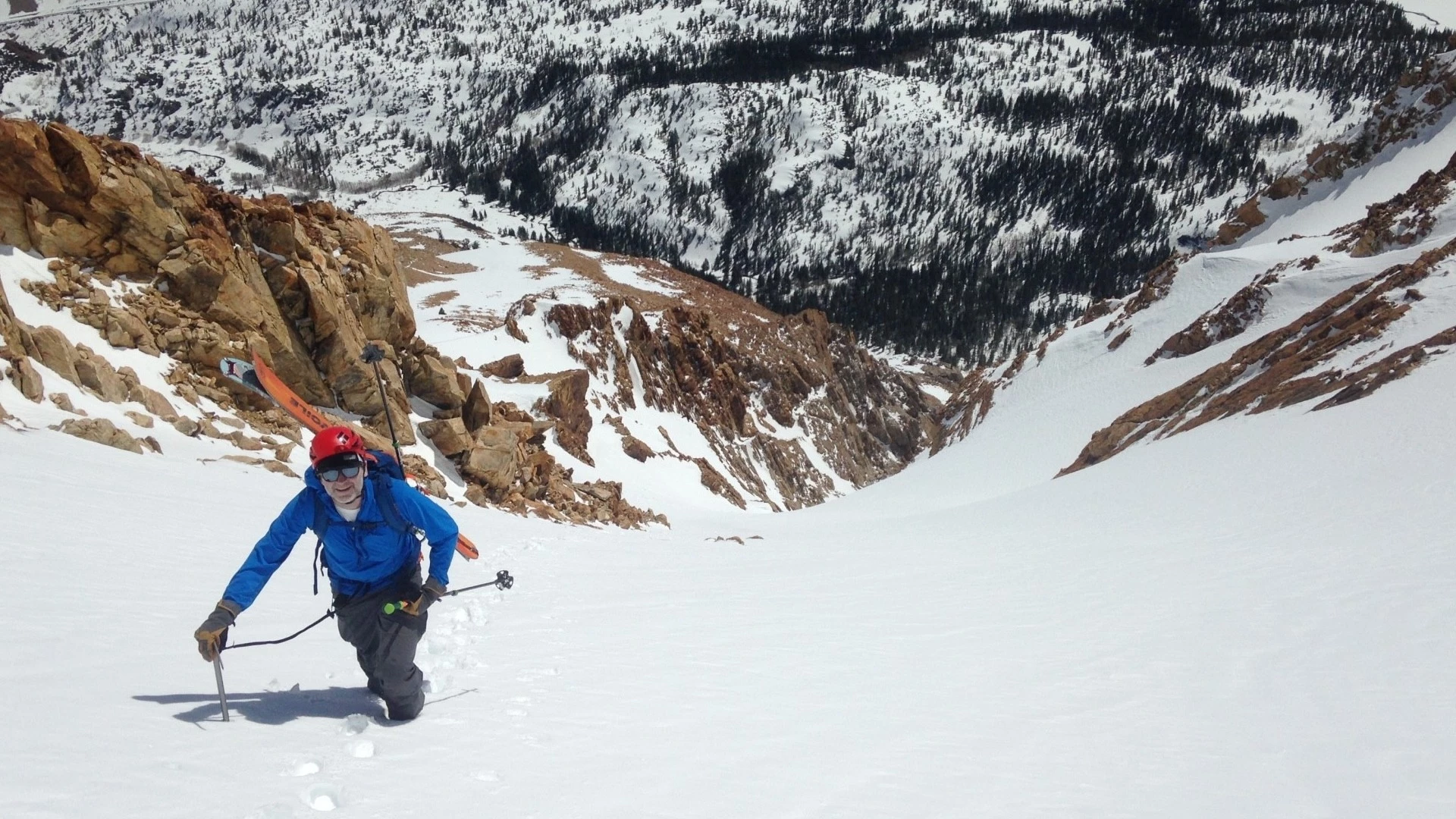
For technical climbing, weight and durability are the primary concerns. You want a jacket with a high denier rating (at least 70D to 90D) to handle the friction of granite or ice. Helmet-compatible hoods and harness-friendly pockets are essential. A men's lightweight softshell for layering is often the choice here, as you will likely throw a heavy down parka over the top during belay stances.
Cycling and Mountain Biking
Wind resistant softshell jackets for cyclists need a different cut—longer in the back (a drop tail) to cover the lower back when in a crouched riding position. Since cycling generates immense body heat, under-arm ventilation and a high moisture-vapor transfer rate are more important than heavy insulation. Look for streamlined cuffs that fit easily under gloves to block drafts.
Backpacking and Hiking
When choosing a softshell jacket for backpacking, versatility is king. You need a garment that can handle the varying intensities of a multi-day trek. Fleece-lined softshell jackets for winter hiking provide integrated thermal regulation, reducing the number of layers you need to pack. For summer or high-elevation treks, a lighter, unlined version is usually preferred for its packability.
Expert Tip: If you are engaging in water resistant softshell jackets for light rain scenarios, ensure the zippers are either laminated or shielded by a storm flap. Water often finds its way through the teeth of a standard zipper long before the fabric itself wets out.
Fit and Maintenance: Maximizing Performance
The fit of a men's softshell jacket should be trim but not restrictive. An overly baggy jacket creates dead air space that is difficult to heat and can snag on equipment, while a jacket that is too tight will inhibit your moisture-wicking properties by compressing your base layers. Look for adjustable hem drawcords and Velcro cuff tabs to fine-tune the seal against the elements.
Maintaining Your Investment
Softshells are durable, but their performance—specifically the Durable Water Repellent (DWR) coating—degrades over time due to dirt, body oils, and abrasion. If you notice that water resistant softshell jackets for light rain are starting to absorb water (wetting out) rather than beading it, it is time for maintenance.
- Wash Regularly: Use a technical cleaner designed for synthetic outerwear.
- Avoid Softeners: Never use fabric softeners or heavy detergents, as these can clog the pores of the fabric and destroy the breathability.
- Heat Reactivation: After washing, tumble dry the jacket on a medium heat setting for 20 minutes. The heat helps reactivate the DWR polymer chains on the surface of the fabric.
- Re-proofing: If heat reactivation no longer works, apply a spray-on DWR treatment while the jacket is damp, then dry it according to the instructions.
Modern environmental standards are also shifting toward PFC-free DWR treatments. These are more eco-friendly but may require more frequent reactivation to maintain their effectiveness.
FAQ
What is the purpose of a softshell jacket?
The purpose is to provide a highly breathable, mobile, and wind-resistant outer layer for active outdoor tasks. It is designed to be worn nearly all day, managing sweat effectively during high-output movement while offering enough protection to handle light precipitation and wind.
Is a softshell jacket waterproof or just water-resistant?
Most softshell garments are water-resistant, not waterproof. They use a DWR finish to shed light moisture, but in a sustained downpour, the fabric will eventually saturate. For heavy rain, a hardshell remains necessary.
What is the difference between a hardshell and a softshell jacket?
The difference lies in the balance of protection versus breathability. A hardshell is a waterproof, non-stretch barrier against storms with limited airflow. A softshell is a stretchy, air-permeable garment that prioritizes movement and moisture management at the expense of absolute waterproofness.
Are softshell jackets warm enough for winter?
It depends on the construction and your activity level. Fleece-lined softshell jackets for winter provide significant warmth for active pursuits like cross-country skiing or winter hiking. However, if you are static in sub-zero temperatures, you will need to add an insulated puffy jacket over or under the shell.
How should a men's softshell jacket fit?
It should have an athletic, trim fit that allows for one or two thin base layers underneath. The sleeves should be long enough to cover your wrists when reaching forward, and the body should be long enough to stay tucked under a hip belt or harness without restricting your range of motion.