Our Top Picks
- Best Overall: Rab Women’s Deep Cover Down Parka – Offering an elite warmth-to-weight ratio with premium 800-fill recycled down.
- Best Waterproof: The North Face Arctic Parka – Fully windproof and waterproof, designed specifically for heavy snow and biting arctic winds.
- Best Budget: REI Co-op Norseland Down Parka – The top choice for budget friendly women's down parkas under $300 dollars without sacrificing core warmth.
- Best for Commuting: The North Face Metropolis Parka – A lightweight, stylish option optimized for urban transitions.
Searching for the best women's winter jackets involves more than just finding a thick coat; it requires matching insulation technology to your specific climate and activity level. For most users, the Rab Women’s Deep Cover Down Parka is the gold standard for 2026, blending high-loft warmth with a sustainable ethos that resonates with modern adventurers and commuters alike.
Expert Methodology: How We Tested
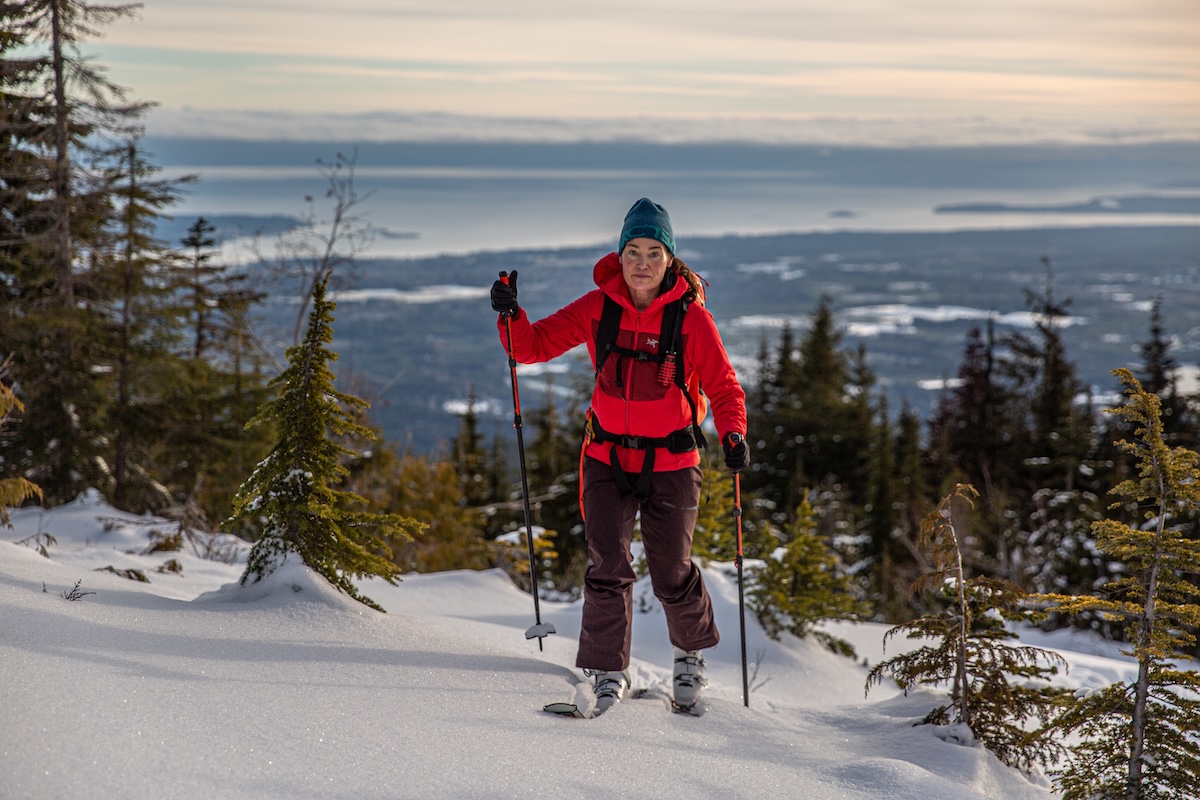
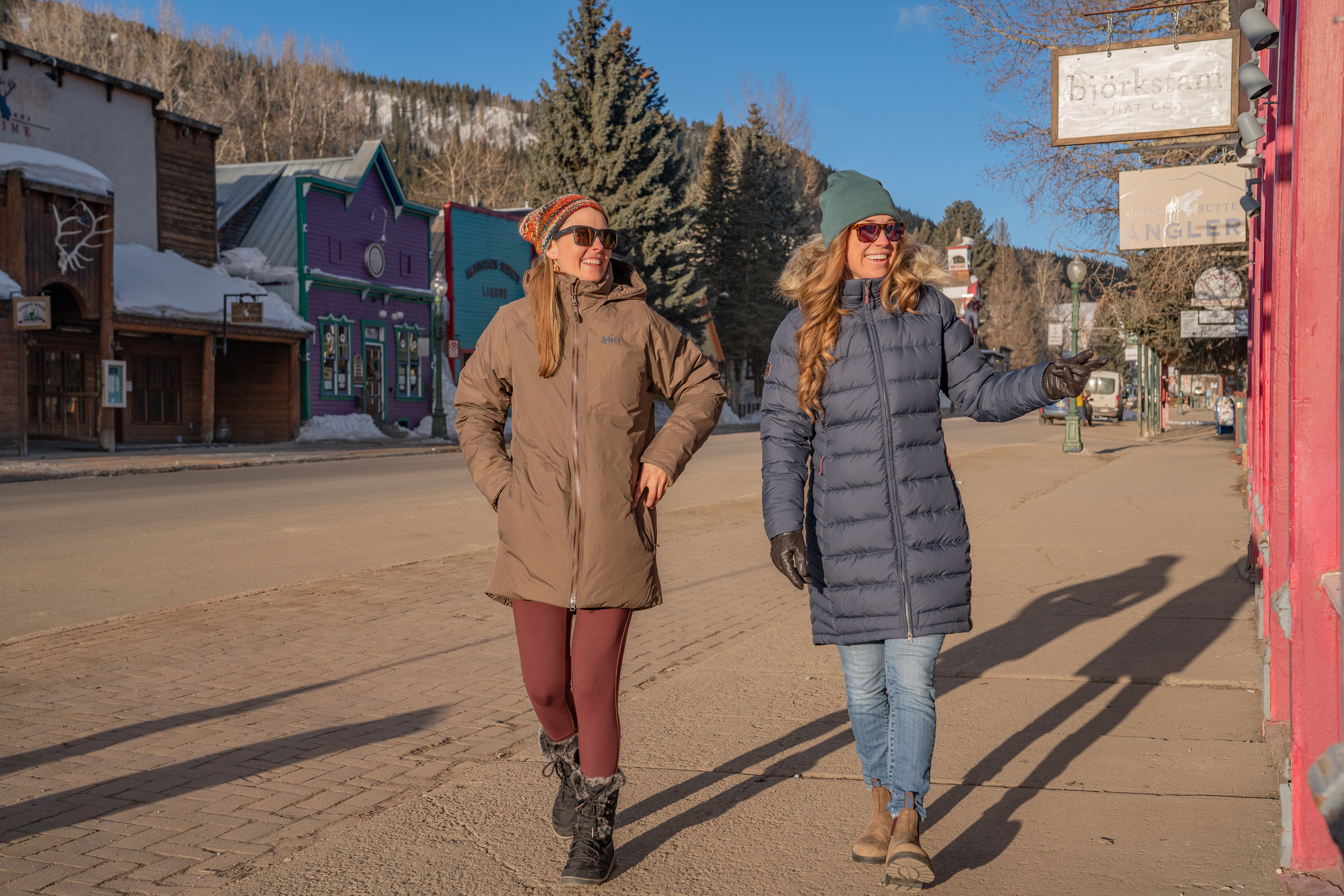
To provide these reviews, our team of gear specialists put dozens of parkas through rigorous real-world testing. We didn't just walk around the block; we focused on testing in locations like Montana and British Columbia where winter doesn't pull any punches. Over several months, our editors wore these jackets in temperatures ranging from -15°F to 32°F, evaluating how they handled everything from bone-dry sub-zero conditions to the damp, heavy snow of the Pacific Northwest.
Our testing protocol involves three primary metrics: thermal efficiency, weather resistance, and daily ergonomics. We tracked how long it took for internal heat to escape during static activities, such as waiting for a bus or standing at a trailhead. We also specifically looked for top rated women's winter jackets for commuting and errands, noting how restrictive or heavy a coat felt when getting in and out of a car or navigating a crowded grocery store. Beyond just warmth, we assessed the durability of the outer shells against abrasive surfaces and the functionality of zippers while wearing thick gloves.
Insulation Science: Down vs. Synthetic
Understanding the nuances of insulation is the first step toward staying comfortable this winter. When debating down vs synthetic winter jackets for women, there is no single right answer, only the right answer for your specific environment. Down, derived from goose or duck plumage, remains the undisputed king of warmth-to-weight ratios. It uses its natural loft to trap air, creating a thermal barrier. For those seeking the warmest women's winter parkas for extreme cold, down is usually the primary choice because of its compressibility and high fill power.
However, traditional down has a notable weakness: it loses its ability to insulate when it gets wet. This is where down vs synthetic insulation for everyday winter coats becomes a critical decision. Synthetic insulation, usually made from polyester fibers, is designed to mimic down but retains its structure even when damp. If you live in a region with frequent winter rain or sleet, a synthetic or hybrid option may be safer.
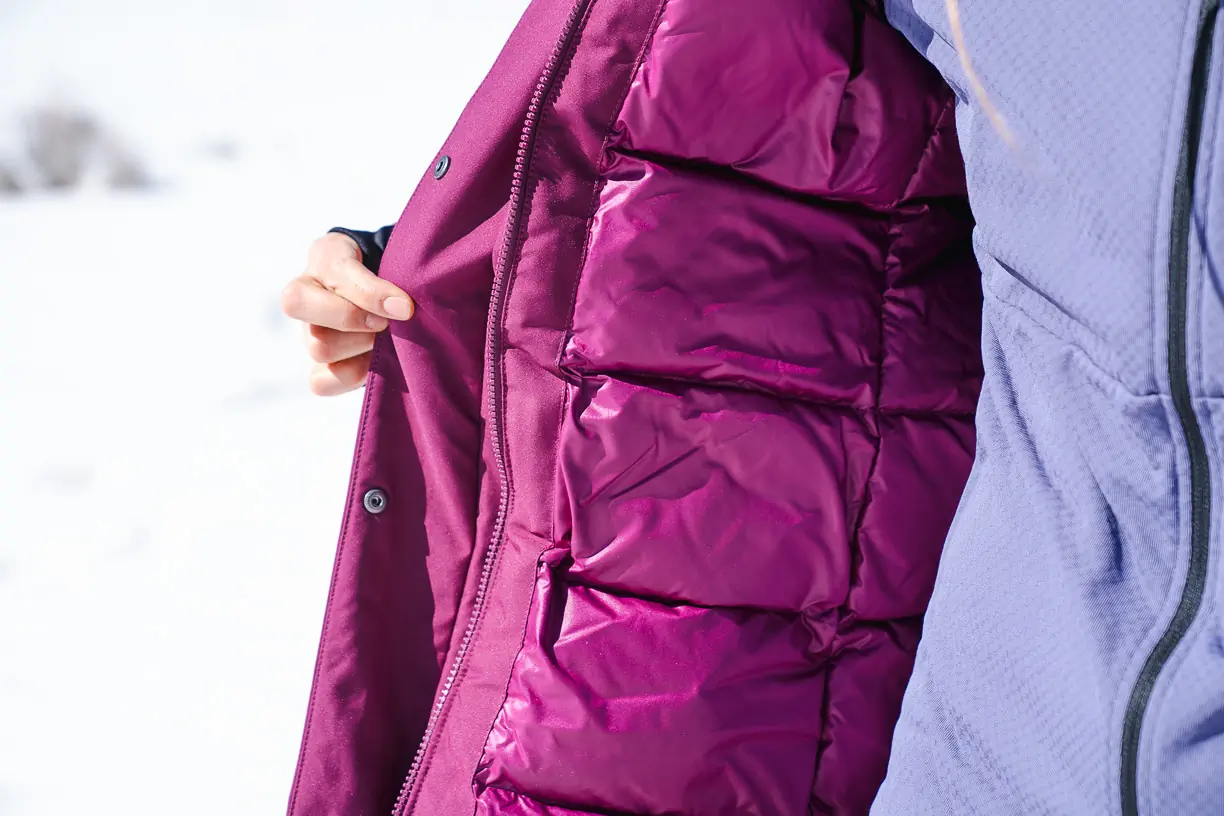
Modern advancements have introduced hydrophobic down, which is treated with a water-resistant coating, and box-wall baffles construction, which eliminates cold spots by allowing the insulation to fully expand. Furthermore, as the global down jacket market reached an estimated valuation of 239.17 billion USD in 2024, there has been a massive shift toward the Responsible Down Standard and PFC-free coatings, ensuring that high performance doesn't have to come at an ethical or environmental cost.
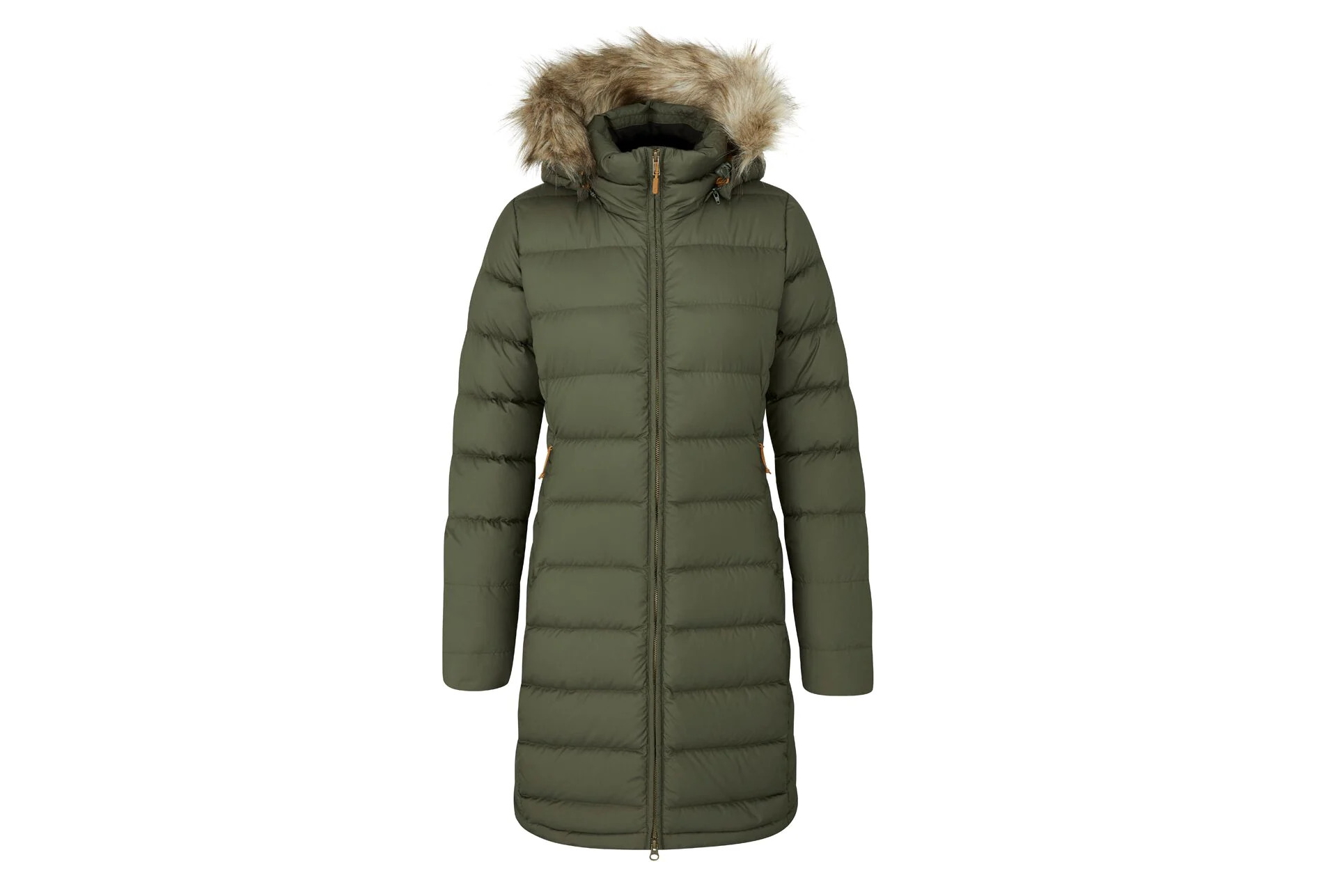
Best Overall: Rab Deep Cover Down Parka
The Rab Women's Deep Cover Down Parka has consistently impressed our testers with its ability to provide incredible warmth without the "marshmallow" bulk of traditional parkas. This model is a prime example of sustainable women's winter coats with recycled down, utilizing 800-fill P.U.R.E. recycled down that has been treated with a hydrophobic finish.
During our testing in sub-zero conditions, the Deep Cover provided immediate heat retention. The length, which reaches well below the hip, ensures that your core and upper legs stay protected from biting winds. It is also surprisingly packable, making it one of the best lightweight yet warm winter jackets for travel. Whether you are packing it into a suitcase for a ski trip or stowing it in an overhead bin, it recovers its loft almost instantly upon being unpacked.
Spec Snapshot
- Insulation: 800-fill recycled down
- Shell Fabric: Pertex Quantum (recycled)
- Weight: Approx 824g (size 12)
- Length: Mid-thigh to knee (average 36 inches)
- Sustainability: GRS-certified recycled down, Fluorocarbon-free DWR
Should You Buy It?
If you want the absolute best women's winter jackets available for dry, freezing climates, yes. It offers professional-grade insulation in a silhouette that works as well on a city street as it does at a mountain base camp. However, if you live in a place where winter means constant rain rather than snow, you might want a shell with a more robust waterproof membrane.
Best Waterproof: The North Face Arctic Parka
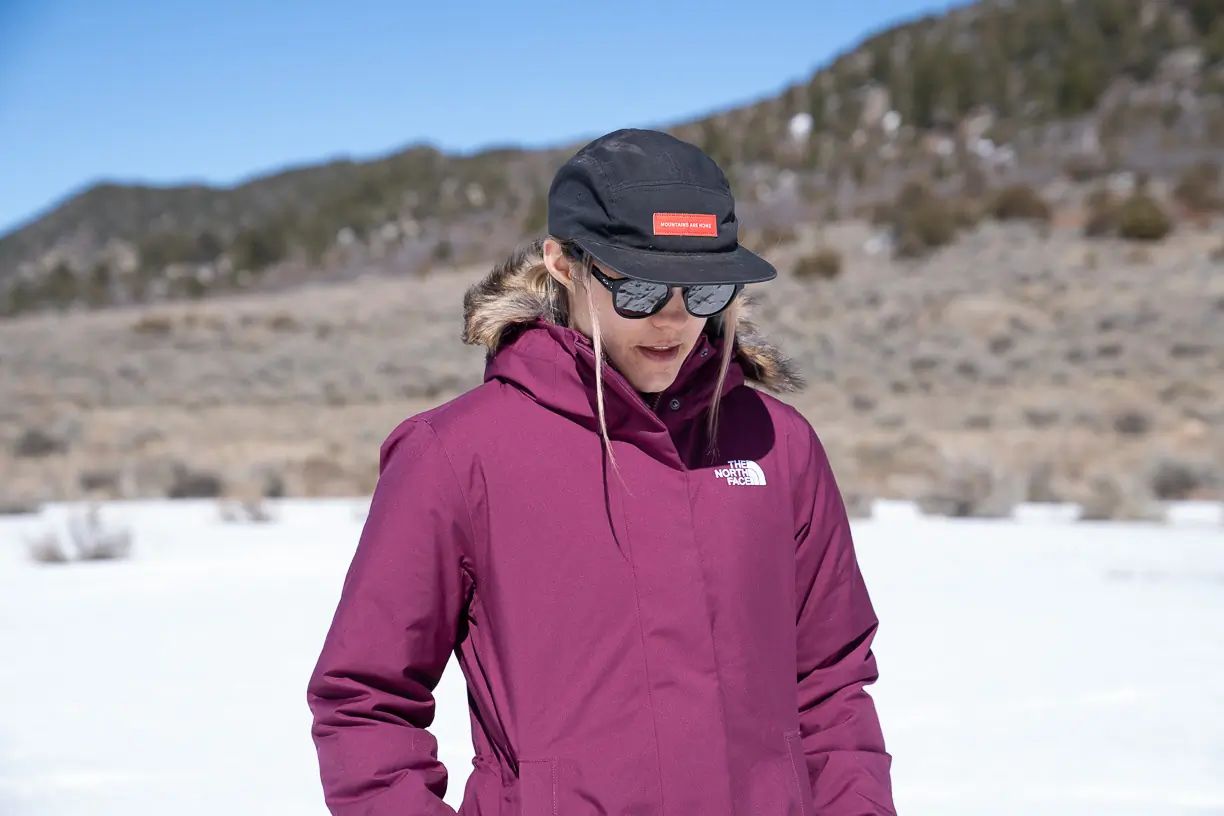
When the weather turns from cold to miserable, you need more than just warmth; you need a fortress. The North Face Arctic Parka is widely considered one of the best waterproof winter coats for women because it utilizes the brand's proprietary DryVent shell. This 2-layer fabric is entirely windproof and waterproof, but still breathable enough to prevent you from overheating while walking.
In our Rab versus The North Face women's winter parka comparison, the Arctic Parka won on pure weather protection. While the Rab is warmer per ounce, the North Face features a much tougher exterior that sheds sleet and freezing rain effortlessly. The 600-fill down insulation provides ample warmth for most North American winters, and the 35.25-inch center back length provides excellent coverage.
Spec Snapshot
- Insulation: 600-fill recycled down
- Shell Fabric: DryVent 2L waterproof/breathable shell
- Hood: Removable faux-fur ruff, fully adjustable
- Closure: Two-way front zipper with storm flap
- Best For: Heavy snow, wet climates, and coastal winters
Should You Buy It?
This is the definitive choice for anyone living in Chicago, Boston, or Toronto, where the wind-chill and wet snow are the primary enemies. It is built to last for years and requires very little maintenance, though it is noticeably heavier than the technical alpine offerings from Rab.
Buying Guide: Essential Features for a Quality Parka
Choosing among the warmest women's winter parkas requires looking past the brand name and inspecting the technical details. Here are the features our experts always look for:
- Two-way front zipper: This is a non-negotiable for longer parkas. It allows you to unzip the bottom of the coat for better leg mobility when climbing stairs or sitting in a car without letting all your heat out from the top.
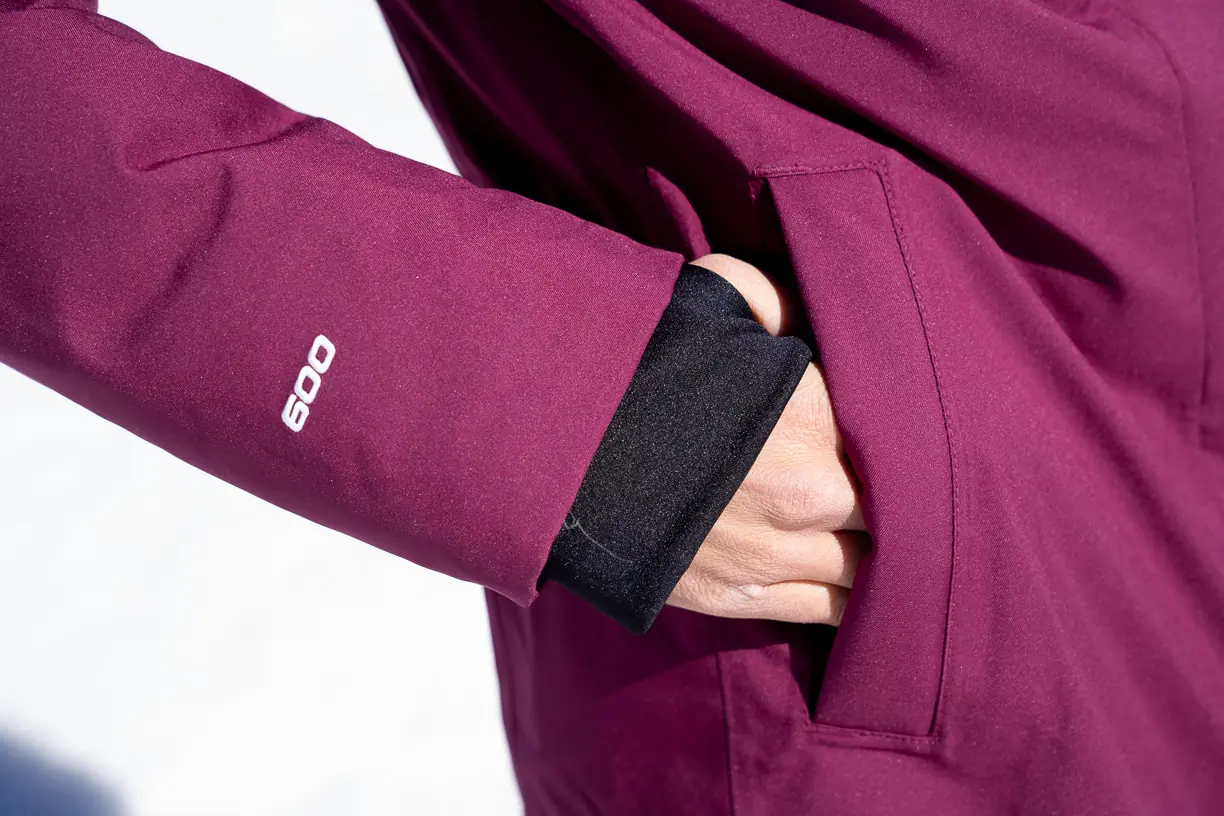
- Internal storm cuffs: These soft, elasticized gaskets inside the sleeves seal around your wrists, preventing cold air from traveling up your arms. Some designs even include thumbholes for extra security.
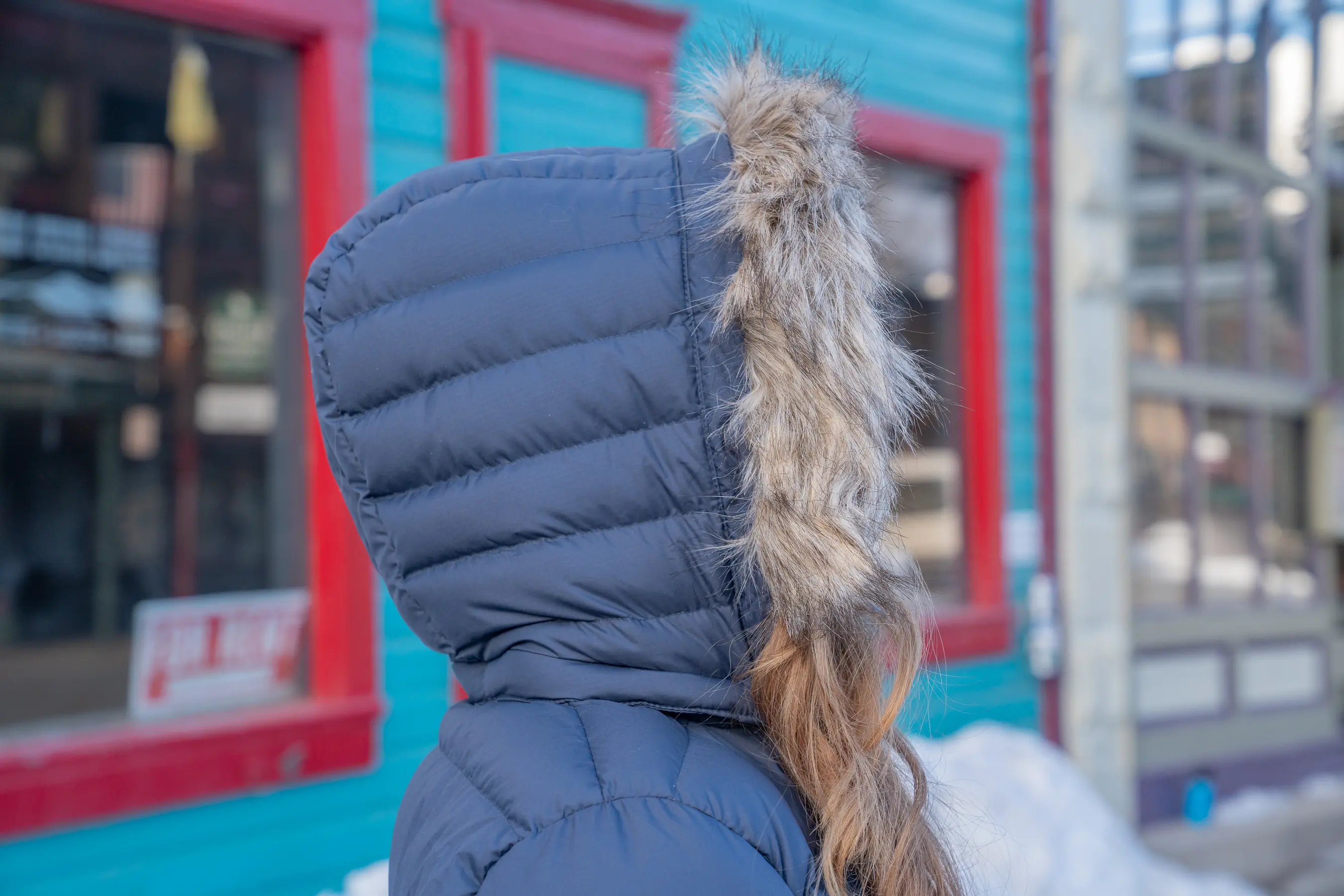
- Insulated hood with adjustment: A hood that doesn't stay up in the wind is useless. Look for hoods with high-quality cinch cords at the back and sides to ensure it moves with your head.
- DWR finish: A durable water repellent (DWR) coating is essential for keeping the outer fabric from "wetting out," which can make the jacket feel heavy and significantly colder.
- PFC-free materials: As the industry moves toward better environmental practices, look for a PFC-free label, which ensures the waterproof coatings do not contain harmful perfluorinated chemicals.
The right length also matters. For maximum warmth, a coat that hits at the knee is ideal, but it can be restrictive. Most users find that a mid-thigh length provides the perfect balance of heat retention and mobility for daily activities.
FAQ
What is the warmest material for women's winter jackets?
High-loft down insulation, specifically with a fill power of 800 or higher, is the warmest material relative to its weight. However, for sheer heat retention in damp conditions, a combination of a waterproof shell and heavy synthetic insulation or treated hydrophobic down is often considered more effective at maintaining warmth throughout the day.
Is down or synthetic insulation better for extreme cold?
Down is generally superior for extreme cold because it traps a greater amount of heat and is more durable over time, provided it stays dry. However, synthetic insulation is catching up and is often the better choice if there is a risk of the jacket becoming wet from snow or perspiration during high-intensity activities.
How should a winter coat fit when wearing layers?
A winter coat should be spacious enough to comfortably fit a mid-layer like a fleece or wool sweater without feeling tight in the armpits or shoulders. However, if the coat is too loose, your body will have to expend more energy to heat up the excess "dead air" space inside the jacket, which can actually make you feel colder.
What features make a winter jacket waterproof?
True waterproofing comes from a combination of a specialized internal membrane, such as GORE-TEX or DryVent, and sealed seams. Seam taping prevents water from leaking through the needle holes where the fabric was stitched together. A DWR finish on the outer fabric also helps by causing water to bead up and roll off.
How much should I expect to spend on a quality winter coat?
For a high-quality parka that will last several years, most consumers spend between $250 and $600. While there are options under $200, they often use lower-quality synthetic fill or heavier, less breathable shell fabrics. Investing in a premium coat often pays off in durability and superior warmth in sub-zero conditions.
Which length of winter jacket is best for staying warm?
A length that reaches at least the mid-thigh or knee is best for staying warm because it protects the large muscle groups in your thighs and keeps your core heat from escaping through the bottom of the jacket. For those primarily walking or standing in the cold, longer is usually better.