Our Top Picks
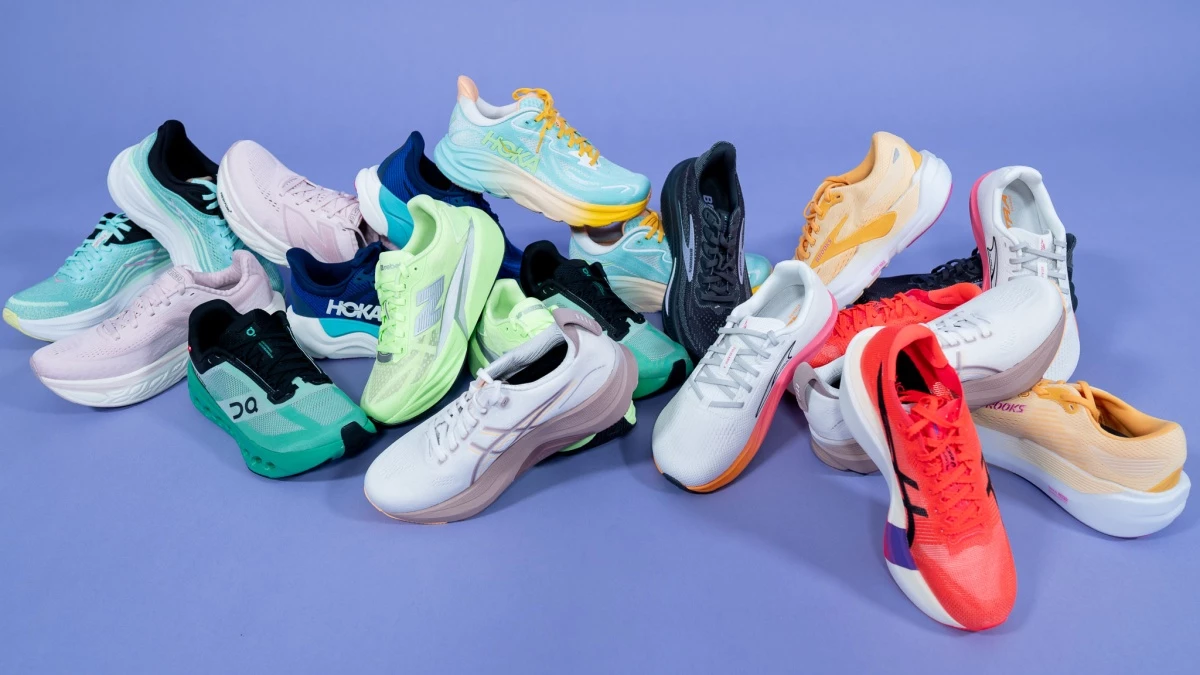
- Best Overall: Asics Novablast 5 for balanced energy return and lightweight rocker geometry.
- Best for Stability: Asics Gel-Kayano 32 for managing overpronation with a wide platform.
- Best Maximal Cushion: New Balance Fresh Foam X 1080v14 for plush impact absorption.
- Best for Beginners: Saucony Ride 18 offering a reliable, straightforward neutral ride.
The Asics Novablast 5 is the top choice for the best women's running shoes overall, praised for its balance of maximal cushioning and springy energy return. Its lightweight construction and aggressive rocker geometry make it versatile enough for both high-speed workouts and long-distance recovery runs. For runners requiring specialized support, the Asics Gel-Kayano 32 is recommended for its reliable lateral stability and wide platform that helps manage overpronation. Alternatively, the New Balance Fresh Foam X 1080v14 is the leading option for maximally cushioned landings, offering a plush stack height that prioritizes joint protection and comfort.
Quick Facts
- Top Performance: Testing specialists have evaluated more than 300 women's road-running shoe models since 2014 to ensure data-driven recommendations.
- Economic Impact: In May 2022, women’s running shoe sales in the United States reached $1.6 billion, representing nearly half of the market.
- Market Growth: The global running shoe market was valued at $15.44 billion in 2022 and continues to expand toward a 2030 peak.
- Weight Standards: Modern daily trainers for women now average between 7.0 oz and 9.0 oz for optimal efficiency.
- Cushioning Limits: Most performance models now hover near the 40mm stack height limit set by international racing standards.
- Replacement Cycle: Our data suggests replacing women's road running shoes every 300 to 500 miles to maintain structural integrity.
How We Tested: 300+ Models and Thousands of Miles
Our team has evaluated over 300 women's road running models since 2014, logging thousands of miles on tracks and city routes to assess durability and performance. We don't just run in these shoes; we bring them into the lab. To provide you with the most accurate reviews, we use digital calipers to measure stack height and heel-to-toe drop, ensuring that manufacturer specs match reality. We also perform a Dremel test on the outsole of every shoe to objectively measure outsole traction and rubber durability.

Each pair undergoes a minimum of 30 miles of initial field testing, with our lead testers often pushing beyond 100 miles for favorite models. This allows us to see how the midsole foam settles and whether the engineered mesh upper maintains its shape over time. We compare these subjective "on-road" feelings with our lab data—like durometer scores that measure foam firmness—to give you a complete picture of how the shoe will behave during your recovery runs or race days.

Shoe Comparison Overview
| Model | Weight | Drop | Primary Intensity | Best For |
|---|---|---|---|---|
| Asics Novablast 5 | 7.3 oz | 9mm | Versatile / Daily | All-around performance |
| NB Fresh Foam X 1080v14 | 8.2 oz | 6mm | Low / Moderate | Maximum comfort |
| Asics Gel-Kayano 32 | 9.1 oz | 10mm | Moderate / Long | Overpronation support |
| Saucony Ride 18 | 8.4 oz | 8mm | Daily | New runners |
| Asics Metaspeed Sky | 4.6 oz | 5mm | High (Racing) | Marathon Personal Bests |
Best Overall & Daily Trainer: Asics Novablast 5
The Asics Novablast 5 has secured its spot as the gold standard for best women's running shoes in the daily trainer category. It strikes a rare balance: it feels pillowy soft when you are tired but snappy and responsive when you pick up the pace. The secret lies in the updated midsole foam and the aggressive rocker geometry that rolls your foot forward effortlessly.
Our testers noted a distinct "trampoline effect" during toe-off, making it one of the best versatile daily trainers for women runners available today. It’s light enough for intervals but has enough impact absorption to handle a marathon.
Expert Tip: The Novablast series tends to run a bit long. If you are between sizes, consider going with your smaller size for a more secure, performance-oriented fit.
Spec Box: Asics Novablast 5
- Weight: 7.3 oz
- Heel-to-Toe Drop: 9mm
- Stack Height: 41mm (Heel) / 32mm (Forefoot)
- Price Range: $140 - $150
Best For: Runners who want one shoe that can do everything from slow jogs to tempo runs. Not Recommended For: Runners who prefer a very grounded, low-stack feel or those with severe stability needs.

Top Rated Maximally Cushioned Shoes for Women
For those who prioritize joint protection above all else, the New Balance Fresh Foam X 1080v14 is a masterpiece of cushioned running shoes for women. By utilizing a high stack height that stays just within legal racing limits, New Balance has created a ride that feels like running on a cloud without feeling unstable.
This model is particularly effective for recovery runs where your legs feel heavy. The impact absorption is top-tier, significantly reducing the "thud" of hitting the pavement. When compared to the Hoka Mach 6, the 1080v14 offers a plusher underfoot feel, whereas the Mach 6 leans more toward a lightweight, responsive ride. If you are looking for top rated maximally cushioned women's running shoes, this is the pair that will keep your knees and ankles happy over high weekly mileage.
Spec Box: NB Fresh Foam X 1080v14
- Weight: 8.2 oz
- Heel-to-Toe Drop: 6mm
- Stack Height: 38mm / 32mm
- Price Range: $160 - $170
Best For: High mileage, recovery days, and runners who experience joint fatigue. Not Recommended For: Speedwork or runners who dislike "mushy" feeling midsoles.

Best Stability Shoes for Overpronation
If your feet tend to roll inward—a common trait known as overpronation—standard neutral shoes can lead to discomfort. The Asics Gel-Kayano 32 is widely regarded as the leader in stability running shoes for women. It doesn't use the "hard plastic posts" of the past; instead, it uses a wider platform and a specialized supportive frame to provide pronation control.
The engineered mesh upper is incredibly secure, locking the heel in place while allowing the toes to splay naturally in the wide toe-box. For a slightly lighter alternative, the Saucony Guide 18 also offers excellent arch support and a smooth transition. These models demonstrate that best stability running shoes for women with overpronation don't have to be heavy or clunky anymore.
Best For: Runners with flat feet or those whose gait requires lateral support. Not Recommended For: Neutral runners who don't need corrective support, as it may feel slightly restrictive.
Speed Training and Marathon Racing Picks
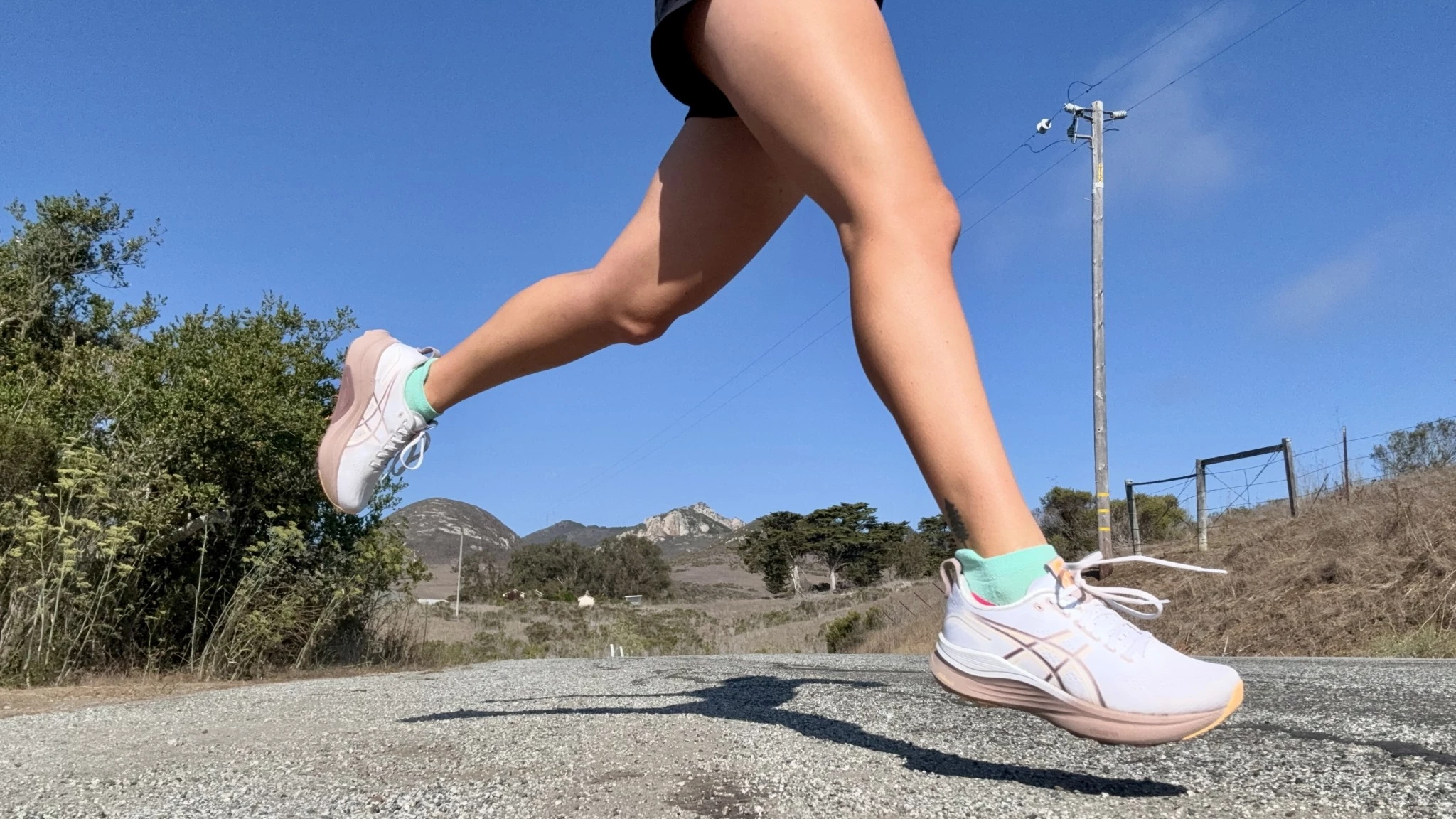
When every second counts, you need lightweight women's running shoes for speed training. The Asics Metaspeed Edge and Metaspeed Sky Tokyo represent the pinnacle of modern footwear technology. Weighing in at a featherlight 4.6 oz, these shoes feature a full-length carbon fiber plate embedded in a high-rebound foam.
The energy return from these shoes is measurable; they are designed to help you maintain a higher cadence or a longer stride length with less effort. These are specific performance race day shoes for women's marathon training, designed to be used when you are chasing a new personal record. The rocker geometry is tuned specifically to keep you move forward efficiently even at high speeds.

Best Road Running Shoes for Beginners 2026
If you are just starting your journey, you don't need a $250 carbon-plated shoe. The Saucony Ride 18 is our top recommendation for the best road running shoes for women beginners 2026. It provides a straightforward, neutral ride that is predictable and comfortable. It features excellent outsole traction that works well on sidewalks, park paths, and treadmills alike.
For those on a tighter budget, the Hoka Mach 6 and Saucony Kinvara 15 deliver high performance and responsive midsoles at a lower price point than many premium racing models. These shoes prioritize reliability and durability, ensuring that your first 100 miles are as comfortable as possible.

FAQ
How often should you replace your running shoes?
Most experts and our own long-term durability tests suggest replacing your shoes every 300 to 500 miles. You can tell it is time for a new pair when the midsole foam feels "dead" or flat, or when the outsole traction has worn down to the foam. If you start feeling new aches in your knees or shins after a regular run, it is often a sign that the shoe's impact absorption has diminished.
What is the difference between men's and women's running shoes?
Women's running shoes are not just smaller versions of men's shoes. Biomechanically, women often have a higher arch and a narrower heel relative to the forefoot. Consequently, the best women's running shoes feature a narrower heel cup and a different heel-to-toe drop to accommodate the typically higher tension in a woman's Achilles tendon. Additionally, the midsole foam in women's models is often tuned to be slightly softer to account for lower average body weights.
What are the best running shoes for flat feet?
If you have flat feet, you likely need stability running shoes for women that provide extra arch support and pronation control. The Asics Gel-Kayano 32 or the Brooks Adrenaline GTS are excellent choices because they use a wider base and supportive guide rails to prevent the foot from collapsing inward too much during your stride.
Should I size up when buying running shoes?
Yes, it is generally recommended to size up by a half size from your casual street shoes. When you run, your feet naturally swell due to increased blood flow and the repeated impact of hitting the pavement. Having about a thumbnail's width of space between your longest toe and the end of the shoe prevents black toenails and blisters during long efforts.
What are the best cushioned running shoes for beginners?
The Saucony Ride 18 is a fantastic entry point for beginners who want a balance of comfort and stability. However, if you want the absolute highest level of impact protection, the New Balance Fresh Foam X 1080v14 is the gold standard for cushioned running shoes for women. It provides a massive amount of protection for new runners whose muscles and joints are still adapting to the stresses of the sport.