Our Top Picks
- Overall Best: The CNOC ThruBottle is the heavy-duty champion, offering the perfect balance of a slim profile and rugged HDPE construction that lasts for thousands of miles.
- Best for Cold Weather: The Mazama Designs M!GO stands out for its unique LDPE material, making it one of the few boiling water safe hiking bottles for cold weather camping on the market.
- Lightest Rigid Option: The Igneous Nobo is the ounce-counter's dream, weighing in at just 65g while maintaining the sleek shape required for shoulder strap pockets.
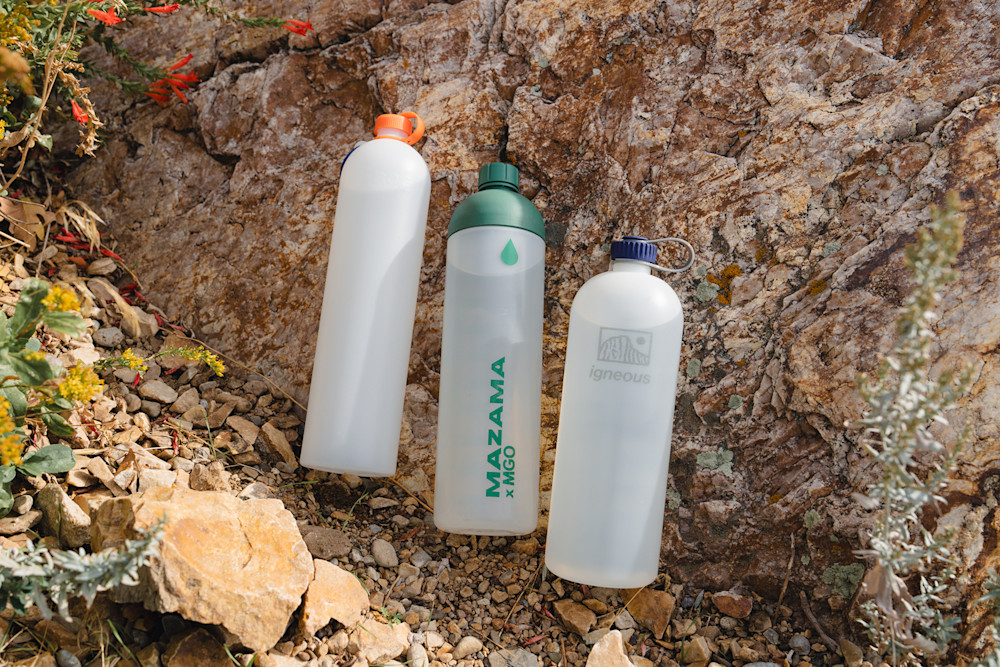
The best reusable alternatives to the Smartwater bottle for thru-hiking include the CNOC ThruBottle, Mazama Designs M!GO, and Igneous Nobo. These hard-sided options are modeled after the slim profile of single-use bottles to fit tight pack side pockets while offering increased durability. Unlike disposable alternatives, these bottles are designed to withstand months of trail use without cracking or excessive chemical leaching, making them a premier choice for any ultralight water bottle setup.
The Smartwater Benchmark: Why Hikers are Switching
For years, the humble 1-liter Smartwater bottle has been the gold standard for the thru-hiking community. It is easy to see why: it is cheap, remarkably light, and fits into almost every side pocket on the market. With a volume-to-weight ratio of approximately 789 ml/oz, it set a high bar for any contender. However, as our understanding of material science and environmental impact evolves, the limitations of these single-use PET1 plastics have become harder to ignore.
The trend toward more sustainable gear is reflected in a massive market shift. The global reusable water bottle market was valued at approximately USD 9.67 billion in 2024, with major players like Nalgene and Hydro Flask dominating the space. Beyond the macro-economics, the individual impact is staggering. It is estimated that a person using plastic bottles daily discards approximately 1,460 single-use bottles per year. By switching to a dedicated Smartwater bottle alternative, hikers can eliminate this waste footprint entirely while avoiding the risks of chemical leaching and microplastic shedding that occur as disposable plastic degrades under UV exposure and repeated use.
Many hikers are now looking for microplastic safe reusable water bottles for hiking that offer the same slim dimensions as their disposable predecessors. The goal is to maintain a low base weight reduction strategy without compromising on health or durability. Newer polymers and manufacturing techniques have finally closed the "Weight Gap," providing bottles that are nearly as light as disposables but robust enough to survive a full PCT or AT trek.
Technical Compatibility: The 28mm Thread Standard
If there is one thing that keeps a Smartwater bottle in a hiker's pack, it is its compatibility with water filters. The industry has largely coalesced around the standard 28mm threads found on most soda and water bottles. This is the same threading used by the Sawyer Squeeze, the Katadyn BeFree (which uses a wider 42mm mouth), and the LifeStraw Flex.
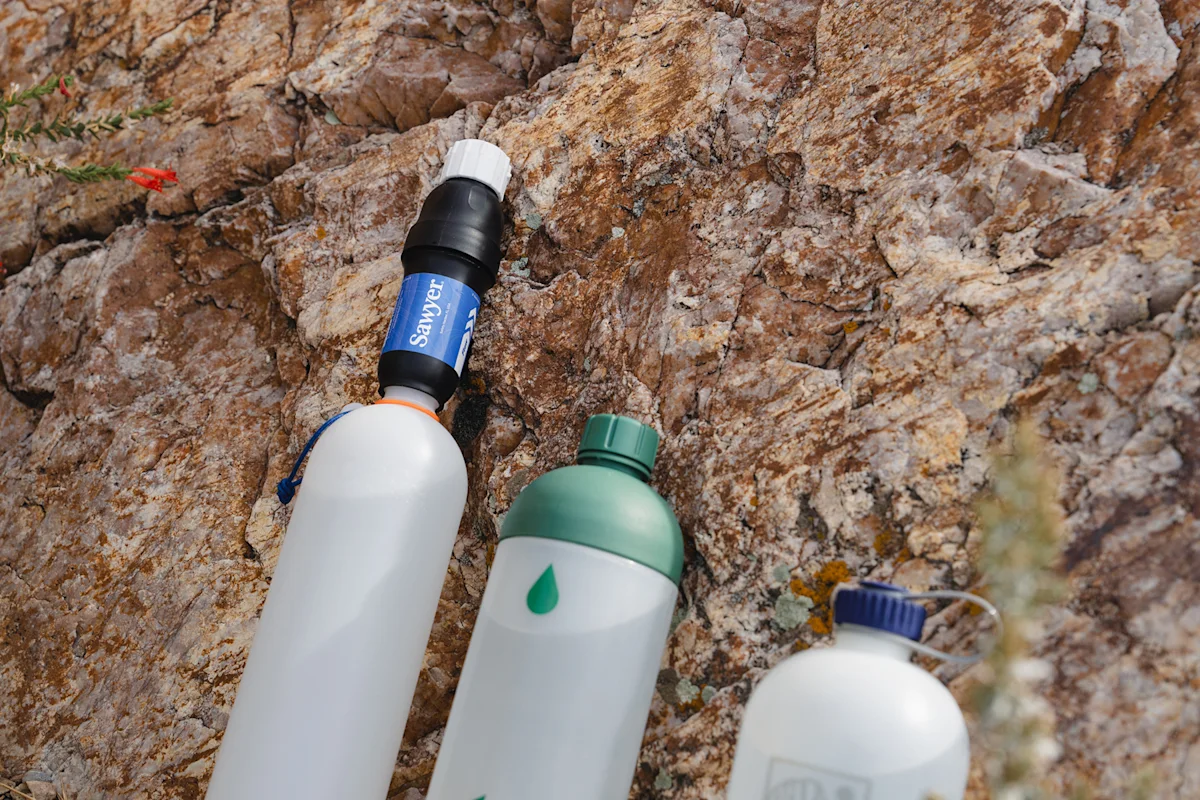
When searching for a Sawyer Squeeze compatible water bottle, the thread precision is paramount. A poor fit leads to leaks during the pressure-heavy filtration process, which can result in cross-contamination of your clean water supply. The best thru-hiking water bottles featured in this review utilize high-tolerance 28mm threading that creates a hermetic seal with hollow fiber filtration systems. This allows for seamless trail-side refills; you simply scoop dirty water into the bottle, screw the filter directly onto the mouth, and squeeze.
This compatibility eliminates the need for proprietary adapters or heavy gravity bags, keeping your kit simple and efficient. While many collapsible bladders offer this threading, they are prone to pinhole leaks over time. A hard-sided ultralight water bottle provides a more stable platform for squeezing, ensuring that you can exert the necessary force to push water through a partially clogged filter without fear of the container bursting.
Material Science: HDPE vs. LDPE for Thru-Hiking
Choosing the right reusable smartwater bottle alternatives for thru-hiking requires a dip into polymer science. Not all plastics are created equal, and the choice between High-Density Polyethylene (HDPE) and Low-Density Polyethylene (LDPE) will dictate how you use your bottle on the trail.
HDPE is the material used in the CNOC ThruBottle. It is characterized by its stiffness and incredible durability. It has a higher melting point—typically safe up to 171°F—and is generally more resistant to chemicals. HDPE bottles feel more like a traditional "hard" bottle but with significantly thinner, lighter walls. They are also widely curbside recyclable, which adds to their environmental appeal. If you want a bottle that holds its shape perfectly in a side pocket and resists crushing, HDPE is the way to go.
On the other hand, LDPE is softer and more flexible. The Mazama Designs M!GO utilizes this material to great effect. The primary benefit of LDPE is its squeezability. If you find yourself filtering water frequently, a softer bottle requires less hand fatigue. Furthermore, some specialty LDPE blends are rated as boiling water safe hiking bottles for cold weather camping. These bottles can handle 212°F water, allowing you to fill them with boiling water at night and tuck them into your sleeping bag as a long-lasting heat source.
Environmental responsibility has also influenced these materials. For instance, Nalgene transitioned its production to Tritan Renew resin by 2023, a move that repurposes more than 1.5 million pounds of plastic waste annually, the equivalent of 69 million single-use bottles. While Nalgene bottles are often too heavy for the ounce-counting community, the shift toward recycled materials is a trend we are seeing across the board in hdpe vs ldpe materials for reusable backpacking bottles.
Comparison of the Big Three
| Feature | CNOC ThruBottle | Mazama Designs M!GO | Igneous Nobo |
|---|---|---|---|
| Weight | 90g | 85g | 65g |
| Material | HDPE | LDPE | Food-grade PET |
| Max Temp | 171°F | 212°F (Boil-safe) | 120°F |
| Thread | 28mm | 28mm | 28mm |
| Best For | Durability/Filtration | Cold Weather | Absolute Weight Savings |
Round-up: The Best Hard-Sided Reusable Bottles
CNOC ThruBottle (The Durability Leader)
The CNOC ThruBottle is perhaps the most direct successor to the Smartwater legacy. It takes the familiar slim shape and reinforces it with a rugged HDPE body. Unlike the crinkly, thin plastic of a grocery store bottle, the ThruBottle feels substantial in the hand while remaining incredibly light. During my testing in the harsh, abrasive environments of Utah canyons, the HDPE walls resisted the deep scratches that usually compromise thinner bottles.
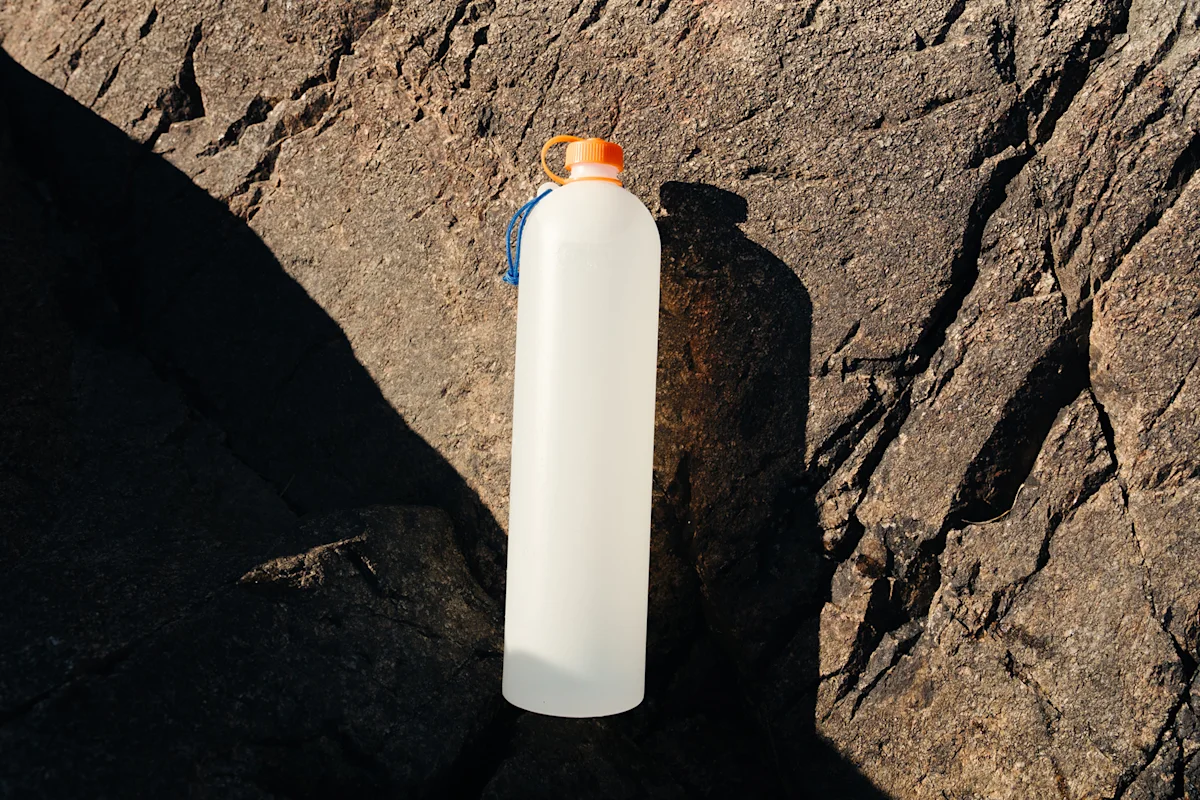
One of the standout features is its consistency. Because it is rigid, it slides into external pack pockets with zero friction, even when the pack is fully loaded. It features a tethered cap, which prevents the "dropped cap in the leaves" scenario that has plagued hikers for decades. For those who prioritize a long-term investment, the CNOC is arguably the best 1 liter ultralight water bottles for backpackers looking to buy once and hike for years.
Mazama Designs M!GO (The Versatility King)
The Mazama M!GO is a masterclass in multi-use gear. By using high-temp LDPE, Mazama has created a bottle that serves two distinct purposes. During the day, it is a high-flow filtration vessel. Because the walls are so flexible, you can squeeze water through a Sawyer filter with significantly less effort than a rigid bottle requires.
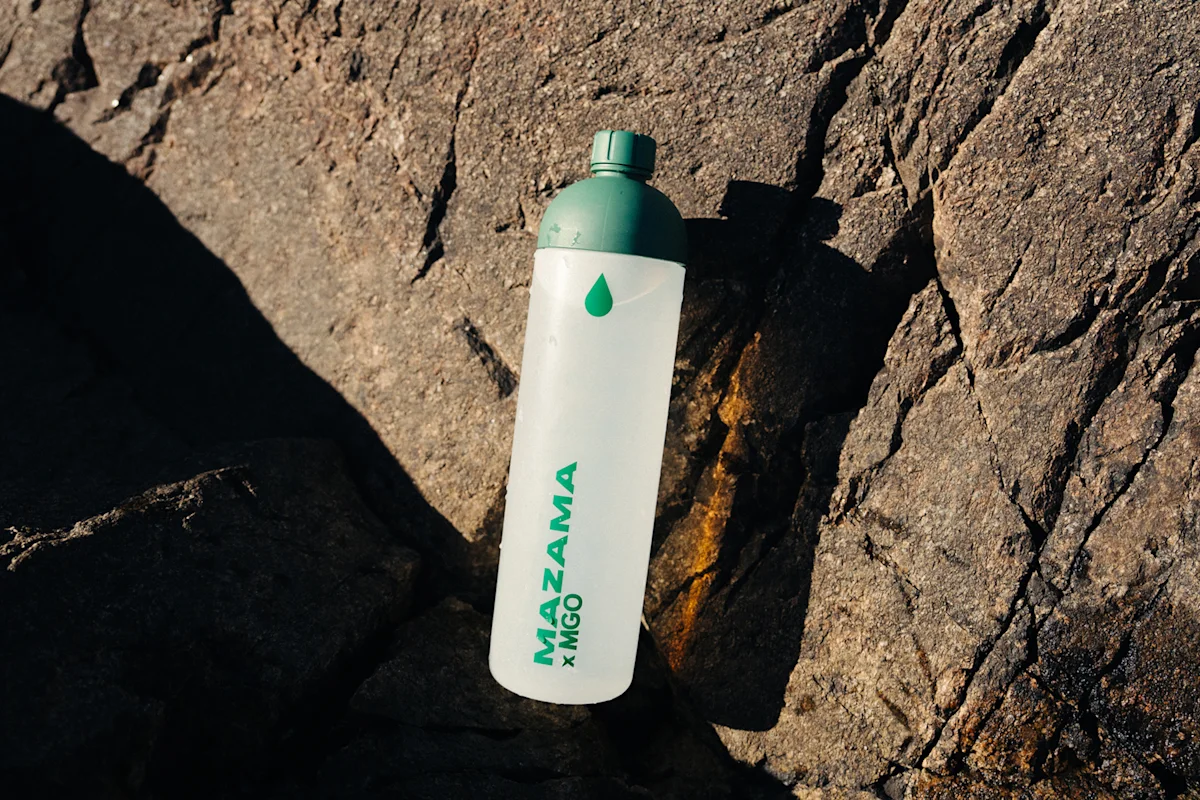
At night, its value doubles. In sub-freezing temperatures, having a hot water sleeping aid is a literal lifesaver. You can pour boiling water directly into the M!GO, screw the cap tight, and keep your core or feet warm throughout the night. It is rare to find a Smartwater bottle alternative that adds thermal utility to your sleep system, making the M!GO a top pick for shoulder season and winter hikers.
Igneous Nobo (The Ounce-Counter's Choice)
If your primary concern is the scale, the Igneous Nobo is your winner. At 65g, it is the closest you can get to the weight of a disposable bottle without sacrificing the 28mm thread integrity. The Nobo was designed by thru-hikers specifically to address the "shoulder pocket" problem. Many ultralight water bottles are too wide for the Lycra mesh pockets found on the shoulder straps of modern packs like those from Palante or Zpacks.
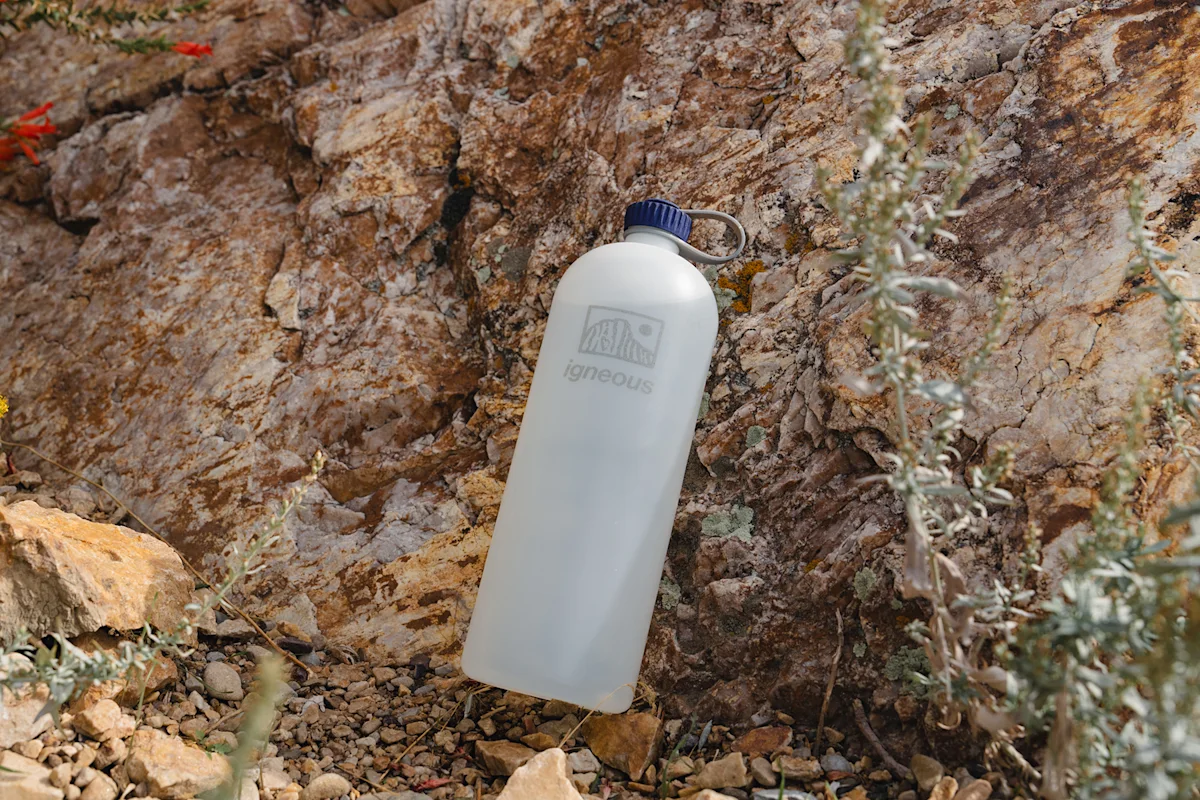
The Nobo features a "waist" in its design that makes it incredibly easy to grip, even with gloves on. While it is not as heat-resistant as the Mazama or as bombproof as the CNOC, it fills the niche for the hiker who wants the absolute lowest base weight possible while still moving away from single-use plastics. It is the purest expression of a dedicated ultralight water bottle designed for the modern trail.
Summary: Choosing Your Perfect Path
The transition from disposable plastic to a high-quality ultralight water bottle is a rite of passage for many backpackers. It represents a move toward intentionality—choosing gear that is healthier for the body, better for the planet, and tailored to the specific rigors of the trail.
- If you value maximum durability for long-distance thru-hiking, choose the CNOC ThruBottle.
- If you frequently hike in cold weather or prefer a softer bottle for easier filtration, the Mazama Designs M!GO is your best bet.
- If you are a weight minimalist who needs a bottle that fits perfectly in shoulder pouches, the Igneous Nobo is the clear choice.
Whichever you choose, these ultralight water bottles compatible with sawyer squeeze filters will help you say goodbye to the fragile Smartwater bottles for good. You gain peace of mind knowing your water storage won't fail when you're miles from the next town, and you contribute to a cleaner, more sustainable trekking culture.

FAQ
What is the lightest water bottle for backpacking?
The lightest rigid water bottle tends to be the standard disposable Smartwater bottle at approximately 35-40g, but among durable, reusable options, the Igneous Nobo leads the pack at 65g. Collapsible TPU bottles can be even lighter, sometimes weighing as little as 25g, though they lack the structure of hard-sided bottles.
Can you reuse disposable plastic bottles for hiking?
While you can reuse them for a short period, they are not designed for long-term use. Disposable PET1 bottles degrade quickly under UV light and physical stress, leading to potential microplastic shedding and bacterial growth in the narrow neck. Switching to a dedicated reusable Smartwater bottle alternative is safer and more environmentally friendly.
Do ultralight bottles fit in standard backpack side pockets?
Yes, options like the CNOC ThruBottle and Igneous Nobo are specifically designed with a slim, tall profile to match the dimensions of 1-liter disposable bottles. This ensures they slide easily into the elasticized side pockets and shoulder pouches of most modern backpacking packs.
Are collapsible water bottles more durable than rigid ones?
Generally, no. While high-quality TPU collapsible bottles are much better than they used to be, they are still more susceptible to punctures from thorns or sharp rocks and pinhole leaks along the seams. Rigid or semi-rigid bottles like those made from HDPE provide better protection against the physical hazards of the trail.
Is a water bladder or a water bottle better for ultralight hiking?
Most ultralight hikers prefer water bottles because they are easier to refill at shallow streams, simpler to monitor for water levels, and less prone to catastrophic failure. Bottles also integrate more seamlessly with popular filters like the Sawyer Squeeze, whereas a bladder often requires a more complex "inline" setup.