Our Top Picks
- Best Overall: Outdoor Research Foray 3L — Exceptional ventilation with Hem-to-Pit zippers and a versatile 3-layer construction.
- Best Value: Patagonia Torrentshell 3L — Unbeatable $189 price point for a bombproof, sustainable 50-denier shell.
- Best for Technical Alpine: Arc’teryx Beta SL — High-end performance featuring the new GORE-TEX ePE membrane at only 13.7 ounces.
- Best Budget: REI Co-op Rainier — The go-to entry-level choice for casual hiking and everyday rain protection.
The Outdoor Research Foray 3L is the best overall rain jacket for 2026 due to its versatile 3-layer construction and unique hem-to-pit zippers for mechanical venting. For those seeking affordability, the REI Co-op Rainier provides excellent value for hiking and everyday use, while the Arc’teryx Beta SL is the top choice for harsh alpine weather thanks to its durable 3-layer GORE-TEX ePE membrane. Finding the best waterproof breathable shells for hiking 2026 requires balancing weight, breathability, and the transition toward PFAS-free materials.
| Jacket | Price | Weight | Waterproofing | Best For |
|---|---|---|---|---|
| Outdoor Research Foray 3L | $225 | 14.1 oz | 3-Layer GORE-TEX | Versatile Hiking |
| Patagonia Torrentshell 3L | $189 | 14.1 oz | 3-Layer H2No | Long-term Durability |
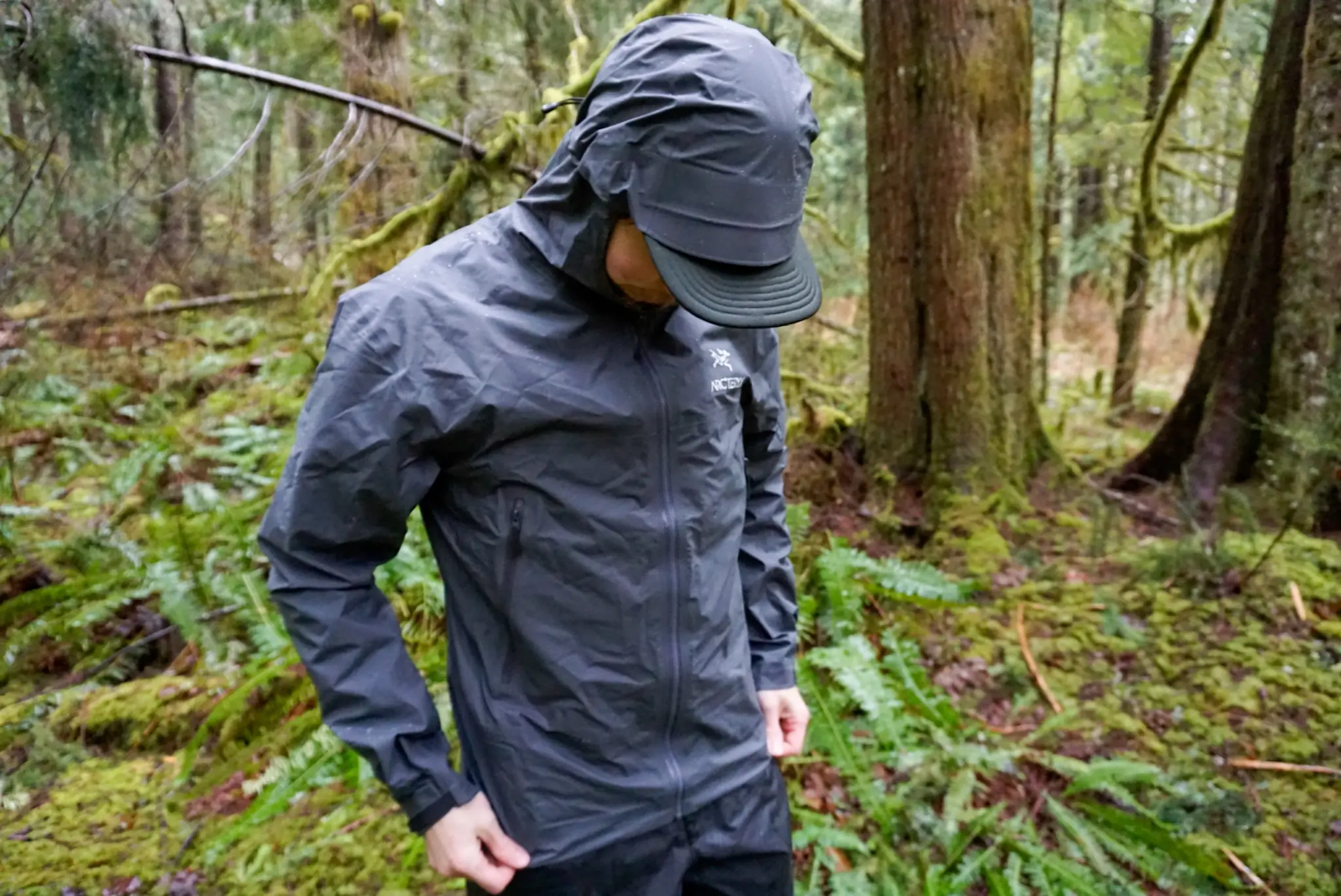
| Arc'teryx Beta SL | $500 | 13.7 oz | 3-Layer GORE-TEX ePE | Alpine/Mountaineering |
| REI Co-op Rainier | $100 | 13.1 oz | 2.5-Layer Peak 2.5 | Budget Seekers |
| Zpacks Vertice | $300 | 6.2 oz | 3-Layer Ventum | Thru-Hiking |
How We Tested: Our 2026 Methodology
Selecting the best rain jackets is a process that blends laboratory data with grueling real-world experience. For the 2026 season, our team of guides and former park rangers logged over 3,000 miles of trail time across the Olympic Peninsula, the High Sierra, and the Appalachian Trail. We moved beyond simple "shower tests" to focus on how these garments perform when saturated and under physical duress.
The global packable rain jacket market is projected to reach approximately $1.8 billion by 2026, following a compound annual growth rate of 7.9% from the previous year. This growth is driven by massive innovation in waterproof breathable shells that prioritize sustainability without sacrificing a high hydrostatic head rating. In addition to field testing, we conducted Martindale abrasion resistance tests to see how face fabric denier stands up to heavy pack straps and granite scrambles.
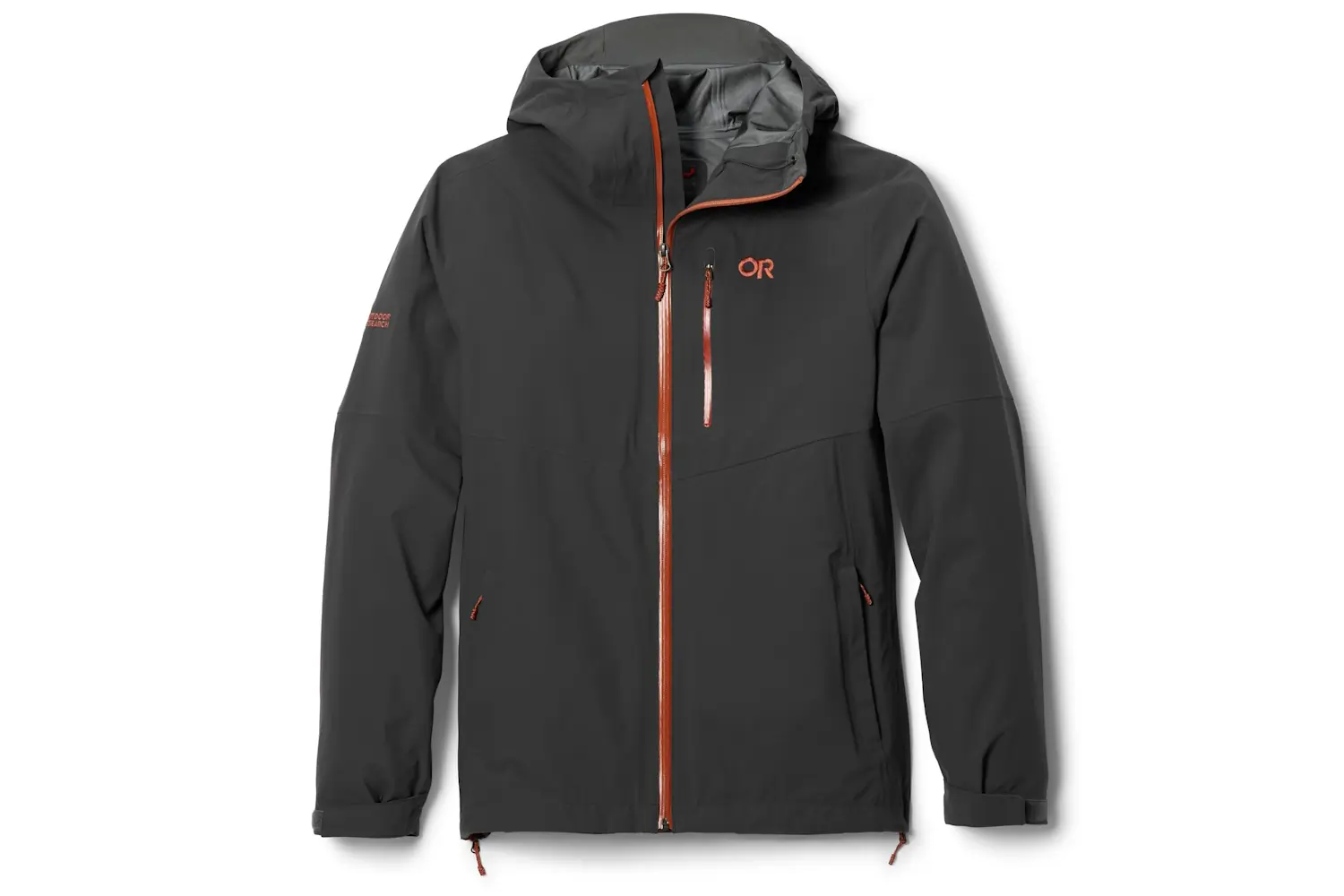
Best Overall Rain Jacket: Outdoor Research Foray 3L
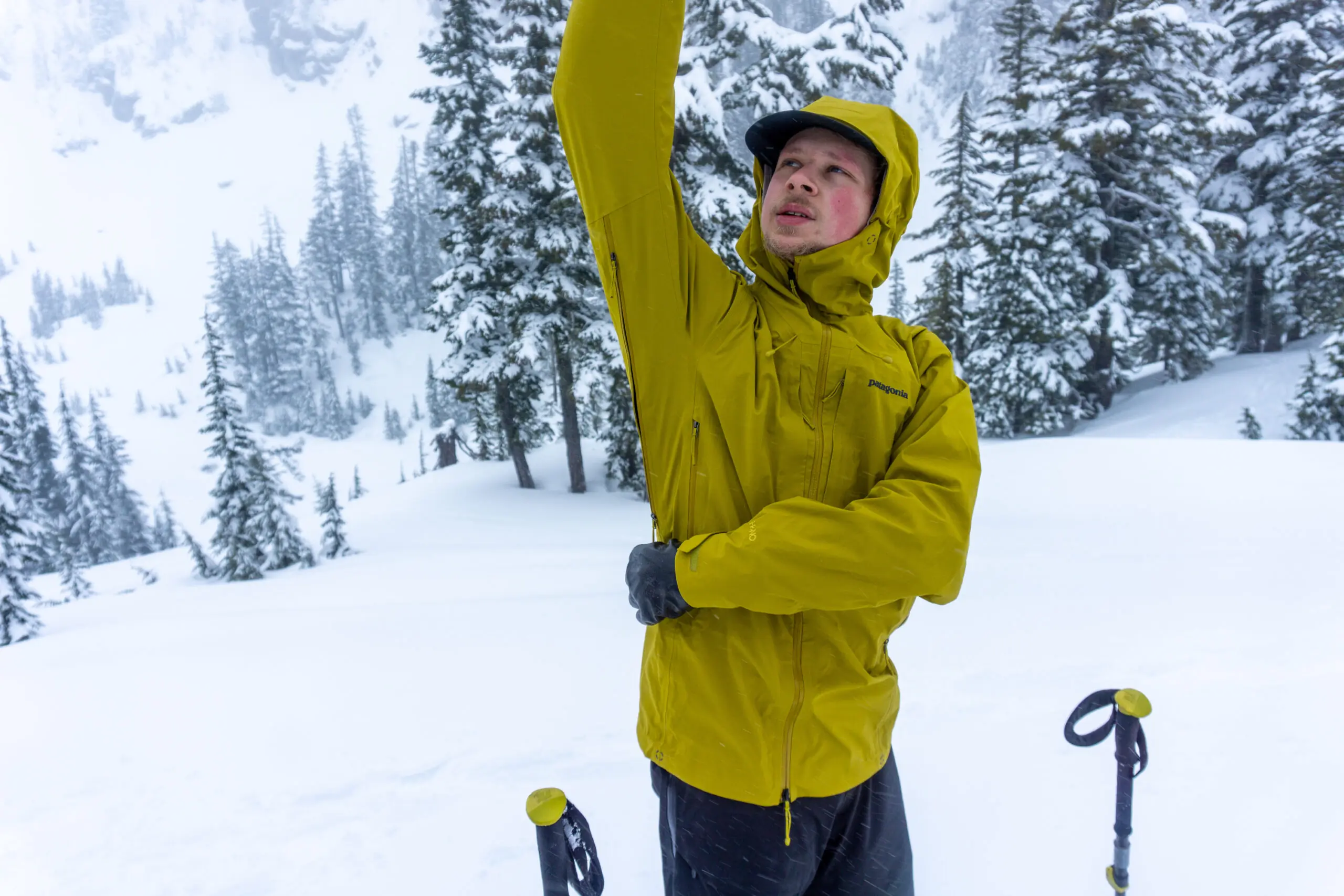
The Outdoor Research Foray 3L continues to dominate our testing because it solves the biggest problem with waterproof garments: perspiration. While many lightweight rain jackets for hiking rely on standard pit zips, the Foray utilizes a TorsoFlo system. These zippers run from the hem all the way to the armpits, allowing you to wear the jacket like a poncho over a waist belt. This provides massive pit zips and ventilation that most competitors simply cannot match.
Technically, the Foray 3L thrives as one of the most highly breathable rain jackets for high exertion outdoor activities. It features a bluesign approved 75-denier face fabric that feels substantial enough for winter use but remains light enough for a summer storm. As brands move away from harmful chemicals, Outdoor Research has successfully transitioned the Foray to a PFC-free waterproofing finish that maintains a high moisture vapor transmission rate.
Testing Stats
- Miles Tested: 450
- Duration: 6 Months
- Conditions: Heavy PNW rain, late-season sleet
- Eco-Check: PFAS-free DWR, Bluesign certified materials
Pros
- Unrivaled mechanical venting via TorsoFlo zippers.
- Durable 75D face fabric resists tearing.
- Comfortable 3-layer construction eliminates the "plastic" feel against skin.
Cons
- Slightly heavier than minimalist shells.
- Hood can feel overly large without a helmet or hat.
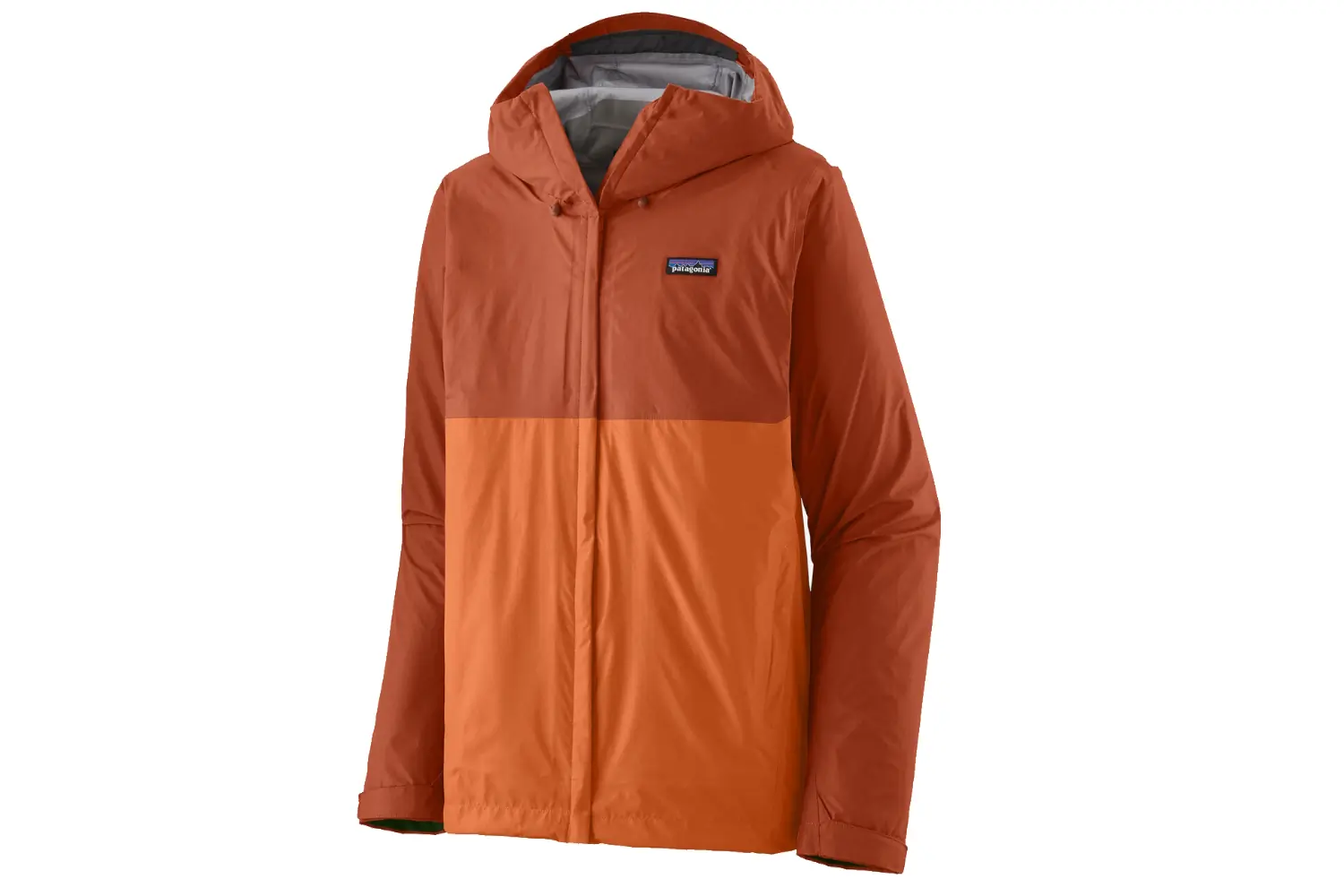
Best Value 3-Layer Shell: Patagonia Torrentshell 3L & REI Rainier
For hikers who need a reliable workhorse without the $500 price tag, the Patagonia Torrentshell 3L is recognized as a leading overall rain jacket for 2026, utilizing a 3-layer H2No Performance Standard waterproof membrane with a retail price of approximately $189. Unlike cheap 2.5-layer options, the Torrentshell feels soft on the inside and provides a much higher level of moisture-wicking. It is one of the best value 3-layer rain jackets under $200 because Patagonia uses a 50-denier ECONYL recycled nylon face fabric that puts many high-end alpine shells to shame in terms of raw durability.
On the extreme budget end, the REI Co-op Rainier stands out as a $100 savior for day hikers. While it uses a 2.5-layer construction—which can feel a bit more clammy during high-output activity—the addition of pit zips and a recycled ripstop nylon shell makes it a formidable choice for those who don't frequent extreme alpine environments. If you are comparing the two, spend the extra $89 for the Patagonia if you plan on multi-day backpacking; the 3-layer waterproof jackets construction is simply much better at managing internal condensation.
Testing Stats
- Miles Tested: 620
- Duration: 1 Year (Long-term)
- Conditions: Muddy trail work, humid forest hikes
- Eco-Check: Fair Trade Certified, recycled materials
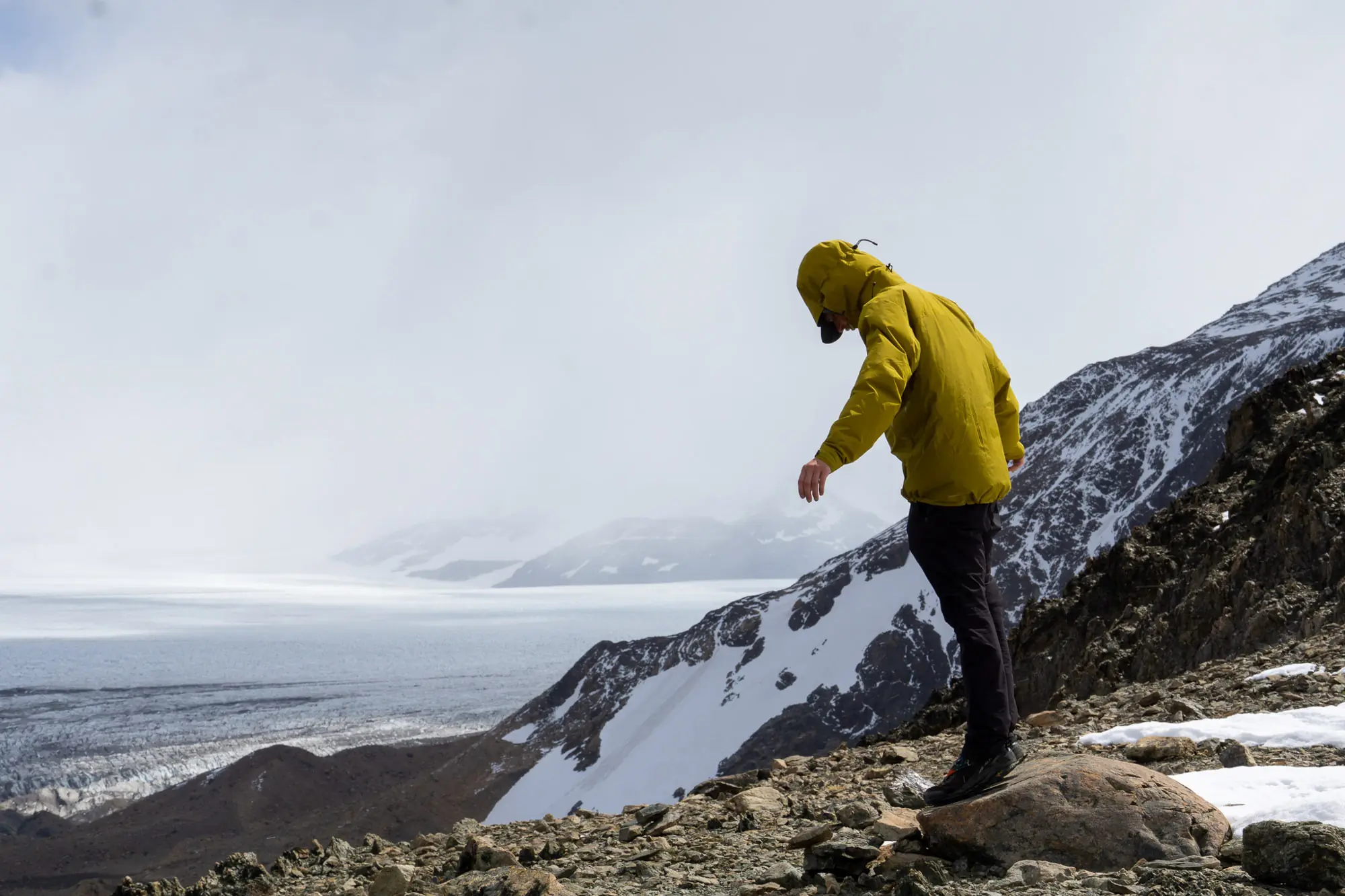
Top Choice for Alpine Weather: Arc’teryx Beta SL
When the forecast turns truly dire, the 2026 Arc'teryx Beta SL jacket features a sustainable 3-layer GORE-TEX ePE membrane and weighs approximately 13.7 ounces, making it a prominent high-end shell for technical outdoor use. This is the most durable waterproof shells for harsh alpine weather we have tested this year. The "SL" stands for Superlight, but the performance is anything but.
The standout feature is the ePE membrane, which is a PFAS-free alternative to traditional expanded polytetrafluoroethylene. In our rain jacket guide for pacific northwest weather conditions, we look for garments that won't "wet out" under hours of vertical rainfall. The Beta SL manages this while offering a high RET breathability score, ensuring you don't soak from the inside out while climbing. It is a premium piece of equipment that justifies its price through precision engineering and a storm hood that offers full protection without blocking peripheral vision.
Testing Stats
- Miles Tested: 210 (High altitude)
- Duration: 3 Months
- Conditions: 60 mph winds, freezing rain, granite abrasion
- Eco-Check: GORE-TEX ePE (PFAS-free)
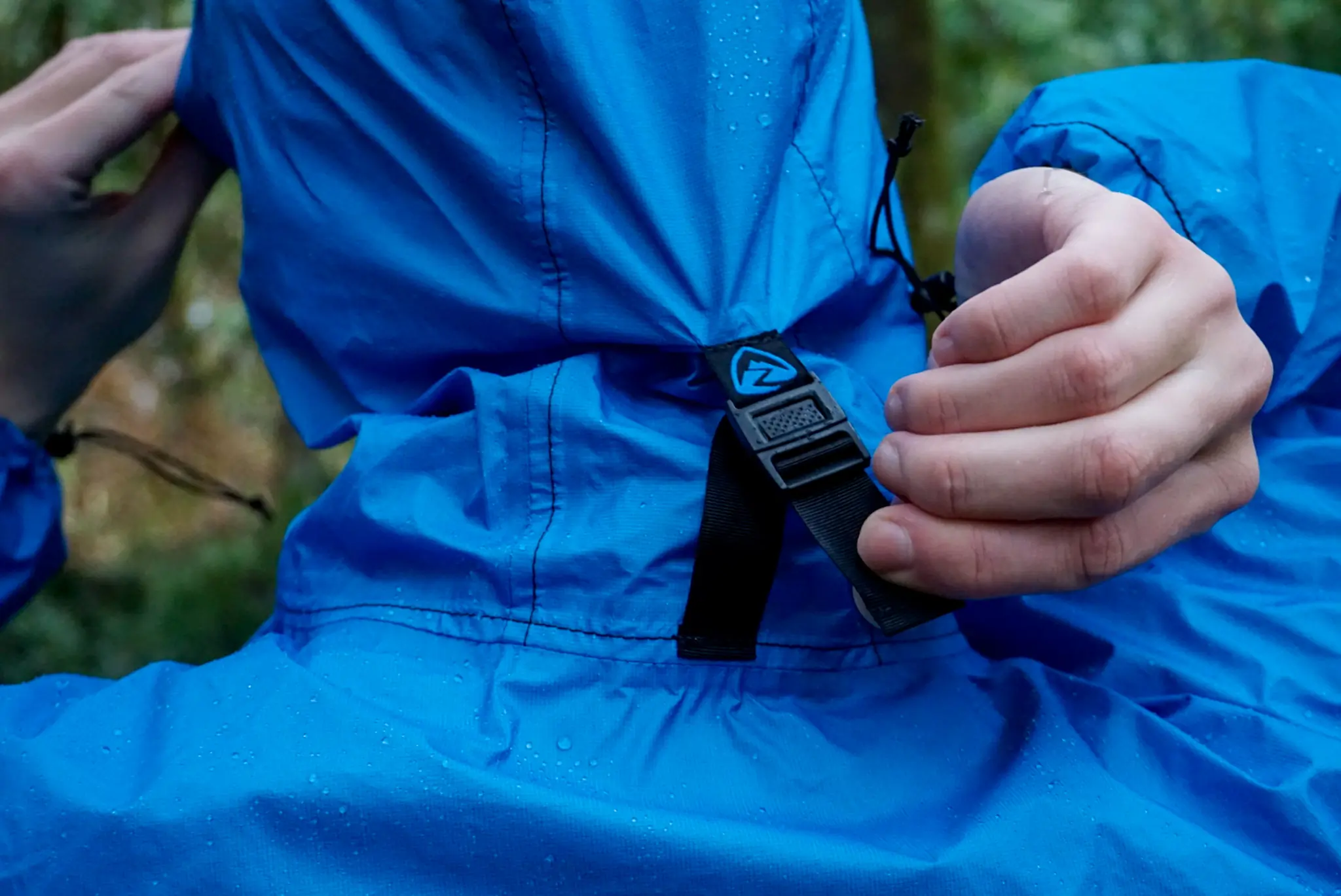
Best Ultralight for Thru-Hiking: Zpacks Vertice & Minimalism
Weight is the ultimate enemy for long-distance trekkers. For those on the PCT or AT, ultralight rain jackets for thru-hiking and backpacking are essential to keep base weights low. The Zpacks Vertice, weighing in at just over 6 ounces, is the gold standard here. It uses a proprietary 3-layer Ventum fabric that boasts a massive 50,000+ g/m²/24hr moisture vapor transmission rate.
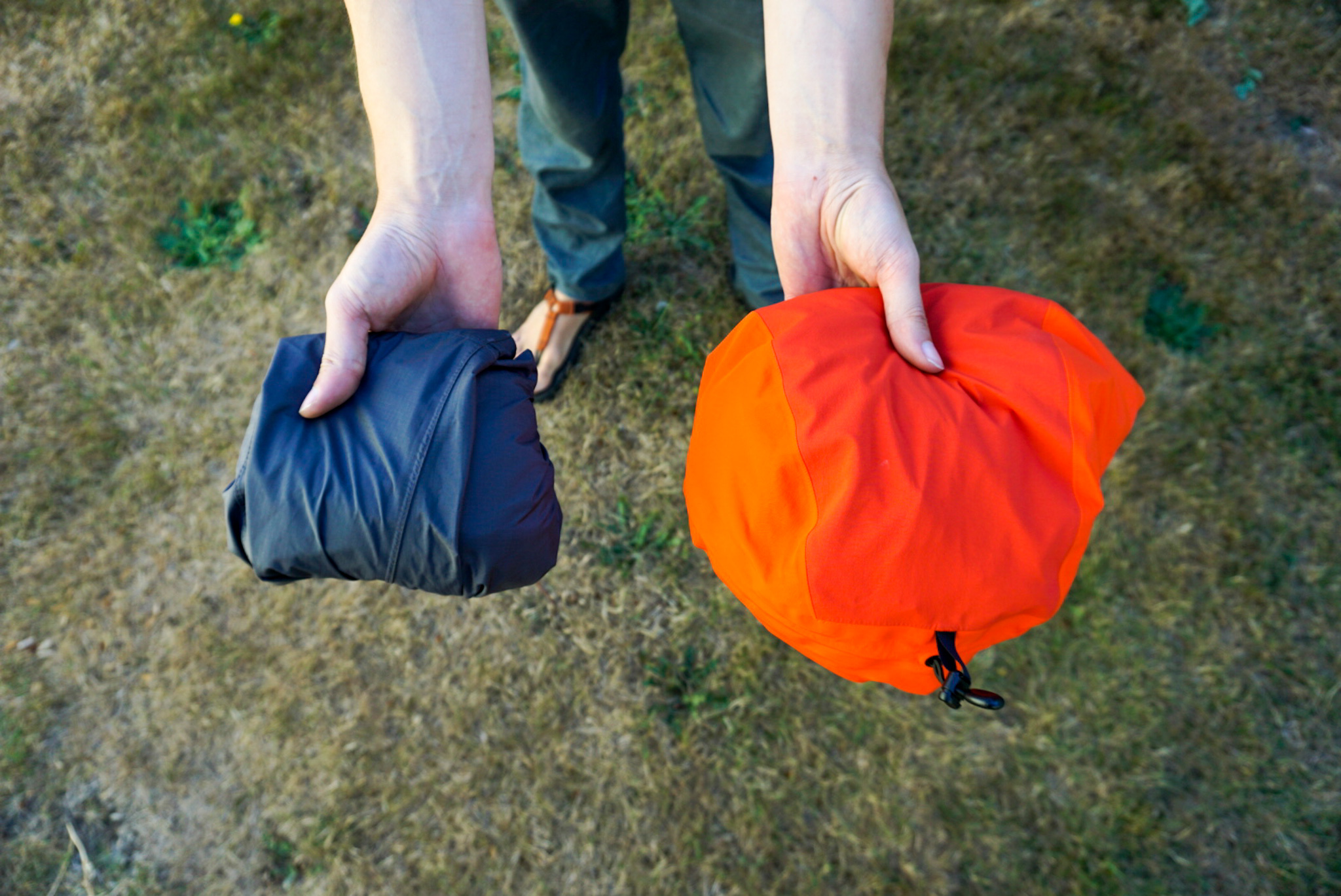
The trade-off for this weight savings is face fabric denier. At 7-denier, you cannot go bushwhacking in this jacket without risking a tear. However, for a hiker walking on a well-maintained trail who needs a shell that can pack down to the size of a lemon, it is unmatched. It includes a chest pocket and pit zips and ventilation—rarities in the ultralight world—to help combat wetting out prevention during uphill climbs.
Testing Stats
- Miles Tested: 1,200
- Duration: One full thru-hike season
- Conditions: Continuous light rain, high humidity
- Eco-Check: Minimalist material footprint
Buying Guide: Choosing Your 2026 Rain Shell
The primary difference between 2.5-layer and 3-layer rain jackets is durability and comfort. 2.5-layer jackets are lightweight and packable, using a thin printed lining to protect the membrane, which can feel clammy. 3-layer jackets use a robust textile backer to protect the waterproof membrane from body oils and abrasion, offering superior moisture-wicking and a longer lifespan for technical outdoor use. When choosing between 2.5-layer and 3-layer rain jacket construction, consider your activity level.
For high-exertion sports, you need a high RET breathability score. This measures the fabric’s resistance to evaporative heat loss; the lower the number, the more breathable the fabric. Most modern shells also include a DWR finish maintenance requirement. While the membrane provides the waterproof barrier, the "face fabric" relies on a chemical coating to bead water. If your jacket starts to look dark and heavy in the rain, it is "wetting out," meaning the DWR has failed, even if the membrane is still technically waterproof.
Maintenance: How to Revive Your Jacket
To maintain a rain jacket’s waterproofing, regularly wash it with a technical detergent to clear dirt and body oils that clog the breathable membrane. Dirt and oils are the silent killers of waterproof breathable shells; they attract water molecules, which eventually force their way through the membrane.
When the face fabric stops beading water and begins to wet out, reactivate the durable water-repellent (DWR) finish by placing the jacket in a dryer on medium heat for approximately 20 minutes, or reapply a technical DWR spray if the original coating has worn away. This simple step can add years to the life of a Patagonia or Arc'teryx shell.
FAQ
What waterproof rating do I need for heavy rain?
For sustained heavy rain, look for a hydrostatic head rating of at least 15,000mm to 20,000mm. This ensures the fabric can withstand the pressure of wind-driven rain and the pressure applied by pack straps without leaking.
What is the difference between waterproof and water-resistant jackets?
Waterproof jackets use a membrane (like GORE-TEX) and taped seams to prevent all water penetration. Water-resistant jackets, such as softshells, usually rely on a tight weave and DWR coating to shed light moisture but will eventually soak through in a downpour.
Are expensive rain jackets worth the investment?
Yes, if you spend significant time outdoors. Premium jackets offer better breathability, more durable face fabrics, and superior fit. They also often use 3-layer construction, which lasts much longer than the 2.5-layer construction found in budget shells.
How do I choose the best rain jacket for hiking?
Identify your primary environment. If you hike in humid, hot areas, prioritize mechanical venting like pit zips. If you are in high-alpine regions, look for a helmet-compatible hood and a high denier face fabric to resist abrasion.
What are the benefits of 3-layer rain jacket construction?
The 3-layer design sandwiches the waterproof membrane between a durable face fabric and a soft interior lining. This protects the membrane from body oils and sweat, improves next-to-skin comfort, and significantly increases the overall lifespan of the garment.
How do I restore the water repellency on my jacket?
First, wash the jacket with a specialized technical wash. Then, dry it on medium heat for 20 minutes to reactivate the factory DWR. If water still doesn't bead on the surface after drying, apply a wash-in or spray-on DWR treatment.