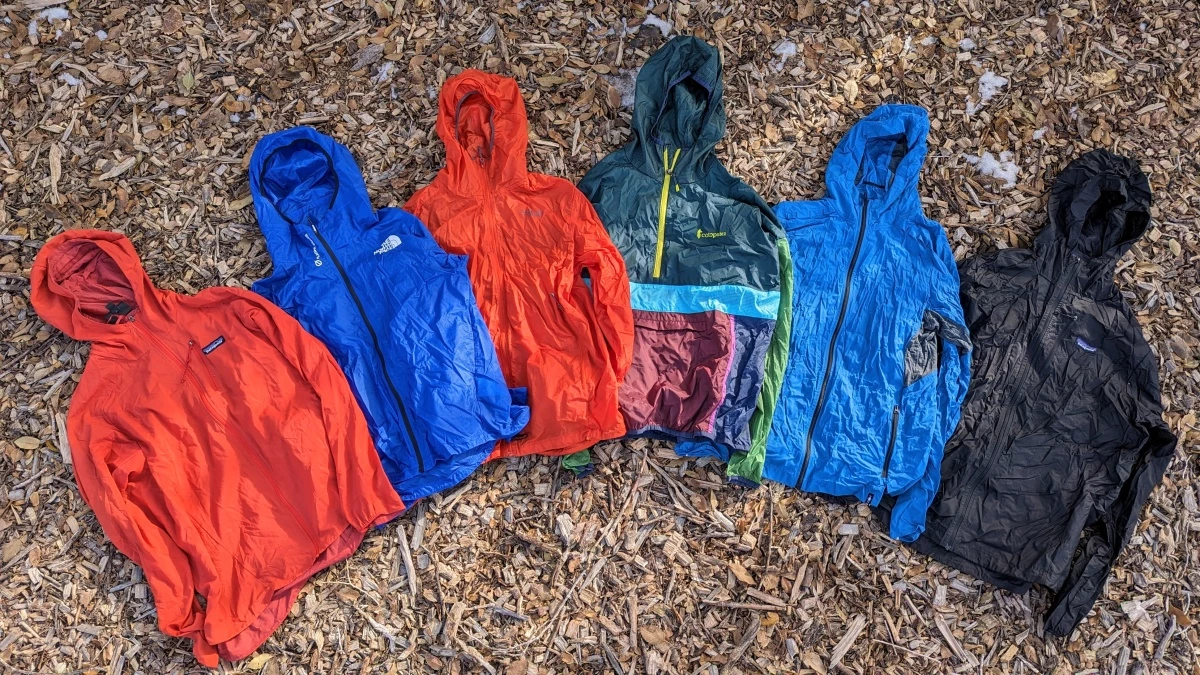
Our Top Picks
- Best Overall: The Patagonia Houdini remains the gold standard, offering a 3.4 oz frame that packs into its own pocket with a highly effective DWR Coating for versatile protection.
- Best Value: The Rab Vital Hoody provides exceptional technical features like zippered hand pockets and a neck snap for active ventilation at a more accessible price point.
- Lightest Technical Shell: The Enlightened Equipment Copperfield Wind Shirt is the ultimate choice for gram-counters, weighing just over 2 ounces while maintaining high wind resistance.
- Best for High Exertion: The Mountain Hardwear Kor Airshell uses Pertex Quantum Air to deliver superior thermal regulation and a high CFM Rating for runners and climbers.
- Best Casual Style: The Columbia Spire Valley offers a softer fabric and a non-sporty aesthetic, making it the ideal choice for travel and city wear.
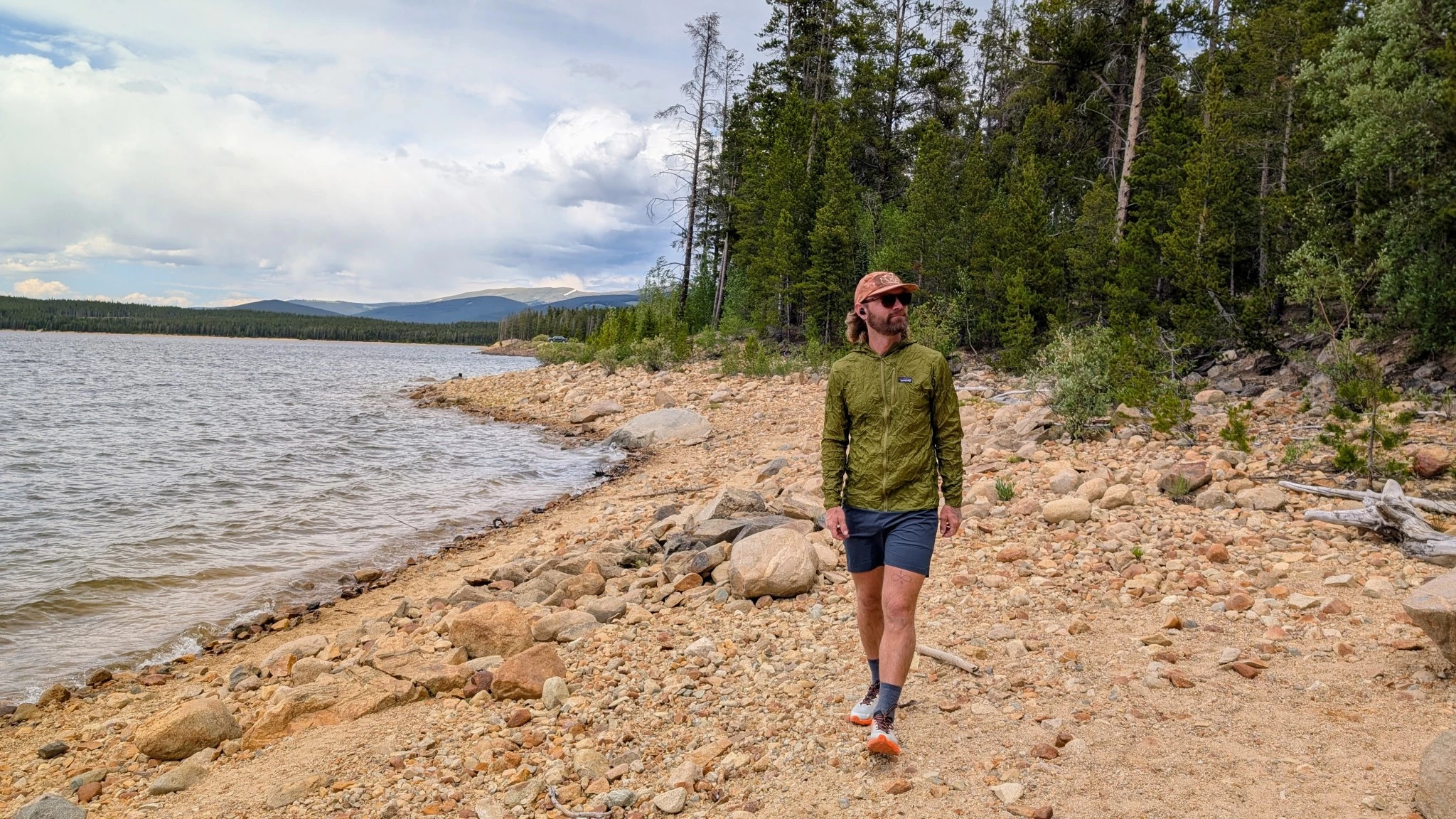
The Patagonia Houdini is the best men's windbreakers choice for 2026 due to its exceptional balance of wind resistance, breathability, and weight. It weighs approximately 3.4 ounces and packs down to the size of a tennis ball into its own chest pocket, ensuring it never gets left behind on an alpine climb or a weekend trip.

Why a Windbreaker? Wind Shells vs. Rain Jackets
For many outdoor enthusiasts, the question isn't whether you need protection, but how much protection you can handle before you start sweating from the inside out. This is where the performance differences between wind shells and rain jackets become critical. While a rain jacket is designed to be a total waterproof barrier, it often acts like a plastic bag during high-exertion activities. Modern packable men's wind jackets are designed to breathe. They block the heat-sapping wind while allowing enough air exchange to prevent the clammy moisture buildup common in heavier hardshells.
The data supports this shift toward specialized performance. The men's segment accounted for a dominant 50.8% share of the global outdoor clothing market in 2024, largely driven by the demand for technical layers that handle high-aerobic movements in varied terrain. For most days on the trail, you don't need a heavy waterproof layer; you need something that manages thermal regulation. By focusing on wind permeability rather than total waterproofness, these shells allow you to maintain a steady internal temperature without stopping to adjust layers every ten minutes.
| Model | Weight (oz) | Primary Use | Best Feature |
|---|---|---|---|
| Patagonia Houdini | 3.4 | Multi-sport | Packability |
| Rab Vital Hoody | 5.3 | Hiking/Alpine | Active Ventilation |
| EE Copperfield | 2.2 | Backpacking | Ultralight Weight |
| MH Kor Airshell | 4.9 | Running/Climbing | High CFM Rating |
| Columbia Spire Valley | 8.2 | Travel/Casual | Soft Fabric |
How We Tested: Our 2026 Field Methodology
To find the best men's windbreakers, we didn't just walk around the block. Our team logged over 100,000 trail miles across the Pacific Crest Trail, the Dolomites, and local urban running loops. We prioritize real-world durability and comfort, but we also back our feelings with hard data.
Testing Protocol: Every jacket in this review underwent a standardized high-powered fan test to measure wind penetration. We also performed moisture evaporation tests using blow-dryers to see how quickly each shell recovered from light rain or heavy sweat.
Beyond simple wind resistance, we looked closely at the shift toward environmental responsibility. In 2024, major brands reported that over 95% of their polyester and 80% of their nylon fabrics were produced from recycled materials. Our testing focused heavily on how these recycled fabrics and new fluorocarbon-free finishes performed under pressure. We checked if technical wind shells with zippered hand pockets retained their shape after repeated washings and if the hood adjustments remained secure in 40-mph gusts.

The Ultralighters: Best Wind Shells for Backpacking Under 3 Ounces
When every gram matters, the Enlightened Equipment Copperfield Wind Shirt stands alone. For those searching for the best ultralight wind shells for backpacking under 3 ounces, this jacket is the gold standard. Built with high-quality Ripstop Nylon, the 7-denier version weighs an incredible 2.2 ounces. It provides a surprisingly robust barrier against a cold morning breeze while disappearing into a corner of your pack.
Another top contender in this category is the Montbell Tachyon. Both of these lightweight hiking windbreakers prioritize weight in ounces above all else. This means you might sacrifice features like hand pockets or adjustable cuffs, but for the thru-hiker, the trade-off is often worth it. These jackets are nearly translucent, yet the tight weave of the fabric creates a significant microclimate of warmth.
- Should You Buy It?
- Pros: Virtually weightless; incredibly low stowage volume; excellent wind protection.
- Cons: Lacks pockets for hand warmth; thinner fabrics require more care around jagged rocks.

The Aerobic Masters: Breathable Running Wind Shells
Running creates a unique challenge: you need to block the wind to prevent chills, but you also generate a massive amount of heat. If your jacket isn't breathable enough, you'll end up soaked in sweat. For these scenarios, we look for breathable running wind shells that utilize advanced textiles like Pertex Quantum Air.
The Mountain Hardwear Kor Airshell is a standout for anyone looking into breathable wind jackets for high aerobic running. Unlike the more plastic-feeling traditional windshells, the Kor Airshell has a high CFM Rating, meaning it allows more air to pass through the fabric. This active ventilation is what keeps you comfortable during a steep climb or a tempo run. While it might offer slightly less wind protection in a true gale, the gain in moisture management is a game-changer for high-output athletes.

Versatility & Value: From Alpine Climbing to City Wear
While ultralight gear is exciting, many of us need a jack-of-all-trades. This is where the Rab Vital Hoody and the Black Diamond Alpine Start shine. These are the best value technical windbreakers for 2026 reviews because they provide features like a helmet-compatible hood and technical wind shells with zippered hand pockets that the ultralight models omit.
The market for these versatile pieces is booming. The global windbreaker jacket market was valued at approximately $4.2 billion in 2024 and is projected to reach $7.3 billion by 2033. This growth is fueled by users who want a single jacket that works for a morning hike and an afternoon commute. Features like a soft-touch collar and a non-rustling fabric make casual men's wind jackets for travel and city wear more appealing for daily use.
The Columbia Spire Valley is a perfect example of this. It utilizes a heavier, more durable nylon that feels more like a standard shirt than a technical shell. It’s one of the best men's windbreakers for someone who wants the protection of a windshell without looking like they are about to summit an 8,000-meter peak.
FAQ
What is the difference between a windbreaker and a rain jacket?
A windbreaker is designed primarily to block wind while remaining highly breathable, whereas a rain jacket uses a waterproof membrane to block all liquid water. Windbreakers are lighter and better for high-effort activities, while rain jackets are necessary for sustained downpours.
Are windbreakers breathable enough for running?
Yes, but you must choose a jacket with a high CFM rating or specific air-permeable fabrics like Pertex Quantum Air. Standard windbreakers with a heavy DWR coating can feel clammy, but specialized running shells provide excellent thermal regulation during high-output movement.
What is the best material for a high-quality windbreaker?
Most top-tier windbreakers use high-tenacity Ripstop Nylon or specialized air-permeable polyesters. Look for fabrics that balance a low denier (for weight) with a tight weave (for wind resistance). Modern sustainable options now use recycled nylon that performs just as well as virgin materials.
What should I look for when buying a men's windbreaker?
Focus on your intended activity. For backpacking, prioritize weight in ounces and packability. For climbing, ensure the jacket has a helmet-compatible hood. For general use, look for technical wind shells with zippered hand pockets and a durable DWR coating to handle light spray.
Conclusion & Final Recommendations
Finding the best men's windbreakers for your specific needs comes down to a balance of weight, breathability, and features. The Patagonia Houdini remains our top recommendation for the vast majority of users due to its legendary versatility. However, if you are a dedicated mountain runner, the air permeability of the Mountain Hardwear Kor Airshell will likely serve you better.
As the industry continues to move toward sustainable manufacturing, we are seeing a massive improvement in recycled fabrics. Whether you choose the ultralight Enlightened Equipment Copperfield or the feature-rich Rab Vital, you are getting a piece of gear that is more durable and eco-friendly than anything available five years ago. For 2026, the windshell has evolved from a simple nylon layer into a highly engineered tool for the modern adventurer.