Our Top Picks
- Arc'teryx Sabre (Best Overall): The perfect balance of durability and style featuring the new GORE-TEX ePE membrane.
- Arc'teryx Alpha SV (Toughest Hardshell): An industry benchmark for heavy use with exceptionally high abrasion resistance.
- La Sportiva Sender GTX (Best Weatherproofing): Offering a 28,000mm waterproof rating for those facing the most severe alpine environments.
- Outdoor Research Skytour (Best for Backcountry): A lightweight and breathable choice using the proprietary AscentShell technology.
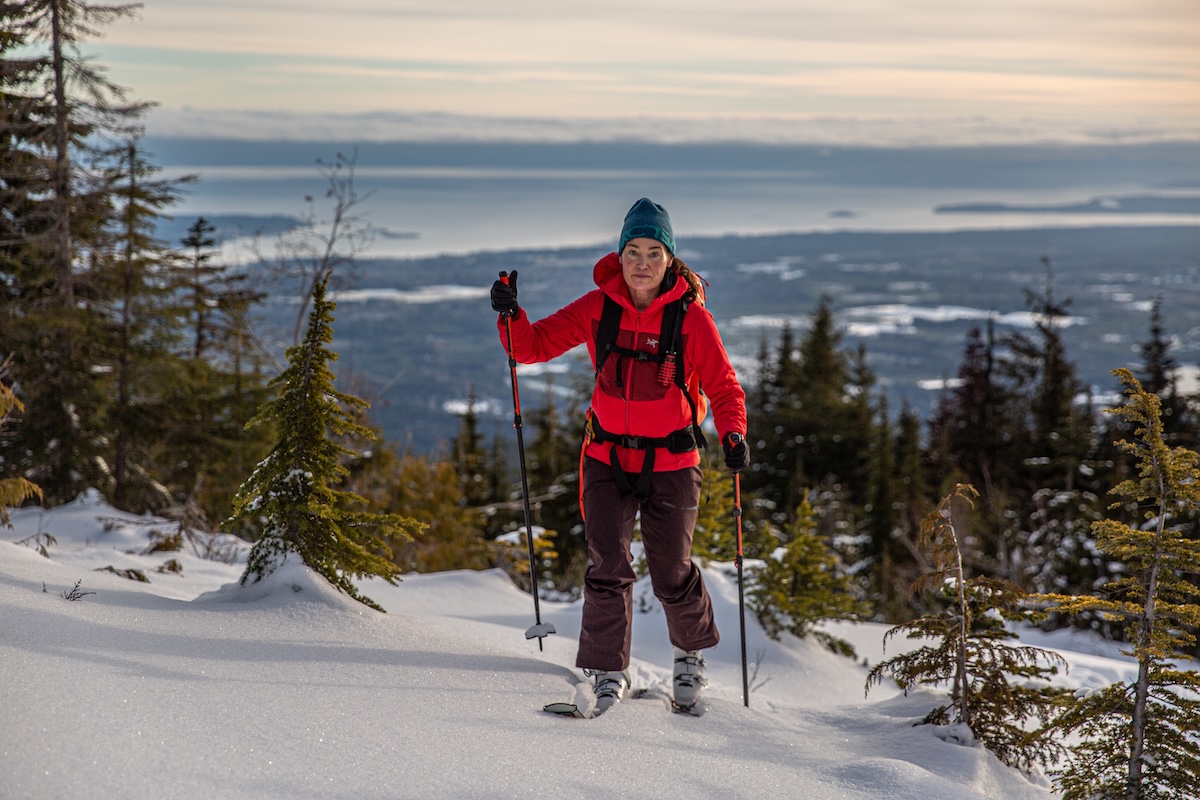
Finding the best men's ski jackets requires more than just looking at style; it demands rigorous field testing in extreme alpine environments. For 2026, we spent 475 days on snow evaluating durability and weatherproofing. The Arc'teryx Sabre is the best overall men's ski jacket for its balance of durability, style, and weatherproofing, featuring the latest GORE-TEX ePE membrane that is free of intentionally added PFAS chemicals and includes a light flannel backer for added comfort. This hardshell is ideal for both resort and backcountry use, allowing for versatile layering throughout the season.
At a Glance: Top Rated Performance
| Jacket | Category | Weight | Waterproof Rating |
|---|---|---|---|
| Arc'teryx Sabre | Hardshell | 590g | 28,000mm |
| Arc'teryx Alpha SV | Hardshell | 485g | 28,000mm |
| Outdoor Research Skytour | Backcountry | 627g | 15,000mm+ |
| Helly Hansen Alpha 4.0 | Insulated | 1150g | 20,000mm |
| La Sportiva Sender GTX | Technical Shell | 510g | 28,000mm |
How We Tested: 475 Days on Snow
Our team understands that a jacket which looks great in a showroom might fail when the wind starts howling at 40 mph on a ridge. To provide the most authoritative review for the 2025-2026 season, our testers evaluated 38 different men's ski jackets over a total of 475 days on snow to rank them for durability and storm-worthiness. We took these garments to the most demanding locations in North America, from the icy humidity of Jay Peak to the high-alpine exposure of Whistler Blackcomb.
We specifically focused on finding the most durable men's ski jackets for heavy use. This involved bushwhacking through tight glades to test tear resistance and standing under mid-winter rain to check seam integrity. By involving 12 experts with different skiing styles—from dedicated backcountry splitboarders to resort-focused speedsters—we ensured that each jacket was tested within its intended high-output activity. Our reviews are based on real-world thermal regulation and how well these pieces integrate into a larger layering system.
Buyer’s Guide: Insulated vs. Shell vs. Technical Membranes
Choosing between insulated vs hardshell ski jackets depends on your activity level and the climate. Hardshells are preferred for backcountry touring and high-output skiing because they offer maximum breathability and allow for custom layering. Insulated jackets, featuring down or synthetic fill, are better for resort skiing in extreme cold or for those who prefer built-in warmth without managing multiple layers.
When you are learning how to choose a waterproof and breathable ski jacket, the technical specifications can feel overwhelming. The industry standard is shifting toward more sustainable materials. Many premium brands now utilize a GORE-TEX ePE membrane, which provides high-level protection without the use of PFAS. You should prioritize a waterproofing rating of at least 20,000 mm for extreme conditions. High-end shells designed for severe weather frequently feature waterproof ratings of up to 28,000mm, a performance standard achieved by premium models like the La Sportiva Sender GTX.
Beyond the membrane, look for a quality Durable Water Repellent finish that allows water to bead off the surface. For those who run hot, Pit ventilation is a non-negotiable feature. If you are frequently in deep powder, ensure the jacket has a reliable Powder skirt integration to keep the snow out. Understanding ski jacket waterproofing ratings 10k vs 20k is simple: 10k is fine for dry resort days, but 20k and above is necessary if you ski in wet, heavy snow regions or spend long hours in the backcountry.
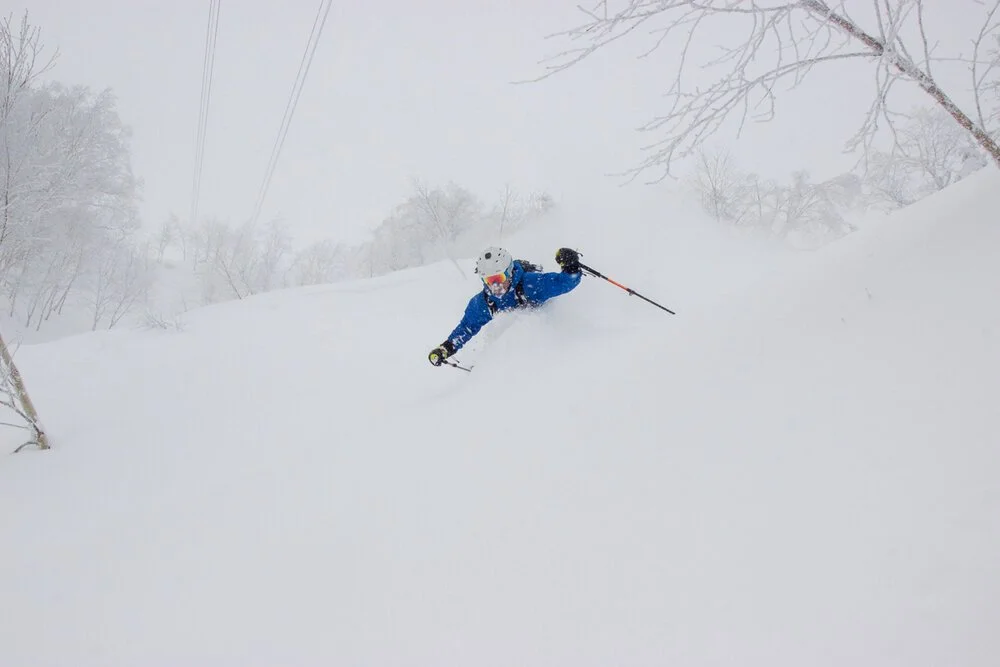
Best Overall & Toughest Hardshells
Arc'teryx Sabre
The Arc'teryx Sabre remains our top pick for the best men's ski jackets. It provides a relaxed but functional fit that moves beautifully with the body. The updated construction uses an environmentally conscious GORE-TEX ePE membrane that does not sacrifice performance. The light flannel backer provides just enough warmth to take the chill off a cold chairlift ride without making the jacket feel bulky.
- PROS: Excellent articulation, helmet-compatible hoods, and legendary build quality.
- CONS: Premium price point; may be too roomy for those with very slim builds.
Arc'teryx Alpha SV
If you need a jacket that is essentially a suit of armor, this is it. The Arc'teryx Alpha SV jacket is recognized as an industry benchmark for toughness, utilizing a 100-denier Gore-Tex Pro face fabric that offers significantly higher abrasion resistance than the 40 to 80-denier fabrics found in standard high-end shells. This is among the most durable men's ski jackets for heavy use, designed specifically for climbers and skiers who encounter rock, ice, and dense brush.
- PROS: Incorporates RECCO rescue technology; unparalleled windproofing and waterproofing.
- CONS: The stiff fabric can be noisy; lacks a dedicated powder skirt as it’s a crossover alpine shell.
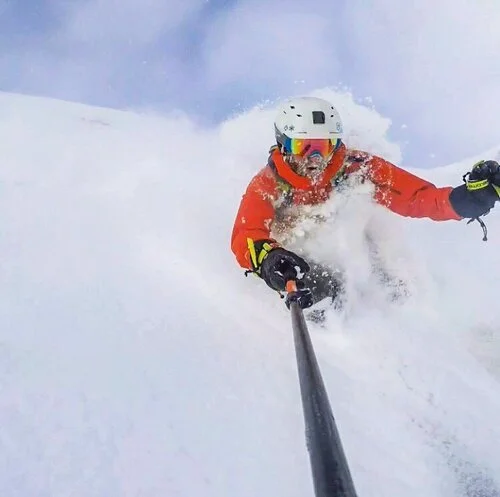
Best Packable Shells for Backcountry Touring
Backcountry ski jackets for men need to prioritize breathability and weight over raw warmth. When you are skinning uphill, you generate a massive amount of heat, and a standard resort jacket will leave you soaked in sweat. For 2026, our top recommendation for human-powered adventures is the Outdoor Research Skytour. Using AscentShell technology, it provides a slight stretch that is rare in waterproof garments, making it the best hardshell ski jackets for backcountry touring.
We look for essential technical features like Seam-taped construction and oversized Pit ventilation to manage moisture. These jackets are designed to be packed away easily when the sun comes out. Another standout is the Patagonia Untethered, which focuses on a minimalist design to keep weight under 500g while still offering full storm protection through a recycled GORE-TEX face fabric.
Top-Rated Warmth: Best Insulated Jackets for Extreme Cold
For those who primarily ski at the resort and find themselves shivering on the lift, the top rated insulated men's ski jackets for extreme cold are a game changer. The Helly Hansen Alpha 4.0 is a perennial favorite in this category. It uses PrimaLoft Black Eco insulation to provide consistent warmth even if the conditions turn damp.
Unlike hardshells, these jackets provide a "buffer" against the cold air. They often include luxuries like wrist gaiters with thumbholes and dedicated pockets for goggles and electronics. The thermal regulation in these higher-end insulated pieces is more sophisticated than a standard winter coat, allowing heat to escape through specialized vents while keeping the core protected from the wind.
Best Value & Budget Picks Under $300
You don't always have to spend $800 to get a jacket that keeps you dry. We found several affordable men's ski jackets under 300 dollars that punch well above their weight class. The Columbia Whirlibird IV Interchange is a classic "3-in-1" that offers a waterproof shell and a zip-out insulated liner. While the breathability ratings aren't as high as GORE-TEX Pro, it is more than sufficient for the average resort skier.
Another great value option is the REI Co-op First Chair GORE-TEX Jacket. It manages to offer a genuine GORE-TEX membrane at a fraction of the cost of boutique brands. The trade-off is often a slightly heavier weight and a less athletic fit, but for many skiers, the savings are well worth it.
FAQ
What features should I look for in a men's ski jacket?
You should prioritize a high waterproofing rating, typically 20,000mm or higher, and taped seams to keep moisture out. Technical features like helmet-compatible hoods, a powder skirt, and pit vents for heat management are essential. If you ski with a backpack, look for pocket placement that stays accessible while wearing straps.
Is it better to buy an insulated ski jacket or a shell jacket?
This depends on your activity level and where you ski. A shell jacket is more versatile because you can add or remove layers underneath to suit the temperature, making it ideal for the backcountry. An insulated jacket is more convenient for resort skiing in consistently cold climates because it provides built-in warmth without the need for multiple mid-layers.
What waterproof rating do I need for a ski jacket?
For most skiers, a 10,000mm to 15,000mm rating is adequate for dry, snowy conditions. However, if you ski in wetter climates like the Pacific Northwest or spend entire days out in heavy snow, you should look for a 20,000mm rating or a GORE-TEX membrane to ensure you stay dry.
How should a men's ski jacket fit?
A ski jacket should be roomy enough to accommodate a base layer and a mid-layer (like a fleece or thin down jacket) without restricting your movement. Your arms should be able to move freely through a full range of motion. Look for an articulated fit in the sleeves to prevent the hem from lifting when you move your arms.
What is the difference between a ski jacket and a regular winter jacket?
Ski jackets are specifically engineered for high-output activity in alpine environments. They include specialized features like a powder skirt to keep snow out, RECCO reflectors for safety, and high breathability ratings to manage sweat. Regular winter jackets are often heavier, less breathable, and lack the technical durability required for the friction and moisture encountered in skiing.