Our Top Picks
- Patagonia Capilene Cool Daily: The gold standard for versatility and longevity, surviving thousands of miles with minimal fabric pilling or odor retention.
- REI Co-op Sahara Solid Long-Sleeve: An affordable, high-performing nylon beast that offers incredible abrasion resistance against backpack strap chafing.
- Smartwool Active Loden: The premier choice for multi-day trips, leveraging merino wool hiking shirts to provide natural odor resistance without sacrificing durability.
- Outdoor Research Echo Hoodie: A featherweight champion for high-altitude hiking, offering excellent moisture wicking hiking shirts performance in intense heat.
High-durability best hiking shirts rely on synthetic materials like 100% polyester or nylon blends to offer superior abrasion resistance and moisture-wicking performance on long-distance trekking trails. Features like flatlock seam construction and high-quality jersey knits prevent fabric pilling and chafing during long-distance trekking, while technical tops like the Patagonia Capilene Cool Daily have demonstrated longevity over thousands of miles, maintaining their shape and performance through repeated wash cycles and harsh trail conditions.
Testing by the Numbers
| Metric | Standard Performance | Professional Grade |
|---|---|---|
| Abrasion Resistance | 10,000 Cycles | 50,000+ Cycles |
| Spandex Blend | 0% - 2% | 5% - 12% |
| UPF Rating | UPF 15 - 30 | UPF 50+ |
| Drying Speed | 2-4 Hours | < 45 Minutes |
The Science of Durability: Nylon vs. Polyester vs. Merino
When we select gear for a thru-hike, we aren't just looking for something that feels soft in the store. We are looking for a garment that can survive the constant friction of 30-pound pack straps. In the lab, durability is often measured by how many times a fabric can be rubbed before it breaks. Standard hiking outerwear fabrics are generally rated to withstand between 10,000 and 30,000 Martindale abrasion cycles, while technical fabrics for heavy-load mountaineering are engineered to endure 50,000 cycles or more.
Nylon is the most abrasion-resistant synthetic fiber used in hiking shirts, offering superior durability compared to polyester and merino wool particularly in high-friction areas such as shoulders. While polyester is excellent for moisture management, nylon’s inherent toughness makes it the better choice for bushwhacking or carrying heavy loads.
However, pure durability is nothing without comfort. Technical hiking shirts frequently incorporate a spandex blend of 2% to 12% to provide superior tensile recovery and mobility while maintaining the structural integrity of the base material during high-output use. This blend allows the shirt to move with you, preventing the fabric from snagging or tearing when you're navigating steep scrambles or dense undergrowth.
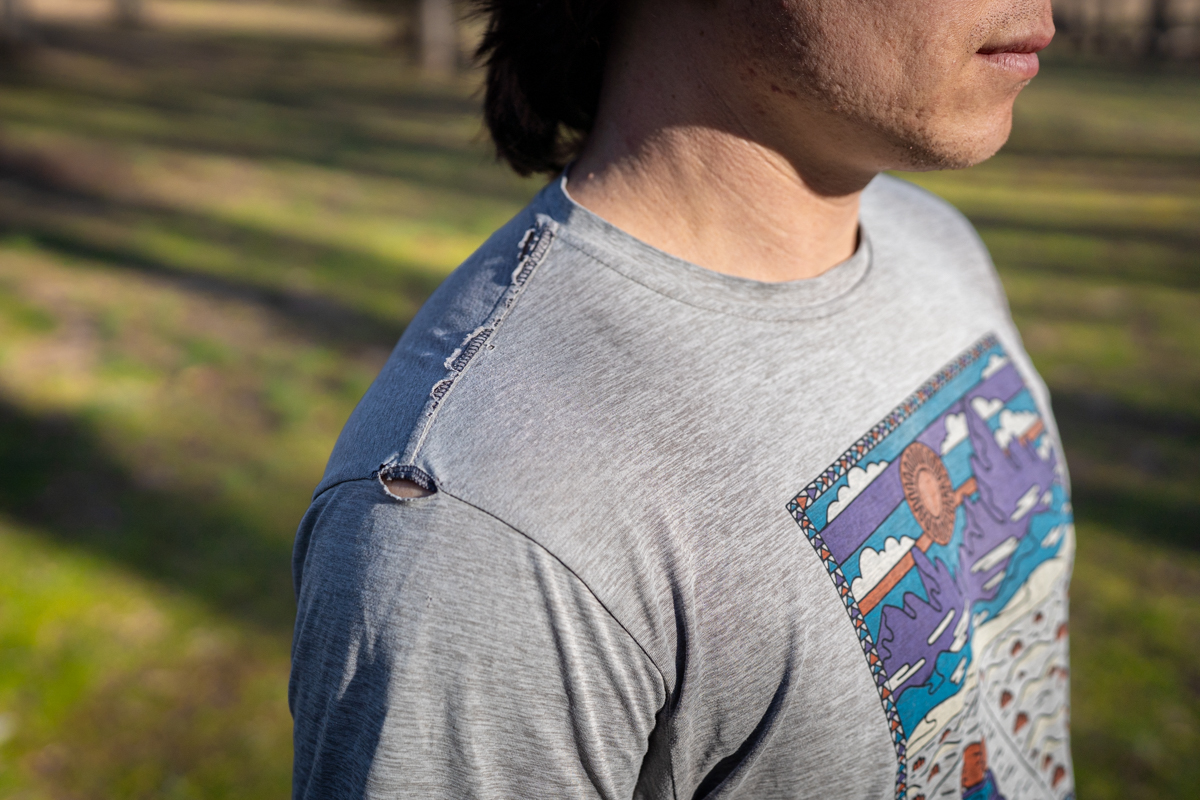
Best for Thru-Hiking: Maximum Abrasion Resistance
For those planning to spend six months on the Pacific Crest Trail or the Appalachian Trail, most durable hiking shirts for thru-hiking is the only category that matters. We have found that the biggest killer of hiking tops isn't the trail itself, but the washing machine combined with backpack strap chafing.
Patagonia Capilene Cool Daily
Our team has put this shirt through hell. It uses a 100% recycled polyester jersey knit that feels like cotton but performs like a high-end technical base layer. After 2,000 miles, the seams remained intact, and the fabric showed surprisingly little fabric pilling.
- Pros: Incredible next-to-skin feel; dries almost instantly; miDori bioSoft for added wicking.
- Cons: Lacks a hood for maximum sun protection; can develop a permanent scent after a few weeks without a deep clean.
REI Co-op Sahara Solid
This is one of the best ventilated button up hiking shirts for men and women who prefer a classic look with modern performance. Made from a rugged nylon blend, it is built to resist tearing. It’s also one of the most breathable hiking shirts for hot and humid trails because of the mesh-lined back vents.
- Pros: Highly durable nylon; excellent ventilation; button-up style allows for variable airflow.
- Cons: Slightly stiffer than jersey knits; boxy fit may not appeal to everyone.
Best Sun Protection: Light Sun Hoodies and UPF Shirts
When you are trekking through alpine sun exposure in the Sierra Nevada or the Rockies, the sun is your greatest adversary. We’ve found that using upf hiking shirts is far more effective and less messy than constantly reapplying sunscreen. UPF ratings indicate the amount of UV radiation a fabric blocks; a UPF 50 rating allows only 1/50th of UV rays to reach the skin. Effective sun protection depends on fabric density, thickness, and material type, with polyester and nylon naturally outperforming cotton.
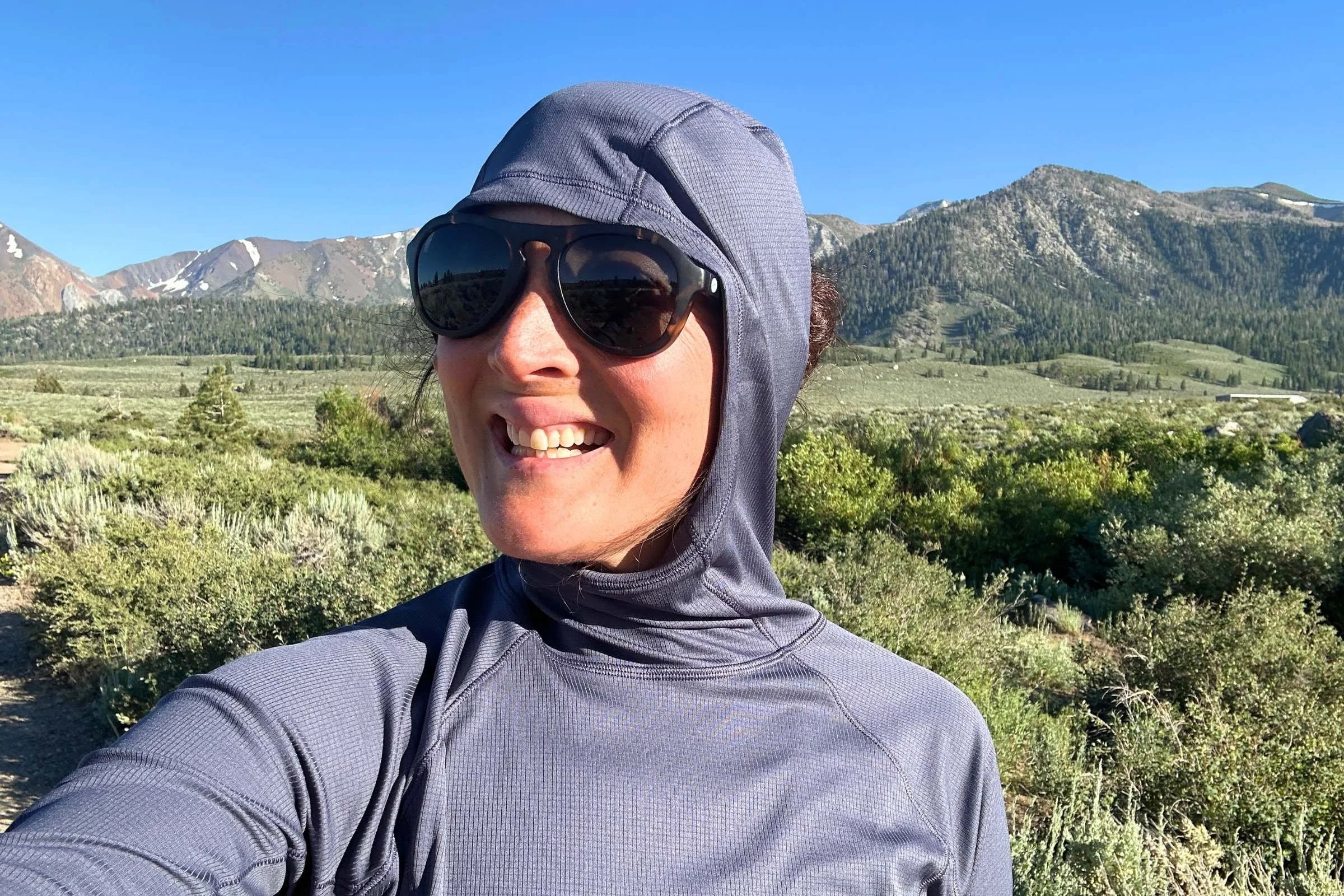
Lightweight sun hoodies for high altitude hiking are the modern hiker's uniform. These garments combine the benefits of long-sleeve coverage with a hood that fits over a climbing helmet or under a sun hat. This design protects the neck and ears—areas that are notoriously prone to burning. Durable women's hiking shirts with upf protection often feature additional design tweaks like thumbholes, which keep the sleeves pulled down to cover the backs of the hands.
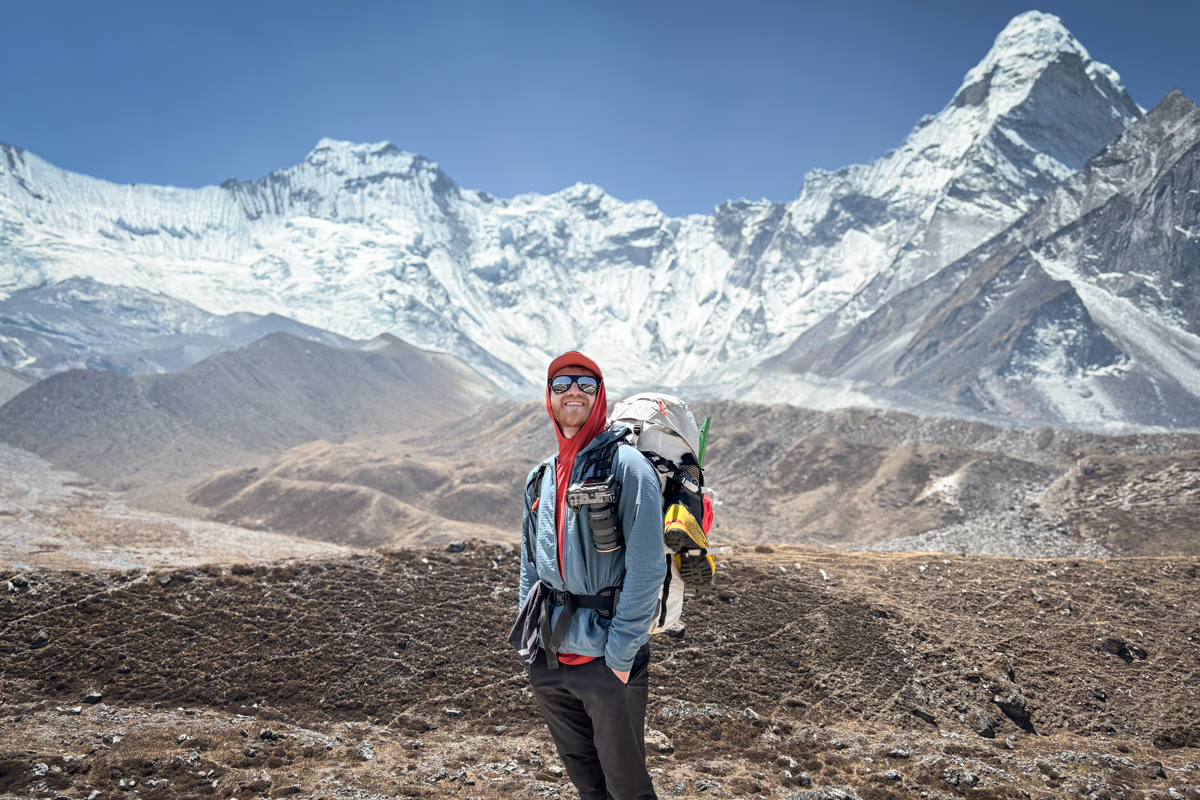
Natural Performance: Merino Blends and Odor Control
While synthetics win the durability race, merino wool hiking shirts are the undisputed champions of scent management. For natural odor resistance, merino wool is the preferred choice because its antimicrobial properties inhibit the growth of bacteria. However, pure wool is fragile, often developing holes after just a few hundred miles of trekking.
To solve this, many modern technical shirts use a hybrid approach, combining recycled polyester for fast-drying performance with treatments like Polygiene or HeiQ Mint to manage trail stench during high-output trekking in humid conditions. We highly recommend merino wool hiking shirts with natural odor resistance for trips where you won't have access to laundry for five days or more. Merino wool also offers superior thermoregulation, keeping you cool when it's hot and providing a bit of warmth when the sun dips below the horizon.
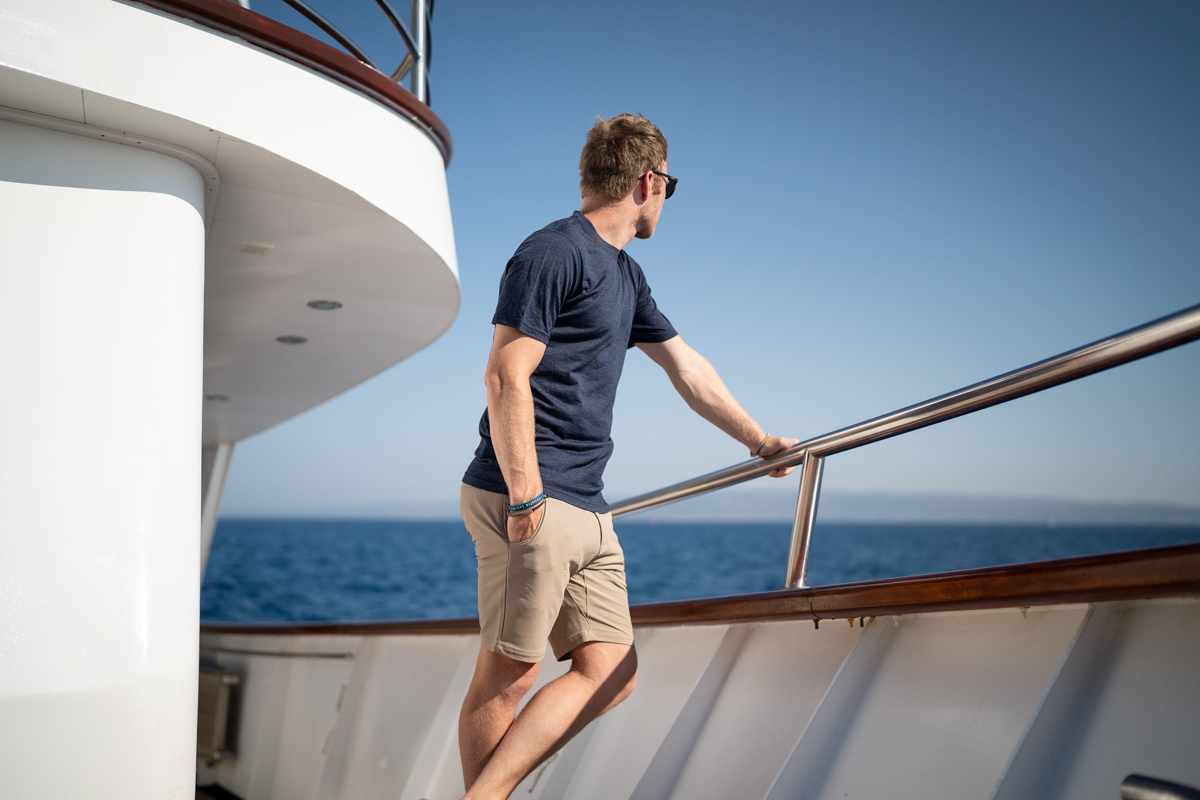
Technical Construction: Seams and Fit
The difference between a $15 gym shirt and the best hiking shirts often comes down to the construction. We look for flatlock seam construction to prevent irritation. These seams lie flat against the skin, eliminating the "ridge" of fabric that can cause raw spots under a heavy pack.
Furthermore, look for mechanical stretch in fabrics that do not rely solely on spandex. Mechanical stretch is achieved through the weave of the fabric itself, which is generally more durable over time than elastic fibers which can break down with UV exposure and sweat. For those hiking in tropical or swampy environments, ventilated button-up options with mesh panels under the arms provide the highest level of airflow.
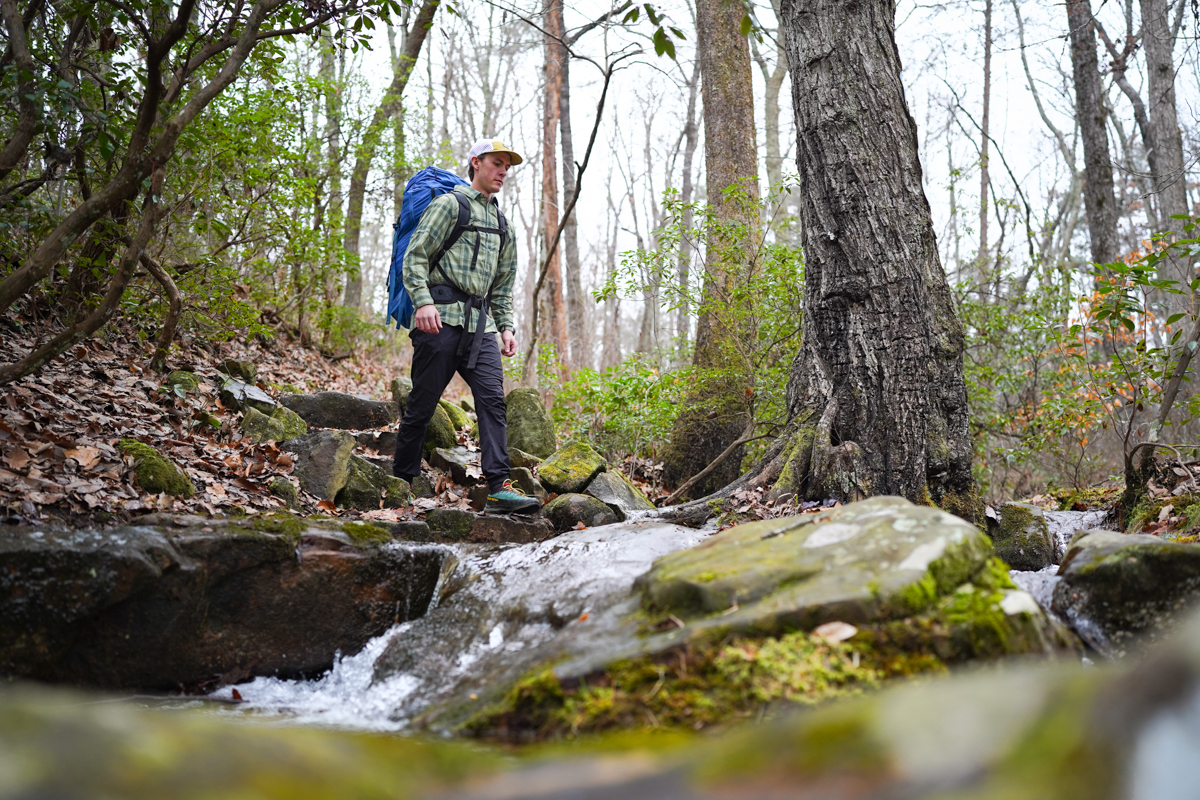
Tested and Dismissed
Not every shirt makes the cut. During our testing of technical base layers, we found several popular models that failed to meet our durability standards for long-distance trekking:
- Generic Cotton Blends: While comfortable, these failed our moisture wicking hiking shirts test and took over six hours to dry in humid conditions.
- Ultra-thin 100% Merino (under 120 GSM): Though excellent for odor, these developed significant holes in the shoulder area within 100 miles of weight-bearing use.
- Standard Performance Tees (Non-Hiking Specific): Many gym shirts lacked the flatlock seam construction necessary to prevent backpack strap chafing, resulting in painful hotspots.
FAQ
What is the best material for a hiking shirt?
Synthetic blends, specifically those involving nylon or polyester, are generally considered the best material for a hiking shirt due to their moisture wicking and quick-drying properties. If you prioritize odor control for multi-day trips, a merino wool blend is superior, provided it is reinforced with a synthetic core for durability.
Are long sleeve or short sleeve shirts better for hiking?
Long sleeve shirts are typically better for hiking in most environments because they provide superior protection against UV rays, biting insects, and abrasive brush. Modern technical fabrics are so breathable that a long-sleeve shirt will not necessarily make you feel hotter, and it may even keep you cooler by providing shade for your skin.
Is it okay to wear a cotton shirt for hiking?
It is generally advised to avoid cotton for serious hiking. Cotton is extremely hydrophilic, meaning it absorbs and holds onto moisture. This leads to heavy, sagging fabric that can cause skin chafing and, in cold or wet conditions, can contribute to hypothermia by stripping heat away from the body.
Do hiking shirts actually protect you from the sun?
Yes, hiking shirts with a high UPF rating provide excellent protection. Unlike standard clothing, which may have a loose weave that allows UV rays to pass through, UPF-rated hiking shirts are built with a dense weave or specific chemical treatments to block up to 98% of the sun's radiation.
What is the best type of hiking shirt for hot weather?
The best type of hiking shirt for hot weather is either a lightweight synthetic sun hoodie or a ventilated button-up. Look for shirts that feature mechanical stretch and antimicrobial treatments to handle high sweat output, as well as light colors that reflect rather than absorb thermal energy.
What is the difference between synthetic and wool hiking shirts?
Synthetic hiking shirts are prized for their durability, abrasion resistance, and fast drying times. Wool hiking shirts, specifically those made from high-quality merino, excel at thermoregulation and have natural antimicrobial properties that prevent the buildup of smells. Most experts now recommend a blend of both to get the benefits of synthetic strength and wool comfort.