Our Top Picks
- Best Overall: MSR Lightning Ascent. Unrivaled 360-degree traction and an ultralight frame designed for technical mountain terrain.
- Best for Deep Powder: Tubbs Mountaineer. Exceptional flotation and a robust frame built to stay atop the deepest backcountry drifts.
- Best Value: MSR Evo Trail. Renowned durability and reliable performance on groomed trails at a budget-friendly price point.
- Best for All-Terrain: Atlas Range-MTN. Features a high-performance BOA fit system and aggressive traction rails for technical versatility.
The MSR Lightning Ascent is rated the best overall snowshoe for women due to its exceptional 360-degree traction, ergonomic bindings, and specialized frame that supports a natural stride. It excels on technical backcountry terrain, including steep, icy slopes, and offers optional flotation tails for deeper snow, making it the premier choice for the best women's snowshoes of 2025.
| Model | Weight (Pair) | Best Use | Traction Rating | Binding Type |
|---|---|---|---|---|
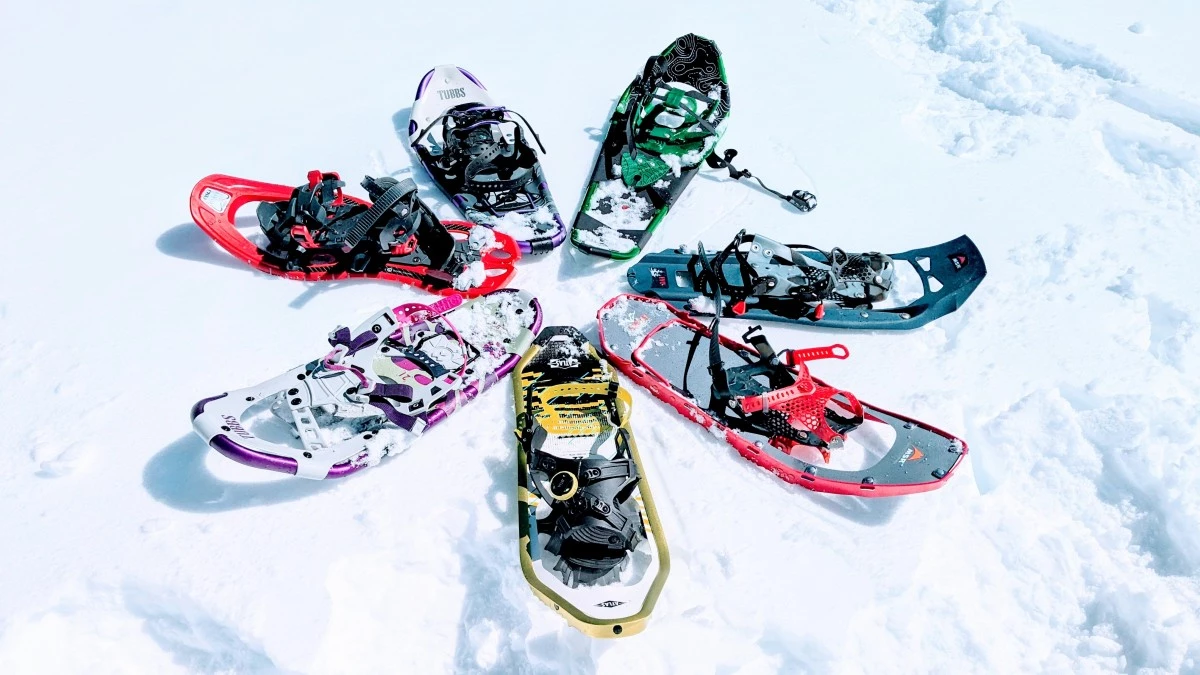
| MSR Lightning Ascent | 3 lbs 10 oz | Backcountry/Technical | Elite | Paraglide Webbing |
| Tubbs Mountaineer | 4 lbs 8 oz | Deep Powder | High | ActiveFit 2.0 |
| MSR Evo Trail | 3 lbs 10 oz | Recreational/Groomed | Moderate | DuoFit / Rubber |
| Atlas Range-MTN | 4 lbs 2 oz | All-Mountain | High | BOA Fit System |
| Atlas Montane | 4 lbs 4 oz | Hiking/Backcountry | High | Wrapp Swift |
| MSR Revo Explore | 3 lbs 14 oz | Day Hiking | High | HyperLink |
| Tubbs Flex VRT | 4 lb 3 oz | Technical/Backcountry | High | BOA Fit System |
| TSL Highlander | 4 lbs 1 oz | Rugged/Mountain | High | Ratchet/Lateral Adjust |
How We Tested: 200 Miles of Winter Performance
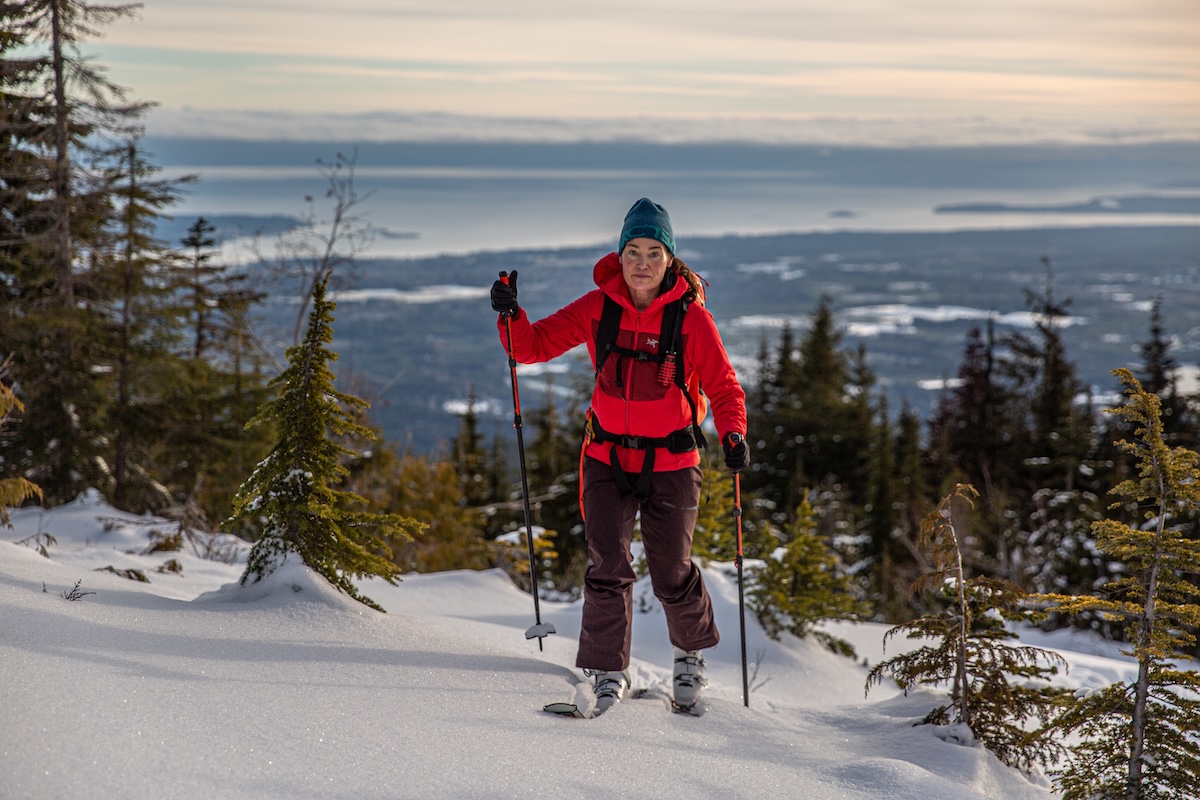
To curate this guide of the best women's snowshoes, our team spent the last two winters logging over 200 miles in environments ranging from the rugged peaks of the Alaskan Chugach to the deep, dry powder of the Colorado Rockies. We subjected these models to temperatures as low as -5 F and navigated technical slopes with 35-degree inclines to test edge control and grip.
Beyond field testing, we analyzed the broader industry landscape. The global snowshoes market was valued at approximately 1.063 billion USD in 2024, with women-specific designs proving to be a critical growth driver. In fact, the women's snowshoe segment contributed an estimated 319 million USD to the industry total recently. Looking forward, the industry is projected to grow from 1.104 billion USD in 2025 to 1.606 billion USD by 2035, representing a compound annual growth rate of 3.82%. This investment in research and development has led to the best lightweight snowshoes for women hikers we have ever seen, focusing on biomechanics and weight-to-performance ratios.

Best Technical & Backcountry Snowshoes: Peak Performance
When the trail turns upward and the terrain transitions into hardpack or ice, you need gear that inspires confidence. The best backcountry snowshoes for women provide more than just flotation; they offer security through mechanical grip.
MSR Lightning Ascent
The MSR Lightning Ascent remains the undisputed champion for technical winter mountaineering. Its standout feature is the 360-degree traction frame, which is essentially a continuous set of teeth laser-cut from a single piece of aluminum. Unlike traditional round-tube frames that can slide on side-hills, this frame bites into the surface from every angle.
The Paraglide bindings are women's snowshoes with easy to use bindings that don't sacrifice security. The mesh comfortably hugs specialized winter boots without creating pressure points. For those tackling sustained climbs, the Ergo Televator heel lifters are indispensable. Engaging these bars reduces calf fatigue by allowing your foot to remain in a neutral position while the snowshoe angles upward. If you encounter unexpectedly deep snow, the compatibility with optional flotation tails allows you to increase the surface area in seconds.
Atlas Range-MTN
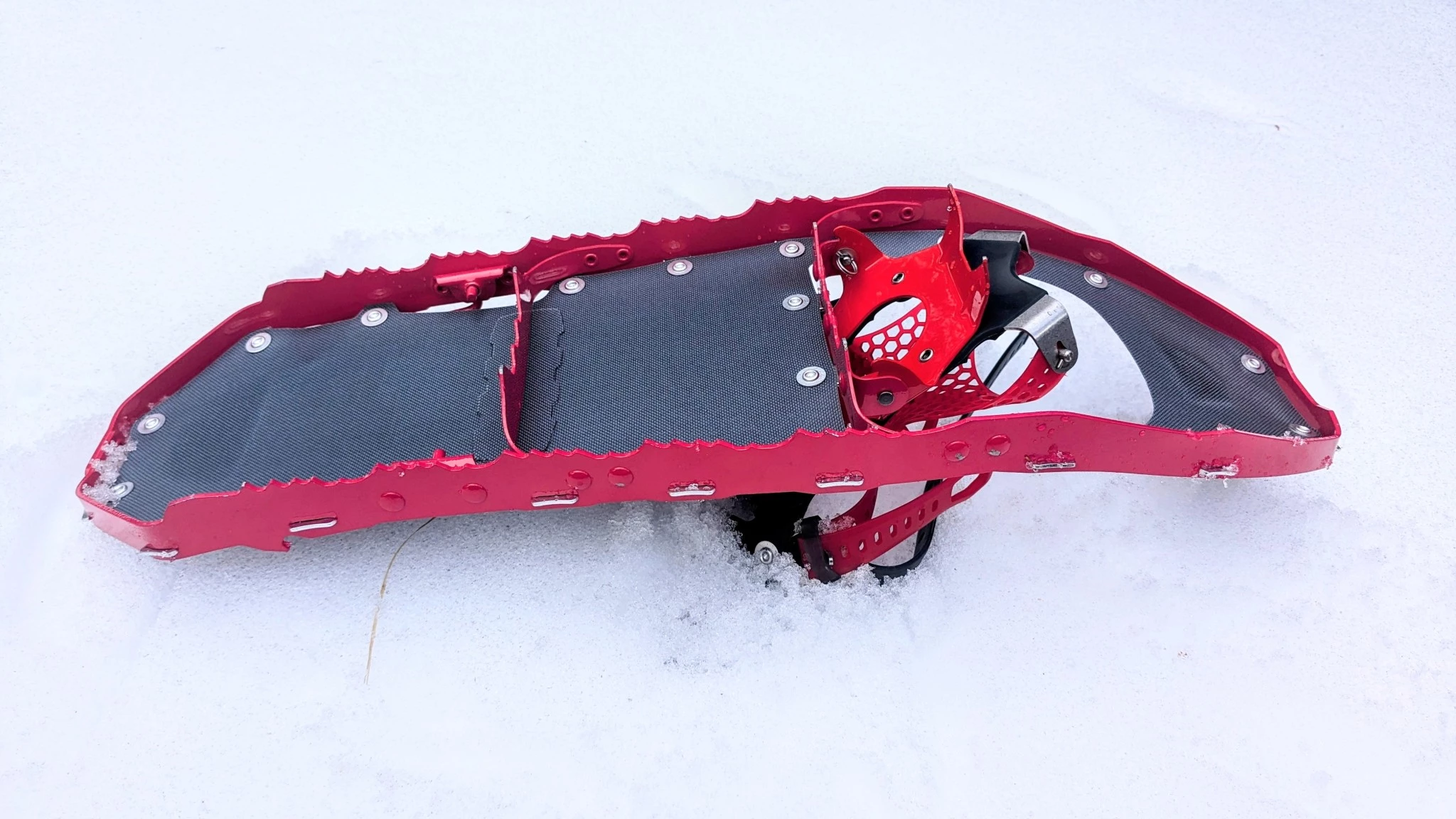
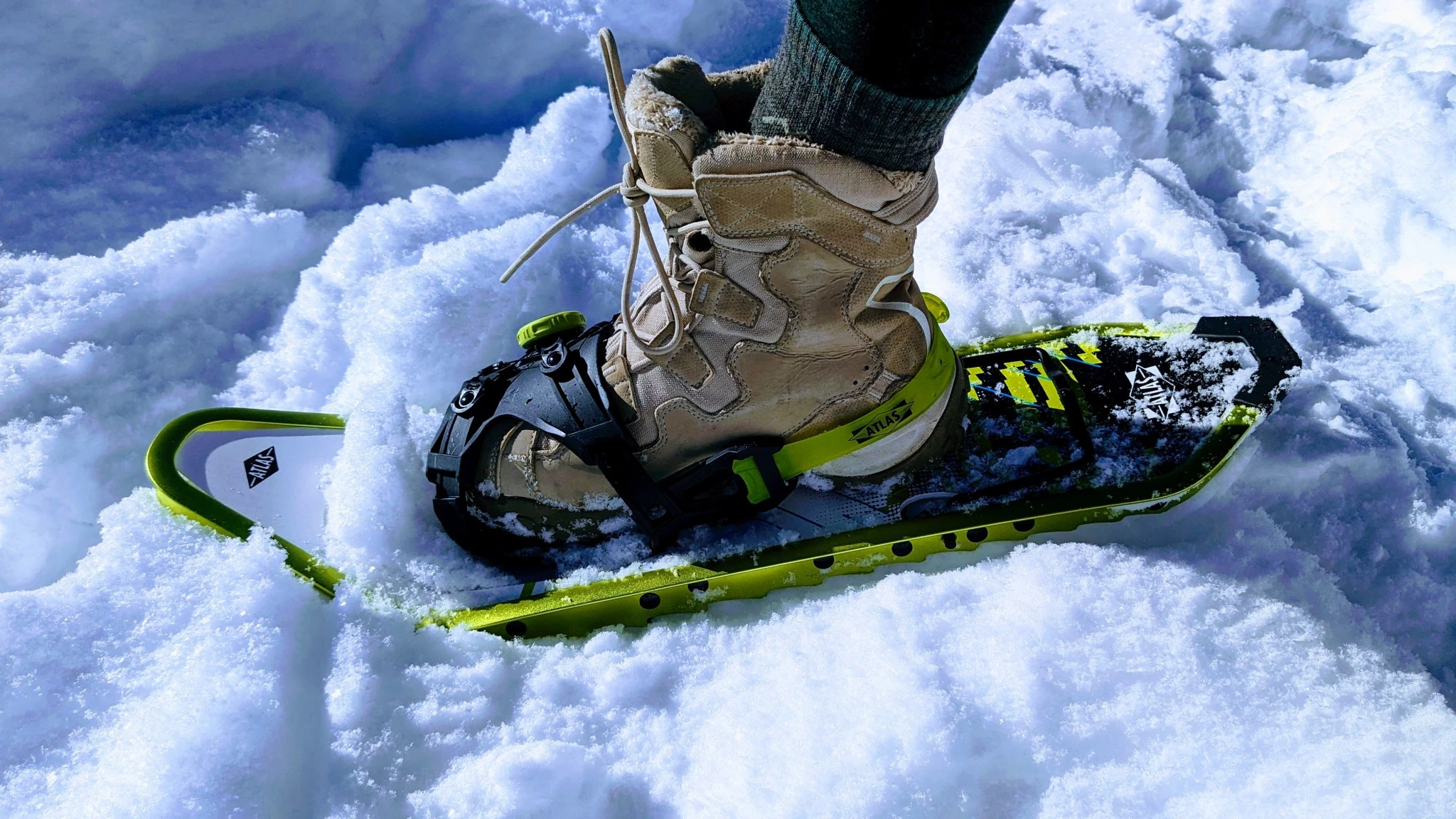
The Atlas Range-MTN is a beast on mixed terrain. It utilizes a dedicated BOA fit system that provides a micro-adjustable, precision fit that stays tight throughout the day. For hikers who struggle with traditional straps and buckles, these women's snowshoes with easy to use bindings are a revelation.
The traction is provided by X-Frame rails and aggressive crampons that provide stability on best women's snowshoes for icy steep terrain. The Reactiv-7075 aluminum frame is incredibly lightweight but stiff enough to prevent energy loss during the push-off phase of your stride.
Pros:
- Incredible edge control on icy side-slopes.
- BOA system is fast and reliable.
- Integrated heel lifters for steep ascents.
Cons:
- Higher price point for casual users.
- The BOA dial can occasionally ice up in extremely wet, freezing conditions.
Best for Deep Powder & Recreational Trails
Not every winter adventure requires a vertical climb. Sometimes the goal is a peaceful trek through a meadow or a journey into the deep fluff of the backcountry.
Tubbs Mountaineer
The Tubbs Mountaineer is widely considered the top choice among the best women's snowshoes for deep powder. Its primary strength is its high-capacity flotation. The wide, rounded tail and high surface area allow it to stay high in the snow column, even when carrying a full backcountry pack.
The Mountaineer features the ActiveFit 2.0 binding, which uses a TPU cinch strap to provide security and ease of entry. While it is heavier than some mountain-specific models, the tradeoff is a plush, stable ride in unconsolidated snow. The Nytex decking remains flexible even in sub-zero temperatures, ensuring the snowshoe doesn't become brittle or loud on the trail.

MSR Evo Trail
For those looking for affordable beginner snowshoes for women, the MSR Evo Trail is the gold standard of value. These are virtually indestructible thanks to their unibody plastic construction. Unlike models with fabric decking, there is nothing to tear or puncture.
While they lack the aggressive side-rails of the Lightning series, they provide excellent grip on groomed or moderately packed trails via steel traction bars molded into the base. They are shorter than many other models, making them the best lightweight snowshoes for women hikers who prioritize maneuverability over maximum flotation.
Pros:
- Exceptional durability and longevity.
- Simple, fail-proof binding system.
- Modular tail compatibility.
Cons:
- The plastic frame is louder on hardpack snow than fabric-decked models.
- Standard length may struggle in very deep, light powder without tails.
Women's Snowshoe Buying Guide: Choosing Your Perfect Pair
A women's snowshoe buying guide often begins with one question: why not just buy the men's version? The answer lies in the narrow gait and anatomy of a woman's stride.
Stride Ergonomics and Frame Design
Standard snowshoes are often wide, which can force women to walk with an unnaturally wide stance, leading to hip and knee discomfort. Women-specific models feature a tapered frame, which is narrower at the nose and tail. This allows for a more natural stride ergonomics, preventing the "clanking" of snowshoes against each other.

Sizing for Total Load Weight
To find the right size, you must consider the how to choose snowshoe size for women's weight rule, which refers to your total load capacity. This includes your body weight plus the weight of your boots, winter clothing, and your loaded backpack.
- 22-inch models: Typically rated for loads up to 150 lbs.
- 25-inch models: Rated for loads up to 180-200 lbs.
- 30-inch models: For deep powder or loads over 200 lbs. Smaller snowshoes are easier to walk in, so always choose the smallest size that will provide the surface area needed for your typical snow conditions.
Essential Technical Features
- Crampons: Look for stainless steel or carbon steel teeth under the toe and heel.
- Heel lifters: A must-have for mountain travel to prevent calf burn.
- Bindings: Ensure the bindings are compatible with your specific winter boots. Many women's models have smaller binding cradles to accommodate a lower boot volume.
- Flotation tails: Some MSR models allow you to add 5-inch tails, giving you the versatility of a short shoe for technical terrain and a long shoe for deep snow in one package.
FAQ
What is the difference between men's and women's snowshoes?
The primary differences are the frame shape and binding size. Women's models are narrower with a more pronounced taper to accommodate a shorter, narrower gait. The bindings are also scaled down to fit smaller footwear, ensuring a secure fit without excess strap length.
How do I choose the right size snowshoes for my weight?
Check the manufacturer's load chart, but always factor in your gear. If you weigh 140 lbs but carry a 30 lb pack, you are effectively a 170 lb walker. In light powder, you will need a larger surface area (25 or 27 inches), whereas on packed trails, a 22-inch shoe may suffice.
What are the best snowshoes for beginner women hikers?
The MSR Evo Trail or the Atlas Helium Trail are excellent choices. They are durable, easy to put on, and offer enough traction for standard recreational trails without the complexity or price of high-end mountaineering models.
Why are women's snowshoes narrower than men's models?
Women generally have a narrower stride. Using a wide men's snowshoe can cause the frames to overlap or hit each other while walking, which can lead to tripping. The narrow design promotes a more natural walking motion and reduces strain on the hips over long distances.
What features are most important in women's snowshoes?
If you are hiking in hilly terrain, a heel lift is the most important feature. For icy conditions, aggressive toe and side crampons are vital. Finally, ensure the bindings are easy to manipulate with gloves on, as you don't want to expose your hands to the cold to make adjustments.
The right pair of snowshoes can transform the winter landscape from a barrier into a playground. Whether you are aiming for a summit or a simple stroll through the woods, choosing a model tailored to your gait and terrain is the key to a successful season. Check your local trail conditions, lace up your most supportive winter boots, and experience the quiet beauty of the backcountry with the confidence of performance-tested gear.