Our Top Picks
- Best Overall Hiking Daypack: Osprey Talon 22 (Men's) / Tempest 22 (Women's). Unmatched suspension and versatility for any trail condition.
- Best Ultralight Daypack: Hyperlite Mountain Gear Daybreak. Exceptionally durable, water-resistant, and weighs next to nothing.
- Best Value for Beginners: Granite Gear Dagger 22L. A budget-friendly powerhouse that does not compromise on essential technical features.
- Best for Heavy Loads: Osprey Stratos 24. Features a rigid frame that makes carrying 20+ pounds feels effortless and ventilated.
- Best Trail-to-Town Hybrid: Patagonia Refugio 28. Seamlessly transitions from mountain summits to the Monday morning commute.
Field testing across varied terrain identifies the Osprey Talon 22 and women-specific Tempest 22 as the best hiking daypacks due to their versatility and advanced suspension systems. For ultralight performance, the Hyperlite Mountain Gear Daybreak stands out for its water-resistant Dyneema construction, while the Granite Gear Dagger 22L is the top choice for hikers seeking a durable budget option.
Quick Recommendations
| Model | Best For | Weight | Capacity | Primary Material |
|---|---|---|---|---|
| Osprey Talon 22 | Overall Excellence | 2.1 lbs | 22L | 210D Nylon |
| HMG Daybreak | Ultralight / Speed | 1.27 lbs | 17L+ | Dyneema (DCF) |
| Granite Gear Dagger | Budget / Beginners | 1.5 lbs | 22L | 100D Robic Nylon |
| Osprey Stratos 24 | Heavy Loads / Heat | 2.78 lbs | 24L | 210D Honeycomb |
| Patagonia Refugio | Commuting / Travel | 1.7 lbs | 28L | 600D Polyester |
| Gregory Nano 20 | Short / Casual Hikes | 1.1 lbs | 20L | 210D Honeycomb |
| Nemo Persist | Ergonomic Comfort | 2.4 lbs | 22L | Recycled Fabric |
| SMD Wy’east | Light Overnights | 1.8 lbs | 30L | 210D Robic |
2026 Market Analysis: Why Your Pack Size Matters
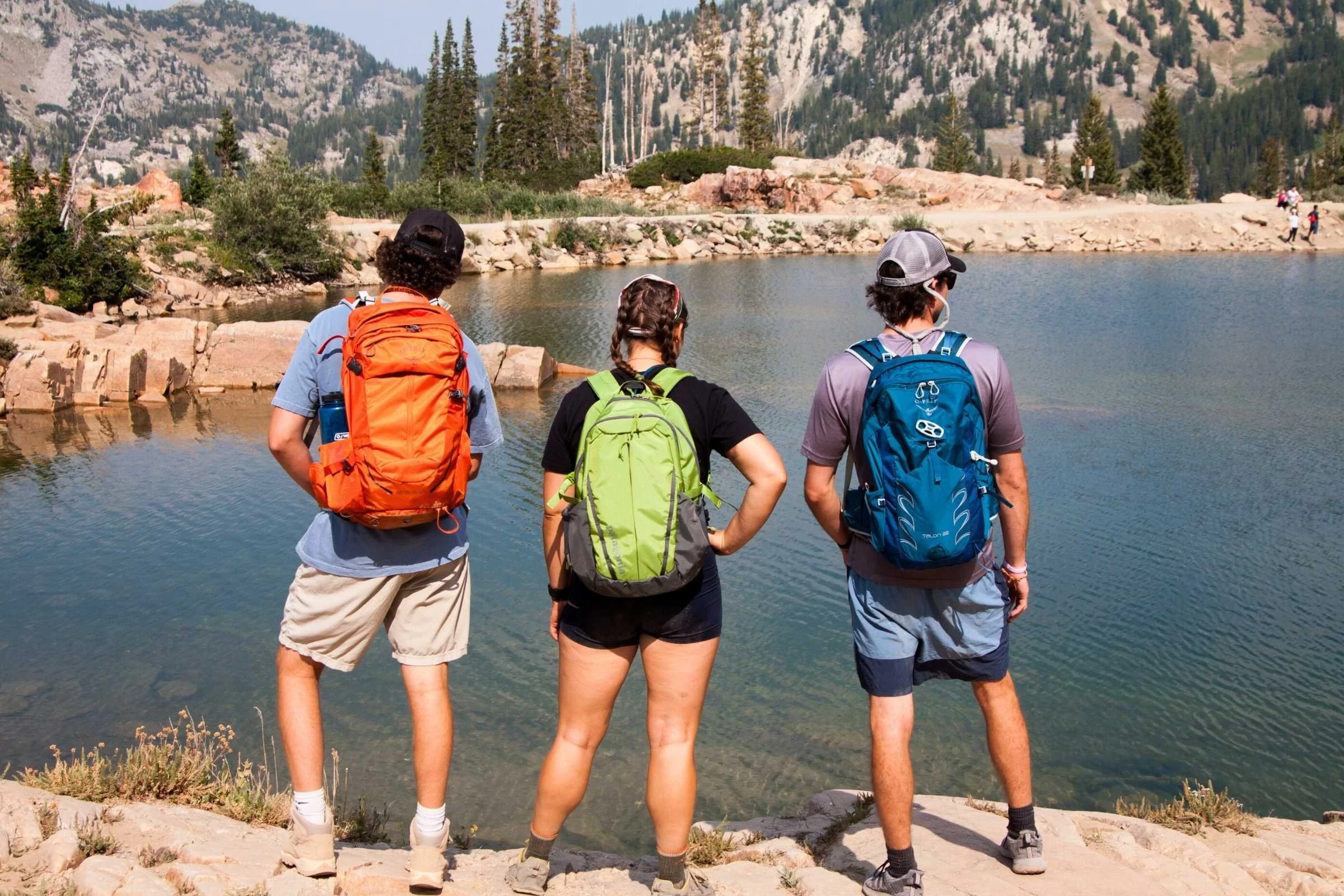
The landscape of outdoor gear is shifting rapidly. As more people seek refuge in nature, the global hiking backpack market was valued at approximately $1.4 billion in 2024 and is projected to nearly double to $2.75 billion by 2035. This growth is largely fueled by a 7.1% annual growth rate in outdoor recreation and adventure tourism, meaning more innovation in materials and fit than ever before.
When consulting our daypack buying guide, the first decision most hikers face is volume. While sizes range significantly, the 20-30 liter window has emerged as the sweet spot for the modern hiker. This range provides enough space for the ten essentials, extra layers, and a full hydration reservoir without becoming cumbersome. Choosing the right daypack volume for day hiking involves honest self-assessment: are you a minimalist who carries only water and a shell, or are you the group leader carrying a first-aid kit, extra water, and a gourmet lunch?
Modern designs focus on a load-bearing suspension system that mimics the tech found in multi-day expedition packs. We are seeing a massive trend toward specialized pack weight-to-volume ratio improvements, where brands use high-tenacity fabrics to drop weight without losing the structural integrity needed for a full day on the trail.
Best Overall: Osprey Talon 22 & Tempest 22
For years, the Talon and its female-specific counterpart, the Tempest, have set the gold standard. Our recent day hiking backpack reviews confirm that the 2026 updates continue this dominance. The standout feature remains the AirScape injection-molded back panel, which keeps the pack close to your body for stability while utilizing breathable mesh padding to allow airflow.
The suspension is remarkably flexible, moving with your body rather than against it. This makes it the best hiking daypacks for technical scrambles or fast-paced ascents. We particularly appreciate the LidLock helmet attachment and the stow-on-the-go trekking pole attachments, which allow you to secure gear without even taking the pack off.
Specs Box
- Weight: 2.1 lbs (M/L)
- Price: $160
- Volume: 22L
- Materials: Bluesign approved recycled 100D x 210D wave check high-tenacity nylon
Pros
- Exceptional torso fit range with adjustable back panels.
- Highly breathable materials prevent back sweat.
- Comprehensive feature set including hydration reservoir compatibility.
Cons
- The frame can feel slightly overbuilt for extremely light loads.
- Side pockets are tight when the main compartment is fully stuffed.
Best for Heavy Loads & Comfort: Osprey Stratos 24 / Nemo Persist
If your typical day hike involves carrying a heavy DSLR, a picnic, or extra water for the dogs, you need a pack that prioritizes weight transfer. The Osprey Stratos 24 uses a rigid internal framesheet and a seamless hip belt to move the load off your shoulders and onto your hips.
During our testing on steep vertical gains, the Stratos stood out for its AirSpeed 3D mesh suspension. This design creates a physical gap between your back and the pack, providing the best ventilation in the category. The Nemo Persist is a strong runner-up here, offering a unique geometry that conforms to the lower back, though the Stratos wins for its superior sternum strap stability and integrated compression straps that keep the load centered.
Specs Box
- Weight: 2.78 lbs
- Price: $180
- Volume: 24L
- Materials: 210D Nylon Honeycomb Contrast
Pros
- Industry-leading ventilation for hot climates.
- Excellent weight distribution via a supportive hip belt.
- Included raincover for unpredictable weather.
Cons
- One of the heavier options in this review.
- The curved back panel can make packing flat items (like a tablet) awkward.
Best Ultralight Dyneema Pick: Hyperlite Mountain Gear Daybreak
For those who view every ounce as an enemy, the Hyperlite Mountain Gear Daybreak is a revelation. Built in Maine using Dyneema Composite Fabric, this pack is practically waterproof and incredibly tough. Unlike traditional nylon, Dyneema does not absorb water, ensuring your pack doesn't gain weight during a rainstorm.
This is the premier choice for lightweight daypacks for hiking where speed and durability are paramount. The design is minimalist, featuring a large external "tailpocket" for quick-access gear and a sleek silhouette that won't snag on brush. It utilizes an abrasion-resistant fabric that handles granite scrapes with ease, and the DWR water repellent finish on the zippers adds an extra layer of security.
Specs Box
- Weight: 1.27 lbs
- Price: $229
- Volume: 17L internal (Total ~21L)
- Materials: DCH150 (Dyneema/Polyester Hybrid)
Pros
- Incredible strength-to-weight ratio.
- Highly water-resistant without needing a raincover.
- Minimalist aesthetic that looks great in any environment.
Cons
- High price point for a daypack.
- Lacks the plush padding found on traditional packs.
Best Value for Beginners: Granite Gear Dagger 22L / REI Flash 22
You don’t need to spend $200 to get a quality trail experience. The Granite Gear Dagger 22L is one of the most affordable hiking daypacks for beginners that doesn't feel like a toy. It provides a surprisingly effective suspension system for its weight and includes a dedicated hydration sleeve and front-loading panel access.
In our field tests, the Dagger stayed comfortable even when pushed to its 15-pound limit. For those who want something even lighter and more packable, the REI Flash 22 remains a cult favorite, though it lacks the structural support of the Dagger. Both are excellent entries into the world of technical gear without the steep investment.
Specs Box
- Weight: 1.5 lbs
- Price: $85
- Volume: 22L
- Materials: 100D Robic High Tenacity Nylon
Pros
- Great value-to-performance ratio.
- Durable materials usually reserved for more expensive packs.
- Removable waist belt for casual use.
Cons
- Minimal back panel ventilation.
- Shoulder straps are relatively thin.
Inclusive Design: The Best Plus Size & Extended Fit Daypacks
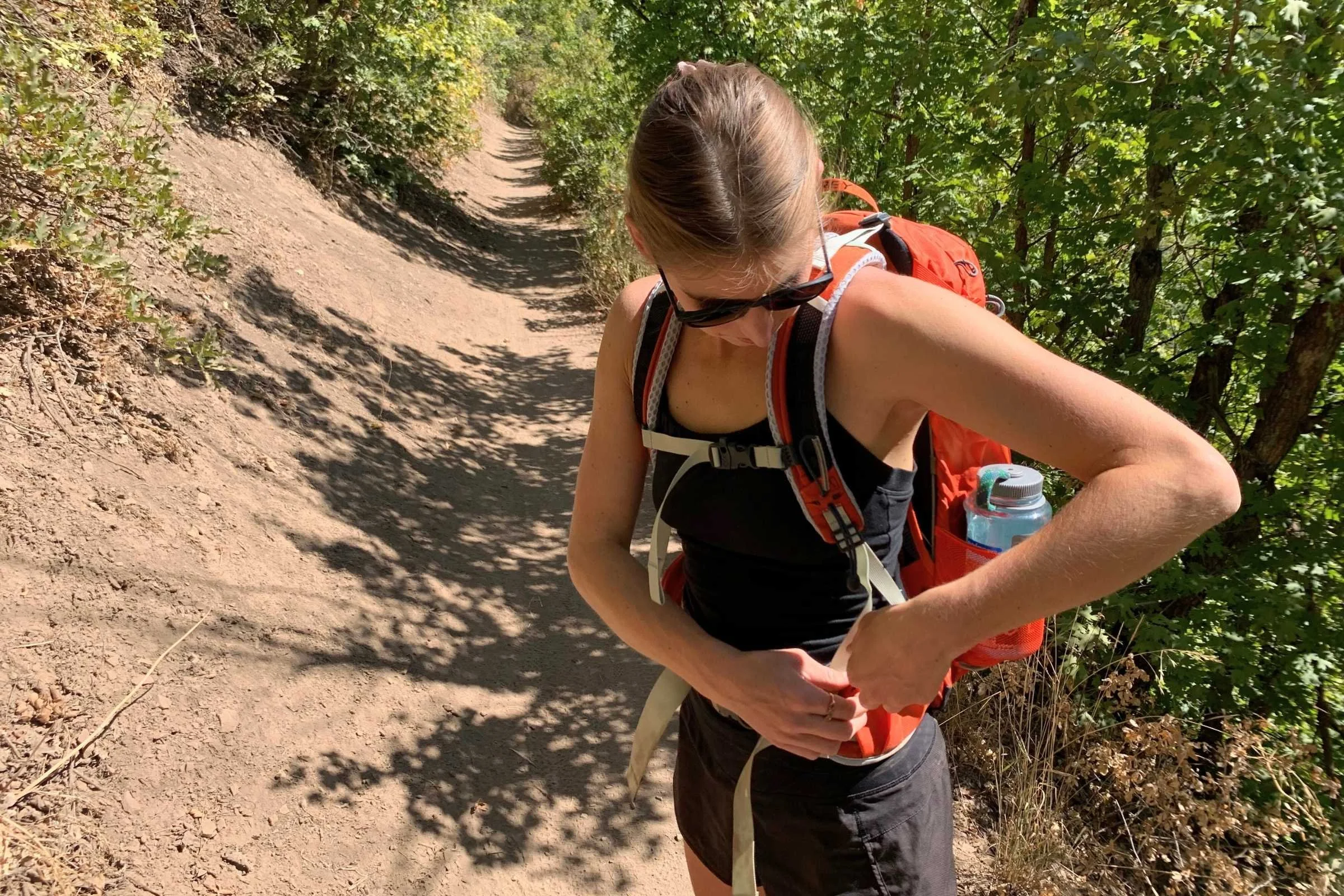
Inclusivity has finally reached the technical gear market. Brands like Gregory and Osprey have led the charge by offering plus size hiking daypacks with adjustable hip belts that extend up to 70 inches. These aren't just larger packs; they feature re-engineered shoulder harnesses and hip belt angles to better suit diverse body types.
A proper load-bearing suspension system only works if the pack makes contact with the right points on your body. These extended fit models ensure that the ergonomic shoulder straps wrap correctly around the chest and that the hip belt actually sits on the iliac crest, rather than high on the waist. This shift ensures that the physical benefits of a high-end pack are accessible to every hiker, regardless of size.
Transition Packs: From Trail to Town
Many of us need one bag that can do it all. The Patagonia Refugio 28 is the standout for versatile daypacks for hiking and commuting. It features a removable padded laptop sleeve, making it a professional office bag during the week, and a hydration-ready compartment for the weekend.
The fabric is treated with a DWR water repellent finish to protect your electronics, and the side compression straps keep the bag low-profile when it’s not full. If you’re planning more adventurous outings, the Six Moon Designs Wy’east 30L is another excellent choice—it functions as a high volume daypacks for light overnight trips while still feeling nimble enough for a quick morning loop.
Specs Box
- Weight: 1.7 lbs
- Price: $109
- Volume: 28L
- Materials: 600D Recycled Polyester
Pros
- Dedicated organization for electronics.
- Clean, urban-friendly design.
- Comfortable enough for 10-mile trail days.
Cons
- Lacks a supportive hip belt for heavy trail gear.
- Back panel can get warm during intense activity.
The Technical Daypack Buying Guide: How to Choose
Selecting the right pack is an exercise in matching your gear list to the pack's architecture. Use the following criteria to narrow your search.
Measuring for Torso Fit
The most common mistake is choosing a pack based on your height. Instead, you must measure your torso length. This is the distance from your C7 vertebra (the bump at the base of your neck) to the top of your hip bones (iliac crest). A pack that is too long will sag and put pressure on your lower back; a pack that is too short will pull on your shoulders. Look for models with an adjustable torso fit range to ensure a custom feel.
Volume vs. Activity
- 10-15 Liters: Best for short, 2-3 hour hikes or trail running where you only need water and a light layer.
- 18-24 Liters: The standard for average day hikes. Accommodates water, food, first aid, and a rain jacket.
- 25-30+ Liters: Necessary for technical daypacks for peak bagging and summits where you might need ice axe attachment loops, helmets, or extra cold-weather gear.
Ventilation vs. Stability
Packs with a suspended mesh back panel provide the best airflow but move the center of gravity slightly away from your back. Packs with foam padding offer better stability and a closer feel, which is often preferred for scrambling, but they will result in a sweatier back.
How We Tested & What We Dismissed
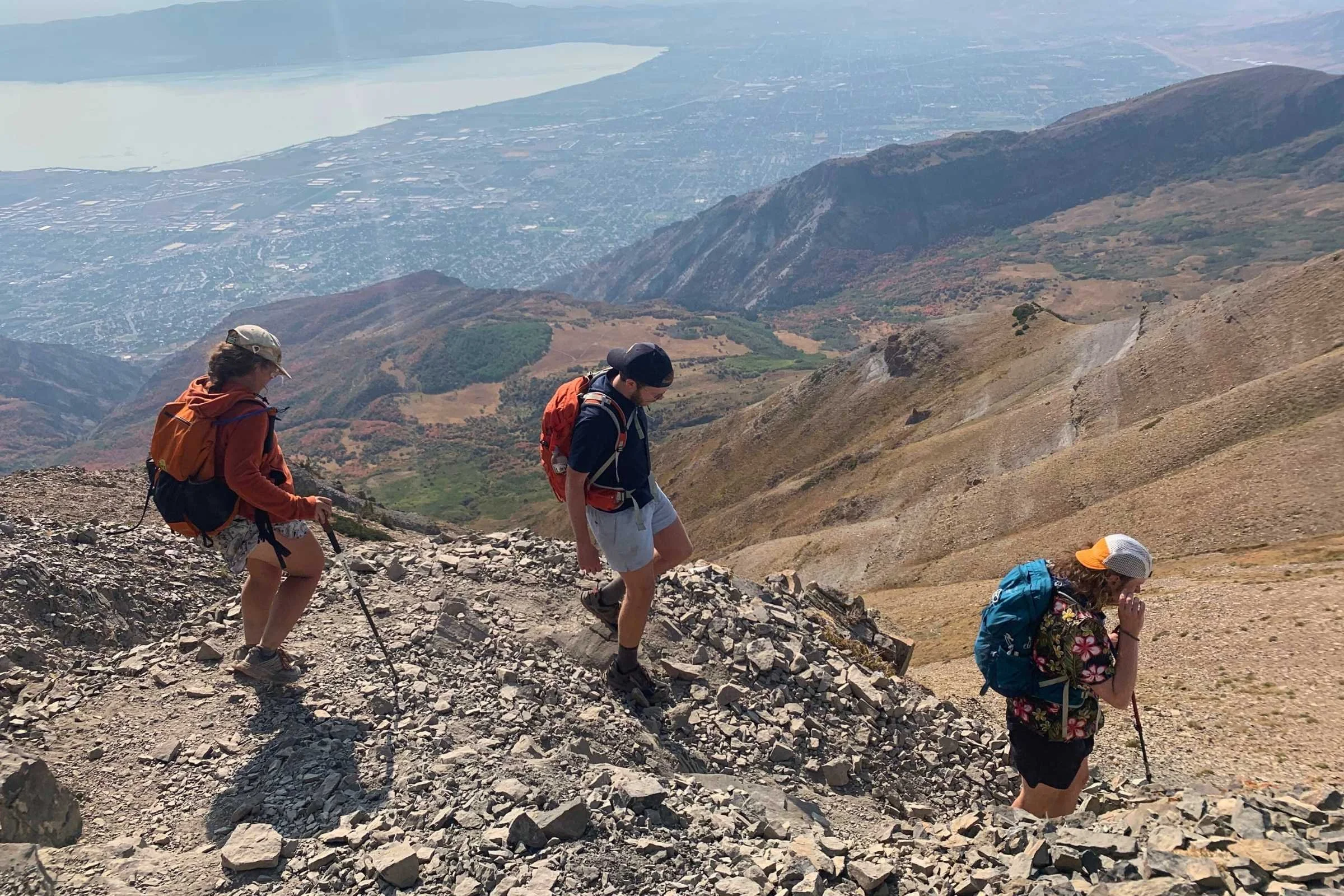
Our team of editors put these packs through more than 1,000 miles of rigorous testing. From the humid forests of the Appalachians to the exposed, dry summits of the Sierra Nevada, we evaluated each pack based on long-term comfort and durability.
We dismissed several popular 2025 models because of poor weight distribution under full loads. Specifically, we found that several budget "packable" daypacks lacked the necessary abrasion-resistant fabric to survive more than a few months of heavy use. We also phased out models that used non-recycled materials when comparable, sustainable alternatives were available without a performance penalty.
FAQ
What is a good size for a hiking daypack?
A volume between 20 and 30 liters is generally considered the ideal size for a hiking daypack. This provides enough room for food, water, and safety gear without being overly heavy or bulky.
How many liters should a daypack be for a day hike?
For most 5-10 mile day hikes, a 22L to 25L pack is perfect. If you are hiking in changing winter weather or carrying gear for children, you may want to lean toward a 30L model.
Is a 20L backpack big enough for a full day hike?
Yes, a 20L backpack is sufficient for most hikers on a full day trip, provided you are using relatively modern, packable gear. It will fit a 3L hydration reservoir, a lunch, a light fleece, and a raincoat comfortably.
How do I choose the right size daypack for my body type?
Ignore your total height and focus on your torso length. Measure from the base of your neck to your hip bone. Many brands offer different sizes (Small/Medium or Large/XL) or adjustable harnesses to help you find the perfect match.
Should a hiking daypack have a waist strap or hip belt?
For any pack over 15 liters, a hip belt is highly recommended. A simple waist strap helps keep the pack from bouncing, but a padded hip belt actually transfers the weight to your skeletal system, preventing shoulder fatigue.