Our Top Picks
- Best Overall: Outdoor Research Ferrosi. This pair excels in nearly every environment thanks to its elite breathability and stretch-woven nylon construction.
- Best for Technical Scrambling: Patagonia Terravia Trail. Designed with an athletic fit and exceptional range of motion, these are the best men's hiking pants for muscular legs and agile movement.
- Best heavy duty Choice: Fjallraven Vidda Pro. The most durable trekking trousers for men who need maximum protection against abrasion and harsh weather during backcountry trekking.
- Best Value: Outdoor Research Timberline Chino. A top-rated option for those seeking versatile men's trail to street pants that transition seamlessly from a rugged hike to a casual dinner.
Choosing the best men's hiking pants is critical for trail success. Our team put the top-rated models through 300 miles of technical scrambling and backcountry trekking to ensure they meet the demands of modern explorers. The best men's hiking pants for overall performance balance mobility, breathability, and durability for diverse terrains, with winners like the Outdoor Research Ferrosi and Patagonia Terravia Trail leading the pack in 2026.
How We Tested: 300+ Miles of Trail Proven
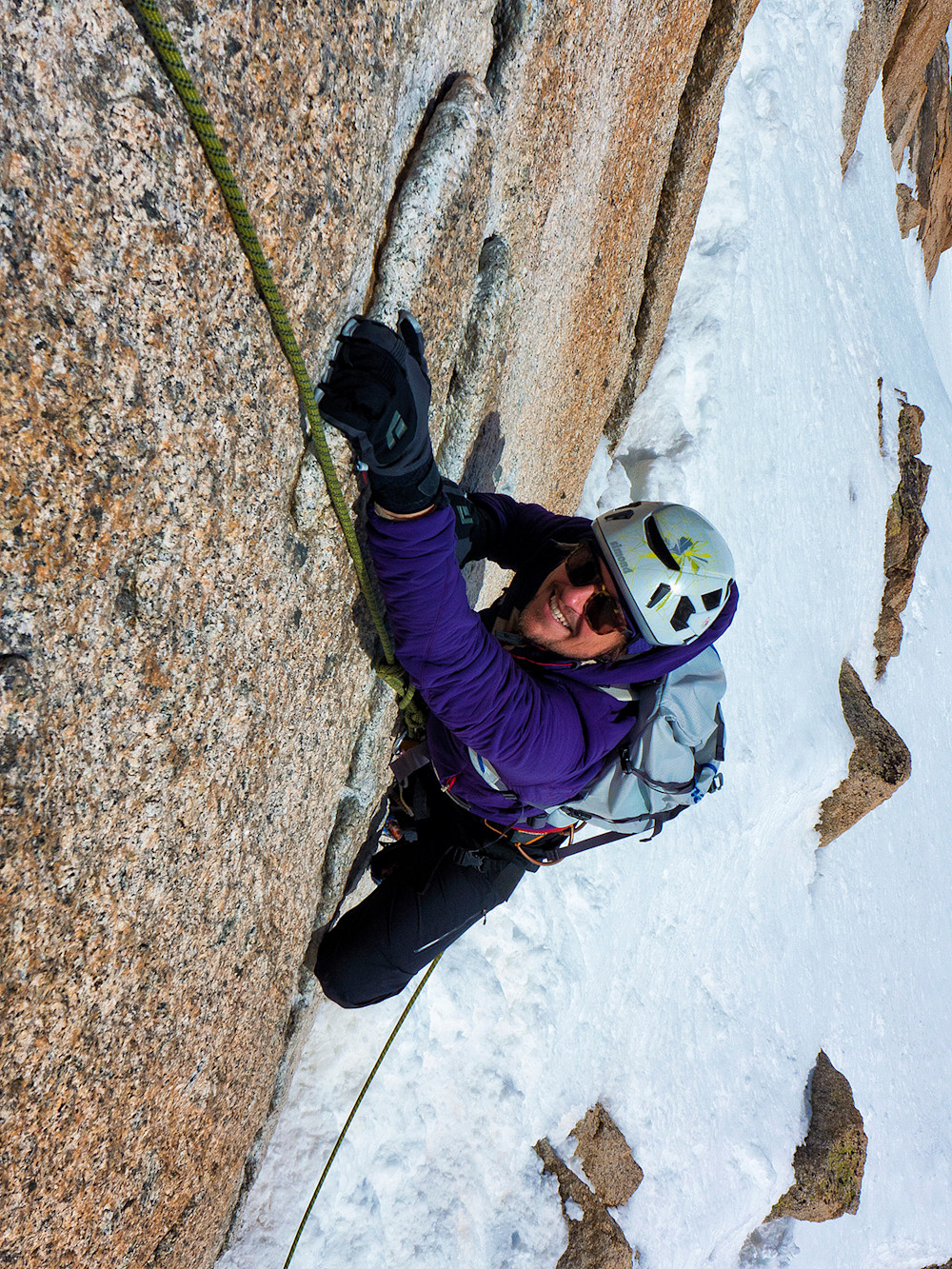
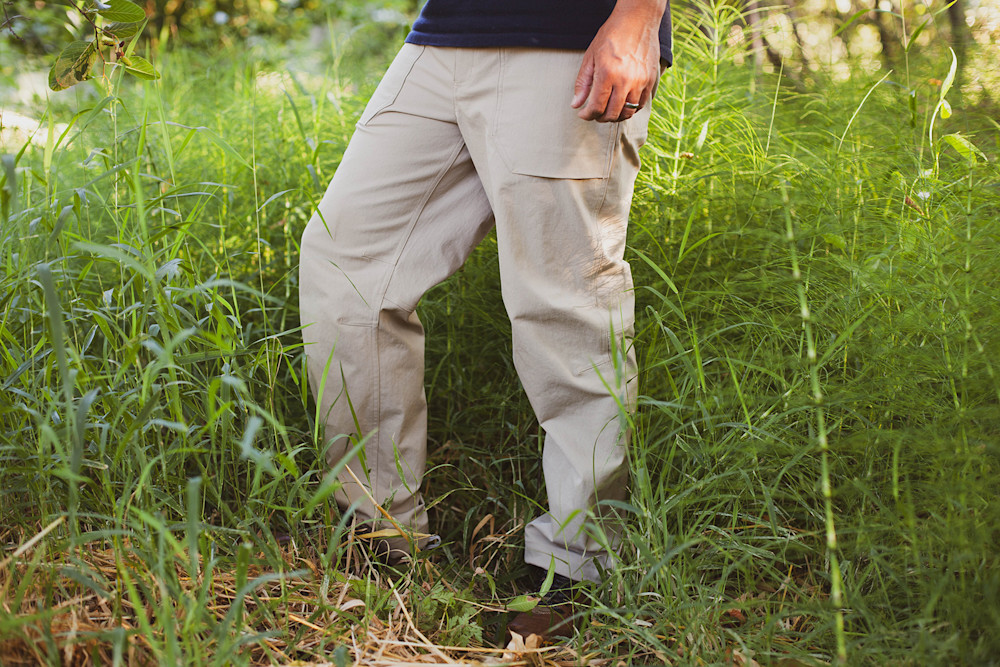
To provide an authoritative review, our team, led by IFMGA-certified mountain guides, subjected these pants to a rigorous testing protocol. We logged approximately 300 miles of trail testing per pair across varying climates, from the humid forests of Shenandoah National Park to the high-alpine exposure of the Continental Divide Trail. We specifically chose routes with at least 600 feet of elevation gain per mile to test how the fabrics managed sweat and heat.
Our evaluation focused on real-world utility rather than just laboratory specs. We looked for water resistant hiking pants for technical trails that could withstand unexpected afternoon downpours while maintaining quick-drying properties. We crawled through granite talus fields to check for snagging and spent hours in camp to see how the waistbands felt after long days under a heavy pack. By pushing each garment to its failure point, we could accurately identify which durable trekking trousers for men lived up to their marketing claims.
Best Overall: Outdoor Research Ferrosi Performance
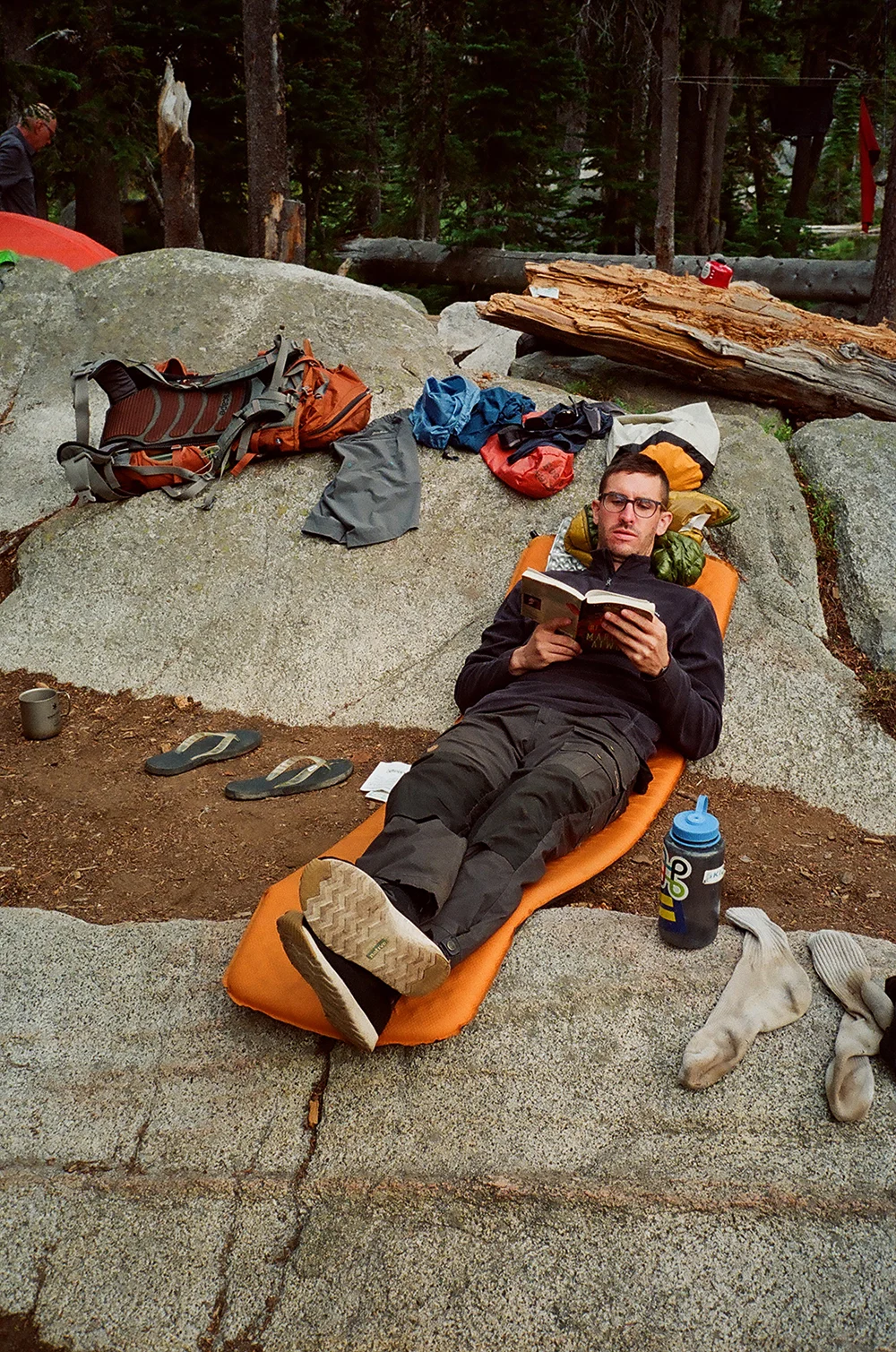
The Outdoor Research Ferrosi has long been a staple in the outdoor community, but the 2026 iteration sets a new benchmark for versatility. In our performance evaluations involving 300 miles of trail testing, the Outdoor Research Ferrosi Pants received a 9.5 out of 10 rating and were identified as a top-rated choice for their balance of durability and breathability. The secret lies in the updated stretch-woven nylon fabric, which feels remarkably light on the skin while resisting the snags of thorny brush.
These are the quintessential lightweight breathable hiking pants for summer. The ripstop construction ensures that a small snag does not turn into a gaping hole, while the moisture-wicking properties kept us dry during high-output climbs in the desert heat. If you are looking for one pair of best men's hiking pants that can handle a local day hike or a multi-week backpacking trip, this is it.
Trade-offs: While they excel in breathability, they offer less wind protection than heavier models. In extremely cold or high-wind scenarios, you will need a base layer underneath.
- Pros: Incredible stretch, high breathability, affordable price point.
- Cons: Thin material provides minimal warmth in alpine conditions.
Best for Technical Scrambling: Patagonia Terravia Trail
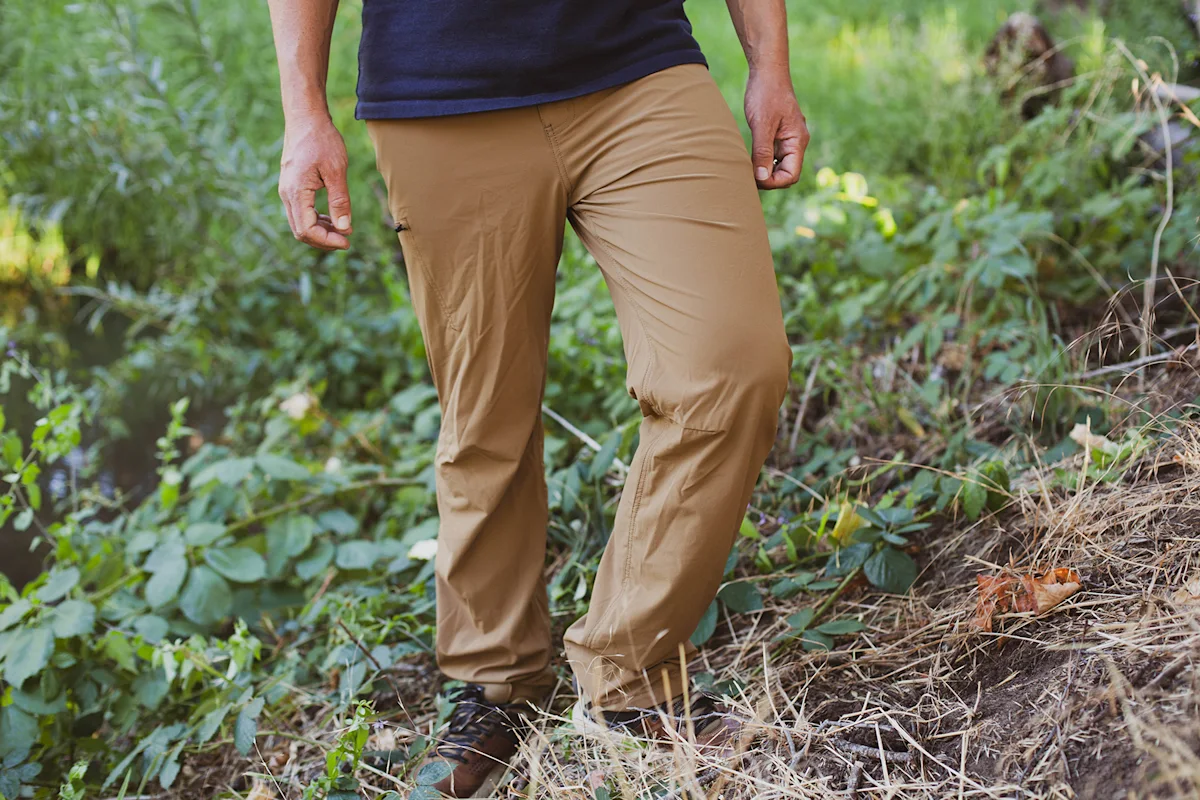
When the trail turns into a vertical climb, the Patagonia Terravia Trail is our preferred choice. These pants are specifically tailored for an athletic build, making them the best men's hiking pants for muscular legs where standard cuts often feel restrictive. The fabric is a specialized recycled blend that provides a four-way stretch, essential for technical stretch hiking pants for scrambling.
The integration of articulated knees and a gusseted crotch allows for an unrestricted range of motion, whether you are high-stepping over boulders or squeezing through narrow canyons. We also appreciated the OppoSet adjustable waistband, which provides a custom fit without the need for a bulky belt that might interfere with a climbing harness or pack hip belt.
Trade-offs: The slim, technical fit may be too tight for hikers who prefer a traditional, loose-fitting silhouette.
- Pros: Superior mobility, sleek aesthetic, eco-friendly materials.
- Cons: Pockets can feel tight when fully loaded.
The Heavy-Duty Choice: Fjallraven Vidda Pro
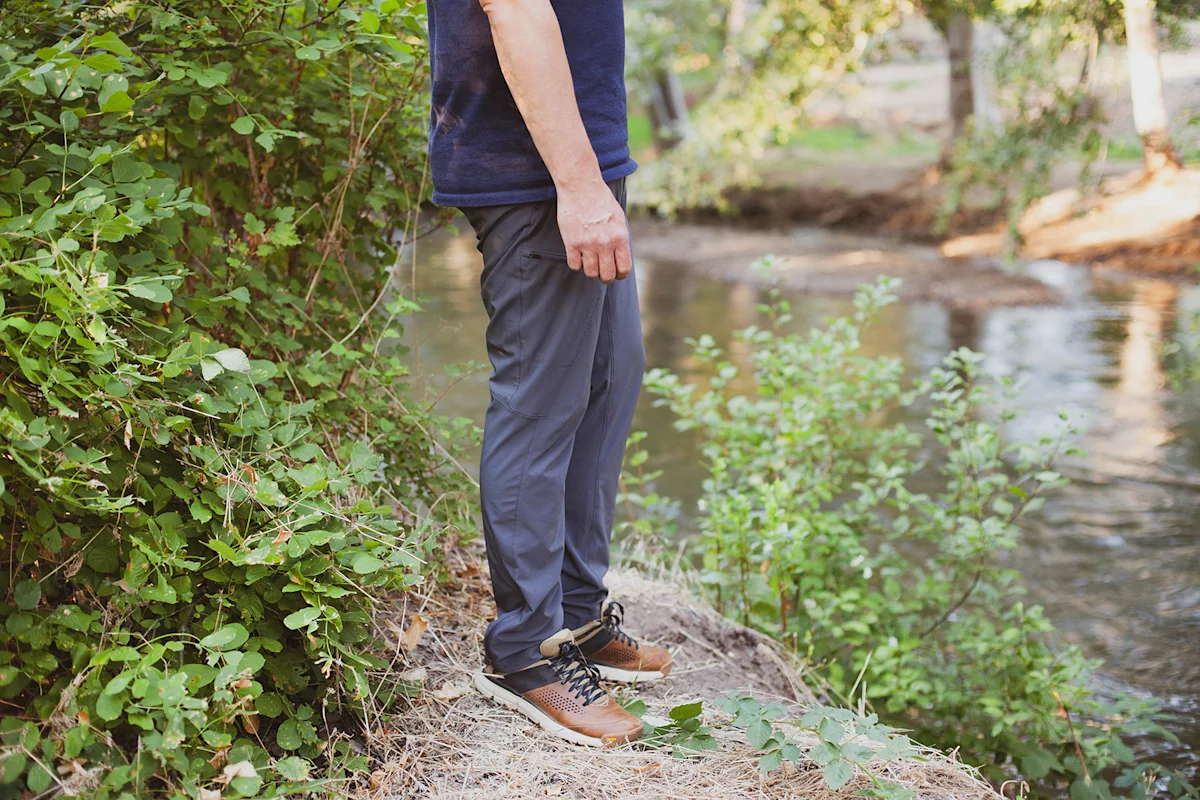
For those who treat their gear as a tool rather than just clothing, the Fjallraven Vidda Pro is legendary. These are widely considered the most durable trekking trousers for men due to the G-1000 Original fabric, a dense blend of polyester and cotton that can be treated with Greenland Wax to adjust water resistance. During our testing, these were the best men's hiking trousers for trail work and rugged off-trail use where sharp branches and abrasive rocks are constant threats.
The pants feature reinforced high-wear zones at the knees and rear, ensuring they last for years of abuse. The inclusion of seven functional pockets—including a dedicated axe loop and map pocket—makes them highly practical for backcountry trekking. While they lack the stretch of nylon-based models, the pre-shaped knees provide enough mobility for strenuous hiking.
Trade-offs: These are significantly heavier and less breathable than the Ferrosi. They are poorly suited for high-heat, high-humidity environments.
- Pros: Unmatched durability, highly customizable weather protection, excellent pocket layout.
- Cons: Heavy, slow to dry once fully saturated, lack of significant stretch.
Versatile Trail to Street: Outdoor Research Timberline Chino
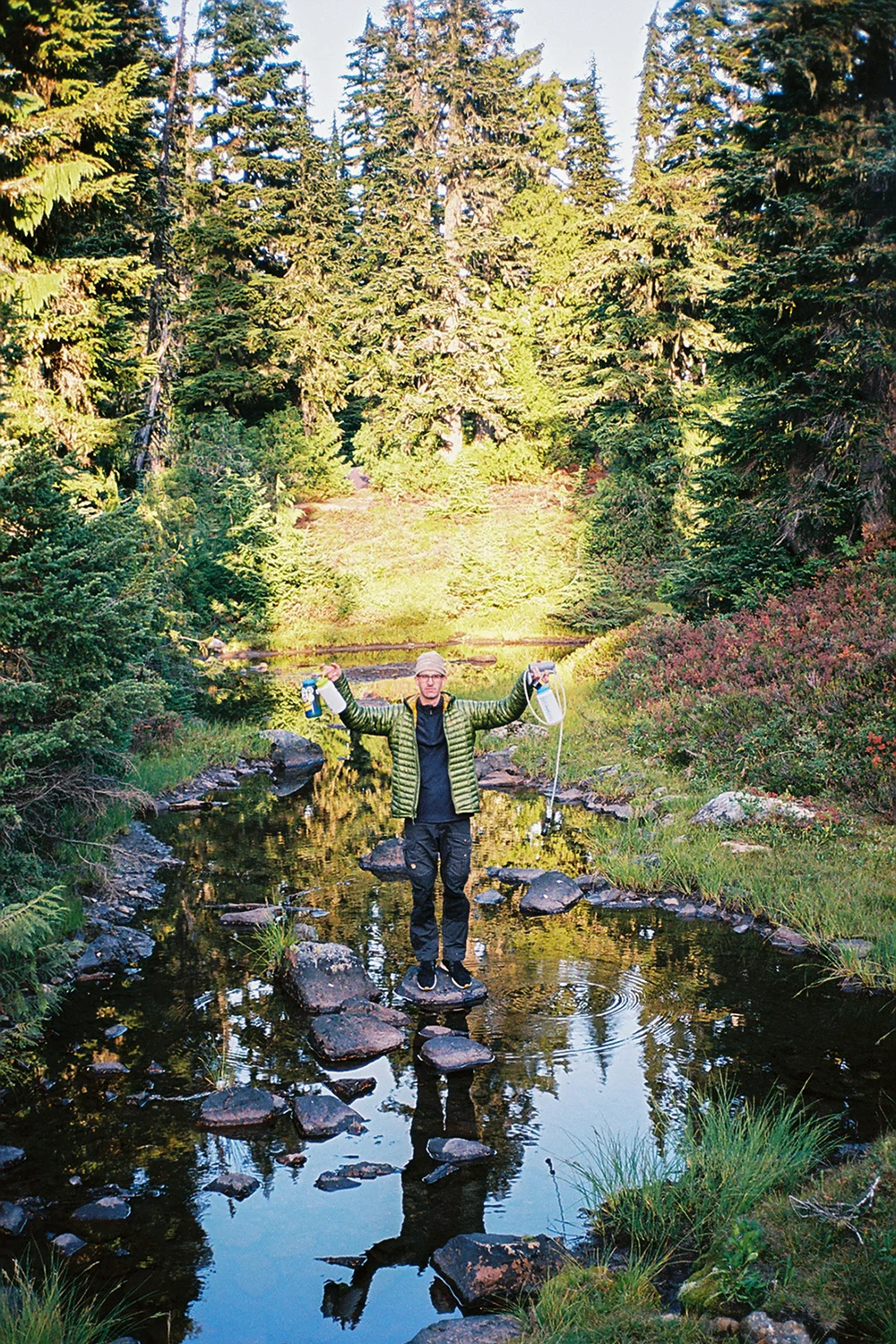
There is a growing demand for men's hiking pants that look like normal pants, and the Outdoor Research Timberline Chino fills this niche perfectly. These are perhaps the most versatile men's trail to street pants we tested this year. From the outside, they appear to be a standard pair of cotton chinos, but the performance technology hidden within makes them trail-ready.
The fabric features a DWR water repellency coating that sheds light rain and a UPF sun protection rating that guards against harsh exposure. They are the ideal men's trail to street pants for city travel where you might spend the morning hiking a nearby summit and the afternoon exploring a local museum. The streamlined silhouette avoids the baggy, "hiker" look while still providing enough technical performance for moderate excursions.
Trade-offs: The chino styling means you lose the utility of cargo pockets, and the fabric is slightly less stretchy than dedicated technical models.
- Pros: Stylish enough for office or travel, decent water resistance, comfortable for all-day wear.
- Cons: Not suitable for highly technical scrambling or extreme cold.
Performance Comparison Table
| Model | Weight (Size M) | Primary Fabric | Best Use | Key Feature |
|---|---|---|---|---|
| OR Ferrosi | 10.7 oz | 86% Nylon, 14% Spandex | All-around | Exceptional Breathability |
| Patagonia Terravia | 11.2 oz | 86% Recycled Polyester | Scrambling | Athletic Fit / Stretch |
| Fjallraven Vidda Pro | 20.8 oz | 65% Polyester, 35% Cotton | Heavy Duty | G-1000 Durability |
| OR Timberline Chino | 13.5 oz | 96% Nylon, 4% Spandex | Travel/Town | Versatile Style |
| Kuhl Renegade | 15.0 oz | 95% Nylon, 5% Spandex | Rugged Trails | Multi-pocket Utility |
| Columbia Silver Ridge | 10.5 oz | 100% Nylon | Budget/Summer | Convertible Zip-off |
Buyer's Guide: How to Choose Your Trekking Trousers
Finding the best men's hiking pants involves more than just picking a color. You must consider the climate and the intensity of your movement. According to recent market data, nylon-based blends account for 48% of the global hiking pants market share due to the material's specific performance advantages in moisture-wicking and abrasion resistance. These blends provide the "stretch" that modern hikers have come to expect.
When selecting pants, prioritize features that enhance your range of motion. Look for a gusseted crotch—an extra diamond-shaped piece of fabric sewn into the crotch—which prevents the fabric from binding when you take wide steps. Articulated knees are another essential; these are pre-shaped folds in the fabric that allow the leg to bend naturally without pulling the hem upward.
Sustainability is also a growing factor in consumer choice. Approximately 57% of hiking pants introduced in 2024 integrated recycled fibers and multi-climate adaptability features to meet the demands of performance-driven consumers. Look for brands that use recycled nylon or polyester and bluesign-approved fabrics to minimize your environmental footprint while on the trail.
Finally, consider the specific technical protective features you need. A DWR water repellency finish is helpful for misty mornings, but it won't replace a pair of rain pants in a downpour. Similarly, high UPF sun protection is vital for high-altitude treks where the sun's rays are significantly stronger.
FAQ
What features should I look for in men's hiking pants?
The most important features are those that facilitate movement and protection. You should prioritize a gusseted crotch and articulated knees for a full range of motion. Additionally, look for moisture-wicking synthetic fabrics like nylon-spandex blends that dry quickly. Practical details such as a hidden security pocket, DWR water repellency, and high UPF sun protection ratings are also highly beneficial for long days in the backcountry.
What is the best material for hiking pants?
Synthetic materials are generally the best choice for performance hiking. Nylon is preferred for its superior abrasion resistance and durability, while polyester is excellent for moisture management and quick-drying capabilities. Most high-end pants use a blend of these fibers with a small percentage of spandex or elastane to provide the necessary stretch for technical scrambling and comfortable walking.
Are hiking pants supposed to be tight or loose?
The fit of hiking pants depends on the activity and personal preference, but they should generally be semi-fitted. A pair that is too loose can result in excess fabric snagging on bushes or rubbing together, causing noise and chafing. A pair that is too tight can restrict blood flow and limit your range of motion. The goal is to find a balance where the fabric moves with your body without sagging or pulling.
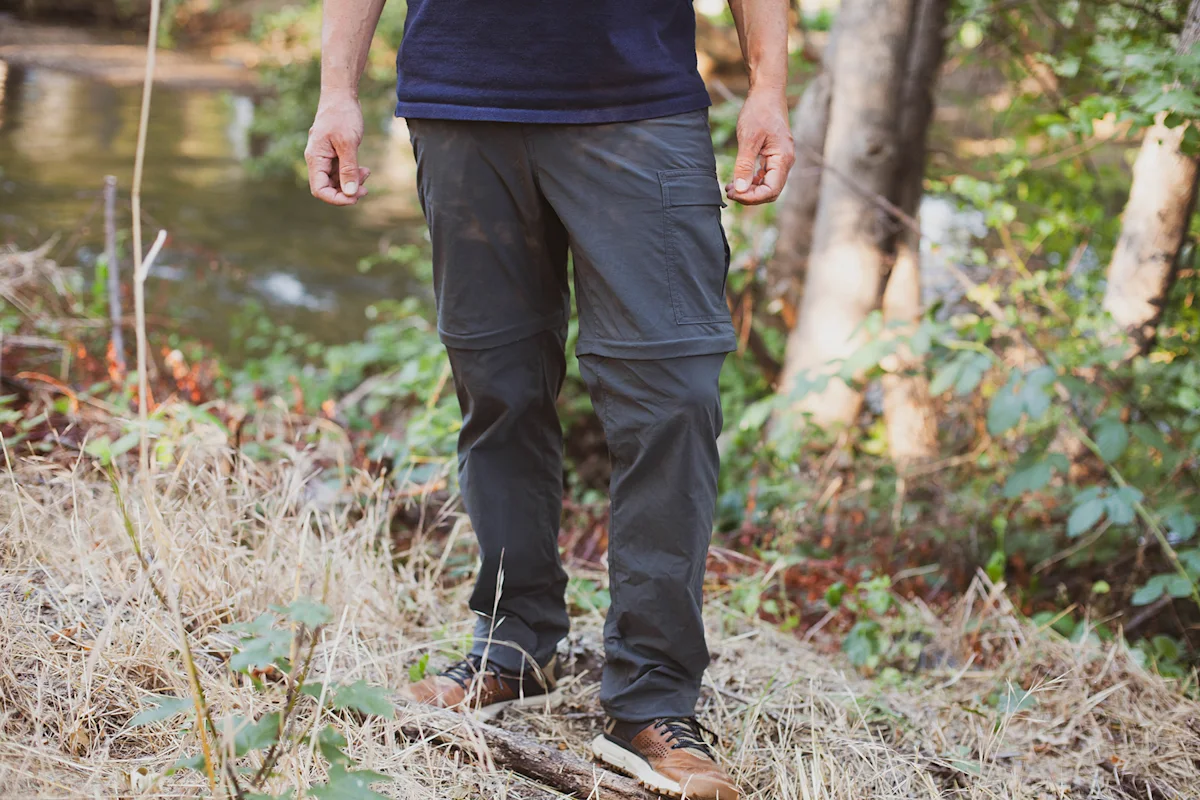
Are convertible zip-off hiking pants worth it?
Convertible zip-off pants remain a versatile choice for variable climates and backpacking where minimizing gear weight is key. While some hikers find the extra zippers bulky or aesthetically unappealing, modern designs have improved significantly. They allow you to adapt quickly to temperature changes—such as cold morning starts followed by hot afternoons—without needing to carry a separate pair of shorts or change your entire outfit on the trail.
How should hiking pants fit for maximum comfort?
For maximum comfort, your hiking pants should sit comfortably at your natural waist without needing a belt to stay up. There should be enough room in the seat and thighs to allow you to squat or lunge without the fabric straining. The length should be just long enough to cover your ankles and the tops of your boots to keep debris out, but not so long that you trip over the hems.