Our Top Picks
- Best Overall: Ruffwear Approach – The gold standard featuring a harness chassis that keeps weight on the shoulders and off the spine.
- Best for Thru-Hiking: Hurtta Trail Pack – High-performance design with detachable bags, perfect for long-distance durability.
- Best for Large Breeds: Kurgo Baxter – Highly adjustable dog saddlebags that fit deep-chested breeds with ease.
- Best for Trail Running: Ruffwear Singletrak – Low-profile and lightweight dog packs for trail running that emphasize hydration over storage.
- Best Budget: OneTigris Mammoth – Rugged 1000D nylon construction at a price point ideal for weekend campers.
- Best for Beginners: Outward Hound Daypak – A simple, breathable mesh option for casual walks and light trail use.
The Ruffwear Approach is the best overall dog backpack for 2026 because its integrated harness chassis ensures weight is balanced across the dog's shoulders rather than the lower back. This expert-tested reviews favorite utilizes 1000D ripstop nylon and a unique flopper stopper system to stabilize loads, making it the most reliable gear for 2026 dog gear collections with a clear safety focus on canine ergonomics.
The Winners: 6 Best Dog Backpacks for 2026
When evaluating the best dog backpacks for this year’s trails, we looked at how equipment handles the shifting topography of the backcountry. A high-quality dog backpack choice can transform a simple walk into a shared mission, but the gear must work with the dog's anatomy, not against it.
1. Best Overall: Ruffwear Approach
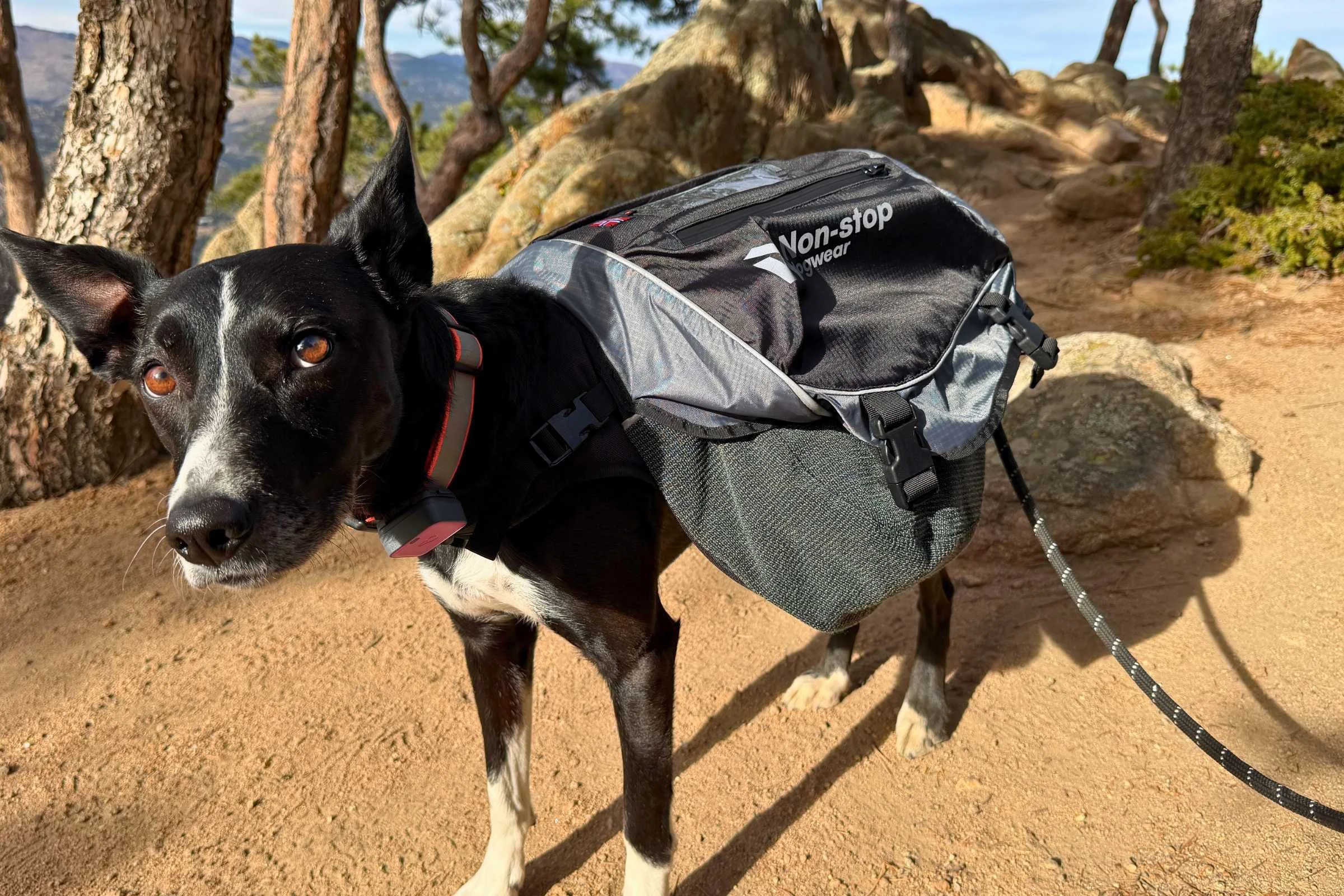
The Ruffwear Approach remains the undisputed champion for multi-day trips. What sets it apart is the harness chassis. Unlike cheaper models that hang like a cape, this pack is built onto a structural harness that mirrors the Ruffwear Web Master. This ensures that even when the dog is ascending steep rocky sections, the weight stays centered.
Tester Dog Bio: Cooper, a 70 lb Golden Retriever. Cooper has used this pack on over 200 miles of the Pacific Crest Trail.
- Pros:
- Radial cut saddlebags generate efficient load carrying.
- Technical ripstop nylon resists snags from thorns and brush.
- Padded assistance handle for lifting dogs over boulders.
- Cons:
- Saddlebags are not removable from the harness.
2. Best for Thru-Hiking: Hurtta Trail Pack
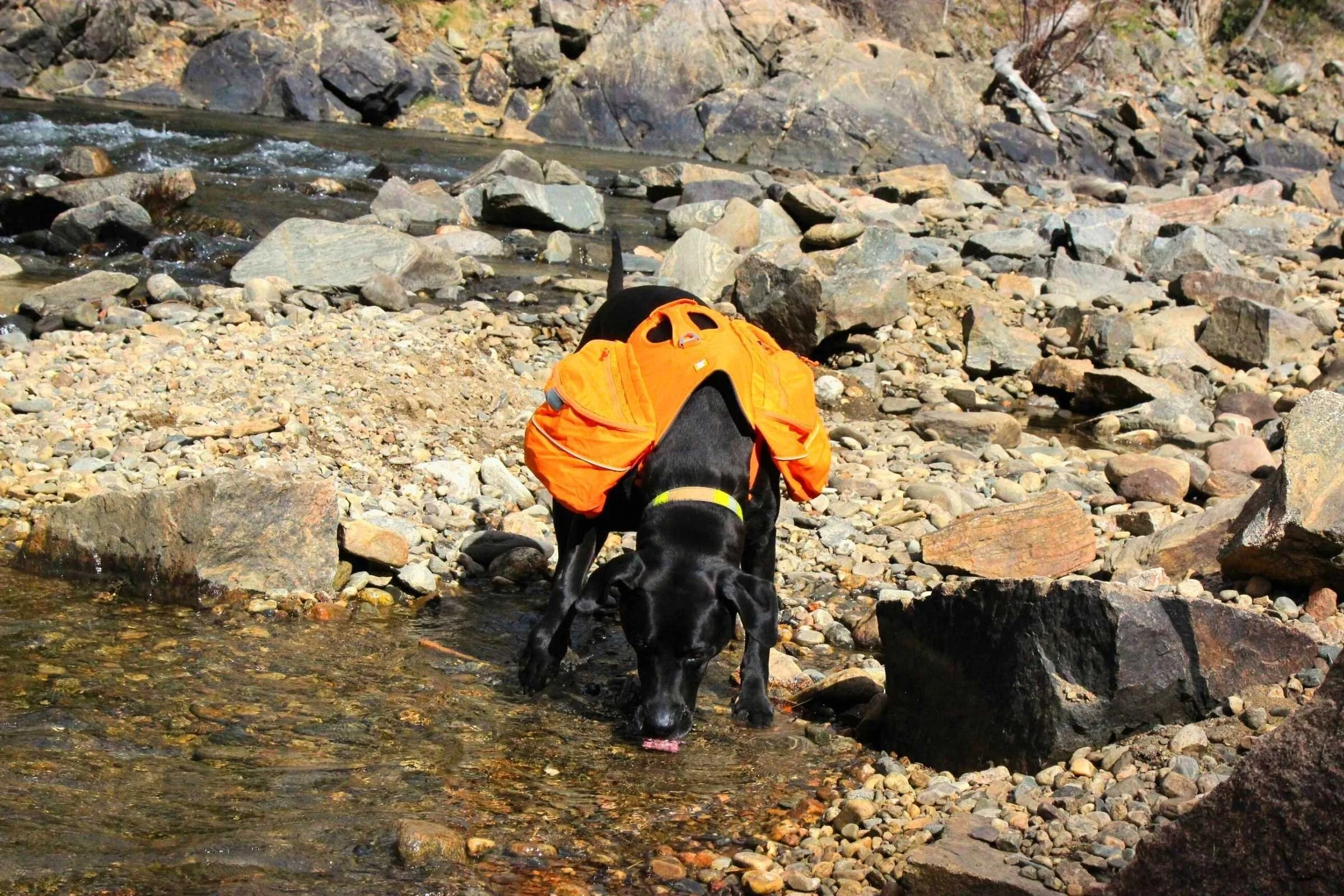
For those tackling the Appalachian Trail or similar long-haul excursions, the Hurtta Trail Pack is an engineering marvel. This system utilizes dog hiking packs with removable saddlebags, allowing you to take the weight off your pup during breaks without removing the entire harness. The use of breathable mesh and adjustable straps ensures the dog stays cool during high-output activity.
Tester Dog Bio: Luna, a 50 lb Siberian Husky. Luna’s thick coat requires maximum ventilation, which the Hurtta provides.
- Pros:
- Highly versatile removable bags for creek crossings or camps.
- Integrated DWR coating for moisture resistance in rain.
- Three adjustable straps for a zero-slide fit.
- Cons:
- The sizing runs slightly large; measure carefully.
3. Best for Large Breeds: Kurgo Baxter
Finding the best dog saddlebags for large breeds can be difficult due to varying chest depths. The Kurgo Baxter solves this with a highly adjustable spine piece. Whether you have a Great Dane or a stocky Rottweiler, the bags can be moved up or down the side of the harness to find the sweet spot of weight distribution.
Tester Dog Bio: Barnaby, an 85 lb Bernese Mountain Dog. Barnaby needs a wide girth measurement to accommodate his massive chest.
- Pros:
- Lifetime warranty against manufacturer defects.
- Large capacity for carrying bulky items like winter coats.
- Strong reflective trim for low-light safety.
- Cons:
- The material is slightly heavier than technical mountain packs.
4. Best for Trail Running: Ruffwear Singletrak
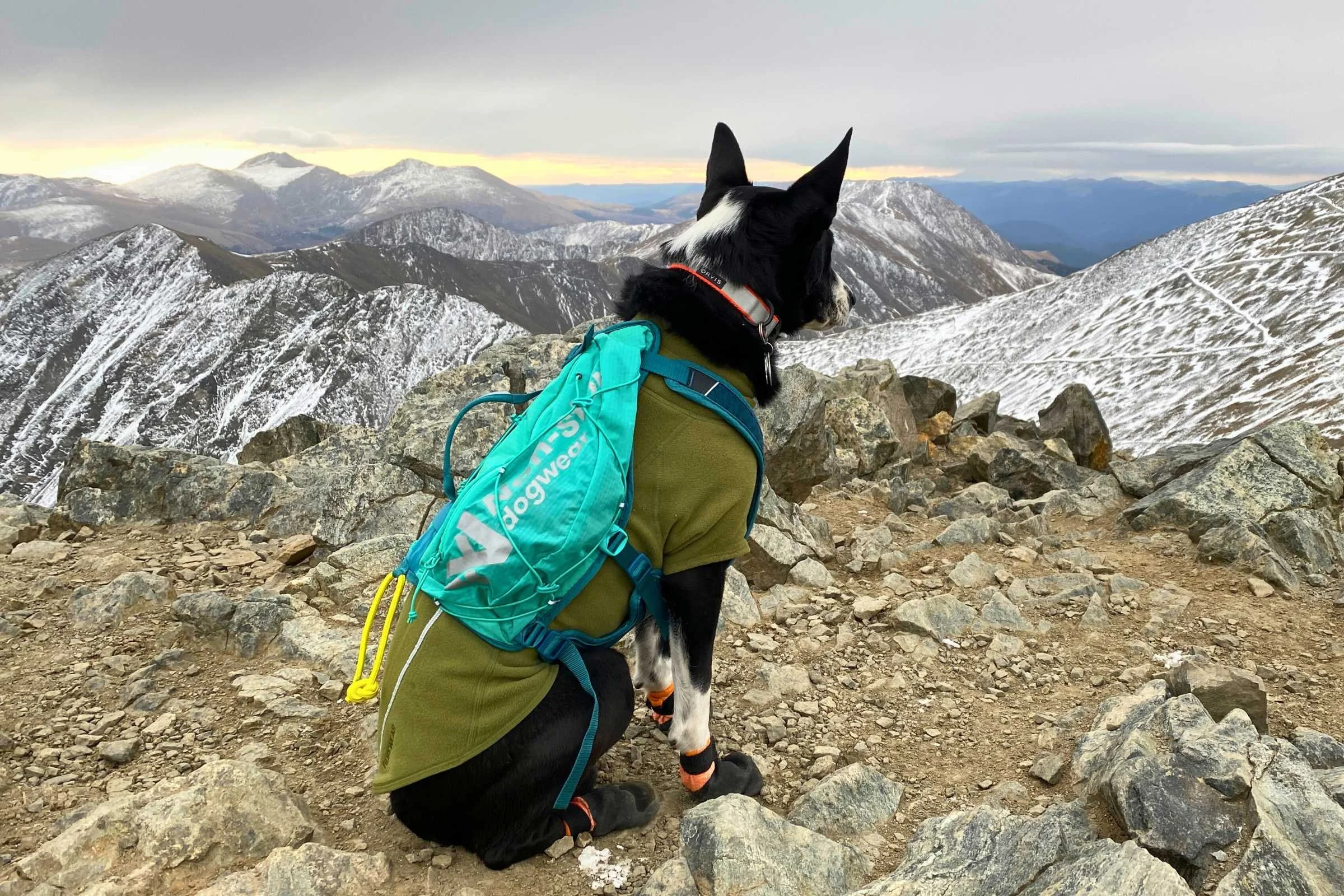
When speed is the priority, the Ruffwear Singletrak is the premier choice. These are lightweight dog packs for trail running that include two soft-sided hydration bladders. The design is sleek, hugging the ribs to prevent any bounce that could lead to painful chafing during high-speed movement.
Tester Dog Bio: Dash, a 45 lb Border Collie. Dash covers ground at twice the speed of a normal hiker.
- Pros:
- Extremely aerodynamic and low profile.
- Included BPA-free water bladders.
- Compression straps keep the load tight to the body.
- Cons:
- Limited room for anything other than water and a few treats.
5. Best Budget: OneTigris Mammoth
If you are looking for the best affordable dog backpacks for beginners, the OneTigris Mammoth offers vintage military aesthetics with modern durability. Made of heavy-duty cotton canvas or 1000D nylon depending on the model, it is built to survive the roughest play. It is the ideal entry-point for a dog's first camping trip.
Tester Dog Bio: Jax, a 60 lb Boxer mix. Jax is known for rolling in the dirt, putting the fabric to the ultimate test.
- Pros:
- Incredibly durable outer shell.
- Velcro panels for adding custom patches or ID tags.
- Very competitive price point.
- Cons:
- Lack of padding on the straps compared to premium models.
6. Best for Beginners: Outward Hound Daypak
The Outward Hound Daypak is the go-to for light day hikes. It uses a lightweight breathable mesh that is perfect for summer weather. While it lacks the harness chassis of the Ruffwear, it is excellent for teaching a dog how to move with panniers on their sides without overwhelming them.
Tester Dog Bio: Bella, a 25 lb Beagle. Bella uses her pack to carry her own waste bags and a collapsible bowl on local trails.
- Pros:
- Expansible pockets for extra gear.
- Bright colors for high visibility in the woods.
- Simple adjustment system.
- Cons:
- Not suitable for heavy loads or technical rock scrambling.
Buyer’s Guide: Safety First on the Trail
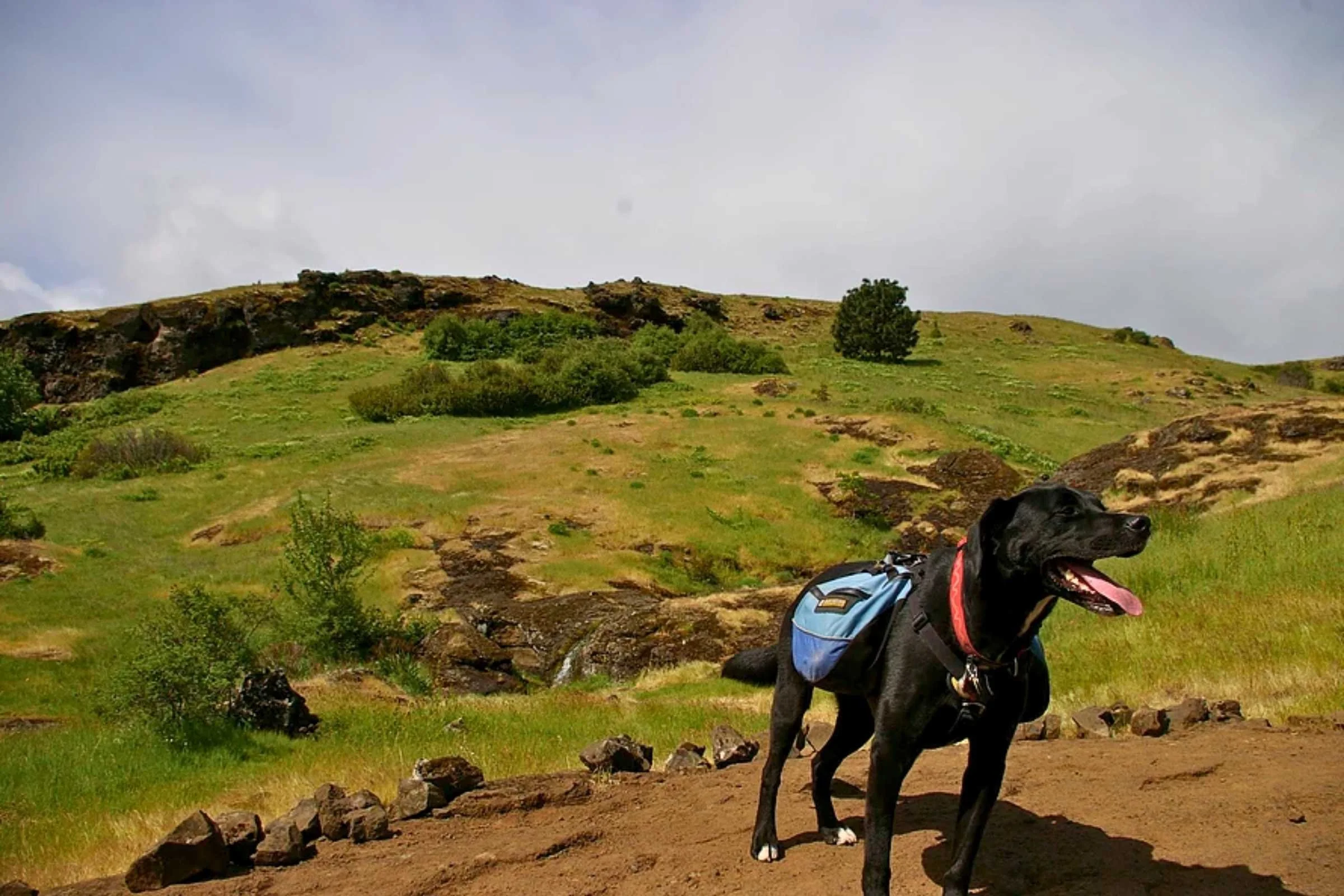
Before you load up your dog saddlebags and hit the trailhead, you must understand the physiological limits of your canine companion. Trail safety isn't just about having the right gear; it is about knowing how much weight can a dog carry in a backpack without risking injury.
Veterinarians generally recommend that a healthy adult dog should carry a total backpack weight of no more than 10% to 15% of its body weight, which includes the weight of the pack and all stored items. If your dog is 50 pounds, their pack should ideally weigh between 5 and 7.5 pounds. While highly conditioned working breeds, such as Huskies or German Shepherds, may be capable of carrying up to 25% of their body weight, this should only happen after months of specific physical training and veterinary clearance.
Safe Load Calculator
| Dog Weight (lbs) | Standard Load (10-15%) | Athlete Load (Up to 25%) |
|---|---|---|
| 20 lbs | 2.0 - 3.0 lbs | 5.0 lbs |
| 40 lbs | 4.0 - 6.0 lbs | 10.0 lbs |
| 60 lbs | 6.0 - 9.0 lbs | 15.0 lbs |
| 80 lbs | 8.0 - 12.0 lbs | 20.0 lbs |
Always follow these dog pack weight guidelines to avoid muscle fatigue or joint strain. Puppies should never carry weight until their growth plates have fully closed, which is typically around 12 to 18 months of age. For senior dogs, the focus should be on fit and stability rather than weight capacity.
Technical Fit: Getting the Perfect Adjustment
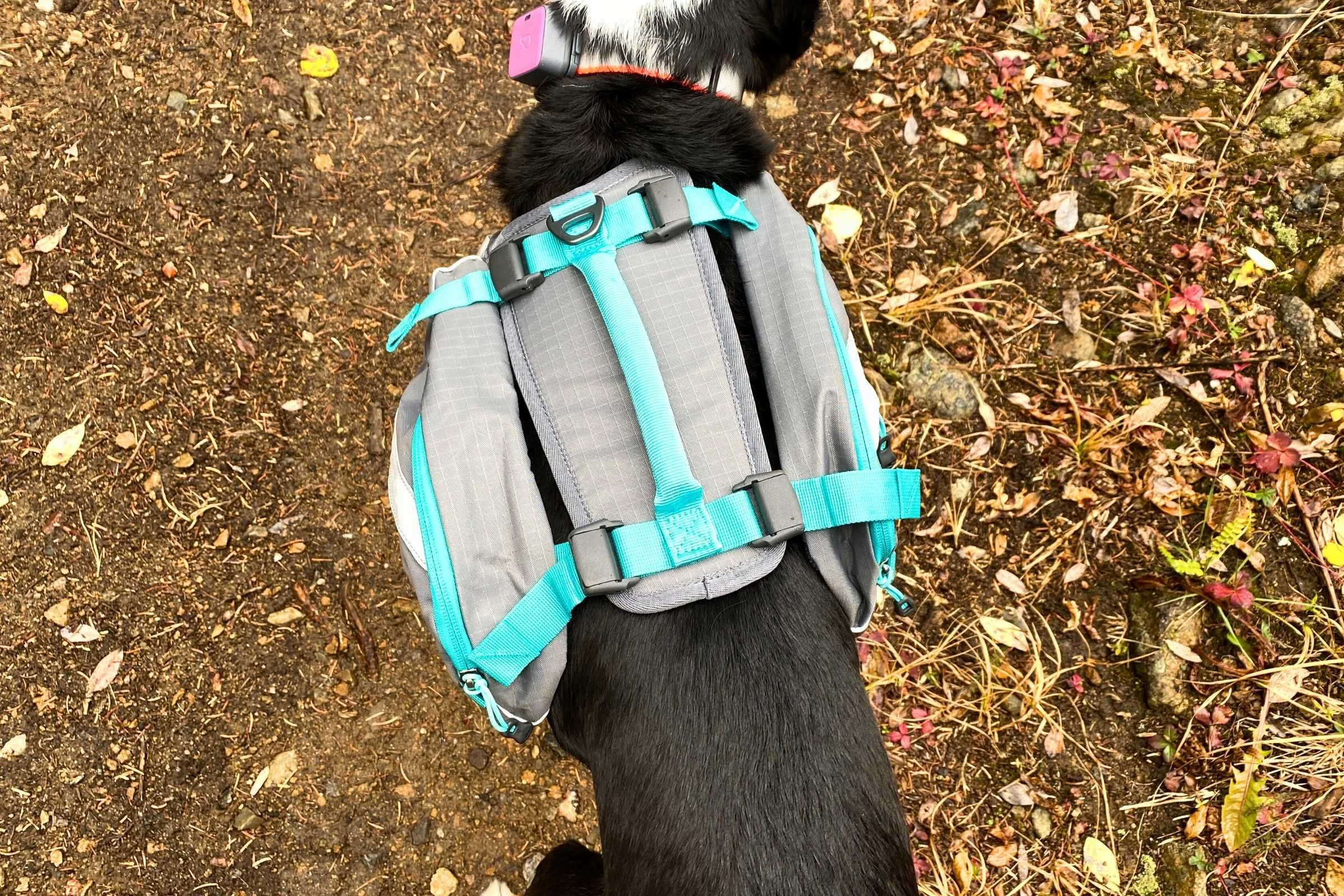
Even the best dog backpacks will cause issues if they aren't fitted correctly. A poor fit leads to chafing, overheating, and a grumpy hiking partner. To ensure your dog maintains a full range of motion, you need to follow a systematic approach to gear adjustment.
Start by taking an accurate girth measurement. This is the circumference of the deepest part of your dog's chest, usually just behind the front legs. Use a soft tailor's tape and keep it snug but not tight.
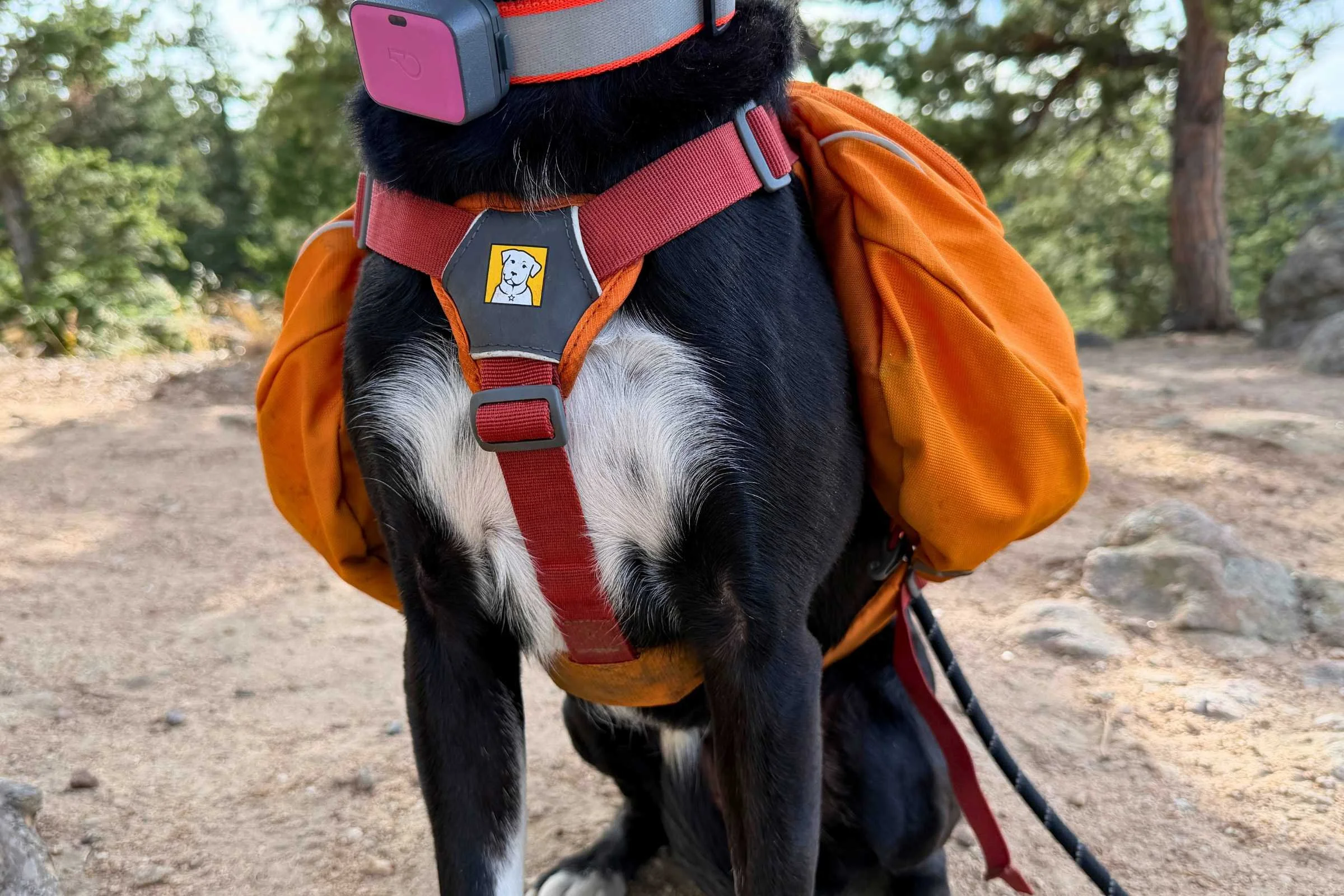
When putting the pack on for the first time:
- Placement: The harness chassis should sit centered on the dog's back. The neck opening should be at the base of the neck, not choking the throat or sliding down the shoulders.
- The Two-Finger Rule: You should be able to fit two to three fingers under every strap. If it’s tighter, it will restrict breathing and movement; if it’s looser, the pack will slide side-to-side.
- Balance the Load: Ensure the weight in the left saddlebag is identical to the weight in the right. An unbalanced pack will pull the harness to one side, causing the straps to rub against the armpits.
- Test the Range: Watch your dog walk. If the bags are hitting their elbows or preventing them from taking full strides, the pack is either too large or adjusted too low.
FAQ
How much weight can a dog safely carry in a pack?
Most healthy adult dogs can carry 10% to 15% of their total body weight. This range includes the weight of the backpack itself plus all the gear inside. Very fit, athletic breeds can work up to 25% over time, but this requires gradual conditioning and careful monitoring for signs of exhaustion or discomfort during the hike.
How do I choose the right size backpack for my dog?
Accuracy starts with the chest girth measurement. Most manufacturers categorize sizes based on the circumference of the deepest part of the ribs. If your dog falls between two sizes, it is generally better to size up if you need more strap length for a deep chest, or size down if your dog has a narrow frame to ensure the bags don't hang too low.
How do I train my dog to wear a backpack?
Begin by having your dog wear the empty pack around the house and during short neighborhood walks. Once they are comfortable with the sensation of the straps, add light items like empty plastic bottles. Gradually increase the weight over several weeks until you reach your target load, always rewarding them with treats to build a positive association with the gear.
What features should I look for in a high-quality dog backpack?
Look for a harness chassis that distributes weight over the shoulders, breathable mesh for temperature regulation, and high-denier ripstop nylon for durability. Safety features like a sturdy grab handle and reflective trim are also essential. If you hike in wet climates, a DWR coating or waterproof zippers are highly beneficial.
Can small dogs wear hiking backpacks?
Yes, small dogs can wear backpacks as long as the gear is proportioned to their size. For smaller breeds, the primary goal is often high visibility rather than weight carrying. Ensure the pack is specifically designed for small frames so it doesn't interfere with their gait or cause them to overheat due to excess fabric.
Final Verdict
Choosing from the variety of best dog backpacks available in 2026 comes down to your dog's specific build and the intensity of your adventures. For the casual weekender, the OneTigris or Outward Hound provides excellent value. However, for those of us who live for the trail, the Ruffwear Approach offers a level of stability and technical sophistication that is hard to beat.
Remember to prioritize your dog's comfort above all else. Check under the straps for redness or hair loss every few miles, and always carry more water for them than you think you'll need. A dog with a well-fitted pack isn't just a pack animal; they are a motivated partner, eager to see what is around the next bend in the trail.