Quick Facts
- Top Choice for Speed: Trail Runners
- Top Choice for Support: Hiking Boots
- Top Choice for Versatility: Hiking Shoes
- Pack Weight Rule: <20lbs (Runners), 20-35lbs (Shoes), >35lbs (Boots)
- Durability Lifespan: Boots (500-1000 miles) vs Runners (300-500 miles)
- Ankle Stability: Boots reduce inversion by 4.5 degrees compared to low-cut shoes
- Energy Rule: Every pound on the feet is 4 to 6 times as taxing as weight in a pack
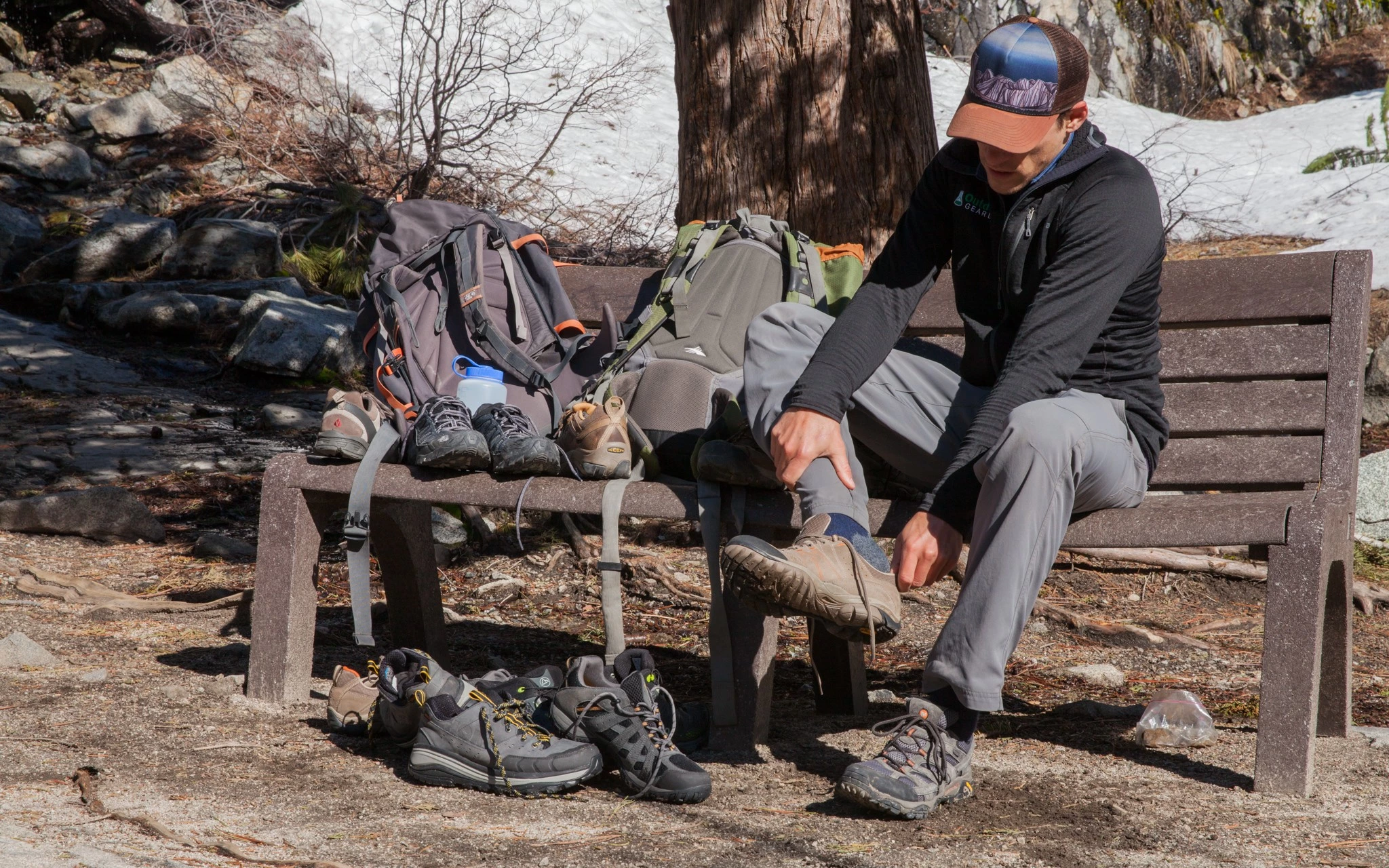
The three main types of hiking footwear are hiking boots, hiking shoes, and trail runners. Your final decision on which one you need depends primarily on your expected pack weight, the difficulty of the terrain, and your personal requirements for ankle stability versus total weight savings.
Trail Runners: The Speed-First Choice
When we look at the evolution of the trail, the most significant shift in recent years has been the move toward agility. For many, trail runners for hiking have become the gold standard, especially among the thru-hiking community. These shoes are essentially reinforced running shoes built with more aggressive outsoles designed to grip dirt, mud, and gravel.
The primary advantage here is weight. There is a long-standing adage in the outdoor world backed by biomechanical research: "one pound on the feet equals five pounds on the back." Specifically, studies show that every pound on the feet requires four to six times the energy of a pound carried in a backpack. By choosing a lightweight runner, you significantly reduce foot fatigue and increase your daily mileage potential.
These shoes typically feature a thick EVA Midsole for energetic cushioning and a highly breathable synthetic mesh upper. Because they lack a waterproof membrane in many cases—though waterproof vs non-waterproof hiking shoes for hot weather is always a debate—they dry much faster after stream crossings. We generally recommend when to use trail runners for hiking based on a light load; if your pack is under 20 pounds and the paths are well-maintained, the comfort and speed of a runner are hard to beat. However, be prepared to replace them more often, as the soft foam often loses its "pop" after about 400 to 500 miles.
Hiking Shoes: The Balanced Middle Ground
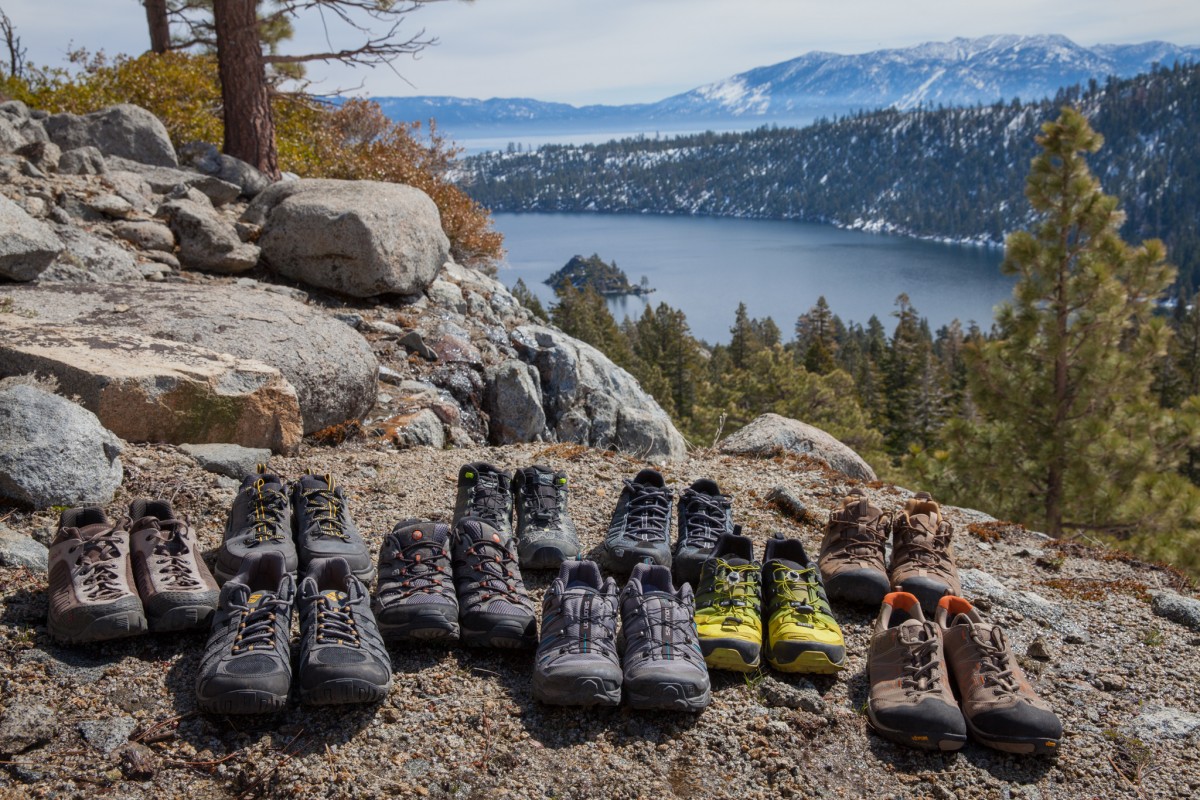
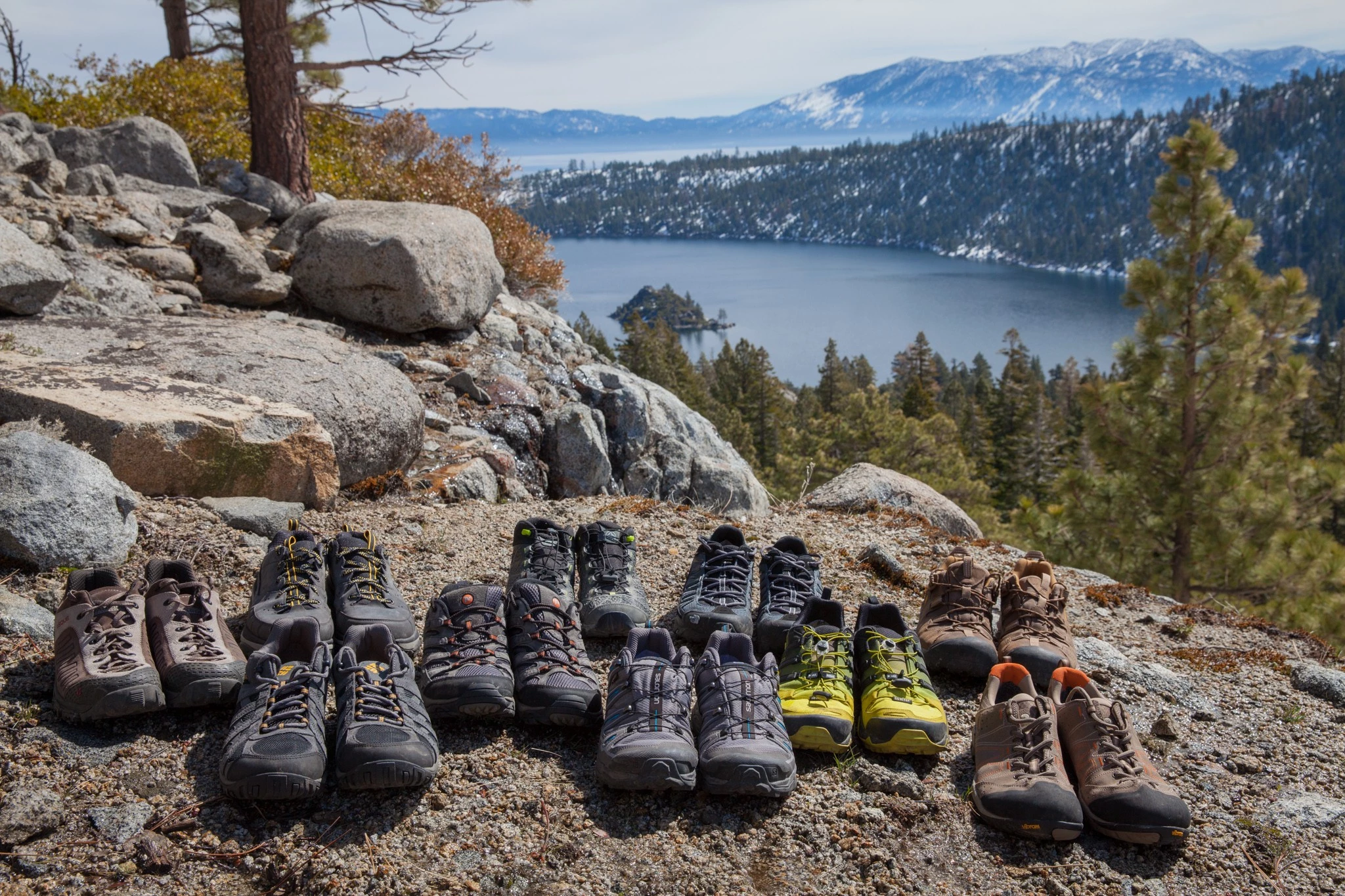
If you feel trail runners are too flimsy but traditional boots are too heavy, you are looking for the versatility of hiking shoes. This category provides a low-cut silhouette—similar to a sneaker—but uses much tougher materials in the construction. This is often the best choice for hiking boots vs hiking shoes for beginners who want a single pair of shoes that works for a local suburban trail and a weekend trip to a National Park.
What sets these apart from runners is the inclusion of features like Rubber Toe Caps and more rigid midsoles. Most quality hiking shoes utilize Vibram Outsoles, which offer superior traction on wet rock and slab compared to the softer rubber found on many running shoes. They also provide better Torsional Rigidity, meaning the shoe won't twist as easily under your foot when you step on an uneven root or rock.
The trade-off here is weight and breathability. Because they are often built with split-grain leather or heavy-duty nylon, they don't vent heat as efficiently as a mesh runner. But for the day hiker carrying a standard 20-to-30-pound pack, they provide the underfoot protection necessary to prevent "stone bruises"—that lingering soreness on the bottom of your feet after a long day on rocky ground.

Pro Tip: Proprioception Ankle support isn't just about the physical stiffness of the boot; it’s about proprioception. The sensation of the boot cuff touching your ankle sends faster signals to your brain to stabilize your leg, helping you react more quickly to a potential roll.
Hiking Boots: For Heavy Packs and Technical Terrain
Despite the trend toward lighter gear, traditional boots remain a staple for a reason. Hiking boots represent a massive part of the industry, with lightweight hiking boots alone holding a 42.3% revenue share in 2025 in the global market. These are the workhorses of the trail, designed for heavy loads and technical terrain.
When you are carrying a pack over 35 pounds, the mechanics of your gait change. Your ankles are under significantly more stress, and the risk of a roll increases. This is where the best hiking footwear for weak ankles or heavy backpacks comes into play. A high-top boot provides a physical barrier and sensory feedback that helps prevent injury. Biomechanical studies have confirmed that high-top footwear can reduce the amount of ankle inversion by 4.5 degrees and the maximum rate of inversion by 100.1 degrees per second compared to low-cut shoes.
Construction-wise, these often feature Full-grain Leather and an Internal Shank—a plastic or metal plate sandwiched in the sole to provide a rigid platform. This rigidity is essential when navigating loose scree or carrying a week's worth of supplies. While they require a longer break-in period, a high-quality pair of boots with a GTX Lining (Gore-Tex) offers the best protection against snow, deep mud, and cold temperatures.
The Pack Weight Rule: How Much Support Do You Actually Need?
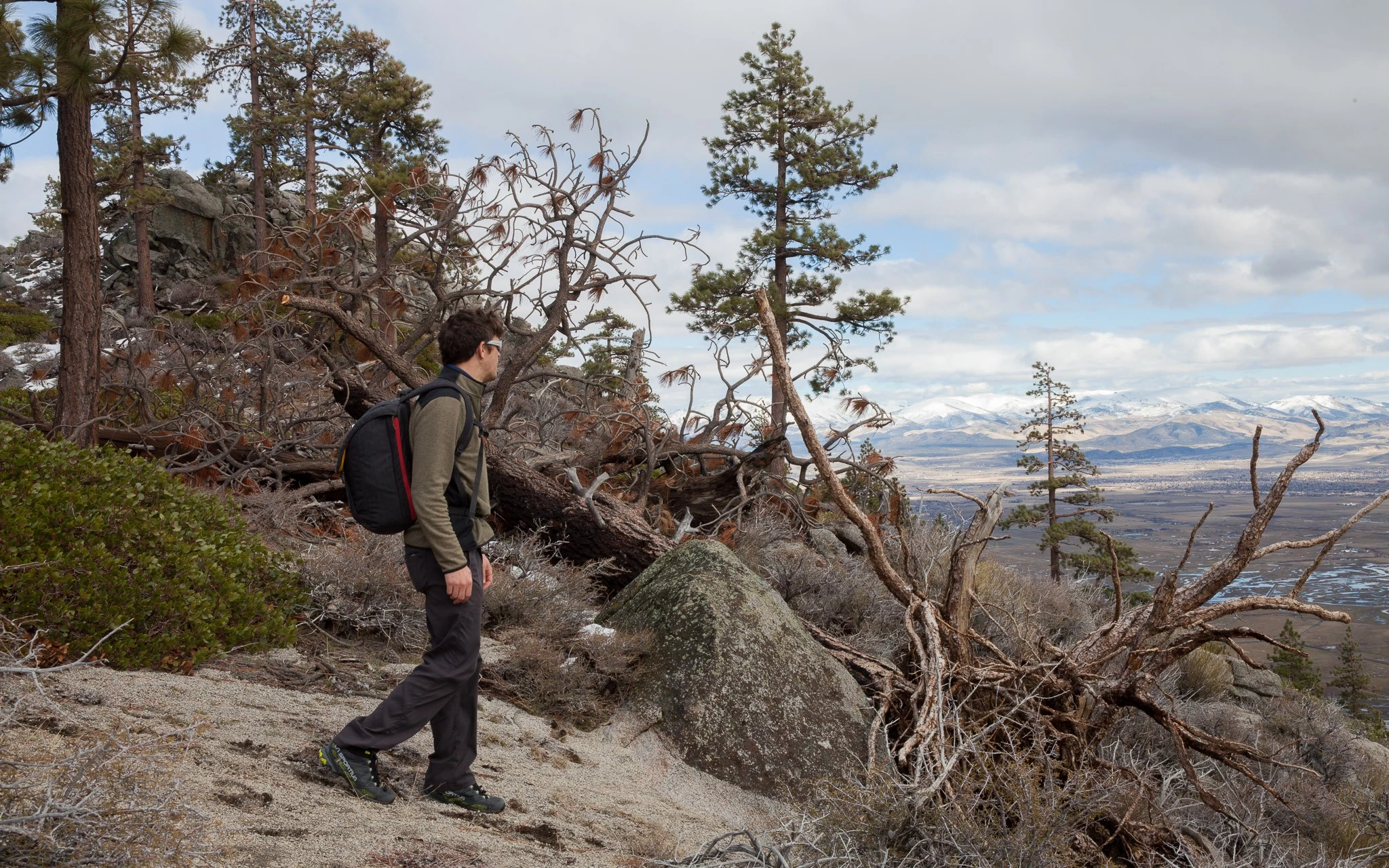
To make the selection process easier, we use a quantitative approach known as the Pack Weight Rule. This helps you align your footwear choice with the specific load you intend to carry, as the weight on your back dictates the support required by your feet.
| Pack Weight | Recommended Footwear Type | Best Terrain Use |
|---|---|---|
| Under 20 lbs | Trail Runners | Groomed trails, fastpacking, dry weather |
| 20 - 35 lbs | Hiking Shoes | Day hikes, light overnight trips, mixed terrain |
| Over 35 lbs | Hiking Boots | Multi-day backpacking, off-trail, rocky terrain |
If you are a beginner, consider starting in a mid-weight hiking shoe. As you develop stronger supportive muscles in your feet and lower legs, you might find you can transition to lighter options. However, if you are heading into technical terrain—think the rugged granite of the White Mountains or the loose volcanic rock of the Cascades—err on the side of more support. The best hiking footwear for rocky terrain is almost always a boot with a stiff sole and a protective toe cap to shield you from repetitive impacts.
The Science of Fit: 3 Essential Tests
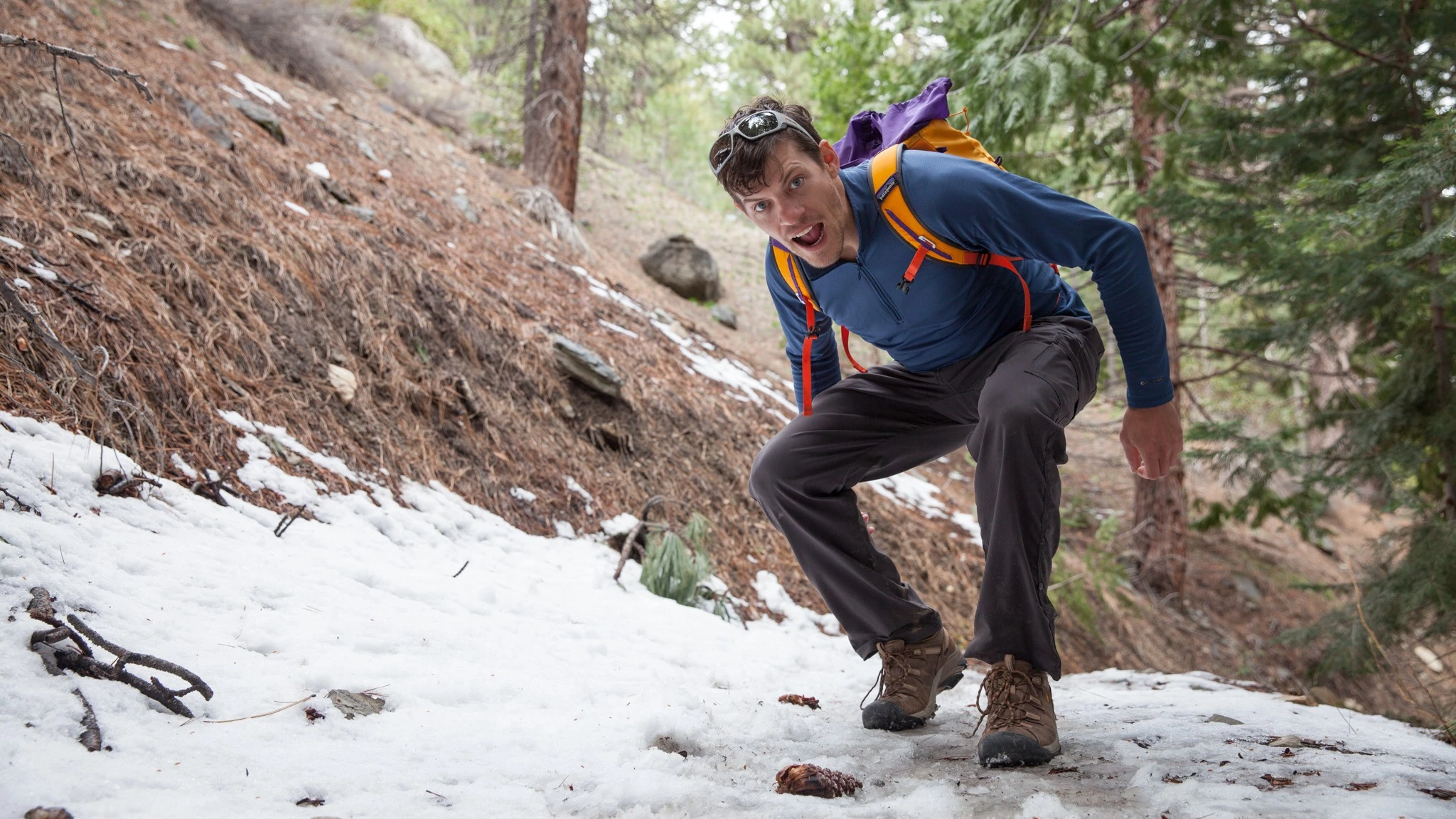
Even the most expensive, highly-rated hiking shoes will ruin your trip if they don't fit your unique foot shape. Every brand uses a different "last" (the foot mold used to shape the shoe), meaning some brands run narrow while others offer a wide toe box. To ensure you choose the right fit and avoid Foot Fatigue or blisters, we recommend three simple tests.
- The Afternoon Test: Always shop for hiking footwear in the afternoon or evening. Your feet naturally swell throughout the day—just as they do during a long hike. A shoe that feels "perfect" at 9:00 AM might be painfully tight by 3:00 PM on the trail.
- The Pinky Test (Heel Fit): With the shoe unlaced, slide your foot forward until your toes touch the front. You should be able to slide your pinky finger comfortably between your heel and the back of the shoe. This ensures you have enough room for foot expansion without the shoe being so large that it slides. This addresses the question of how should hiking shoes fit at the heel; it should be snug enough to prevent lifting while laced, but not so tight that it pinches the Achilles.
- The Insole Thumb Test: Remove the insole and stand on it. There should be about a thumb's width of space between your longest toe and the front of the insole. This "wiggle room" is vital for descents, preventing your toes from smashing into the front of the shoe on steep downhill sections.
FAQ
What are the main types of hiking footwear?
The three primary types are trail runners, which are lightweight and built for speed; hiking shoes, which offer a balance of durability and flexibility; and hiking boots, which provide maximum ankle stability and support for heavy loads.
Is there a difference between hiking shoes and hiking boots?
Yes, the main difference lies in the ankle height and weight. Hiking boots have a higher collar that wraps around the ankle to provide support and protection, whereas hiking shoes have a low-cut design similar to a standard shoe, offering more agility but less stability on uneven ground.
Are trail running shoes good for hiking?
Trail runners are Excellent for hiking on established trails with a light pack. Many experienced hikers prefer them because they are lighter and more breathable than traditional boots, though they lack the long-term durability and support needed for very heavy backpacks or extremely technical terrain.
Do I really need waterproof hiking boots?
It depends on your environment. Waterproof boots are essential for hiking in snow, mud, or consistently wet climates. However, in hot and dry weather, non-waterproof shoes are often better because they breathe more effectively, preventing your feet from sweating excessively, which is a primary cause of blisters.
Is it better to hike in boots or shoes?
This depends on your specific needs. If you have weak ankles or are carrying a pack over 35 pounds, boots are generally the safer choice. If you are day-hiking with a light bag and prefer to feel more nimble and less fatigued, hiking shoes or trail runners are often the better option.