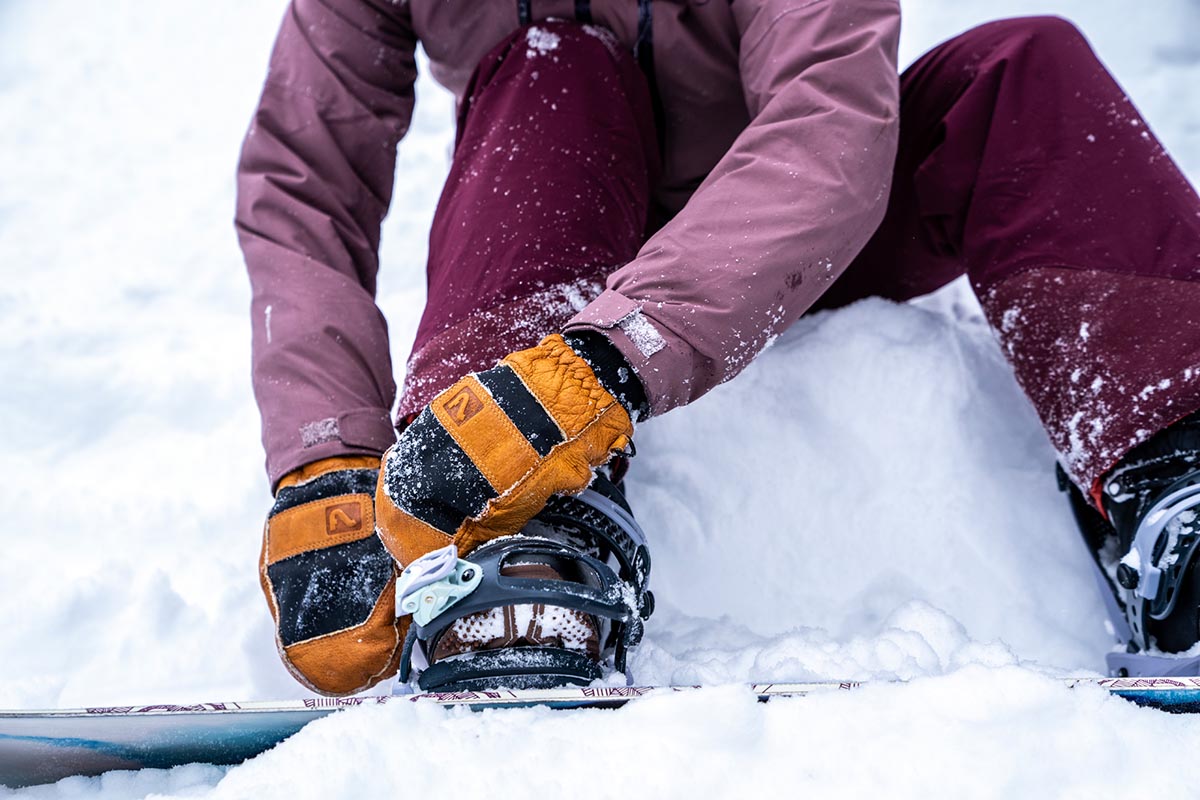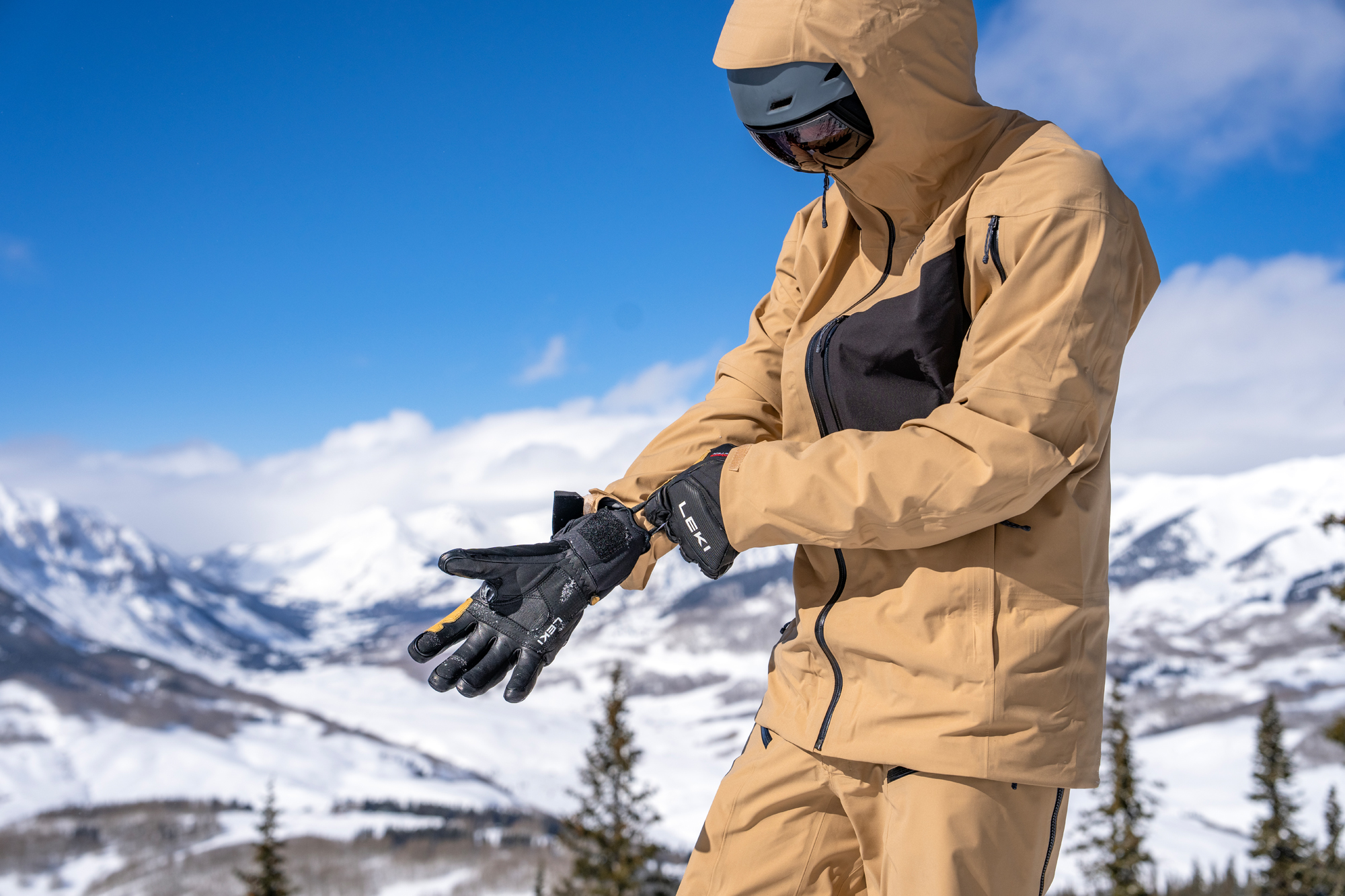
Our Top Picks
- Best Overall: Swany X-Cell (Superior Primaloft Gold insulation and durable goatskin leather).
- Best for Cold: Outdoor Research Prevail Heated (Primary choice for chronic cold or sub-zero durability).
- Best Value: Flylow Super D (Reliable resort performance for under 100 dollars).
- Best for Performance: Black Diamond Guide (Pro-level warmth and waterproof ski gloves).
The best ski gloves for 2026 are the Swany X-Cell and Black Diamond Guide, which provide a superior balance of Primaloft insulation and GORE-TEX waterproofing for resort all-mountain use. For those on a budget, the Flylow Super D offers reliable warmth at a lower price point, while the Outdoor Research Prevail Heated GORE-TEX gloves are the top choice for skiers dealing with chronic cold or extreme temperatures.
Our expert team spent over 135 hours testing 38 distinct models to identify the best ski gloves of 2026. Whether you need the warmest ski gloves for sub-zero chairlifts or high-dexterity options for backcountry skiing gloves, our field-tested reviews highlight the top-performing gear for every alpine condition. We pushed these products to their limits so you can keep your circulation flowing throughout the season.
Testing by the Numbers: Our 2026 Methodology
Finding a pair of gloves that survives a single season is easy; finding gear that maintains thermal regulation after fifty days of icy wind and wet snow is a different challenge. To ensure our readers get the most accurate data, we treated this review as a massive logistics operation. Our expert performance reviews involved field-testing 38 distinct pairs of gloves and mittens across diverse alpine environments in the United States, France, and Japan. We skied over 161,200 vertical feet, ranging from the humid, wet snow of the Pacific Northwest to the bone-dry sub-zero temperatures of Crested Butte and Hokkaido.
Beyond the field work, we subjected every pair to a localized "lab" test. Each model went through 2-hour immersion tests in buckets of ice water to find the most waterproof ski gloves for wet snow. We checked for seam leakage, membrane failure, and how much weight each glove gained when saturated. We also tested the claim that more than 65% of all new mid-range and premium ski glove models now feature touchscreen-compatible fingertip material. If a glove claimed to be touchscreen compatible but failed to unlock a smartphone in minus ten degrees, it lost points.
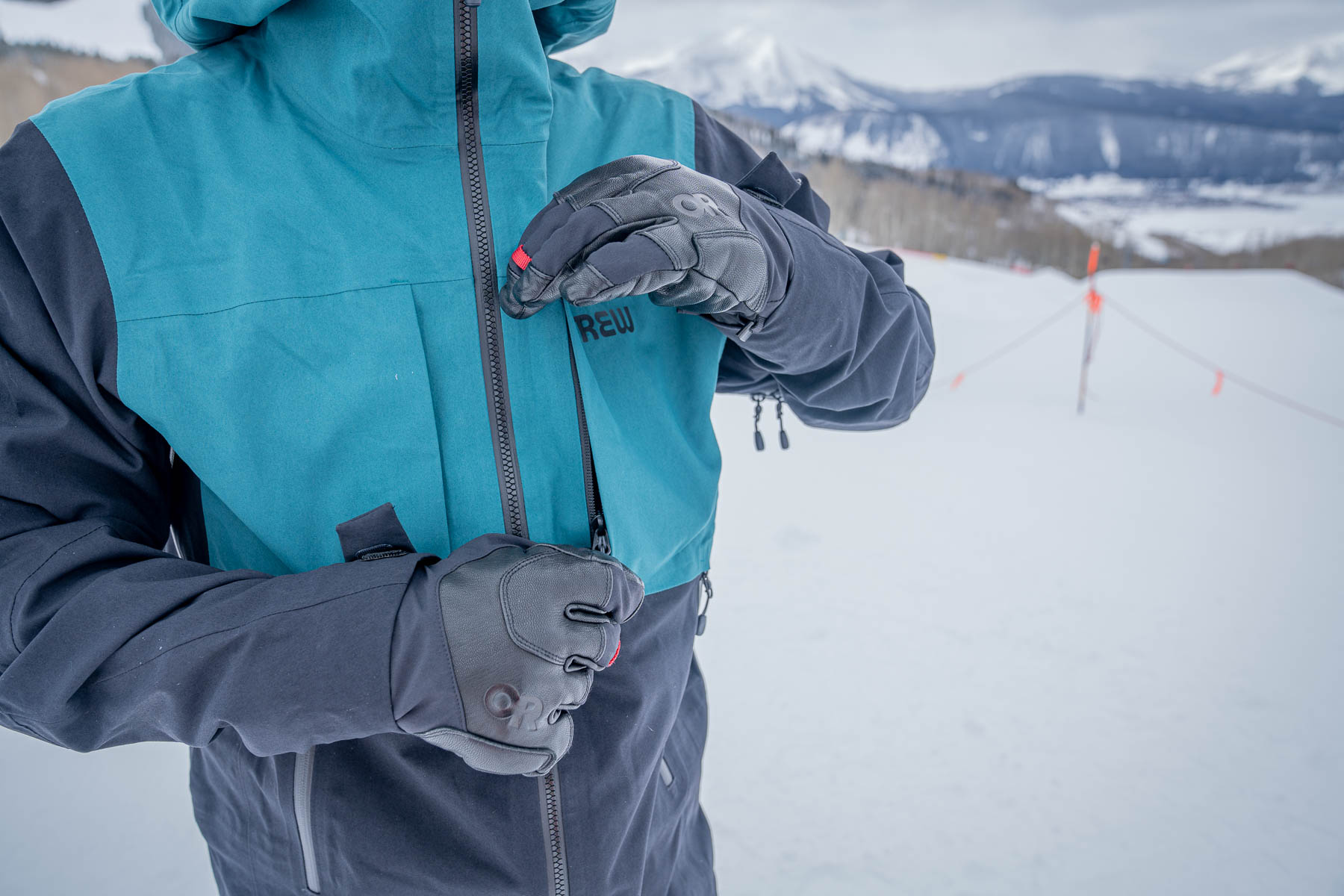
Best Resort Ski Gloves: Maximum Warmth & Protection
When you spend your day at the resort, your gloves have two primary enemies: the wind chill from high-speed chairlifts and the moisture from falling snow. Unlike backcountry gear, resort-specific models can afford to be slightly heavier because you aren't sweating through an uphill climb. We look for heavy-duty insulation, usually Primaloft Gold, paired with a robust Goatskin leather palm for handling equipment.
Swany X-Cell
The Swany X-Cell remains the gold standard for resort skiing. It utilizes a Triplex Alpha insulation system that mimics the warmth of down while providing the moisture resistance of synthetics. During our deep-freeze morning tests in Vermont, the X-Cell kept fingers warm without the excessive bulk that often plagues high-insulation models. Its articulated fingers and rolled-finger construction make it one of the most comfortable options for all-day use.
Black Diamond Guide
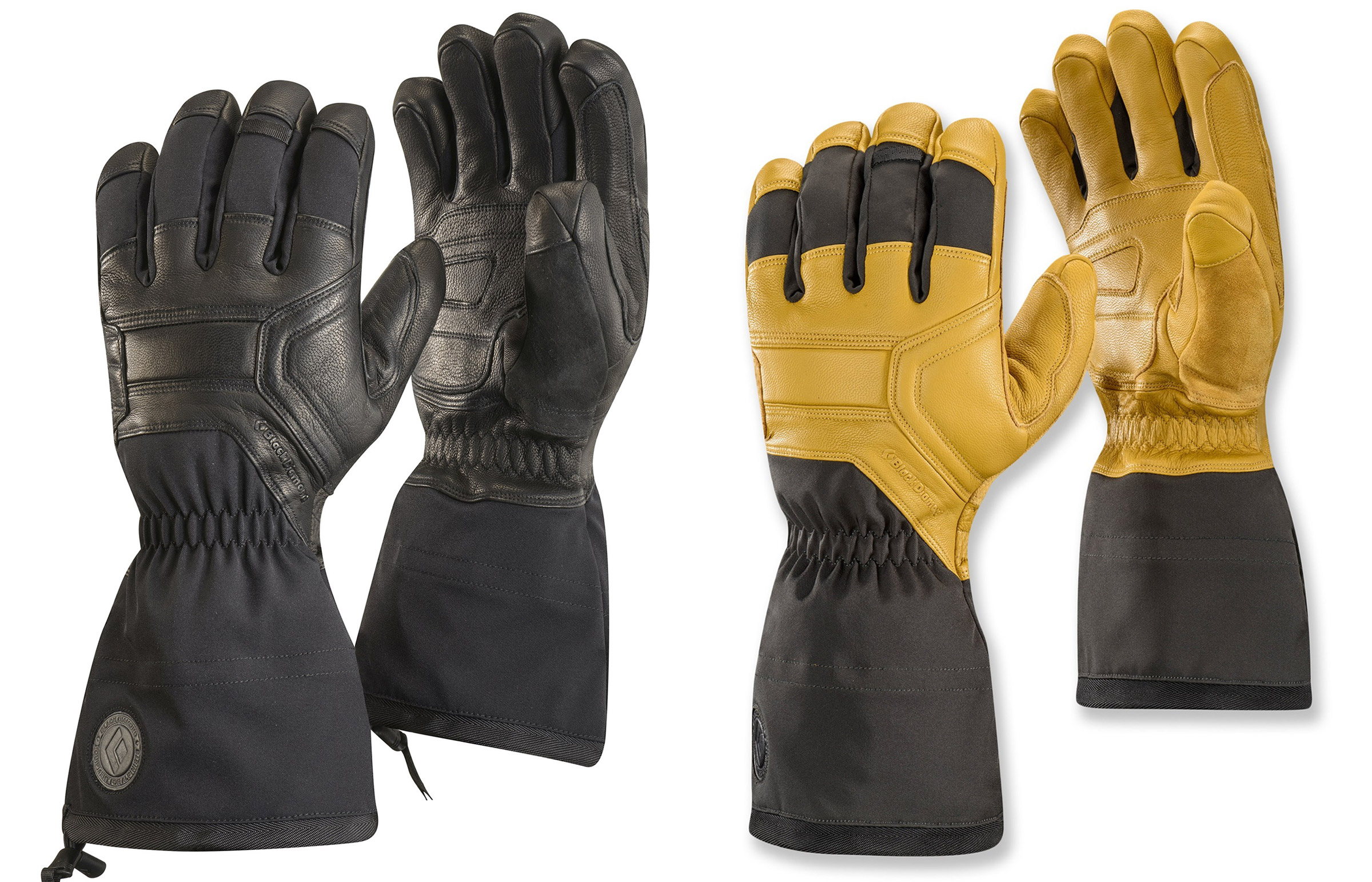
The Black Diamond Guide is a staple for resort skiing, offering the heavy-duty insulation required for long chairlift rides. It features a removable liner made of wool and Primaloft, which is essential for drying out your gear overnight. The exterior shell uses GORE-TEX and 100g of fleece lining, making it one of the warmest ski gloves available that isn't battery-powered. It is built like a tank, and we found that the leather durability for this model surpassed almost every other competitor.
Comparing Gauntlet vs Undercuff Styles
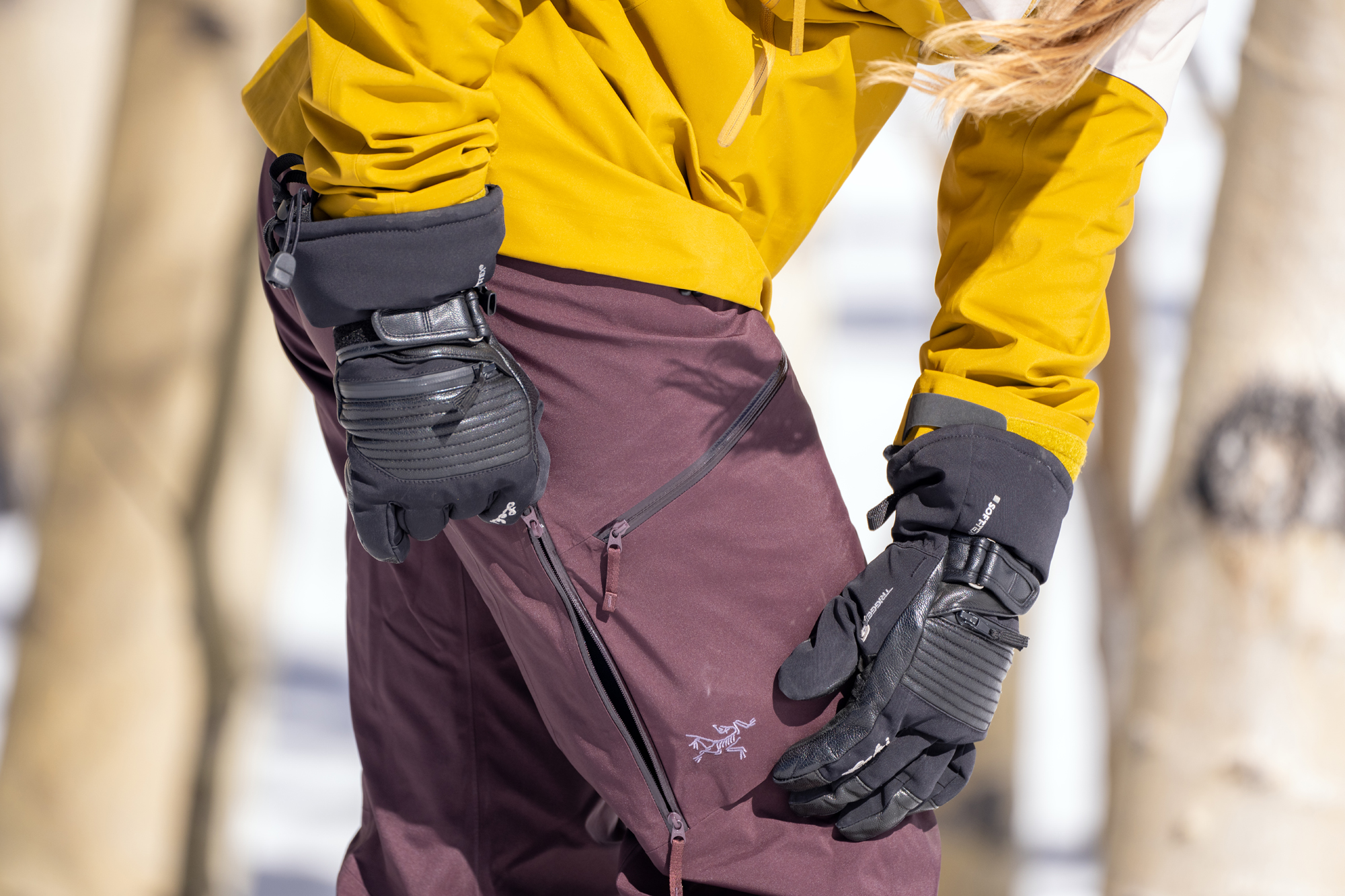
One of the most frequent debates in our testing room was the gauntlet vs undercuff ski gloves for deep powder preference. Gauntlet-style gloves feature a long cuff that goes over your jacket sleeve, usually secured with cuff drawcords and wrist leashes. This creates an impenetrable seal against snow during a wipeout or when skiing through waist-deep powder.
Undercuff gloves, by contrast, fit inside the jacket sleeve. These are preferred by skiers who want a streamlined profile and better wrist dexterity for handling zippers or checking their watches. While they offer a cleaner aesthetic, they require a tight jacket cuff seal to prevent snow from creeping in. If you are a storm chaser, the protection of a gauntlet is almost always the better choice.
Best Backcountry Ski Gloves: Breathability & Dexterity
Backcountry skiing gloves require a completely different design philosophy. In the backcountry, you are moving uphill 90% of the time, generating significant body heat. If you wear your heavy resort gloves while skinning, your hands will sweat, the lining will get damp, and your hands will freeze once you stop at the summit. For the 2026 season, we focused on "system" gloves that offer versatility.

The best backcountry ski gloves for uphill skinning and descent prioritize thermal regulation and moisture-wicking properties. Many top models now feature removable liners, allowing you to wear a thin, breathable liner on the climb while keeping the insulated Gore-Tex membrane shell in your pack for the ride down.
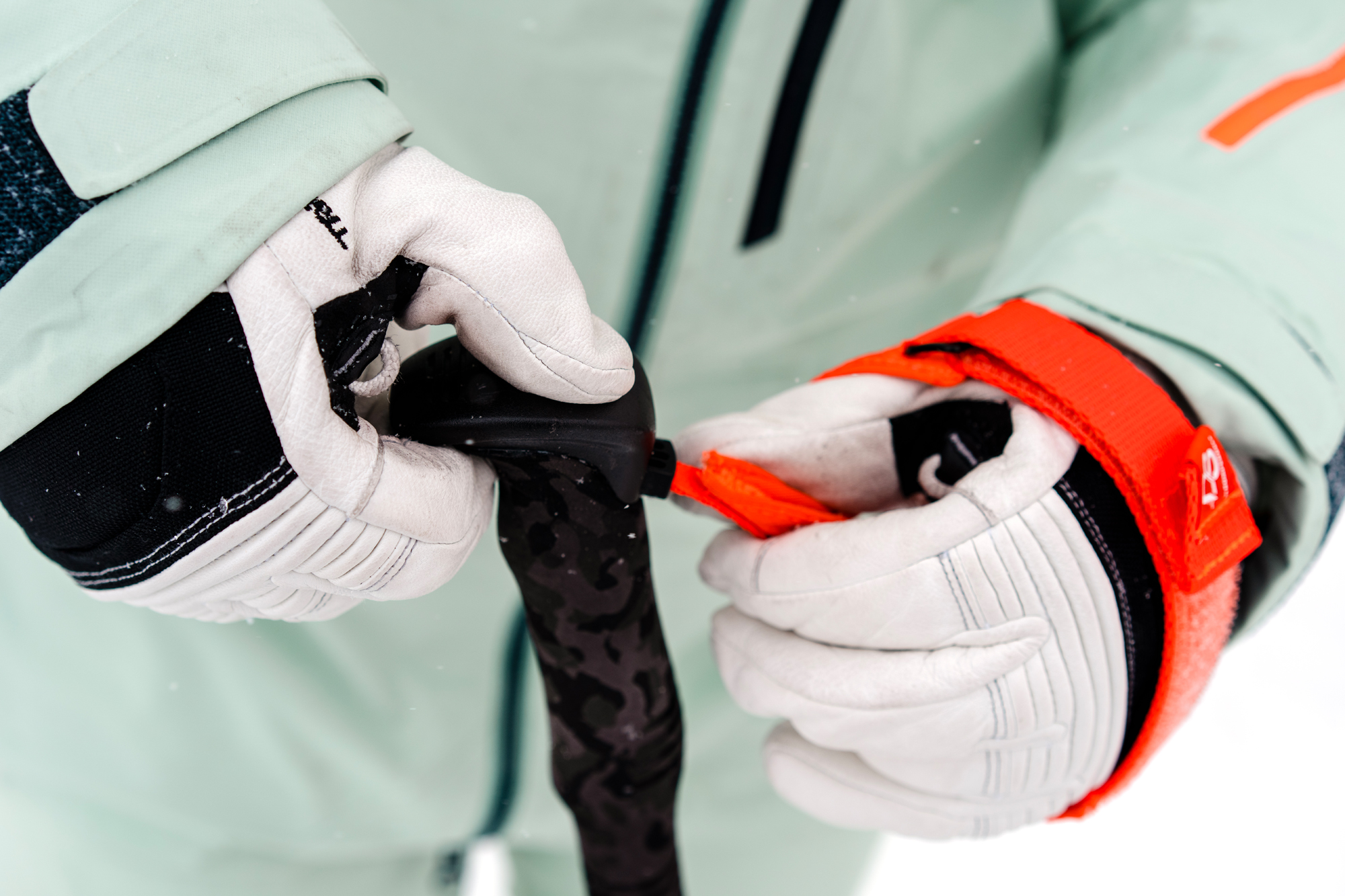
Dexterity is another critical factor. When you're transitioning from skinning to skiing, you need to fiddle with boot buckles, skins, and bindings. We looked for high dexterity ski gloves for handling poles and zippers without ever exposing bare skin to the elements. The Outdoor Research Super Tour and the Hestra Vertical Cut CZone were top performers here, offering pre-curved fingers that feel natural when gripping a pole.
Specialized Solutions: Heated Technology & Extreme Cold
For skiers with Raynaud’s syndrome or those who venture out in truly arctic conditions, traditional insulation sometimes isn't enough. As the global ski gloves market is projected to reach approximately $2.24 billion in 2026, a significant portion of that growth is driven by the refinement of battery-operated technology.
Outdoor Research Prevail Heated
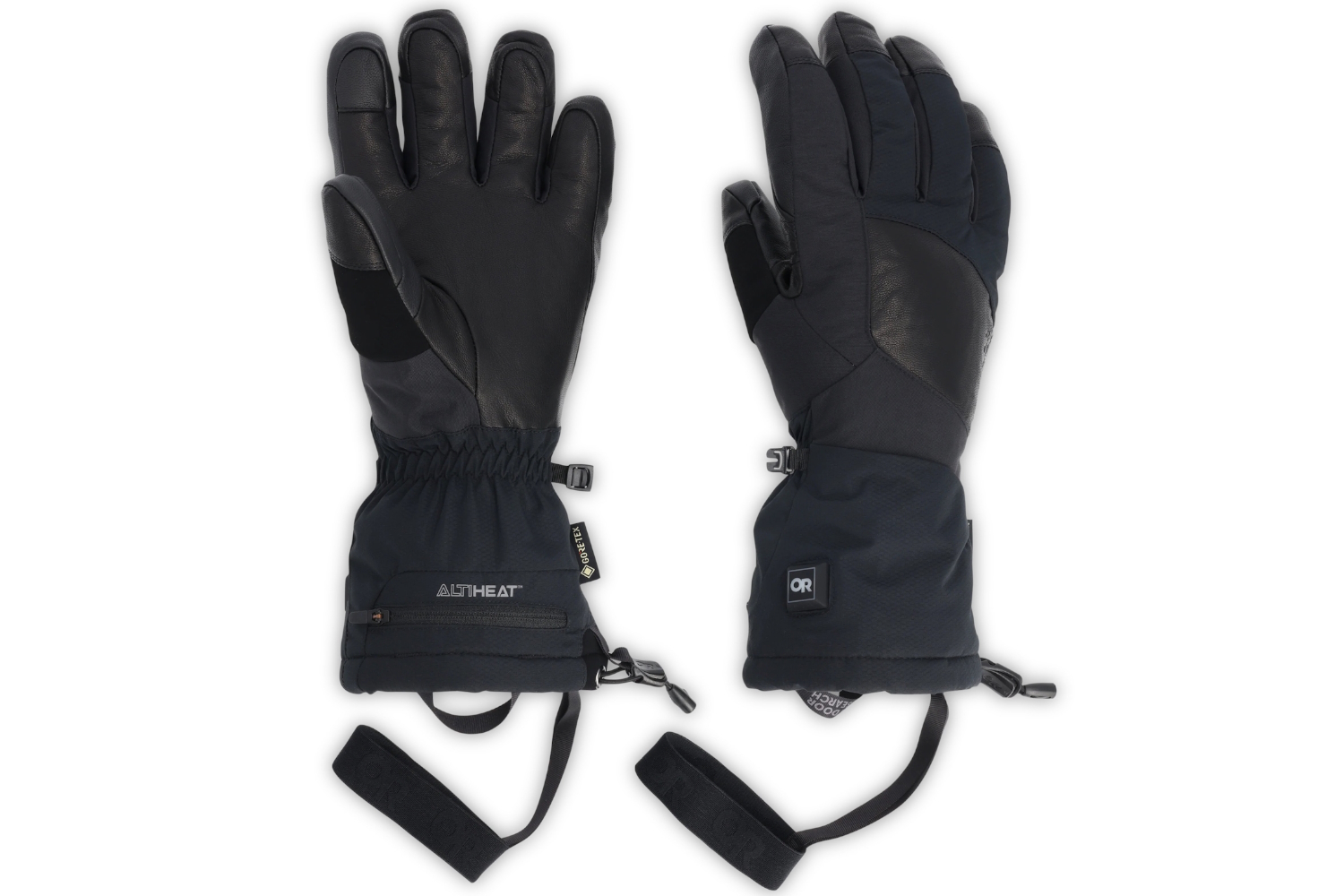
The Outdoor Research Prevail is arguably the best heated ski gloves for chronic cold hands. It provides three heat settings that can last anywhere from 2.5 to 8 hours depending on the intensity. What sets the Prevail apart from cheaper heated options is the GORE-TEX insert and the quality of the heating elements, which wrap around the thumb and fingers rather than just heating the back of the hand. During our tests in sub-zero temp days in Chamonix, these were the only gloves that kept our testers with poor circulation comfortable for the full day.
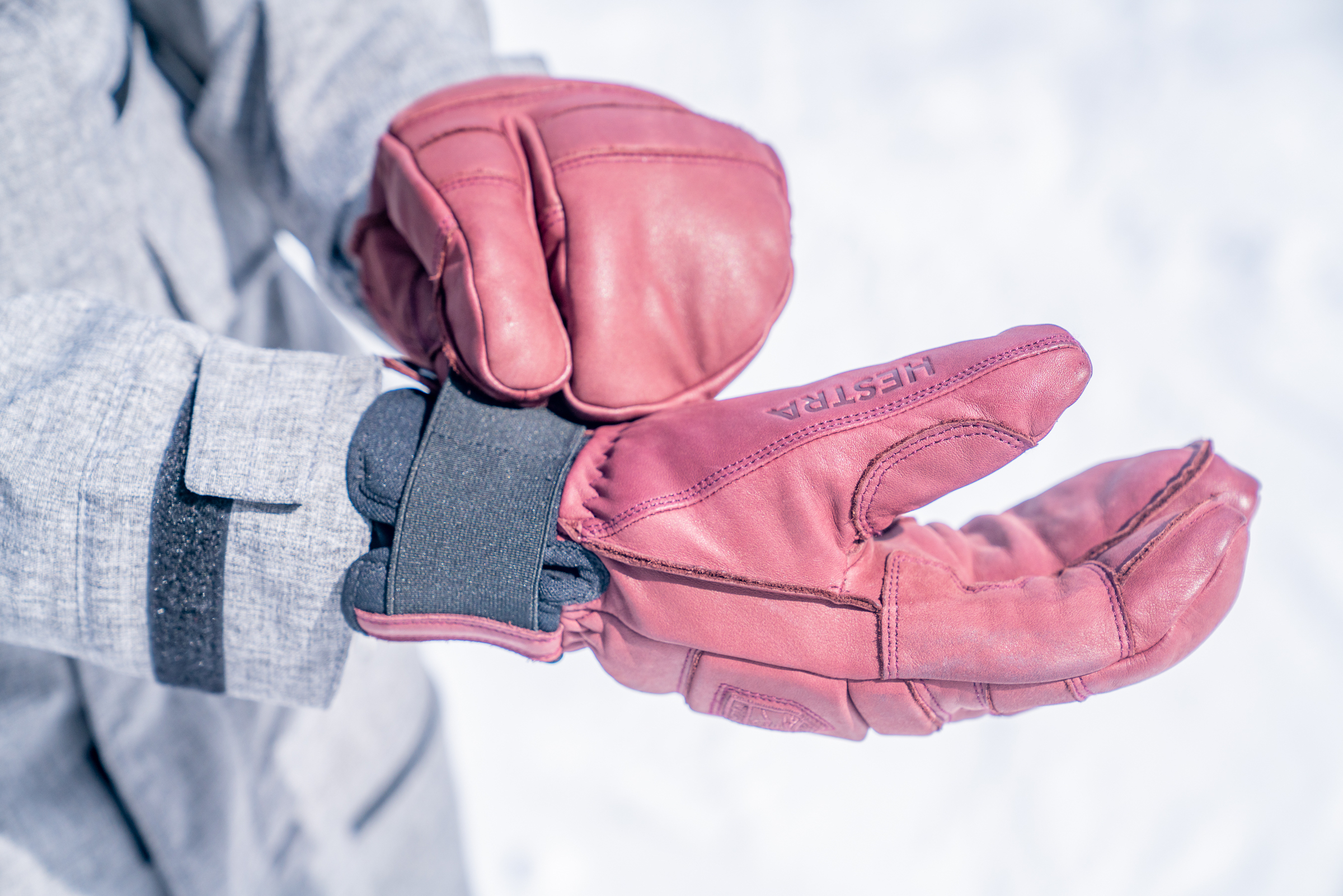
For those on a tighter budget but still facing extreme weather, the search for the best ski gloves for extremely cold temperatures usually leads to mittens. Mittens keep your fingers together to share body heat, which is inherently warmer than a glove structure. If you don't mind the loss of dexterity, a high-end mitten like the Hestra Army Leather Heli Mitten remains a top-tier defensive line.
Maintenance and Care: Maximizing Your Investment
Ski gloves are an investment, and if you buy the best leather ski gloves for durability and longevity, you want them to last at least five to seven seasons. Leather is a natural material that can dry out and crack if exposed to constant moisture and UV rays.
Pro Tip: Use a leather conditioner like Sno-Seal or Nikwax Waterproofing Wax for Leather at least once a season. Apply the wax, then use a hairdryer on a low setting to help the leather absorb the grease. This maintains the waterproofing and keeps the Goatskin leather supple.
For gloves with a Gore-Tex membrane, avoid drying them directly on a heater or radiator. Extreme direct heat can damage the waterproof membrane and cause the synthetic insulation to lose its loft. Instead, open the cuffs wide and let them air dry in a well-ventilated room. If your gloves have a removable liner, pull it out to speed up the process. A suede nose wipe patch on the thumb is common in premium models—ensure this part is cleaned gently with a damp cloth to prevent salt buildup from sweat.
FAQ
What are the warmest gloves for skiing?
The warmest options are invariably heated gloves like the Outdoor Research Prevail or high-loft mittens like the Black Diamond Absolute Mitt. Mittens are warmer than gloves because they keep your fingers together, reducing the surface area exposed to the cold, while heated gloves use active battery power to generate warmth.
Are mittens or gloves better for skiing?
This depends on your priority. Mittens offer superior warmth and are the best choice for those with poor circulation. Gloves provide the dexterity needed to hold ski poles, adjust goggle straps, and use zippers. Many modern skiers use a "lobster" or three-finger glove as a middle ground.
What features should I look for in ski gloves?
Look for a reliable waterproof membrane like GORE-TEX, high-quality insulation such as Primaloft Gold, and a durable leather palm. Additionally, features like wrist leashes, which prevent you from dropping a glove off the chairlift, and touchscreen-compatible fingertips are highly valued for the 2026 season.
Should ski gloves be tight or loose?
Ski gloves should fit comfortably with a small amount of air space at the tips of the fingers. If a glove is too tight, it can restrict blood flow and actually make your hands colder. There should be enough room to allow warm air to circulate but not so much that you lose dexterity and control.
Are heated ski gloves worth the investment?
If you suffer from Raynaud’s or frequently ski in temperatures below zero degrees Fahrenheit, they are absolutely worth it. While the initial cost is higher, the ability to extend your ski day and avoid the pain of frozen fingers provides significant value over several seasons.
How do I choose the right size ski gloves?
Measure the circumference of your hand around the knuckles with a tape measure. Most brands provide a size chart that maps this measurement to a size. If you are between sizes, it is generally recommended to size up to ensure trap air for warmth and to allow room for a thin liner if needed.