Our Top Picks
- Best Overall Performance: Salomon S/Lab Pulsar 4. Unmatched agility and lightweight breathability for technical mountain racing.
- Best Max Cushion: Hoka Speedgoat 6. High stack height and exceptional comfort for ultra-distance fatigue reduction.
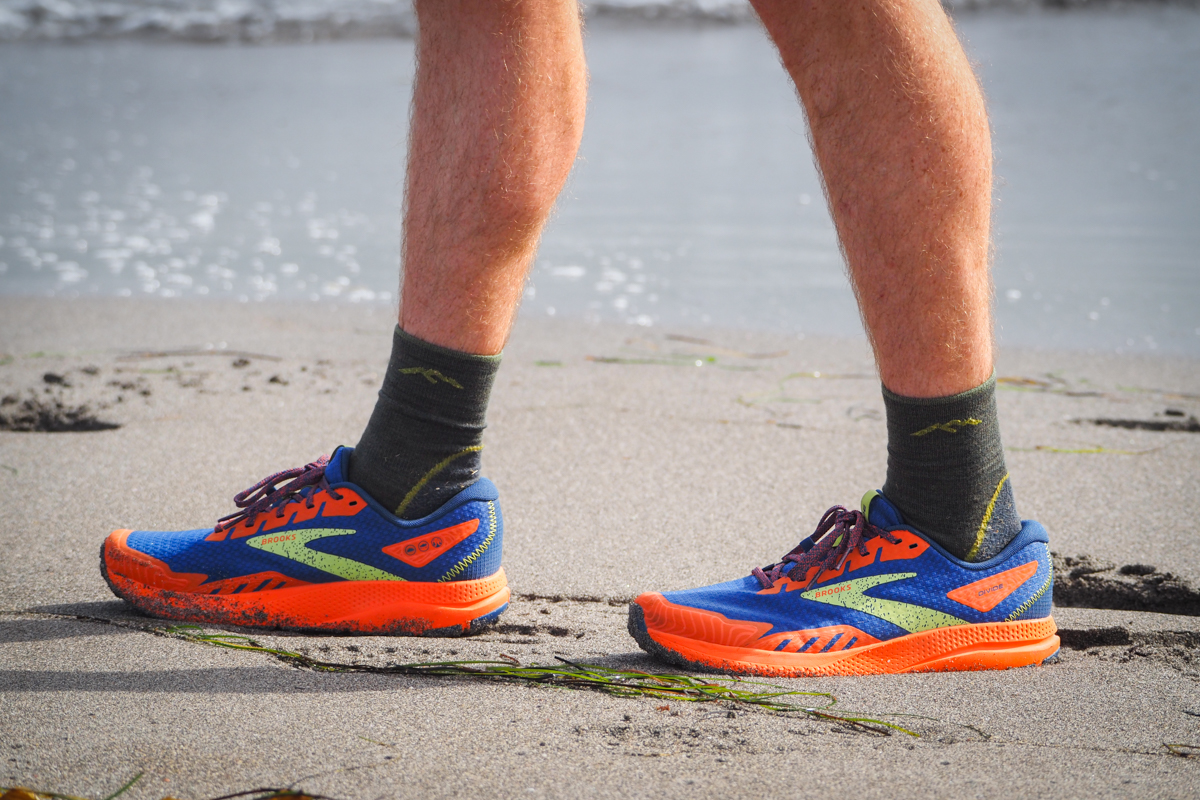
- Best Budget Option: Brooks Divide 5. The top choice for road-to-trail versatility at a price point under $120.
- Best for Natural Feel: Altra Lone Peak 9. Zero-drop design and wide toe box for natural foot splay.
- Best for Speed: Brooks Catamount 4. Nitrogen-infused foam and plate technology for fast training and tempo runs.
Finding the best trail running shoes for 2026 reviews depends on your specific terrain and distance goals, with the Salomon S/Lab Pulsar 4 leading the category for technical versatility and the Hoka Speedgoat 6 dominating in long-haul comfort. Whether you are navigating scree fields or smooth singletrack, choosing a shoe with the right stack height and outsole rubber compounds is essential for both safety and performance.
| Shoe Model | Price | Weight (Men's 9) | Heel-to-toe offset | Best Use |
|---|---|---|---|---|
| Salomon S/Lab Pulsar 4 | $220 | 6.8 oz | 6 mm | Technical Racing |
| Hoka Speedgoat 6 | $155 | 9.8 oz | 4 mm | Ultra Distances |
| Brooks Divide 5 | $110 | 10.1 oz | 8 mm | Budget / Road-to-Trail |
| Altra Lone Peak 9 | $150 | 10.6 oz | 0 mm | Wide Feet / Zero Drop |
| Saucony Peregrine 15 | $140 | 9.4 oz | 4 mm | Versatile Daily Trainer |
| La Sportiva Bushido III | $165 | 10.5 oz | 6 mm | Technical Scrambling |
How We Tested: The 50-Mile Standard
The search for the best trail running shoes is often clouded by marketing hyperbole, but our editorial process remains strictly rooted in field performance. We do not rely on manufacturer press releases. Instead, every shoe on this list has passed our mandatory 50-mile testing threshold. Our team of testers logged these miles across the punishing rocky ridges of the Colorado Rockies and the relentless vertical gain of the High Sierra.
We evaluate footwear based on specialized metrics: traction on wet and dry surfaces, midsole energy return, and the long-term durability of TPU overlays. This testing is unsponsored, ensuring that our recommendations reflect the true experience of a runner at mile 30 of a mountain race. As the global trail running shoes market is projected to reach a valuation of USD 8.86 billion in 2026, the sheer volume of options can be overwhelming. Our goal is to filter that noise.
Best Overall & Technical Performance
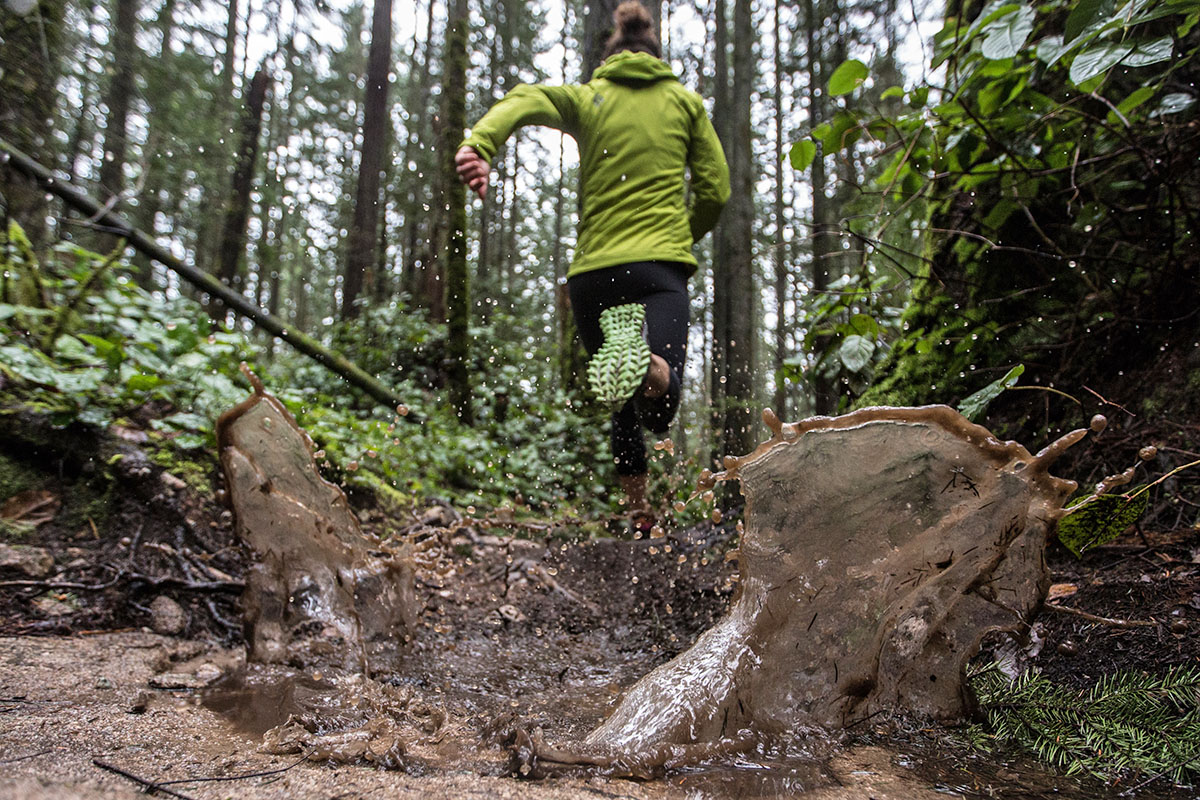
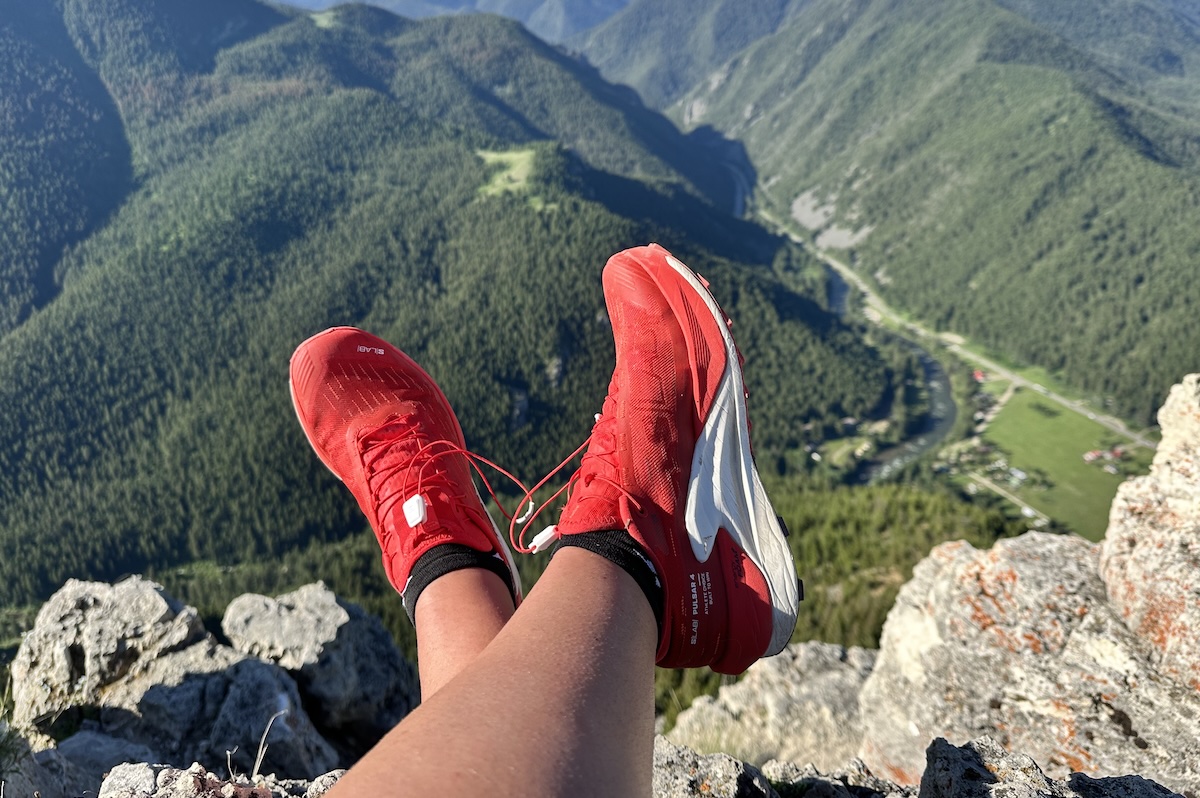
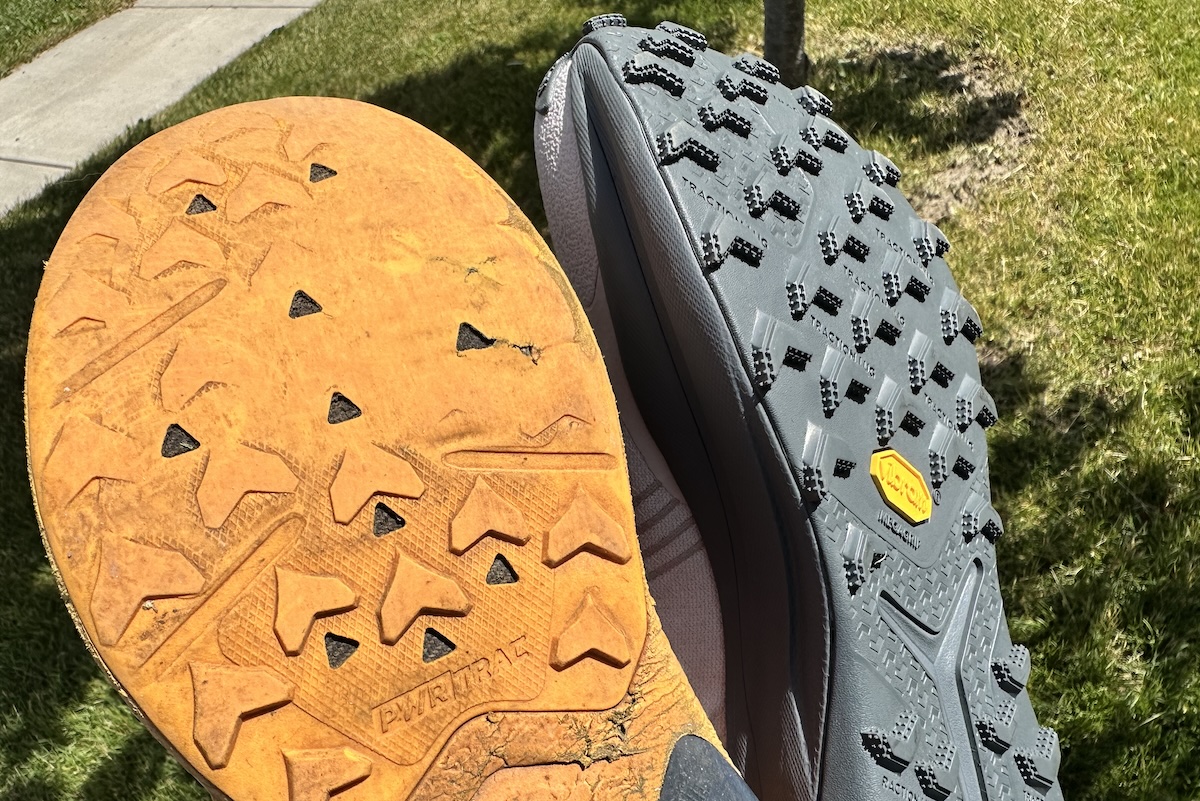
For runners who demand precision on technical mountain terrain, the Salomon S/Lab Pulsar 4 is the clear winner for 2026. This shoe is built for the "Skyrunning" style of racing, where agility is more important than massive cushioning. The upper features a Matryx mesh reinforced with TPU overlays that hold the foot securely during sharp descents and lateral movements on scree.
We found that the combination of a low stack height and a lightweight chassis allows for much better ground feel than maximalist competitors. The outsole uses specialized outsole rubber compounds that provide a "sticky" grip on wet granite, a necessity for high-altitude missions. At $220, it is a significant investment, but for those focused on technical trail running footwear for mountain terrain, the Pulsar 4 is unparalleled.
Testing Stats: Salomon S/Lab Pulsar 4
- Total Test Mileage: 84 miles
- Highest Elevation Reached: 13,200 ft
- Terrain: Alpine tundra, loose scree, and technical woodland singletrack.
- Standout Feature: Exceptional agility and weight-to-grip ratio.
For a slightly more rugged take on technical performance, the La Sportiva Bushido III remains a favorite. It provides a more substantial rock plate and a more aggressive heel-to-toe offset than the Salomon, making it a better choice for runners who struggle with Achilles tension on steep climbs.
Best Max Cushion For Ultra Distances
The shift toward maximalist footwear continues to dominate the industry. Industry research indicates that outdoor fitness and adventure sports trends influence approximately 58% of consumers to choose trail-specific running shoes over traditional road variants, and high-stack comfort is a primary driver of this trend. For 2026, max cushion trail shoes have become lighter and more responsive than ever.
The Hoka Speedgoat 6 features a 40mm stack height that absorbs impact without feeling like a Marshmallow. The secret lies in the updated midsole energy return, which prevents the shoe from feeling "dead" after the first 20 miles. The Vibram Megagrip outsole ensures that despite the height, you won't lose your footing on slippery surfaces.
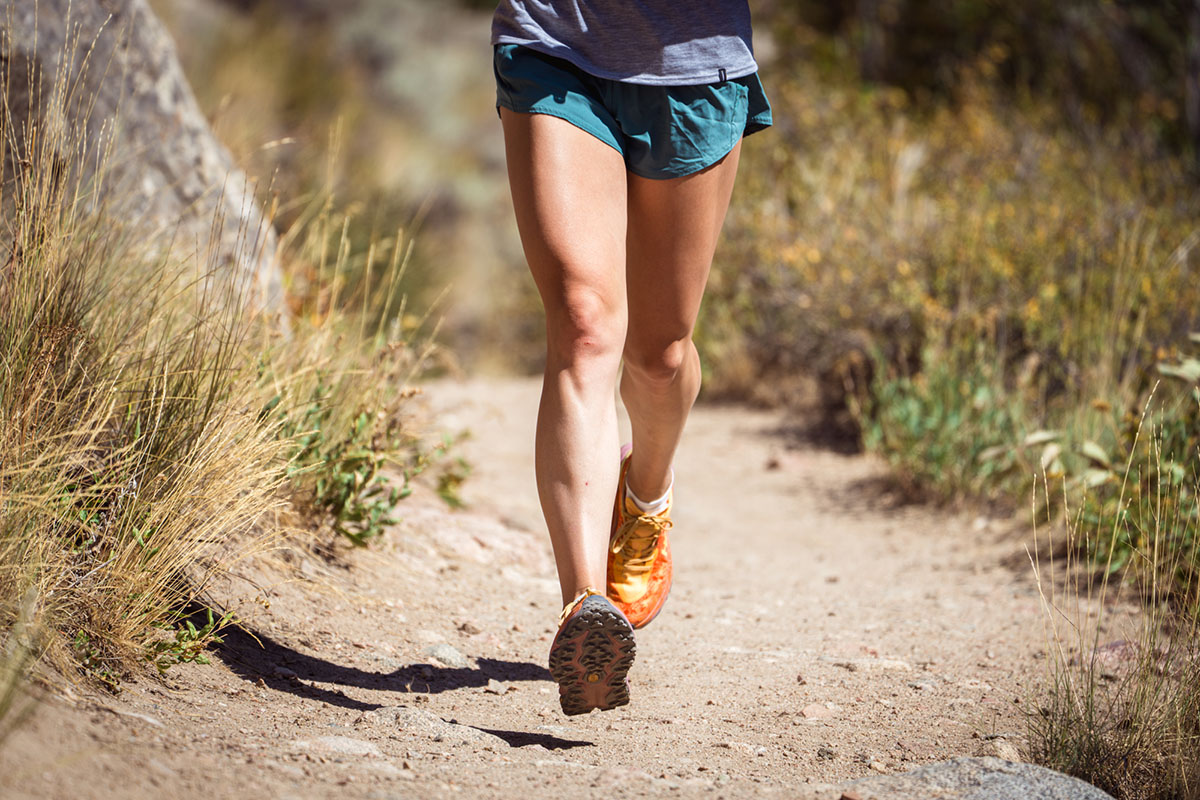
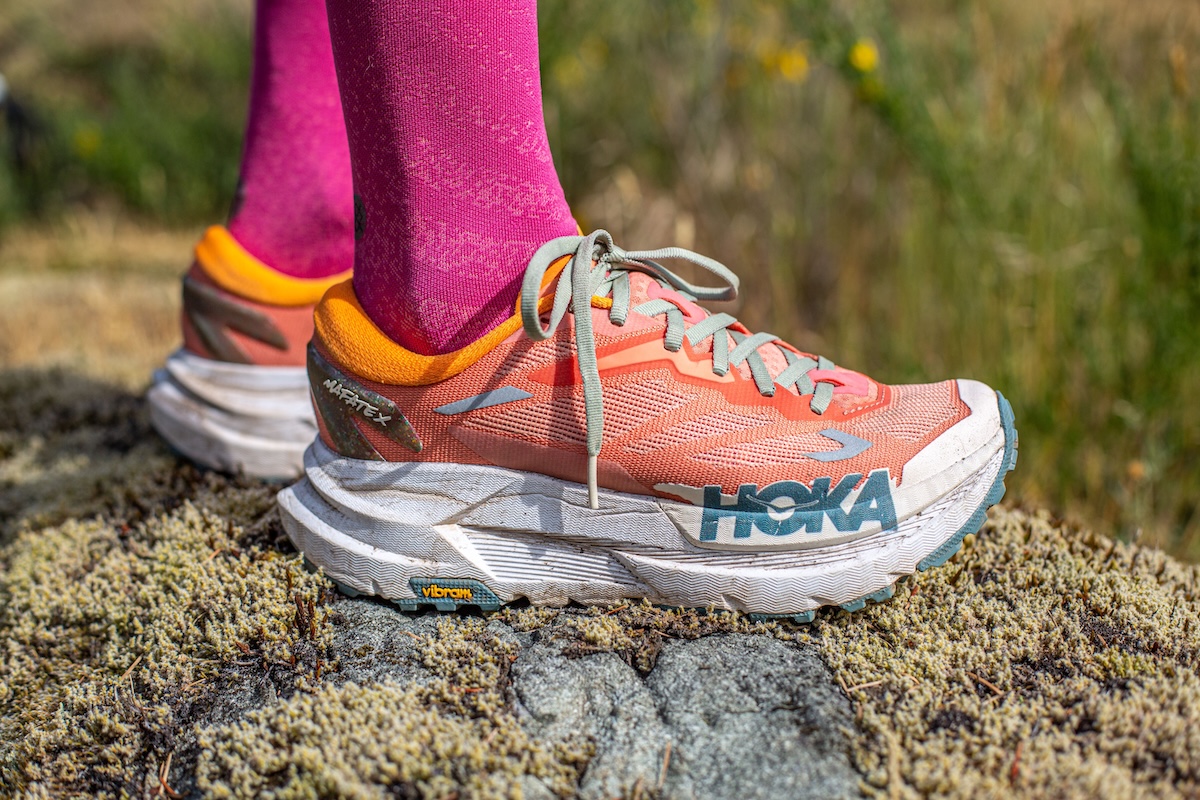
For those tackling the most extreme distances, like 100-mile mountain races, the Hoka Mafate X offers a staggering 47mm stack. This shoe utilizes a distinct rocker sole geometry that helps roll the foot forward, reducing the workload on the calves and hamstrings. We noted that the Mafate X feels surprisingly stable for its height, thanks to a wide base that prevents ankle rolls on uneven ground.
When considering max cushion trail shoes for ultra distance running, don't overlook the La Sportiva Prodigio Max. It utilizes nitrogen-infused foam to provide a plush ride while maintaining the brand's legendary mountain durability.
Best for Speed and Fast Training
Speed on the trail requires a different toolkit: lightweight responsive trail shoes for fast training need to balance protection with a high degree of energy return. In 2026, advanced footwear technologies such as PEBA foam midsoles and integrated carbon plates are standard in high-performance models.
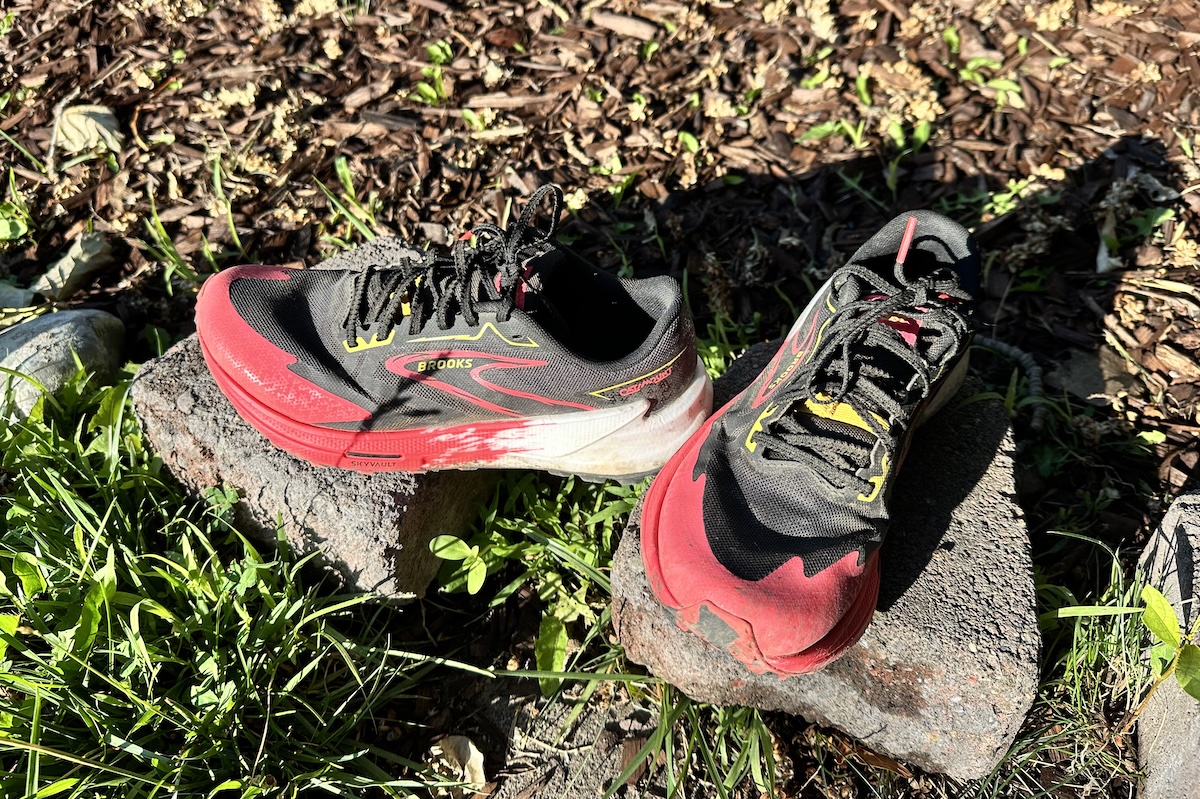
The Brooks Catamount 4 is a standout in this category. It features DNA FLASH v2 nitrogen-infused foam, which provides a snappy sensation that mimics a road racing shoe. However, the integrated SkyVault rock plate protects the foot from sharp stones, making it a reliable partner for fast-paced training on rugged paths.
Another contender for the speed crown is the Adidas-Terrex Agravic Speed Ultra 2. This model uses Carbon-fiber plates to maximize efficiency on climbs and flat sections. Our testers found that while these shoes are stiff, the rocker sole geometry makes them incredibly effective at maintaining a high tempo over non-technical, rolling terrain.
Specialist Picks: Wide Feet & Zero Drop
Foot health is a growing priority for 2026 runners. Finding the best trail running shoes for wide feet and bunions used to be a challenge, but brands like Altra and Topo Athletic have revolutionized footbed ergonomics.
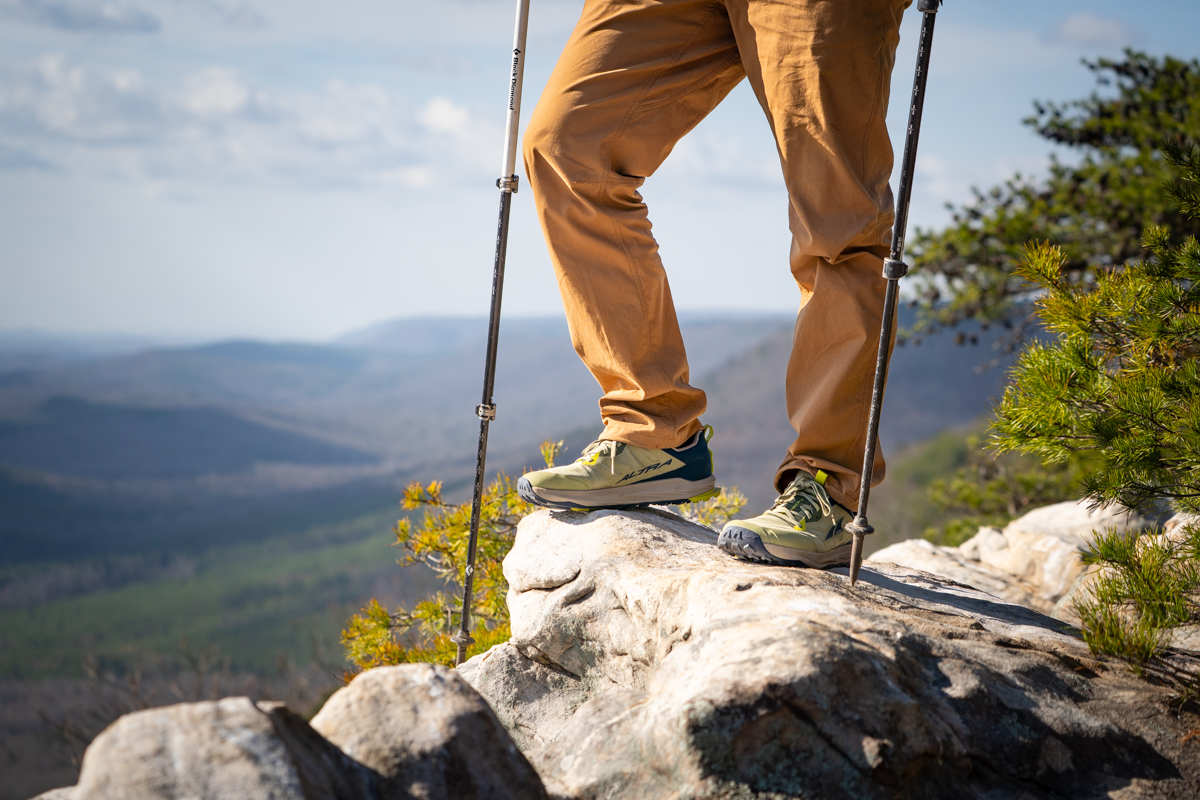
The Altra Lone Peak 9 remains the gold standard for natural foot positioning. With its signature roomy toe box and zero-drop heel-to-toe offset, it allows the toes to splay naturally and the heel and forefoot to remain at the same height. This design mimics the natural mechanics of the human foot, which can reduce the risk of common injuries like plantar fasciitis when transitioned properly.
If you need the wide toe box but aren't ready for a zero-drop platform, the Topo Athletic Ultraventure 4 is an excellent alternative. It offers a 5mm drop, providing a more traditional feel for the Achilles while still respecting the natural shape of the foot.
Trail Running Shoe Comparison: Value vs. Durability
Budget-conscious runners often ask if they can get high-level performance without the $200 price tag. In our trail running shoe comparison, we found that the Brooks Divide 5 is the best budget trail running shoes under 120 dollars. It is a no-nonsense hybrid that works well for people who run from their front door to the local trailhead.
On the other end of the spectrum is the Norda 001. At $285, it is the most expensive shoe on our list, but its "price-per-mile" is actually quite competitive. While most shoes start to break down after 300 miles, the Norda 001, constructed with bio-based Dyneema, frequently lasts beyond 600 miles. When you calculate the cost over the lifespan of the shoe, the Norda often wins on value through pure longevity.
Tested & Dismissed: Models We Left Out
Transparent reviewing requires acknowledging the popular models that didn't make our list. For 2026, we chose to omit the Nike Terra Kiger 11. While comfortable, the outsole failed our traction tests on wet rock, making it a liability for technical mountain terrain. We also passed on the New Balance Fresh Foam Hierro v9; although it is a fantastic walking shoe, its excessive weight (over 11.5 oz) makes it sluggish compared to the newer, nitrogen-infused foam alternatives our testers preferred.
Being an expert-tester means being critical of brands, even the big ones, when their performance doesn't keep up with the evolving technological standards of the sport.
FAQ
What is the difference between trail running shoes and road running shoes?
Trail running shoes are designed with rugged outsoles featuring deep lugs for grip on soft or uneven surfaces. They also typically include a rock plate in the midsole to protect your feet from sharp stones and have more durable upper materials to withstand abrasion from brush and rocks. Road shoes prioritize cushion and lightweight materials for repetitive impact on flat, hard pavement.
How do I choose the right trail running shoes for my terrain?
Consider the "technicality" of your local trails. If you run on smooth, gravel paths, a hybrid shoe with shallower lugs and more cushion is ideal. If you are navigating steep, muddy, or rocky mountains, you need technical trail running footwear with deep lugs, a secure fit, and sticky outsole rubber compounds to ensure stability and traction.
Should trail running shoes be a size bigger than normal?
Many trail runners prefer to go up a half-size from their casual shoes. During long runs, especially descents, your feet will swell, and your toes can slide forward. Having extra room in the toe box prevents "black toenails" and allows for natural foot splay over several hours of activity.
Can I wear trail running shoes for hiking?
Yes, trail running shoes are excellent for hiking. They are generally lighter and more breathable than traditional hiking boots while offering similar levels of traction. Many thru-hikers now prefer shoes like the Altra Lone Peak or Hoka Speedgoat over heavy boots because they reduce leg fatigue and dry out much faster when wet.
Are waterproof trail running shoes worth it?
Waterproof shoes are specialized tools. They are excellent for running in snow or through very shallow, cold puddles where you want to keep warmth in. However, once water gets inside a waterproof shoe (by splashing over the ankle), it cannot drain out. Furthermore, they are significantly less breathable, which can lead to excessive sweating and blisters in warmer conditions.