Our Top Picks
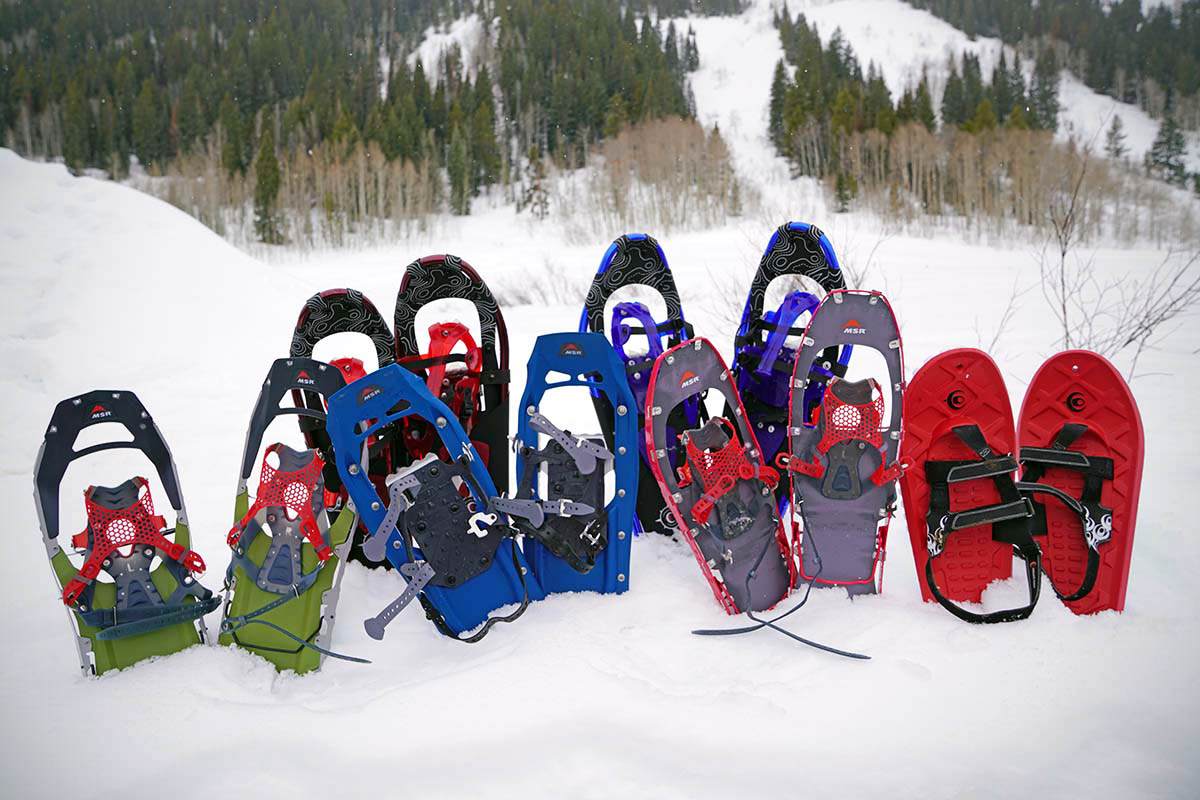
The best snowshoes for most people in 2026 are the MSR Evo Trail for casual hikers and the MSR Lightning Ascent for those needing advanced backcountry snowshoe features. For those chasing deep powder, the Tubbs Mountaineer provides the superior flotation required for heavy loads, while winter runners will find their stride in the TSL Symbioz Hyperflex Racing.
The best snowshoes are selected based on terrain and use case. For recreational hikers on established trails, the MSR Evo Trail offers a balance of durability and value. Backcountry explorers should look for advanced models like the MSR Lightning Ascent, while those frequently breaking trail in deep powder will benefit from the high flotation provided by the Tubbs Mountaineer. Specialized designs also exist for winter running, such as the lightweight TSL Symbioz Hyperflex Racing.
| Model | Weight (Pair) | Primary Terrain | Price Range | Score |
|---|---|---|---|---|
| MSR Evo Trail | 3 lbs 10 oz | Flat / Rolling | $ | 9.2 |
| MSR Lightning Ascent | 4 lbs 5 oz | Mountain / Technical | $$$ | 9.8 |
| Tubbs Mountaineer | 4 lbs 13 oz | Deep Powder | $$ | 9.5 |
| Atlas Helium Trail | 3 lbs 1 oz | Trail / Beginner | $ | 8.8 |
| Tubbs Flex VRT | 4 lbs 8 oz | Technical | $$$ | 9.4 |
| TSL Symbioz Hyperflex | 4 lbs 6 oz | Technical / Rolling | $$$ | 9.1 |
| MSR Revo Explore | 4 lbs 2 oz | Rolling / All-Mountain | $$ | 8.9 |
| Retrospec Drifter | 4 lbs 4 oz | Flat / Budget | $ | 8.2 |
| Louis Garneau Blizzard | 4 lbs 9 oz | Backcountry / Deep | $$ | 8.7 |
| Crescent Moon Eve | 2 lbs 15 oz | Flat / Rolling | $ | 8.5 |
| TSL Symbioz Racing | 1 lb 6 oz | Winter Running | $$$ | 9.0 |
How We Tested: 200 Miles in the Winter Wilds
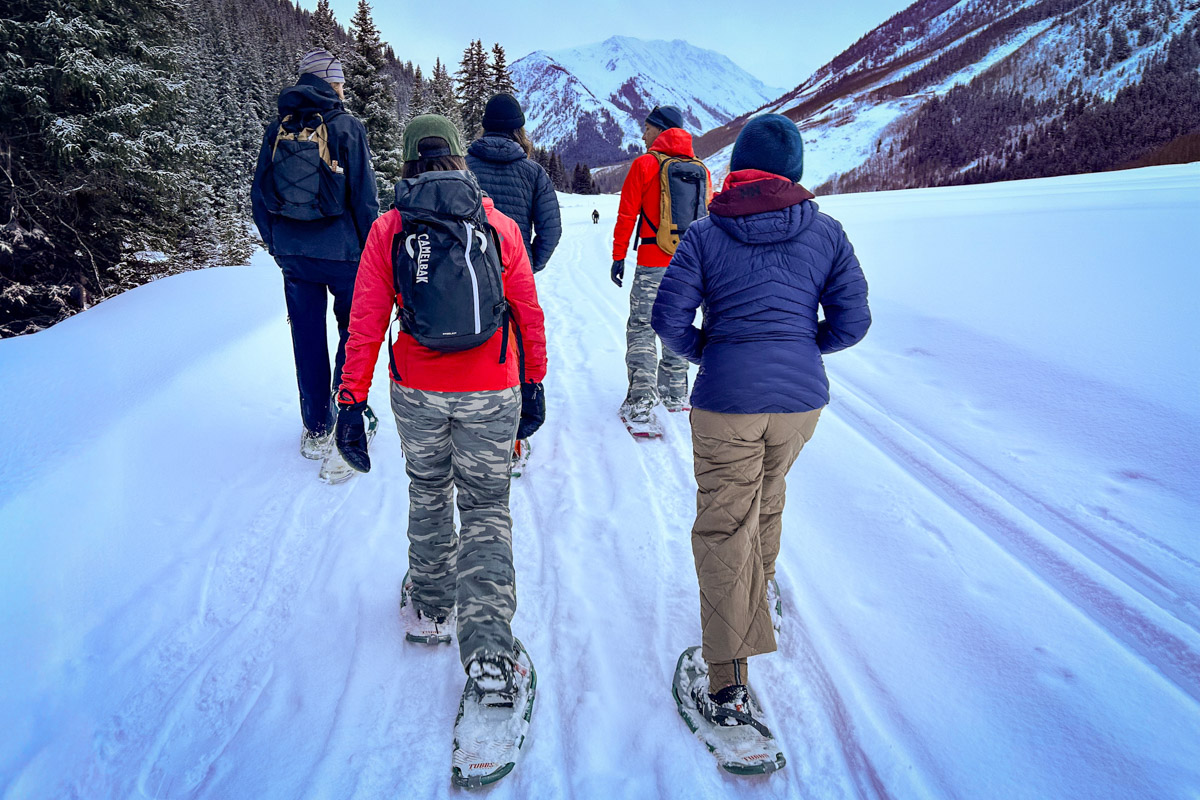
Snowshoeing is the ultimate way to access winter landscapes, but a bad pair of shoes can turn a hike into a grueling slog. To identify the best snowshoes of 2026, we spent 200 miles in the San Juan Mountains and the Pacific Northwest testing 11 models across every conceivable condition. Led by a team of professional guides and backcountry instructors, our testing methodology focused on quantitative performance metrics, such as lateral stability on 35-degree slopes and the long-term durability of binding systems in temperatures dropping to -5 F.
We didn't just walk on groomed paths. We evaluated how different pivot mechanism designs impacted stride efficiency and how various toe crampons performed on wind-swept ice. We paid close attention to weight distribution across different frame shapes to determine if specialized rockered shape designs truly reduced fatigue. Whether you are after backcountry snowshoe features for steep terrain or need a simple snowshoe sizing guide to get started, our field-testing data provides the foundation for these recommendations.
Best Snowshoes for Trail Hiking & Beginners
For most people, winter recreation happens on established paths, summer hiking trails, or flat meadows. The needs of a trail hiker differ significantly from those of a technical climber. You want a shoe that is easy to put on, durable enough to handle occasional rocks or roots, and provides enough traction for rolling hills without being overkill.
MSR Evo Trail
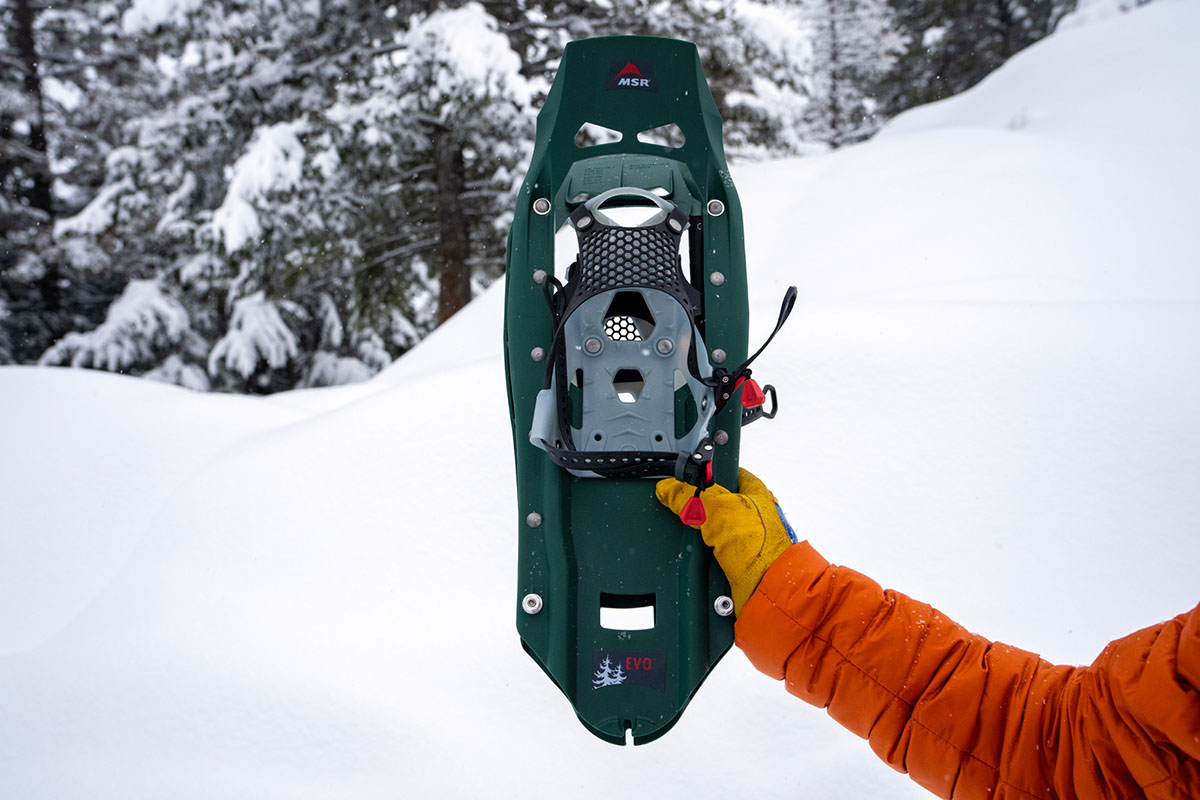
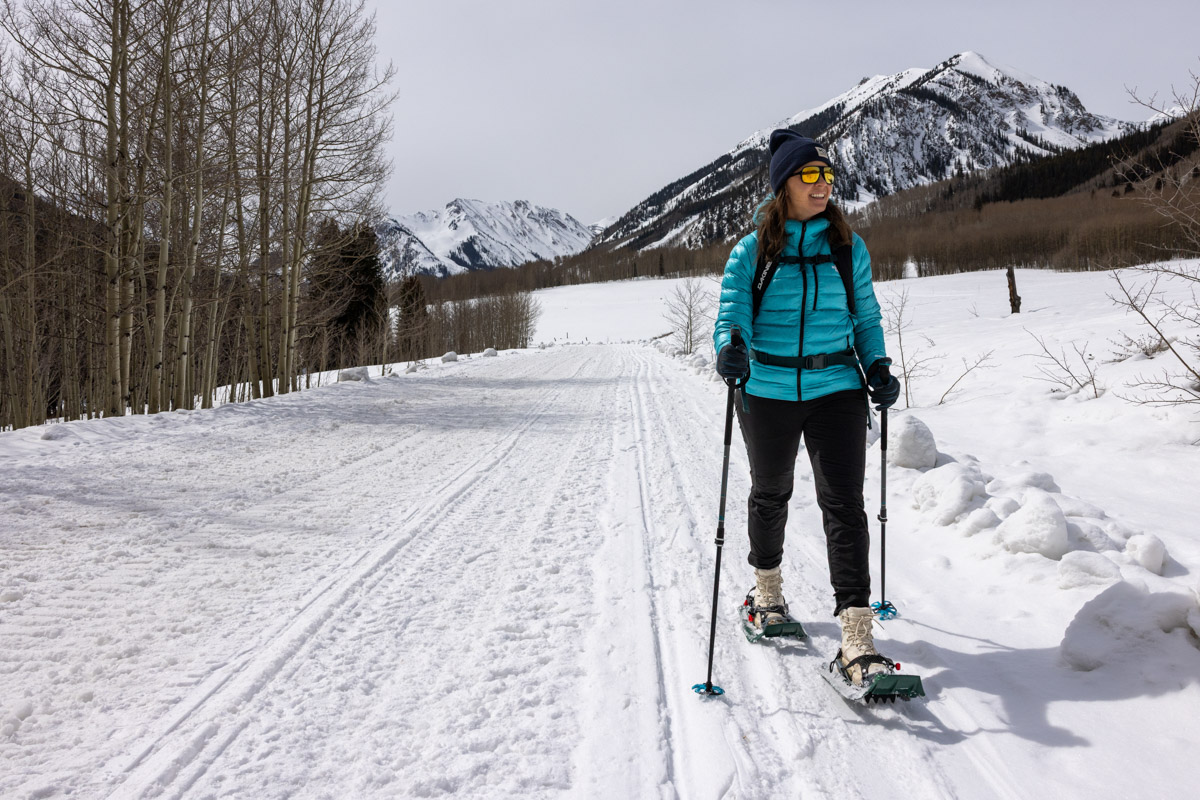
The MSR Evo Trail is our gold standard for recreational use. Its UniBody plastic deck is nearly indestructible and provides a natural flex that works well on hardpack snow.
- Weight: 3 lbs 10 oz
- Terrain: Trail / Rolling
- Binding: DuoFit
- Pros: Incredible durability; simple binding; affordable price point.
- Cons: No heel lifts on the base model (available on Evo Ascent); can be noisy on crusty snow.
Atlas Helium Trail
This model is exceptionally lightweight thanks to its composite deck. It uses a simple pull-tab binding that is the easiest to operate with heavy mittens. The rockered shape of the tail allows for a more natural gait, preventing the "clung-clung" feeling of heavier frames.
Retrospec Drifter
If you are looking for trail snowshoe recommendations that won't break the bank, the Drifter is the best budget snowshoes for beginners. It features a traditional aluminum frame and a functional quick-pull binding. While it lacks the aggressive bite of more expensive models, it is more than sufficient for flat, snowy walks in the park.
Best Backcountry & Technical Snowshoes
When the terrain gets steep and icy, your gear becomes safety equipment. Technical snowshoes require aggressive traction and stability features that a standard trail shoe simply cannot provide. The global snowshoe market was valued at approximately 1.063 billion USD in 2024 and is shifting toward these more technical, high-performance designs as backcountry exploration grows in popularity.
MSR Lightning Ascent
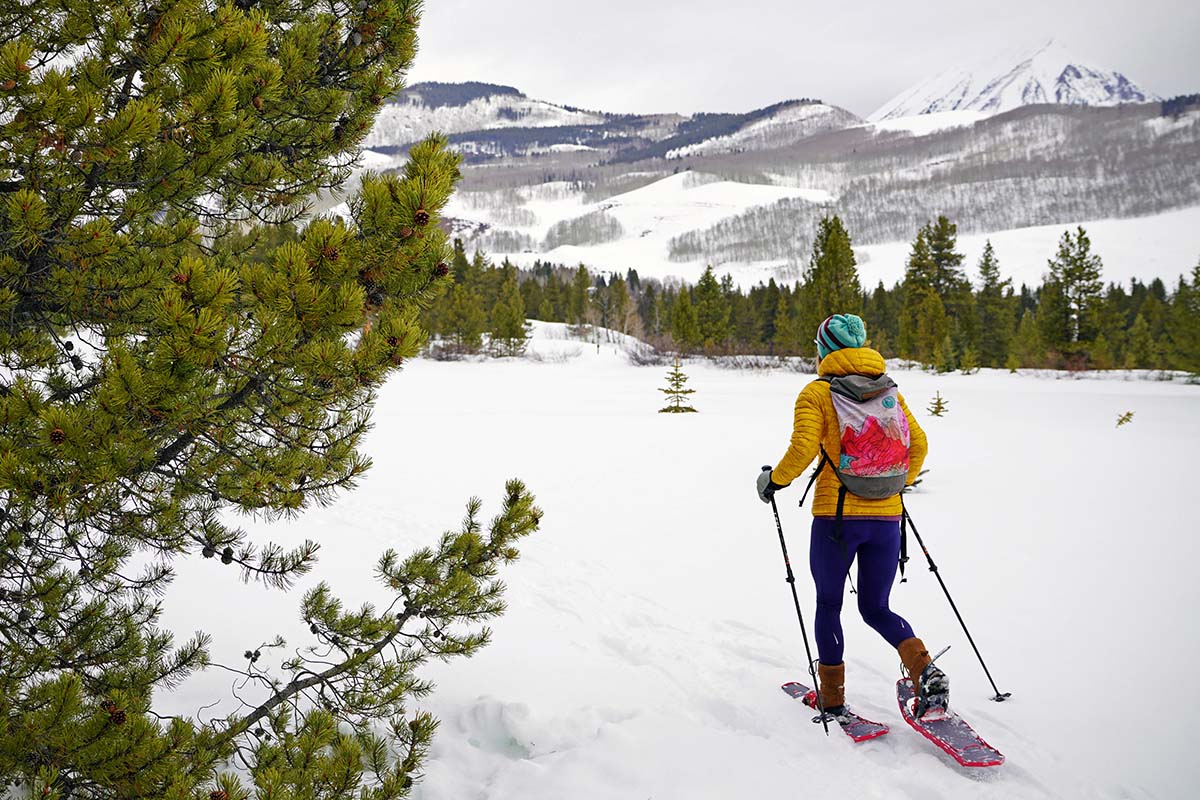
The Lightning Ascent is widely considered the pinnacle of backcountry snowshoe design. Unlike traditional shoes with a tube frame, the Lightning uses a 360-degree traction frame made of laser-cut aluminum. This provides unparalleled lateral stability when you are side-hilling across a steep slope.
The inclusion of aggressive toe crampons and two longitudinal traction rails ensured we didn't slip even on frozen crust. It also features the Paragon binding, which uses a mesh strap that conforms to any boot without creating pressure points.
Tubbs Flex VRT
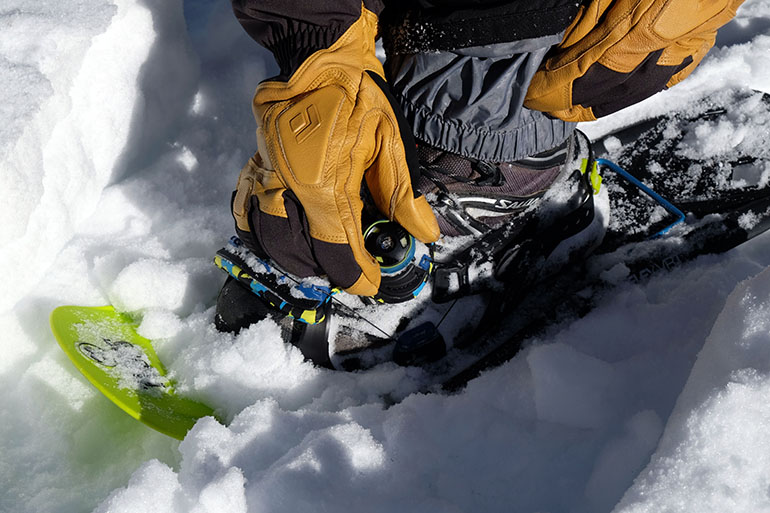
The Tubbs Flex VRT 29-inch model is engineered for all-mountain and technical terrain, supporting a maximum recommended weight load of 250 pounds. Its standout feature is the Boa closure system. With a few clicks of the dial, the shoe is securely fastened to your boot, providing a precision fit that is hard to match with traditional straps.
Vertical Efficiency
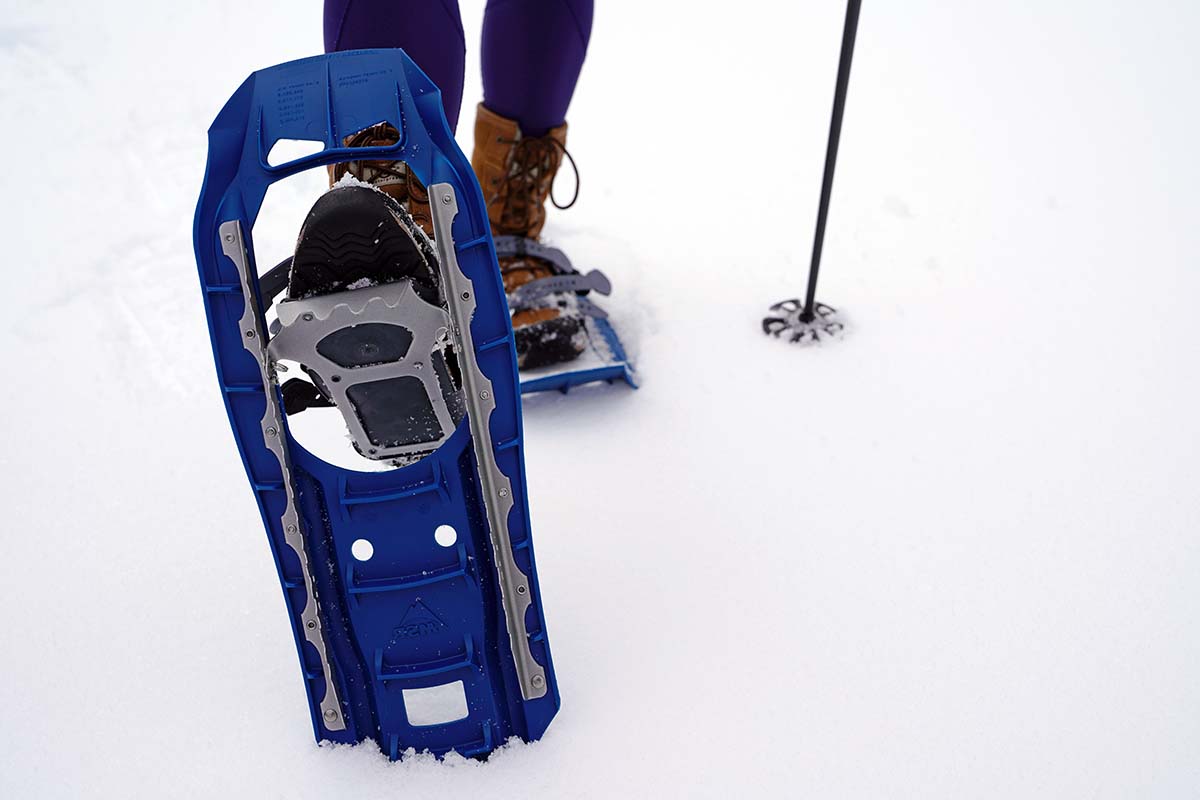
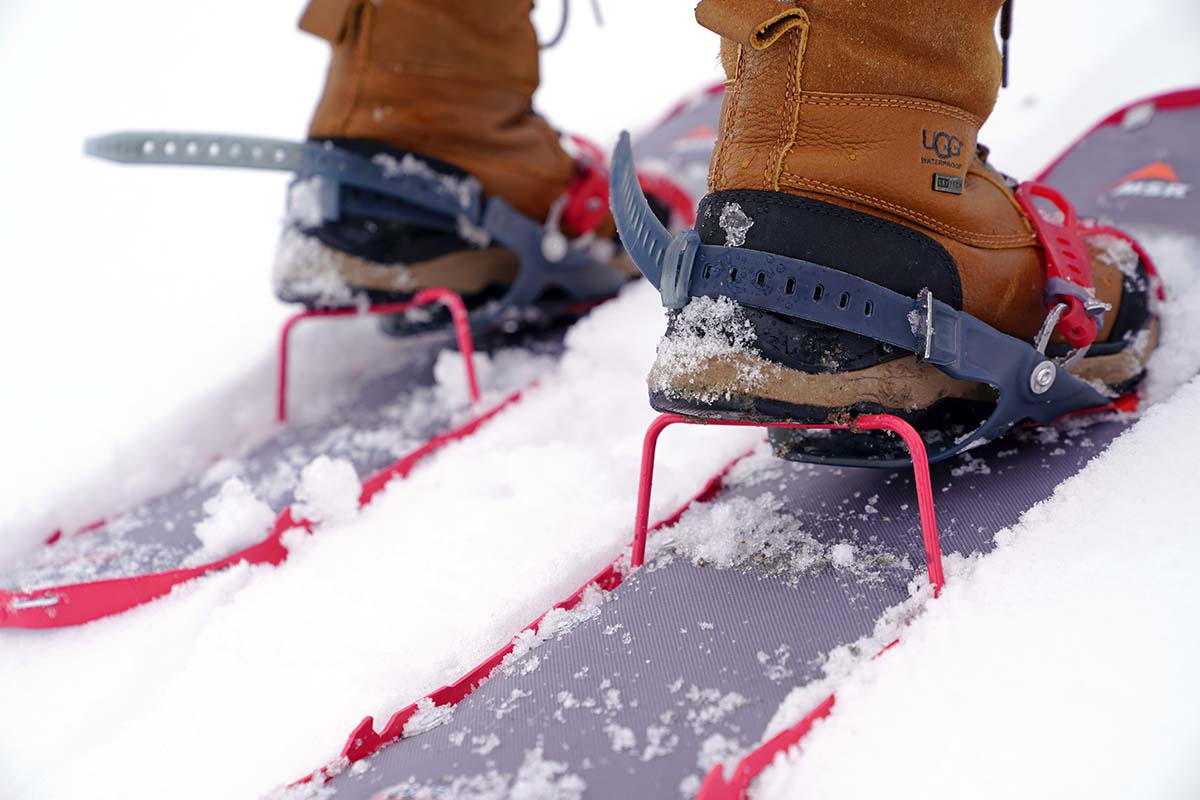
One of the most critical backcountry snowshoe features for steep terrain is the heel lift. These are small wire bars that you flip up under your heel while climbing. The benefits of snowshoe heel lifts for climbing are immense; by keeping your foot in a level position while the shoe is angled up the slope, you significantly reduce calf fatigue and increase traction by pushing your weight directly into the snow.
Best High-Flotation Snowshoes for Deep Powder
If you live in an area with frequent "champagne powder" or if you are often the one breaking trail for a group, you need surface area. Postholing—the exhausting act of sinking deep into the snow with every step—is the enemy of winter fun. The best snowshoes for powder prioritize weight distribution to keep you on top of the snowpack.
The Tubbs Mountaineer is our top pick for this category. Available in lengths up to 36 inches, it offers the massive surface area required to support a heavy hiker plus a multi-day pack. We recommend snowshoes for deep powder and flotation that utilize a traditional aluminum frame and a large, flexible deck to maximize the "barge" effect. Keep in mind that while a 36-inch shoe prevents postholing, it is much harder to maneuver in tight trees or on technical terrain.
Best Women's Specific & Specialized Snowshoes
Designing for a natural gait is essential for comfort during long days on the trail. Many manufacturers now offer women-specific models. These are more than just a different color; best women's specific snowshoes features include a tapered, narrower frame that prevents the shoes from bumping together if you have a narrower stance.
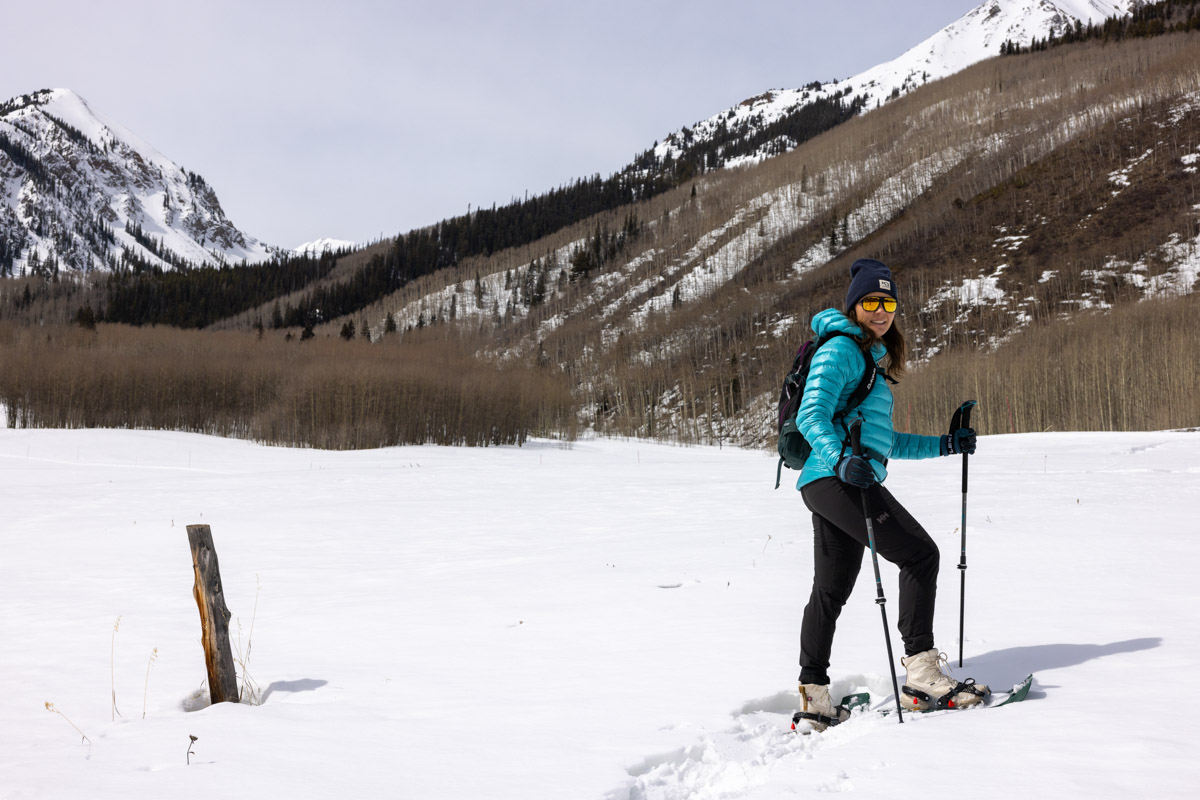
For those who want to move fast, the TSL Symbioz Hyperflex Racing is a revelation. These are extremely lightweight and feature a hyper-flexible frame that mimics the natural movement of the foot. It is designed specifically for winter running and competitive racing, sacrificing some flotation for pure speed and weight reduction.
Snowshoe Sizing Guide: Finding Your Perfect Fit
Choosing the right size is arguably more important than choosing the right model. A snowshoe sizing guide for body weight and gear is based on your "total load." This means you must add the weight of your body, your winter clothing, and your fully loaded backpack before looking at a size chart.
As a general rule:
- 22-25 inches: Ideal for loads up to 180-200 lbs. These offer the best maneuverability for groomed trails and hardpack.
- 26-30 inches: Good for loads up to 250 lbs or for moderate powder conditions.
- 30+ inches: Required for loads over 250 lbs or for breaking trail in deep, light powder.
Remember that a smaller shoe is always easier to walk in. If you plan to stay on packed trails 90% of the time, our snowshoe sizing guide suggests skewing toward a shorter, more agile model even if you are near the upper weight limit.
Necessary Accessories: Beyond the Shoes
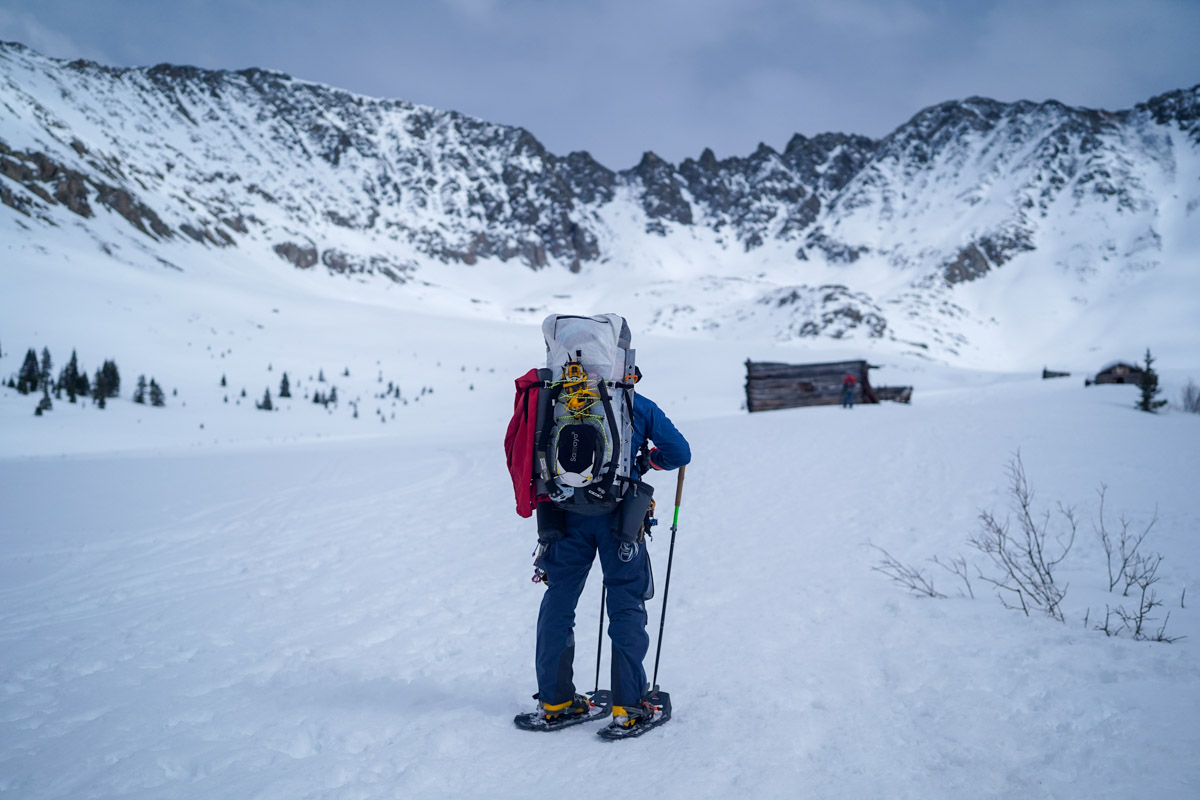
Your experience on the snow is only as good as your supporting gear. Even the best snowshoes won't help if your boots are soaking wet or you keep losing your balance.
Trekking poles are not optional for most snowshoers. They provide lateral stability when navigating uneven ground and help you maintain momentum on climbs. Ensure your trekking poles have large snow baskets so they don't sink into the powder. Additionally, a good pair of winter gaiters is essential to keep snow out of your boots, especially when you are in deep conditions where the snow level is higher than the top of your footwear.
The Competition & Exclusions
While the market is flooded with options, several popular models didn't make our top 11. For instance, many entry-level "big box" snowshoes utilize a simple rubber pivot mechanism that lacks a stop-point, allowing the tail of the shoe to flip up and spray snow onto the back of your legs. Others failed our durability tests when the Boa closure system iced over and became impossible to adjust in the field.
We also excluded several models that prioritized "comfort" over traction. While a soft, foam-based shoe like the Crescent Moon Eva is incredibly comfortable for a stroll on a flat golf course, it lacks the toe crampons necessary for safety on even a moderate incline. Our focus remains on versatile snowshoes that can handle a variety of real-world winter terrains.
FAQ
How do I choose the right snowshoes for my weight?
You should select a size based on your total weight including gear. Check the manufacturer's weight rating for each length; generally, larger surface areas are needed for heavier loads to prevent sinking in soft snow.
What are the different types of snowshoes for various terrains?
There are three main categories: trail hiking snowshoes for flat terrain, all-mountain snowshoes for rolling hills, and backcountry/mountain snowshoes for steep, technical, or icy terrain.
How do I know what size snowshoes to get?
Consult a snowshoe sizing guide and consider the snow conditions. Shorter shoes (22-25 inches) are better for packed trails, while longer shoes (30 inches or more) are necessary for deep powder flotation.
Do you need poles when snowshoeing?
Poles are highly recommended for balance and stability, especially in deep snow or on uneven terrain. They help distribute your weight and make the activity much more efficient.
What is the difference between mountain and trail snowshoes?
Mountain snowshoes feature aggressive traction such as side rails and heel lifts for climbing, whereas trail snowshoes are lighter with simpler traction focused on flat or gently sloping packed snow.