Quick Facts
- Duration: Ideally 4 weeks for a full loop to cover both the coast and inland mountains.
- Best Time to Visit: July through September ensures the most reliable access to high-elevation points in the Cascade Range.
- Booking Strategy: Reservations for state sites open exactly 6 months out at 6:00 AM PT; competition is fierce for peak weekends.
- Permit Hierarchy: A combination of the America the Beautiful Pass and the Oregon Pacific Coast Passport is the most cost-effective path.
- Visitor Volume: The Oregon state park system recorded a record-breaking 53.85 million day-use visits in 2024.
- Nightly Capacity: During peak season, the network can accommodate as many as 17,000 campers per night.
Embarking on an Oregon park road trip is the ultimate way to experience the wild beauty of the Pacific Northwest. From the rugged basalt sea stacks of the coast to the volcanic caldera of Crater Lake, this guide provides everything you need for a 4 week Oregon park road trip itinerary.
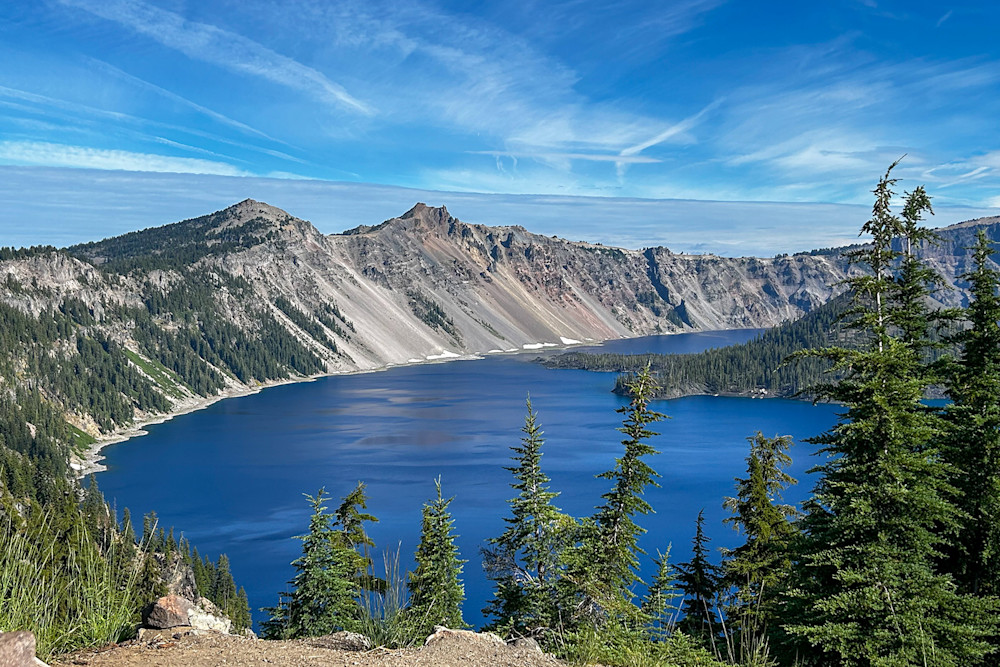
We have spent years navigating the winding corridors of the 101 and the high elevations of the Cascades. What makes this region unique isn't just the sheer number of parks, but the vast ecological diversity found within a single day’s drive. You can wake up in a temperate rainforest surrounded by ferns and be setting up camp in a volcanic high desert by sunset. However, as the popularity of these landscapes grows, the logistical challenge of securing a spot has increased. Whether you are a weekend warrior or exploring via digital nomadism, success requires a blend of early planning and the flexibility to pivot when the weather or seasonal road closures intervene.
Mastering the Logistics: Booking and Permits in 2026
The backbone of any successful Oregon park road trip is the booking strategy. For most state parks, the window opens 180 days in advance. We recommend hitting the website by 5:55 AM PT to be ready for the 6:00 AM refresh. In 2026, the state is implementing more nuanced tiered cancellation policies, meaning that last-minute spots do open up, but you will need to be diligent about checking for same-day cancellations. If you missed the window, look for first-come-first-served options in less populated central areas or consider private Hipcamp sites near the busier corridors.
Understanding the legalities of where you can rest is also critical for those leaning into van life logistics. Unlike some neighboring states, Oregon has a strict 12-hour limit at highway rest areas, which is slightly more generous than Washington’s 8-hour rule but still requires moving on daily. For permits, don't buy them piecemeal. The $80 America the Beautiful Pass covers all federal sites, including Crater Lake and various trailheads within the National Scenic Area of the gorge.
2026 Permit Checklist
- Federal: America the Beautiful Pass (National Parks/Forests)
- State: Oregon State Parks 12-month or 24-month parking permit
- Coastal: Oregon Pacific Coast Passport (Covers most federal/state/local coastal fees)
- Specific: Northwest Forest Pass (If you don't have the Federal pass)
The Coast: Basalt Sea Stacks and Shoreline Campgrounds
The Oregon coast is a theater of geological drama, where the Pacific Ocean relentlessly carves into the dark volcanic rock. Coastal destination parks are the state's most popular for overnight stays, accounting for 62% of all camper nights statewide. This high demand means the best Oregon road trip stops like Fort Stevens and Harris Beach require early action.
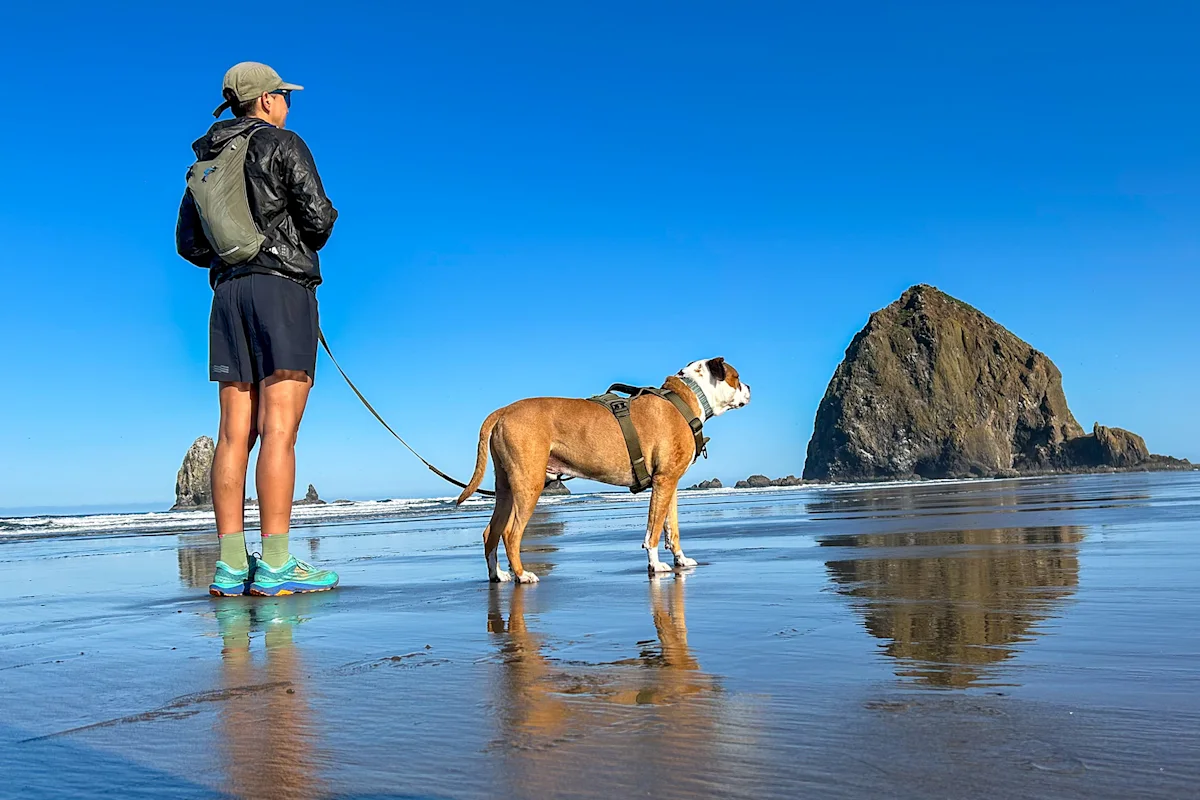
When searching for the best Oregon coast state park campgrounds, consider your desired vibe. Fort Stevens offers history with its Peter Iredale shipwreck and massive network of paved bike trails. Further south, Harris Beach State Park provides some of the best views of basalt sea stacks directly from the campground. For those seeking solitude, the 4.5-mile hike-in to the primitive sites at Tillamook Head offers a raw experience away from the RV crowds. Along your drive, keep an eye out for dog friendly hiking trails in Oregon parks; many beach-adjacent trails allow pups on-leash, though you should always practice Leave No Trace principles to protect the delicate tide pool ecosystems.
Inland Adventure: The Columbia River Gorge and High Desert
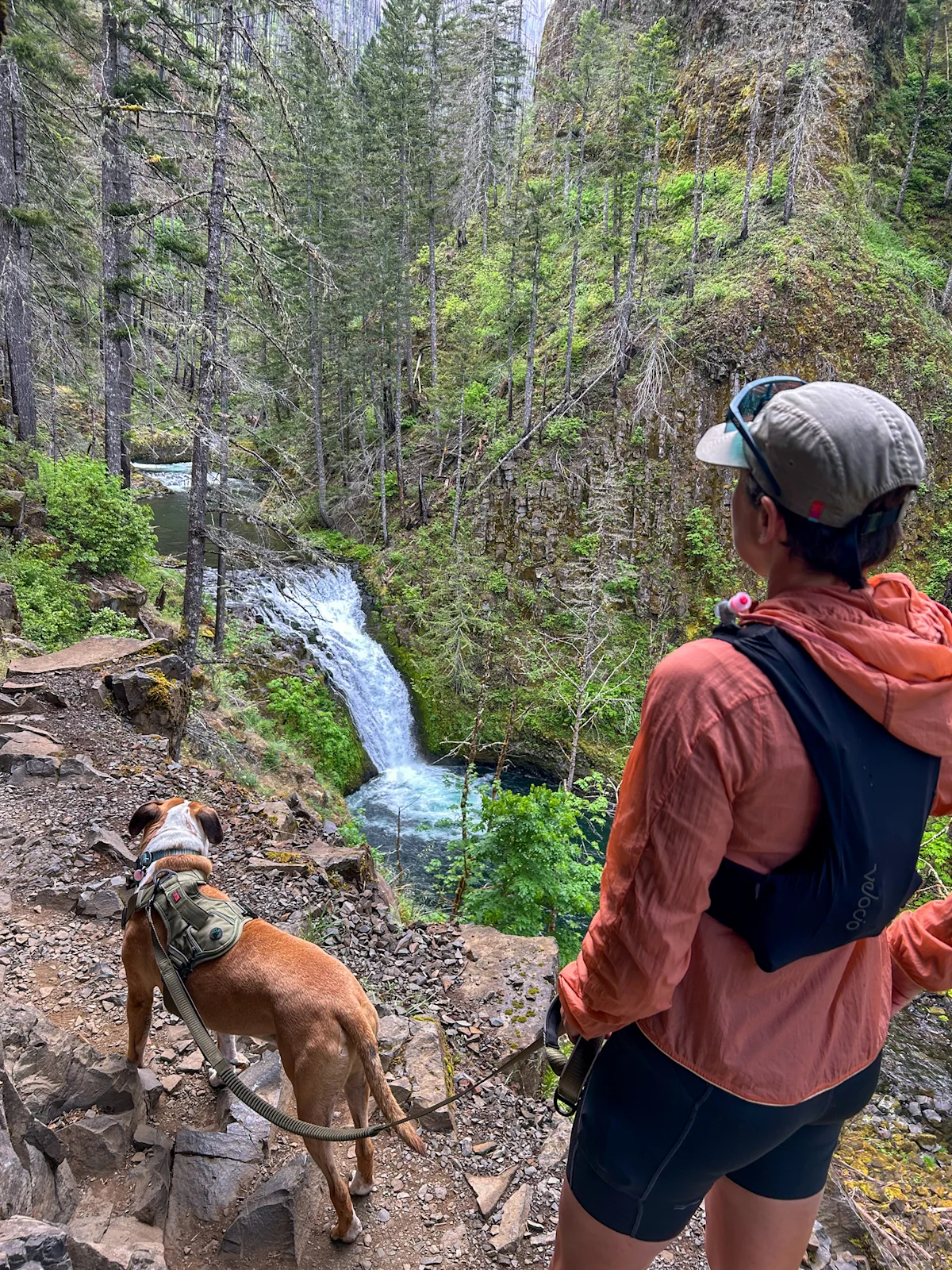
Moving inland, the landscape shifts from salty mist to moss-draped canyons. The Columbia River Gorge waterfall hiking guide always starts with Multnomah Falls, but for a scenic Oregon hiking road trip, we suggest pushing further east. While Multnomah requires a timed entry permit during peak months, trails like Eagle Creek or the route to Tunnel Falls offer a more immersive experience without the highway noise.
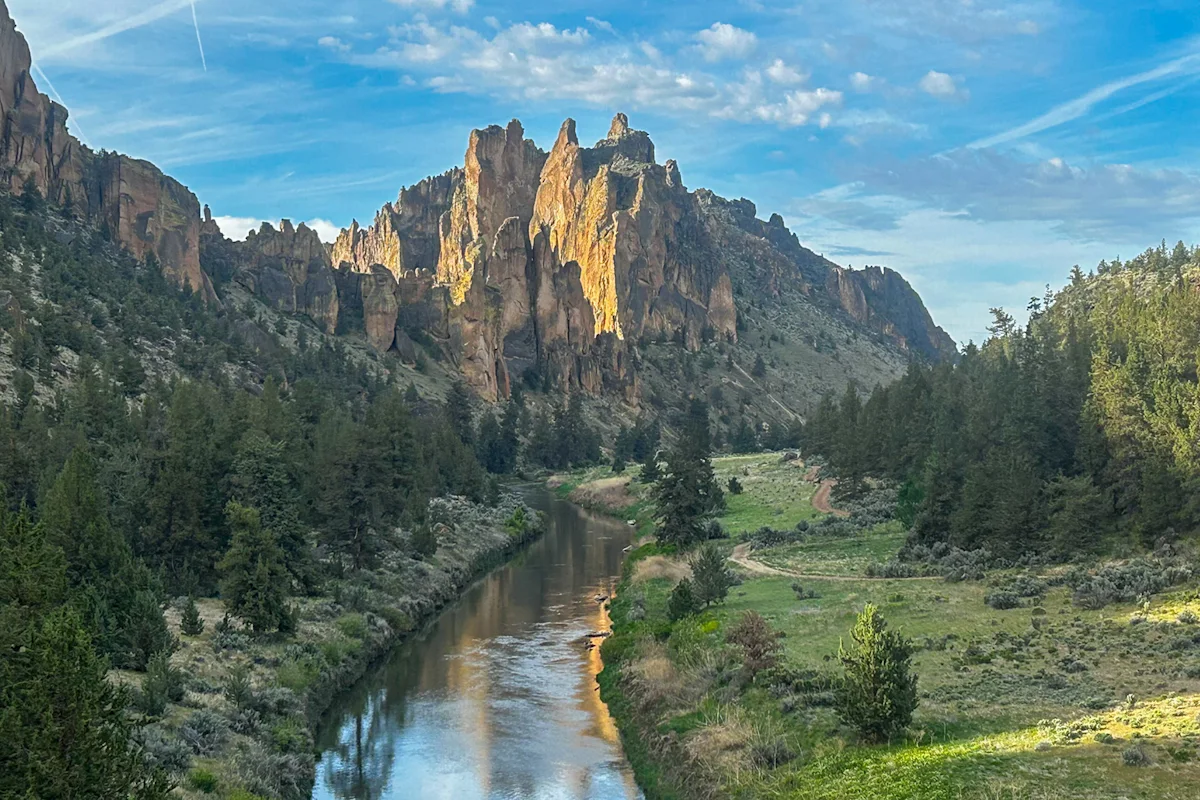
As you cross the Cascade Range, the green fades into the golden hues of the High Desert. This is the realm of Smith Rock State Park, a cathedral of tuff and basalt that serves as a global hub for rock climbing. The iconic Misery Ridge loop is a mandatory stop; the climb is steep, but the view of the Crooked River snaking through the valley is unparalleled. This region is also a favorite for those balancing work and travel, as the town of Bend offers high-speed connectivity and excellent breweries to recharge after a day on the trails.
The Crater Lake Experience: 2026 Strategy
No Oregon park road trip is complete without visiting the deepest lake in the United States. Formed by the collapse of Mount Mazama thousands of years ago, the lake sits inside a massive volcanic caldera. The water is an impossible shade of blue, reaching depths of 1,943 feet (measured precisely, though often rounded to 2,148 feet in local lore regarding the physical basin).
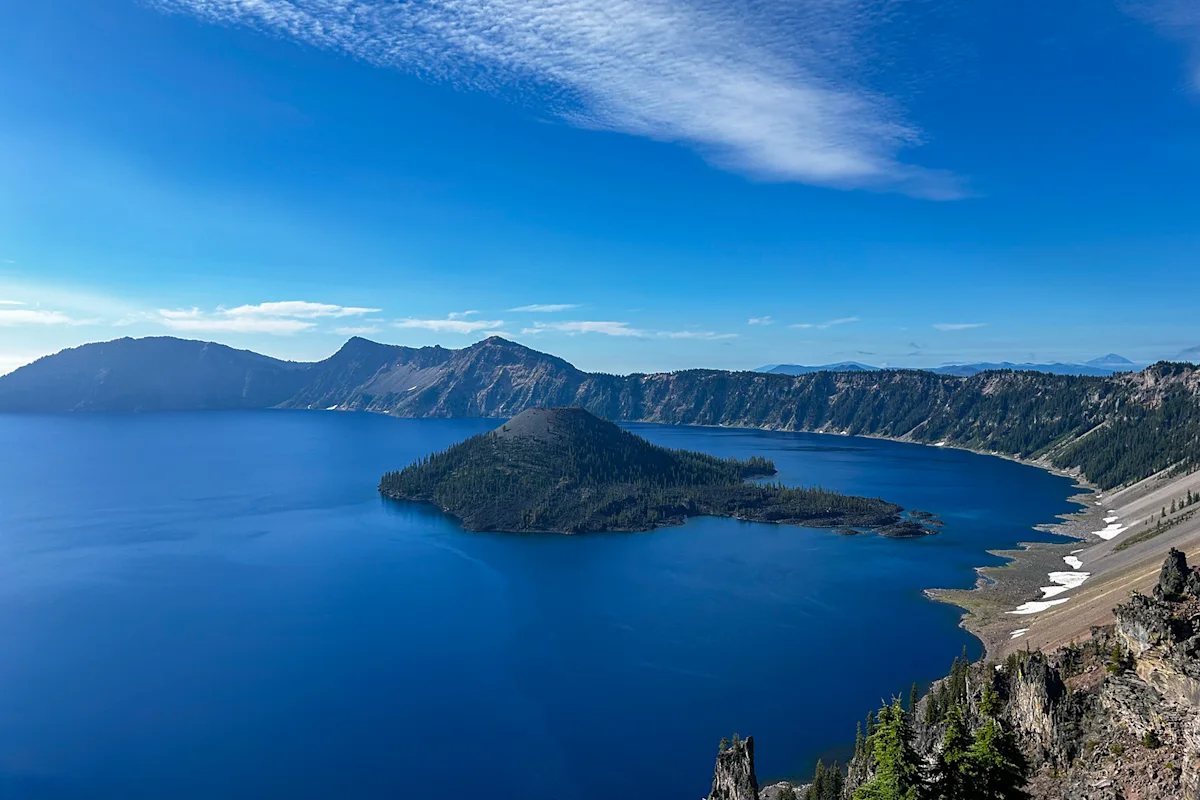
2026 Status Update: Due to major reconstruction projects, the Cleetwood Cove trail—the only legal access to the lakeshore—will be closed for the 2026 season. Boat tours will not be operating. Visitors should focus on the Rim Drive and the various overlooks, as lakeshore access will be strictly prohibited for safety.
Because the park’s developed campgrounds fill up months in advance, your camping strategy near Crater Lake National Park should involve a mix of options. Union Creek, located just outside the park boundaries in the Umpqua National Forest, offers a beautiful forest setting. Alternatively, for those with self-contained rigs, there are numerous spots on BLM land south of the park near Fort Klamath. Be mindful of seasonal road closures; parts of the Rim Drive often remain under snow until July.
Van Life Logistics: Remote Work and Packing
Preparing for a long-haul journey through Oregon means packing for two different climates. The coast can be damp and 55°F while the High Desert is a scorching 90°F. When packing for multi month Oregon road trip, focus on high-quality synthetic layers and a reliable rain shell. Digital nomads should invest in a Starlink setup or a powerful cellular booster, as the deep canyons of the Cascades are notorious dead zones.
We also recommend building in "buffer days" for your van life logistics. Public laundry and grocery re-supplies are easiest in hubs like Newport, Astoria, Bend, and Klamath Falls. By pacing yourself and not trying to see every single waterfall in a single week, you allow for the spontaneous discoveries—like a hidden hot spring or a roadside berry stand—that make a 4 week Oregon park road trip itinerary truly memorable.
FAQ
What are the best state parks in Oregon for a road trip?
Beachfront parks like Silver Falls State Park (known for its Trail of Ten Falls) and Smith Rock State Park are widely considered the gold standard. For coastal enthusiasts, Fort Stevens and Harris Beach offer the best blend of amenities and natural beauty.
Is an Oregon state park pass worth it?
Yes, if you plan to visit for more than five days. A day-use permit is typically $5 per vehicle, while a 12-month pass is $30. If you are doing a full road trip, the pass pays for itself within the first week.
Which national parks are located in Oregon?
Oregon is home to one official National Park, Crater Lake. However, it also features numerous other National Park Service units, including Lewis and Clark National Historical Park and the John Day Fossil Beds National Monument.
How much does it cost to camp in Oregon state parks?
Prices vary by site type and season. Tent sites usually range from $17 to $25 per night, while RV sites with hookups cost between $30 and $45. Some premium coastal sites may be slightly higher.
Are dogs allowed in Oregon state parks?
Yes, Oregon is very pet-friendly. Dogs are allowed in campgrounds and on most trails but must be kept on a leash no longer than six feet. Some parks even offer off-leash exercise areas.
What are the must-see stops on an Oregon road trip?
You cannot miss the basalt sea stacks at Cannon Beach, the waterfalls of the Columbia River Gorge, the towering walls of Smith Rock, and the blue depths of Crater Lake. For a unique coastal experience, visit the Oregon Dunes National Recreation Area.