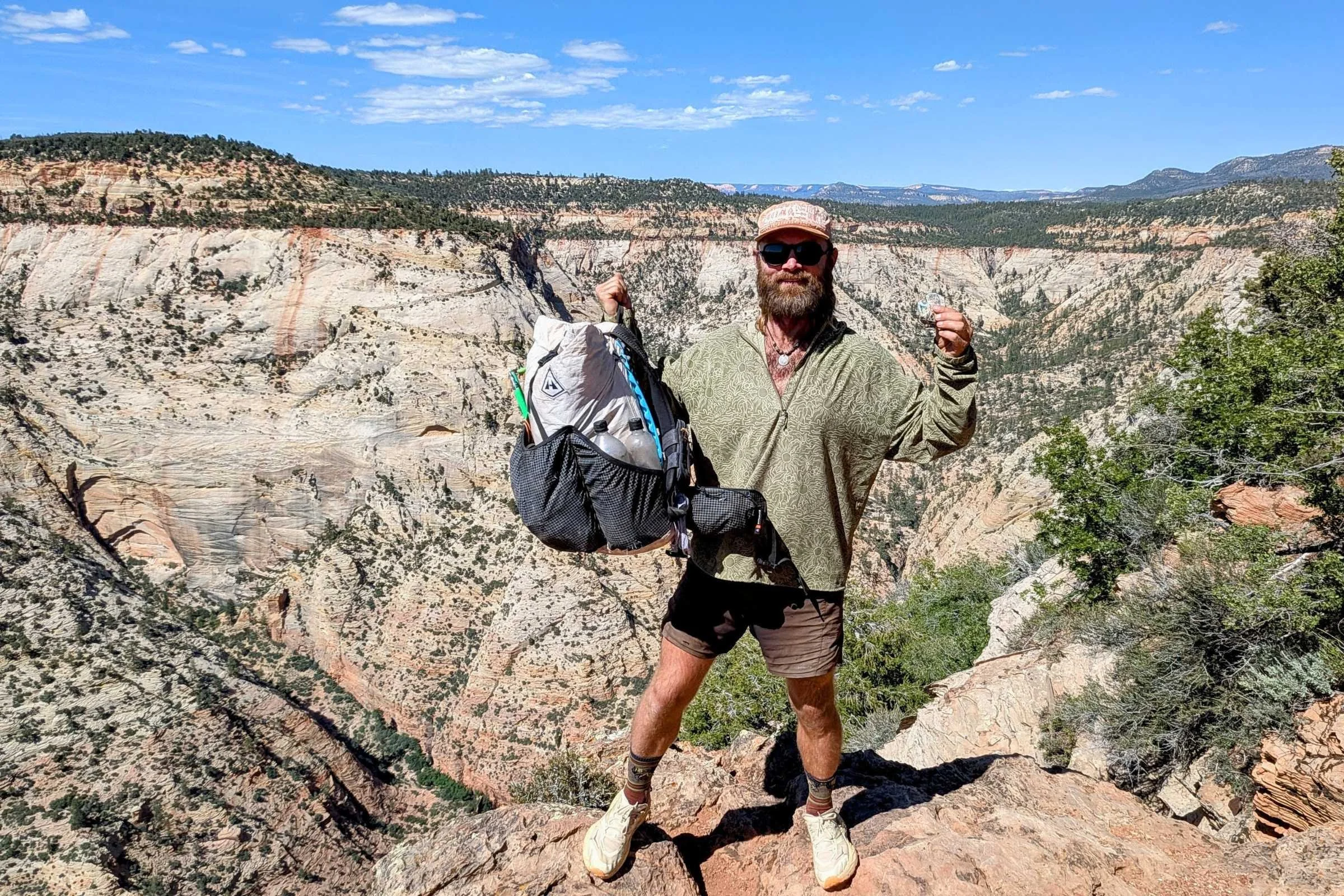
Quick Facts
- Distance: Approximately 812-mile long-distance backpacking route
- Terrain: Primarily off-trail cross-country traversing the Colorado Plateau from Arches to Zion
- Permits: Mandatory for camping within 6 different National Parks
- Base Weight Target: 10-20 lbs for optimal efficiency
- Elevation Range: From 1,800 feet in the Grand Canyon to 11,419 feet atop Mount Ellen
- Key Hazard: Complete lack of marked trails and scarce water sources
- Duration: A full thru-hike typically takes approximately two months to complete
The Hayduke Trail is an 850-mile backcountry route traversing the Colorado Plateau from Arches National Park to Zion National Park. It is primarily an off-trail journey through remote canyons and slickrock terrain, requiring advanced cross-country navigation skills, route-finding ability, and topographic map reading. This 2026 guide covers the essential kit needed for its off-trail challenges, from ultralight backpacking hayduke trail setups to critical water management strategies.
Material Science: Why Alpha Direct and Dyneema Matter
When you are deep in the canyon systems of southern Utah, your gear faces a unique set of stressors. On one hand, you need the lightest possible kit to handle the vertical gain and long water carries. On the other hand, the high-desert environment is notoriously abrasive. This is where modern material science becomes a game-changer for the hayduke trail.
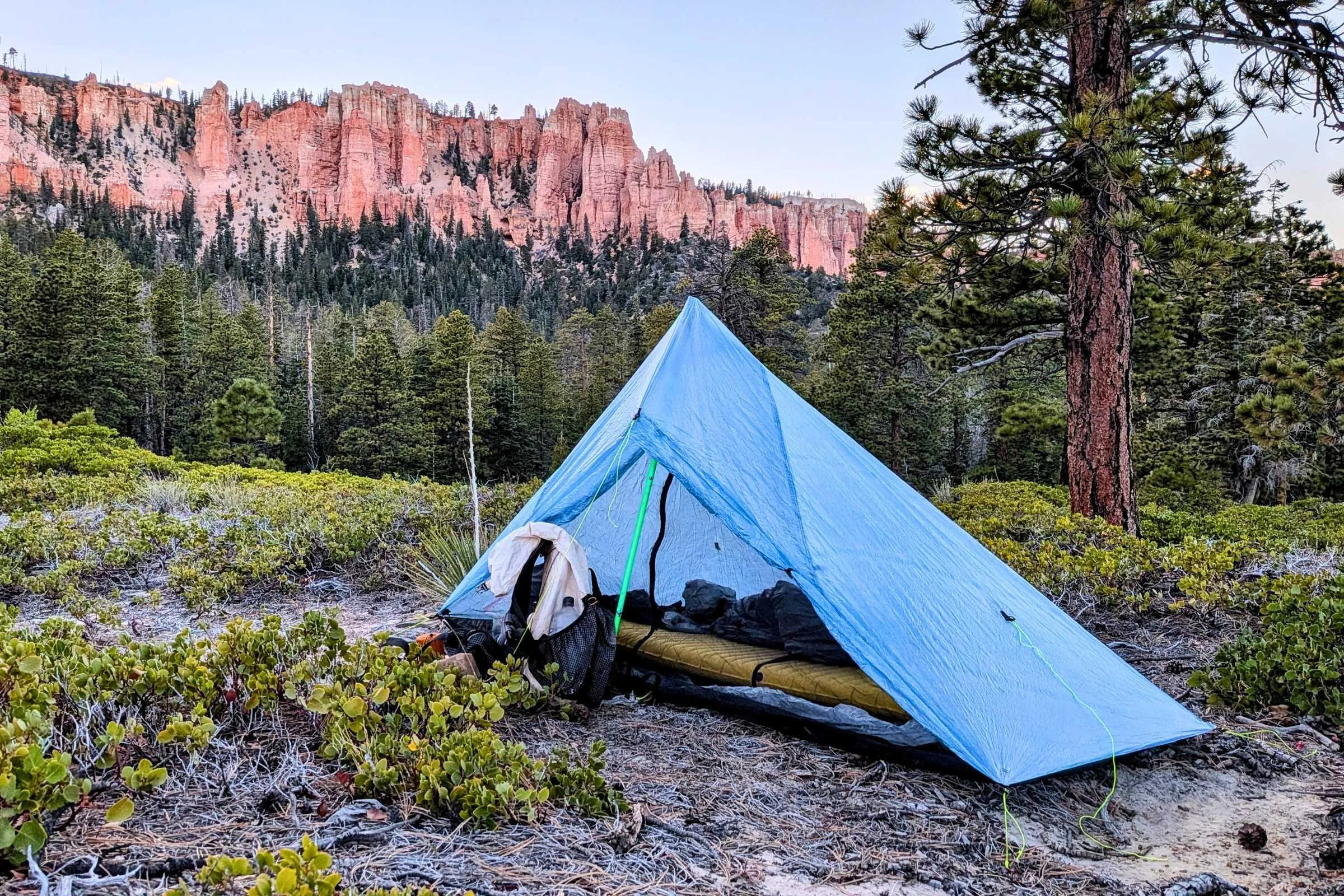
We recommend focusing on advanced gear materials that offer a high warmth-to-weight ratio and superior wind resistance. Dyneema composite fabric has become the gold standard for shelters on this route. While it is more expensive than traditional silnylon, its ability to remain taut during the intense wind-swept sessions on high mesas is invaluable. Furthermore, it does not absorb water, which is a major benefit during those rare but heavy desert deluges.
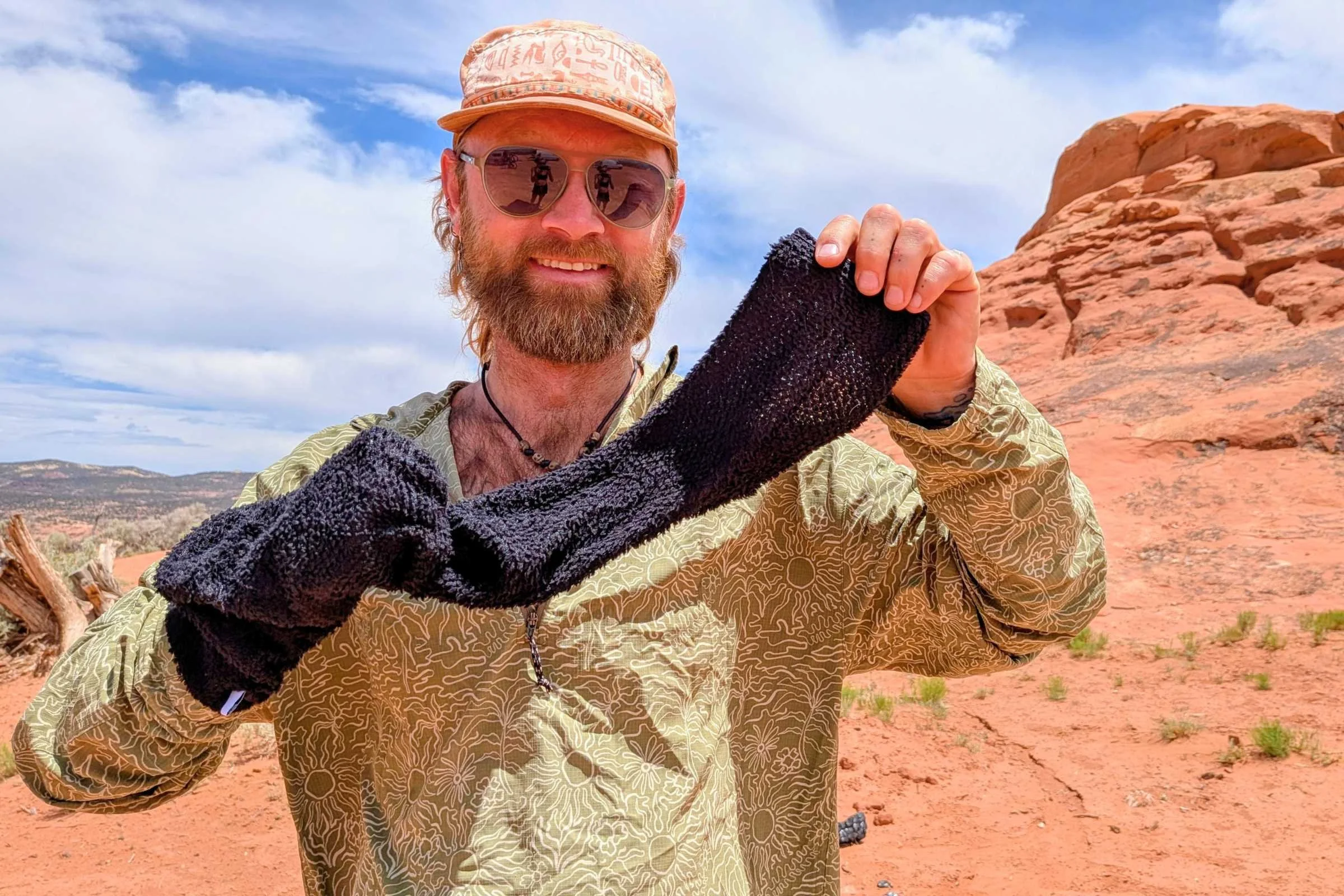
For insulation, Alpha Direct insulation is a revolutionary choice for the temperature swings of the hayduke trail. Unlike traditional fleece or down, Alpha Direct provides exceptional breathability while you are moving through chilly morning slot canyons, yet it retains heat effectively when layered under a wind shell at camp. Because it is so lightweight and dries almost instantly, it has become a staple in any serious hayduke trail gear list.
| Material | Best Use Case | Benefit |
|---|---|---|
| Dyneema (DCF) | Tents and Dry Bags | Waterproof, zero-stretch, ultralight |
| Alpha Direct | Mid-layer Insulation | High breathability, moisture management |
| Ultra 200/400 | Backpack Main Body | Superior abrasion resistance against sandstone |
| Merino Wool | Base Layers | Odor control for long resupply stretches |
The Big 4: Optimizing the Hayduke Gear List
The "Big 4"—your backpack, shelter, sleep system, and pad—will dictate your comfort and safety. For a hayduke trail thru-hike, we suggest a minimalist approach without sacrificing the durability needed for bushwhacking and slickrock scrambles.
For the backpack, the Durston Kakwa 40 is a top contender for 2026. It balances weight with the ability to carry heavy water loads, which you will inevitably face. Your hayduke trail gear list should also include a floorless shelter or a lightweight trekking pole tent. A floorless pyramid tent made of Dyneema offers the best protection against high winds while saving precious ounces.
Your sleep system needs to handle sub-freezing temperatures, especially in the early spring or late fall when snow can still blanket the higher elevations like Mount Ellen. A 15-degree down quilt is often the sweet spot. Women, in particular, should pay close attention to the comfort ratings of their quilts rather than the limit ratings, as the desert floor can sap body heat rapidly at night.
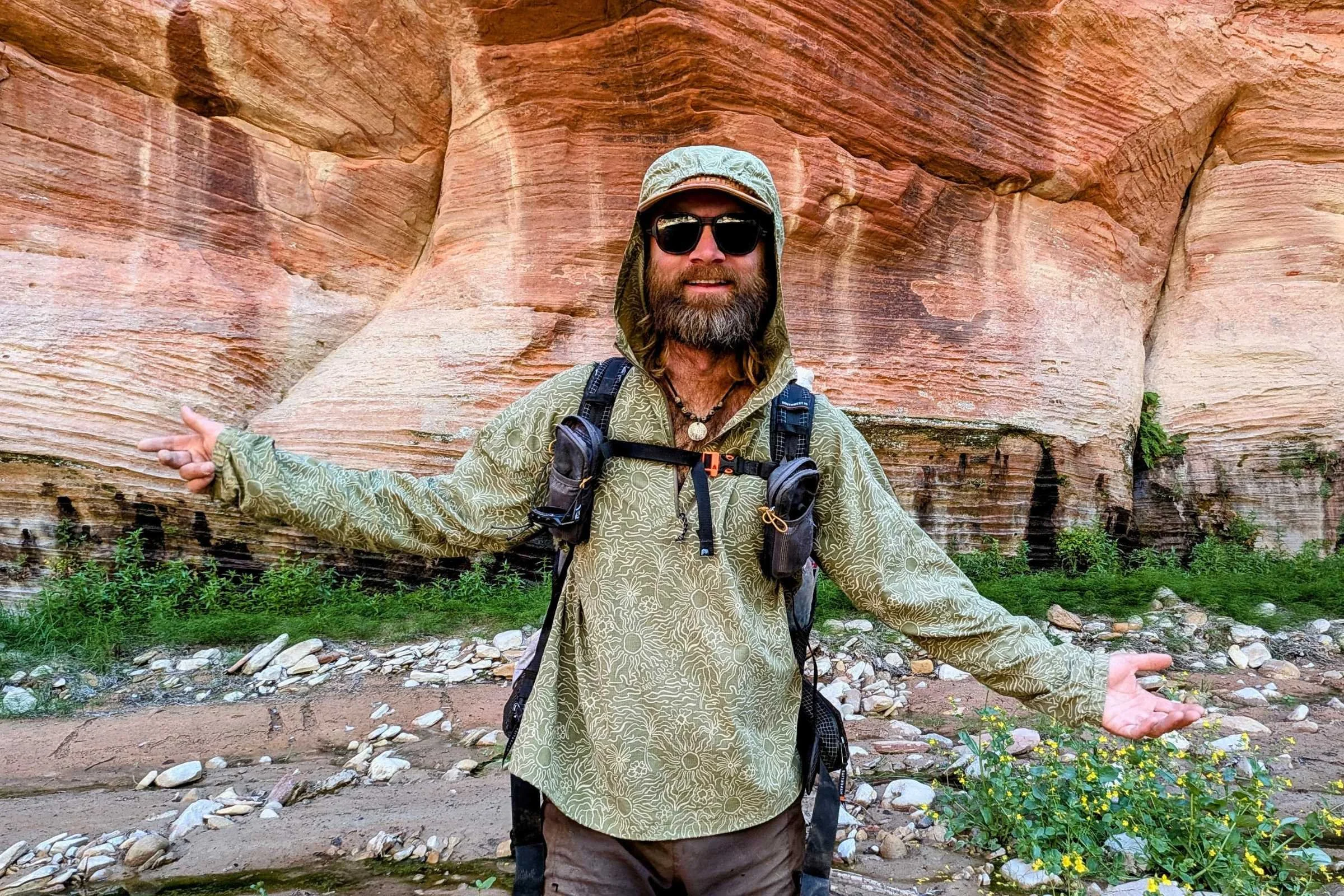
As for footwear, the best shoes for hayduke trail attempts are high-cushion trail runners with aggressive outsoles (like Megagrip) to handle the friction required for steep slickrock. Don't forget sun protection clothing; a breathable sun hoodie is non-negotiable for the exposed mesas where UV rays are unrelenting.
The Navigation Trinity: Map, GPS, and Skill
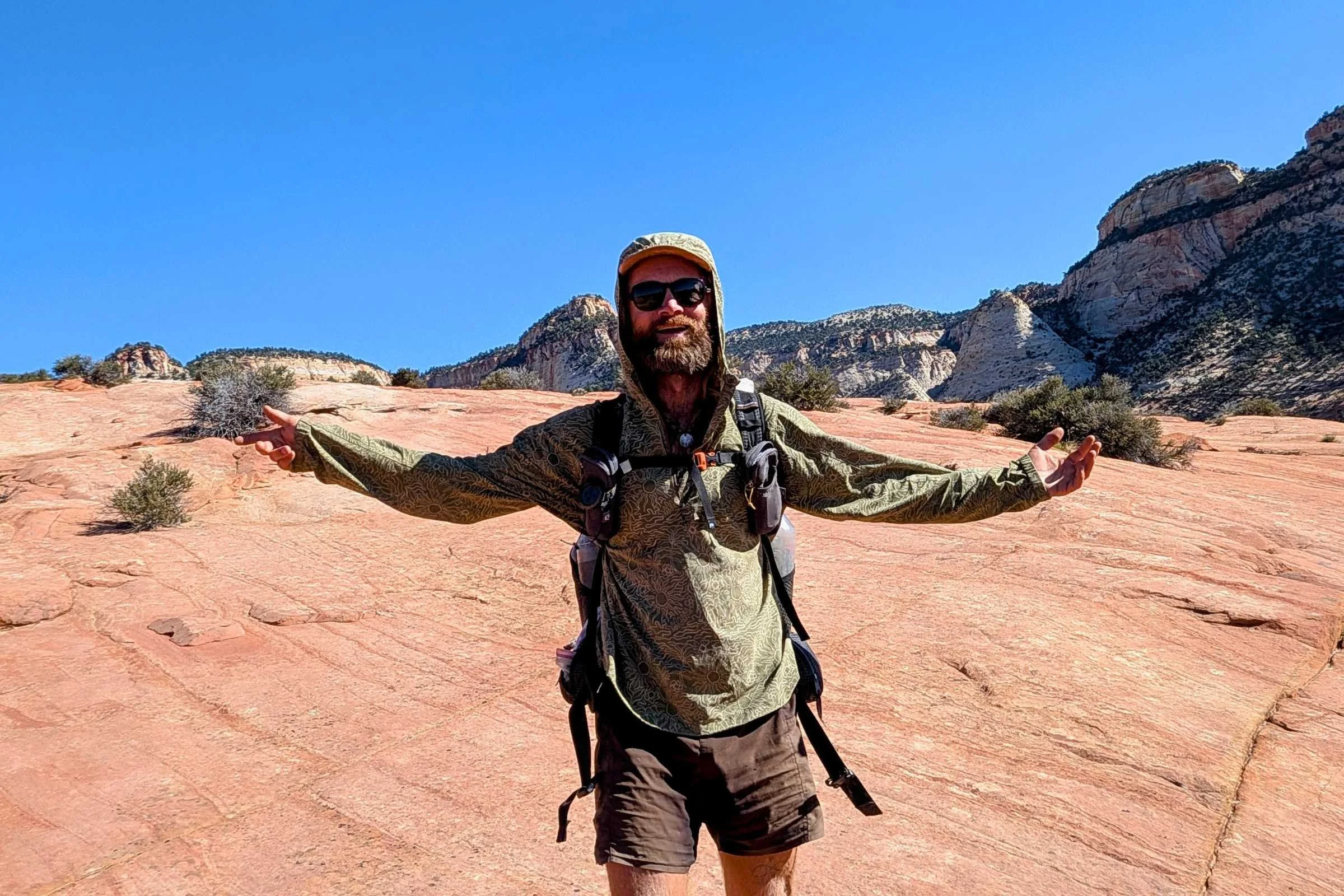
Navigation is the single most important skill for this route. Unlike the Appalachian Trail, there are no white blazes or clear signs here. To successfully navigate the hayduke trail grand canyon sections and the winding canyon systems of the Escalante, you must master the navigation trinity: digital GPS, physical maps, and the intuition for route-finding skills.
We suggest using a primary GPS app like CalTopo or Gaia GPS on a reliable smartphone. Ensure you have downloaded all offline maps for the hayduke trail map layers well in advance. However, electronics can and do fail in the desert heat or after a drop on a rock. Carrying the hayduke trail map in physical, waterproof form is a survival mandate, not a suggestion.
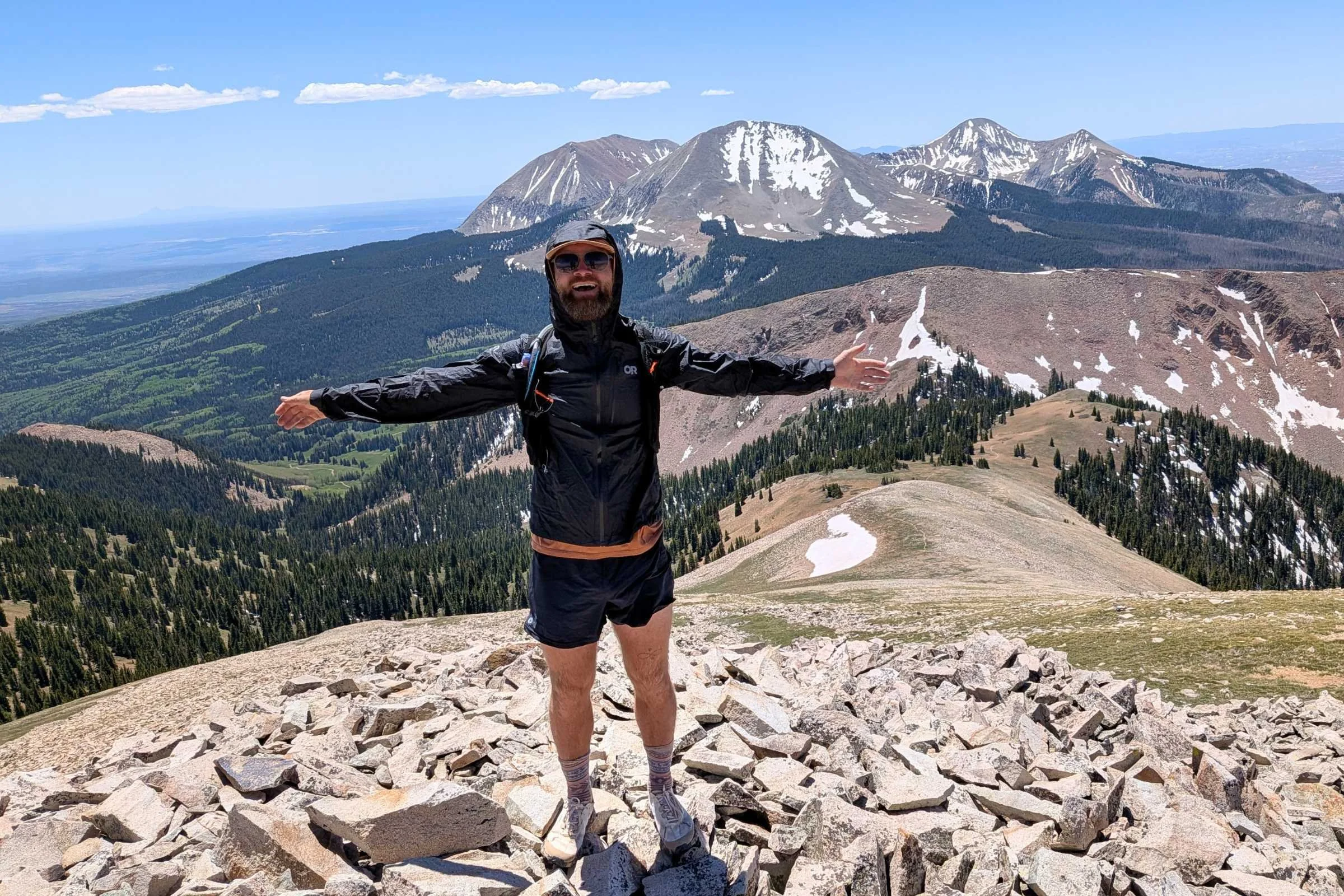
Navigating the Grand Canyon section is particularly challenging due to the verticality of the terrain. Often, the best route isn't a straight line but a series of ledges that require constant scanning of the horizon. Developing cross-country navigation skills means learning how to read "the grain of the land"—understanding how drainages connect and where a cliff band might have a break.
Logistics of the Cache: Water and Resupply
Water management is the logistical backbone of a successful hayduke trail thru-hike. There is a notorious 120-mile gap from Moab to Hite where natural water is nearly non-existent. To survive this, you must master hayduke trail caches.
Caching involves driving to remote intersections of the route weeks or days before your hike and leaving supplies. You will need 5-gallon plastic buckets (BPA-free) to protect your food and water from rodents and the sun. Proper labeling is required by the National Park Service; include your name, contact info, and the date you plan to retrieve the cache.
Regarding your water filtration strategy, the desert presents a unique problem: silt and high alkalinity. Many hayduke trail water sources are more like "pudding" than water. We recommend carrying a pre-filter (like a coffee filter or a buff) to remove large sediment before using a hollow-fiber filter like a Sawyer Squeeze. In some cases, you may need to let the water settle overnight with a pinch of alum to drop the silt to the bottom of your container.
Canyon Specifics: Ropes and River Logistics
The hayduke trail & grand canyon sections frequently involve technical obstacles that standard backpacking gear isn't designed for. Specifically, you will encounter slot canyons and "pour-offs"—dry waterfalls that block your progress.
A 70ft rope is often considered mandatory for the hayduke trail. You won't use it for rappelling in the traditional sense, but rather for pack hauling. Lowering your heavy pack allows you to downclimb difficult sections with better balance and safety. Trying to navigate steep slickrock scrambles with a 40-pound load is a recipe for a fall.
The Colorado River crossing at Spanish Bottom is another unique hurdle. Unless you have timed your hike to coincide with a commercial rafting trip or have arranged a private shuttle, this can be a major dead end. Some hikers carry an ultralight packraft, though the added weight is a significant trade-off. Planning this specific crossing months in advance is essential for a continuous thru-hike.
FAQ
What is the Hayduke Trail known for?
The route is famous for being one of the most challenging and visually stunning long-distance journeys in the United States. It is celebrated for its complete lack of a formal trail, taking hikers through six national parks and some of the most remote, desolate, and beautiful canyon landscapes on the Colorado Plateau.
How difficult is the Hayduke Trail?
It is considered an expert-level route. Beyond the physical fitness required to hike 800 miles, it demands high-level skills in route-finding, water caching, and desert survival. The technical nature of the canyons and the extreme isolation mean that help is often days away if something goes wrong.
Is the Hayduke Trail well marked?
No, it is not marked at all. There are no trail signs, no blazes on trees, and very few established cairns. Hikers must rely entirely on their hayduke trail map and GPS skills to find their way through the desert.
What are the biggest risks on the Hayduke Trail?
The primary risks include dehydration due to failed hayduke trail water sources, flash floods in narrow slot canyons, and falls while navigating steep slickrock. The extreme temperature fluctuations and the sheer remoteness of the terrain also pose significant survival challenges for those who are unprepared.
Start Planning Your Journey
Embarking on the hayduke trail is a life-changing experience that demands respect for the landscape and meticulous preparation. Now is the time to start planning your navigation strategy and testing your gear. Remember to monitor the National Park Service permit windows closely, as slots for the Grand Canyon and Zion fill up months in advance. The desert is waiting—make sure you have the kit to meet it.