Quick Facts
- Distance: 223 miles from Talimena State Park to Pinnacle Mountain State Park
- Total Elevation Gain: Approximately 34,300 feet
- High Point: 2,610 feet at Rich Mountain near the Oklahoma-Arkansas border
- Temperature Range: Typically between 30 and 50 degrees Fahrenheit, with dips to 15 degrees
- Shelter System: Access to more than 20 permanent three-sided shelters
- Critical Gear: High-insulation sleeping pads (R-value 8.0+) and high-traction trail runners
- Resupply Strategy: Key stops include Queen Wilhelmina State Park and Bluebell Cafe
Planning a winter thru-hike from Talimena to Pinnacle Mountain requires more than just a warm jacket. The Ouachita Trail presents a unique cocktail of high humidity and sub-freezing lows that can catch unprepared hikers off guard. This guide breaks down the essential Ouachita Trail winter gear you need to stay dry, warm, and safe while navigating the variable Ouachita Trail thru-hike January weather and gear requirements.
Gear for a winter thru-hike of the Ouachita Trail should prioritize high-insulation sleeping pads with an R-value of 8.0 or higher and a high-fill power down jacket to manage temperatures that often drop into the teens. Durable trail running shoes with enhanced cushioning and high-traction outsoles are necessary to navigate the trail's consistently rocky and often wet terrain.
The Humidity Factor: Winter Layering for the Ouachitas
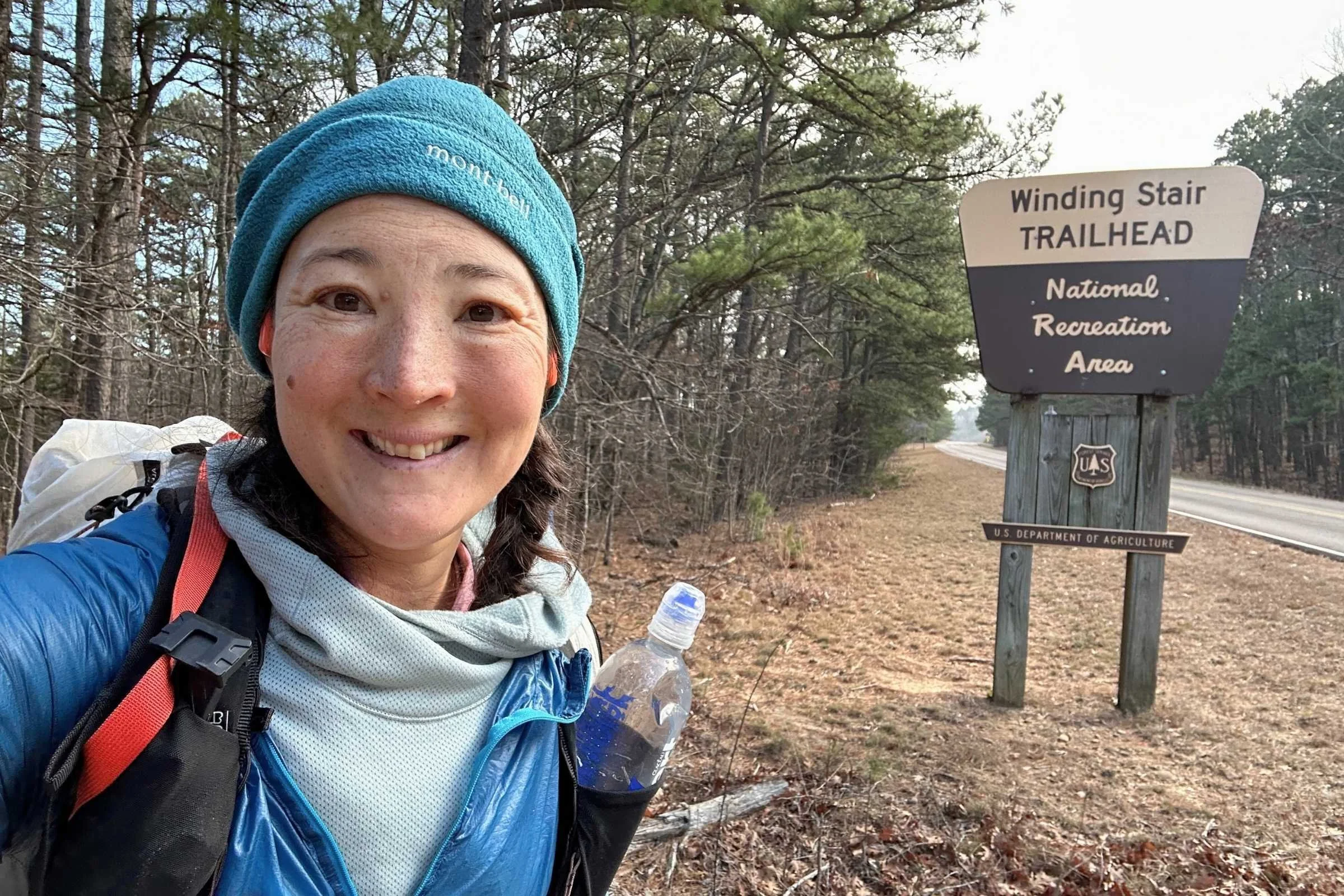
When most people think of winter backpacking, they imagine dry, crisp mountain air. However, the Ouachita National Forest in winter is often defined by the "Arkansas Damp." This high-humidity environment means that moisture management is your number one priority. If your clothes get wet from sweat or mist, they stay wet, and in sub-freezing temperatures, that becomes a fast track to hypothermia.
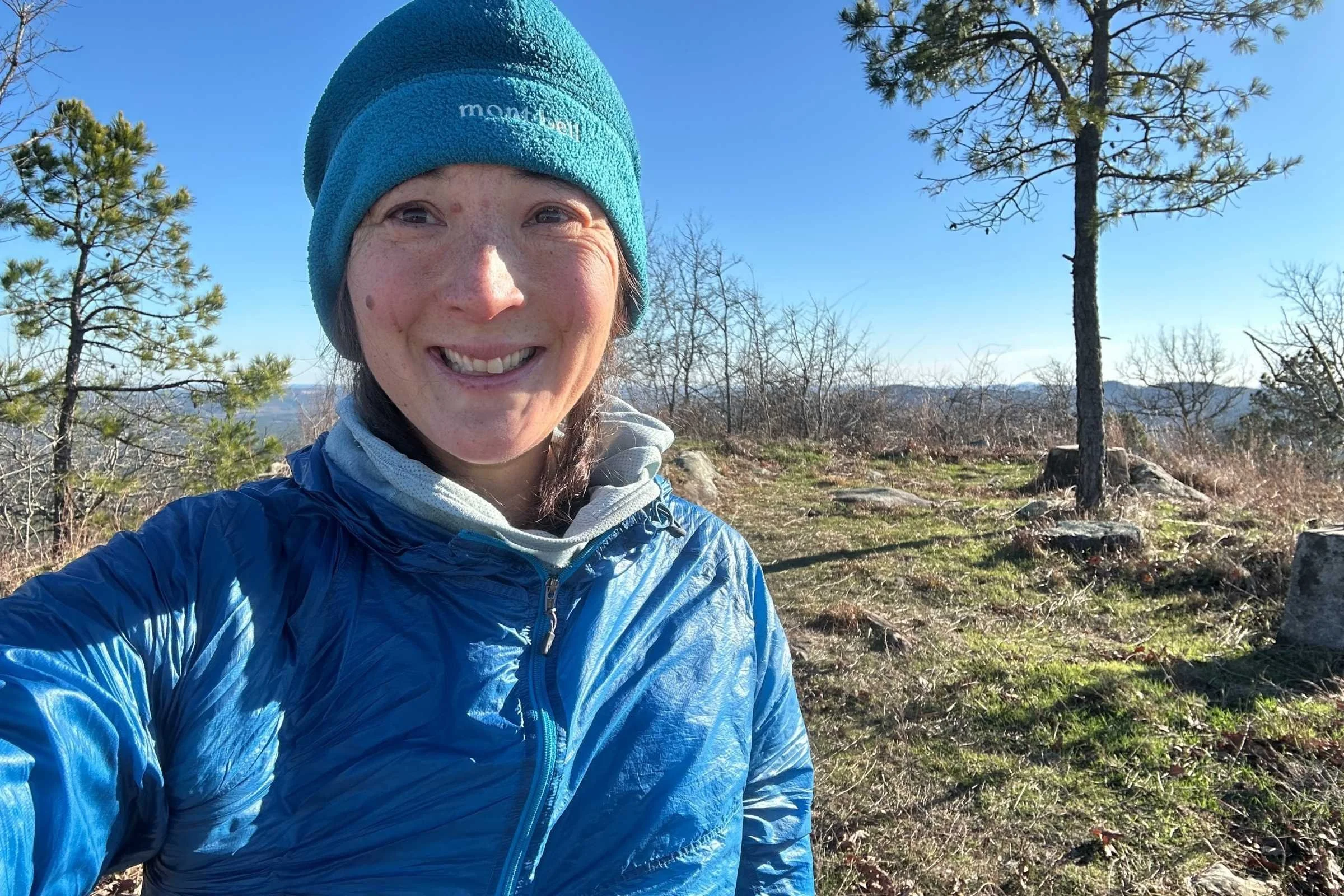
A proper winter backpacking layering system for this region moves away from traditional heavy hardshells and toward high-breathability pieces. You want layers that move moisture away from your skin as quickly as possible. A thermal technical fleece is the MVP here. Unlike a standard hoodie, these specialized fabrics have a grid or lofted structure that traps heat while allowing vapor to escape during strenuous climbs.
For your base layer, stick to lightweight merino wool or synthetic blends. Avoid cotton at all costs, as it acts like a cold sponge in the Ouachita humidity. On top of your base, a breathable hoodie or windshirt provides just enough protection from the wind without causing you to overheat during the 34,300 feet of elevation gain.
| Layer Type | Recommended Material | Function |
|---|---|---|
| Base Layer | Merino Wool / Synthetic | Moisture wicking and odor control |
| Mid Layer | Thermal technical fleece | Active insulation and breathability |
| Insulation | 800+ Fill Power Down | Static warmth at camp |
| Shell | Breathable Windshirt / Rain Shell | Protection from mist and wind |
Sub-Freezing Sleep Systems: Beyond the Sleeping Bag
When the sun goes down in the Ouachitas, the temperature drops rapidly. While winter temperatures along the trail typically fluctuate between 30 and 50 degrees, it is not uncommon to see the thermometer hit 15 degrees at higher elevations. To stay warm, you need a sleep system that accounts for both ambient air and ground temperature.
A common mistake is focusing solely on the sleeping bag while ignoring the sleeping pad. In winter, the cold ground will leach heat from your body faster than the air will. For a successful thru-hike, look for a sleeping pad R-value for winter thru-hiking of 8.0 or higher. You can achieve this by stacking a closed-cell foam pad underneath an inflatable insulated pad. This setup provides a vital barrier against the cold Arkansas earth.
Your choice of sleeping bag or quilt should be rated for at least 10 degrees lower than the lowest expected temperature. A 15°F or 20°F bag is generally considered the "sweet spot" for Arkansas State Parks in winter, provided you have the right pad.
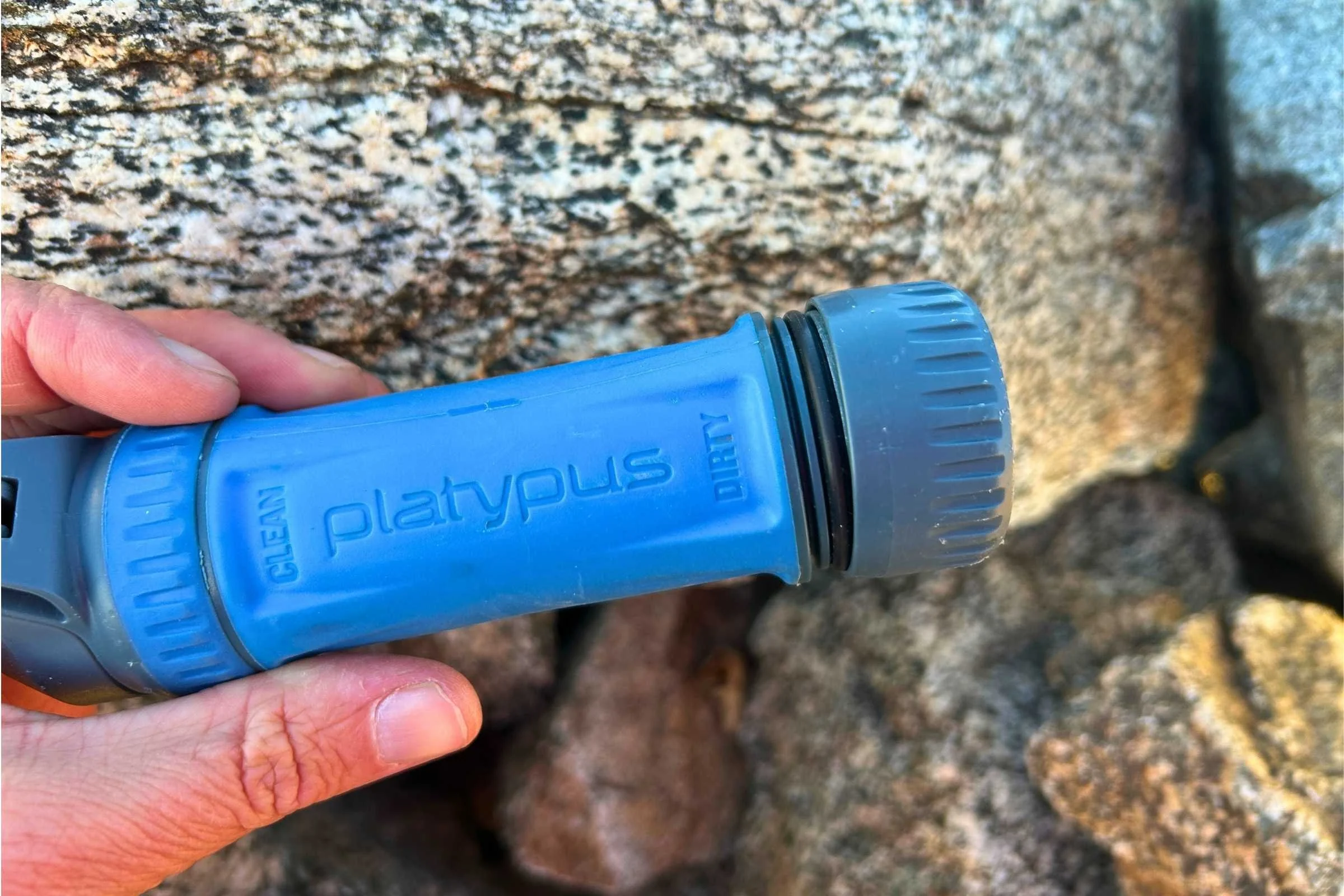
Pro Tip: Managing your gear at night is just as important as your gear choice. You must master the "sleeping with gear" protocol. Standard hollow-fiber water filters will crack and become useless if they freeze while wet. To prevent this, place your filter in a waterproof bag and sleep with it inside your sleeping bag.
Preventing water filters from freezing backpacking is a daily chore during an OT thru-hike. The same applies to electronics. Sub-freezing temperatures will drain your power bank and satellite communicator in hours. Keep these items tucked into your chest pocket or at the bottom of your quilt during the night to preserve battery life.
Footwear and Traction: Navigating the Rocky Eastern Third
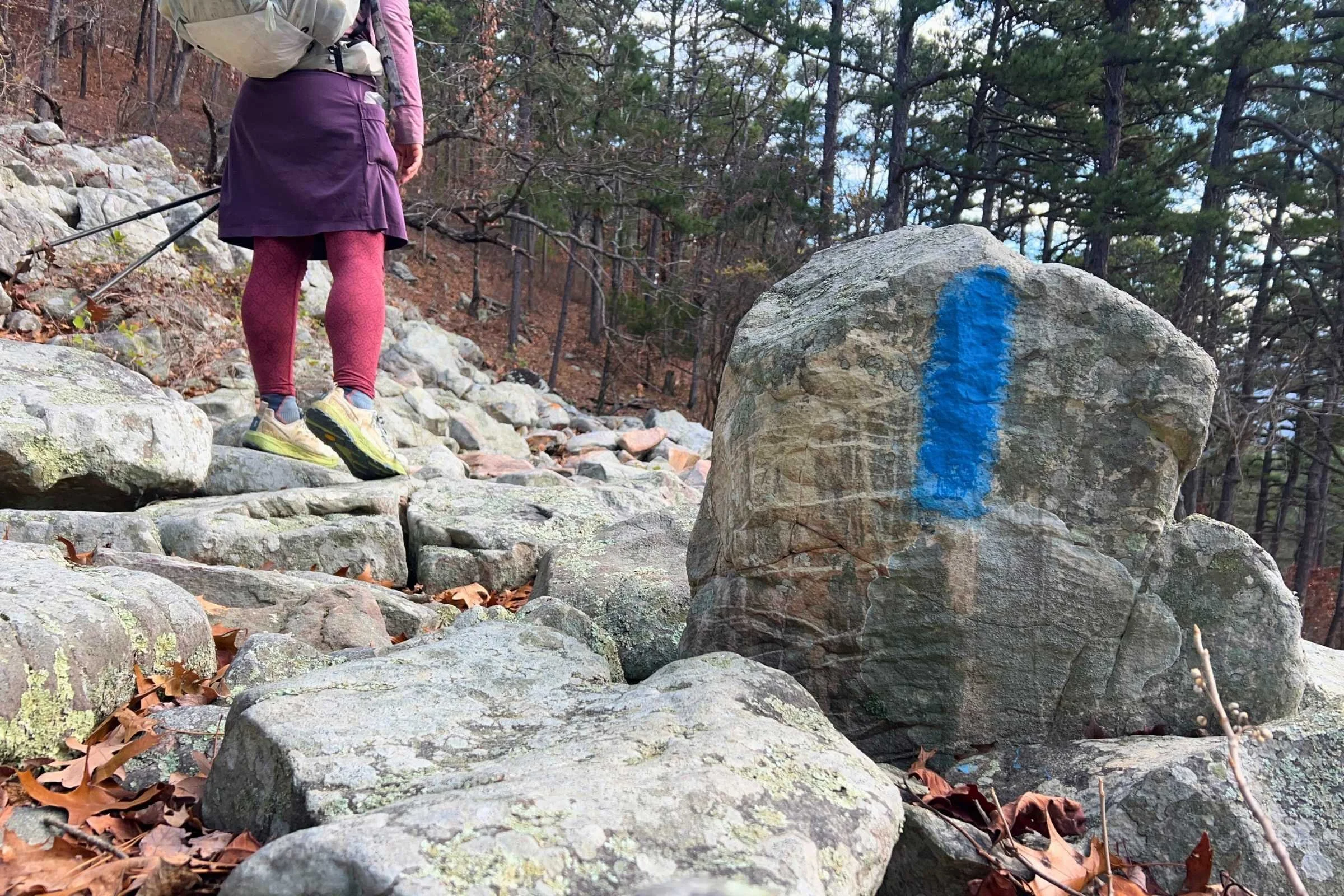
The Ouachita Trail is a tale of two halves. The western sections near Oklahoma feature relatively smooth, rolling terrain, but as you move into the eastern third toward Pinnacle Mountain, the trail becomes notoriously rocky. We are talking about miles of talus and sharp sandstone that will shred flimsy shoes and punish your arches.
The best trail running shoes for rocky Ouachita Trail are those that offer a balance of high-traction and significant cushioning. Look for outsoles with Vibram Megagrip traction to handle the slippery transitions between wet moss and dry rock. Because the trail is often wet from winter rains, rugged terrain foot protection is essential to prevent stone bruises over the 223-mile journey.
While hikers often ask about microspikes, they are rarely needed. Snow is infrequent, and ice usually melts by midday. However, having shoes with deep lugs ensures you maintain stability on the damp, leaf-covered climbs.
Winter Logistics: Water Caching and Resupply Power
Backpacking the Ouachita Trail in winter introduces specific logistical hurdles. Some sections of the trail can have dry stretches up to 29 miles long, and while winter rains help, some seasonal streams may still be dry or frozen.
Water cache coordination via community groups or apps like FarOut is highly recommended. Many hikers leave jugs of water at road crossings in the western sections where natural sources are scarce. When you do find water, remember the rule about preventing water filters from freezing. If you suspect a hard freeze is coming, fill your bottles early and keep them inside your tent.
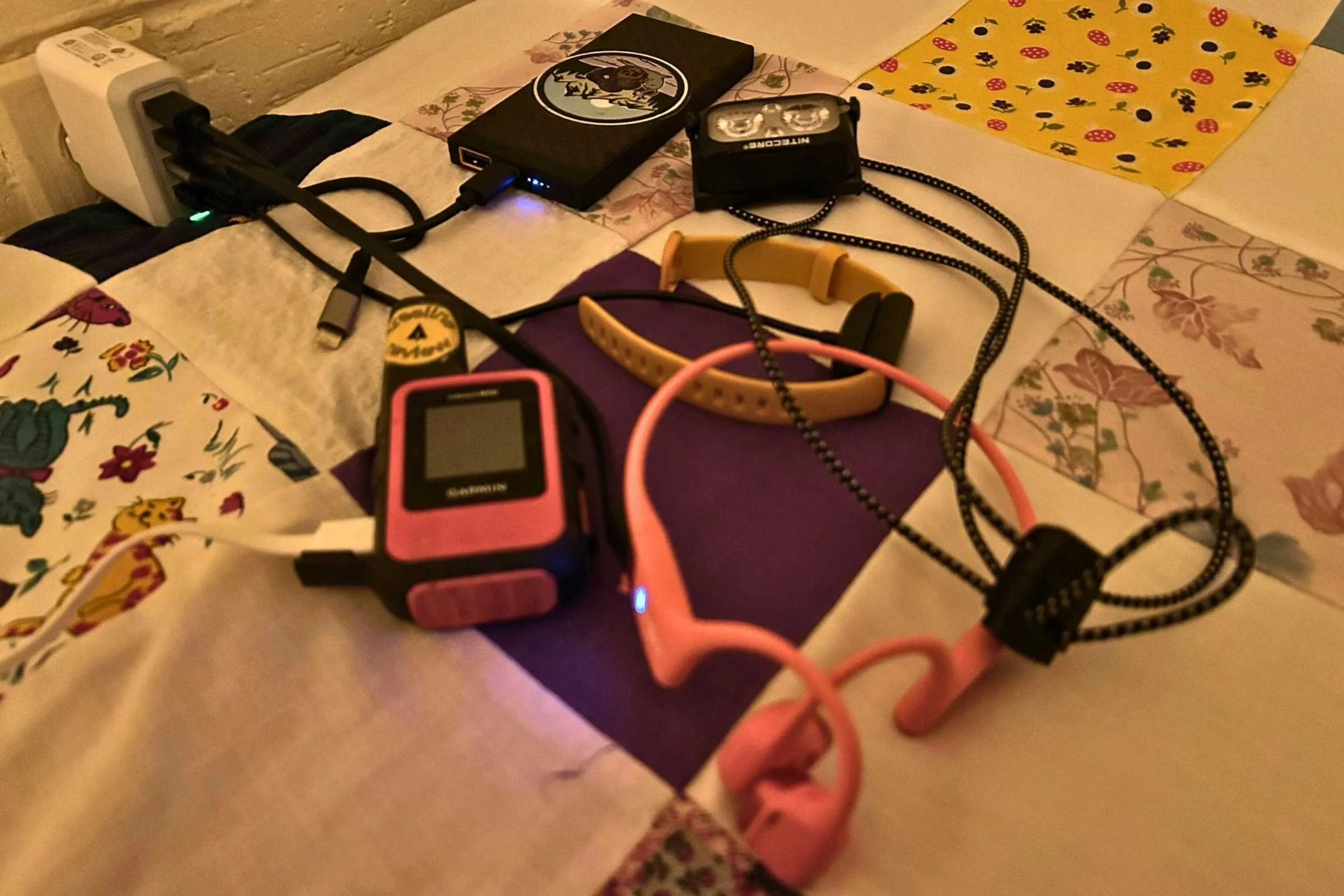
Power management is another challenge. With limited daylight hours in January, you will be doing a lot of hiking or camp chores by headlamp. This puts a strain on your batteries. Carrying high-speed multi-port chargers allows you to top off all your devices quickly during town stops at places like Queen Wilhelmina State Park or the Bluebell Cafe, ensuring you aren't stuck without a navigation tool in the backcountry.
Thru-Hike Preparation: Final Checklist
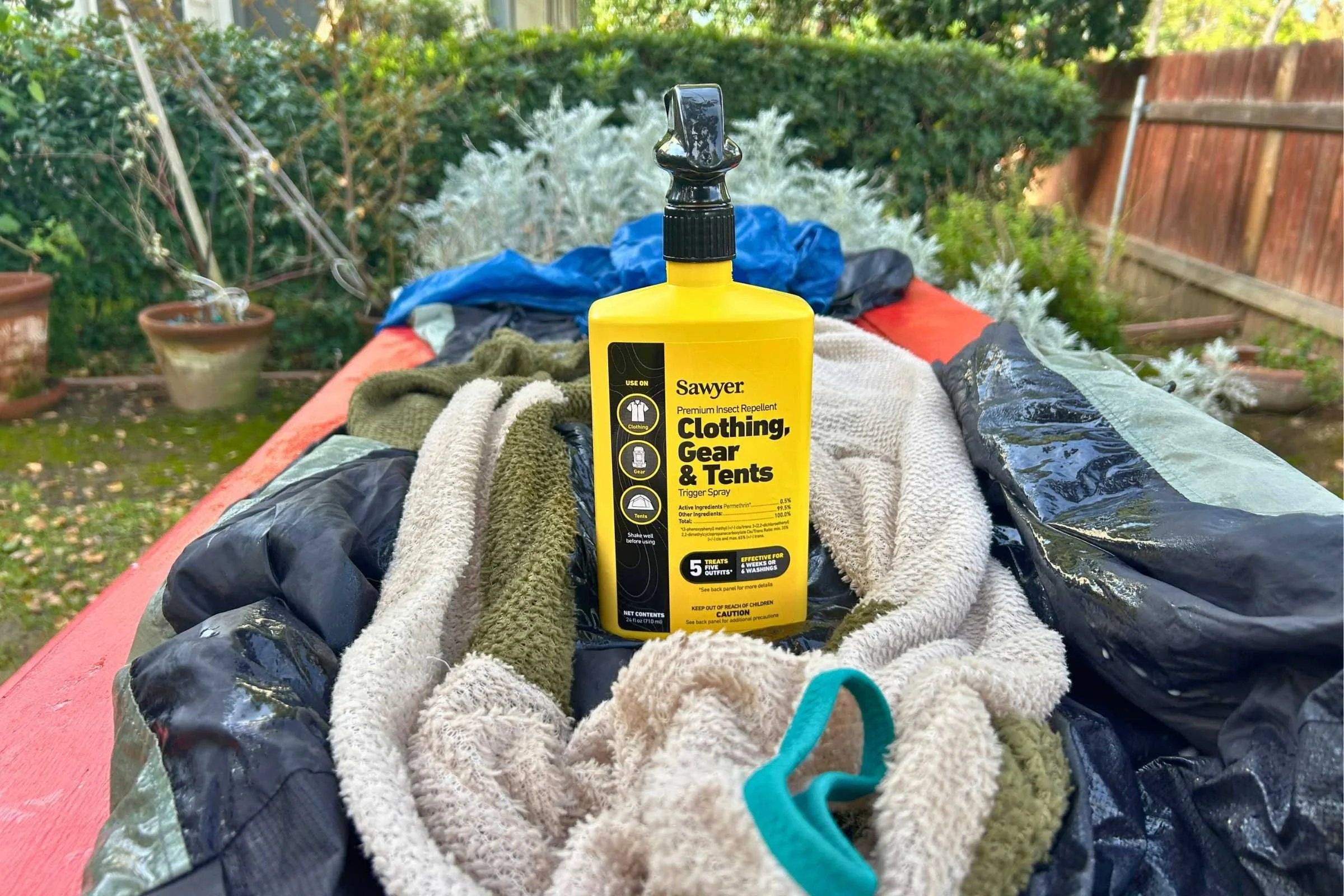
As you finalize your Ouachita Trail winter backpacking gear list, there is one threat that many people forget: ticks. Even though it is winter, the mild spells in Arkansas keep ticks active year-round. Tick-borne illness prevention should be part of your prep. We strongly recommend treating all your clothing, including socks and gaiters, with permethrin before you head to Talimena State Park.
Your final resupply strategy should account for the fact that some seasonal stores or campgrounds may have limited hours in the winter. Always call ahead to places like the Lodge at Queen Wilhelmina to confirm their services are available for hikers.
- Final Gear Check:
- Sleeping pad stack (R-value 8.0+)
- 15°F Down sleeping bag
- Thermal technical fleece hoodie
- High-traction trail runners (Vibram Megagrip)
- Power bank (min 10,000 mAh)
- Permethrin-treated clothing
FAQ
What is the best gear for hiking the Ouachita Trail in winter?
The best gear focuses on moisture management and sub-freezing temperature management. This includes a high-fill power down jacket, a thermal technical fleece for active hiking, and a sleeping pad with an R-value of 8.0 or higher. For footwear, chose cushioned trail runners with aggressive traction to handle the rocky terrain of the eastern third.
What temperature rating should my sleeping bag be for the Ouachita Trail?
A sleeping bag or quilt rated between 15°F and 20°F is ideal for the Ouachita Trail in winter. This provides a safety margin for the occasional nights when temperatures drop into the teens. Pair this with a high R-value pad to ensure the ground doesn't pull heat away from your body.
Do I need microspikes for hiking the Ouachita Trail in winter?
Generally, no. Snow and significant ice accumulation are rare on the trail. While you may encounter frost or thin ice on the western high points like Rich Mountain, standard trail runners with good traction are usually sufficient. Lightweight traction devices are only necessary if a significant ice storm is forecasted.
How do I find water on the Ouachita Trail during the winter?
Water can be found in seasonal creeks, but the safest method is through water cache coordination. Many thru-hikers use the FarOut app to check recent comments on water availability and coordinate drops at road crossings in drier sections. Always carry at least 3-4 liters of capacity for the longer dry stretches.
How common is snow on the Ouachita Trail?
Snow is relatively uncommon but possible, especially at higher elevations near the Oklahoma-Arkansas border. Most winter precipitation in the Ouachitas comes in the form of cold rain or sleet. You are much more likely to deal with the "Arkansas Damp" and high humidity than deep snow drifts.