Quick Facts
- Standard: 3-layer system consisting of a Base, Mid, and Shell.
- Target Weight: Between 1.5 and 2.5 lbs for a standard 3-season hiking kit.
- Waterproof Rating: Minimum of 20,000mm HH for high-alpine protection.
- Breathability: 20,000g/m²/24hr MVTR to ensure effective moisture management.
- Fabric Choice: Merino wool for its natural odor resistance; synthetics for faster drying.
- Crucial Feature: Pit zips for mechanical ventilation during high exertion.
A technical clothing layering system for hiking consists of three primary components: a moisture-wicking base layer for moisture transport, an insulating mid-layer like technical fleece, and a protective outer shell. This modular approach manages thermoregulation and blocks wind chill during active and static states. By treating these garments as a single, cohesive unit, hikers can regulate body temperature by adding or removing pieces as exertion levels and external weather conditions change.
Understanding the Technical Layering System
The core philosophy of a modern clothing layering system is versatility. Unlike a single heavy coat, a modular kit allows you to maintain a stable microclimate whether you are grinding up a steep switchback or standing on a wind-swept summit. The goal is to maximize heat retention when you are stationary and facilitate evaporative cooling when you are moving.
When we talk about an ultralight backpacking clothing layering system guide, the focus shifts toward pieces that offer the highest warmth-to-weight ratio and packability. Every item in your pack should serve a purpose. In 2026, the trend has moved away from thick, heavy layers toward thinner, high-performance fabrics that work together. This system effectively manages moisture transport, pulling sweat away from the skin before it can cool and lead to post-exercise chilling.
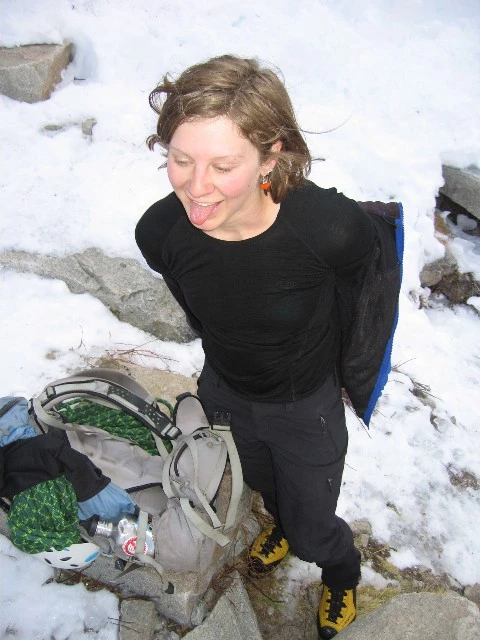
Understanding the transition between active and static states is essential. When you are moving, your body generates significant heat; your clothing needs to be breathable enough to let that heat escape. When you stop, that sweat can quickly turn cold. A well-designed system ensures you can throw on a high-loft layer the moment you drop your pack, trapping your body heat before it dissipates into the environment.
The Base Layer: Managing Moisture and Odor
The base layer is your foundation. Its primary job is not warmth, but moisture management. It sits directly against the skin to transport sweat to the next layer. When selecting moisture-wicking base layers, the debate usually centers on merino wool vs synthetic base layers for hiking.
Merino wool is highly prized for its natural odor resistance and temperature regulation. A 150 GSM lightweight merino shirt is an excellent choice for moisture-wicking base layers for hot weather hiking because it remains comfortable even when damp. However, for those engaged in high-output activities, synthetic fabrics often take the lead.
Technical synthetic fibers used in performance clothing have moisture content capacities of only 1% to 5%, whereas natural fibers like cotton can absorb between 8% and 27% of their weight in moisture. This massive difference is why cotton is often considered dangerous in the backcountry. Furthermore, advanced synthetic fabrics used in hiking layers can reduce drying time to between 8 and 10 minutes, compared to over 45 minutes for traditional cotton garments.

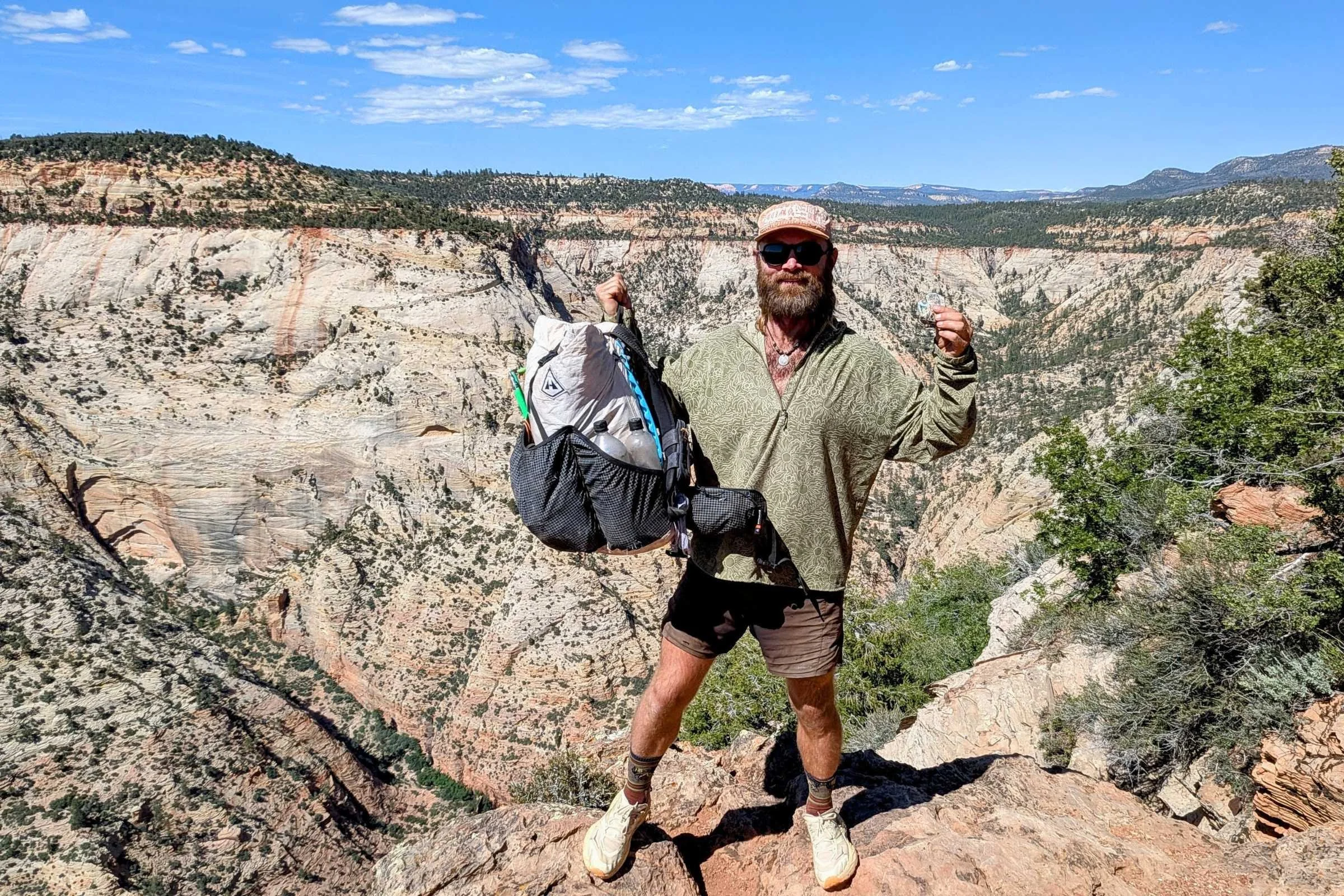
In recent years, the sun hoody has become the gold standard for summer trekking. These lightweight garments offer UPF protection and integrated hoods that shield the neck and ears. Look for a zip-neck design as it serves as a key modular feature, allowing for manual venting when your heart rate climbs.
Mid-Layers: Active Insulation vs. Static Warmth
The mid-layer is where most of your heat retention occurs. However, not all mid-layers are created equal. We categorize these into active insulation and static warmth.
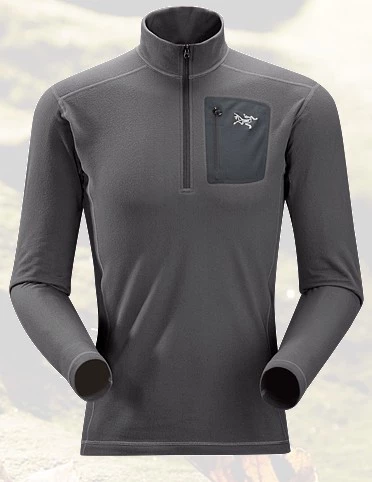
For active movement, a technical fleece is often the best choice. Grid fleece designs, which feature a pattern of raised fabric and open channels, provide excellent breathability while trapping just enough air to keep you warm in a cool breeze. These insulating mid-layers for hiking are designed to stay on your body while you are hiking, preventing the need to stop and change constantly.
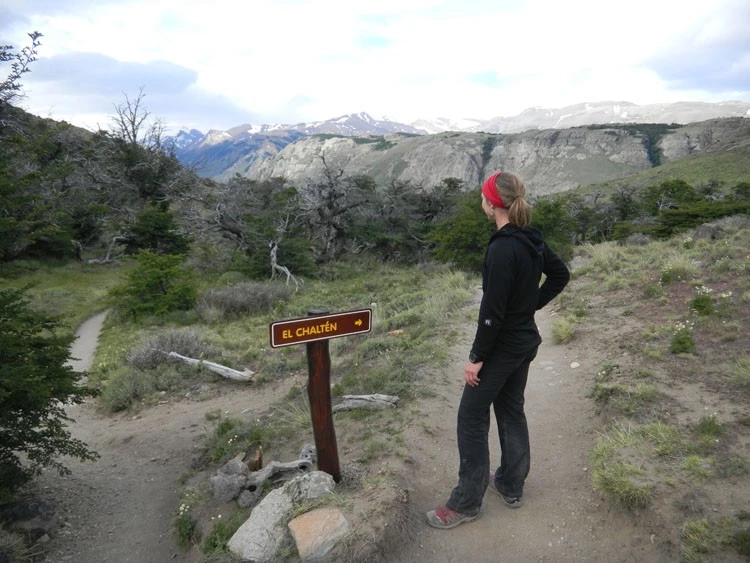
When the intensity drops or the temperature plummets, you need static warmth. This is the role of the puffy jacket. For insulating mid-layers for alpine hiking conditions, many professionals prefer 900-1000 fill-power down because of its incredible packability and warmth-to-weight ratio. Synthetic high-loft insulation is a safer bet in consistently wet environments, though it is generally heavier and less compressible than down.
For those pushing into high altitudes, active insulation pieces that use lofted fibers between highly breathable shell fabrics allow for better thermoregulation than a standard fleece. These pieces are revolutionizing how we move through cold environments by reducing the need for micro-adjustments during the day.
Outer Shells: The Weather Barrier
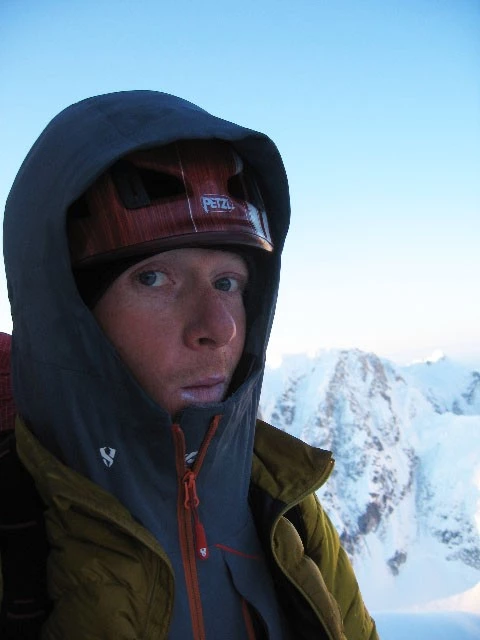
The outer shell is your shield against the elements. Its job is to block wind chill and precipitation while allowing internally generated moisture vapor to escape. This is a difficult balance to strike, leading to the waterproof breathable outer shell jackets comparison that dominates most gear forums.
To understand shell performance, you must look at technical metrics. The Hydrostatic Head (HH) measures how waterproof a fabric is. A rating of 20,000mm is standard for serious mountain use. Simultaneously, the Moisture Vapor Transmission Rate (MVTR) measures how much sweat can pass through the fabric. High-performance breathable outer shell jackets often reach 20,000g/m²/24hr or higher.
| Feature | Hardshell (Waterproof) | Softshell (Water-Resistant) |
|---|---|---|
| Primary Use | Heavy rain, high wind, snow | High-exertion, dry cold, light mist |
| Breathability | Moderate (Improved by pit zips) | Excellent (High CFM ratings) |
| Protection | Total wind/water barrier | Wind-resistant, breathable |
| Mobility | Crinkly, less stretch | 4-way stretch, quiet |
When considering softshell vs hardshell jackets for hiking, the choice depends on the forecast. A softshell offers much better vapor permeability, making it the preferred outer layer for high-output climbing or trekking in dry, cold air. However, a dedicated hardshell is necessary when conditions move from light rain to serious mountain weather.
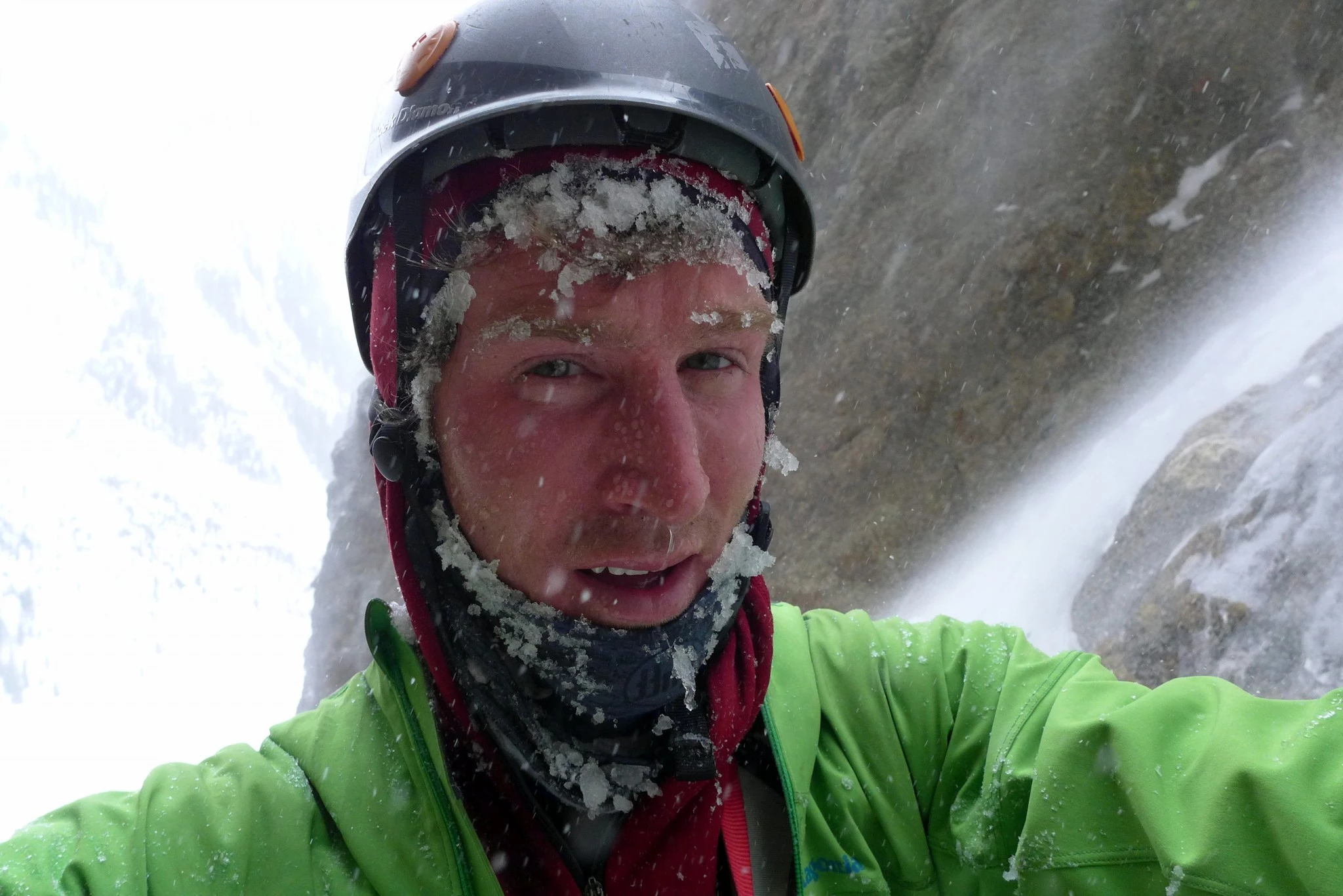
Regardless of the fabric's lab-tested breathability, mechanical ventilation features in hiking layering systems are vital. Pit zips allow you to dump heat instantly without exposing your core to rain. This manual thermoregulation prevents the "trash bag effect" where sweat builds up faster than the membrane can exhaust it.
Lower Body and Accessories
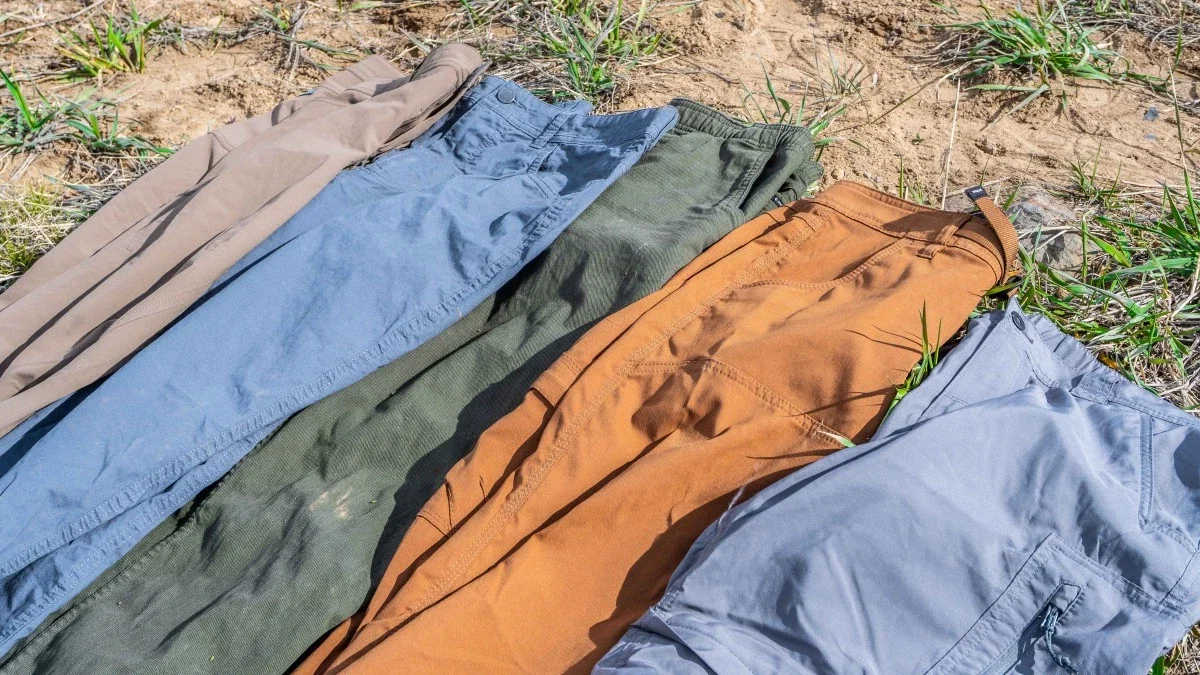
While the torso is the focus of thermoregulation, the lower body requires strategy as well. Most hikers opt for technical cargo pants made from 4-way stretch ripstop fabrics. These offer mobility and durability against rock and brush. In mud season or colder transitions, some prefer technical leggings or a thin base layer under their pants.
Accessories often provide the easiest way to make micro-adjustments on the go. A merino neck gaiter can be used as a scarf, hat, or face shield, providing significant heat retention for very little weight. Similarly, lightweight glove liners can manage moisture and protect against wind chill while allowing for the dexterity needed to use trekking poles or a GPS device.
FAQ
What are the three main layers of clothing?
The three main layers consist of a base layer for moisture management, a mid-layer for insulation and heat retention, and an outer shell for protection against wind and rain. This system allows for modular adjustments based on activity level and weather conditions.
Why is a layering system important for outdoor activities?
A layering system is crucial because it allows you to maintain a stable body temperature in a changing environment. By using multiple thin layers rather than one heavy one, you can effectively manage sweat and heat, preventing both overheating during exertion and chilling when stationary.
What is the best material for a base layer?
The best material depends on your needs. Merino wool is excellent for odor control and temperature regulation over multiple days, while synthetic fabrics like polyester are superior for fast drying times and extreme durability during high-output activities.
How do I choose the right mid-layer for cold weather?
In cold weather, choose a mid-layer based on your activity level. For active movement, a breathable grid fleece or active insulation piece is ideal to prevent sweat buildup. For static situations like camp or rest breaks, a high-loft down or synthetic puffy jacket provides the necessary heat retention.
Is cotton recommended for a layering system?
No, cotton is not recommended for hiking. It absorbs a large amount of moisture, dries very slowly, and loses its insulating properties when wet. This can lead to rapid cooling and increases the risk of hypothermia in cold or windy conditions.
What is the difference between a hardshell and a softshell?
A hardshell is a fully waterproof and windproof layer designed for harsh weather, whereas a softshell is highly breathable and water-resistant, making it more comfortable for high-exertion activities in moderate conditions where total waterproofing is not required.
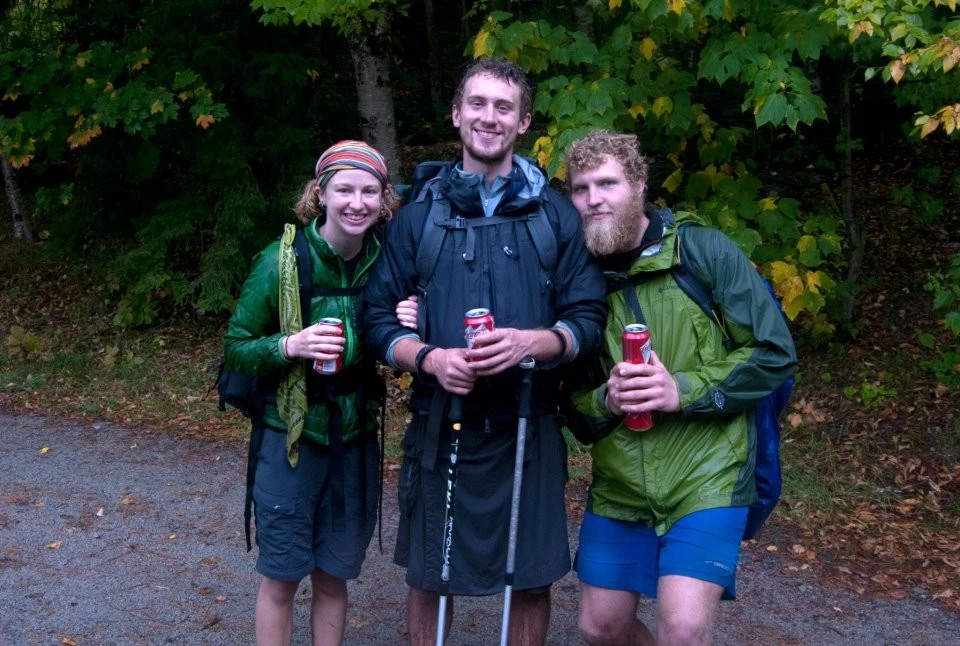
The key to mastering your technical clothing layering system is experimentation. Every person has a different metabolic rate; some "run hot" while others "run cold." Take your kit out on local trails and practice swapping layers before you commit to a high-alpine expedition. When your clothing works in harmony, the environment becomes a playground rather than an obstacle.