Quick Facts
- Cost Savings: Slow travel is frequently 20-40% cheaper than fast-paced trips because you can take advantage of weekly rental rates and reduced transport costs.
- Eco-Impact: Travelers can achieve an 86-90% carbon reduction by choosing rail or bus travel over short-haul flights between destinations.
- Health Boost: Staying in one location for more than five days correlates with an 87% improvement in sleep quality and a reduction in cortisol levels.
- Trail Restoration: High-traffic areas are fragile; impacted trails and campsites often require a recovery period of ten to thirty years to return to their natural state.
- Direct Answer: To practice slow travel effectively, you should prioritize quality over quantity by staying longer in a single destination and leaving room for spontaneous detours. Practical steps include searching for transportation in incognito browser tabs to minimize price pressure and selecting a smaller backpack to prevent overpacking.
Slow travel is more than a pace; it is a commitment to depth over distance. By centering cultural reciprocity in travel and adopting a mindful travel guide approach, you can reduce your environmental footprint while gaining authentic experiences. Expert Bethany Hughes’ 22,000-mile odyssey teaches us that the best slow travel tips focus on decentralizing the traveler to support local host communities.
The Philosophy of Slow: From Destination to Presence
For decades, modern tourism has been driven by the "bucket list"—a frantic race to collect sights as if they were trophies. Slow travel flips this narrative on its head. It calls for a transition from a performance-based mindset to one of presence. This philosophy traces its roots back to the 1980s Slow Food movement in Italy, which advocated for local traditions and a slower pace of life against the rise of fast-food culture. In the context of exploration, this means adopting a mindful travel guide perspective where the goal isn't just to see a place, but to inhabit it.
A cornerstone of this shift is the concept of decentering self. When we travel fast, we often treat the destination as a backdrop for our own adventure. By slowing down, we acknowledge that we are guests in someone else’s home. This shift allows for more human-powered exploration, where the physical act of walking or cycling dictates the tempo. Moving at three miles per hour allows the landscape to reveal its nuances—the scent of local flora, the rhythm of a neighborhood market, and the subtle shifts in topography that a car or plane would overlook.
Tactical Strategies for Sustainable Travel Planning
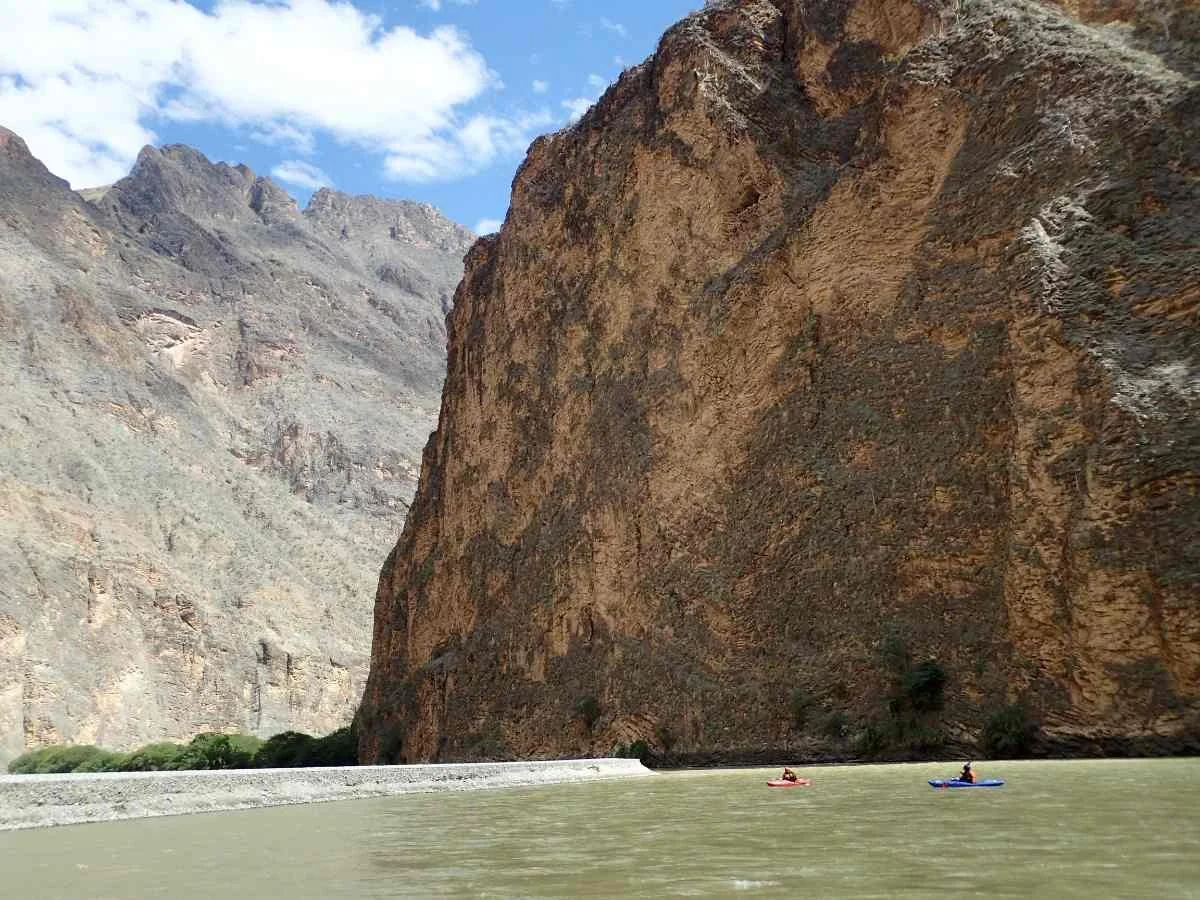
Effective sustainable travel planning requires a blend of intentionality and flexibility. The transition begins long before you leave home. Instead of booking a rigid itinerary of flights, consider how you can utilize rail systems or local buses. These methods do more than just lower your carbon footprint; they provide a more authentic transition between cultures.
When you are on the trail, your physical impact matters. Research indicates that Leave No Trace education and properly designed trails can reduce soil erosion by up to 92% and trail widening by up to 81%. Being a mindful traveler means staying on established paths and understanding that the environment isn't an infinite resource.
To help you visualize the difference in approach, consider this comparison:
| Feature | Fast Travel (Performance) | Slow Travel (Presence) |
|---|---|---|
| Primary Goal | Maximizing the number of sights | Deepening the quality of connection |
| Transport | Flights and private taxis | Trains, buses, and walking |
| Packing | Large suitcases for every scenario | Minimalist gear for agility |
| Budgeting | High daily spend on convenience | Lower daily spend; supporting locals |
| Schedule | Hour-by-hour itinerary | Loose framework with "Daily Anchors" |
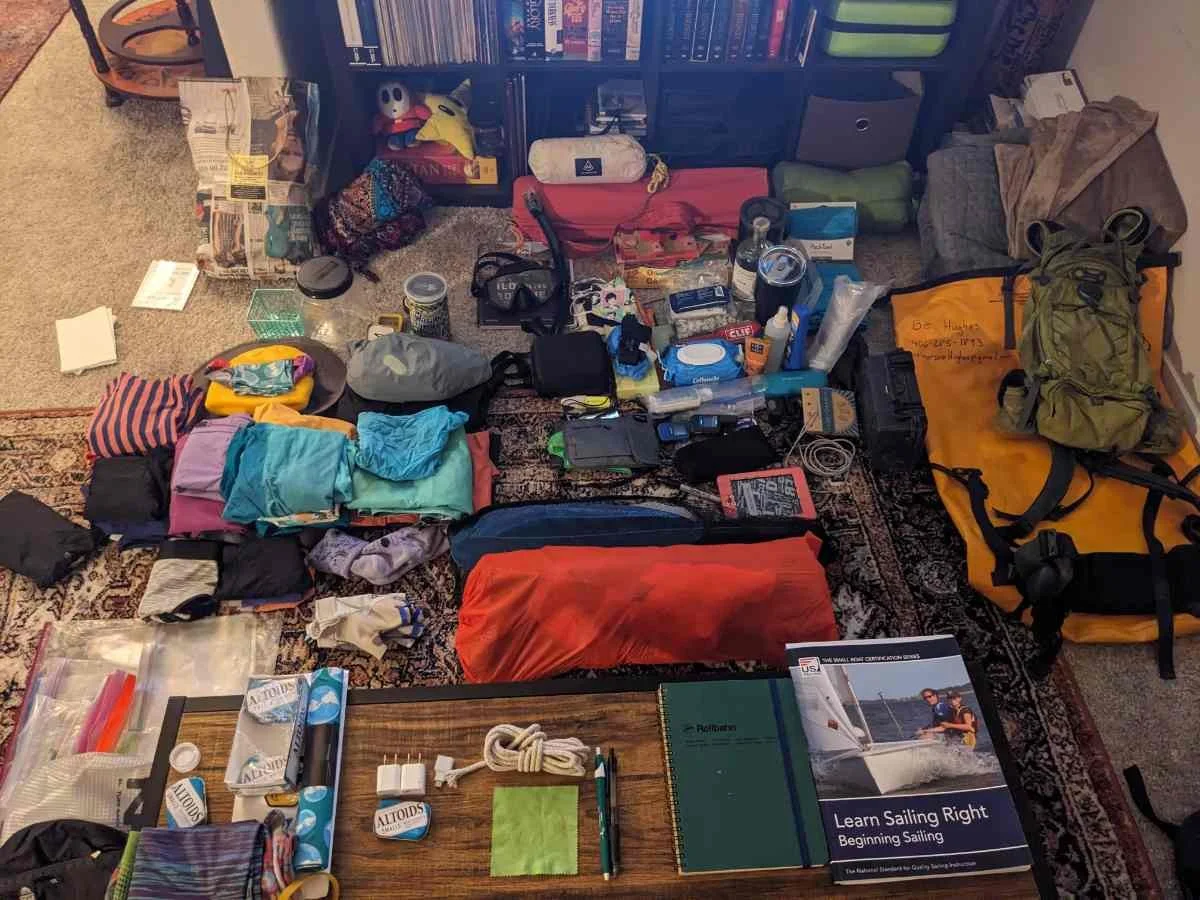
Reducing environmental impact while traveling slowly often means making smaller, tactical choices. For instance, using reusable water containers instead of purchasing plastic bottles saves money and prevents waste. In many regions, you can find local water stations or use filtration systems. Furthermore, knowing how to plan a flexible travel schedule allows you to stay an extra day in a village that captures your heart, rather than rushing to the next "must-see" spot because of a pre-paid booking.
Mastering Cultural Reciprocity on the Trail
The heart of mindful exploration lies in cultural reciprocity in travel. This is the intentional effort to balance your needs as a visitor with the well-being of the host community. Bethany Hughes, during her 22,000-mile walk across the Americas, learned that the most profound experiences come when you stop performing and start listening.
One of the most effective tools for this is mirroring. This involves observing and following local social rhythms. If the village shuts down for a midday meal, you do the same. If the local trail etiquette suggests a specific greeting or a way of passing, you adopt it. Mirroring shows respect and signals that you are willing to adapt to the community rather than demanding it adapt to you.
How to support local economies as a mindful tourist involves more than just spending money; it involves spending it where it stays. Avoid international hotel chains and opt for family-run guesthouses. In Latin America, for example, look for Grifos—local spots that serve as hubs for information and supplies.
Pro-Tip from the Trail: Always seek explicit permission before taking photographs of people or their property. In many cultures, especially on Indigenous lands, a camera can be seen as an intrusive tool of extraction rather than a way to "capture memories." Respecting these boundaries is the first step toward ethical engagement.
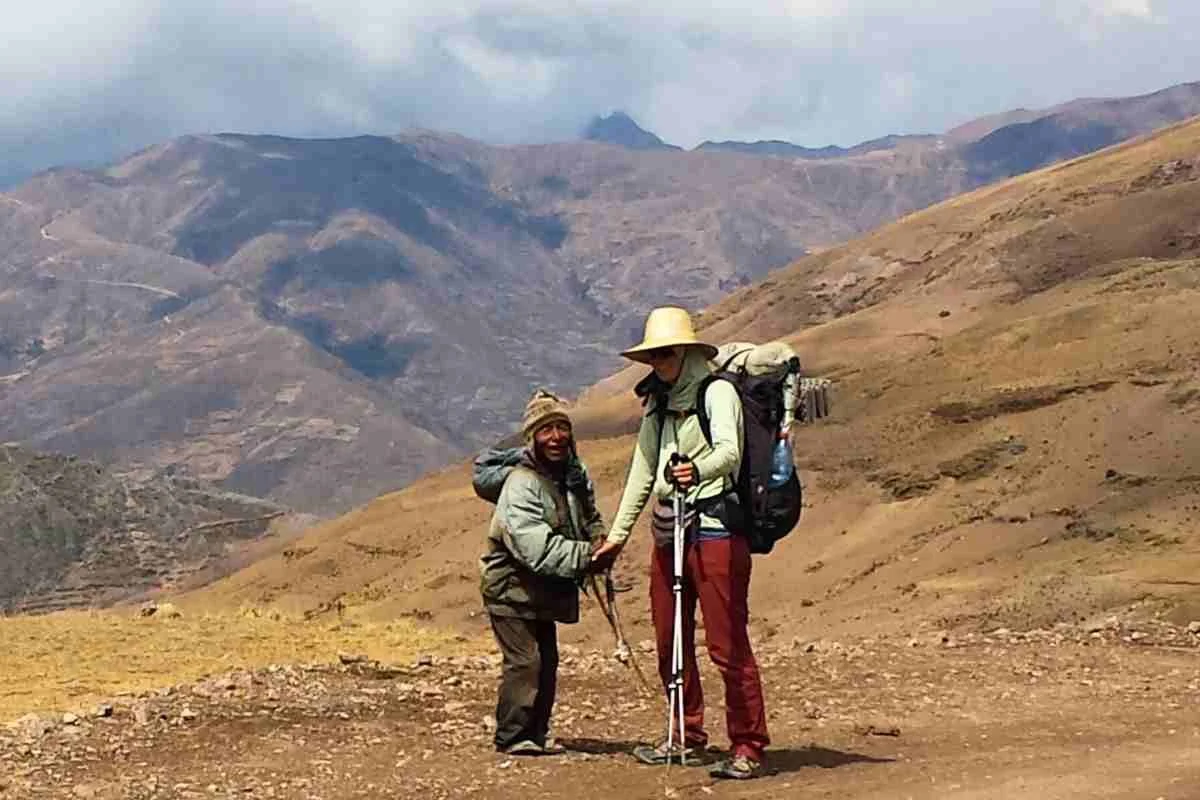
Respecting Indigenous land stewardship is also vital. Many popular trails cross ancestral territories. Before you set out, identify whose land you are on and if there are specific permissions or protocols required. This recognition acknowledges the labor and historical resources local populations have provided for centuries.

The Mindful Miles Toolkit: Expert Advice for Long-Distance Walks
For those attempting longer treks, the logistics can be daunting. However, several slow travel tips can simplify the journey. First, establish "Daily Anchors"—specific points in your day, like a morning coffee at a local cafe or a sunset stretch, that ground you in your surroundings. This prevents the "miles-er exhaustion" that often hits long-distance walkers.
Managing resources like water and waste becomes a daily ritual. A systematic review of nature-based mindfulness interventions found a statistically significant medium effect size of 0.54 across psychological and physiological domains. This suggests that the mere act of being mindful of your environment while walking has measurable health benefits.
Safety tips for solo slow travelers include establishing your sleep location well before dark. This prevents the stress of searching for a spot while fatigued and ensures you aren't infringing on private or sensitive lands. Always communicate your general plans with someone back home or a local contact, but remain open to the trail's serendipity.
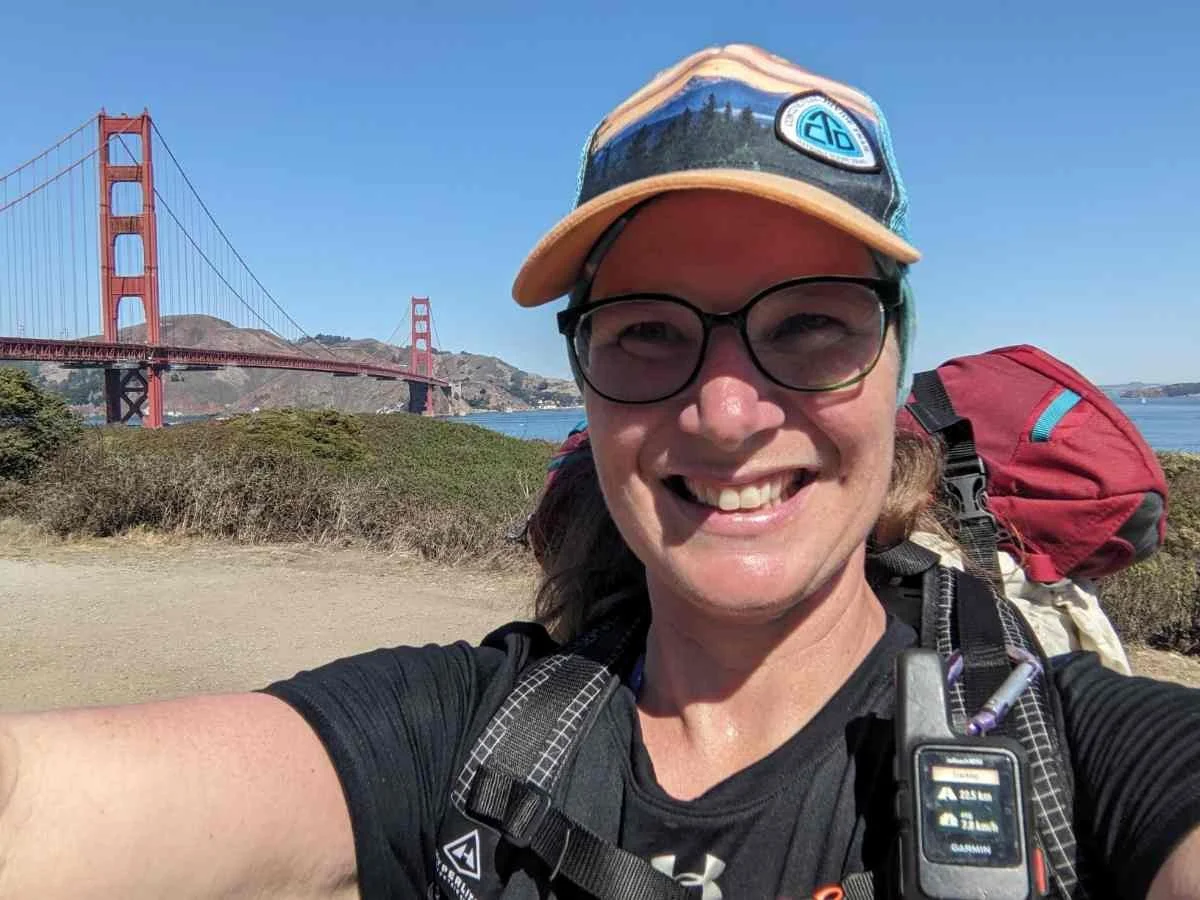
Practical advice for long-distance walking trips often comes down to the gear you carry. A minimalist mindset is your best friend. Every extra ounce in your pack is an ounce of energy taken away from your ability to engage with the world around you. By choosing light, versatile equipment, you remain agile and less distracted by your own belongings.
FAQ
What is the best way to start slow traveling?
The easiest entry point is to take a trip you’ve already planned and double the amount of time you spend in one specific location. Instead of visiting three cities in a week, pick one and explore its side streets, local parks, and residential neighborhoods. This allows you to move past the tourist facade.
Is slow travel more sustainable than fast travel?
Yes, primarily because it reduces the reliance on carbon-intensive transport like airplanes and private cars. By staying longer, you also reduce the "turnover" energy required by hotels and services, and you are more likely to support the local economy directly rather than through large-scale tourism agencies.
What are some practical tips for slow travelers?
Use incognito browser tabs for all bookings to avoid dynamic pricing hikes. Carry a reusable set of utensils and a water filter to minimize waste. Most importantly, learn at least five basic phrases in the local language; it changes the way people perceive and welcome you.
How do I choose a destination for a slow travel trip?
Look for places with robust public transit or walkable city centers. Regions with a strong tradition of community-based tourism are excellent because they already have frameworks for visitors to engage respectfully with the local culture and environment.
How do you plan a slow travel itinerary?
Start with one or two "must-see" anchors per week, and leave the rest of the days completely open. Research local festivals or market days ahead of time, and build your schedule around those communal rhythms rather than just visiting static landmarks.
Join the Movement for Mindful Exploration
Embracing slow travel tips isn't just about changing how you vacation; it’s about changing how you relate to the world. Whether it’s choosing to walk the last mile to your hotel or spending an afternoon chatting with a local artisan, these small acts of presence build a more regenerative tourism model.
As you plan your next journey, I encourage you to adopt at least one "slow" habit. Perhaps you choose to stay in a village that isn't on the front page of a guidebook, or you commit to using only ground transportation. In doing so, you contribute to a global community that values cultural immersion and environmental stewardship over mere consumption. The trail is waiting, and it has much to teach those who are willing to walk it slowly.