Quick Facts
- Distance: 26-28 miles loop circuit
- Total Elevation Gain: ~7,800 to 8,000 feet
- Highest Peak: West Maroon Pass (12,500 ft)
- 2026 Permit Release: Feb 15, June 15, and Oct 15 at 8 AM MT
- Mandatory Gear: Hard-sided IGBC-approved bear canister
- Strategy: Cross passes before 2:00 PM to avoid lightning
Overnight backpacking on the Four Pass Loop requires a wilderness permit reserved via Recreation.gov. For the 2026 season, permits are released in blocks starting February 15 for early summer and June 15 for late summer. These permits are zone-specific, meaning you must determine your camping locations before booking. Day hikers and trail runners do not need an overnight permit but must self-register at the trailhead.
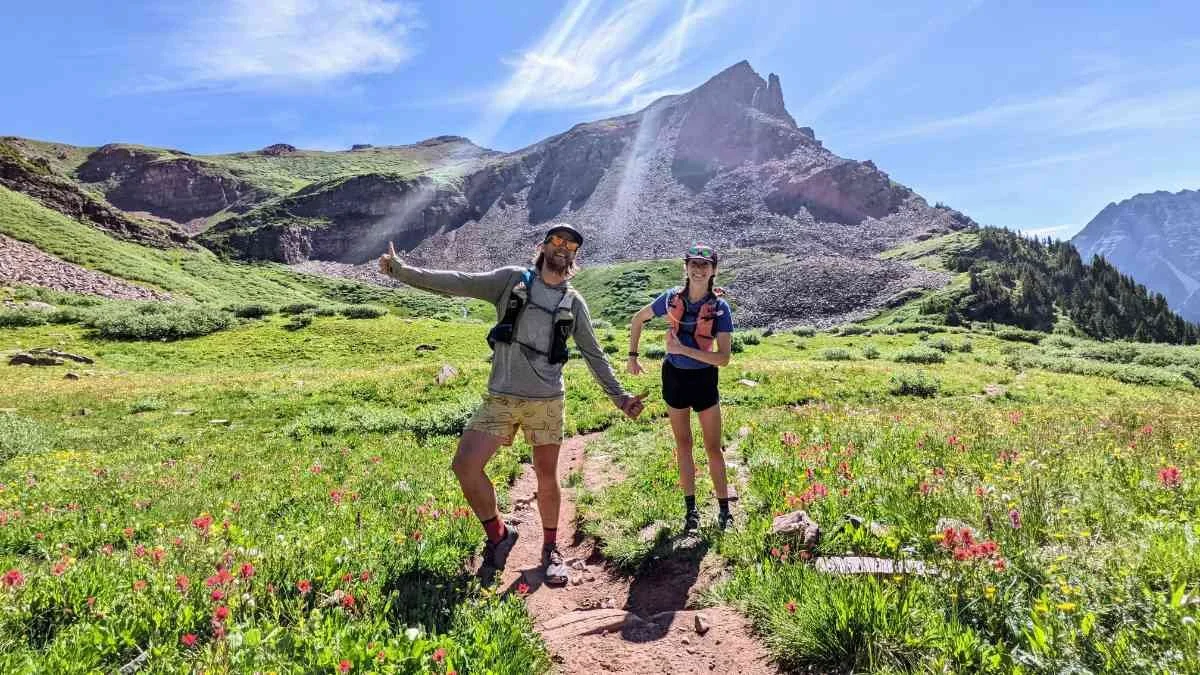
Navigating the 2026 Permit & Parking Bureaucracy
Securing access to the Maroon Bells-Snowmass Wilderness has become a meticulous exercise in timing. According to the U.S. Forest Service, recreation use in this area has increased by 400% since 2006, necessitating a strictly regulated system to protect the fragile alpine ecosystem. For those planning a trek, the Maroon Bells backpacking permits 2026 release dates are the most critical data points to mark on your calendar. Permits for the upcoming season are released in three distinct waves: February 15 for dates between May and July, June 15 for August and September, and October 15 for any remaining late-season slots.
When you log onto Recreation.gov at 8 AM MT, you cannot simply grab a general pass. You must select specific camping zones for each night of your trip, such as Maroon, Snowmass Lake, or the North Fork. This requires having a finalized itinerary before the reservation window opens. Additionally, the Maroon Bells-Snowmass Wilderness logistics involve a complex transport plan.
To reach the Maroon Lake trailhead between May and October, you must reserve either a shuttle seat or an overnight parking permit in advance. Personal vehicles are restricted on Maroon Creek Road during peak hours, usually from 8 a.m. to 5 p.m. Most visitors find it easiest to park at local Park & Ride lots or the Aspen Highlands garage and use the RFTA bus system to connect to the Maroon Bells shuttle for trailhead access. If you are lucky enough to snag an overnight parking permit, be prepared for specific arrival windows that usually require you to be at the gate before the morning shuttle begins or after the afternoon service ends.
Choosing Your Path: Clockwise vs. Counter-Clockwise
One of the most debated aspects of the Four Pass Loop is whether to travel clockwise or counter-clockwise. There is no wrong answer, but the experience differs significantly based on your choice. A counter-clockwise (CCW) route is often favored by those who want to get the steepest climbs out of the way early. You will find yourself immediately ascending Buckskin Pass, which provides a dramatic and immediate introduction to the Elk Range. This direction also rewards you with a triumphant finish by descending West Maroon Pass toward Maroon Lake, keeping the most iconic views of the Bells in front of you for the final miles.
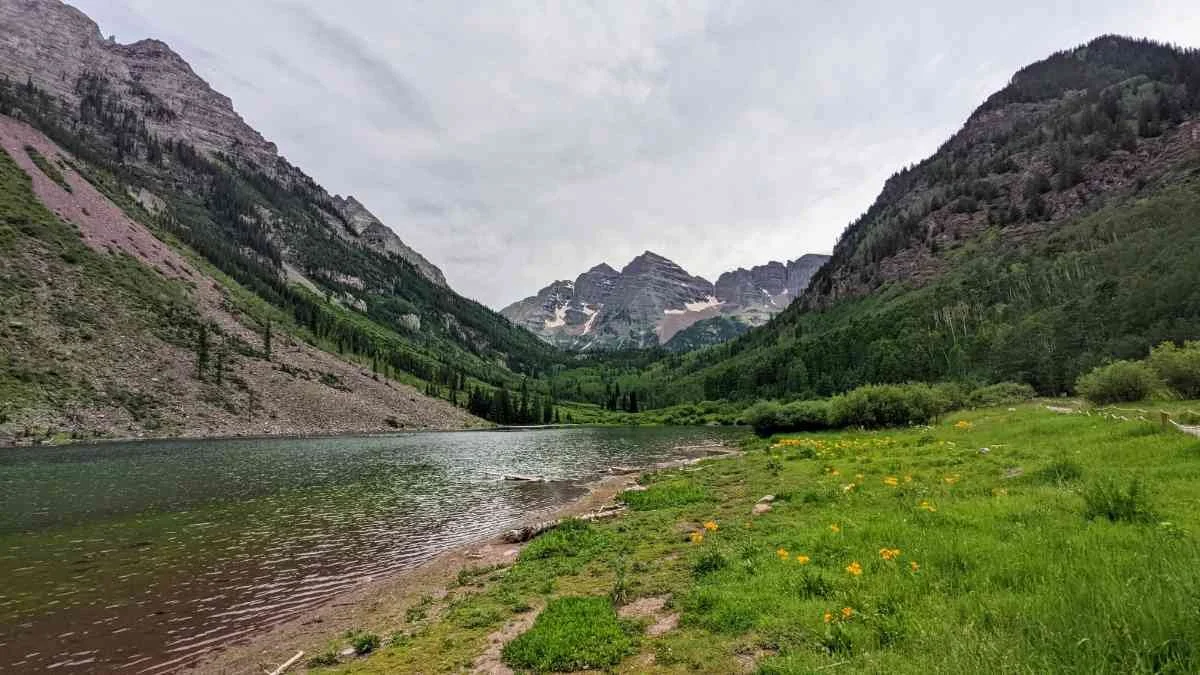
Conversely, the clockwise (CW) route offers a more gradual introduction to the altitude. Many backpackers prefer this direction because it saves the stunning Snowmass Lake for the later stages of the trip, acting as a scenic crescendo. For those using a Four Pass Loop trail running guide to attempt the circuit in a single day, the CW direction allows for a runnable start up the Maroon Creek valley, though the final climb up Buckskin Pass can be grueling on tired legs. A Four Pass Loop clockwise vs counter clockwise comparison often boils down to your preference for steep versus gradual climbs and where you want your favorite campsites to fall in your timeline.
Itinerary Planning: 3-Day vs. 4-Day Trekking
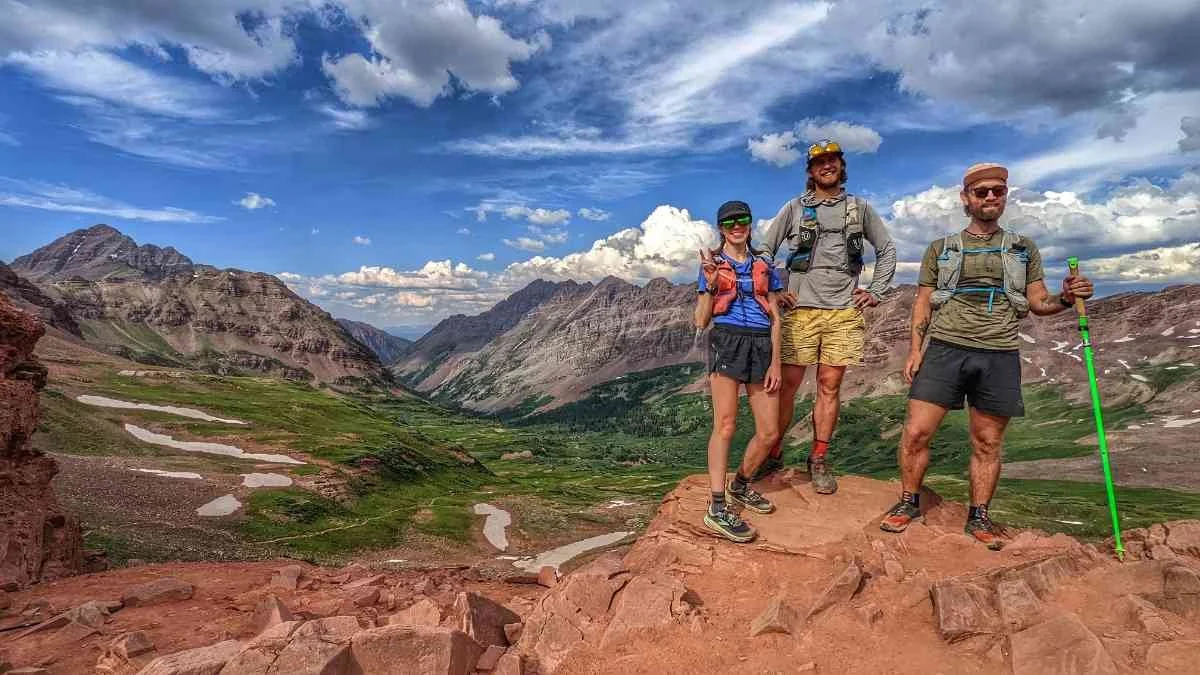
The Maroon Bells Four Pass Loop is a 26-mile circuit that crosses four alpine passes—Buckskin, Trail Rider, Frigid Air, and West Maroon—each exceeding 12,000 feet in elevation. While elite athletes might finish in a few hours, most backpackers choose between a 3-day or 4-day itinerary.
- 3-Day Itinerary: This is a demanding pace. Day one typically involves hiking to the Snowmass Lake zone, covering about 8 miles with a major pass. Day two is the "crux," crossing Trail Rider and Frigid Air passes to reach the Fravert Basin or North Fork area. Day three concludes with West Maroon Pass and the long descent back to the lake.
- 4-Day Itinerary: This is the gold standard for those who want to appreciate the high-alpine meadows and alpine tundra. This schedule allows for a shorter second day, often camping at the base of Trail Rider Pass, and gives you more time to explore the shores of the lakes or photograph the wildflowers that peak in late July.
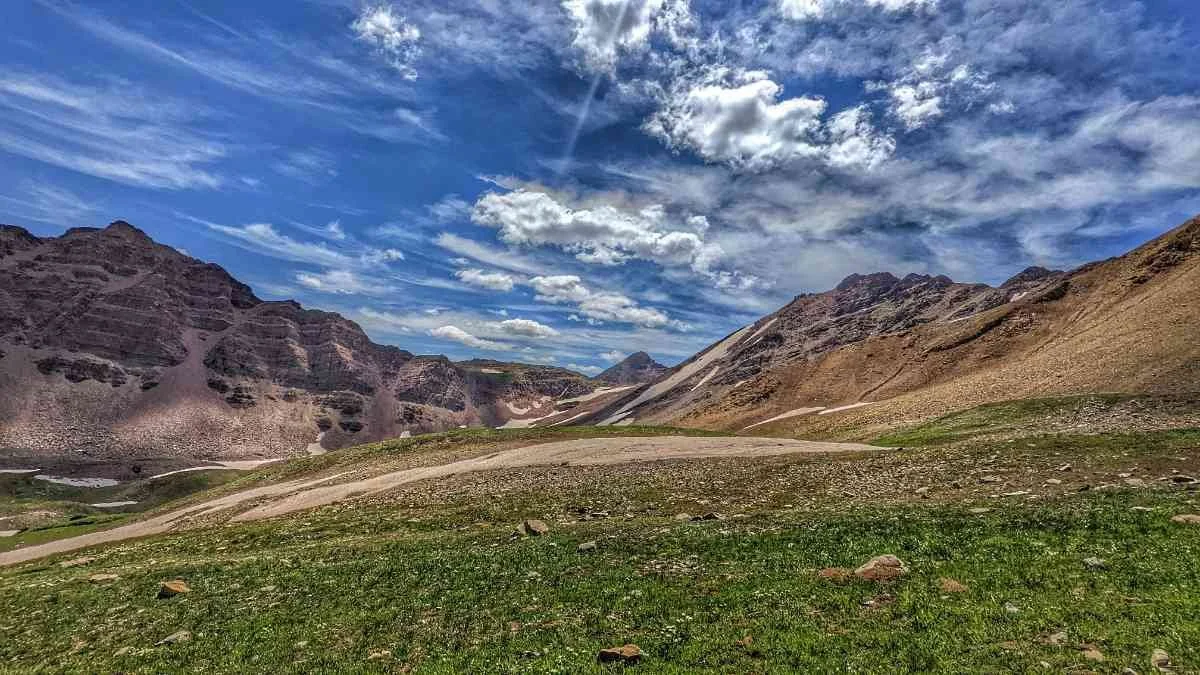
When selecting the best camp spots on Four Pass Loop, prioritize the Snowmass Lake and North Fork zones, but be aware of site-specific regulations. You must camp at least 100 feet from water sources, and in most areas, you are required to stay in designated, numbered sites. Note that camping is prohibited in certain fragile areas above 10,800 feet to prevent erosion of the tundra.
Essential Gear and High-Altitude Safety Protocols
Hiking in the Elk Range is a serious undertaking. Hikers completing the full loop encounter a cumulative elevation gain of approximately 7,752 to 8,000 vertical feet within the Maroon Bells-Snowmass Wilderness. This sustained effort at high altitude increases the risk of altitude sickness, including rare but serious conditions like HAPE or HACE. Altitude acclimatization is key; spending a night or two in Aspen or nearby Basalt before starting your trek can make a world of difference.
Safety also means understanding the environment. The "2 PM Rule" is non-negotiable in the Colorado Rockies during the monsoon season. High-alpine ridges and passes are magnets for afternoon lightning. You should aim to be off the summit of any pass and descending into the tree line by early afternoon. Additionally, early-season hikers in June and July must be prepared for creek crossings that can be knee-deep and swift-moving due to snowmelt.
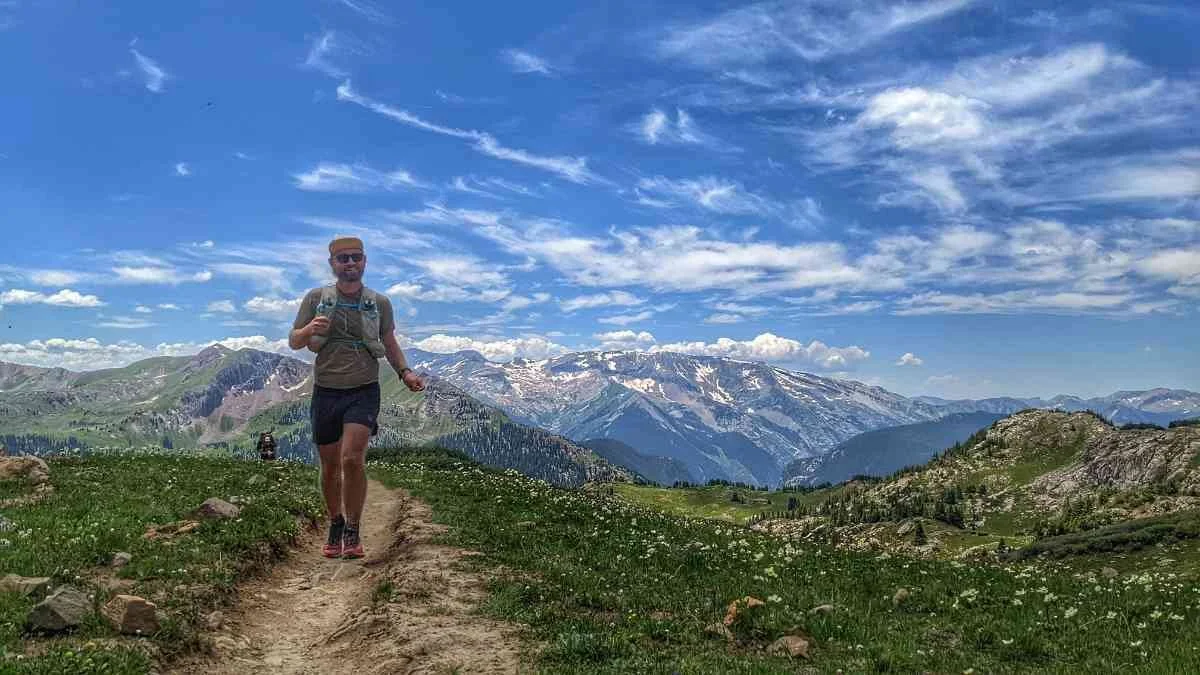
Regarding equipment, Maroon Bells Snowmass Wilderness bear canister regulations are strictly enforced. All overnight visitors must carry a hard-sided, IGBC-approved bear canister. Soft bags or "bear hangs" are not permitted because local bears have learned to circumvent them. Your Four Pass Loop trail running gear list and tips focus primarily on weight and efficiency, but backpackers should prioritize a reliable water filtration system and high-quality rain gear. Leave No Trace ethics are paramount here; from packing out all waste to staying on the established Four Pass Loop water sources and creek crossing safety paths, your actions help preserve this wilderness for future generations.
FAQ
How long does it take to hike the Four Pass Loop?
Most backpackers complete the circuit in 3 to 4 days. Strong trail runners often finish the loop in 8 to 12 hours, depending on their fitness and acclimatization. The total time depends heavily on your pace over the four 12,000-foot passes and the weight of your pack.
Do I need a permit for the Four Pass Loop?
Yes, all overnight stays require a permit reserved through Recreation.gov. For 2026, these are released in blocks throughout the year. If you are only day hiking or running the loop and do not plan to stay overnight, you do not need a wilderness permit, but you must self-register at the trailhead.
How difficult is the Four Pass Loop backpacking trip?
The loop is considered very difficult due to the sustained high elevation and significant vertical gain. You will cross four passes, each over 12,000 feet, often carrying a heavy pack with a bear canister. It requires high levels of physical fitness and experience with mountain weather.
Should you hike the Four Pass Loop clockwise or counter-clockwise?
Counter-clockwise is popular for those wanting to tackle the steepest sections early and keep the most scenic lake views for the trek's end. Clockwise offers a more gradual start, which some hikers prefer for easier elevation adjustment.
Are bear canisters required on the Four Pass Loop?
Yes, hard-sided IGBC-approved bear canisters are mandatory for all overnight stays. This is a non-negotiable regulation designed to protect both the hikers and the local black bear population by preventing "food conditioning."
Where do you park for the Four Pass Loop trailhead?
Overnight parking at the Maroon Lake trailhead is extremely limited and requires a specific reservation. Most hikers park at the Aspen Highlands garage and take the RFTA shuttle to the trailhead. Ensure you book your shuttle or parking reservation months in advance.