Quick Facts
- Core Equipment: A dual-burner propane stove with 10,000+ BTU output and a high-performance roto-molded cooler.
- Storage Essential: Use a modular chuck box or clear, stackable bins to organize dry goods and utensils.
- Cold Retention: High-end roto-molded coolers offer 5-10 days of ice retention, essential for multi-day trips.
- Safety Standard: In wildlife areas, prioritize IGBC Certified bear-resistant containers for all food and scented items.
- Market Growth: The global camp kitchen market is expected to reach 2.62 billion USD by 2030, reflecting a surge in overlanding and modular gear.
- Cleanup Protocol: Adhere to Leave No Trace principles by using biodegradable soap and managing grey water at least 200 feet from water sources.
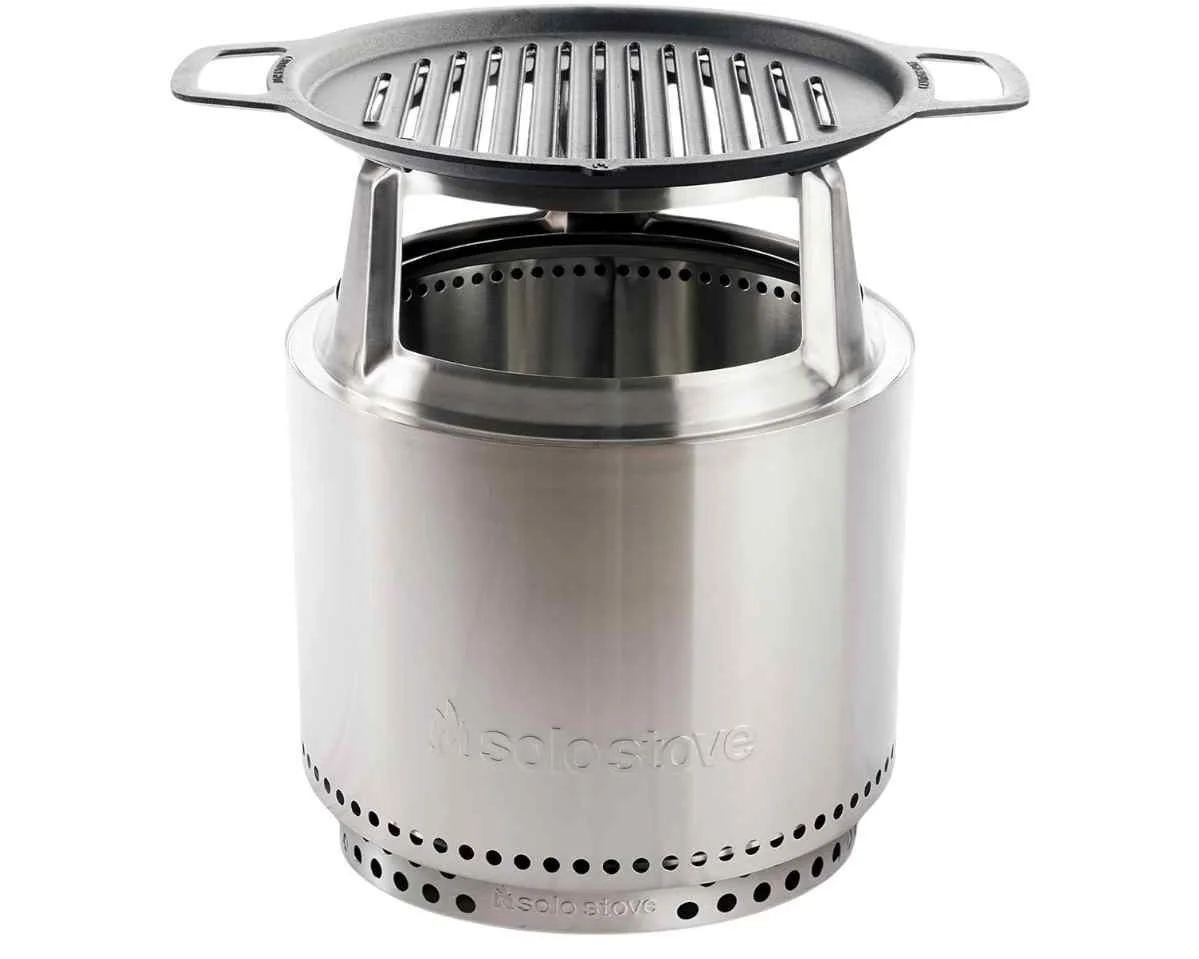
A foundational camp kitchen requires a portable cooking system such as a dual-burner propane stove or a versatile fire pit grill, paired with nested cookware and heat-resistant utensils. For building a truly functional camp kitchen checklist, you must also prioritize efficient food management by using a high-performance roto-molded cooler for ice retention and a heavy-duty storage box to consolidate dry goods. For hydration, prioritize a large-capacity water container and a gravity-fed filtration system to serve groups safely.
Define Your Style: Solo Minimalist vs. Large Group Gear
The complexity of your camp kitchen checklist depends heavily on the size of your party and the duration of your stay. A solo traveler or a minimalist duo can often get by with a single-burner backpacking stove and a small insulated bag. However, car camping and overlanding have evolved. North America is currently the leading region in this sector, commanding a 39.7 percent share of the global camping equipment market as of 2025. This dominance is fueled by a culture that values well-organized, high-capacity setups.
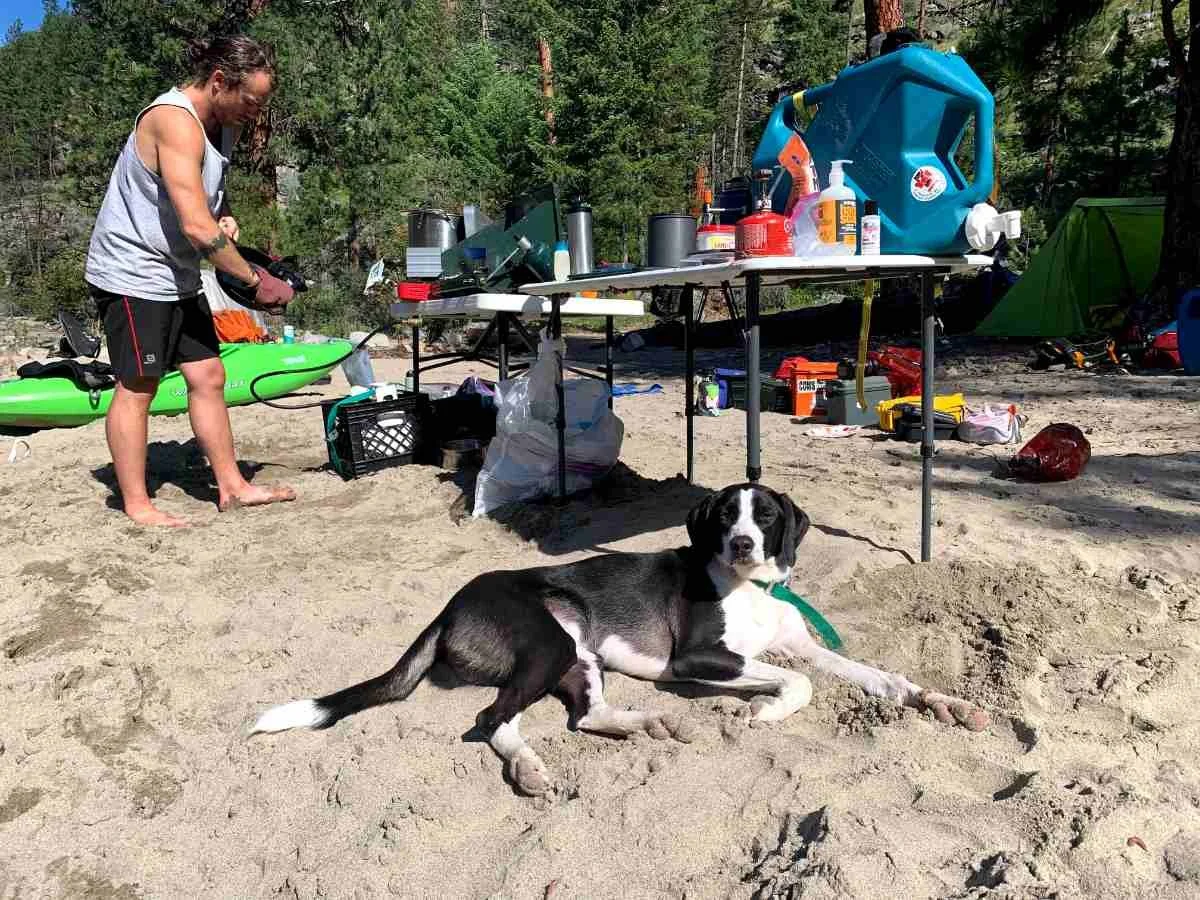
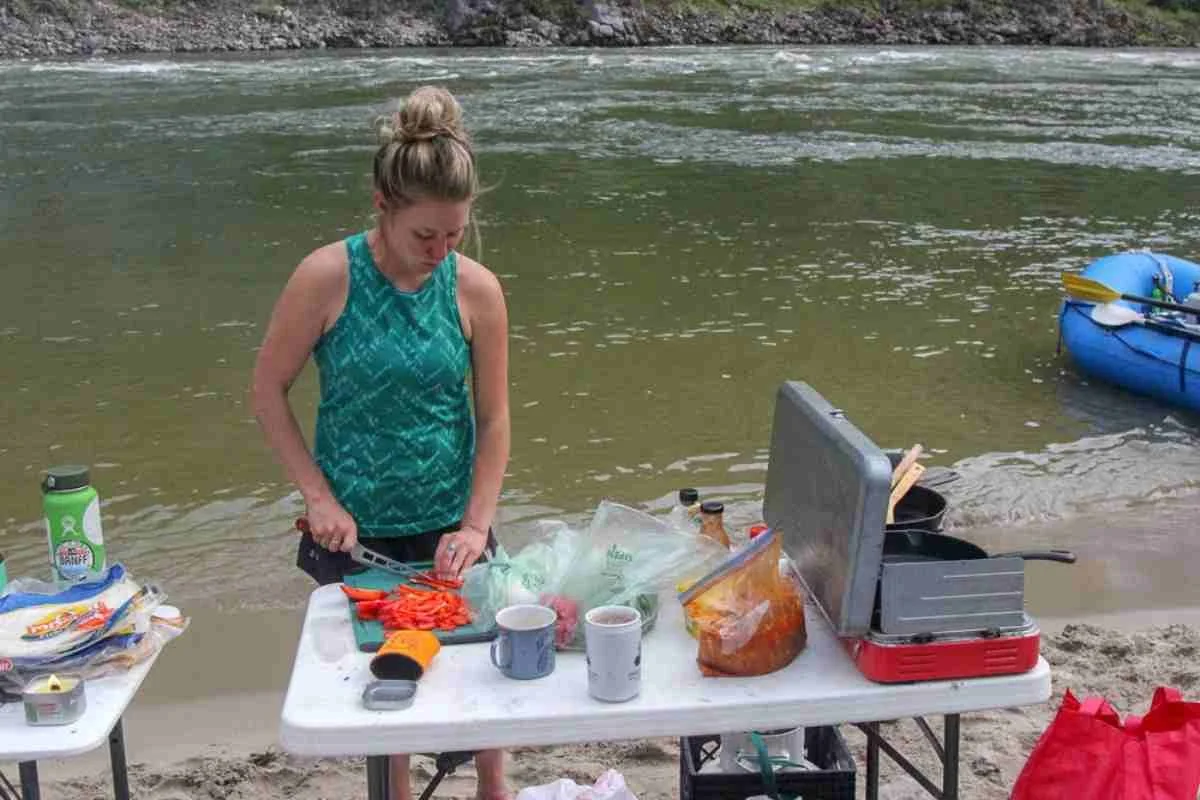
When planning a camping kitchen setup for beginners, the "zone" approach is your best friend. Instead of thinking about individual items, think about activity hubs: Heat, Storage, Prep, and Cleanup. For those managing large group camp kitchen gear, the footprint of your setup matters. A larger group requires a dedicated kitchen prep station to avoid the frustration of cooking on the edge of a picnic table.
| Persona | Prep Space Needs | Storage Volume | Recommended Station |
|---|---|---|---|
| Solo/Minimalist | < 2 sq. ft. | 30L Bin | Tailgate or small folding table |
| Weekend Family | 4-6 sq. ft. | 60L Chuck Box | Standard folding camp table |
| The Overlander | 6-10 sq. ft. | Modular Crate System | Integrated vehicle drawer or Dine O Max |
| Large Groups (10+) | 10+ sq. ft. | Multiple 60L Bins | SylvanSport Dine O Max or dual-table setup |
The Heat Source: Stoves and Fuel Management
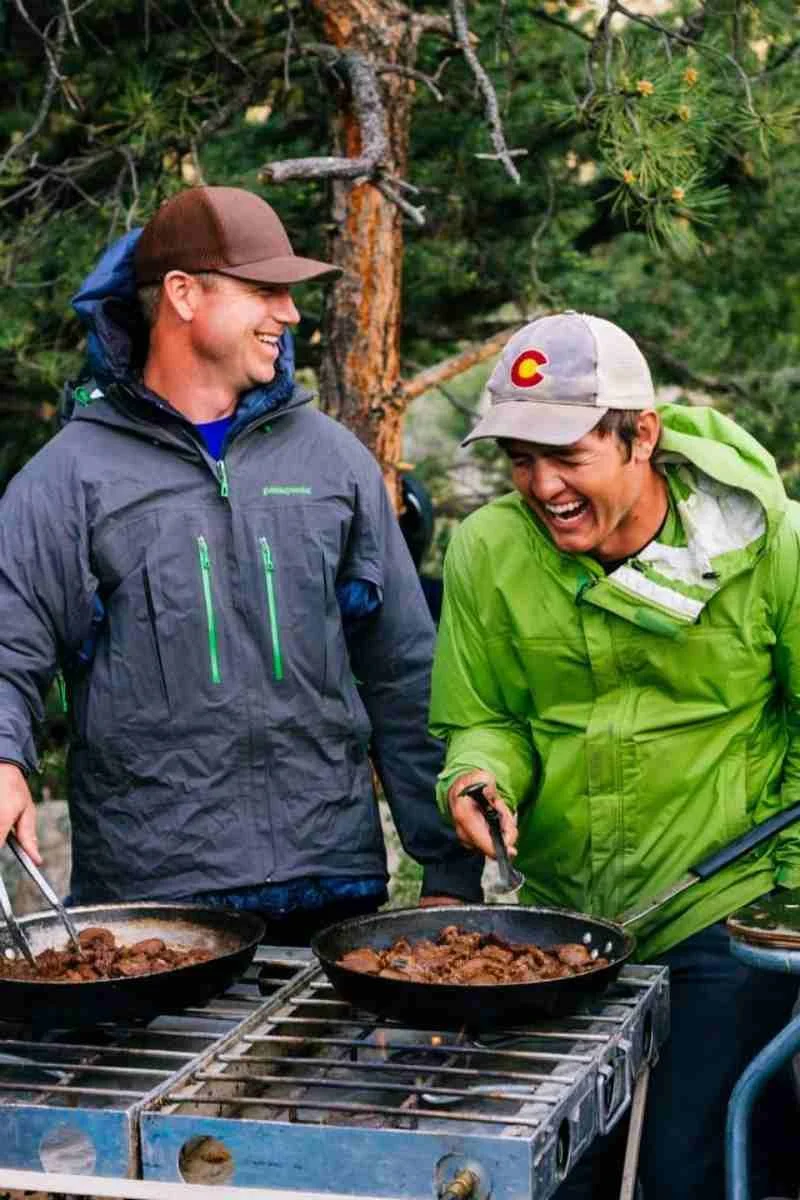
The heart of your setup is the stove. When browsing portable camp kitchen station reviews, you will notice that BTU burner output is the most critical metric. A high-BTU stove, such as the Camp Chef Everest 2X, provides roughly 20,000 BTUs per burner, allowing you to boil water in minutes even in cold or windy conditions.
Wind is the enemy of efficient cooking. A built-in wind screen is vital because it protects the flame and ensures that heat is transferred to your camp cooking equipment rather than being blown away. If your stove doesn't have high sides, you can purchase a wrap-around wind screen to improve fuel efficiency.
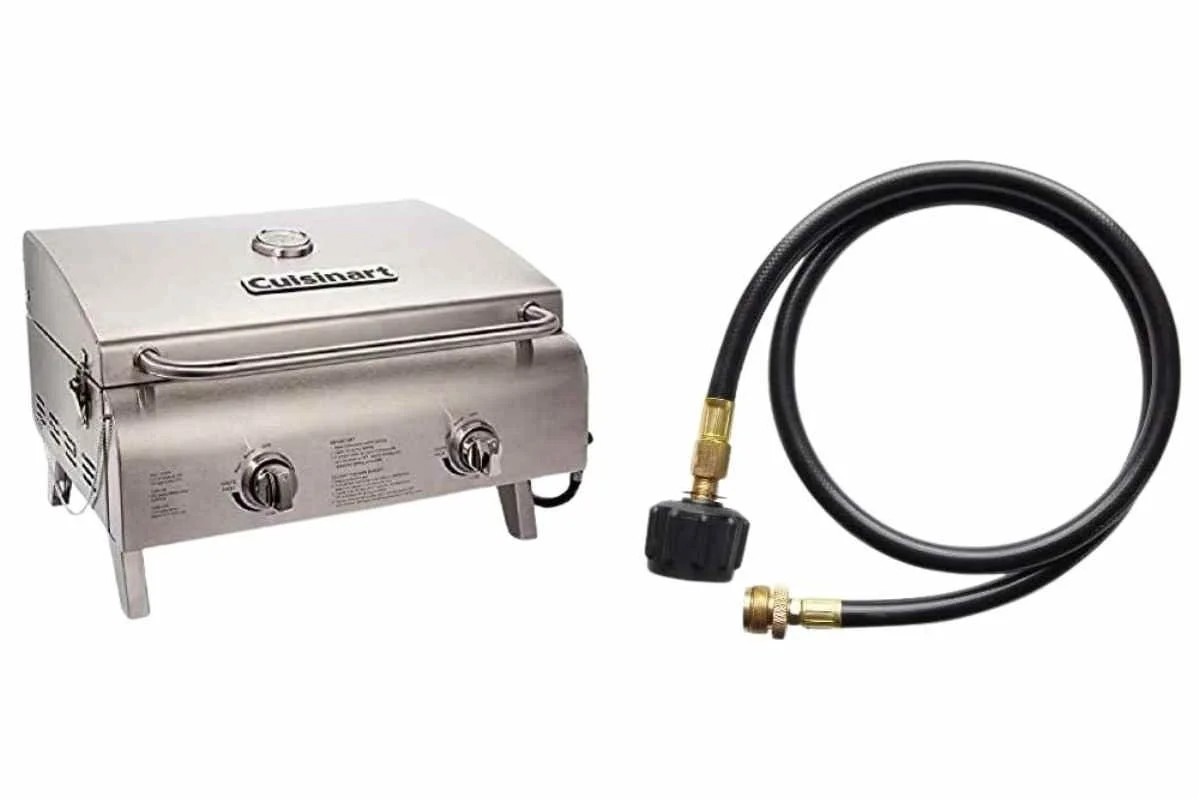
Regarding fuel, management of propane canisters is a logistical hurdle. Most car campers use the 1lb green propane canisters, but for longer trips, consider a refillable 5lb or 10lb tank. This is more cost-effective and reduces the waste of disposable cylinders, aligning with modern sustainability trends in the growing camp kitchen market.
Expert Warning: Always check your stove's regulator connection for leaks using soapy water before the first use of the season. A small bubble could indicate a loose fitting that wastes fuel and creates a fire hazard.
Cold and Dry Storage: The Chuck Box Revolution
Organization is what separates a frustrating meal from a seamless outdoor dining experience. This is where the chuck box comes into play. A chuck box is a dedicated gear box designed to house all your camping kitchen essentials in one place. By using internal storage cubes or dividers, you can isolate spices, cutlery, and small tools.
Efficiently organizing a camp kitchen involves using stackable, water-tight containers to prevent pest intrusion and keep the cooking station uncluttered. Transparency is key here—using clear bins allows you to see exactly where the salt or the spatula is without digging through layers of gear.
For perishables, a roto-molded cooler is a non-negotiable for serious campers. These coolers use thick insulation and heavy-duty gaskets to keep ice for nearly a week. However, the best cooler is only as good as your packing method. Adopt a "last in, first out" strategy and keep high-use items like beverages in a separate, smaller cooler to prevent the main food cooler from losing its chill every time someone wants a soda.
In many national parks, you must utilize bear proof camp food storage solutions. If your campsite doesn't provide a metal food locker, you need IGBC-certified canisters or a hard-sided vehicle. Never leave food, trash, or even scented toiletries like toothpaste inside a tent or a soft-sided cooler in bear country.
Prep and Cook: Nested Cookware and Workflow
The key to a mobile kitchen is space efficiency. Standard home pots and pans are bulky and difficult to pack. Instead, invest in nested cookware sets where pots, pans, and even plates stack inside one another like Russian nesting dolls. This saves significant space in your vehicle and keeps your camp cooking equipment organized.
When it comes to easy camping meal prep strategies, do as much as possible at home. Chop vegetables, marinate meats, and pre-mix dry ingredients for pancakes or stews. Store these in reusable silicone bags or lightweight containers. This reduces the amount of kitchen prep station space you need at the site and drastically cuts down on the amount of trash you have to pack out.
- Knife Safety: Use blade guards for any sharp knives stored in your chuck box.
- Surface Area: Use multi-functional furniture, such as adjustable-height prep tables with integrated shelving, to maximize limited space.
- Heat Protection: Choose heat-resistant utensils like silicone or bamboo that won't melt on a high-BTU burner.
The Cleanup Zone: Leave No Trace Principles
Cleanup is often the most overlooked part of the camp kitchen checklist, but it is the most important for environmental health. Follow Leave No Trace principles by setting up a dedicated wash station at least 200 feet away from any lakes or streams.
A robust camp kitchen cleanup gear kit should include two collapsible basins: one for soapy water and one for rinsing. Use a biodegradable soap, but remember that "biodegradable" does not mean it is safe to dump directly into a river. The soil is what filters the soap, so always dispose of your grey water management waste by straining out food solids and scattering the liquid over a wide area of dry ground.
To keep your station tidy, a mesh drying rack is an excellent addition. It allows your dishes to air dry in the breeze, keeping them off the dirty picnic table and away from insects. Managing food waste is equally critical; pack all trash in durable, odor-resistant bags and secure them in your vehicle or a bear box every single night.
Pro Tip: To make dishwashing easier, wipe plates clean with a reusable cloth or paper towel before washing. This keeps your wash water cleaner for longer and reduces the amount of food particles you need to strain out.
FAQ
What are the absolute essentials for a camp kitchen?
The foundation includes a reliable heat source like a dual-burner propane stove, a high-quality roto-molded cooler, a water container, nested cookware, and a dedicated storage bin or chuck box to keep utensils and dry goods organized.
How do you organize a camp kitchen for a multi-day trip?
Use the functional zone strategy to group items by use (Heat, Storage, Prep, Clean). Clear, stackable bins and a modular chuck box help keep small items visible, while pre-prepped meals in the cooler maximize space and reduce onsite waste.
What is the best way to wash dishes while camping?
Use a two-basin system with collapsible buckets—one for washing with biodegradable soap and one for rinsing. Ensure you are at least 200 feet from water sources, strain out food solids for the trash, and scatter the grey water over the ground.
How do you safely store food to keep animals away?
In wildlife-heavy areas, use IGBC-certified bear proof camp food storage solutions or metal lockers provided by the park. Never store food, trash, or scented items in your tent; keep them in a hard-sided vehicle or a certified canister at all times.
What kind of cooking stove is best for car camping?
A dual-burner propane stove is the gold standard for car camping. Look for one with at least 10,000 BTU burner output per side and integrated wind screens to ensure consistent performance in various weather conditions.
As we look toward the next few years of outdoor exploration, the evolution of modular and efficient gear is making the wilderness more accessible than ever. By refining your camp kitchen checklist and focusing on workflow rather than just gear, you can ensure that every meal under the stars is as enjoyable as the hike that preceded it.