Quick Facts
- Legality: Licensed fishing is permitted in three specific bodies of water within the park.
- Primary Target: Common carp, which now represent nearly half of the surveyed fish population in some lakes.
- License: A valid New York State freshwater fishing license is mandatory for anyone aged 16 and older.
- Style: Strictly 100% catch-and-release to preserve the urban ecosystem.
- Gear Constraints: Use of barbless hooks is required; lead sinkers are strictly prohibited.
- Expert Insight: Manhattan is served by only one specialized fly fishing guide, Dr. Brandon Dale.
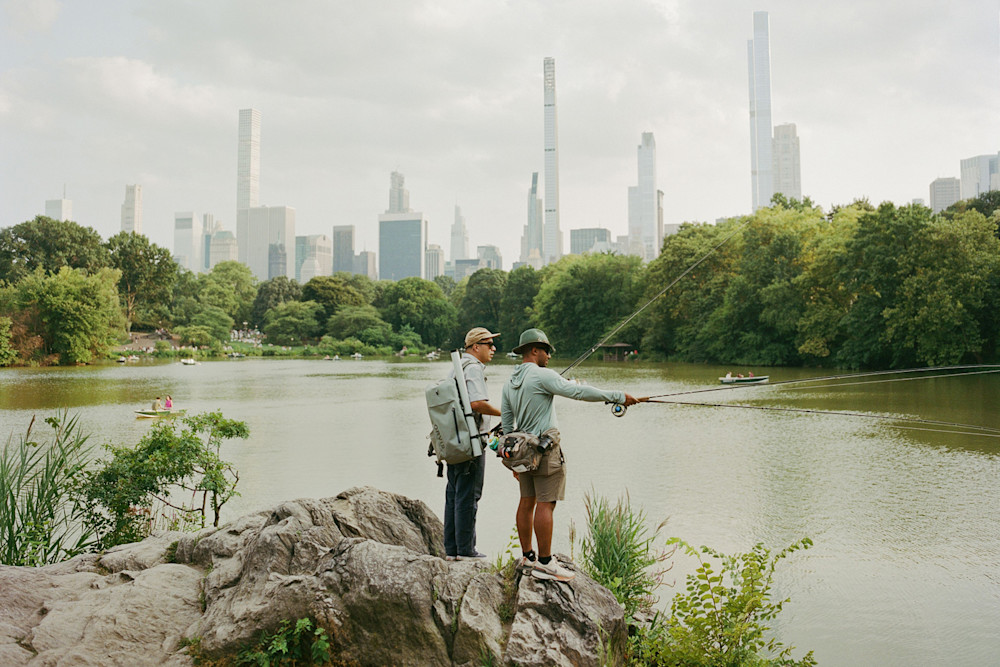
Central Park fly fishing is an accessible reality for urban anglers who focus on waters like the Harlem Meer and The Lake. By securing a New York State license and following strict catch-and-release protocols, fly fishers can target massive common carp and largemouth bass right in the heart of Manhattan.
Meet the Pro: Why You Need a Central Park Fly Fishing Guide
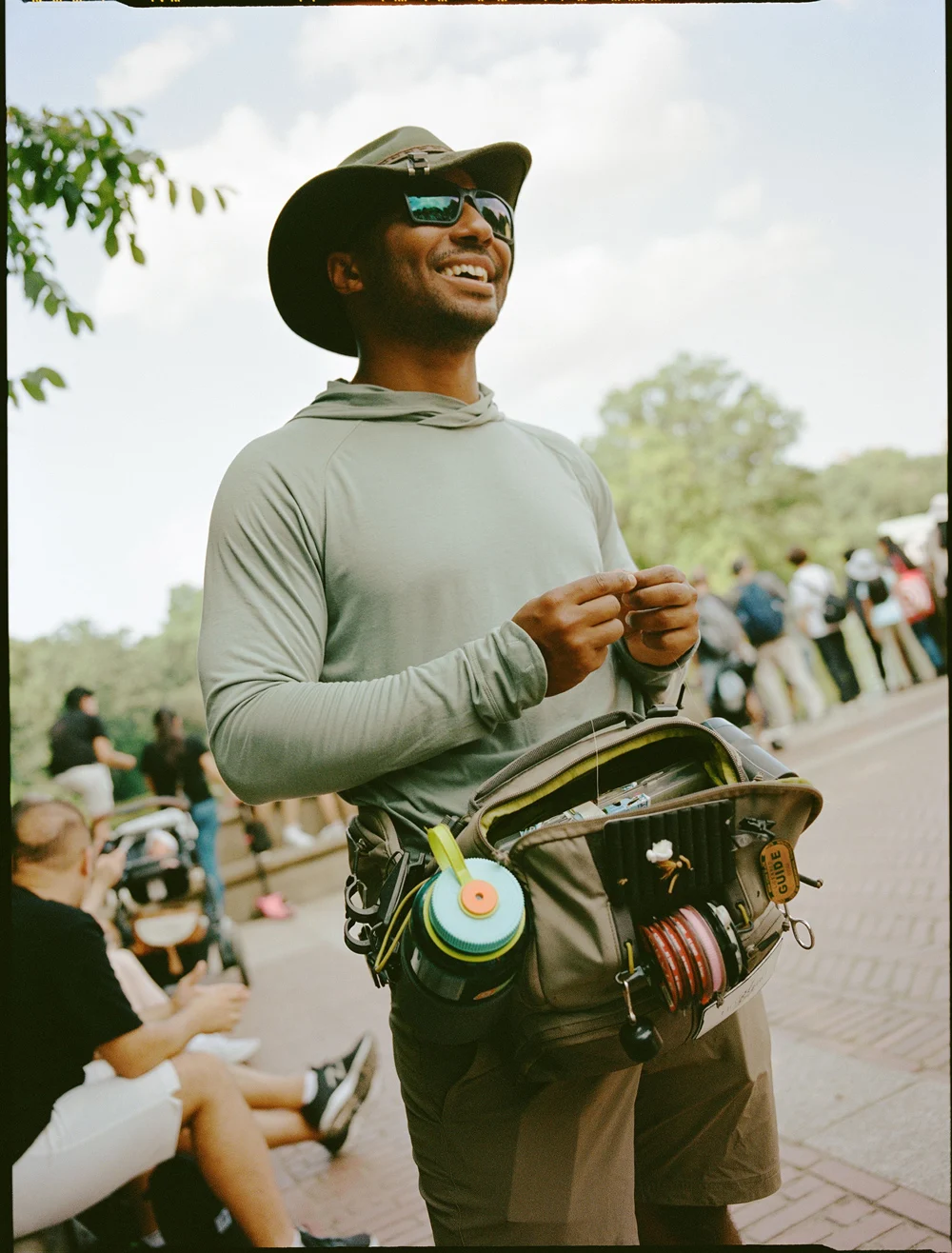
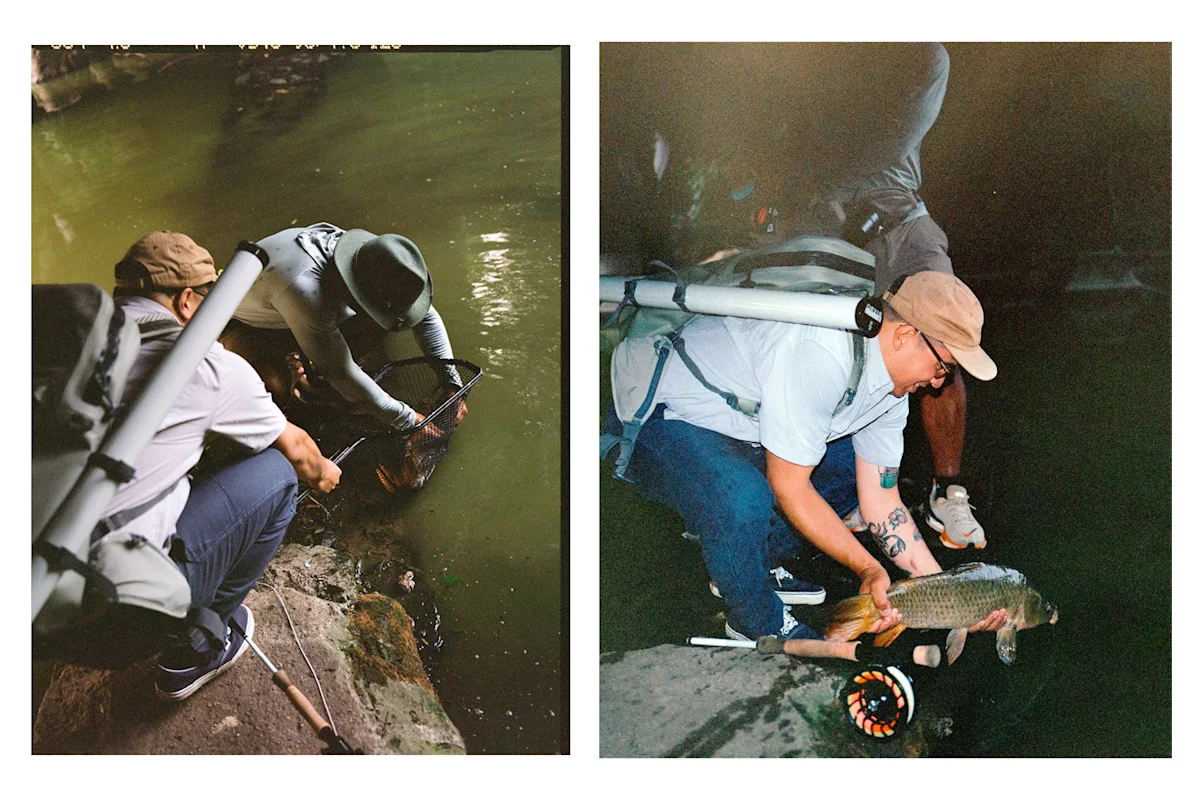
Standing on the edge of the Harlem Meer, the sounds of the city don't quite disappear, but they change. The screech of the 2 train underground and the persistent hum of Fifth Avenue traffic become white noise as you focus on the silhouette of a twenty-pound carp hovering near a patch of lily pads. This is the office of Dr. Brandon Dale, a medical resident who moonlights as a professional angler. Dr. Brandon Dale is one of only three licensed fishing guides in New York City and the only one currently providing guided fly fishing services within Manhattan waters.
Navigating the urban angling environment requires more than just knowing where the fish are; it involves managing a crowded public space where a backcast could easily snag a passing tourist or a low-hanging oak branch. This is where a professional NYC fly fishing guide proves invaluable. Dale’s transition from medical professional to urban guide highlights the technical grit required for these waters. He teaches clients that success in Manhattan isn't just about the fish; it is about precision, stealth, and a deep understanding of how Manhattan lakes function as pressurized habitats. If you are wondering what to expect with a fly fishing guide in nyc, be prepared for a lesson in technical casting and a crash course in urban biodiversity.
The Legal Catch: Licensing and Prohibited Gear
Before you assemble your rod, you must ensure you are on the right side of the law. Central Park fly fishing is highly regulated to ensure the sustainability of its small, high-traffic bodies of water. The most critical step is obtaining a license. For New York residents, a freshwater fishing license costs approximately $25 annually, while short-term options are available for visitors. These nyc freshwater fishing license requirements are non-negotiable and park rangers do conduct frequent checks.
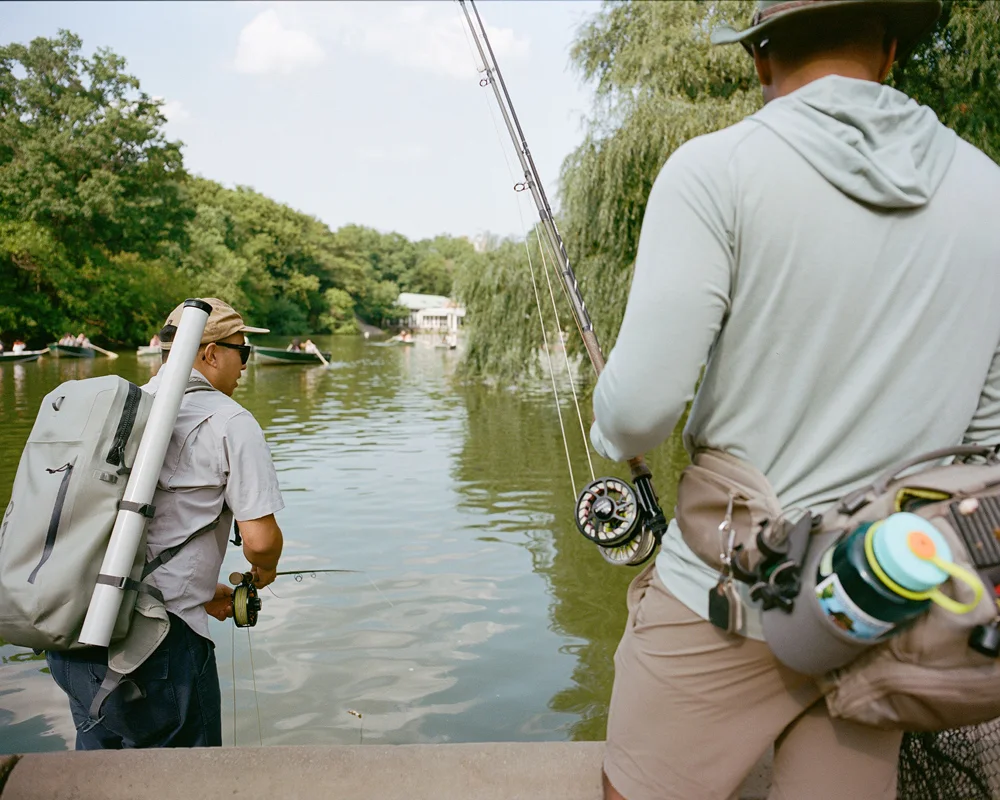
Beyond the license, the gear you use must reflect local conservation ethics. The park enforces a strict catch-and-release policy. To minimize injury to the fish, you must use barbless hooks. If your flies come with barbs, simply crimp them down with pliers before casting. Furthermore, lead sinkers are banned to prevent poisoning local waterfowl. Anglers are also encouraged to follow the "wet hands" rule championed by organizations like Theodore Gordon Flyfishers, ensuring the protective slime layer of the fish remains intact during the release.
| Regulation | Requirement |
|---|---|
| Fishing License | Required for ages 16+ (NYS Freshwater) |
| Catch Style | 100% Catch-and-Release Only |
| Hook Type | Barbless hooks only |
| Sinkers | No lead allowed |
| Fish Handling | Wet hands; no netting on dry pavement |
Where to Cast: Best Fly Fishing Manhattan Lakes
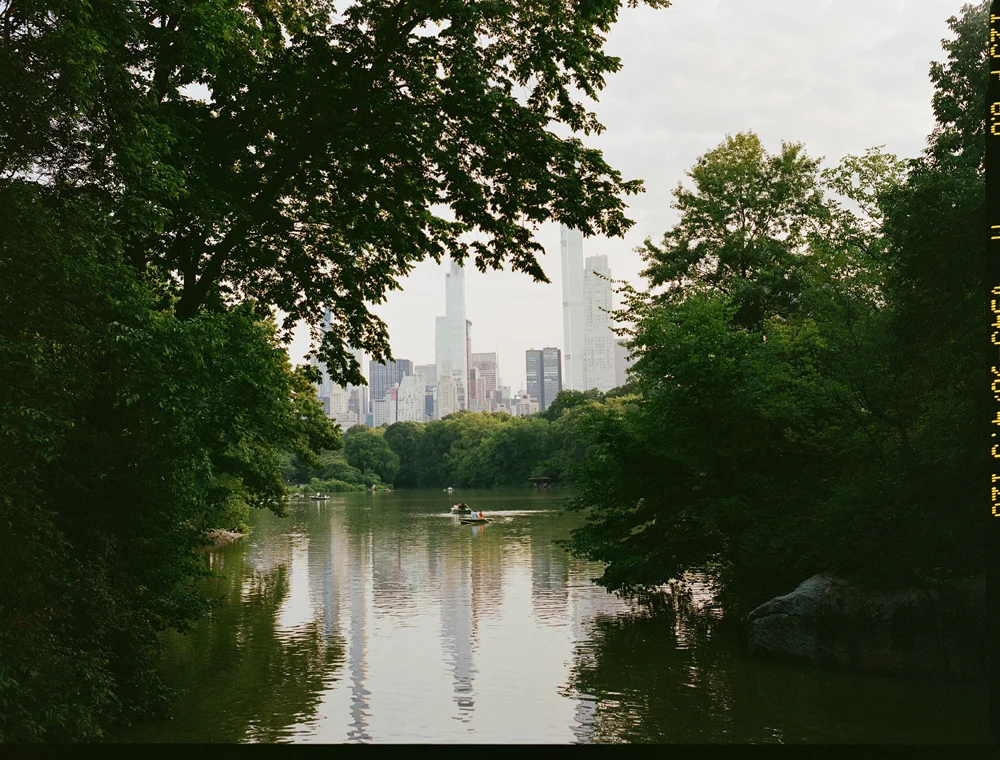
Manhattan offers nine bodies of water, but only a few are open to anglers. Knowing where to go is the difference between a productive afternoon and a fine from the Parks Department.
The Harlem Meer Located at the northeast corner of the park, this is arguably the premier destination for urban carp fly fishing. The water is relatively shallow, making it ideal for sight-fishing. A 2021 electrofishing survey conducted by the New York State Department of Environmental Conservation in Harlem Meer yielded 37 largemouth bass measuring 15 inches or more.
The Lake This central body of water offers more acreage and deeper pockets. It is the best place to find the truly massive common carp (Cyprinus carpio) that have become the park's most sought-after residents. The winding shoreline provides various technical challenges for fly fishing Manhattan lakes.
The Pond Tucked in the southeast corner near the Plaza Hotel, The Pond offers accessibility but comes with heavy tourist traffic. It is a great spot for central park fly fishing for beginners looking to practice short-range casts for bluegill and smaller bass.
Important Note: Fishing is strictly prohibited in the Reservoir and Turtle Pond. These areas are dedicated wildlife sanctuaries or protected zones, and casting a line there will result in a swift reprimand.
Urban Tactics: Mastering the Central Park Carp
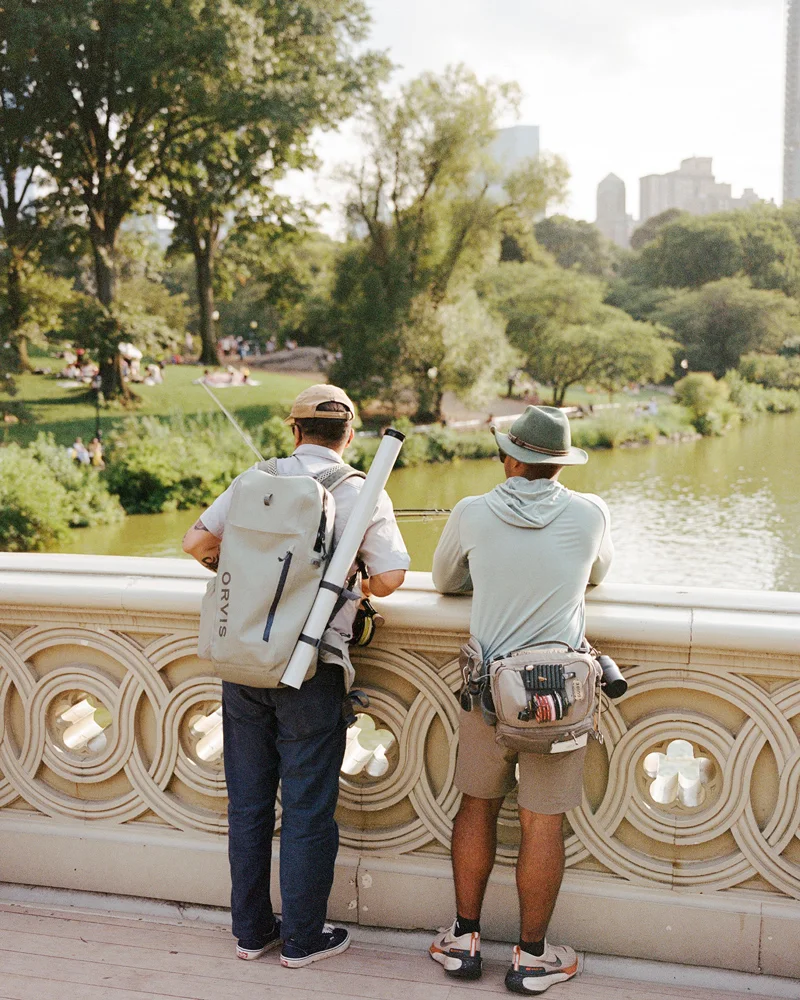
The sight-fishing techniques used in Central Park are more akin to hunting than traditional blind casting. The water can be murky, so you are looking for the "golden flash" of a carp’s flank or the subtle disturbance of a tail breaking the surface. Because of the dense foliage and proximity of pedestrians, the standard overhead cast is often impossible.
Mastering the bow and arrow cast for urban fly fishing is essential:
- Grip the fly: Hold the fly by the bend of the hook (carefully!) between your thumb and forefinger.
- Load the rod: Pull the fly back toward you, causing the rod to bend into a deep arc.
- Aim: Point the rod tip exactly where you want the fly to land in the tiny window between the branches.
- Release: Let go of the fly. The rod’s tension will propel the fly forward with surprising accuracy and minimal clearance.
Given that these carp can exceed 20 pounds, an 8-weight fly rod setup is the standard recommendation. You need the backbone of a heavy rod to steer a large fish away from submerged shopping carts or jagged rocks. These fly fishing techniques for central park carp focus on short, powerful battles rather than long runs.
Essential Gear: Best Carp Flies for Central Park Lakes
The diet of an urban carp is surprisingly diverse, ranging from mulberries falling from overhanging trees to bread crusts dropped by tourists. However, the best carp flies for central park lakes usually mimic natural invertebrates. According to the New York State Department of Environmental Conservation, the common carp population in Central Park Lake increased from 6% of the surveyed fish catch in 2010 to 47% in 2019. This shift means the fish are well-fed and often selective.
- Terrestrial flies: During late summer, beetle and ant patterns can be deadly when dropped precisely near the shoreline.
- Clouser minnows: Use these in smaller sizes with bead-head eyes to reach bass sitting deeper in the Harlem Meer.
- Rubber-legged nymphs: These mimic the crayfish and insect larvae that carp root out of the mud.
For your leader, choose a 0X or 1X fluorocarbon. The water isn't gin-clear, but these fish have seen a lot of tackle, and the abrasion resistance of fluorocarbon is necessary when a carp tries to wrap your line around a bridge piling.
FAQ
Is fly fishing allowed in Central Park?
Yes, fly fishing is permitted in designated bodies of water, including the Harlem Meer and The Lake. However, you must stick to designated paths and shorelines and avoid prohibited areas like the Reservoir.
Do you need a fishing license for Central Park?
Yes, anyone 16 years of age or older must have a valid New York State freshwater fishing license. You can purchase these online or at various sporting goods retailers throughout the city.
What kind of fish are in Central Park?
The most common species are common carp, largemouth bass, bluegill, and pumpkinseed sunfish. Some lakes also host black crappie and the occasional chain pickerel.
Is fishing in Central Park catch and release only?
Absolutely. All freshwater fishing in New York City parks is strictly catch-and-release. You are required to return all fish to the water immediately and handle them with care to ensure their survival.
Which lake in Central Park is best for fly fishing?
The Harlem Meer is generally considered the best for fly fishing due to its accessibility and high concentration of catchable fish. The Lake is also excellent for those targeting larger carp but requires more technical skill to navigate the trees.
If you are ready to trade the concrete jungle for a few hours of tactical angling, booking a session with a specialized NYC fly fishing guide is the best way to bypass the learning curve and get straight to the action.