Our Top Picks
The BioLite Dash 450 is a top choice for thru-hiking due to its 3D Slimfit construction, which provides a balanced, no-bounce fit during long hours of night hiking. It features a 450-lumen output and USB-C pass-through power, making it one of the most reliable rechargeable headlamps for thru-hiking.
The BioLite Dash 450 review confirms this device is a top choice for thru-hiking due to its 3D Slimfit construction, which provides a balanced, no-bounce fit during long hours of night hiking. It features a 450-lumen output, a 90-meter beam distance, and USB-C pass-through power capability, allowing users to charge the device while it is in use. Field testing on the Arizona Trail confirmed its comfort and reliability for setting up camp and navigating technical terrain.
Field Test: From the Arizona Trail to the Grand Enchantment
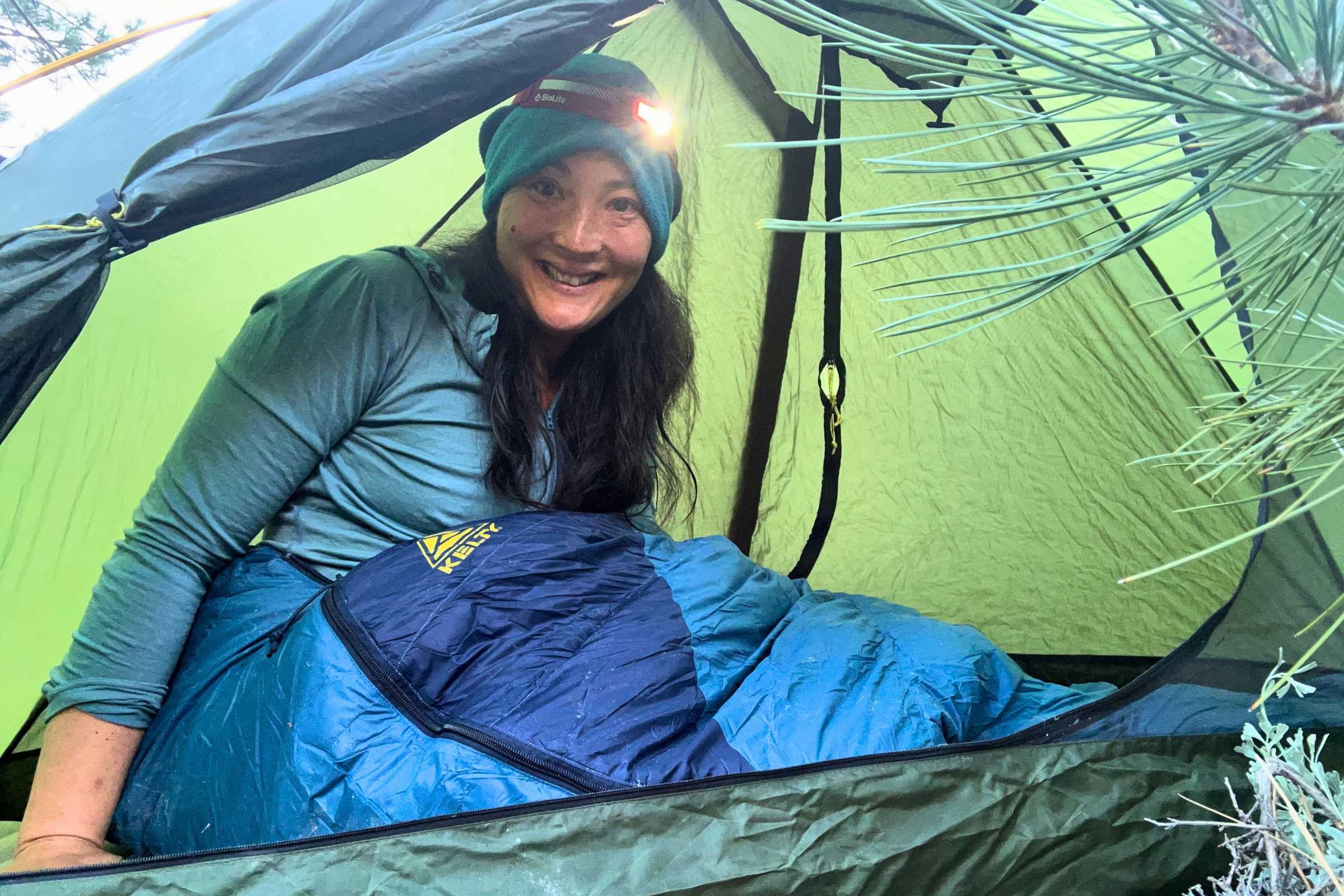
When you are three weeks into an 800-mile journey, the gear you carry needs to stop being a "product" and start being an extension of your body. During my Arizona Trail field testing through the rugged Sky Islands and the desert floor, I relied on this light to guide me through technical terrain long after the sun dipped below the horizon. On long-distance treks like the Arizona Trail or the Grand Enchantment Trail, you often find yourself night hiking to reach water sources or making up miles lost to the midday heat.
Reliability in these environments is paramount. The beam throw distance proved more than adequate for spotting trail markers across rocky washes, while the flood modes offered excellent peripheral vision. Navigation becomes much less stressful when you aren't constantly adjusting your light because it is slipping down your forehead. Whether scrambling up steep switchbacks or descending into a canyon, the visibility remained consistent and the housing stayed secure.
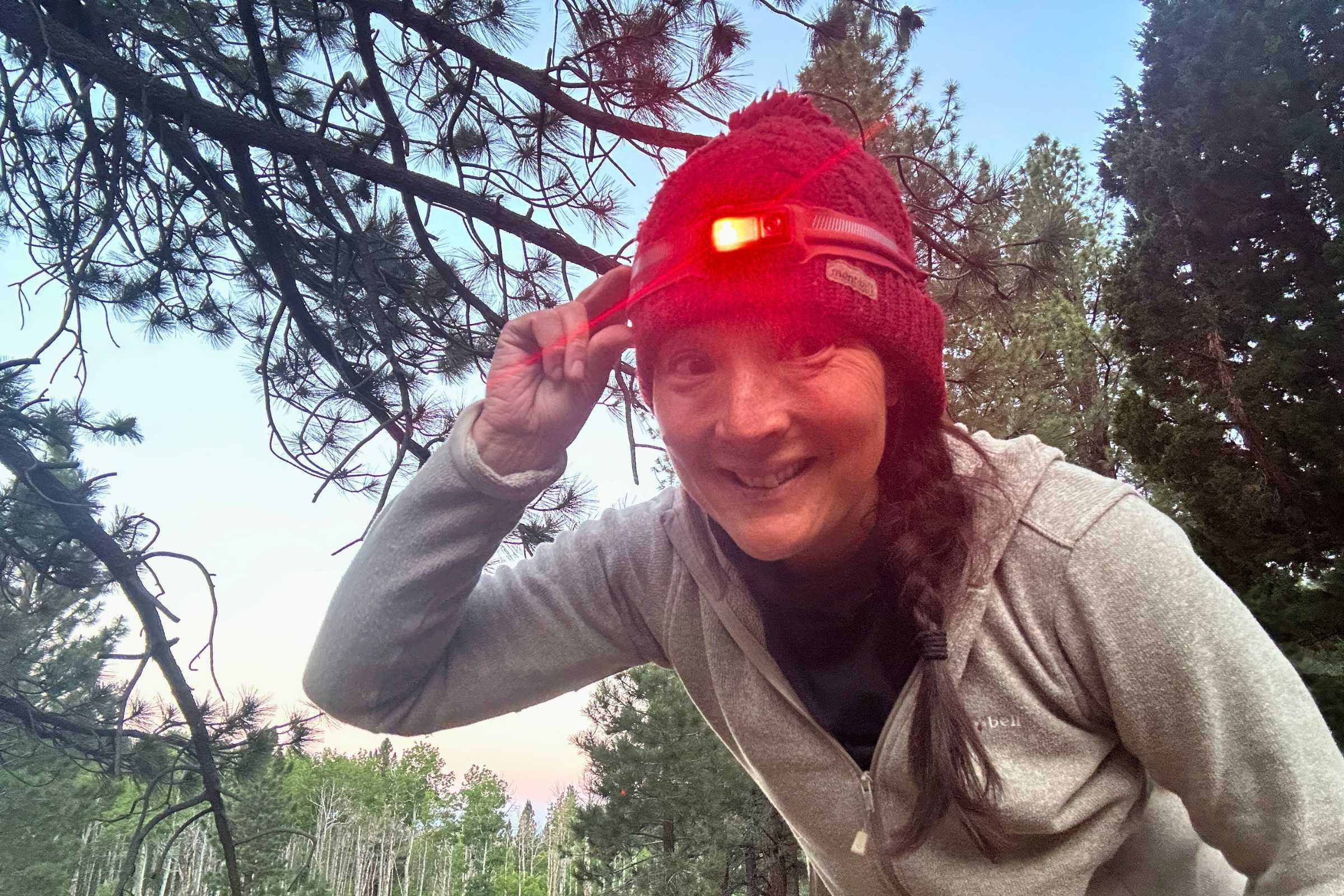
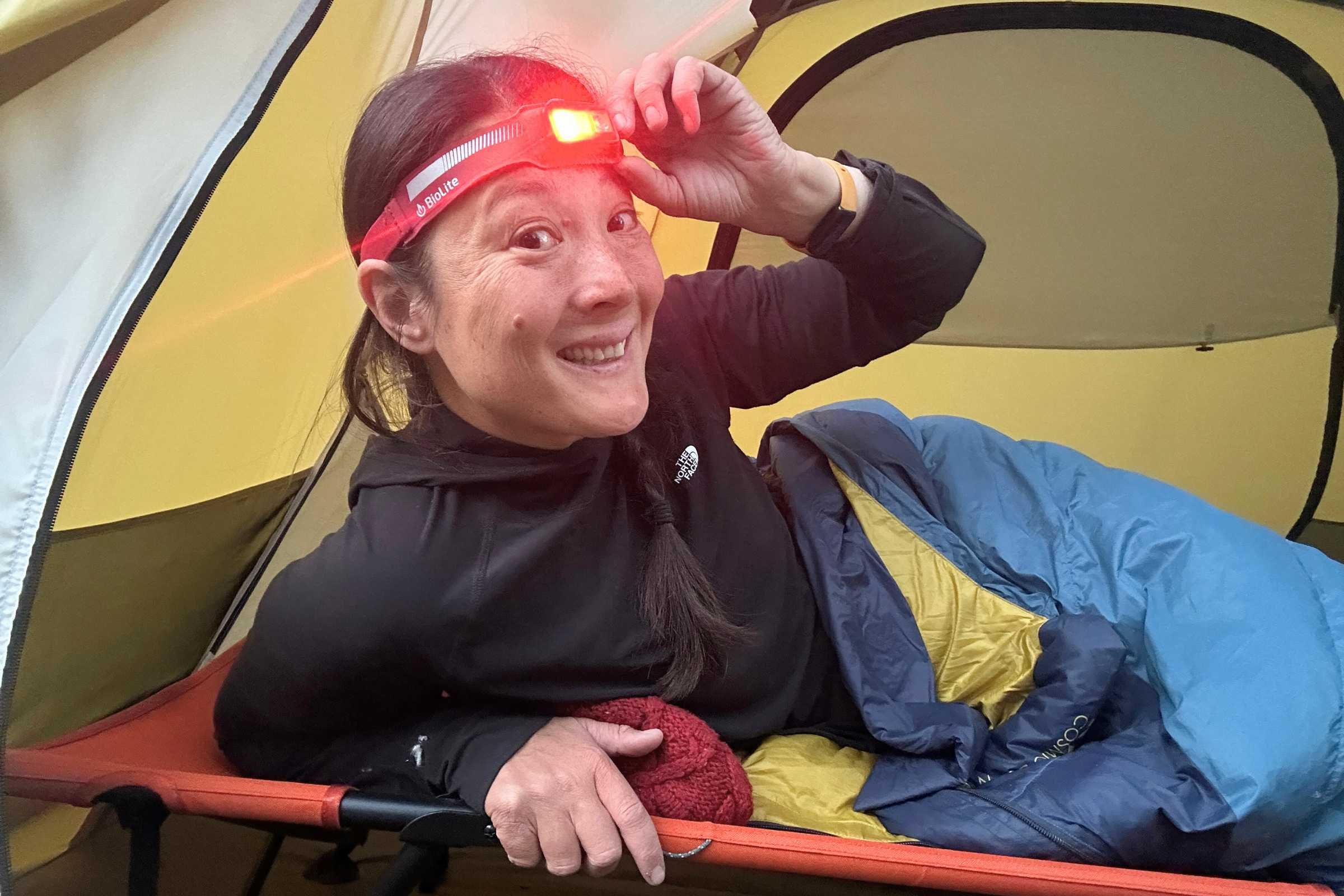
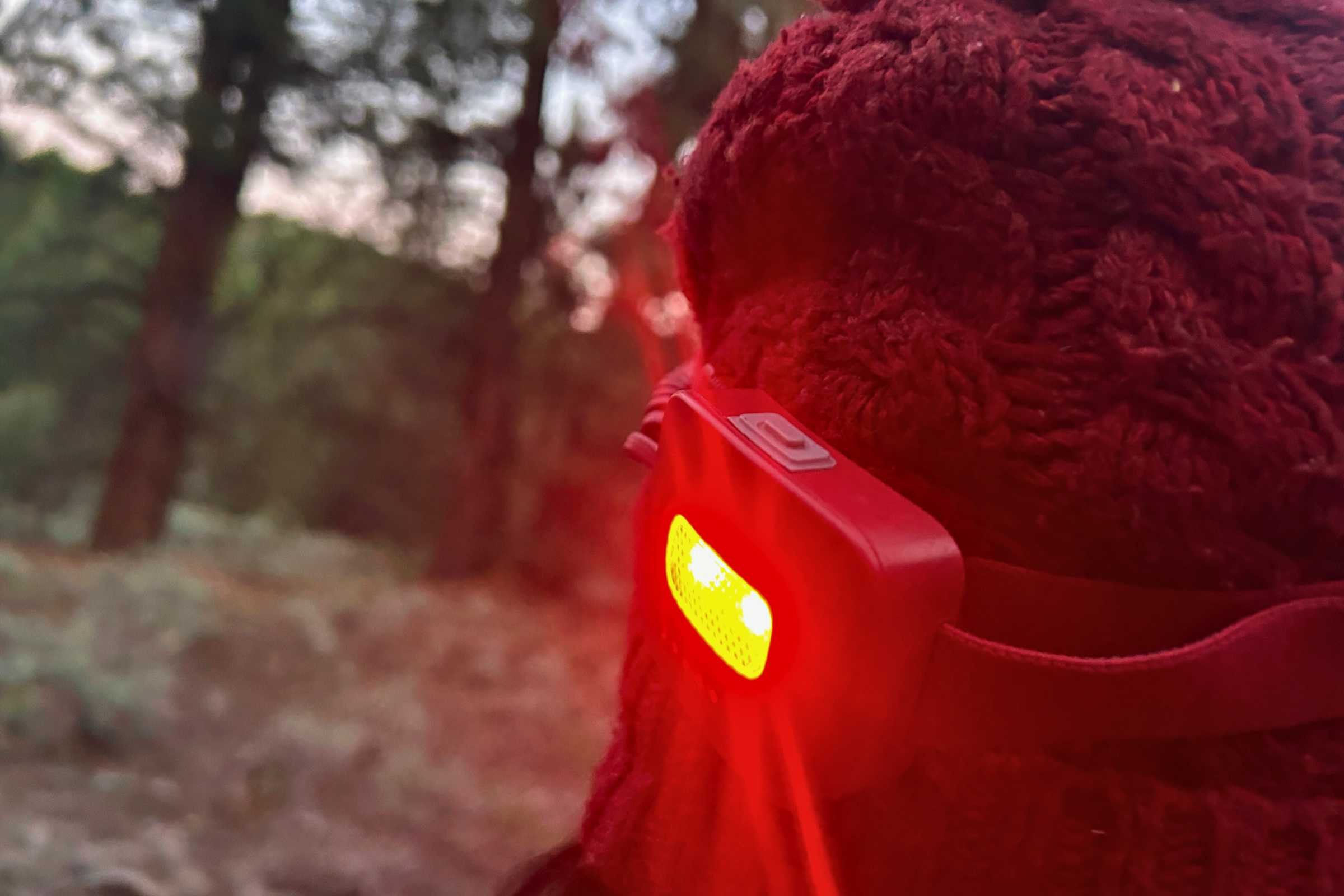
The versatility also shines when the hiking stops. After a 25-mile day, the last thing I want to do is annoy my campmates with a blinding white beam. Using the lightweight headlamps with red flood light mode allowed me to organize my gear and cook dinner without ruining everyone’s night vision. It is a small detail that makes a massive difference in camp etiquette on popular thru-hiking routes.
The Specs Lab: Advertised vs. Measured Performance
Transparency is the foundation of a good BioLite Dash 450 review. Manufacturers often provide "best-case scenario" numbers, so we put the unit through its paces to see how it holds up in a real-world Specs Lab. According to data from bestoutdoors.co.uk, the BioLite Dash 450 headlamp features a lightweight design weighing approximately 78 grams (2.75 oz). On our scales, the unit came in slightly higher at 2.9 oz, though this difference is negligible on the trail.
| Feature | Advertised Specification | Measured / Real-World Result |
|---|---|---|
| Weight | 78 grams (2.75 oz) | 2.9 oz (82 grams) |
| Front Profile | 10mm thickness | Verified 10mm low-profile design |
| Max Light Output | 450 lumens | Matches 450 lumens at full charge |
| Battery Life (High) | 3 hours | ~2 hours 55 minutes |
| Battery Life (Low) | 60 hours | 60+ hours at 5 lumens |
| Water Resistance | IPX4 water resistance | Survived heavy rain and splashing |
The 1000 mAh rechargeable battery is the heart of the unit. During testing, the BioLite Dash 450 battery life on high mode reliably hit the 3-hour mark before entering its dimming phase. For high-mileage backpackers, having a reliable USB-C rechargeable headlamps for backpacking is essential to keep the weight of spare batteries out of the pack. One critical safety feature we appreciated is the accidental activation lockout, which prevents the light from turning on inside your pack and draining the battery before you even reach camp.
Ergonomics: Why 3D Slimfit Matters for Trail Running
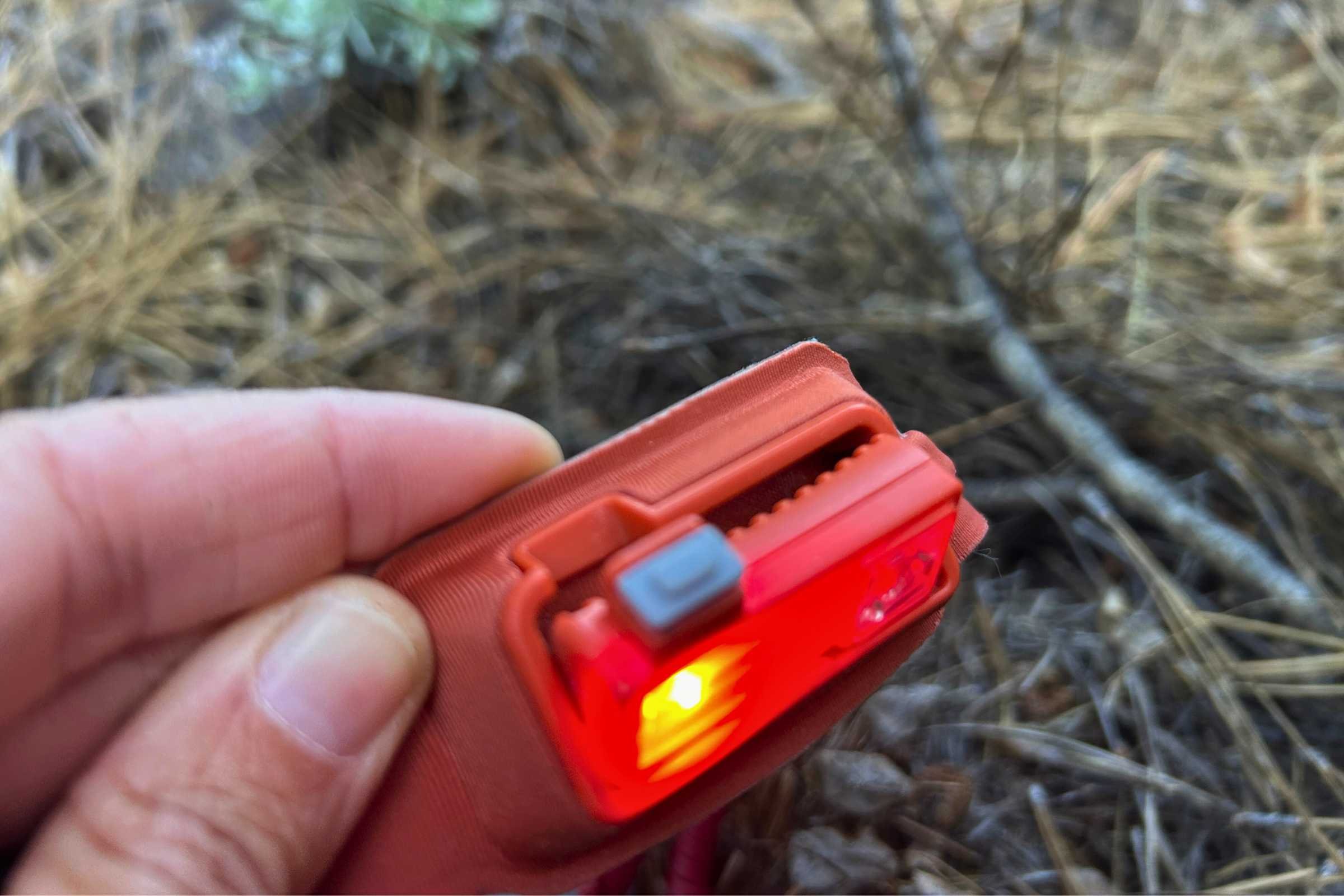
Most headlamps suffer from the "pendulum effect"—the bulky front battery housing bounces with every step. BioLite addresses this with their 3D Slimfit construction. By integrating the electronics directly into the fabric and slimming the front profile down to a mere 10mm, they have achieved a balanced weight distribution that feels almost weightless.
For those looking for comfortable no-bounce headlamps for trail running, this is a game-changer. The moisture-wicking material used in the headband helps manage sweat during high-intensity efforts, and because the weight is distributed between the front and the back, the strap doesn't need to be uncomfortably tight to stay in place.
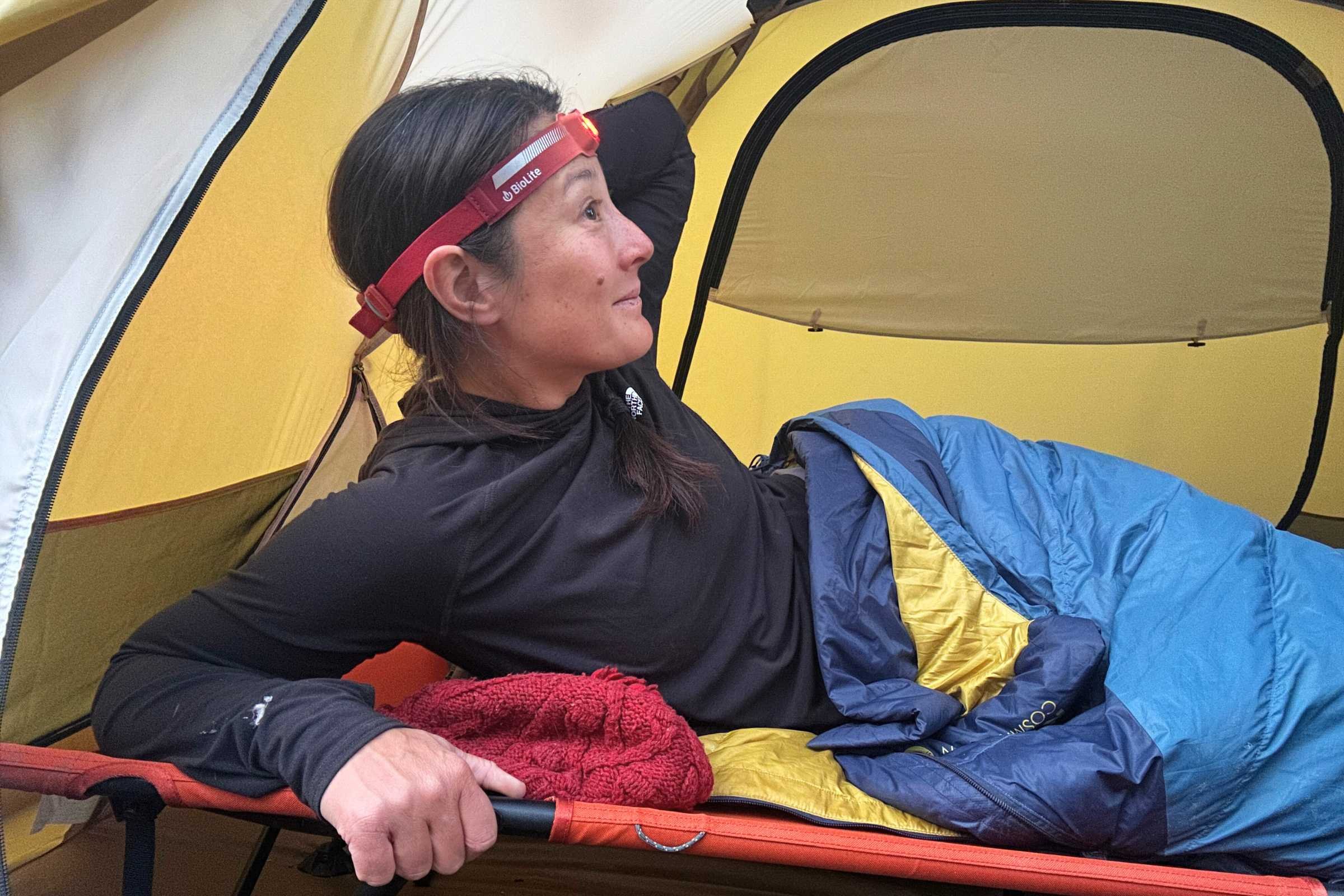
If your fitness routine involves running headlamps with rear red lights, the Dash 450 adds a layer of safety for road sections. The rear battery pack isn't just for balance; it also houses a safety strobe that keeps you visible to motorists. This makes it a dual-threat tool: a powerhouse on the trail and a safety beacon on the pavement.
Power Management: Pass-through Charging and Reserve Mode
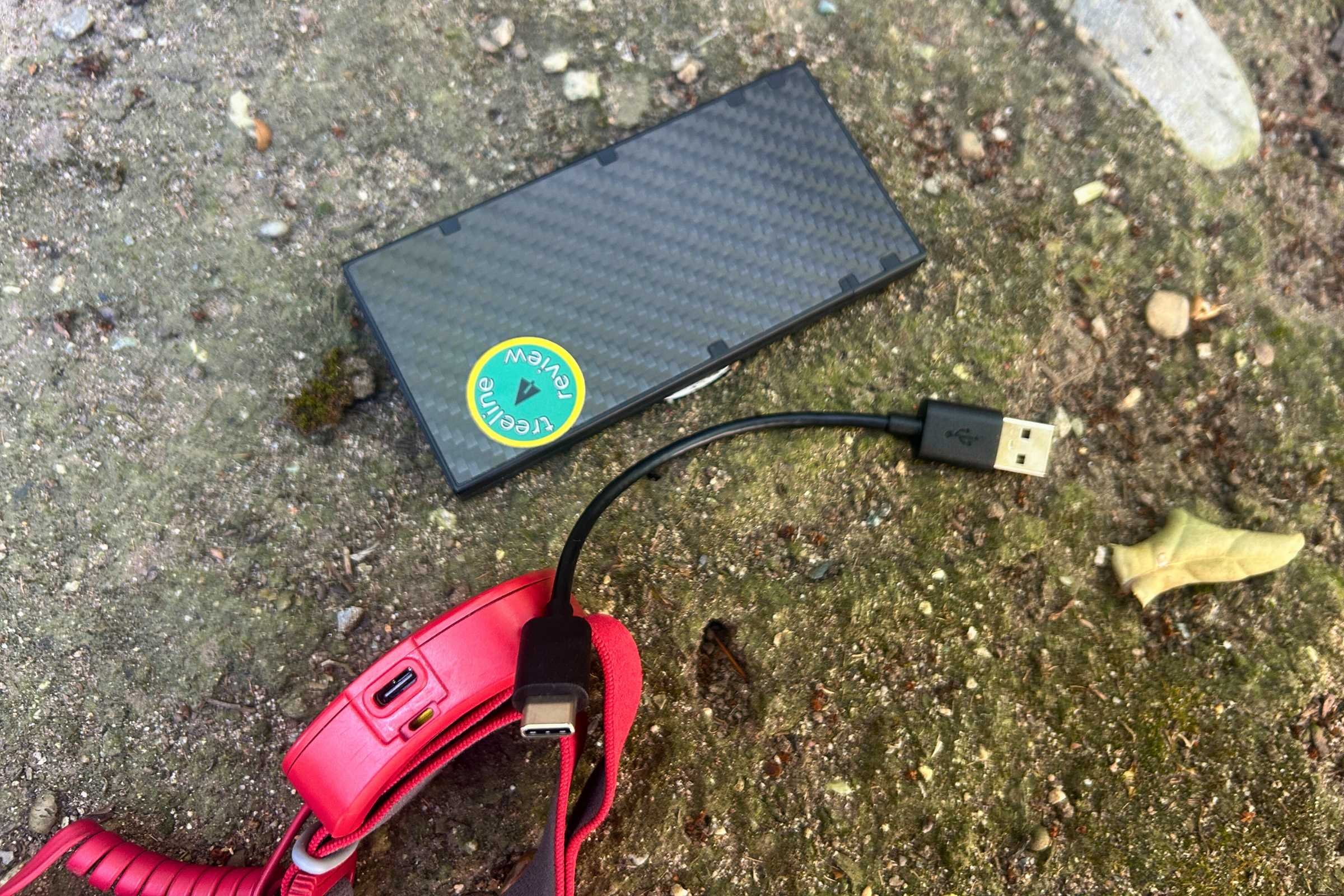
The most innovative feature for the thru-hiking community is the pass-through power capability. Most rechargeable lights are "dead" the moment you plug them in. However, the Dash 450 is one of those rare headlamps you can charge while in use. You can run a cord from a power bank in your pocket or pack directly to the headlamp, extending the 450-lumen runtime indefinitely.
Monitoring your energy is made easy by the four-LED battery indicator. You always know exactly how much "juice" is left before you need to top off. Furthermore, the one-hour reserve mode is a literal lifesaver. When the primary battery is nearly depleted, the light drops to a 5-lumen safety setting for one hour, ensuring you aren't left in total darkness while navigating back to your tent.
Competitive Comparison: BioLite Dash 450 vs Black Diamond Spot 400
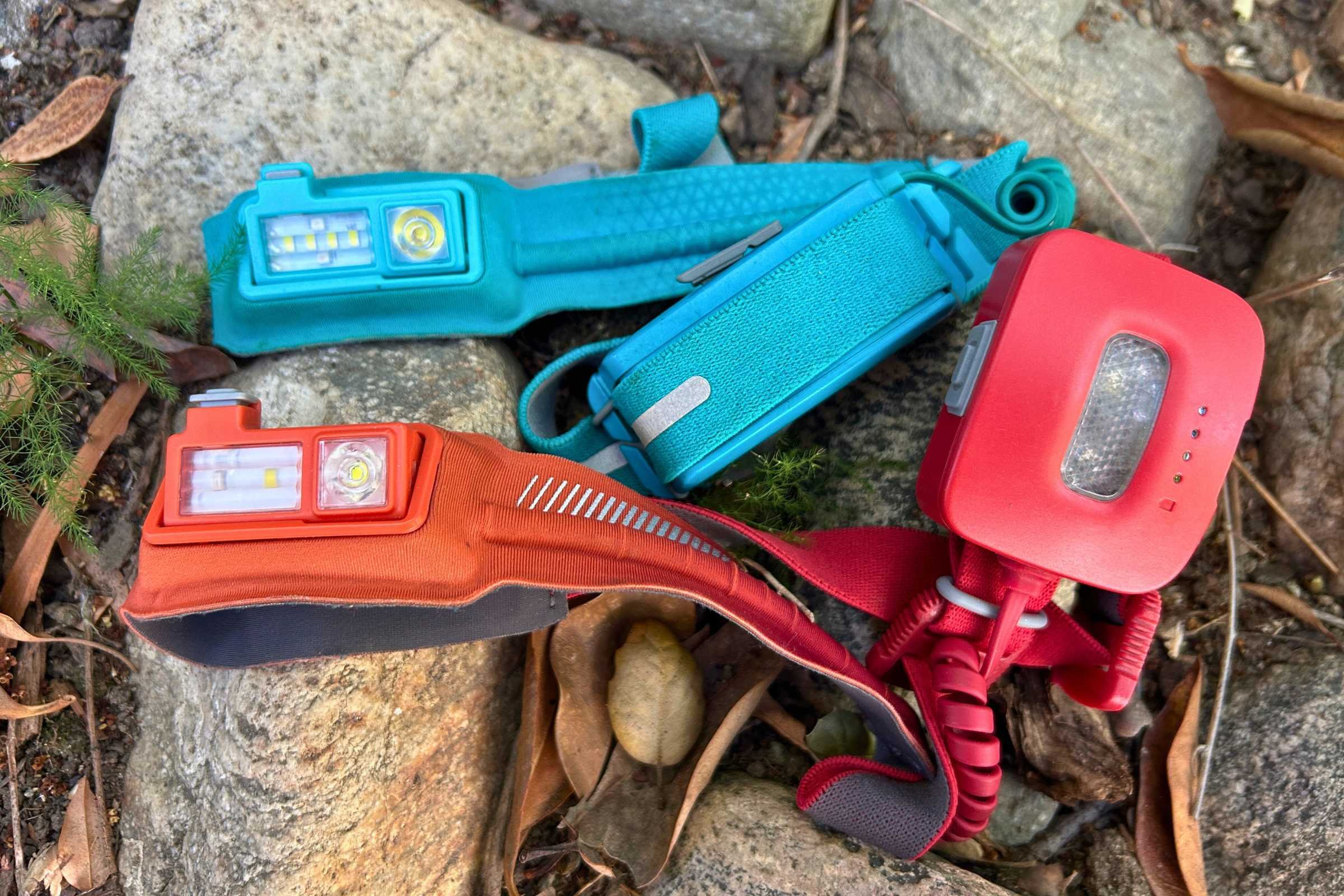
To decide if this is the right light for you, a BioLite Dash 450 vs Black Diamond Spot 400 comparison is necessary. Both are titans in the lightweight category, but they serve slightly different priorities.
The Black Diamond Spot 400-R offers a higher waterproof rating (IP67 vs the Dash’s IPX4), making it slightly more submersible for extreme weather. It also boasts a longer runtime on its lowest settings. However, the Dash 450 wins on pure ergonomics. While the Spot 400 feels like a traditional headlamp strapped to your head, the Dash 450 feels like a comfortable sweatband.
Buyer Decision Box
- Choose the BioLite Dash 450 if: You prioritize comfort, movement stability (no-bounce), and need the ability to charge via power bank while hiking.
- Choose the Black Diamond Spot 400 if: You need maximum waterproofing for constant rain and want a slightly simpler, single-housing design.
- Choose the Nitecore NU25 if: You are an ultralight purist who counts every single gram and doesn't mind a smaller battery.
The Dash 450 includes a rear safety strobe light and dimmable lighting modes that are much more intuitive to adjust than the Spot's tap-to-dim features, which can be finicky in the cold.
Verdict: Is the Dash 450 Worth the Thru-Hiker Hype?
After hundreds of miles of use, the verdict of this BioLite Dash 450 review is a resounding yes. It effectively bridges the gap between a high-performance running light and a rugged backpacking tool. While the main button can be a bit glove-unfriendly for winter hikers, the overall user experience is top-tier.
Pros
- Superior 3D Slimfit construction eliminates the annoying bounce of traditional lights.
- Balanced weight distribution makes it comfortable for 6+ hour night hiking sessions.
- USB-C charging is fast and aligns with modern electronics.
- The rear red strobe provides essential road safety.
- Pass-through charging solves the "dead battery" anxiety for long nights.
Cons
- Small power button is difficult to operate with thick winter gloves.
- IPX4 rating is fine for rain but not for full submersion.
Ultimately, this is one of those rare rechargeable headlamps for thru-hiking that actually delivers on its promises. Whether you are aiming for an FKT (Fastest Known Time) on the trail or just want the best headlamps for setting up camp at night, the comfort alone makes it worth the investment.
FAQ
Is the BioLite Dash 450 waterproof?
The Dash 450 is rated IPX4, which means it is water-resistant. It is designed to handle rain, snow, and splashing water from any direction without issue. However, it is not fully waterproof and should not be submerged in water.
How many lumens is the BioLite Dash 450?
The headlamp features a maximum output of 450 lumens. It also offers multiple dimmable settings, including a low mode of 5 lumens for activities that require less intensity, such as reading in a tent.
How long does the battery last on the BioLite Dash 450?
On its highest 450-lumen setting, the battery lasts approximately 3 hours. On its lowest 5-lumen setting, it can last up to 60 hours. If the battery runs low, the unit also features a one-hour reserve mode at 5 lumens.
What are the different light modes on the BioLite Dash 450?
It features white spot lighting, white flood lighting, a combination spot/flood beam, a dimmable red flood light for night vision preservation, and a rear red safety strobe for visibility from behind.
Is the BioLite Dash 450 worth the price?
For hikers and runners who value comfort and stability, the price is well worth it. The 3D Slimfit construction and the ability to charge while in use provide specific benefits that cheaper, bulkier headlamps simply cannot match.