Our Top Picks
- Osprey Eja 58 (Best Overall): A masterclass in balancing weight and comfort, ideal for long distance treks.
- Gregory Deva 60 (Best for Heavy Loads): The gold standard for support, offering luxurious padding and a robust suspension system.
- Osprey Renn 65 (Best Budget): A reliable entry-point that doesn't compromise on durability or essential comfort features.
- REI Co-op Flash 55 (Most Versatile): A modular design that allows for weight savings on shorter trips while maintaining great organization.
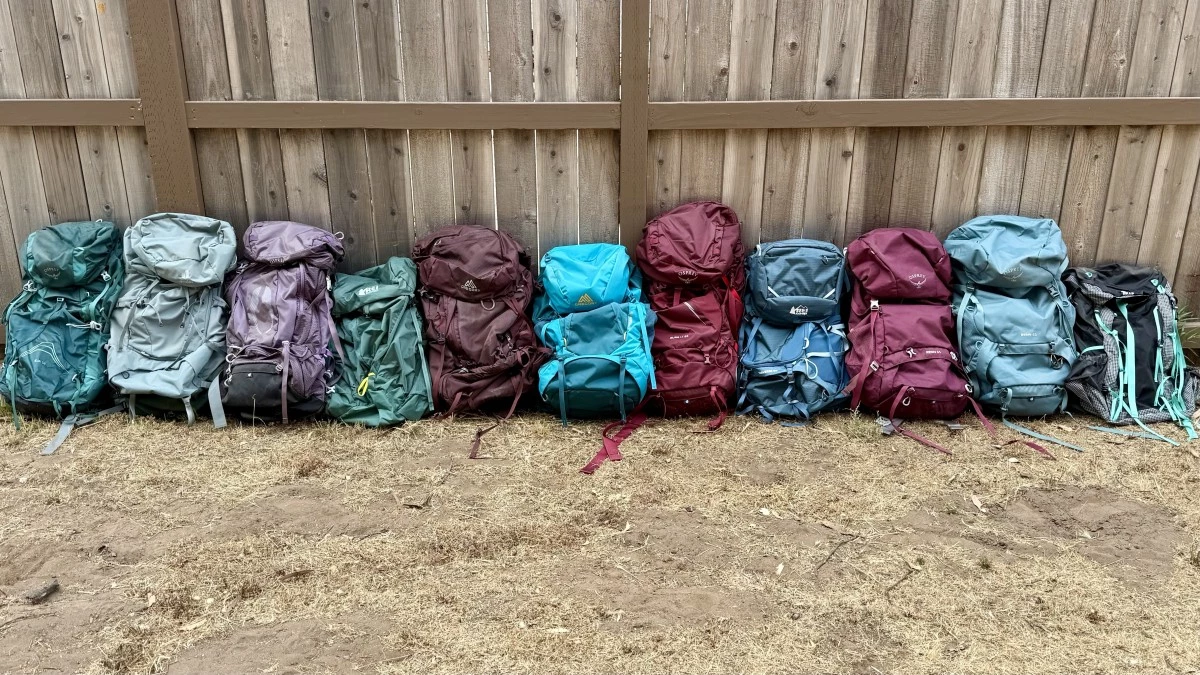
Choosing the right women's backpacking packs is the difference between an epic adventure and a painful slog. In 2026, tech has evolved to offer better load distribution and lighter materials than ever before. Whether you need lightweight women's backpacking backpacks for a thru-hike or high-capacity women's hiking backpacks for a week-long expedition, our guide covers the top-rated gear tested over thousands of trail miles.
Women-specific backpacking packs feature ergonomics tailored to female builds, including narrower, curved shoulder straps and shorter torso lengths. These design elements, combined with uniquely angled hip belts, allow the weight to rest more naturally on the hips and align with a lower center of gravity. These adjustments enhance stability and reduce chafing compared to unisex models. The Osprey Eja 58 is highly recommended for its balance of weight, ventilation, and comfort on long treks. For hikers carrying heavier loads, the Gregory Deva 60 is a premier choice due to its robust suspension and plush padding. Those seeking value often choose the Osprey Renn 65, which provides a high-capacity, durable design at a competitive price point.
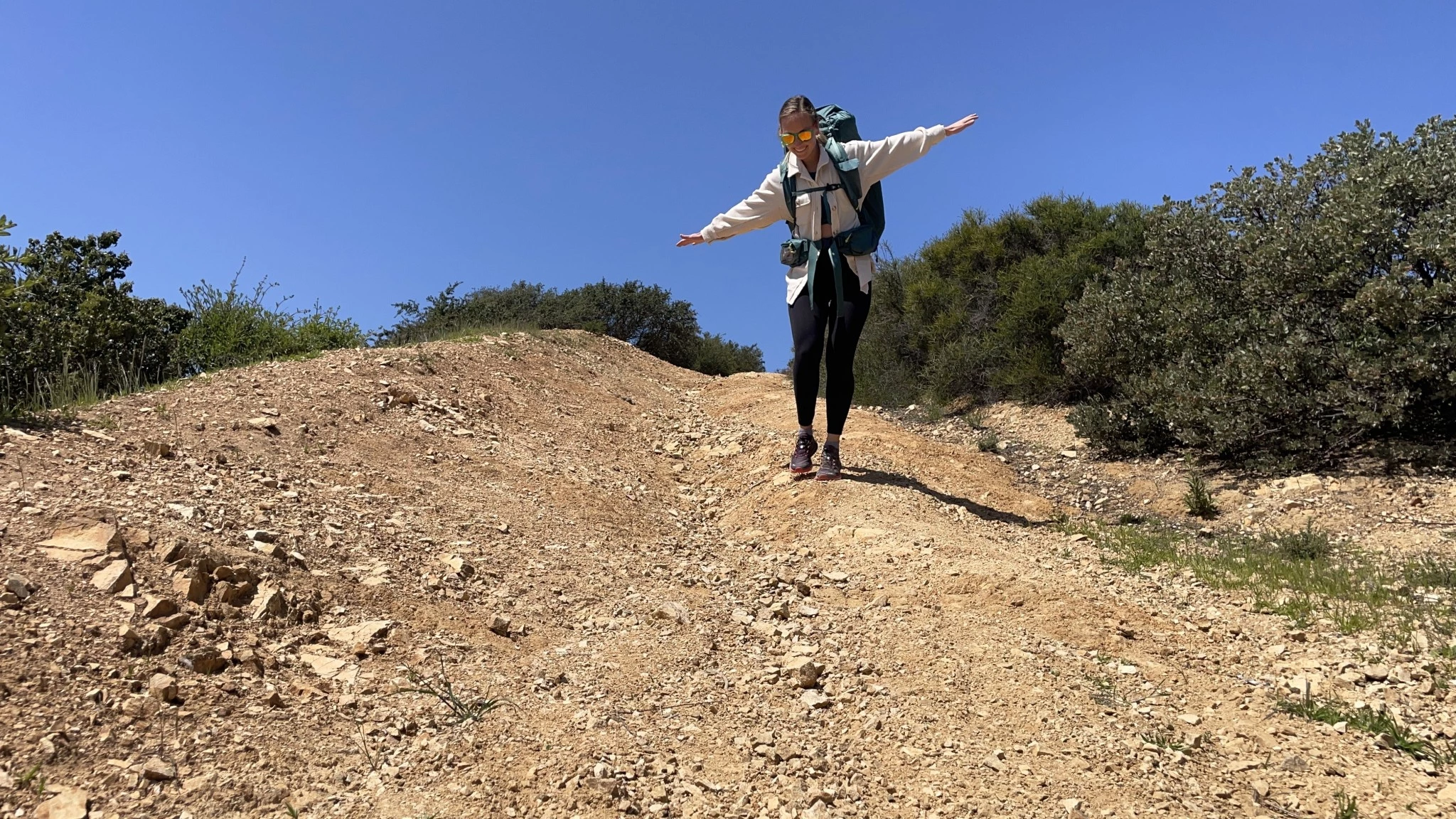
| Model | Weight | Volume | Max Load Recommendation | Price Point |
|---|---|---|---|---|
| Osprey Eja 58 | 2.7 lbs | 58L | 35 lbs | $$$ |
| Gregory Deva 60 | 4.6 lbs | 60L | 50 lbs | $$$$ |
| Osprey Renn 65 | 3.5 lbs | 65L | 40 lbs | $$ |
| REI Flash 55 | 2.8 lbs | 55L | 30 lbs | $$$ |
Why Ergonomics Matter: The Female-Specific Fit
For decades, the outdoor industry largely ignored the anatomical differences between men and women, often settling for a "shrink it and pink it" approach. However, modern women's multi-day trekking packs are engineered from the ground up to address specific physiological needs. The primary difference lies in the torso measurement. Technical women-specific gear is engineered for shorter torso lengths, typically ranging from 14 to 19 inches, whereas standard men's models generally accommodate lengths between 17 and 22 inches. This ensures the pack frame aligns with the user's back, preventing the load from pulling backward and straining the neck or shoulders.
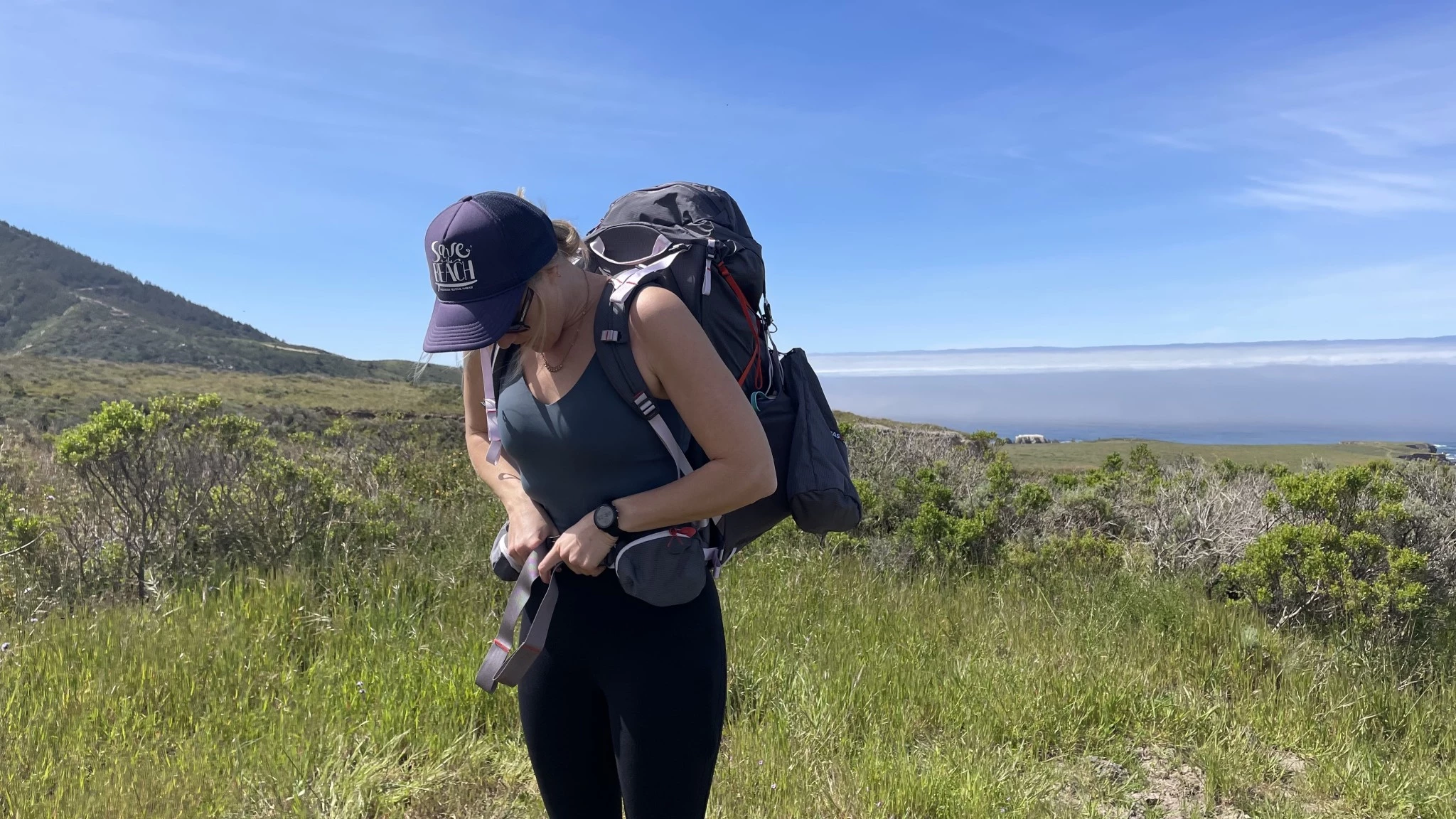
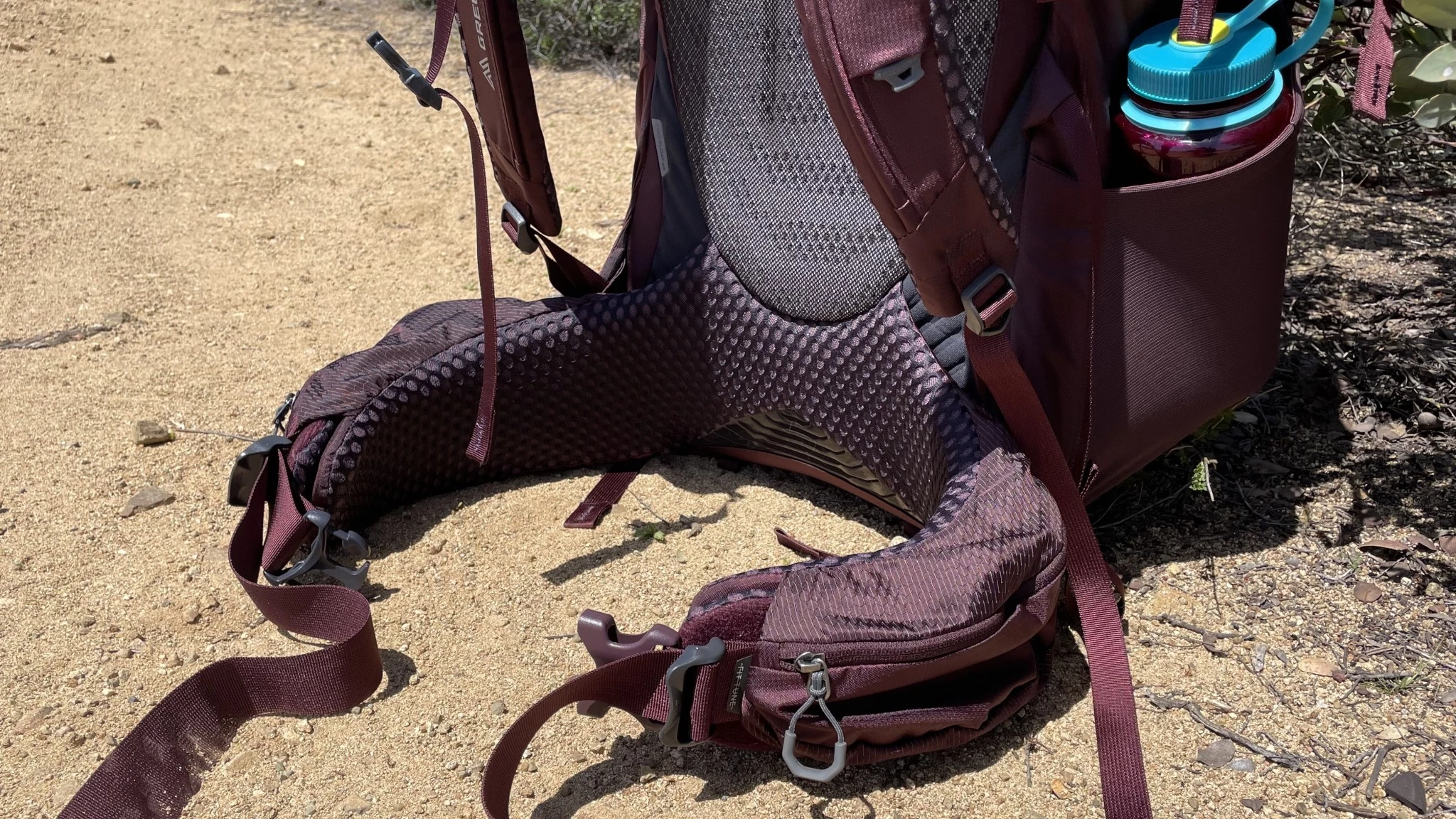
Beyond the frame height, the shape of the harness is critical. Ergonomic shoulder straps on women's packs are usually S-curved. This shape allows the straps to sit comfortably around the chest rather than cutting directly across it, which significantly reduces chafing. Furthermore, women's centers of gravity are typically lower, centered in the hips. A well-designed internal frame transfers weight to a conical hip belt that flares outward to match a female pelvis. This design ensures that the hip belt padding bears the brunt of the weight, rather than your shoulders, providing a more comfortable women's backpacking packs for curvy hips experience.
How to Measure and Size Your Pack
Finding your fit begins with a precise measurement of your back, not your overall height. We have seen many hikers buy a pack based on being 5'5", only to realize they have a long torso and need a larger frame size. To get it right, feel for the C7 vertebra—the bony bump at the base of your neck. From there, measure down your spine to the iliac crest, the top of your hip bone. This number is your torso measurement, and it is the only number that truly determines your pack size.
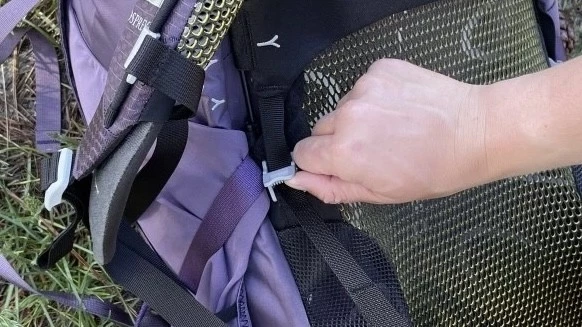
Pro Tip: Use a flexible tailor’s tape for measuring. If you are between sizes, we recommend trying the smaller frame first. Most modern packs feature lightweight women's backpacks with adjustable torso length, allowing you to fine-tune the shoulder harness height by an inch or two for a perfect fit.
When you try on a pack at home or in a store, load it with at least 20 pounds of weight. Look for the load lifter straps located at the top of the shoulder harness. These should sit at a 45-degree angle. When tightened, they pull the weight of the pack closer to your body, while the padded lumbar support stabilizes the bottom of the load. If there is a gap between the pack and your shoulders, the torso is too long. If the shoulder straps are digging into your armpits, it is too short.
Best Overall & Lightweight Packs for 2026
For the majority of backpackers, the Osprey Eja 58 sits in the "Goldilocks" zone. We’ve tested this pack on technical sections of the Appalachian Trail and found its weight-to-comfort ratio hard to beat. It utilizes a peripheral wire frame that provides excellent load distribution without adding the bulk of a full-suspension system. It is particularly effective for those seeking top-rated women's multi-day trekking packs for long distance, as it weighs under 3 pounds while still handling a week's worth of gear.

Another standout is the REI Co-op Flash 55. This pack is a favorite for thru-hiking gear enthusiasts because of its "Packmod" system. You can remove the lid, the hip belt pockets, and even the compression straps to shed extra ounces when you’re pushing for high-mileage days. One of the biggest selling points for both the Eja and the Flash is that they include women's backpacking packs with superior back ventilation. The mesh back panel creates a physical gap between your back and the pack body, allowing air to circulate and reducing the dreaded "back sweat" on humid summer treks.
However, lightweight women's backpacking backpacks come with trade-offs. The fabrics are often thinner (around 100D to 210D nylon), meaning they require more care around sharp rocks or thick brush. If you plan to carry more than 35 pounds, these frames can begin to sag, shifting the weight back onto your shoulders and causing fatigue.
High-Capacity & Budget Options for Beginners
If you are planning a trip that requires carrying a lot of water, camera gear, or a week’s worth of food, you need high capacity women's hiking backpacks like the Gregory Deva 60. Unlike ultralight models, the Deva is built with a heavy-duty internal frame and thick, plush padding. It features a Response A3 suspension system that allows the shoulder straps and hip belt to move independently, mimicking your body's natural stride. This is essential when navigating uneven terrain with a heavy load.
The Deva is also one of the few packs that handles bear canister compatibility exceptionally well. The wide body allows you to fit a full-sized BV500 horizontally, centered near your back for better stability. For many, the 60-to-65-liter range is the best 65l women's backpacking packs for week-long trips because it provides enough volume for a tent, sleeping bag, and bulky layers without needing to strap items to the outside of the pack.
For those just starting out and looking for the best budget women's backpacking packs for beginners, the Osprey Renn 65 is a fantastic choice. It lacks some of the bells and whistles of the Aura or Deva, but it provides a clean, durable design at a fraction of the cost. The Renn features a simplified adjustment system that is very intuitive for newcomers, ensuring that you can get a comfortable fit without a PhD in gear engineering.
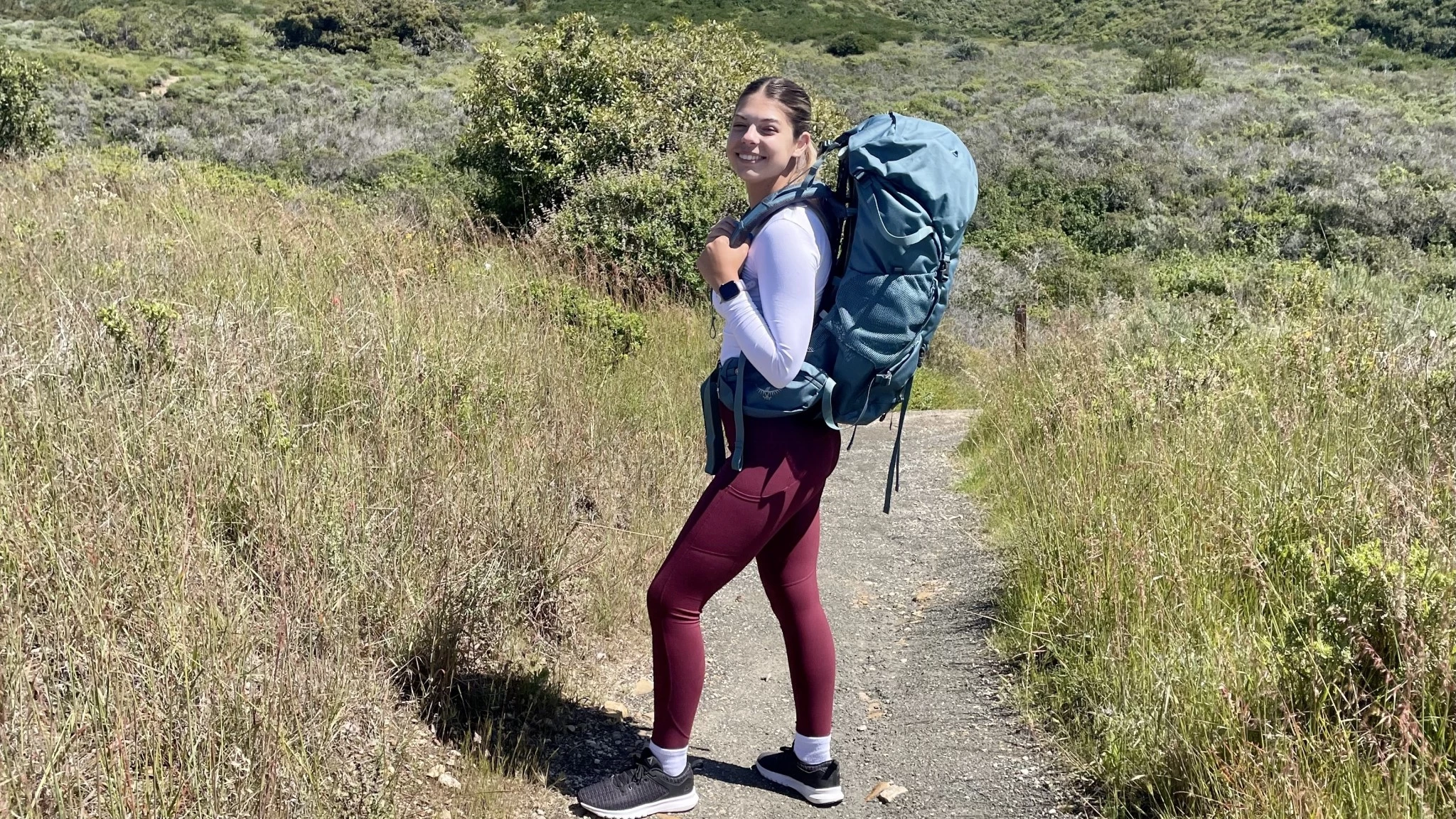
Advanced Materials: Durability vs. Weight
The landscape of pack manufacturing is shifting rapidly. As of 2025, the global market for active backpacks is projected to grow to approximately $6.91 billion, fueled by innovations in material science. For 2026, we are seeing a massive increase in the use of UltraWeave and Dyneema (DCH). These fabrics are incredibly strong for their weight, offering superior water resistance and abrasion durability compared to traditional nylon.
Technical women's backpacks for multi-day trekking, such as the 65-liter Osprey Aura AG, are designed with contoured 'S' shaped shoulder straps and conical hip belts to carry weight capacities of up to 50 pounds. To achieve this while keeping weight down, manufacturers are using varying deniers of fabric—thicker 600D recycled polyester on the bottom for durability and lighter 210D nylon on the sides.

Sustainability is also taking center stage. Keep an eye out for bluesign certifications and PFAS-free DWR finishes. These ensure that your gear is not only trail-tough but also manufactured with a lower environmental impact. Using recycled materials no longer means compromising on quality; in fact, many of the recycled nylons used in today's packs are more tear-resistant than the virgin fabrics of five years ago.
FAQ
What is the difference between men's and women's backpacking packs?
Women's packs are designed with a shorter torso length, narrower shoulder width, and S-curved shoulder straps to accommodate the chest. Additionally, the hip belts are angled to fit a wider female pelvis, helping the pack rest more comfortably on the hips rather than the lower back.
How do I measure my size for a women's backpacking pack?
Find your torso length by measuring from the C7 vertebra at the base of your neck to the top of your iliac crest (hip bone). Do not use your height to determine pack size; torso length is the only accurate metric for frame sizing.
What size backpack do I need for a week-long backpacking trip?
For a 5-7 day trek, look for a pack in the 55 to 65-liter range. This provides enough volume for a multi-day food supply, a bear canister if required, and all necessary camping gear without making the pack overly cumbersome.
What is the best backpacking pack for a petite woman?
Petite hikers should look for packs like the Gregory Deva or Osprey Aura, which offer XS frame sizes and highly adjustable torso harnesses. These models allow you to shorten the distance between the shoulders and hips more effectively than budget or fixed-frame models.
How should a women's backpacking pack fit correctly?
The hip belt should wrap around the top of your hip bones, with about 80% of the weight resting there. The shoulder straps should follow the curve of your shoulders with no gaps, and the load lifters should sit at a 45-degree angle to pull the weight toward your center of gravity.
Selecting the right women's backpacking packs is a personal journey that depends on your body type, your gear weight, and the length of your expeditions. By focusing on torso measurement and ergonomic features, you can ensure that your next trek in 2026 is defined by the views you see, not the pain in your shoulders. Whether you choose a lightweight specialist or a high-capacity hauler, the right fit is waiting for you.