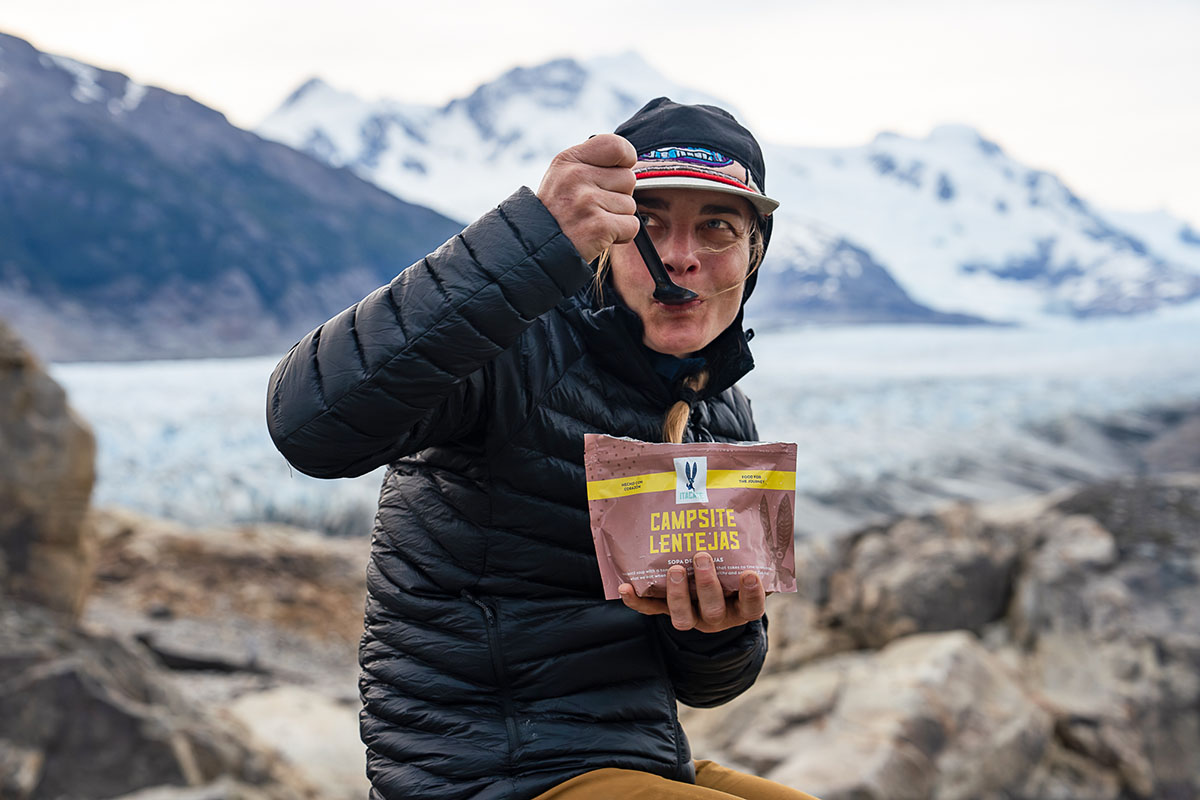
Quick Facts
- Best Overall: Backpacker’s Pantry (Winner for flavor variety and total value)
- Highest Caloric Density: Peak Refuel (Leading the market at 163 calories per ounce)
- Best Gourmet: Gastro Gnome (Unmatched restaurant-quality, chef-designed recipes)
- Best Budget Choice: ReadyWise (Most affordable options ranging from $5 to $8 per meal)
- Best for Dietary Restrictions: Heather’s Choice (Top-tier gluten-free and dairy-free options)
- Fastest Prep Time: Itacate (Meals rehydrate fully in just 5 minutes)
- Market Insight: The global backpacking dehydrated food market was valued at approximately 2.8 billion U.S. dollars in 2025, showing a massive shift toward premium, high-quality ingredients.
Choosing the best backpacking meals is a balance of weight, nutrition, and flavor. In 2025, brands like Peak Refuel and Backpacker's Pantry lead the market for high calorie backpacking food. The top-rated backpacking meals for 2025 include Backpacker’s Pantry for overall variety and Peak Refuel for calorie-dense performance. This guide breaks down the top brands for your next thru-hike.
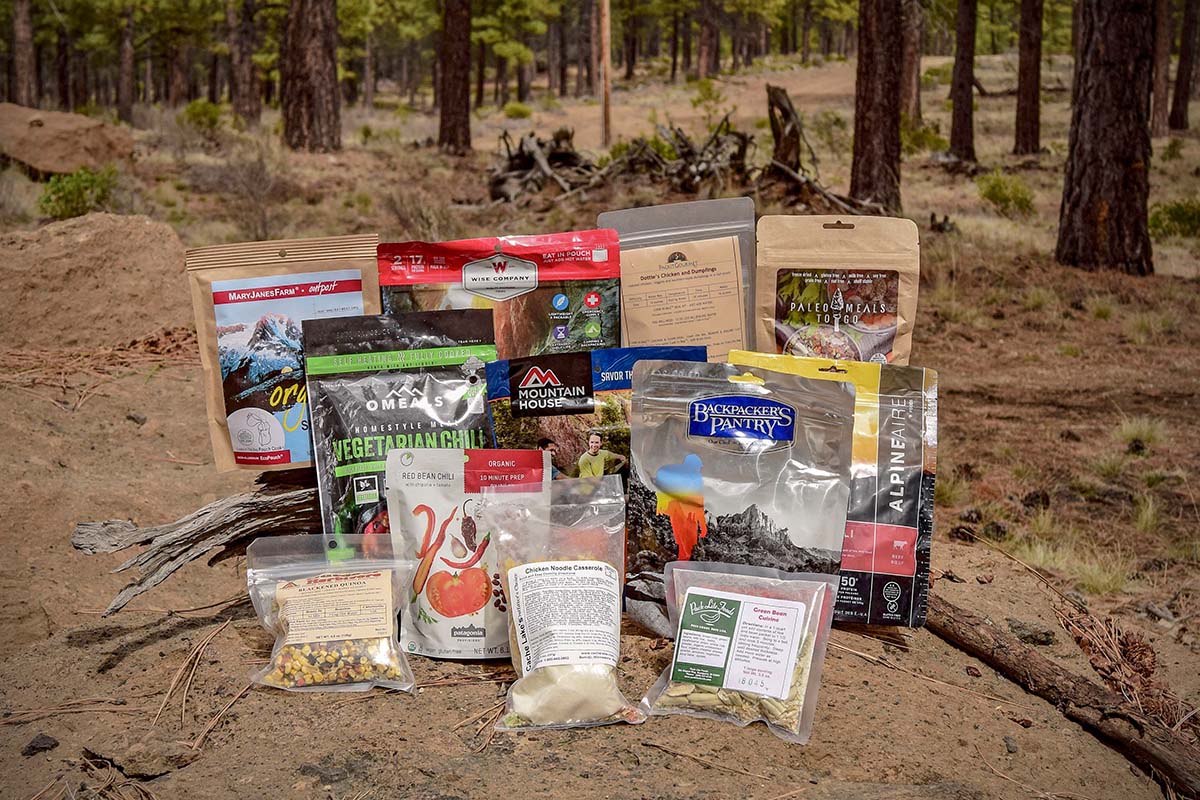
The Science of Trail Nutrition: Cal/Oz and Cal/$
When you are deep in the backcountry, your body is an engine that demands high-quality fuel. We have spent months testing these meals on the trail to find the perfect intersection of weight and energy. Standard nutritional guidelines for 2025 indicate that most backpackers require between 2,500 and 4,500 calories per day, which typically requires carrying 1.5 to 2.5 pounds of food per person. This is why understanding Cal/Oz (calories per ounce) is the most critical metric for any serious hiker.
If you are packing a heavy bag, every gram counts. Efficiency translates to base weight reduction. High-calorie backpacking meals often prioritize healthy fats and proteins to maximize the energy-to-weight ratio, with the most efficient options reaching over 150 calories per ounce. Beyond just energy, you need to consider sodium content. Because high-output activities cause salt loss through sweat, hikers often look for meals with higher sodium content to help replenish electrolytes during long days on the trail.
Nutritional density goes beyond just a number on a label; it is about how that energy is released. In 2025, we are seeing a shift away from simple sugars toward complex carbohydrates and high-quality proteins that offer sustained caloric replenishment. This prevents the dreaded "hiker bonk" and keeps your pace steady from sunrise to sunset.
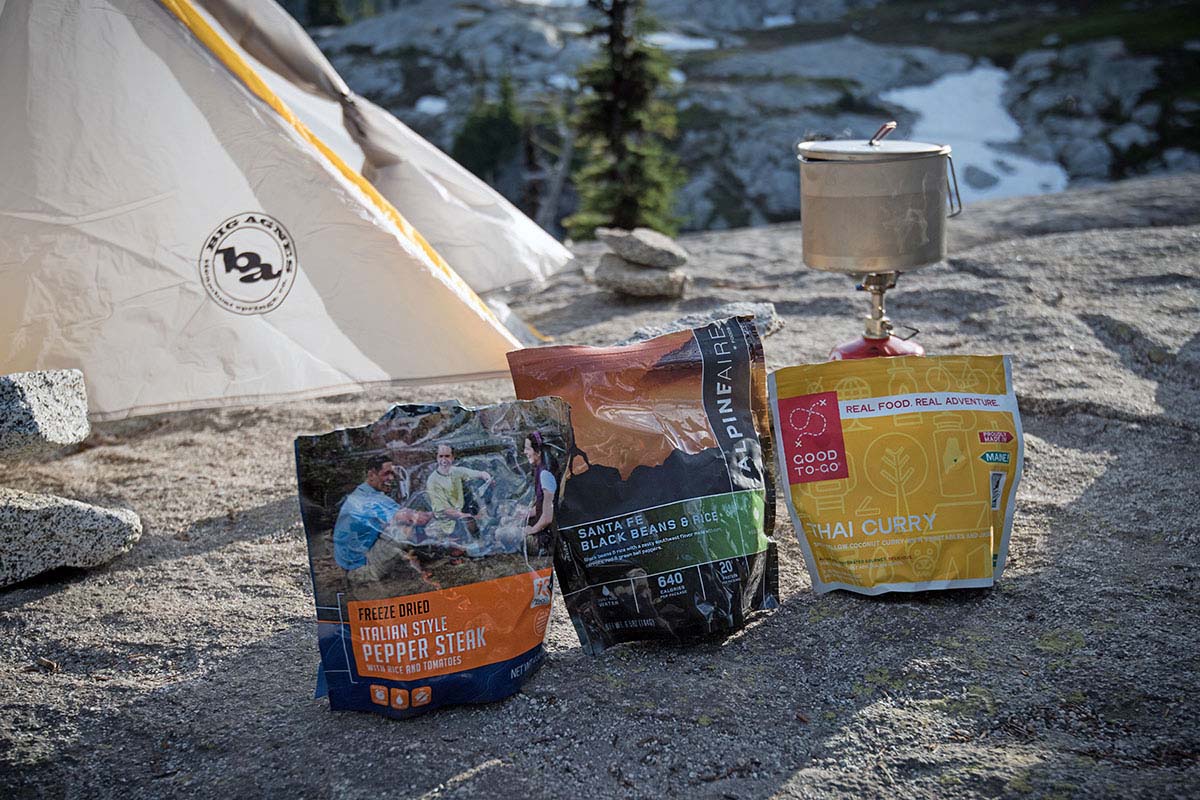
Best Overall & Gourmet Selections for 2025
For the average hiker, the best backpacking meals offer a mix of affordability, availability, and taste. Backpacker’s Pantry remains the king of this category. They have expanded their 2025 lineup to include more worldly flavors, from Pad Thai to Risotto, ensuring that you do not get "palate fatigue" on a long trip. Their freeze dried backpacking food is widely available at most outdoor retailers and offers a reliable baseline for quality.
Backpacker’s Pantry (Overall Category Leader)
- MSRP: $10.99 - $12.99
- Calories: 520 - 640 per pouch
- Weight: 4.5 oz - 5.5 oz
On the other side of the spectrum is Gastro Gnome. If you are a gourmet ultralighter who refuses to sacrifice the dining experience, this is your brand. They focus on restaurant-quality flavors and textures that make you forget you are eating out of a bag. Their chef-designed recipes, like the Bison Stout Stew, use high-quality ingredients that rehydrate almost perfectly.
Gastro Gnome (Gourmet Selection)
- MSRP: $15.00 - $18.00
- Calories: 600 - 750 per pouch
- Weight: 4.0 oz - 5.0 oz
While Gastro Gnome is more expensive, the culinary variety it adds to a trip is often worth the extra few dollars. Their rehydration speed is impressive, usually requiring less than 10 minutes to reach peak texture.
Hiker's Hack: If a meal feels a bit too "soupy" after the recommended wait time, give it another three minutes. Temperature and altitude affect rehydration speed more than most people realize.

Best High-Performance & High-Protein Meals
For thru-hikers covering 20+ miles a day, the thru-hiker appetite is a real and formidable force. You need food that works as hard as you do. This is where Peak Refuel shines. They have become the industry gold standard for high calorie backpacking food. By focusing on premium meats and real fats, they achieve a caloric density that most other brands cannot touch.
Peak Refuel (Performance Pick)
- MSRP: $13.99 - $15.99
- Calories: 800 - 940 per pouch
- Weight: 5.2 oz - 6.0 oz
Peak Refuel meals like the Chicken Pesto Pasta provide massive caloric replenishment without taking up much space in your bear canister. They also offer high protein keto backpacking meals for hikers looking to maintain specific metabolic states during their treks. The advantage of Peak Refuel is the use of 100% real meat, which avoids the spongy texture sometimes found in cheaper freeze dried backpacking food.
Another brand carving out a niche in high-performance backcountry nutrition is Bowl & Kettle. Their focus is on high-protein, calorie-dense recipes that prioritize clean ingredients. For those seeking the highest calorie backpacking meals per ounce, Peak Refuel and Bowl & Kettle are the two names that consistently top the charts in 2025.
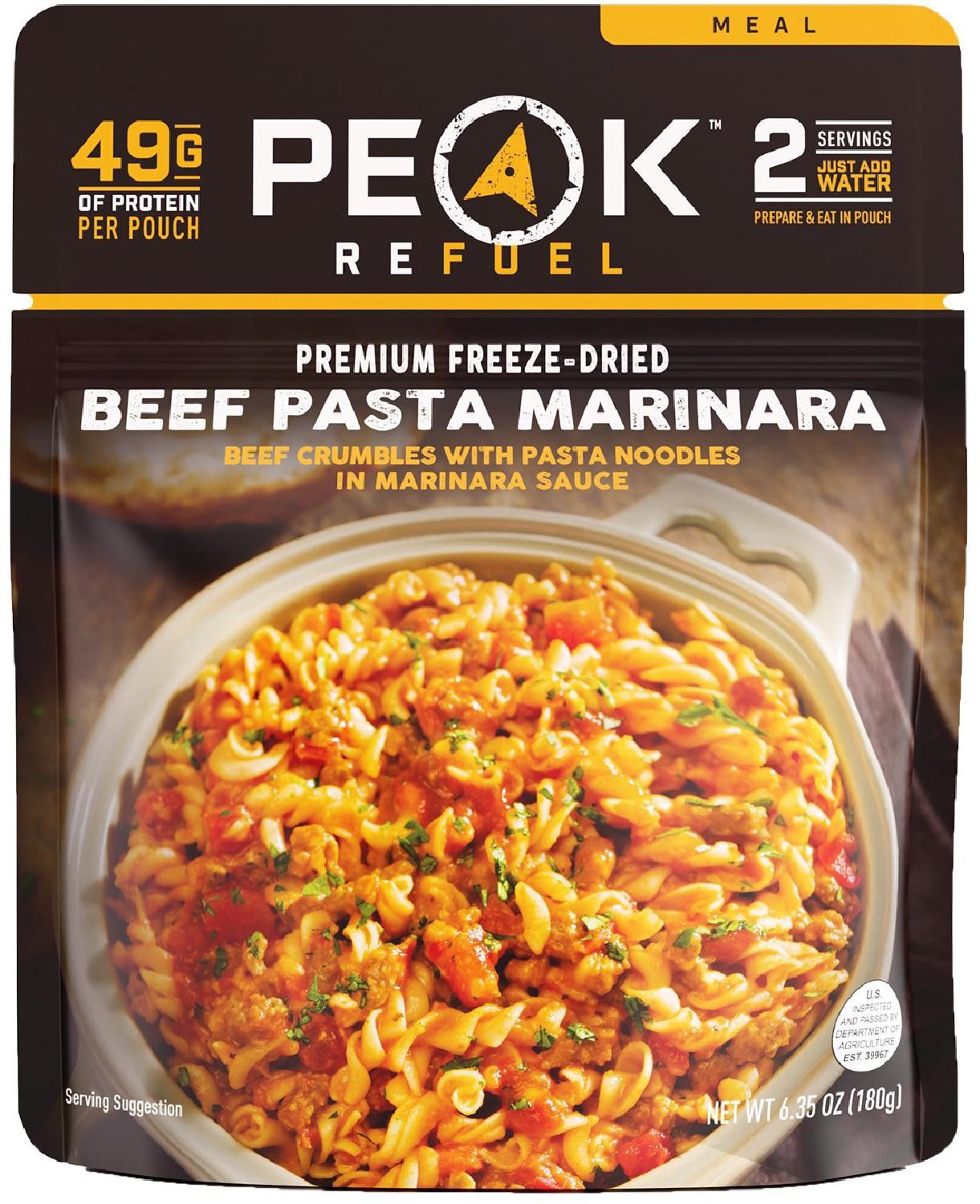
Budget-Friendly & Lightweight Packability
Backpacking is an expensive hobby, and the cost of meals can add up quickly. If you are planning a month-long excursion, you need best budget friendly backpacking food brands that do not sacrifice shelf stability or nutritional value. ReadyWise and Mountain House are the stalwarts of this category.
ReadyWise offers some of the most affordable pouches on the market. While their flavor profiles are simpler—think pastas and rice-based dishes—they are perfect for hikers who view food primarily as fuel. They are particularly known for their packability, featuring thin pouches that stack easily in a backpack.
Mountain House remains a favorite for its legendary 30-year shelf stability. This makes them the perfect "just in case" meal to keep in your gear closet. While they may not have the gourmet flair of newer brands, their consistency and quick rehydration speed make them a reliable lightweight backpacking food brands choice for any level of experience.
- Pros of Budget Brands:
- Hard to beat the price per calorie.
- Easy to find in bulk at big-box stores.
- Generally have the longest shelf lives in the industry.
- Cons of Budget Brands:
- Often higher in preservatives and lower in real vegetable content.
- Textures can be more homogeneous (everything feels a bit like mush).
Specialized Dietary Options (Vegan & Gluten-Free)
Five years ago, being a vegan or gluten-free hiker meant you were stuck eating plain oatmeal and peanut butter. In 2025, that is no longer the case. Heather’s Choice and Good To-Go have revolutionized lightweight gluten free backpacking food options.
Heather’s Choice focuses on ethically sourced ingredients and Paleo-friendly meals. Their "Packaroons" are a legendary snack, but their main entrees, like the Smoked Sockeye Salmon Chowder, offer incredible nutritional density. For those looking for the best vegan freeze dried meals for backpacking, Good To-Go is the brand to beat. Founded by a professional chef, they offer incredible plant-based options like Mushroom Risotto and Thai Veggie Curry that actually taste like real food.
Preparation Guide: Cook-in-Bag vs. Pot-Cooked
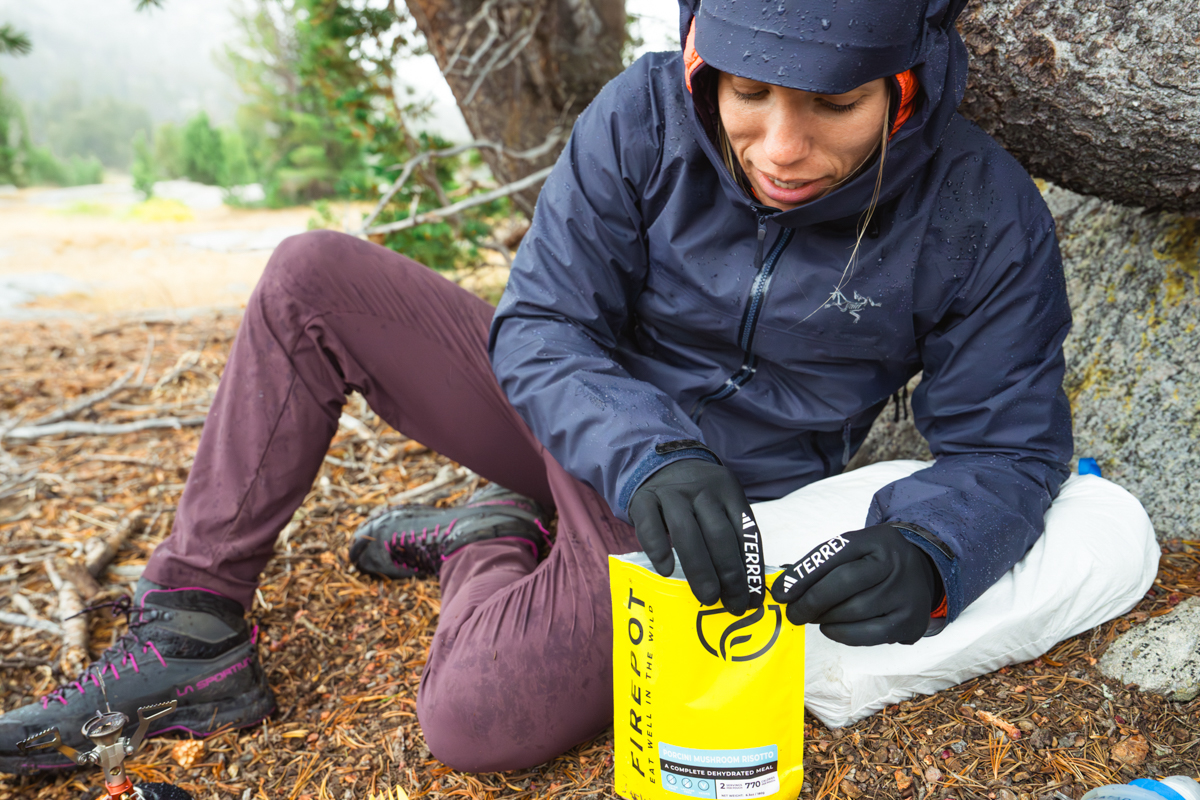
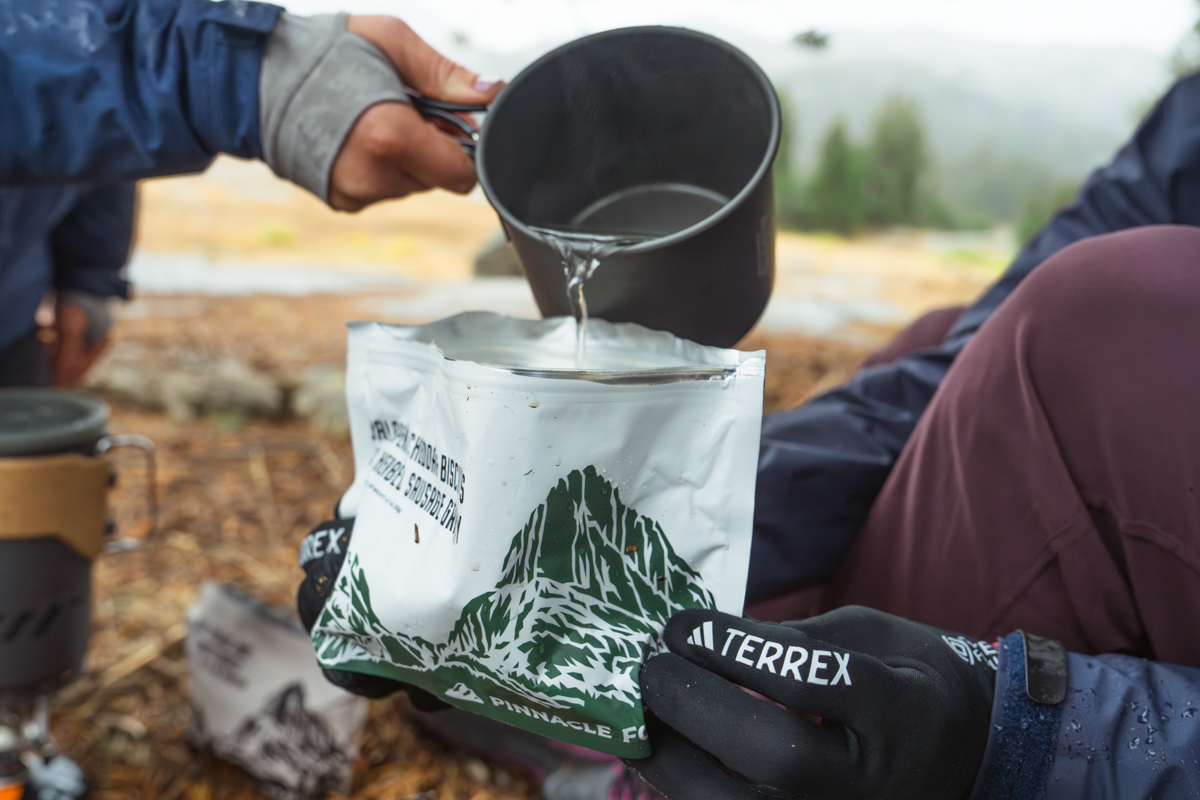
When choosing your meals, consider the preparation method. Most modern freeze-dried meals are no cleanup backpacking meals in a pouch. You simply add boiling water, stir, and seal. However, there is a technical difference you should understand:
Freeze-dried meals are made by flash-freezing food and then removing moisture through a vacuum. This process makes the food exceptionally lightweight because it removes nearly all moisture. They typically offer the quickest cook time freeze dried meals, often ready in under 10 minutes.
Dehydrated meals are made by circulating hot, dry air over the food. While they take longer to prepare (sometimes up to 20 minutes), they often preserve the original texture of vegetables and meats better than freeze-drying alone. Many modern brands use a combination of both techniques to balance nutritional density and palatability.
Chef's Tip: To maximize pouch cooking convenience and ensure even rehydration, always use a long-handled spoon to reach the bottom corners of the bag where dry powder often hides.
FAQ
What are the best tasting freeze-dried backpacking meals?
Gastro Gnome and Good To-Go currently lead the market for flavor and texture. Gastro Gnome focuses on restaurant-style recipes like bison stew, while Good To-Go offers chef-crafted meals like mushroom risotto that prioritize fresh-tasting ingredients.
How many calories should a backpacking dinner have?
A standard backpacking dinner should aim for 600 to 900 calories. Thru-hikers or those on high-exertion trips may need even more to ensure proper caloric replenishment, often supplementing their dinner with extra olive oil or cheese to boost the energy density.
What is the difference between dehydrated and freeze-dried food?
Freeze-drying removes 98% of moisture through a process called sublimation, resulting in a lighter product with a longer shelf life and faster rehydration. Dehydration removes about 80% of moisture using heat, which is cheaper but results in a heavier product that takes longer to cook.
How do I choose the best backpacking food for a long trip?
Prioritize variety to avoid palate fatigue and focus on caloric density to keep your pack weight manageable. Aim for a mix of lightweight backpacking food brands that offer a balance of high-protein recovery meals and carbohydrate-heavy energy meals.
Are freeze-dried meals healthy to eat for multiple days?
Yes, modern freeze-dried meals use high-quality ingredients and are much healthier than they were a decade ago. However, they can be high in sodium, so it is important to stay hydrated and supplement your diet with fresh snacks or vitamins on very long treks.
What are some good no-cook backpacking meal options?
Beyond standard pouches, no-cook options include cold-soaked grains (like couscous or ramen), tortillas with nut butter, tuna or chicken foils, and high-calorie bars. Some brands like Itacate also offer meals that can be prepared with cold water if given enough time.
Final Thoughts for the 2025 Season
The world of backcountry nutrition has never been more diverse. Whether you are looking for the highest calorie backpacking meals per ounce to smash a personal best on the PCT, or you just want a gourmet dinner to enjoy by an alpine lake, there is a pouch designed for you. Remember to test your meals at home before heading out—nothing ruins a trip faster than finding out you hate the taste of your dinner when you are ten miles from the nearest trailhead.