Quick Facts
- Campsite Layout: Utilize the Bear Triangle with 100-yard separation between zones.
- Storage Requirement: IGBC-certified hard-sided canisters are the gold standard for safety and compliance.
- Scent Radius: All scented items, including toiletries and trash, must be stored 100 feet from sleep areas if not in a canister.
- Defensive Tool: Bear spray must be 90-98% effective if used correctly; aim low to create a barrier.
- Success Rates: In places like Yellowstone National Park, approximately 61% of the 1,907 campsites are now equipped with permanent lockers to reduce conflict.
- Primary Check: Carry spray on your chest or hip holster; never store it inside your backpack.
To follow the best bear safety tips and ensure a bear-proof campsite setup, implement the 100-yard rule: keep your sleeping area, cooking/eating area, and food storage area in a triangle layout, with each point at least 100 yards (300 feet) apart. This ensures that food odors which attract bears do not lead them to where you sleep.
The Bear Triangle: Strategic Campsite Geometry
When you step into the backcountry, you are entering a shared space where your behavior directly impacts the local wildlife. Achieving a bear-proof campsite setup starts long before you pitch your tent; it begins with how you organize the spatial layout of your site. The gold standard for wilderness safety is the 100-yard rule, often referred to as the Bear Triangle. This strategy requires you to visualize your campsite as three distinct points: where you sleep, where you cook and eat, and where you store your food. By maintaining a distance of at least 100 yards (roughly 300 feet or 100 large paces) between these points, you create a buffer that keeps curious foragers away from your sleeping quarters.
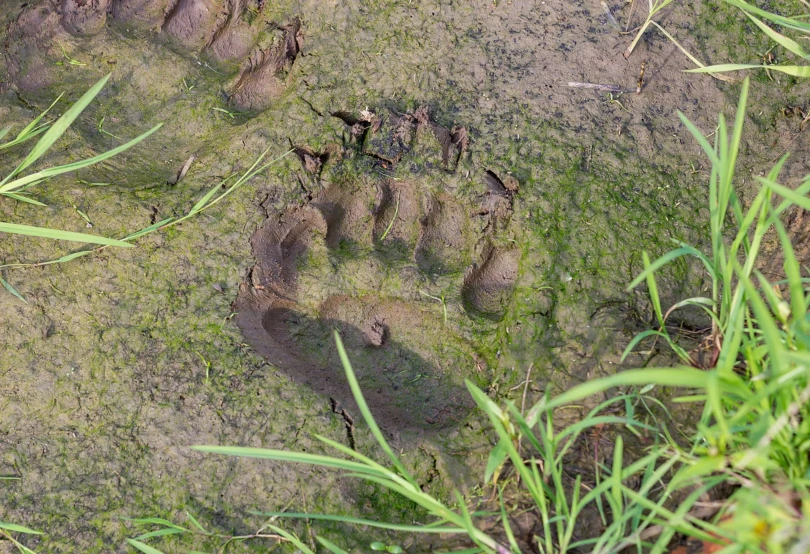
Situational awareness is your most valuable asset when selecting a specific location for this triangle. Before unloading your gear, scan the area during peak dawn and dusk activity windows when bears are most likely to be moving. Look for natural corridors, like game trails or berry patches, and avoid them. It is equally important to walk the perimeter to know how to identify fresh bear signs near camp. If you see overturned rocks, fresh scat that appears moist, or deep claw marks on trees, move on. These indicates that the area is currently being utilized by a resident bear, and setting up camp there increases the risk of a defensive encounter.
A proper Bear Triangle should look like this in your mind’s eye:
- The Sleeping Zone: This should be upwind of the kitchen and food storage.
- The Kitchen/Eating Zone: All cooking, cleaning, and eating happen here. This is where most odors are generated.
- The Storage Zone: This is where your bear-resistant containers live overnight, placed on level ground 100 feet from your tent.
Choosing Bear-Resistant Food Storage
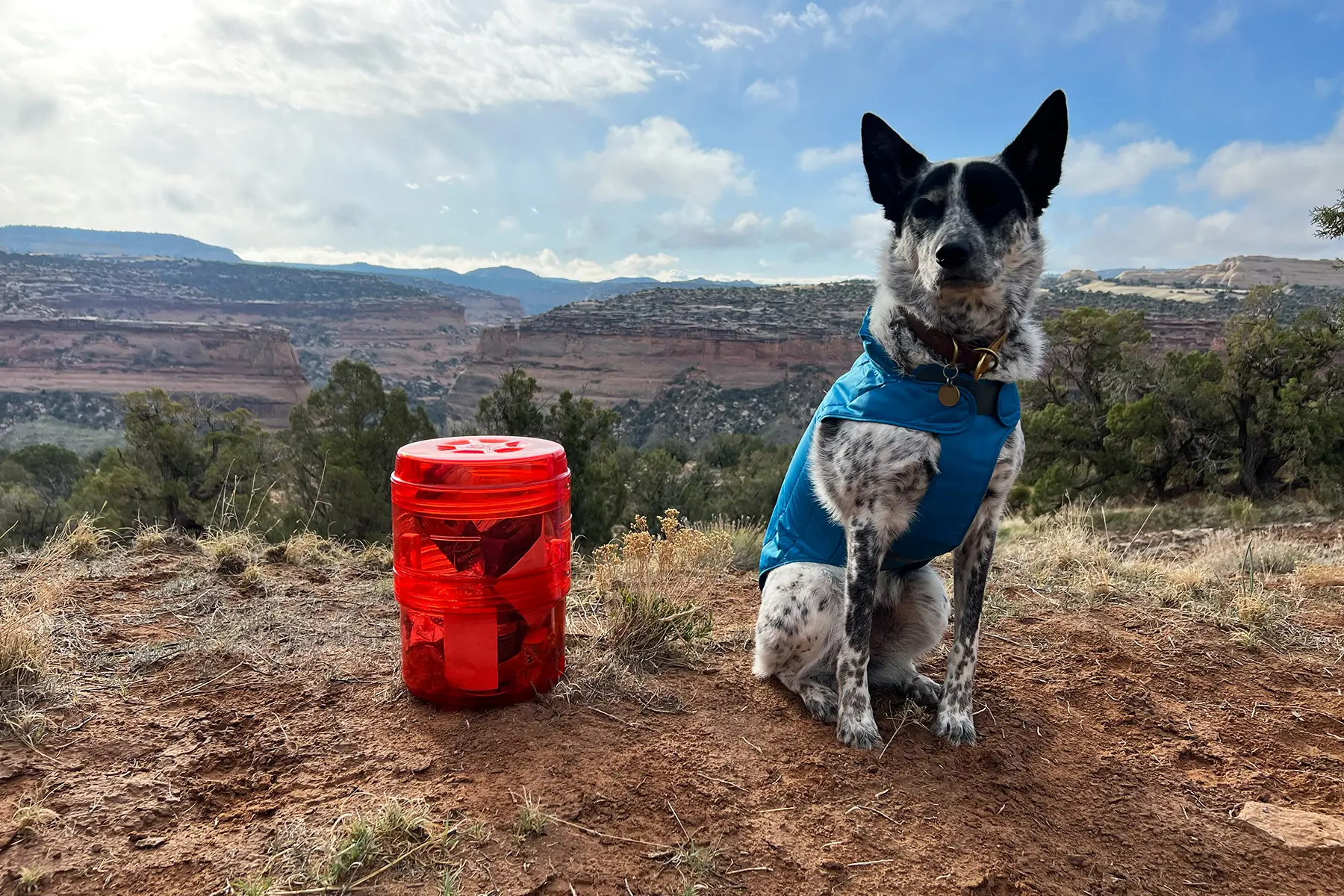
Hard-sided canisters are non-negotiable in many high-traffic wilderness areas. When you are choosing bear-resistant food storage for backpacking, the first thing you must look for is IGBC certification. The Interagency Grizzly Bear Committee tests equipment against actual bears to ensure the latches and materials (usually rugged ABS polymer or carbon fiber) can withstand hours of concentrated biting and clawing. While 87% of visitors in a Yosemite study used canisters, only 62% achieved full compliance by properly securing every single scented item every night.
There is a significant difference between hard-sided canisters and soft-sided bear sacks. While products like the Ursack are lighter, they rely on high-strength fabric to prevent the bear from getting a food reward. However, they do not prevent a bear from crushing the food inside into a paste. Hard-sided canisters like the BearVault series are more reliable because they are difficult for bears to carry away or crush. They also double as excellent camp stools.
To help you decide on the right gear for your group size and trip length, consider the following capacity guidelines:
| Canister Model | Volume (Cubic Inches) | Capacity (Person-Days) | Typical Weight |
|---|---|---|---|
| Solo/Weekend | 250 - 300 | 1-2 Days | 1.5 - 2.0 lbs |
| Standard | 400 - 550 | 3-4 Days | 2.1 - 2.5 lbs |
| Expedition | 700+ | 5-7 Days | 2.8 - 3.5 lbs |
Scent Management: From Toiletries to Micro-trash
The most common mistake hikers make is forgetting that bear safety tips apply to more than just freeze-dried meals. Bears possess an olfactory sense that is significantly more powerful than a bloodhound's. Anything with a scent is an attractant. This includes scented attractants like sunscreen, lip balm, toothpaste, and even the "unscented" deodorant you think is safe. When you are storing toiletries and scented items in bear country, they must go into your IGBC-certified container alongside your food.
Even your waste management requires a technical approach to follow Leave No Trace principles. Micro-trash—small scraps of wrappers, dropped nuts, or even spilled electrolyte powder—can be enough to lure a bear into camp. Once a bear learns that humans equal food rewards, they become "habituated," which often leads to aggressive behavior and, ultimately, euthanasia prevention becomes impossible for park rangers. Furthermore, your gray water—the water left over from washing dishes or brushing teeth—should be disposed of at least 200 feet from your sleeping area and at least 100 feet from water sources. Use a "broadcasting" method to scatter the water over a large area rather than dumping it in one concentrated hole.
Bear Storage Checklist — Put these in your canister/bag every night:
- All food and snacks (including "just one bar" for the morning)
- All trash and food wrappers
- Toothpaste, toothbrush, and floss
- Sunscreen and insect repellent
- Lip balm and lotions
- First aid kits (specifically ointments and medicated creams)
- Dirty stove and fuel canisters (if they smell like food)
Bear Spray Safety and Deployment Techniques
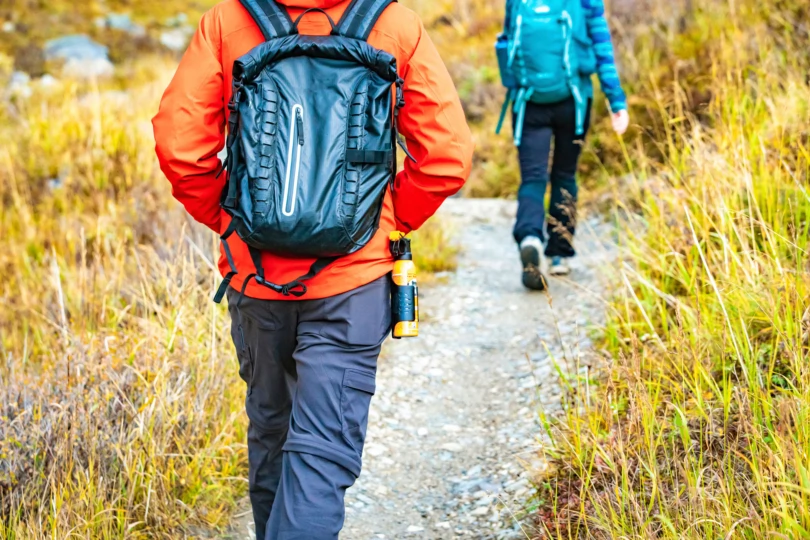
In the rare event of a close encounter, your primary defensive tool is bear spray. However, the spray is only effective if you can reach it in two seconds or less. This is why you must carry your spray in an easily accessible holster on your chest or waist, never inside your backpack. Effective bear spray safety and deployment techniques require muscle memory. You should practice the drawing motion (with a dedicated inert practice canister) until it becomes second nature.
If a bear approaches, do not run. Running triggers a predatory chase instinct. Instead, stand your ground, remove the safety clip, and wait until the bear is within 30 to 60 feet. Aim low, specifically toward the ground just in front of the bear’s paws, and deploy a steady, 2 to 3-second burst. This creates a wall of capsaicin that the bear must walk through. Success rates are high; research tracking the effectiveness of bear-resistant equipment and deterrents showed that bears were 30% less likely to visit or linger in areas where proper deterrents and storage were consistently used.
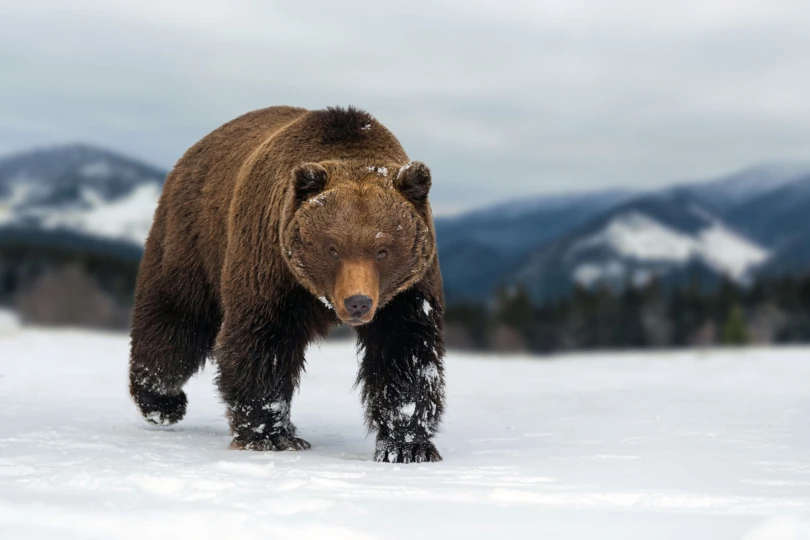
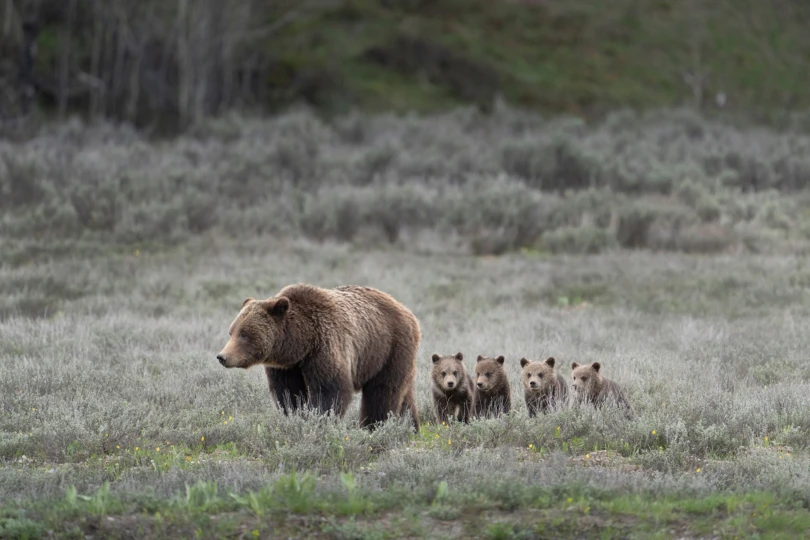
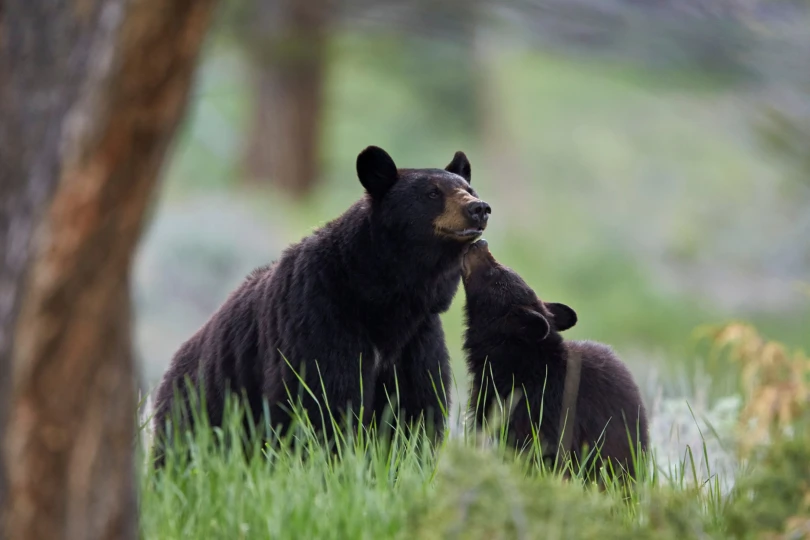
Understanding the difference between black bear and grizzly safety protocols is also vital because they require different responses. A black bear has a straighter facial profile and lacks a hump. If one approaches your camp, you should be loud and assertive to scare it away. A grizzly bear, identified by its prominent shoulder hump and dished facial profile, is more likely to act defensively. If a grizzly charges, you should use your spray, but if it makes contact, you must play dead to show you are not a threat.
Pro Tip: Use odor-barrier bags inside your bear canister. These heavy-duty, scent-proof bags provide an extra layer of protection by trapping smells, making it much harder for a bear to locatable your camp in the first place.
FAQ
What are the most effective ways to keep bears away from a campsite?
The most effective strategy is a combination of distance and scent management. By using the 100-yard rule to separate your sleep, kitchen, and storage areas, you ensure that if a bear is attracted to food smells, it is not led to your tent. Additionally, using IGBC-certified bear-resistant food storage ensures that even if a bear finds your supplies, it won't get a reward, which discourages it from lingering or returning.
How can you prevent attracting bears with food while camping?
Preventing attraction starts with maintaining a clean camp. You should never leave food unattended, even for a minute. Consistently use odor-barrier bags, secure all micro-trash, and dispose of gray water far from your living area. By keeping all scented items like toothpaste and sunscreen in a hard-sided canister, you minimize the "scent cone" that attracts wildlife.
Does bear spray really work against an aggressive bear?
Yes, bear spray is highly effective when used correctly. It is designed to irritate the eyes, nose, and lungs of the bear, creating a temporary but intense physical deterrent that allows you to retreat. Statistics show that bear spray is more effective at preventing injury to both humans and bears than firearms. The key is to aim low and create a concentrated cloud between you and the animal.
How do you distinguish between black bear and grizzly bear safety procedures?
Identifying the bear is the first step. Grizzlies have a large shoulder hump and a concave or dished facial profile; black bears lack the hump and have a straighter, Roman-nose profile. If a black bear enters your camp, you should be aggressive, yell, and try to look large. If a grizzly approaches, keep your voice calm and low, avoid eye contact, and be prepared to play dead only if the bear makes physical contact during a defensive charge.
What should you do if you encounter a bear while hiking?
The most important thing is to stay calm and never run. Stop moving, identify the bear's behavior, and slowly reach for your bear spray. Speak to the bear in a low, calm voice so it identifies you as human. If the bear is stationary, move away slowly and sideways, which allows you to keep an eye on the bear without appearing like a threat or a retreating prey animal.